The World’s Top-Rated Beaches You Need to See at Least Once
Beaches have a funny way of staying with us. Long after the tan fades and the sand’s been shaken from our bags, certain coastlines linger in the memory — the colour of the water, the rhythm of the waves, the feeling of time slowing down somewhere between land and sea.
Around the world, a handful of beaches rise above the rest. Not just because they’re beautiful — though many are staggeringly so — but because they offer something rarer: a sense of place. These are beaches shaped by geography, weather, wildlife, and the people who live nearby. Some are wild and remote, reached only by boat or rough roads. Others sit surprisingly close to towns and villages, woven into everyday local life. What they share is consistency — year after year, travellers return home talking about them in the same breathless way.
This list brings together the world’s top-rated beaches you need to see at least once — chosen for their natural beauty, swimming conditions, atmosphere, and the way they make people feel when they arrive. It’s not about ticking boxes or chasing perfection. It’s about coastlines that stop you mid-step, places where mornings stretch into afternoons, and where the sea becomes the main event.
Consider this a starting point rather than a ranking — a global invitation to slow down, follow the shoreline, and discover why these beaches continue to earn their place among the very best on Earth.
How We Chose the World’s Top Rated Beaches
“Top rated” can mean a lot of things — glossy photos, viral moments, or fleeting hype. For this list, we looked beyond postcard perfection and focused on beaches that consistently earn their reputation from the people who actually visit them.
Each beach featured here stands out across a mix of factors, rather than excelling in just one area:
Traveller ratings and long-term reputation
Beaches that appear year after year in global rankings and traveller reviews, not just trending in a single season.Natural beauty and setting
Think water clarity, sand quality, surrounding landscapes, and how the beach fits into its wider environment — cliffs, jungle, dunes, reefs, or mountains.Swimming and sea conditions
Calm, clear water where swimming is genuinely enjoyable, or conditions that make the beach special for snorkelling, wildlife, or ocean views.Atmosphere and experience
Some beaches are social and lively, others quiet and restorative. What matters is that the atmosphere feels authentic and memorable, not over-engineered.Sense of place
Beaches that feel connected to their location — shaped by local culture, geography, and everyday life, rather than existing purely as tourist backdrops.
Importantly, this isn’t a countdown or a definitive ranking. Every beach on this list earns its place for different reasons, and the “best” beach will always depend on what you’re looking for — solitude or energy, adventure or stillness, easy access or wild remoteness.
With that in mind, let’s head to the coast.
Whitehaven Beach
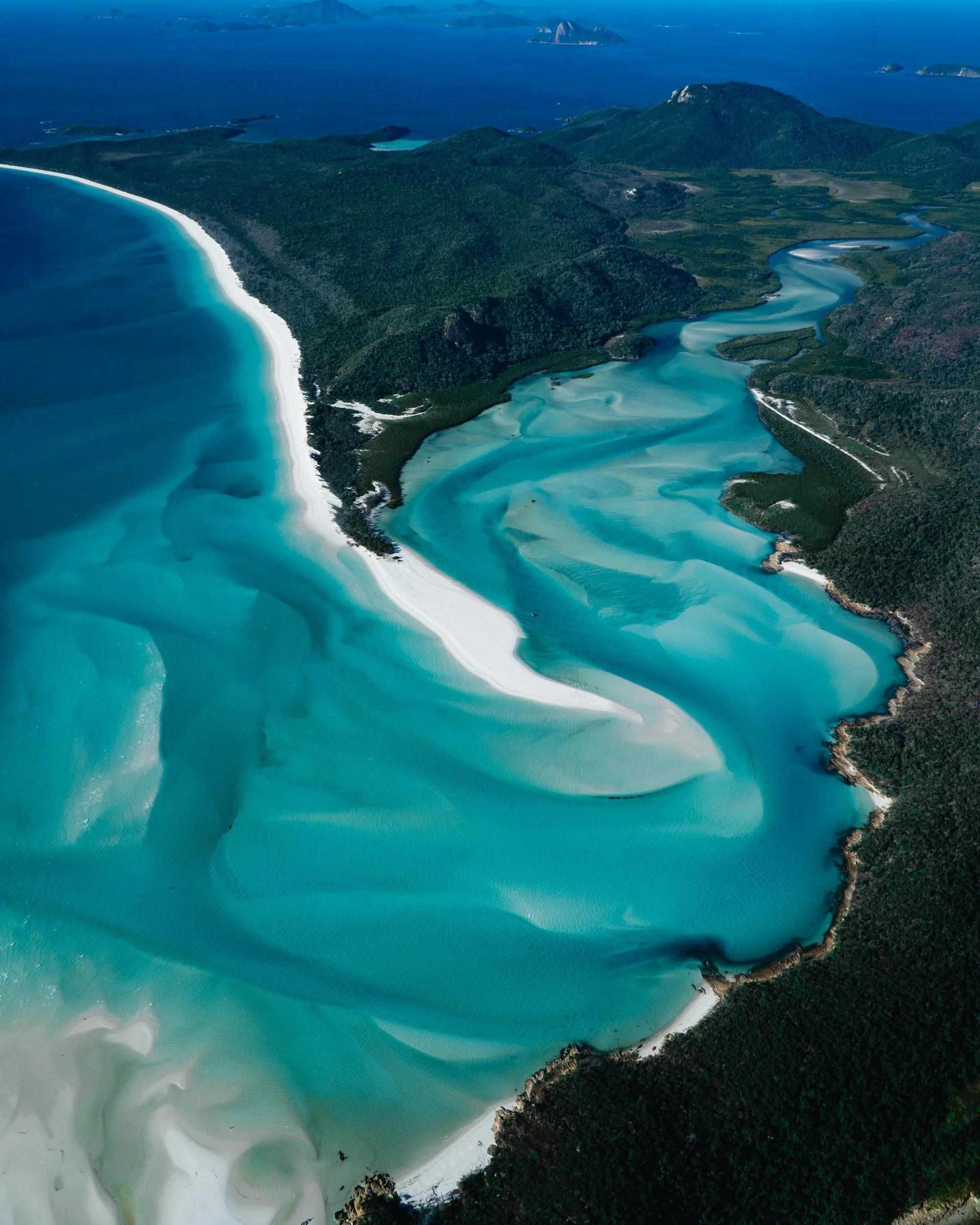
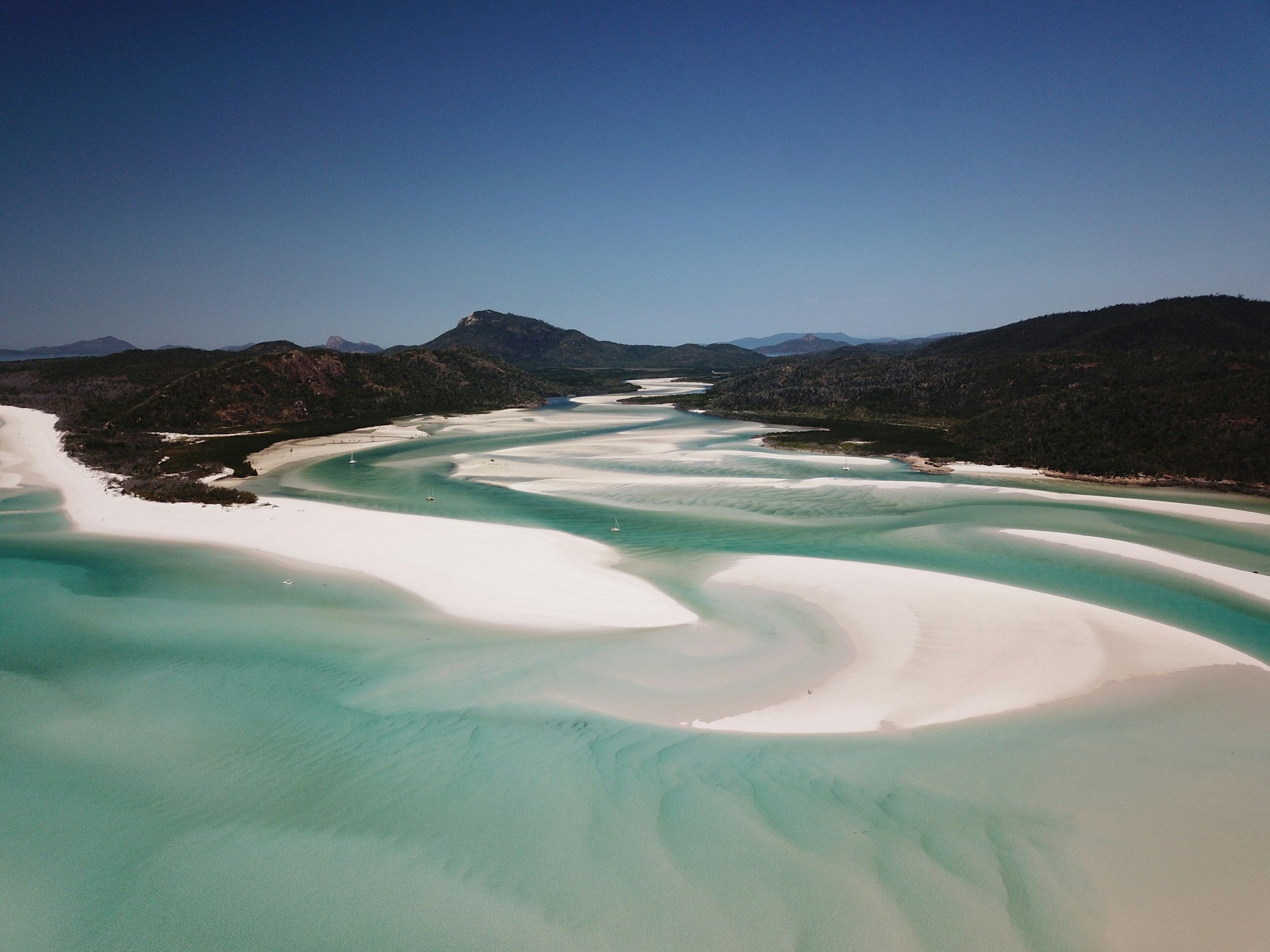
Whitehaven Beach is one of those places that almost feels unreal the first time you see it. Set within the Whitsunday Islands off Australia’s east coast, this seven-kilometre stretch of coastline is known for its shifting blues, tidal patterns, and impossibly bright shoreline.
What truly sets Whitehaven apart is its sand. Made up of almost pure silica, it’s fine, soft, and dazzlingly white — so reflective that it barely heats up under the sun. As the tide moves in and out, the colours change by the hour, giving the beach a constantly evolving character rather than a fixed postcard look.
At the northern end, Hill Inlet delivers one of the most striking coastal scenes on the planet. From the lookout, milky-white sandbars fold into turquoise and deep blue water in swirling patterns, shaped entirely by the tide. It’s a reminder that this is a living landscape, not a curated attraction.
Despite its global reputation, Whitehaven remains refreshingly undeveloped. There are no hotels, cafés, or roads here. Access is by boat, seaplane, or helicopter, with most visitors arriving on day trips from nearby islands or Airlie Beach. That sense of separation is central to the experience — once you step onto the sand, the outside world feels far away.
Best time to visit
May to October brings warm days, lower humidity, and calmer seas, making it the most comfortable time for swimming and boat trips. Summer offers warmer water but higher humidity and the presence of seasonal marine stingers.
Who it’s best for
Travellers who value natural beauty over facilities, photographers drawn to dramatic landscapes, and anyone looking to experience a beach in its purest, least-interrupted form.
World Locals tip
Aim to visit around mid-tide. This is when the colours at Hill Inlet are at their most dramatic, and the sandbars form the flowing patterns Whitehaven is famous for.
Navagio Beach
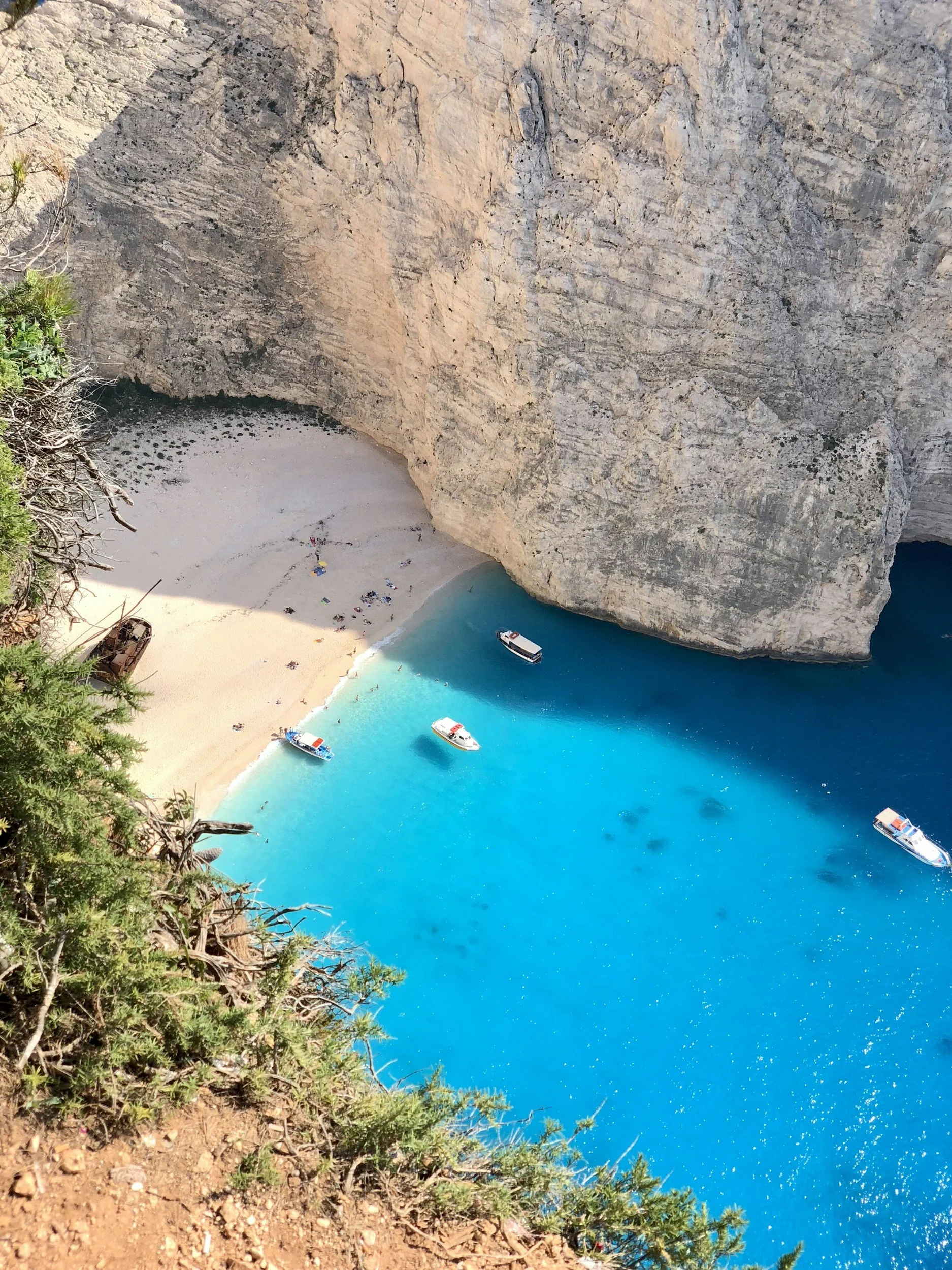
Navagio Beach, often called Shipwreck Beach, is one of those rare places that lives up to its reputation. Tucked into a dramatic limestone cove on the Greek island of Zakynthos, it’s framed by sheer white cliffs and luminous turquoise water that feels almost impossibly bright on a clear day.
What makes Navagio so striking is its sense of enclosure. The beach sits at the base of towering cliffs, completely cut off from the rest of the island, with access only possible by boat. That isolation heightens the experience — as you arrive by sea, the colour of the water shifts from deep blue to electric turquoise, revealing the pale sand beneath.
At the centre of the cove lies the rusting wreck of the MV Panagiotis, washed ashore in the 1980s. Whether you see it as atmospheric or slightly surreal, the shipwreck adds a layer of story and scale to the setting, reinforcing the feeling that this is a place shaped as much by chance as by nature.
Navagio is undeniably popular, particularly in summer, but its appeal is easy to understand. Even at its busiest, the combination of towering cliffs, open sky, and crystal-clear water gives the beach a cinematic quality that few places can match.
Best time to visit
Late May to June and September offer the best balance of warm weather, calmer seas, and fewer boats in the cove. July and August are spectacular but crowded, with peak boat traffic around midday.
Who it’s best for
Travellers drawn to dramatic scenery, photographers, and first-time visitors to Greece looking for a truly iconic coastal experience.
World Locals tip
If possible, pair a boat visit with a stop at the clifftop viewpoint above Navagio Beach. Seeing the cove from above offers a completely different perspective — and one of the most memorable views in the Ionian Islands.
Railay Beach
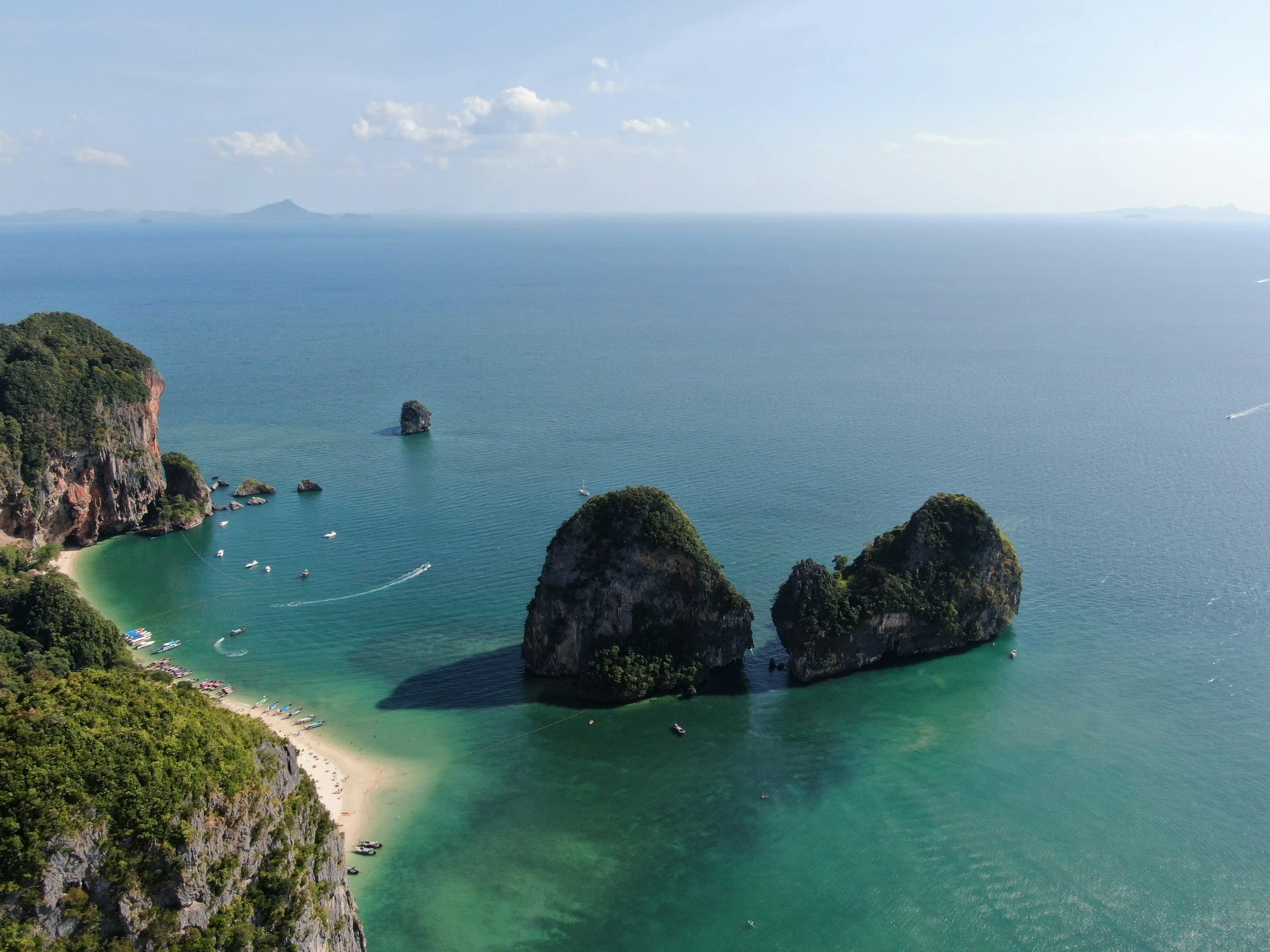
Railay Beach feels like an island, even though it’s technically part of mainland Thailand. Cut off by towering limestone cliffs and accessible only by boat, this small peninsula near Krabi has long been celebrated for its dramatic scenery, calm waters, and laid-back rhythm of life.
What defines Railay is the landscape. Sheer karst cliffs rise straight from the sand, framing pale beaches and shallow turquoise water that stays inviting throughout the year. The contrast between jungle-covered rock, soft sand, and glassy sea gives the area a sense of natural theatre — every arrival by longtail boat feels like an entrance.
Railay is often spoken about as a single beach, but it’s really a collection of distinct stretches. Railay West is the classic postcard scene, with calm water and glowing sunsets. Railay East is more mangrove-lined and atmospheric, while nearby Phra Nang Beach adds caves, cliffs, and some of the most striking swimming spots in southern Thailand.
Despite its popularity, Railay has managed to retain a relaxed, almost timeless feel. There are places to eat and stay, but no roads, no traffic, and no rush. Days tend to revolve around swimming, climbing, slow lunches, and watching the light change across the cliffs.
Best time to visit
November to March offers the best weather, with dry days and calm seas. April and May are hotter but quieter, while the monsoon season (roughly June to October) brings fewer visitors and dramatic skies, with swimming still possible on calmer days.
Who it’s best for
Travellers who want a balance of beauty and accessibility, climbers drawn to Railay’s world-class routes, and anyone looking for a tropical beach with character rather than resort polish.
World Locals tip
Stay at least one night if you can. Railay is at its most magical early in the morning and after day-trippers leave, when the beaches empty out and the cliffs glow in the late light.
Grace Bay Beach
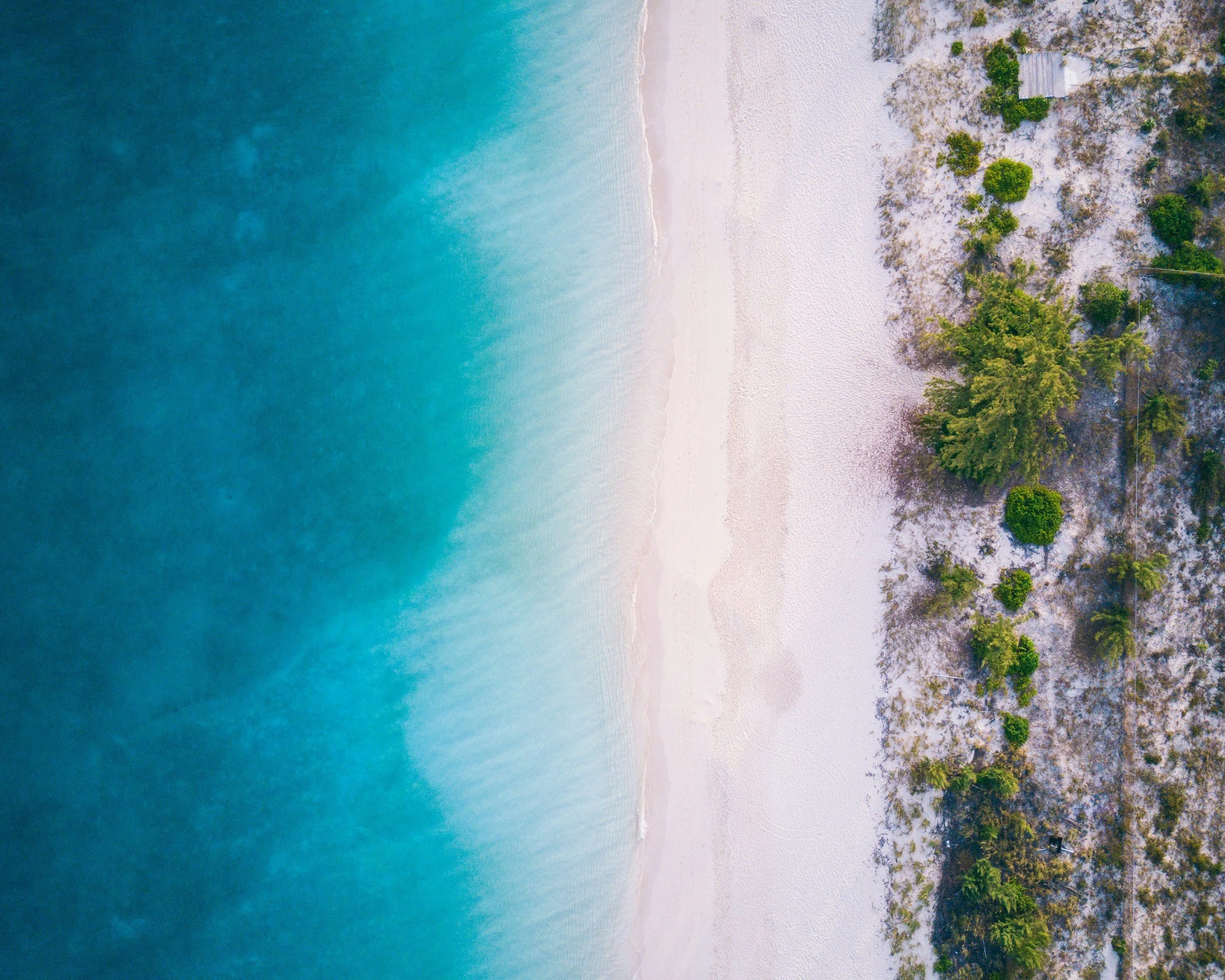
Grace Bay Beach is the kind of place that quietly resets expectations. Stretching for more than 19 kilometres along the northern coast of Providenciales, it’s consistently ranked among the world’s best beaches for one simple reason: everything here just works.
The sand is soft and pale, the water impossibly clear, and the sea stays calm thanks to a barrier reef that sits just offshore. Colours shift gently from light turquoise near the shore to deeper blues further out, creating ideal conditions for swimming, paddleboarding, and snorkelling without the drama of strong waves or sudden drop-offs.
Unlike many top-rated beaches, Grace Bay manages to feel spacious even at peak times. Its sheer length means crowds disperse naturally, and it’s easy to find long, quiet stretches where the only soundtrack is the sea and the wind moving through the palms.
There’s development here, but it’s understated. Low-rise resorts and villas sit back from the beach, preserving open views and a relaxed atmosphere that feels refined rather than overbuilt. The result is a beach that feels polished without being sterile — elegant, calm, and endlessly swimmable.
Best time to visit
December to April offers dry weather, warm temperatures, and excellent sea conditions. May and June are slightly quieter and still beautiful, while late summer brings more humidity and the possibility of storms.
Who it’s best for
Swimmers, couples, and travellers looking for effortless beach days with minimal planning and maximum payoff.
World Locals tip
Walk the beach early in the morning or just before sunset. The light is softer, the water often glassy, and you’ll see a side of Grace Bay that feels far removed from its reputation as a luxury hotspot.
Anse Source d’Argent
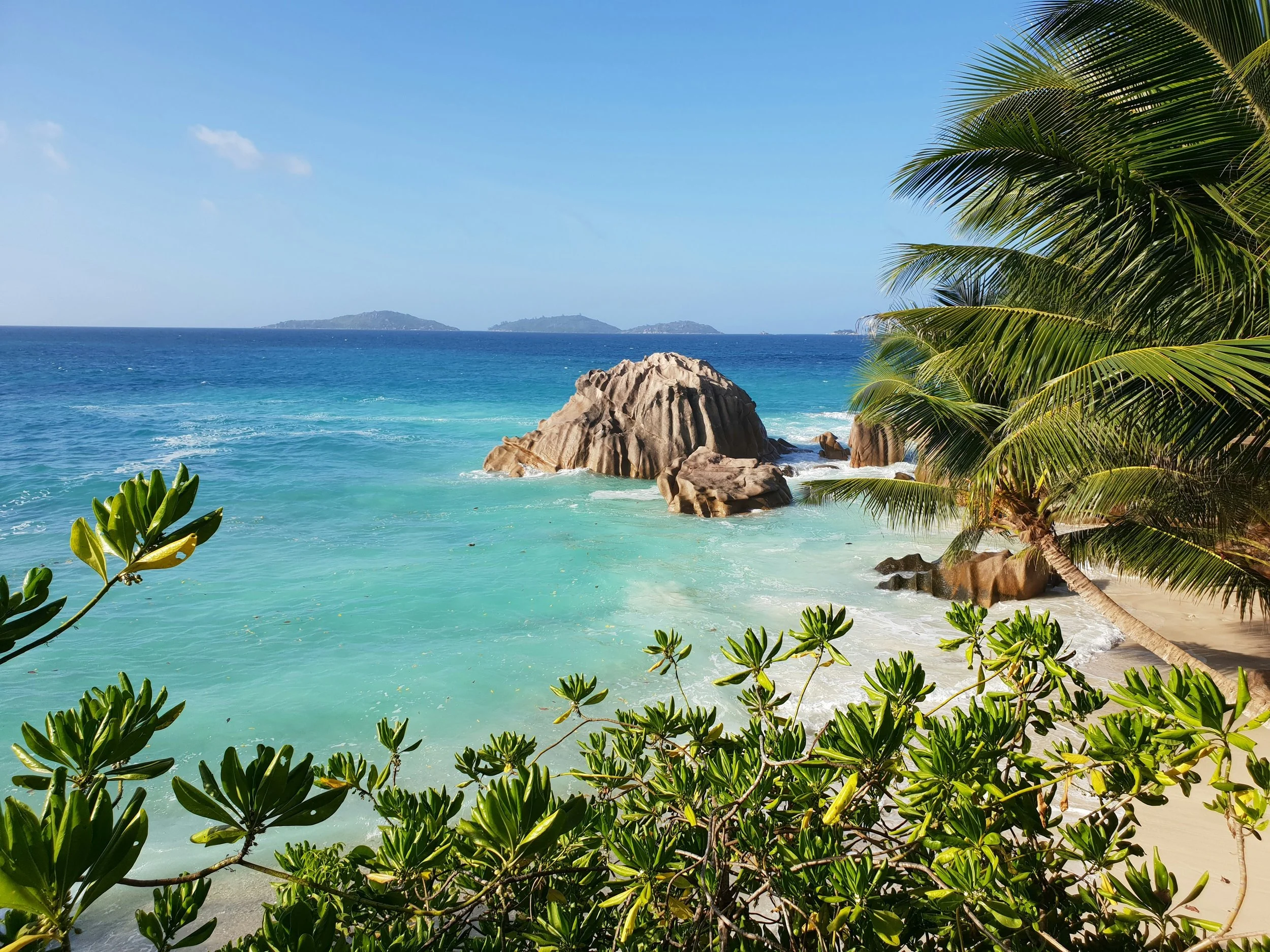
Anse Source d’Argent is one of those beaches that barely needs an introduction. Set on the island of La Digue in the Seychelles, it’s instantly recognisable for its smooth granite boulders, shallow turquoise water, and powder-soft sand that seems to glow in the sun.
What makes this beach so distinctive is its scale and texture. Rather than one wide, open sweep of sand, Anse Source d’Argent is a series of small coves and inlets, shaped by those enormous granite formations. Each turn reveals a slightly different scene — a quiet swimming spot, a sheltered stretch of sand, a new angle where rock meets sea.
The water here is typically calm and shallow, protected by offshore reefs that keep waves gentle and swimming easy. It’s the kind of place where hours slip by unnoticed, spent floating, wading, or simply sitting in the shade of the palms watching the light move across the rocks.
Despite its global fame, Anse Source d’Argent still feels grounded in everyday island life. You’ll reach it by bike or on foot across La Digue, passing through coconut groves and small local paths. That slow approach is part of the experience — nothing here feels rushed.
Best time to visit
April, May, October, and November offer the calmest seas and best visibility for swimming. Trade winds between June and September can bring a breeze, but the beach remains sheltered and beautiful year-round.
Who it’s best for
Slow travellers, couples, photographers, and anyone drawn to calm water, natural beauty, and a gentle island pace.
World Locals tip
Explore beyond the first main beach area. Walking a little further reveals quieter coves where the crowds thin out and the scenery feels even more intimate.
Praia do Sancho
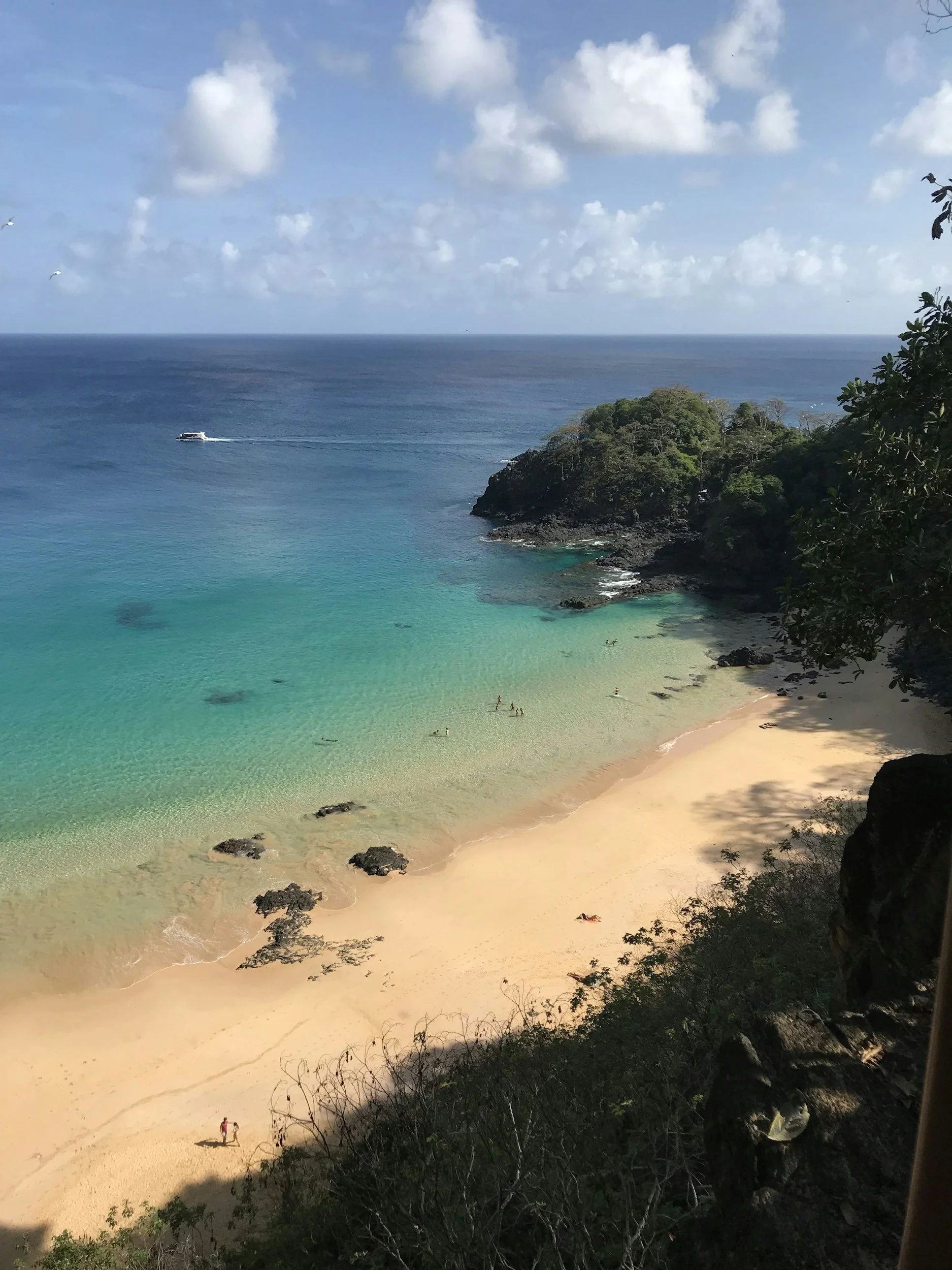
Praia do Sancho is often described as Brazil’s most beautiful beach — and once you arrive, it’s easy to see why. Set within the protected archipelago of Fernando de Noronha, this crescent of golden sand is backed by steep cliffs and washed by remarkably clear Atlantic water.
Part of Sancho’s appeal is the journey. Access is deliberately limited, with visitors descending via ladders and narrow stairways cut into the rock. That small sense of effort filters the crowds and heightens the reward — when the beach opens up below, it feels wild, pristine, and wonderfully removed from the mainland.
The water here is exceptionally clear, particularly during the dry season, making Praia do Sancho one of the best swimming and snorkelling beaches in Brazil. Sea turtles are frequently spotted offshore, and dolphins are known to pass through the surrounding waters, reinforcing the feeling that this is a place shared with nature rather than dominated by it.
Unlike many famous beaches, Sancho has no resorts, bars, or infrastructure on the sand itself. The focus is entirely on the environment — cliffs, sea, sky, and silence broken only by waves and seabirds.
Best time to visit
August to October offers the calmest seas and clearest water, ideal for swimming and snorkelling. February to July brings bigger swells, which are better suited to experienced surfers but can limit calm-water swimming.
Who it’s best for
Nature lovers, adventurous travellers, and anyone willing to go a little further for a beach that still feels genuinely untouched.
World Locals tip
Arrive early in the morning, before the heat builds and tour groups begin to arrive. The light is softer, wildlife sightings are more likely, and the beach feels at its most peaceful.
Diani Beach
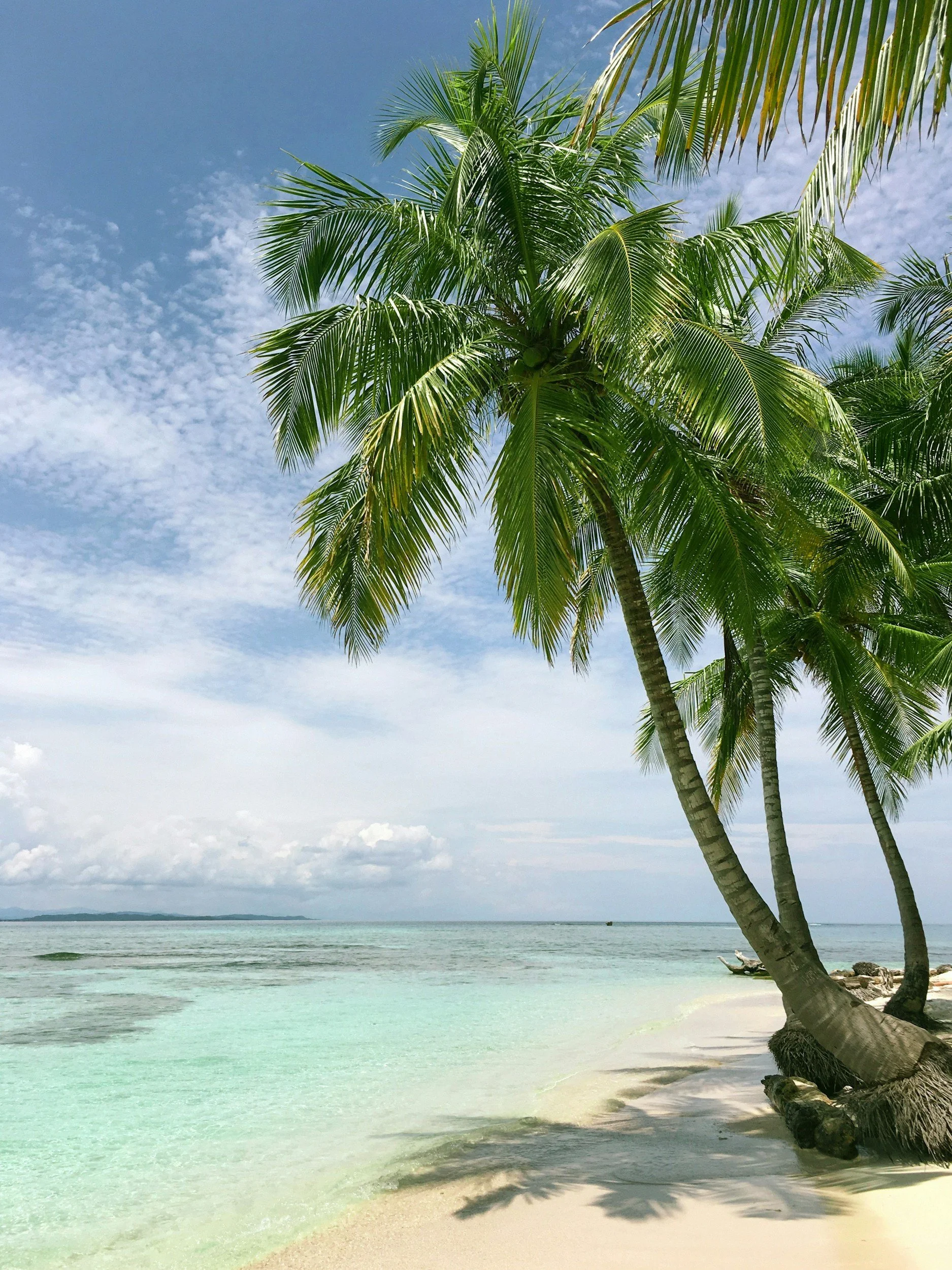
Diani Beach stretches along Kenya’s southern coastline like a quiet promise — wide, palm-lined, and washed by warm Indian Ocean waters that stay inviting year-round. It’s consistently rated among Africa’s best beaches, yet still feels refreshingly low-key compared to better-known tropical hotspots.
What defines Diani is its sense of space. The sand is soft and bright, the beach long and gently curving, with plenty of room to walk, swim, or simply sit and watch the dhows drift past offshore. Even at its liveliest, it rarely feels crowded — there’s an ease to the place that encourages you to slow down.
The water here is protected by coral reefs, creating calm lagoons at low tide and clearer swimming conditions as the tide comes in. Snorkelling and diving are popular just offshore, while inland you’ll find pockets of forest and wildlife that remind you how closely the coast and nature are intertwined in this part of Kenya.
Diani also stands out for how seamlessly it blends beach life with everyday local rhythm. Small cafés, beach bars, and locally run lodges sit alongside higher-end resorts, giving the area a relaxed, lived-in feel rather than a purely polished one.
Best time to visit
January to March and July to October offer dry weather, warm temperatures, and excellent sea conditions. April and May bring heavier rains, while November is quieter but still pleasant.
Who it’s best for
Travellers looking for a classic tropical beach with room to breathe, as well as those wanting to pair beach time with wildlife experiences elsewhere in Kenya.
World Locals tip
Plan your beach time around the tides. Low tide reveals wide sandbanks perfect for walking, while high tide brings deeper water and better swimming straight from the shore.
Reynisfjara Beach
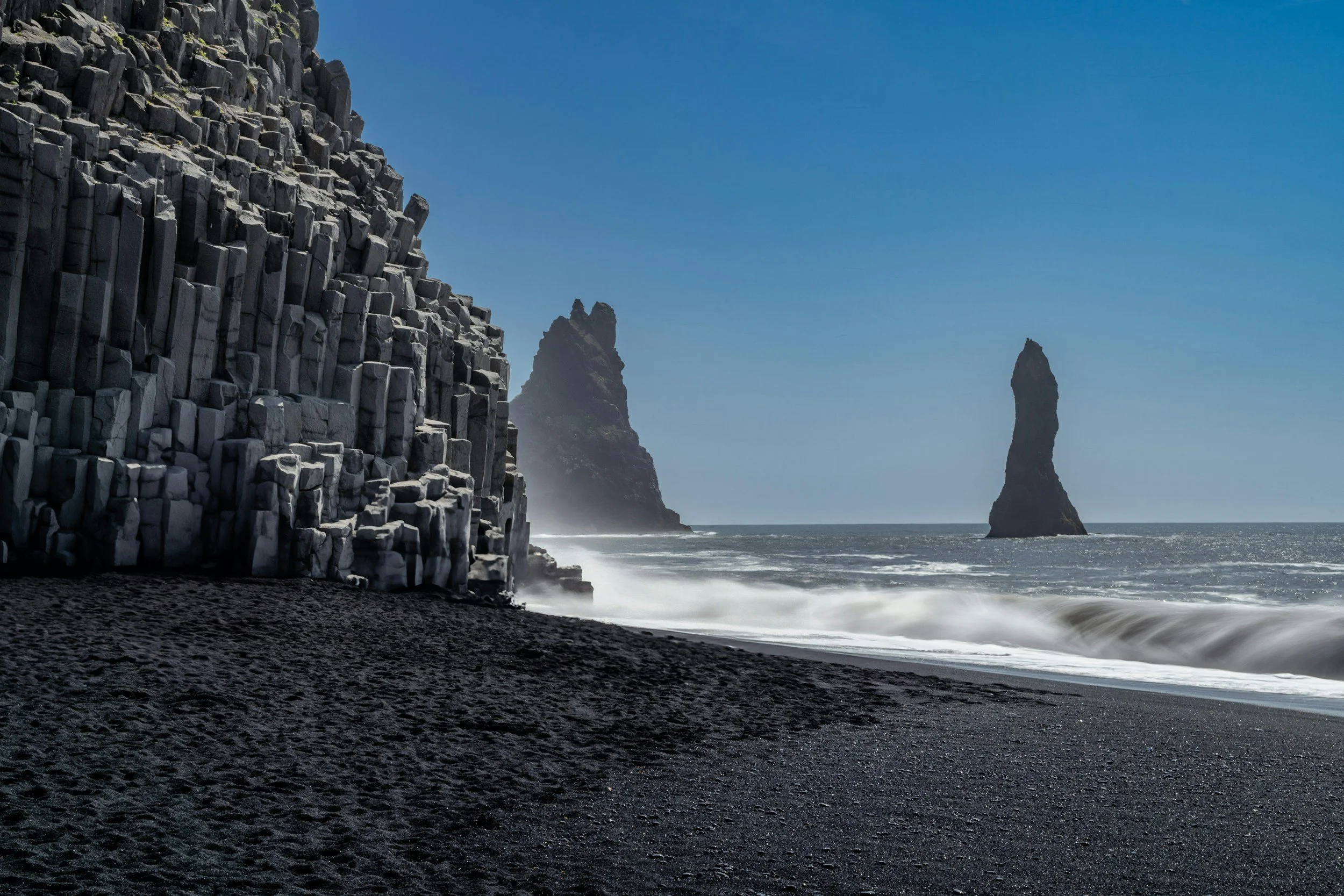
Reynisfjara Beach couldn’t be further removed from the classic image of a tropical paradise — and that’s exactly why it earns its place among the world’s most remarkable coastlines. Set on Iceland’s south coast near the village of Vík, this black-sand beach is dramatic, elemental, and unforgettable.
The sand here is volcanic, jet black and coarse beneath your feet, formed by centuries of eruptions and erosion. Towering basalt columns rise from the shoreline like a natural cathedral, while the Atlantic crashes in powerful, unpredictable waves that demand respect and attention.
Rather than inviting long swims or lazy afternoons, Reynisfjara is about atmosphere. The scale of the cliffs, the roar of the ocean, and the ever-changing weather create a sense of raw beauty that feels almost cinematic. On misty days, the beach feels otherworldly; in clear conditions, it’s stark, sharp, and endlessly photogenic.
This is not a beach for paddling — the currents here are strong, and the waves are famously dangerous. But as a place to walk, observe, and feel dwarfed by nature, Reynisfjara is unmatched. It reminds you that beaches don’t have to be gentle to be extraordinary.
Best time to visit
Late spring to early autumn offers milder weather and safer road conditions, though winter visits bring snow-dusted sand and dramatic light for those prepared for the elements.
Who it’s best for
Travellers drawn to dramatic landscapes, photographers, and anyone who prefers awe and atmosphere over swimming and sunbathing.
World Locals tip
Keep a safe distance from the water’s edge. Sneaker waves here are unpredictable and powerful — admire the ocean, but never turn your back on it.
Matira Beach
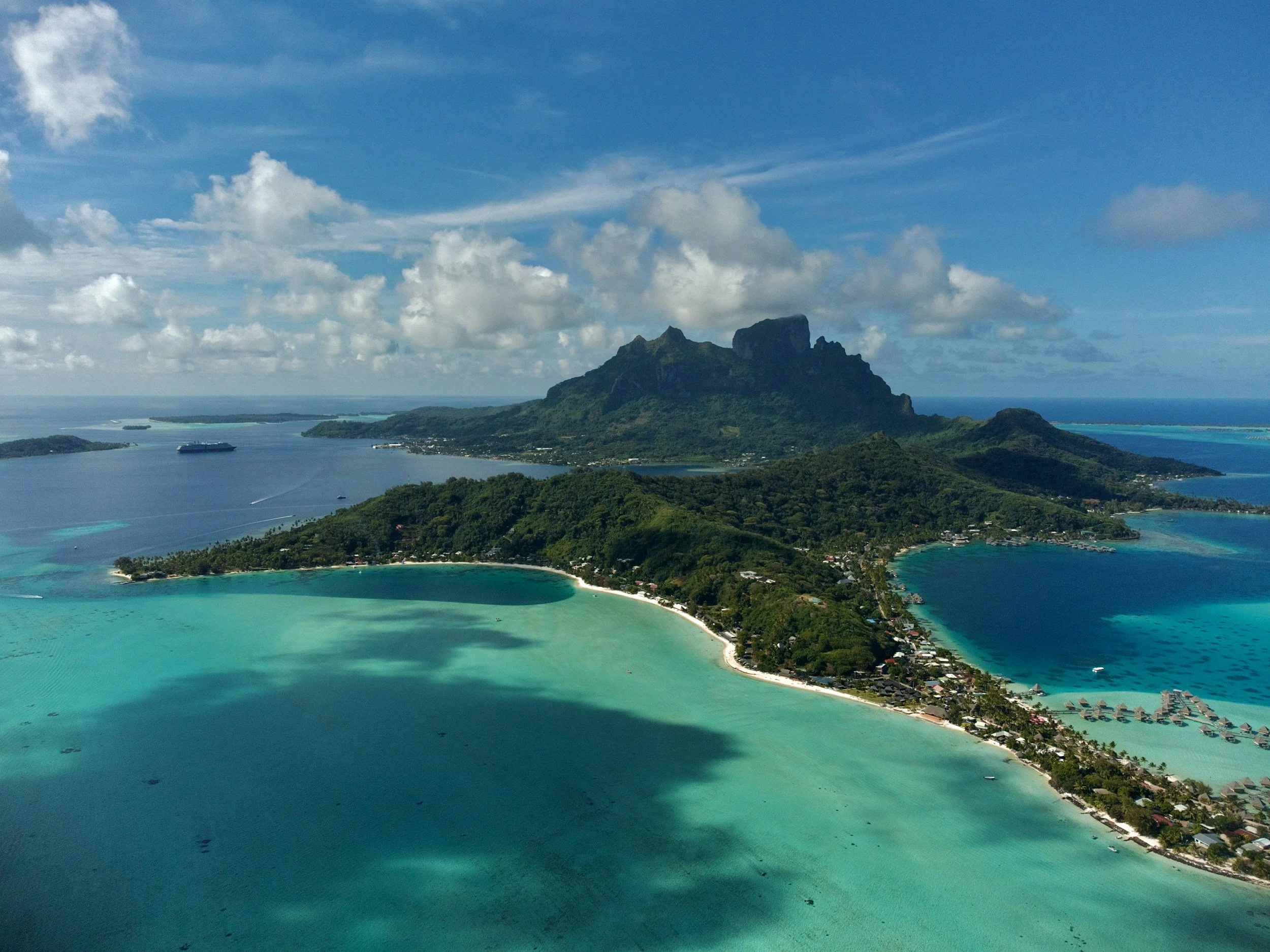
Matira Beach is the image many people carry in their heads when they think of the perfect tropical beach — and remarkably, it lives up to it. Stretching along the southern tip of Bora Bora, this wide arc of white sand meets shallow, crystal-clear water in a palette of blues that feels almost unreal.
What makes Matira special isn’t just its beauty, but how accessible it feels. Unlike many South Pacific beaches tied to private resorts, Matira is public and open, with space to swim, walk, and linger without feeling confined. The lagoon here is calm and warm, with a sandy bottom that slopes gently into the sea, making it ideal for long swims and effortless floating.
The backdrop is pure Polynesia. Palm trees line the shore, Mount Otemanu rises dramatically in the distance, and the water remains clear enough to spot fish close to the shoreline. As the day softens, Matira becomes one of the best sunset spots in Bora Bora, with the sky and lagoon shifting through pastel tones that feel almost painterly.
Despite its fame, Matira maintains a relaxed, lived-in atmosphere. Locals and travellers share the space easily, and the beach never feels rushed. It’s the kind of place where time stretches — afternoons blur into evenings, and plans quietly dissolve.
Best time to visit
May to October offers drier weather, lower humidity, and excellent lagoon conditions. November to April is warmer and more humid, with short tropical showers that often pass quickly.
Who it’s best for
Couples, honeymooners, and travellers looking for classic tropical beauty with calm water, soft sand, and an unhurried pace.
World Locals tip
Arrive in the late afternoon and stay through sunset. As day-trippers head back to their resorts, the beach becomes quieter, and the changing light across the lagoon is unforgettable.
Pink Sands Beach
Pink Sands Beach is proof that the world’s most memorable beaches don’t always rely on drama. Stretching for nearly five kilometres along the eastern shore of Harbour Island in the Bahamas, this softly glowing coastline is defined by subtlety — gentle colour, calm water, and an atmosphere that invites you to slow right down.
The sand here owes its blush tone to crushed coral and microscopic shells, which tint the shoreline pale pink, especially in the early morning and late afternoon light. It’s delicate rather than bold, creating a beach that feels elegant and serene rather than show-stopping at first glance.
The Atlantic is protected by offshore reefs, keeping the water shallow, clear, and ideal for swimming. Waves roll in gently, and the beach itself is wide and walkable, perfect for long, unhurried strolls where the only interruption is the occasional horse trotting along the shore.
What sets Pink Sands apart is its rhythm. Harbour Island moves at a slower pace than many Caribbean destinations, and the beach reflects that. There’s development, but it’s tasteful and low-rise, blending into the landscape rather than dominating it. Days here feel unstructured in the best possible way.
Best time to visit
December to April offers dry weather, warm temperatures, and calm sea conditions. May and June are quieter and still beautiful, while late summer brings higher humidity and the possibility of storms.
Who it’s best for
Travellers looking for calm over crowds, couples, and anyone who appreciates beauty that reveals itself slowly rather than all at once.
World Locals tip
Visit early in the morning, when the sand’s pink tones are most visible and the beach is at its quietest. It’s the best time to see why this place has earned its reputation without ever feeling overexposed.
Honorable Mentions: Beaches That Just Missed the Cut
Not every extraordinary beach can make a top ten. The following coastlines consistently earn global praise and traveller love, and on another day — or for another kind of trip — could easily top the list.
Anse Lazio
Often mentioned alongside Anse Source d’Argent, Anse Lazio offers a wider sweep of sand, gentle waves, and excellent swimming. It’s slightly more open and energetic, making it a favourite for those who want both beauty and movement.
Baía do Sancho
A close relative of Praia do Sancho, this nearby stretch shares the same protected waters and dramatic cliffs. Conditions can vary by season, but when the water is calm, it’s among Brazil’s most rewarding swims.
Seven Mile Beach
Long, social, and endlessly walkable, Seven Mile Beach blends classic Caribbean beauty with music, food, and everyday life. It’s lively rather than secluded — and for many travellers, that’s exactly the appeal.
Lanikai Beach
Small, residential, and postcard-perfect, Lanikai is loved for its soft sand and calm, reef-protected water. Early mornings reveal its best side, before the day’s crowds arrive.
Cala Macarella
Tucked into Menorca’s rugged coastline, Cala Macarella delivers clear water, pine-fringed cliffs, and a quieter Mediterranean feel than its more famous neighbours. Access requires a little effort, which helps preserve its calm atmosphere.
“There’s no single definition of the perfect beach. For some, it’s warm water and soft sand stretching out under cloudless skies. For others, it’s drama and contrast — cliffs, dark sand, and the sound of the ocean doing its own thing. What unites the world’s top rated beaches isn’t just how they look, but how they make people feel when they arrive.
Across these coastlines, one thing becomes clear: the beaches that stay with us longest are rarely the most convenient or the most polished. They’re the ones shaped by nature first — by tides, weather, geology, and time — and experienced at their own pace. Some reward early mornings, others long walks, quiet swims, or simply sitting still and watching the light change.
This list isn’t a checklist to race through. It’s an invitation to slow down, to follow the shoreline a little further, and to choose places that match how you want to travel in that moment — whether that means solitude, adventure, or effortless days by the sea.
Wherever you end up, the best beach will always be the one that gives you space to breathe, time to wander, and a reason to remember it long after you’ve left the sand behind.”