Rome: Neighbourhood Guide
Rome is not a city that reveals itself all at once. It unfolds slowly, shaped less by landmarks than by where daily life happens. The street you wake up on, the café you return to each morning, the route you walk home at night — these details matter more here than ticking off monuments.
Choosing the right neighbourhood in Rome isn’t about proximity alone. It’s about rhythm. Some areas are social and lively late into the evening; others are quiet, residential and restorative. Some are defined by food, others by craft, history or elegance. Get this choice right, and Rome feels intuitive. Get it wrong, and the city can feel crowded, chaotic or exhausting.
This guide focuses on what it’s actually like to stay in Rome’s most characterful neighbourhoods — who they suit, how they feel at different times of day, and what kind of traveller they work best for.
Trastevere
Trastevere is one of the most popular places to stay in Rome, and for many travellers it’s the area that first makes the city click. Sitting just across the Tiber from the historic centre, it feels central without being monumental, lively without being overwhelming, and deeply Roman in its daily rhythms.
It’s an area defined less by major sights and more by how life unfolds on the street — morning coffee at the bar, errands done on foot, evenings spent outside over shared plates and wine. If you’re looking for a base that immediately immerses you in Roman life, Trastevere is one of the strongest choices in the city.
Why stay in Trastevere
Trastevere works particularly well for first-time visitors because it delivers atmosphere from the moment you step outside, while still being highly walkable to many of Rome’s headline sights. You can cross the river and be in the historic centre within minutes, yet return at night to an area that feels social and lived-in rather than purely touristic.
It’s also a neighbourhood that encourages slower travel. Staying here naturally leads to lingering dinners, evening walks without a plan, and spontaneous stops that often end up being the most memorable part of a Rome trip.
What it’s actually like to stay here
Mornings in Trastevere are calm and local. Streets are quiet, cafés fill with residents grabbing a quick espresso, and the neighbourhood feels almost village-like. This is one of the best times of day to explore, especially if you’re staying on a residential street.
As the day progresses, the pace builds gradually. By early evening, Trastevere becomes one of Rome’s most social areas. Restaurants fill up, piazzas buzz, and streets stay lively late into the night. On weekends and during peak season, this can mean noise — particularly around the main squares — but the atmosphere remains warm and communal rather than chaotic.
Where you stay within Trastevere matters. A few streets’ difference can completely change the experience.
Food and drink scene
Trastevere is known for traditional Roman cooking rather than experimentation. Menus focus on classics such as cacio e pepe, carbonara and amatriciana, alongside casual wine bars and late-night dining spots.
Quality can vary in the busiest areas, but there are still plenty of long-standing trattorias and neighbourhood favourites that locals continue to frequent. Aperitivo here is informal and social — more about settling in for the evening than ticking off cocktail lists.
If food plays a central role in your trip, Trastevere is a strong base, particularly if you prefer dining close to where you’re staying rather than travelling across the city at night.
Walkability and transport
One of Trastevere’s biggest advantages is walkability. Areas such as Campo de’ Fiori, the Jewish Ghetto and Piazza Navona are easily reached on foot. The neighbourhood is also well connected by tram and bus, making it straightforward to reach other parts of Rome.
Because streets are narrow and irregular, taxis can be slower here, but most travellers find they rely far less on transport when staying in Trastevere.
Who Trastevere suits best
Trastevere is particularly well suited to:
First-time visitors wanting a strong sense of place
Travellers who enjoy evenings out and social neighbourhoods
Couples and solo travellers
Those planning to explore Rome mainly on foot
It may be less suitable if you’re very sensitive to noise at night or prefer quieter, more residential evenings.
World Locals tip
When choosing accommodation, prioritise location within Trastevere over style. Staying just beyond the busiest piazzas gives you the best balance — lively evenings when you want them, and quieter mornings when you don’t.
Monti
Monti sits between the Colosseum and the historic centre, yet feels noticeably removed from the busiest tourist routes. It’s one of Rome’s most compact and walkable areas, known for its small streets, independent shops and a strong sense of local identity.
This is an area that tends to appeal to travellers who already have a feel for Rome, or who want their stay to revolve around neighbourhood life rather than major attractions. Despite its central location, Monti remains residential at heart, with daily routines shaping the pace of the area.
Why stay in Monti
Monti offers one of the best combinations in Rome: a genuinely local atmosphere with excellent central access. You’re close enough to walk to major sights, but far enough removed that evenings feel calm and grounded rather than tour-driven.
It’s also an area that rewards curiosity. Staying here encourages wandering without a plan — popping into small boutiques, lingering in cafés, and spending evenings close to home rather than travelling across the city.
What it’s actually like to stay here
Monti feels steady and balanced throughout the day. Mornings are quiet and residential, with locals heading to cafés and shops opening slowly. During the day, the area stays relaxed, even though you’re minutes from some of Rome’s busiest landmarks.
In the evening, Monti becomes sociable without becoming loud. Small piazzas fill with locals meeting for wine, and restaurants get busy without spilling onto every street. It’s lively enough to feel engaged, but rarely overwhelming.
Food and drink scene
Monti has a strong food and drink scene that leans towards quality over quantity. You’ll find a mix of traditional Roman kitchens and more contemporary spots, alongside some of the city’s better wine bars.
Rather than large trattorias, dining here is often smaller-scale and neighbourhood-focused. It’s a good area for relaxed dinners, good wine and places you’ll want to return to more than once.
Walkability and transport
Monti is one of Rome’s most walkable neighbourhoods. The Colosseum, Roman Forum and historic centre are all within easy reach on foot, and many travellers staying here find they rarely need public transport.
Metro access is limited within Monti itself, but this is rarely an issue given how central and compact the area is. Walking is the default way to get around.
Who Monti suits best
Monti is particularly well suited to:
Repeat visitors to Rome
Travellers who enjoy exploring on foot
Couples and solo travellers
Those wanting a central base without heavy crowds
It may be less ideal if you’re looking for lively nightlife or want a wide choice of large hotels.
World Locals tip
Monti works best when you keep your plans loose. It’s an ideal neighbourhood for letting Rome come to you — walking, stopping when something catches your eye, and spending evenings close to where you’re staying.
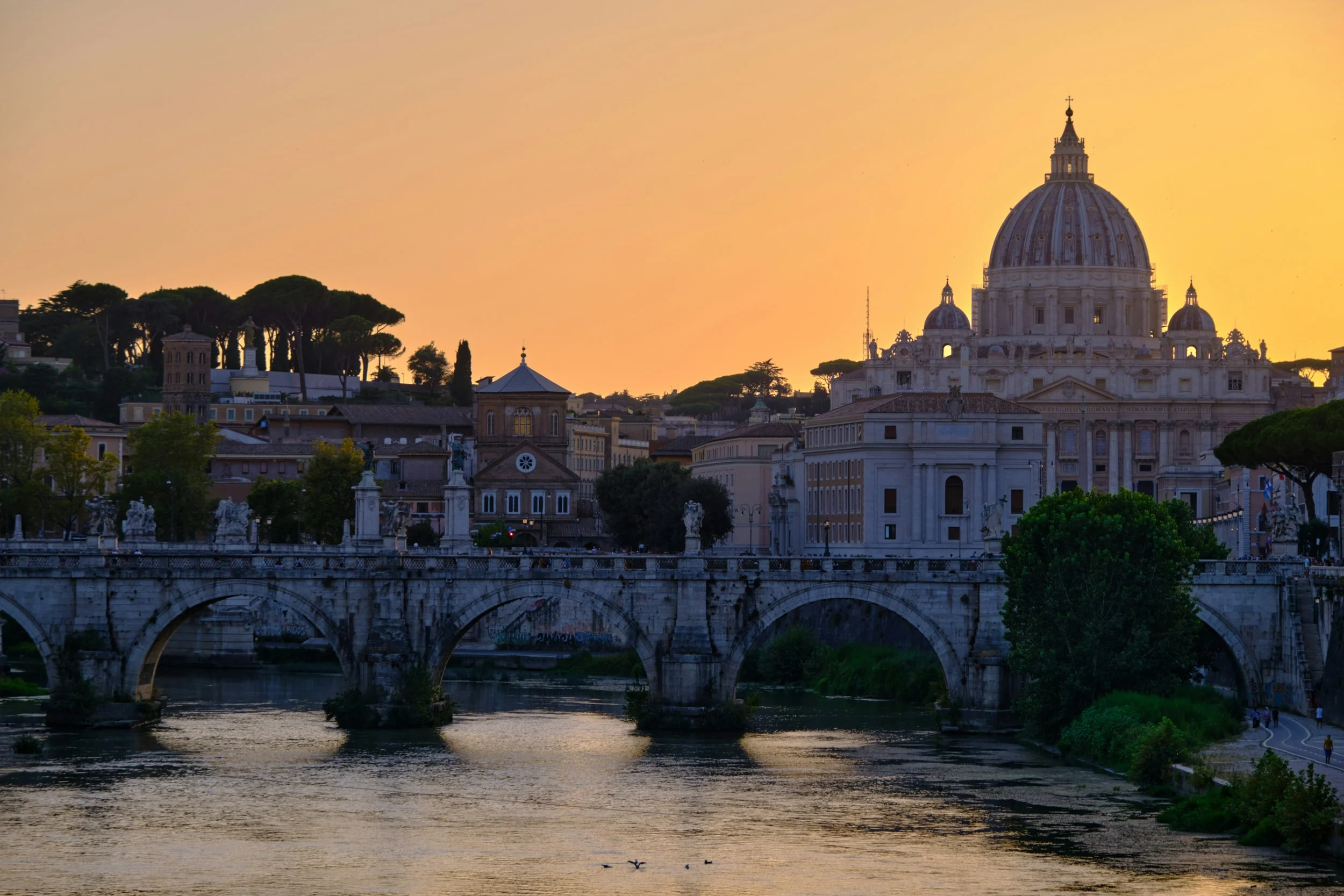
River Tiber.
Testaccio
Testaccio sits south of the historic centre and feels very different from the Rome most visitors experience. This is a working, residential area shaped by food markets, long lunches and daily routines rather than sightseeing routes. It’s not postcard Rome — but it is deeply, unmistakably Roman.
Staying here offers a clearer view of everyday life in the city. Shops open for locals, cafés know their regulars, and the pace of the day is dictated by meals rather than monuments.
Why stay in Testaccio
Testaccio is one of the best areas in Rome for travellers who want to prioritise food culture and local life over proximity to major attractions. It’s a place to settle into a routine, eat extremely well, and see how Rome functions beyond the historic core.
It’s also a strong choice for longer stays, where having a neighbourhood that feels normal and grounded becomes more important than being surrounded by sights.
What it’s actually like to stay here
Days in Testaccio revolve around mornings and lunchtime. The area feels most alive early in the day, particularly around the market, bakeries and cafés. Afternoons slow down noticeably, and evenings are quiet and local.
Tourism is minimal, which means fewer crowds but also fewer late-night options. The atmosphere is calm, practical and community-focused rather than social or scenic.
Food and drink scene
This is where Testaccio truly stands out. The neighbourhood is closely tied to Roman food traditions and is home to some of the city’s most respected markets and trattorias.
Expect classic dishes cooked with confidence, generous portions, and little interest in trends or presentation. Meals here are about substance, history and consistency. If food is a central part of your Rome trip, staying in Testaccio puts you at the heart of it.
Walkability and transport
Testaccio itself is easy to navigate on foot, but it’s less walkable to Rome’s major sights than other areas in this guide. Most travellers rely on public transport to reach the historic centre.
The neighbourhood is well connected by metro and bus, making it straightforward to get around — but staying here does mean factoring transport into your daily plans.
Who Testaccio suits best
Testaccio is particularly well suited to:
Food-focused travellers
Longer stays in Rome
Visitors wanting a local, non-touristy base
Travellers comfortable using public transport
It may be less ideal if this is your first visit to Rome or if you want major sights right on your doorstep.
World Locals tip
Testaccio rewards early starts. Staying close to the market lets you experience one of Rome’s most authentic daily rituals — something most visitors never see.
Prati
Prati sits just north of the Vatican and immediately feels more structured than much of central Rome. Streets are wide and orderly, buildings are grand and residential, and daily life here runs on routine rather than spectacle.
This is a part of the city designed for living. It lacks the visual drama of Rome’s historic core, but in return offers space, calm and predictability — qualities that many travellers value, especially on a first visit.
Why stay in Prati
Prati is one of the most practical bases in Rome. It’s well connected, easy to navigate, and noticeably calmer in the evenings. If you want to explore busy areas during the day and return somewhere quiet and comfortable at night, Prati works very well.
It’s also a strong option if visiting the Vatican is a priority, particularly for early entry times.
What it’s actually like to stay here
Life in Prati feels organised and residential. Mornings are active with locals heading to work, cafés filling with regulars and shops opening early. During the day, the area stays steady rather than busy.
Evenings are quiet and relaxed. There’s dining and local activity, but very little nightlife. Streets feel safe, spacious and calm, making it a comfortable place to unwind after sightseeing.
Food and drink scene
Prati’s food scene is reliable rather than experimental. Restaurants, bakeries and cafés cater primarily to residents, which means consistent quality and less tourist-oriented dining.
You’ll find solid Roman cooking, good neighbourhood cafés and a few refined dining options, particularly on side streets away from main roads.
Walkability and transport
Prati is easy to move around, with straight streets and strong public transport links. Metro access is excellent, making it simple to reach the historic centre, Trastevere and other parts of the city.
While it’s walkable in itself, most travellers will rely on transport to reach Rome’s main attractions.
Who Prati suits best
Prati is particularly well suited to:
First-time visitors
Families
Travellers who value calm evenings
Those prioritising comfort and convenience
It may be less appealing if you’re looking for strong nightlife, late dinners close to home, or a more atmospheric setting.
World Locals tip
Prati shines when you eat where locals do. Skip the main avenues and follow residents into side-street cafés and bakeries — quality here is understated but consistently good.
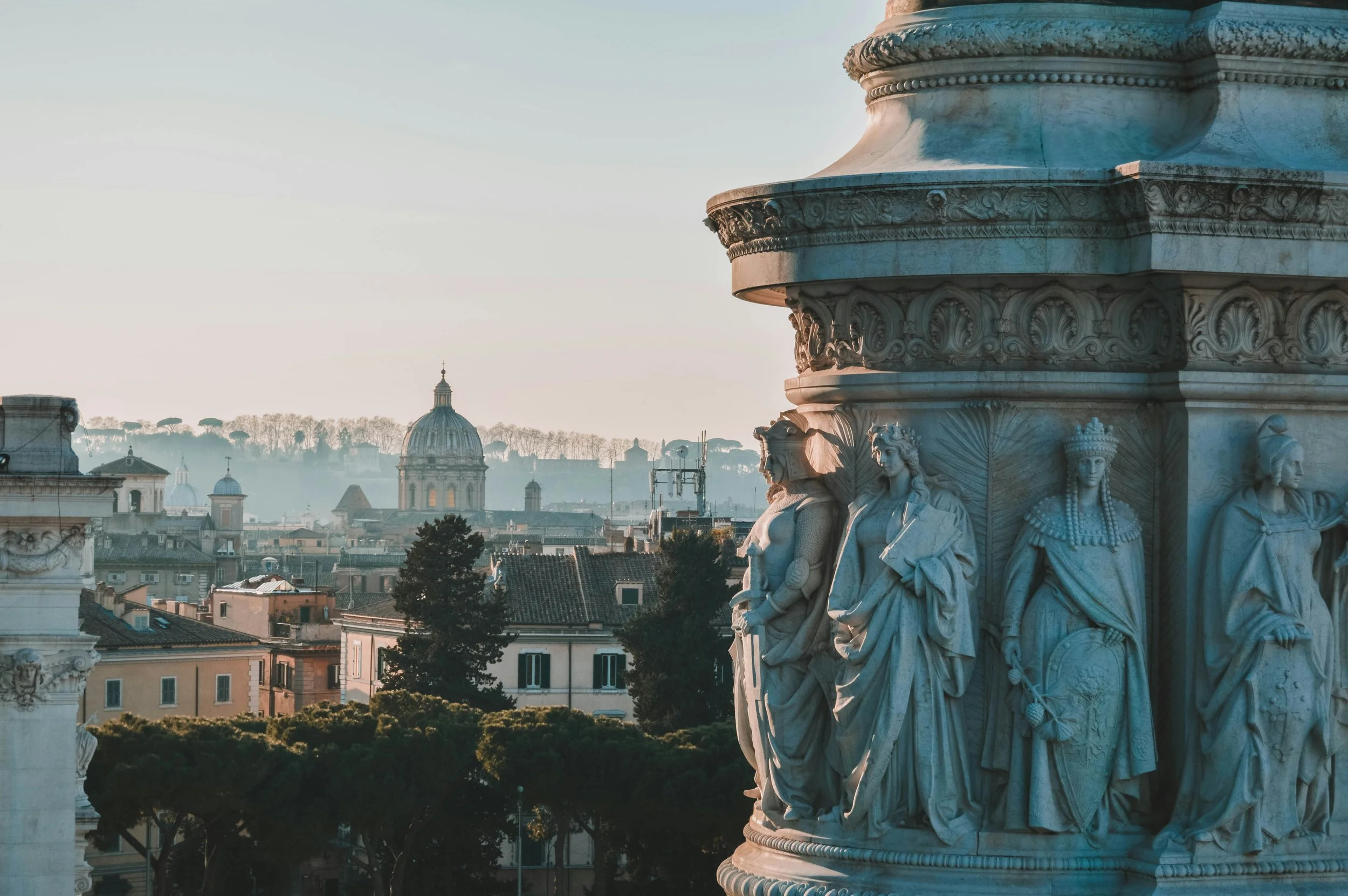
Rome.
Other Areas to Know About in Rome
Rome has several central areas that appear frequently in accommodation searches. While they can work in specific situations, they often come with trade-offs that are worth understanding before booking.
Campo de' Fiori, Navona and the Pantheon area
This part of Rome is extremely central and offers excellent walkability to many major sights. On a map, it often looks like the most convenient place to stay.
In reality, it’s one of the city’s most heavily touristed zones. Streets are busy from early morning until late at night, restaurants are largely visitor-focused, and accommodation prices are often high for relatively small or dated spaces. Noise can be an issue, particularly in the evenings.
This area works best for very short stays where sightseeing efficiency is the priority. Travellers looking for a more local or relaxed experience usually find Trastevere or Monti a better fit.
Vatican City and the immediate surroundings
Staying close to the Vatican can be convenient if early museum entry or multiple visits are part of your plan. The area is clean, orderly and well connected by public transport.
Outside visiting hours, however, it can feel quiet to the point of being flat. Evening atmosphere is limited, and dining options are generally practical rather than memorable.
For most travellers, nearby Prati offers a better balance — calm and residential, but with more day-to-day life.
Termini
Termini is Rome’s main transport hub and offers excellent connections to trains, buses and the airport. Accommodation here is often more affordable, and it’s a practical choice for late arrivals or early departures.
What it lacks is neighbourhood feel. Streets can feel busy and impersonal, and it’s not an area that naturally encourages wandering, dining locally or slowing down.
Termini works well for one-night stays or transport-led trips, but most visitors prefer to base themselves elsewhere for a more enjoyable Rome experience.
Which Neighbourhood Is Right for You?
If you’re deciding between areas, these broad guidelines can help narrow things down:
You want atmosphere, walkability and lively evenings → Trastevere
You want to stay central but avoid heavy crowds → Monti
Food is a major focus of your trip → Testaccio
You want calm evenings and easy transport → Prati
There’s no universal “best” neighbourhood in Rome. The right choice depends on how you like to travel and what you want your days — and evenings — to feel like.
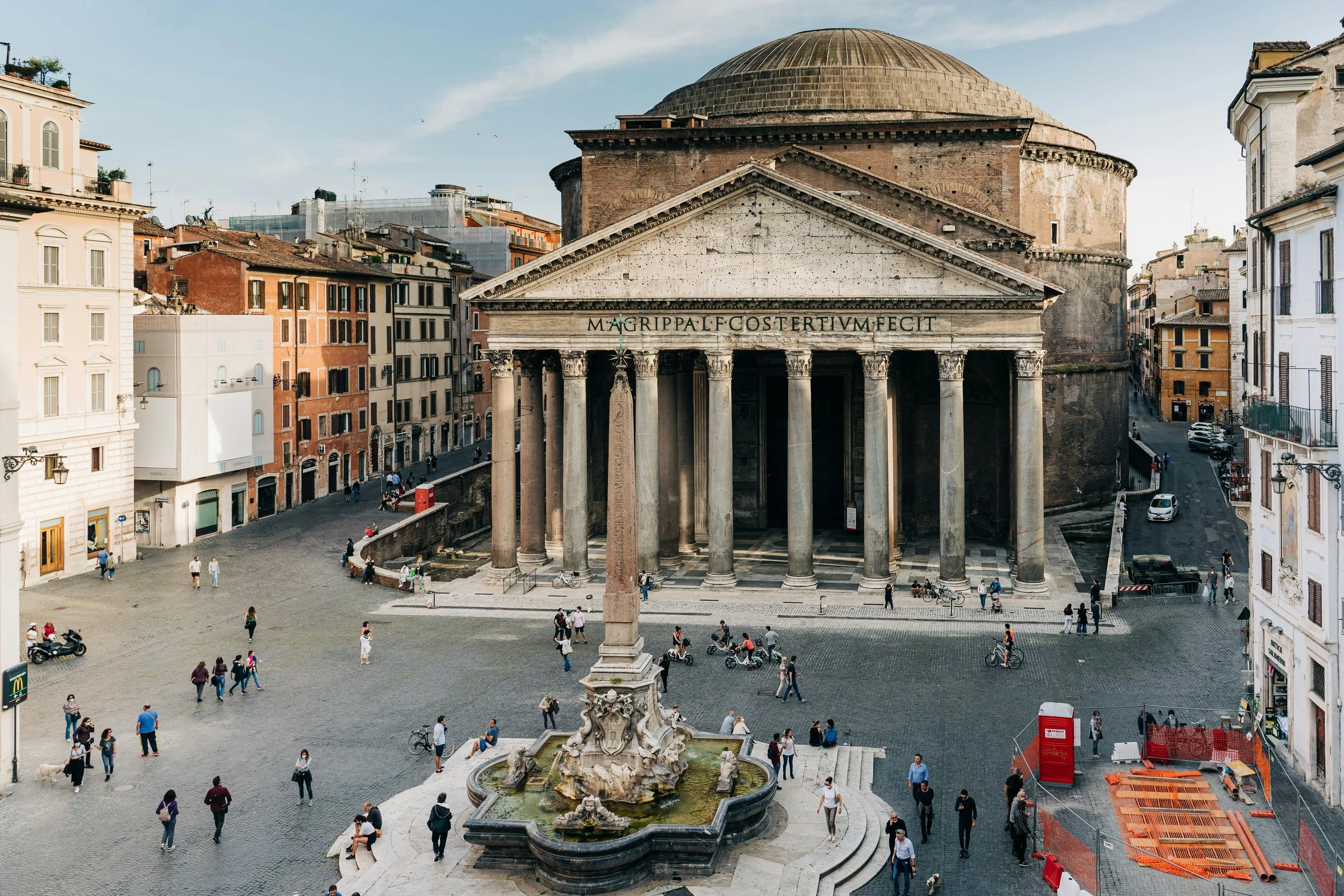
Pantheon.
Where First-Time Visitors Often Stay (and Why It’s Tricky)
Many first-time visitors instinctively look for accommodation in what’s labelled simply as “Rome Historic Centre” or as close as possible to major landmarks.
While this can seem logical, it often comes with compromises:
Heavier crowds throughout the day and late into the night
Higher accommodation prices for less space
Fewer genuinely local dining options
More noise, particularly in peak season
Staying slightly outside the historic core — in places like Trastevere, Monti or Prati — often results in a better overall experience. You’re still close to the sights, but you gain calmer mornings, better meals close to home, and a stronger sense of place.
“Where you stay in Rome shapes your experience more than most travellers expect. It affects how your days begin, where you eat without planning, and whether evenings feel restorative or overstimulating.
A well-chosen neighbourhood lets Rome unfold naturally — through walks rather than transport, meals rather than monuments, and routines rather than rush. There’s no single right answer, but there is a right fit for the way you travel.
Choose with intention, and Rome tends to reward you for it.”