Why Luxury Travel Isn’t About Five-Star Hotels Anymore
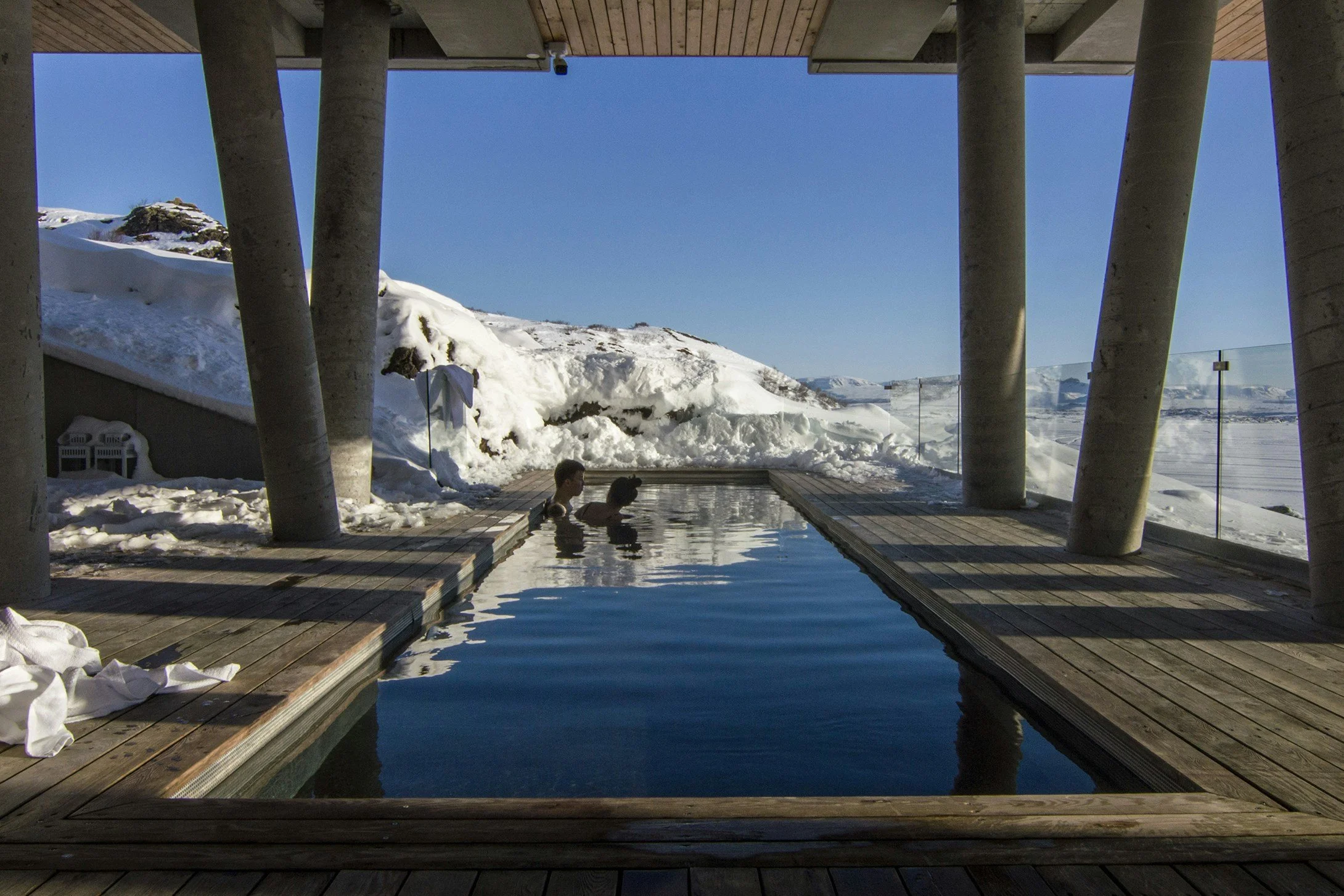
For decades, luxury travel has been defined by familiar symbols. Marble-floored lobbies that soften footsteps. Crisp white sheets turned down with careful precision. Infinity pools suspended above skylines or oceans, designed as much to be admired as they are to be used.
There is nothing inherently wrong with this version of luxury. It offers comfort, reliability, and a certain kind of escape. But somewhere along the way, it stopped feeling like the pinnacle of travel — and began to feel like a formula.
More often now, the trips that stay with us aren’t shaped by star ratings or brand names. They’re defined by time: slow mornings without alarms, unplanned afternoons, evenings that stretch simply because nothing else is waiting. Luxury, increasingly, is less about being impressed and more about being at ease.
As travel has become easier, more visible, and more optimised, the meaning of luxury has quietly shifted. What once centred on opulence now leans towards privacy, space, and intention. Not more — but better. Not louder — but calmer.
This isn’t the end of five-star hotels. It’s a widening of what luxury can mean — one that values how travel feels, not how it looks.
When Luxury Was About Status
For a long time, luxury travel was as much about visibility as it was about comfort. Where you stayed mattered — but so did the fact that others knew you had stayed there. Five-star ratings, recognisable names, premium lounges and room upgrades weren’t just conveniences; they were signals.
Luxury, in this sense, functioned as reassurance. A higher price promised fewer surprises. A well-known brand offered familiarity in unfamiliar places, smoothing out the edges of travel and replacing uncertainty with predictability.
For many travellers, that was the point. You could cross continents and still know exactly what awaited you: the same quiet check-in, the same polished corridors, the same neutral palette designed to feel universally appealing. The experience was elevated, controlled, and deliberately removed from the world outside.
There was comfort in that consistency. It allowed travel to feel effortless, almost frictionless. But it also created distance. Staying somewhere “luxurious” often meant being insulated from the place itself — observing a destination rather than engaging with it.
For years, this was the gold standard. And for many, it still is. But as travel became faster, more visible, and more crowded, this version of luxury began to lose its edge. What once felt exceptional started to feel repeatable — and repetition, quietly, is where luxury begins to unravel.
The Quiet Shift: What Changed
The change didn’t arrive all at once. There was no single moment when luxury travel stopped meaning what it once did. Instead, it happened gradually — almost quietly — as the experience of travel itself began to change.
As more people travelled further and more often, the world started to feel smaller. Flights became easier to book, destinations more visible, hotels more recognisable. Places that once felt special became familiar before arrival, already seen through countless images and reviews.
At the same time, luxury spaces began to blur together. A high-end hotel in one city could easily be mistaken for one in another. The same layouts, the same materials, the same sense of polished anonymity. Comfort was guaranteed — but surprise became rare.
Then came the crowds. Even the most exclusive places grew busier, louder, more scheduled. The promise of escape was harder to deliver when every experience was shared, tagged, and timed. What was once rare started to feel exposed.
For many travellers, this was the moment something shifted. The desire was no longer to be surrounded by luxury, but to be protected from noise — both literal and digital. To find space again. To feel present rather than processed.
Luxury didn’t disappear. It simply changed direction.
Time Became the Real Luxury
At some point, luxury stopped being about what was included and started being about what wasn’t. No schedules to keep. No reservations stacked back to back. No sense of having to make the most of every hour.
Time — unstructured, unclaimed time — became the rarest part of travel.
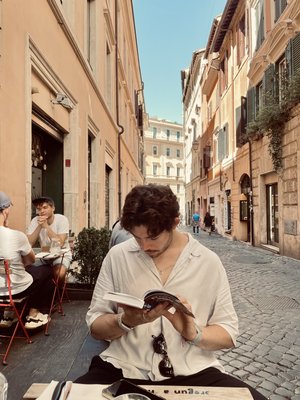
The most luxurious moments often happen in the gaps. Mornings that unfold slowly, without alarms or agendas. Afternoons spent wandering with no clear destination, simply because there’s nowhere else you need to be. Evenings that stretch, not because they are planned, but because they are unhurried.
This kind of freedom is difficult to replicate in everyday life, which is precisely why it has become so valuable on the road. Having the ability to change your mind, to linger longer than expected, or to do nothing at all, feels indulgent in a world that constantly demands efficiency.
Luxury, in this sense, is no longer about access — it’s about autonomy. The quiet confidence of knowing you don’t need to rush, optimise, or document every moment for it to matter.
And once you experience travel like this, it becomes hard to return to anything else.
Space, Privacy and Breathing Room
As time became more valuable, so did space. Not just physical space, but the feeling of having room to breathe — to exist without being observed, managed, or moved along.
Luxury travel began to drift away from scale. Smaller properties, fewer rooms, quieter surroundings. Places where you recognise the faces around you by the second day, and where silence is not something to be filled, but something to be protected.
Privacy, once a by-product of exclusivity, became a priority in its own right. The ability to retreat, to close a door on the outside world, to experience a destination without constant interruption. For many travellers, this mattered more than grand entrances or elaborate design.
There is a particular ease that comes with not feeling on display. With being able to wake up slowly, move through a space unnoticed, and settle into a place without performing for it. In these moments, travel stops being something you consume and starts becoming something you inhabit.
In a world that is increasingly loud, connected, and crowded, this kind of breathing room has become one of the clearest expressions of modern luxury.
Meaning Over Marble
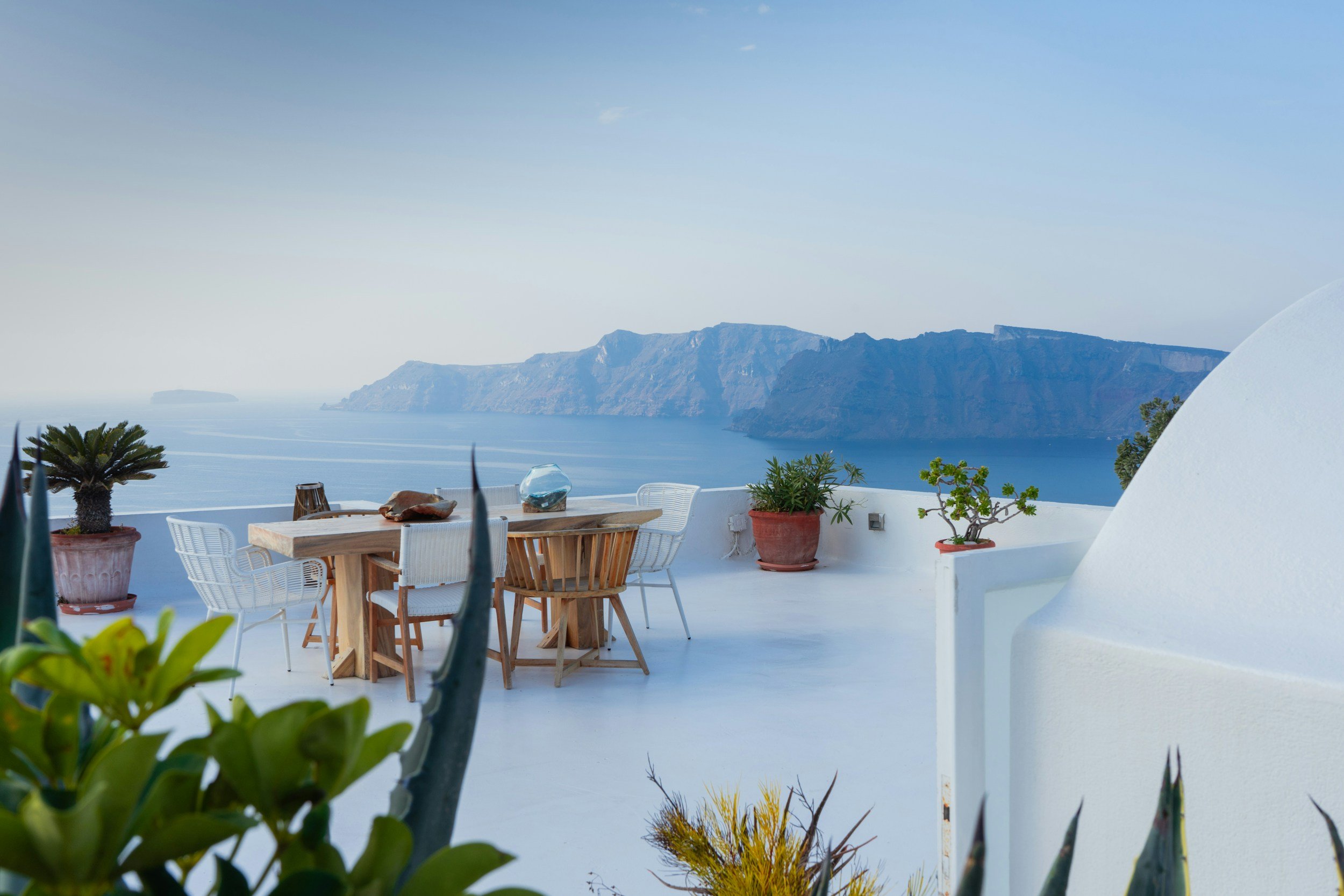
As luxury has grown quieter, it has also grown more personal. The focus has shifted away from surfaces and towards substance — from what a place looks like to how it makes you feel.
The most memorable experiences are rarely the most elaborate. They’re the ones that invite you in rather than overwhelm you. A long meal that turns into a conversation. A guide who adjusts the day because the light is better somewhere else. A stay that feels attuned, not transactional.
This is where luxury begins to intersect with connection. With culture, landscape, and the people who shape a place. It’s not about access to something exclusive, but access to something genuine.
When travel prioritises meaning, it leaves space for curiosity. For small, unplanned moments that can’t be replicated or scheduled. Moments that don’t need embellishment because they already feel complete.
Marble fades. Meaning lingers.
Why Five-Star Hotels Started to Feel the Same
In the pursuit of perfection, something unexpected happened. Many five-star hotels began to lose their sense of place.
Design became safer, more standardised. Materials, layouts, even lighting choices started to repeat themselves across continents. A lobby in one city could easily be mistaken for another, offering comfort and familiarity, but little to anchor you to where you were.
This consistency was intentional. It reduced risk and ensured expectations were met. But it also smoothed away the edges that make travel memorable. When every experience is meticulously controlled, there’s little room left for surprise.
For travellers seeking ease, this still works. But for those looking to feel somewhere — rather than simply stay somewhere — it began to fall short.
Luxury didn’t become worse. It became predictable. And predictability, over time, can dull even the most polished experience.
The Rise of Quiet Luxury on the Road
In response to sameness, a different kind of luxury has emerged. One that doesn’t announce itself, doesn’t chase attention, and doesn’t need to be explained.
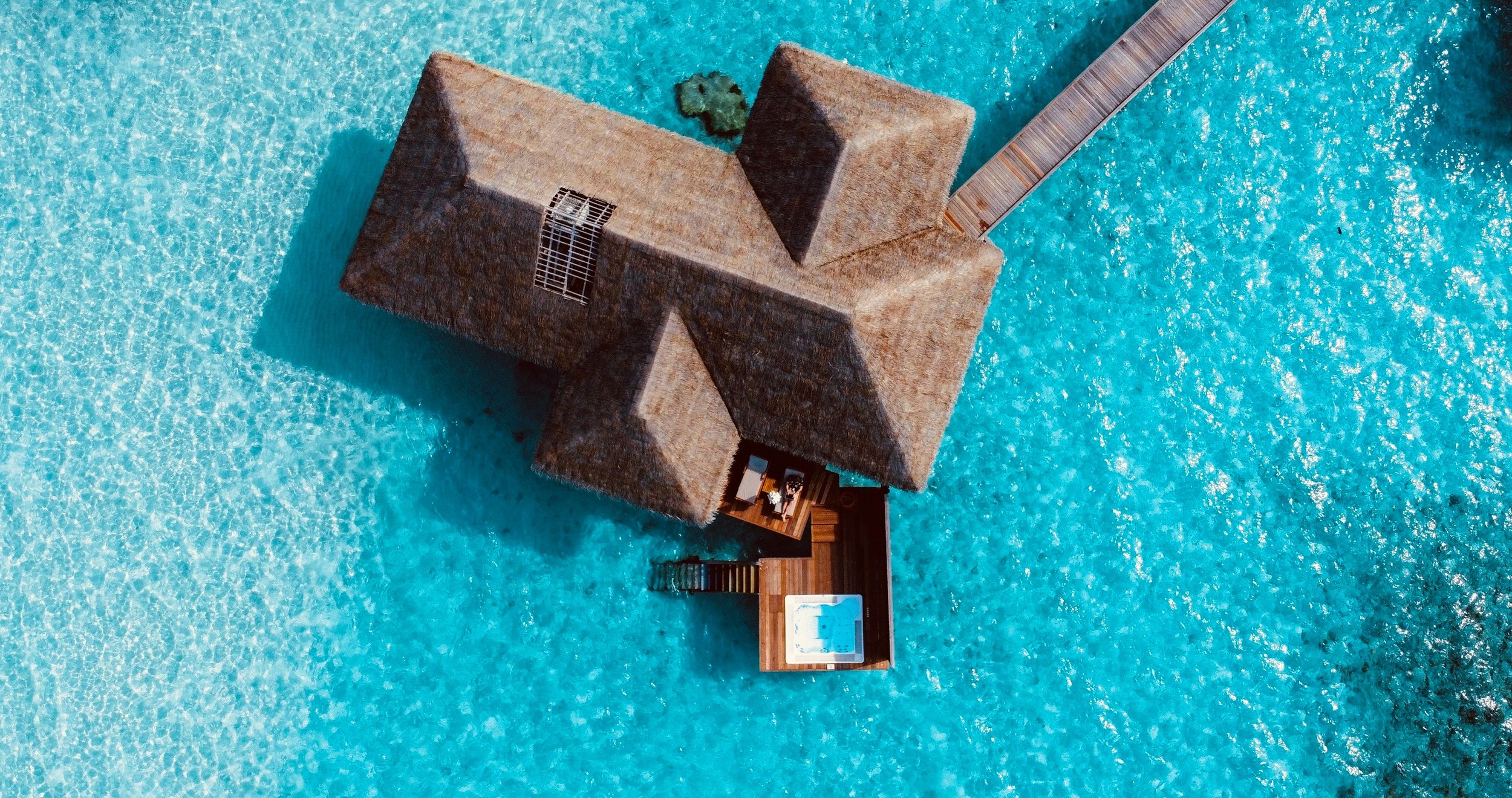
Quiet luxury on the road is found in places that feel considered rather than curated. Smaller stays where the details are thoughtful, not theatrical. Where service is intuitive, not scripted, and comfort is delivered without ceremony.
These are places that understand restraint. Nothing feels excessive, yet nothing feels lacking. The experience unfolds naturally, shaped by context rather than branding.
Often, these stays are deeply connected to their surroundings — owned locally, influenced by landscape, rooted in place. They offer something five-star hotels often struggle to replicate: a sense of belonging, however fleeting.
In choosing quiet luxury, travellers aren’t rejecting comfort or quality. They’re simply choosing presence over performance.
Who This New Luxury Is Really For
This new understanding of luxury isn’t about wealth, status, or even experience levels. It’s about values.
It speaks to travellers who care less about being impressed and more about feeling comfortable in their own pace. Those who don’t need validation from where they stay, but who notice how a place allows them to slow down, switch off, and feel present.
For some, this shift comes with time. For others, it arrives through fatigue — of crowds, of sameness, of always needing to make travel look a certain way. Quiet luxury resonates most with those who are no longer trying to prove anything through where they go.
It’s not exclusive in spirit, even if it remains intentional in practice. It welcomes curiosity, rewards patience, and values ease over excess.
In many ways, this version of luxury isn’t about travel at all. It’s about how we choose to move through the world.
“Luxury travel hasn’t disappeared. It has simply grown quieter.
What once centred on status, scale, and spectacle is now shaped by time, space, and meaning. The most valued experiences aren’t the most elaborate, but the ones that allow us to slow down, feel present, and reconnect — with a place, with others, and often with ourselves.
Five-star hotels will always have their place. But they no longer define the pinnacle of travel. Increasingly, luxury is found in the freedom to linger, in the comfort of privacy, in experiences that feel personal rather than performed.
This shift isn’t about rejecting comfort or quality. It’s about choosing depth over display, intention over impression. About seeking out travel that feels considered, not curated.
In the end, the most luxurious trips are rarely the ones that look the most impressive. They’re the ones that leave us feeling rested, grounded, and quietly changed — long after we’ve returned home.”