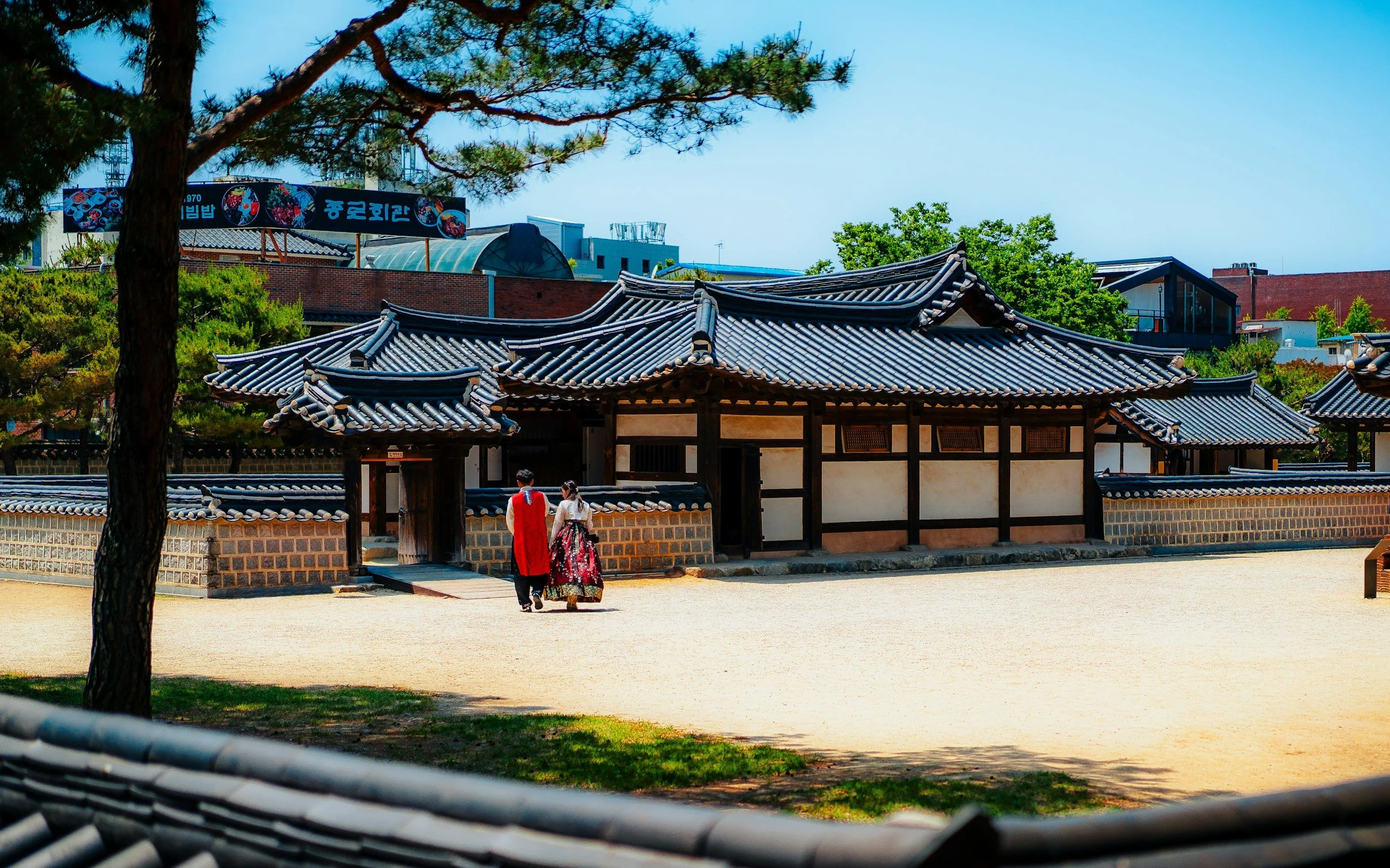
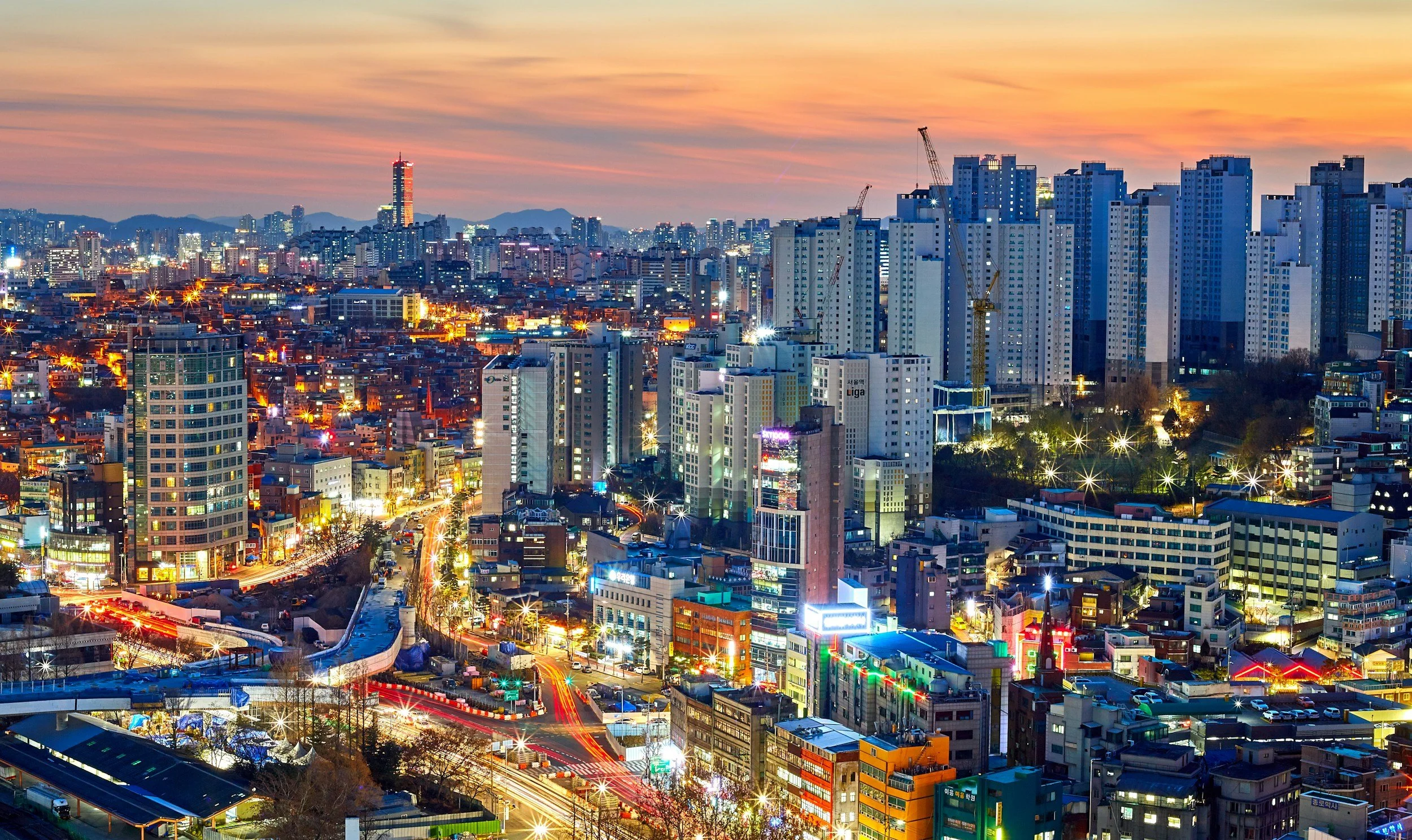
Seoul can feel like a lot at first. It is vast, fast-moving, and full of contrasts that do not always settle neatly into one first impression. One moment you are looking at palace roofs framed by mountains, and the next you are in a district of glass towers, late-night restaurants, underground shopping arcades, and trains arriving with near-perfect rhythm. It is a city that can seem slightly overwhelming on arrival, then surprisingly intuitive once you begin to understand how it works.
That is part of Seoul’s appeal. It is not a city that asks you to experience it in one single way. You can come for history, food, neighbourhood culture, design, hiking, café life, shopping, nightlife, or simply the energy of being somewhere that feels constantly in motion, and Seoul has a way of holding all of those things at once. The key, especially on a first trip, is not trying to do everything. It is understanding the city well enough to move through it with a little confidence, leaving room for both the obvious highlights and the more personal moments in between.
This guide is here to help with exactly that. Think of it as the practical front door to Seoul: the post that helps you work out when to go, how long to stay, where to base yourself, how to get around, and what kind of first trip will suit you best. The aim is not to overwhelm you with options, but to make the city feel clearer before you arrive, so that once you land, Seoul starts to feel exciting rather than daunting.
Why visit Seoul?
Seoul is one of the most compelling first-time city breaks in Asia because it offers so much range without feeling disconnected from itself. It is a capital where old and new do not simply sit side by side for effect, but shape the city’s everyday character. You feel that in the way palace districts open into modern neighbourhoods, in the way mountain trails and river parks soften the edges of a huge urban landscape, and in the way food, coffee, and nightlife are woven so naturally into daily life.
It is also a city that rewards different travel styles unusually well. If you like structure, Seoul works beautifully because it is efficient, easy to navigate, and full of clear anchors. If you prefer travelling more intuitively, it works just as well because so much of its charm lies in the atmosphere of its neighbourhoods, the rhythm of its streets, and the smaller discoveries that happen between the major sights. Few cities are this good at offering both.
Then there is the feeling of the place itself. Seoul can be grand, reflective, chaotic, stylish, comforting, and unexpectedly peaceful all within the same day. You can spend the morning in a royal courtyard, the afternoon in a design-led café district, and the evening by the river or in a food alley that seems to have come properly alive only after dark. For first-time visitors, that range is what makes the city so memorable. Seoul does not give you one version of itself. It gives you layers, and part of the pleasure is discovering which ones stay with you most.
How many days do you need in Seoul?
Seoul is not a city that reveals itself especially well in a rush. You can absolutely enjoy a first taste of it in a long weekend, but if you only give it two or three days, the trip tends to lean heavily towards the obvious: a palace or two, a few key neighbourhoods, a market, and perhaps one evening that feels as though it disappeared too quickly. That can still be worth doing, especially if Seoul is part of a wider trip, but it rarely gives you enough time to feel the city properly.
For most first-time visitors, four to five days is the sweet spot. That gives you enough room for Seoul’s historic heart, a couple of very different neighbourhoods, proper food time, one or two slower café or riverside stretches, and evenings that do not feel squeezed in after the “main” plans are done. It also gives the city space to shift mood on you, which is part of what makes it memorable. Seoul is not just about seeing individual sights; it is about moving between different versions of the city and letting those contrasts settle.
If you have three days, focus on the essentials and keep the pace realistic. That is enough for a very good first trip if you plan by area rather than trying to cross the city too many times. Think one day around the palace districts and older Seoul, one day for neighbourhood culture and food, and one day for a mix of modern Seoul, outdoor time, or a slower local experience. You will leave wanting more, but not feeling as though you only skimmed the surface.
If you have five days or more, Seoul starts to feel much more comfortable. That is when the city begins to open up beyond the headline stops. You can spend longer in neighbourhoods like Seongsu, Yeonnam-dong, or Euljiro, make room for river time or a hill walk, and even consider a day on the edge of the city without the main trip feeling rushed. More time also helps because Seoul changes a lot with the seasons, and weather and daylight can shape the pace of each day quite differently.
If you only have one or two days, Seoul is still worth it, but the goal should be a strong introduction rather than trying to “cover” the city. Stay central, choose your neighbourhood carefully, and let convenience work in your favour.
A simple rule of thumb
If Seoul is a stop on a wider itinerary, give it three days. If it is one of the main reasons for the trip, give it four or five. If you want to experience it with a little more depth — food, neighbourhoods, slower time, and a more rounded feel for the city — give it six or more.
World Locals tip
If you have to cut something on a first trip to Seoul, cut the number of neighbourhoods rather than the amount of time you spend in each one. The city leaves a stronger impression when you let it unfold a little, rather than trying to see every side of it at once.
The best time to visit Seoul
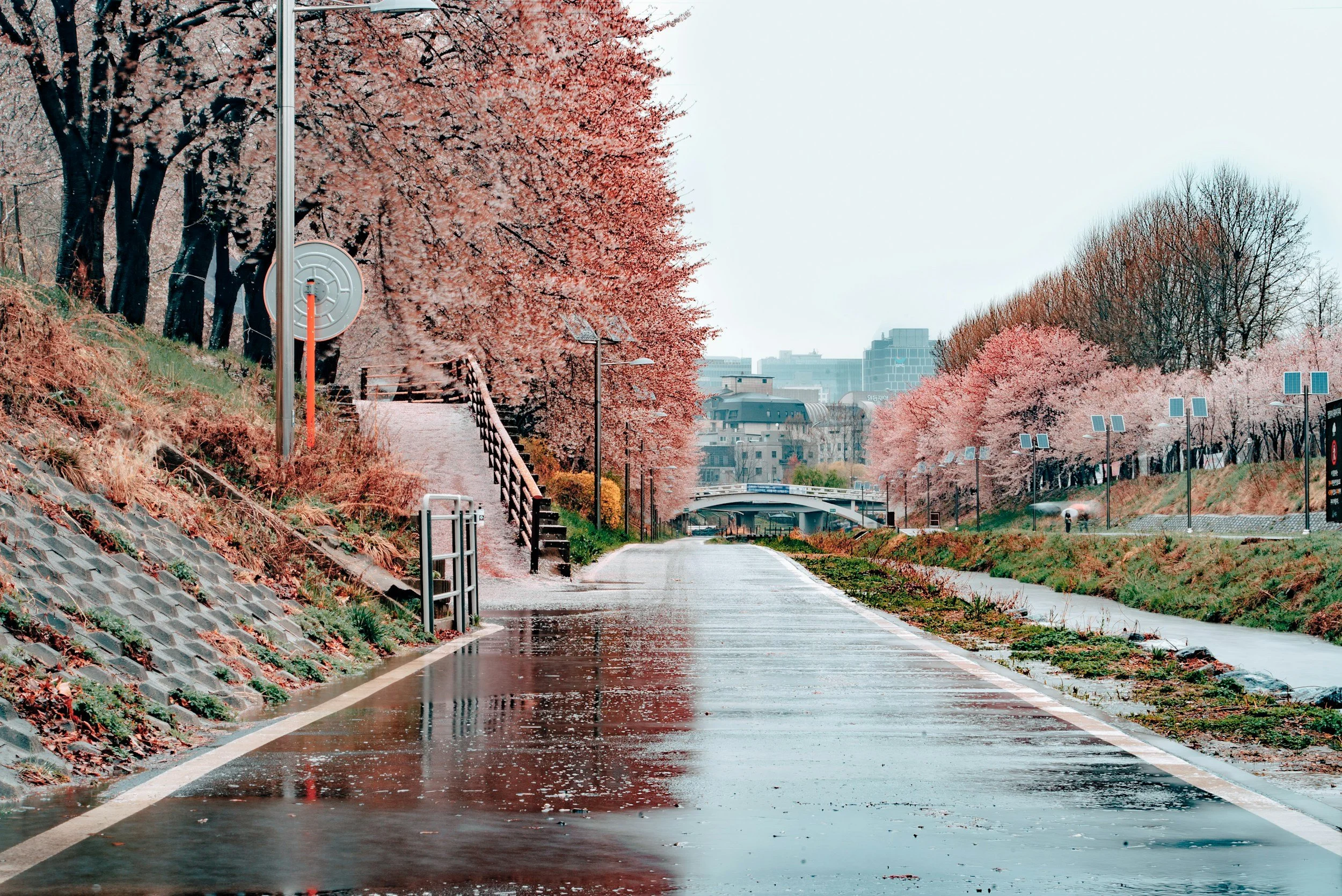
Seoul changes properly with the seasons, and that is part of what makes a first trip here so enjoyable. This is not a city that looks or feels the same all year round. Spring brings blossom and milder weather, summer is hot and humid, autumn is widely considered the most comfortable and colourful season, and winter can be crisp, dry, and properly cold.
For many first-time visitors, spring and autumn are the easiest seasons to recommend. Spring has a sense of lift to it, with flowers across the city and a lighter mood in parks and along walking routes, though it is still worth remembering that evenings can feel cooler than expected. Autumn tends to be the most straightforward all-round option, with pleasant weather and bright foliage across the city, which is one reason it appeals to so many first-timers.
Spring suits travellers who want Seoul at its softer, more open-air best. It is a good time for palace walks, neighbourhood wandering, and time in parks or along the river, especially when the city is beginning to come back to life after winter. It does, however, help to pack layers, because the temperature range can be wider than many people expect.
Summer can still be a good time to visit, but it helps to know what you are signing up for. The season is typically long, hot, and humid, with a heavier atmosphere that can make full sightseeing days feel more tiring. The upside is that this is when riverside spaces, water features, and evening outdoor time can feel especially appealing. The trade-off is that daytime plans often need a gentler pace, with more café breaks and less pressure to do too much in the hottest hours.
Autumn is often the easiest season to love on a first trip. The weather is usually more comfortable, the city’s parks and palace grounds take on richer colour, and it is a lovely time for neighbourhood wandering, river walks, and hill views without the intensity of summer. If you want Seoul to feel balanced, scenic, and easy to move through, this is often the safest choice.
Winter gives Seoul a different kind of appeal. It can be cold, and some days are properly sharp, but that winter atmosphere can make the city feel especially striking. Markets, soups, cafés, and evening food culture all come into their own at this time of year, and if you do not mind the temperature, winter can be a surprisingly atmospheric season to visit.
The easiest rule of thumb
If you want the most comfortable first trip, aim for spring or autumn. If you do not mind heat and want a more energetic summer city feel, summer can still work well with a slower pace. If you enjoy crisp air, seasonal food, and a more wintry atmosphere, winter has its own charm.
World Locals tip
Choose your season based on how you want Seoul to feel, not just what the temperature says. In spring and autumn, the city is easiest to wander. In summer, it is better for slower starts, river evenings, and indoor breaks. In winter, it becomes a city of warm meals, cold air, and moodier streets.
Where to stay in Seoul for first-timers
For a first trip, the best area to stay in Seoul usually comes down to what you want the city to feel like. Some neighbourhoods make Seoul feel easy straight away, with simple transport links, plenty of hotels, and enough activity around you that the city never feels difficult to step into. Others offer more atmosphere, more history, or a stronger sense of neighbourhood life, but ask a little more from you in return.
For most first-time visitors, Myeong-dong is still the easiest place to recommend. It is central, well connected, lively in the evenings, and full of the kind of practical convenience that makes a first stay run smoothly. You can get your bearings quickly here, and that matters in a city as large as Seoul. The trade-off is that it feels more functional than atmospheric, so it works best as a launchpad rather than the fullest expression of the city.
If you want a first trip with a little more character, Jongno, Insadong, or the wider historic core make a strong case. This part of Seoul gives you easier access to palaces, older streets, tea houses, and a more visibly historic side of the capital. It tends to suit travellers who want atmosphere as much as convenience, and who like the idea of waking up somewhere that already feels connected to the city’s past rather than simply close to its transport network.
If your idea of Seoul is more about café culture, younger energy, bars, and neighbourhood life, Hongdae is one of the easiest places to enjoy. It is a strong fit for travellers who want a more social and creative base. It is less classic and a little less central for some first-time sightseeing, but it gives a very enjoyable version of the city from the outset.
The simplest way to think about it is this: stay in Myeong-dong if you want the smoothest first trip, choose the Jongno/Insadong side of the city if you want more history and atmosphere, and go for Hongdae if you want Seoul to feel younger, livelier, and more neighbourhood-led from the start. There is no single right answer, but there is usually a right answer for the kind of trip you want to have.
World Locals tip
On a first trip, it is usually better to choose the area that matches your pace than the one that sounds most famous. In Seoul, the right neighbourhood does more than give you a place to sleep — it shapes the mood of the whole trip.
Absolutely — I’ll keep the remaining sections clean and ready to drop straight into the blog, with no source links.
What to do on a first trip
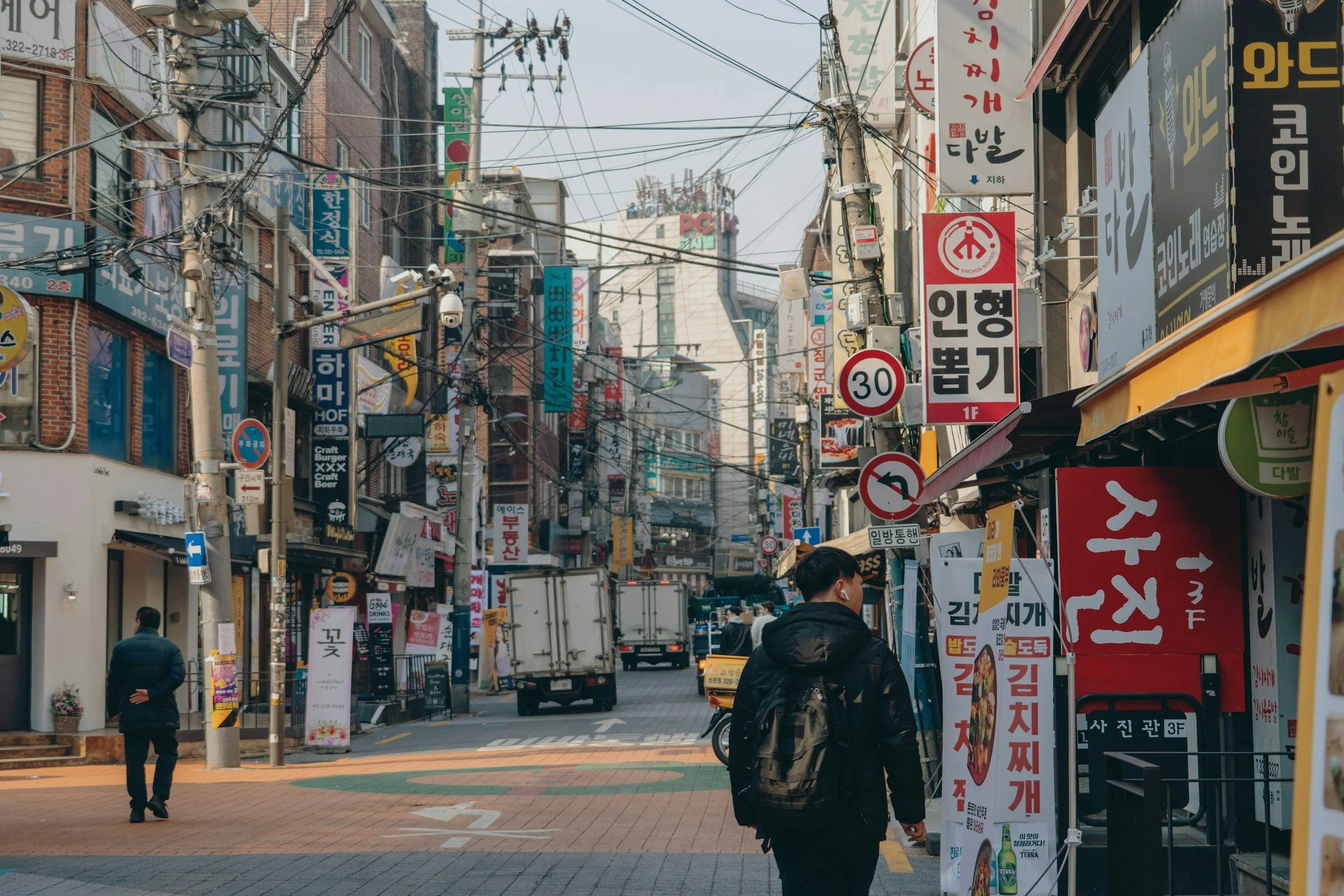
On a first trip to Seoul, the aim is not to see absolutely everything. It is to experience enough of the city’s different sides that it begins to make sense as a whole. The best first visit usually combines a little history, a little neighbourhood wandering, strong food, one or two classic viewpoints or outdoor moments, and enough slower time that Seoul does not end up feeling like a blur of stations and attractions.
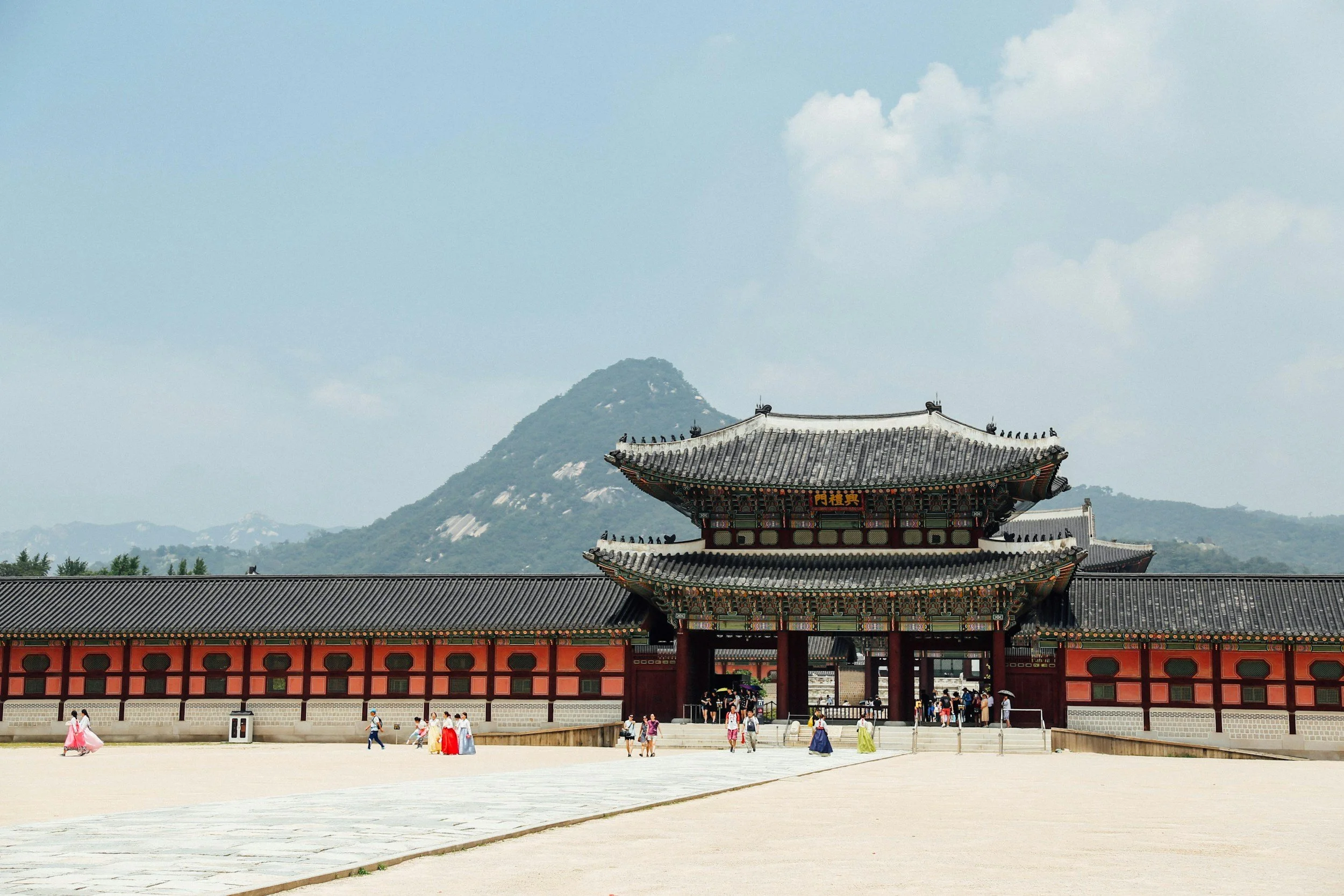
Start with the city’s historic heart. Even if you are not usually drawn to palaces and heritage sites, this part of Seoul gives shape to the rest of the trip. The palace districts, older streets, and hanok-lined areas offer a sense of the capital’s older identity, and they work best when you let them spill into one another rather than treating each place as a separate stop. A palace morning followed by time in Bukchon, Insadong, or the wider Jongno area is still one of the strongest ways to begin understanding the city.
From there, make space for Seoul’s neighbourhood life, because this is where the city starts to feel more personal. A first trip should include at least one area that shows its younger, more contemporary side, whether that means Hongdae and Yeonnam-dong for café culture and a more social atmosphere, or Seongsu-dong for design-led spaces, warehouse cafés, and a slightly slower creative mood. These are the places that stop the trip feeling too monument-led and remind you that Seoul is not only a historical capital, but a living, shifting one.
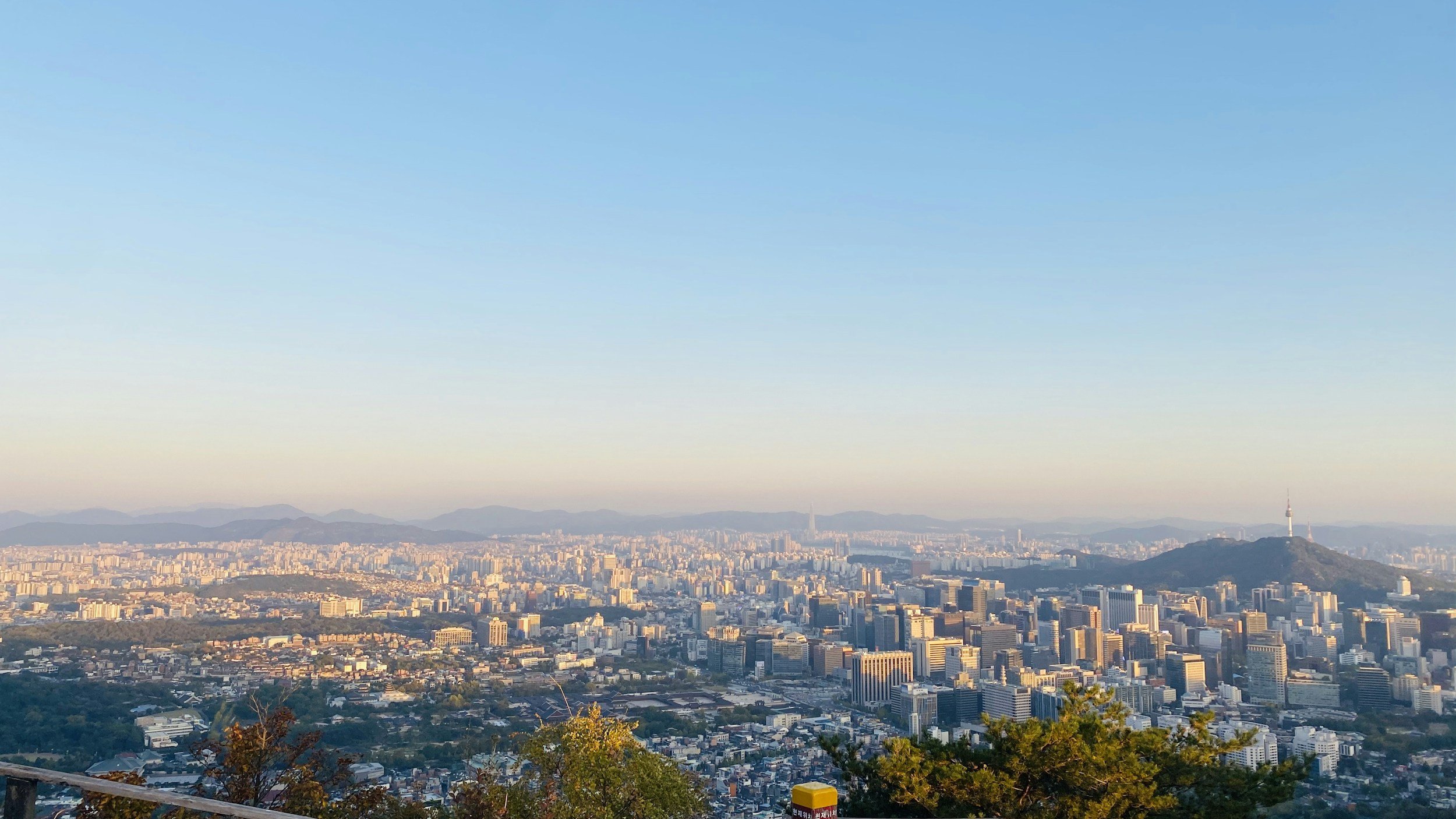
It is also worth giving Seoul some outdoor time. That does not have to mean a full hike unless that is your thing, but it should mean stepping into one of the city’s calmer edges. Time on Namsan, along the Han River, or in Seoul Forest adds balance to the trip and helps the city feel more spacious than it first appears. Seoul is one of those capitals that benefits enormously from a little air and perspective. A viewpoint or riverside evening often ends up being just as memorable as one of the headline sights.
Evenings matter too. Seoul has a different kind of energy after dark, and a first trip should leave room for that rather than treating nighttime as an afterthought. That might mean dinner and drinks in Euljiro, a livelier evening in Hongdae, a slower night around the palace-side neighbourhoods, or simply a walk by the river once the city begins to glow. The point is not to build every evening around nightlife, but to see how Seoul shifts once the day’s formal plans are over.
If there is one mistake first-time visitors make, it is trying to pack too many districts into a single day. Seoul works better when each day has a shape to it. Pair a historic area with a food-focused evening. Follow a modern neighbourhood with river time. Balance one busier day with one that moves a little more slowly. The city reveals far more that way.
A simple way to think about it
A strong first trip to Seoul should include:
historic Seoul, a neighbourhood-led afternoon, one outdoor or river experience, one memorable food evening, and one night where you simply let the city unfold.
World Locals tip
Do not build your first Seoul trip around only the biggest sights. The city becomes far more memorable when you let one or two landmarks anchor the day, then allow the neighbourhood around them to do the rest.
What to eat on a first trip
On a first trip to Seoul, it helps to think less in terms of finding every famous dish and more in terms of giving yourself a good introduction to how the city eats. Seoul is not only a place of signature foods, but of markets, shared dinners, late-night drinking food, bakery cafés, and neighbourhoods where the mood of the area shapes the kind of meal you are likely to have. The best first trips usually include a mix of all of that rather than chasing only the dishes you already know by name.
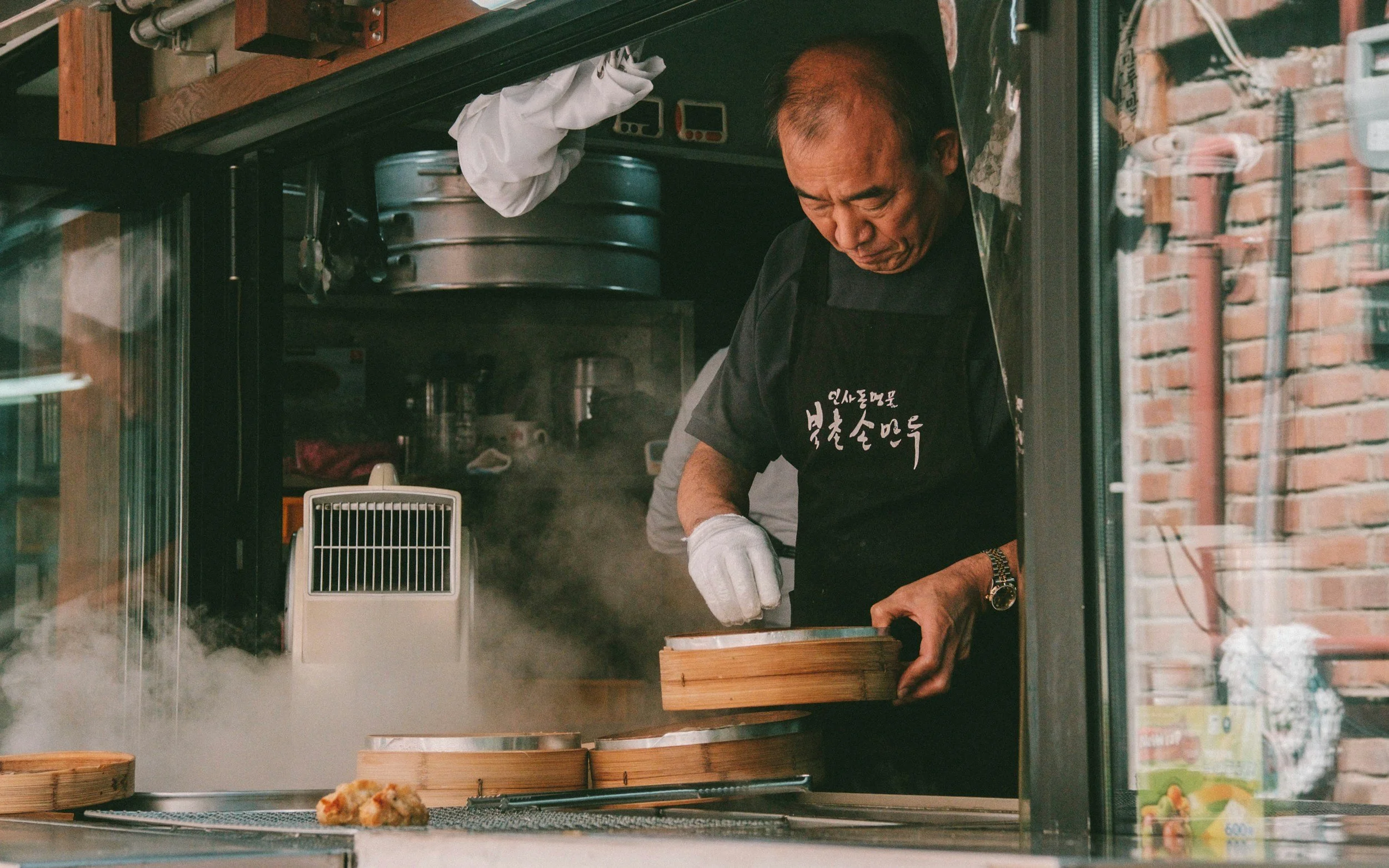
A market meal is one of the best places to begin. Whether that means a busier, more iconic market stop or something that feels slightly more old-school, it gives you an immediate sense of Seoul’s food culture at street level: food eaten standing up, things shared quickly, dishes chosen by instinct, and the kind of atmosphere that feels inseparable from the city itself. It is one of the easiest ways to make a first trip feel grounded from the outset.
You should also make time for at least one proper Korean barbecue dinner. Even for travellers who are not usually drawn to structured food experiences, this is one of the meals that helps Seoul click. The grill at the centre of the table, the banchan arriving in waves, the pace of the evening gradually stretching out — it is not just about what you eat, but how the meal unfolds. A first trip feels incomplete without at least one evening shaped by that kind of shared, lingering dinner.
Alongside the bigger meals, it is worth trying some of the city’s more everyday comforts. A bowl of kalguksu, a serving of mandu, kimchi jjigae, or something quick from a smaller local place gives a different, and often more intimate, sense of Seoul’s food culture than the more famous shared dinners do. These are the meals that make the city feel lived-in rather than performed, and they often become some of the most satisfying.
Then there is café culture, which deserves real space in a first-timer guide because it is such a strong part of the city’s daily rhythm. A neighbourhood like Yeonnam-dong, Seongsu-dong, or the Bukchon side of the city will give you a very different café experience depending on the mood you want, whether that means bakery cafés, design-led coffee spots, or something quieter and more tea-house led. A first trip to Seoul should include at least one slower afternoon shaped around coffee, cake, or tea rather than only moving from meal to meal.
Evenings are where it helps to let Seoul’s drinking-and-eating culture come into play too. Fried chicken and beer, simple drinking food with soju, or a dinner that naturally turns into another stop afterwards all give you a more complete sense of the city. You do not need to build every night around bars, but it is worth seeing how naturally food and nightlife overlap here.
If you only have a few days, a good first-time food experience in Seoul should include:
one market meal, one barbecue dinner, one comforting everyday dish, one café or bakery stop, and one evening where food and drink shape the night a little.
World Locals tip
On a first trip to Seoul, do not try to eat everything. Eat across different moods instead — market food, a shared dinner, something simple and comforting, and a slower café stop — and the city will start to make far more sense.
How to get around Seoul
Getting around Seoul is one of the parts of the trip that tends to feel more intimidating before you arrive than it does once you are there. The city is large, but it is also well connected, efficient, and set up in a way that becomes easier to understand very quickly. For first-time visitors, the biggest shift is realising that Seoul is not a city you need to navigate perfectly from the start. Once you have a sense of your neighbourhood, a transport card, and a rough idea of which districts sit near one another, the city becomes far more manageable.
For most travellers, the subway will do most of the work. It is usually the simplest way to move between major neighbourhoods, and once you have used it a couple of times, it starts to feel very straightforward. Seoul works best when you plan by area rather than trying to jump constantly from one side of the city to the other, so in practice you often only need the network to get you into the right part of town. After that, much of the experience is better on foot.
It is worth getting a T-money card early in the trip, because it makes everyday transport much smoother. Having one means you can move between the subway and buses without having to think too much each time, and it tends to make the city feel less transactional and more intuitive. In a place as big as Seoul, those small bits of ease matter. Once you tap in and out a few times, the system starts to feel like part of the rhythm of the day rather than a hurdle to get through.
Buses can be useful too, though they usually make more sense once you are a little more settled into the city. For a first trip, the subway will normally be the easier backbone, while buses come into their own when you want a more direct route within a particular area or you are heading somewhere that sits less neatly on the train network. There is no need to master everything at once. Seoul is a city where learning one useful layer at a time is usually enough.
Taxis are helpful when you want to simplify things, especially later at night, when you are carrying luggage, or when you are moving between areas that would otherwise involve a couple of changes. They are not something you need to rely on for the whole trip, but they can be useful for taking the friction out of certain moments. In a city this size, knowing when to make things easier on yourself is part of travelling well.
The main thing is not to overcomplicate the city before you arrive. Seoul can look enormous on a map, but it becomes much more approachable once you break it into neighbourhoods and use transport to move between those pockets rather than trying to understand everything at once. Most first-time visitors find that after a day or two, the city feels far more navigable than they expected.
A simple way to think about it
Use the subway as your main framework, keep a T-money card with you, walk once you are in the right area, and use taxis when convenience matters more than optimisation.
World Locals tip
Do not judge Seoul’s size by the map alone. Judge it by how you move through it. Once you start planning by neighbourhood rather than by individual attraction, getting around the city feels much simpler.
Airport arrival tips
Arriving in Seoul for the first time is often the point where the city feels biggest. After a long flight, even a well-planned trip can suddenly feel a little abstract, and that is usually when simple decisions matter most. The good news is that once you know how you want to get into the city, the arrival is far more straightforward than it first appears.
The first thing that helps is knowing where you are staying before you land, not just the hotel name, but which part of Seoul it sits in. The city is large enough that your best arrival option depends partly on your neighbourhood. If you are staying somewhere central and well connected, the airport train often makes the most sense. If you are staying in an area that would require multiple changes after a long flight, an airport bus or taxi may feel like a much better first move.
For many first-time visitors, the easiest balance of cost and convenience is the airport train into Seoul Station, especially if you are travelling light and staying somewhere with good subway access. It is usually the cleanest way to get the trip started without too much fuss. From there, you can continue onwards by subway or taxi depending on how much energy you have left.
If you would rather keep things simpler, airport limousine buses can be a very good option. They tend to feel less stressful after a long flight because there is less changing involved, and depending on where you are staying, they may take you much closer to your hotel than the train would. They are especially useful if you are arriving tired, carrying more luggage, or staying in an area that is not quite as convenient from Seoul Station.
A taxi makes the most sense when ease matters more than budget. If you are landing late, arriving with lots of luggage, or simply do not want your first hour in Seoul to involve figuring things out, it can be worth it. The city is very manageable once you are settled, so there is nothing wrong with making the arrival day as smooth as possible.
It is also worth sorting a couple of basics at the airport if you have not already done so. Having internet access early on makes everything easier, whether that means an eSIM already set up before you travel or a SIM option ready on arrival. The same goes for having a transport card soon after you land. Even if you do not use it immediately from the airport, it makes the first full day in the city feel much more seamless.
Above all, try not to over-schedule your arrival day. Seoul is exciting, but it is still better met with a little breathing room. Give yourself time to reach your neighbourhood, check in, eat something nearby, and let the city begin gradually rather than expecting the trip to start at full speed the moment you land.
The easiest rule of thumb
If you want the most efficient option, take the airport train. If you want the least stressful option, take an airport bus. If you want the simplest door-to-door option, take a taxi.
World Locals tip
Treat your arrival in Seoul as part of the trip, not a hurdle before it. Start gently, learn the rhythm of your neighbourhood first, and let the city get bigger gradually rather than all at once.
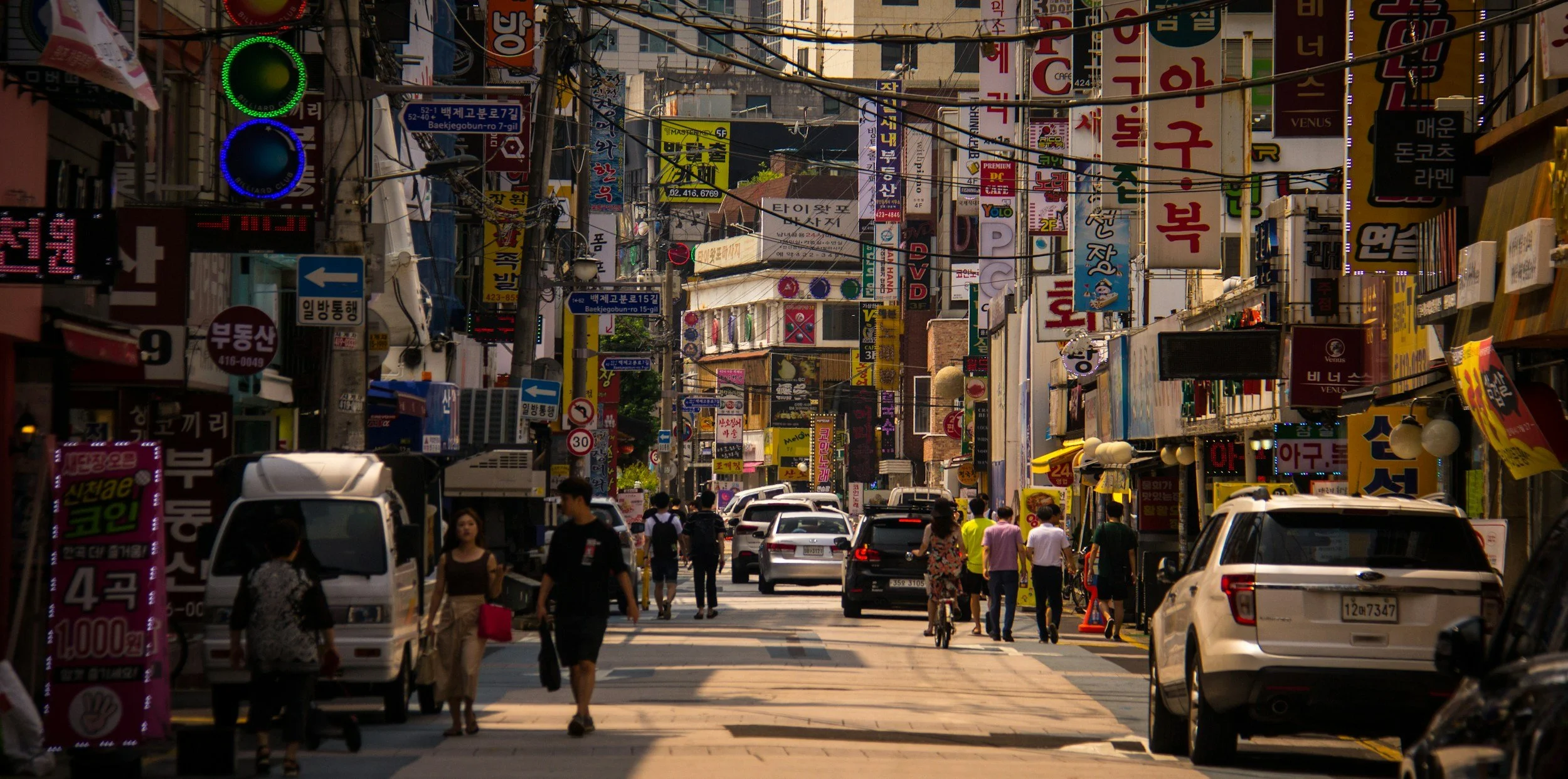
Practical things to know before you go
A first trip to Seoul usually feels easier once you stop thinking of it as one enormous city and start thinking of it as a collection of very different neighbourhoods connected by good transport. That shift alone makes planning far less overwhelming. You do not need to understand every district before you arrive. You just need to know where you are staying, how you will move around, and what kind of pace you want the trip to have.
One of the most useful things you can do before you go is make sure you will have internet access as soon as you land. Seoul is a very easy city to navigate once maps, transport apps, and translation tools are in your pocket, and it feels much less daunting when you can check directions on the move rather than relying on instinct alone. That one detail tends to make the whole trip smoother from the beginning.
It also helps to carry a little flexibility into the way you plan your days. Seoul rewards structure, but not over-structure. If every hour is tightly scheduled, the city can start to feel tiring rather than exciting. Leave room for the small things that often become part of the memory: a café you did not expect to stay in so long, a neighbourhood you want to wander for another hour, a market stop that turns into lunch, or an evening that stretches further than you meant it to.
In practical terms, Seoul is generally very comfortable to travel in, but it is still worth dressing for the season properly. The city can be hot and humid in summer, sharply cold in winter, and more changeable than expected in spring and autumn. Comfortable shoes matter too, not because Seoul is difficult, but because you will almost certainly walk more than you think, especially in hillier neighbourhoods, around palace districts, and during full days of wandering between stations, cafés, and side streets.
Payment is usually straightforward, but it is still wise to have a little cash with you for smaller purchases, older market stalls, or simpler local spots. Most of the time, you will find the city easy to manage, though it is always useful to keep your hotel address saved, know the nearest station to where you are staying, and have a rough sense of how you want each day to flow before you head out.
Perhaps the biggest thing to know before you go is that Seoul does not need to be “done” all at once. First-time visitors sometimes put too much pressure on themselves to see every major area in one trip, but the city is better experienced through a few strong days than through a blur of rushed ones. You do not need to cover everything to feel that you have had a good first visit. You just need enough time to let the city settle around you a little.
A few things that make the trip smoother
Arrive with internet sorted, pack for the season rather than the calendar, wear comfortable shoes, keep a little cash on you, and plan by neighbourhood rather than trying to move constantly across the city.
World Locals tip
The best way to prepare for Seoul is not to memorise the whole city before you arrive. It is to make the first day easy, the daily pace realistic, and the plan flexible enough that the city still has room to surprise you.
A simple first-time Seoul itinerary
The easiest way to plan a first trip to Seoul is to give each day a clear mood rather than trying to cram in every major sight. Seoul works best when you let one part of the city lead naturally into the next, balancing the bigger landmarks with neighbourhood time, good food, and moments where the pace softens a little. A first trip does not need to feel exhaustive to feel memorable.
A 3-day first-time Seoul itinerary
If you have three days, focus on contrast. You want to come away having felt Seoul’s historic side, its neighbourhood energy, and at least one of its greener or slower edges.
Day 1: Historic Seoul and the old heart of the city
Begin in the palace district and give the morning to Seoul’s historic core. Take your time rather than trying to rush through every landmark, then let the day unfold into Bukchon, Insadong, or the wider Jongno area. This is the day to settle into old streets, tea houses, and the more traditional side of the capital. In the evening, keep the mood going with dinner somewhere in the historic core, or shift into Euljiro if you want a slightly livelier finish.
Day 2: Neighbourhood life, cafés, and contemporary Seoul
Use the second day to experience a different side of the city. You could choose Hongdae and Yeonnam-dong for a younger, more social atmosphere, or Seongsu-dong if you want design-led cafés, creative spaces, and a slower kind of neighbourhood wandering. This is a good day for long coffee stops, browsing, and letting the city feel less like sightseeing and more like daily life. In the evening, stay in the same part of the city or head somewhere with a stronger dinner-and-drinks rhythm.
Day 3: Outdoor Seoul and one final evening
On your last full day, give Seoul some space. That might mean Namsan, time by the Han River, or a slower stretch around Seoul Forest depending on where you have already been. Use the afternoon for anything you still feel you are missing, whether that is one last market, a museum, another neighbourhood, or simply a more relaxed final wander. End the trip with a proper Seoul evening, ideally one that leaves room for food, drinks, and the city after dark rather than heading back too early.
A 5-day first-time Seoul itinerary
With five days, Seoul starts to feel much more comfortable. You can move more slowly, see a broader range of the city, and allow the trip to have a better rhythm.
Day 1: Arrive and settle into your neighbourhood
Keep the first day light. Learn the feel of the area you are staying in, have a good meal nearby, and let the city begin gradually rather than trying to do too much straight away.
Day 2: Palace districts and historic Seoul
Spend the day in the historic heart of the city, combining the palace area with Bukchon, Insadong, and the surrounding older streets. This is the day for Seoul’s ceremonial side, traditional textures, and a slower introduction to the capital’s past.
Day 3: Markets, food, and after-dark Seoul
Use this day to lean into the city through food. Visit a market, try one of Seoul’s classic everyday dishes, then keep the evening open for Korean barbecue, fried chicken and beer, or drinks in Euljiro or another lively district. This is one of the days where Seoul tends to leave its strongest impression.
Day 4: Contemporary neighbourhood Seoul
Choose one or two modern neighbourhoods and let them shape the day. Seongsu-dong, Yeonnam-dong, Hongdae, Hannam-dong, or even Gangnam can all work depending on your style. The key is not to try to see them all, but to spend enough time in one or two that they feel distinct.
Day 5: Outdoor time or the edge of the city
Use the final full day to create contrast. That might mean Namsan, the Han River, Seoul Forest, or even a day on the edge of the city if the rest of the trip has been dense and urban. This is a good moment to slow the pace slightly and let the city settle before you leave.
How to make the itinerary work for you
The exact order matters less than the balance. A good first trip to Seoul should usually include:
one day for historic Seoul,
one day shaped by neighbourhood life,
one strong food day or evening,
one outdoor or riverside moment,
and enough unplanned time that the city still has room to feel alive rather than over-managed.
World Locals tip
If your itinerary starts to feel too full, take something out rather than squeezing something else in. Seoul is far better when each day has space to breathe.
“Seoul can feel like a lot before you arrive, but that is only because it holds so much at once. It is a city of old walls and fast trains, quiet tea houses and late-night food streets, mountain views and dense neighbourhoods, polished districts and rougher corners that still feel close to everyday life. On a first trip, the trick is not trying to master all of it. It is learning how to move through it with enough confidence that the city starts to open up naturally.
The best first visits usually have a little structure, a little curiosity, and enough flexibility to let Seoul surprise you. Choose the right neighbourhood, give yourself enough time, leave space for good food and slower hours, and let the city reveal itself one layer at a time. Do that, and Seoul stops feeling intimidating very quickly. Instead, it becomes what it does best: a city that feels exciting, lived-in, and remarkably easy to return to in your mind long after the trip is over.
”