Best European City Breaks for a Long Weekend
Not every European city is equally suited to a long weekend. Some need more time to do them justice, while others are compact, atmospheric, and varied enough to feel genuinely rewarding in just three or four days. The best city breaks are the ones that give you a strong sense of place quickly, whether that means long lunches in lively neighbourhoods, landmark-filled days, scenic walks, or a weekend built around good food and local atmosphere.
This guide brings together some of the best European city breaks for a long weekend, from classic first-time favourites to cities better suited to a slower, more design-led escape. Rather than simply listing the most famous destinations, the focus here is on the places that work especially well for a shorter trip — cities that feel memorable, manageable, and full of character from the moment you arrive. The aim is not just to inspire your next break, but to help you choose the one that best matches the kind of weekend you want.
What makes a city good for a long weekend?
The best long weekend city breaks strike a very specific balance. They feel easy enough to enjoy in a short space of time, but still rich enough to leave you feeling like you have properly been somewhere. A good city for a long weekend should offer variety without complication: enough to fill three or four days, but not so much that the trip feels rushed from the moment you arrive.
That usually starts with pace and layout. The strongest long weekend destinations are cities that are relatively easy to navigate, whether that means walkable neighbourhoods, straightforward public transport, or a centre that feels compact enough to explore without constantly losing time in transit. On a shorter trip, that practical ease matters more than people sometimes expect. The less time you spend figuring out the city, the more time you have to actually enjoy it.
A great long weekend city should also have a clear sense of character. That could come from beautiful streets, standout architecture, a strong food culture, lively public spaces, or neighbourhoods that each bring something slightly different to the experience. The point is not simply to have a long list of things to do, but to have enough depth and atmosphere that the trip feels memorable even if the itinerary stays fairly light. Some of the best weekends away are the ones where a morning walk, a long lunch, and an evening spent moving between different parts of the city feel just as rewarding as the headline sights.
It also helps when a city suits a particular type of trip. Some destinations are better for classic sightseeing, some are stronger for food and drink, and others are at their best when the plan is simply to wander, stop often, and enjoy the feel of the place. That is why the best city break is rarely just the most famous one. For a long weekend, the better question is whether a city matches your pace, priorities, and how you want those few days to unfold.
In the end, the cities that work best for a long weekend are the ones that feel full, distinctive, and easy to settle into. They give you enough highlights to make the trip exciting, enough atmosphere to make it memorable, and enough simplicity to make the most of a short escape.
Best European City Breaks for a Long Weekend
Lisbon
Lisbon is one of the best European city breaks for a long weekend because it delivers so much character in a relatively short space of time. Over three or four days, you can move between tiled streets, yellow trams, sweeping viewpoints, lively squares, and neighbourhoods that each feel slightly different from the last. It is a city that feels scenic and atmospheric almost everywhere, which makes even simple walks between stops part of the experience.
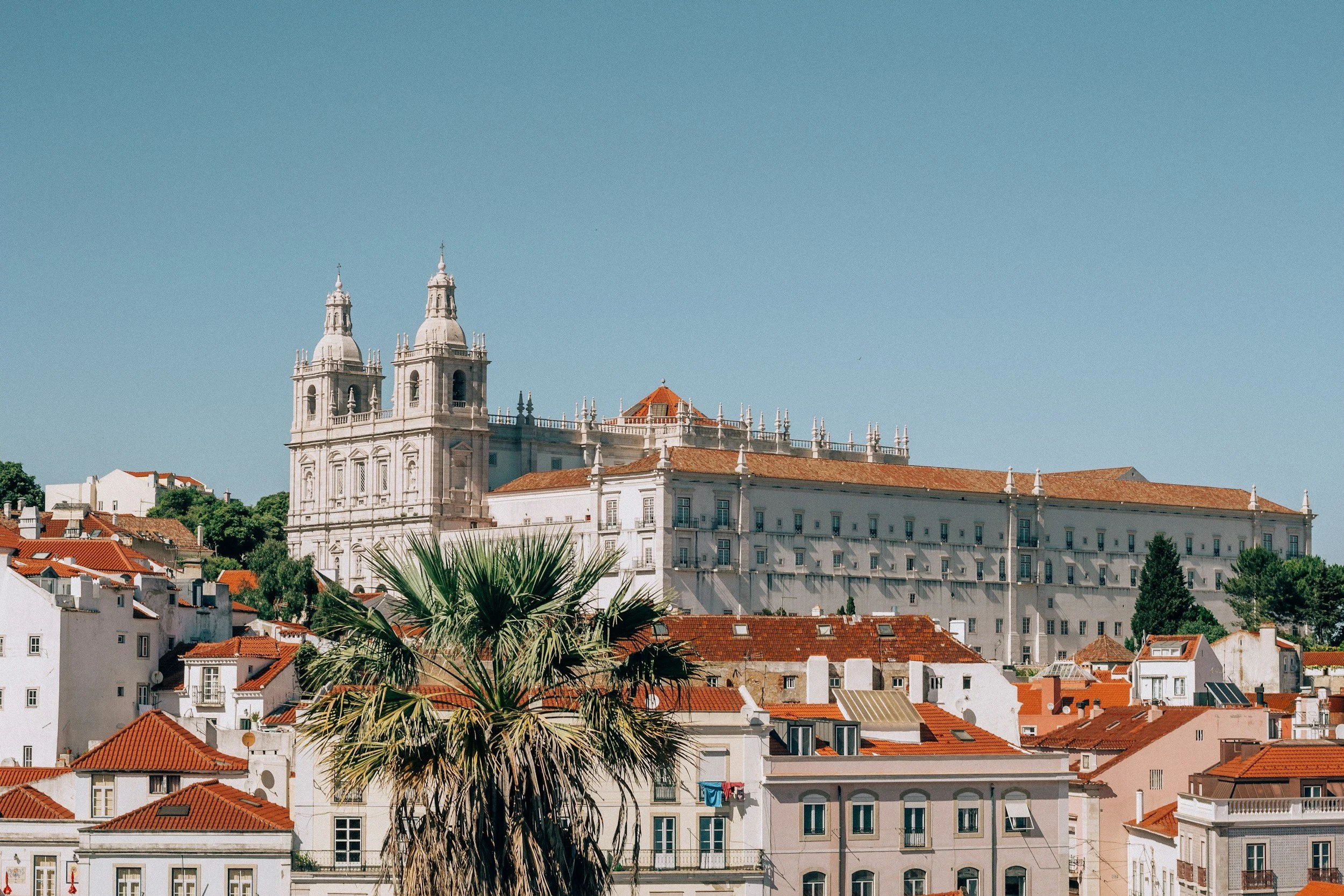
It is especially well suited to first-time visitors, couples, and travellers looking for a city break that balances culture, food, and atmosphere. One of Lisbon’s biggest strengths is that the weekend can take different shapes depending on your pace. You can fill it with miradouros, historic sights, and neighbourhood-hopping through Alfama, Bairro Alto, and Chiado, or keep things slower with long lunches, sunset drinks, and time spent soaking up the city’s energy. For a closer look at where to base yourself and how the city’s areas compare, see our 48 hours inLisbon Guide.
What makes Lisbon stand out is the way it combines visual charm with variety. One minute you are looking out across terracotta rooftops towards the river, and the next you are down in one of the city’s busier districts, moving between wine bars, cafés, and local restaurants. The main thing to keep in mind is that Lisbon is hillier than many people expect, but that is also part of what gives it so many of its best views.
Copenhagen
Copenhagen is an excellent long weekend city break if you want somewhere polished, relaxed, and effortlessly easy to enjoy. The appeal here is less about racing between major landmarks and more about the overall quality of the trip: colourful waterfronts, stylish neighbourhoods, excellent coffee, thoughtful design, and a city that feels calm and well put together from the moment you arrive.
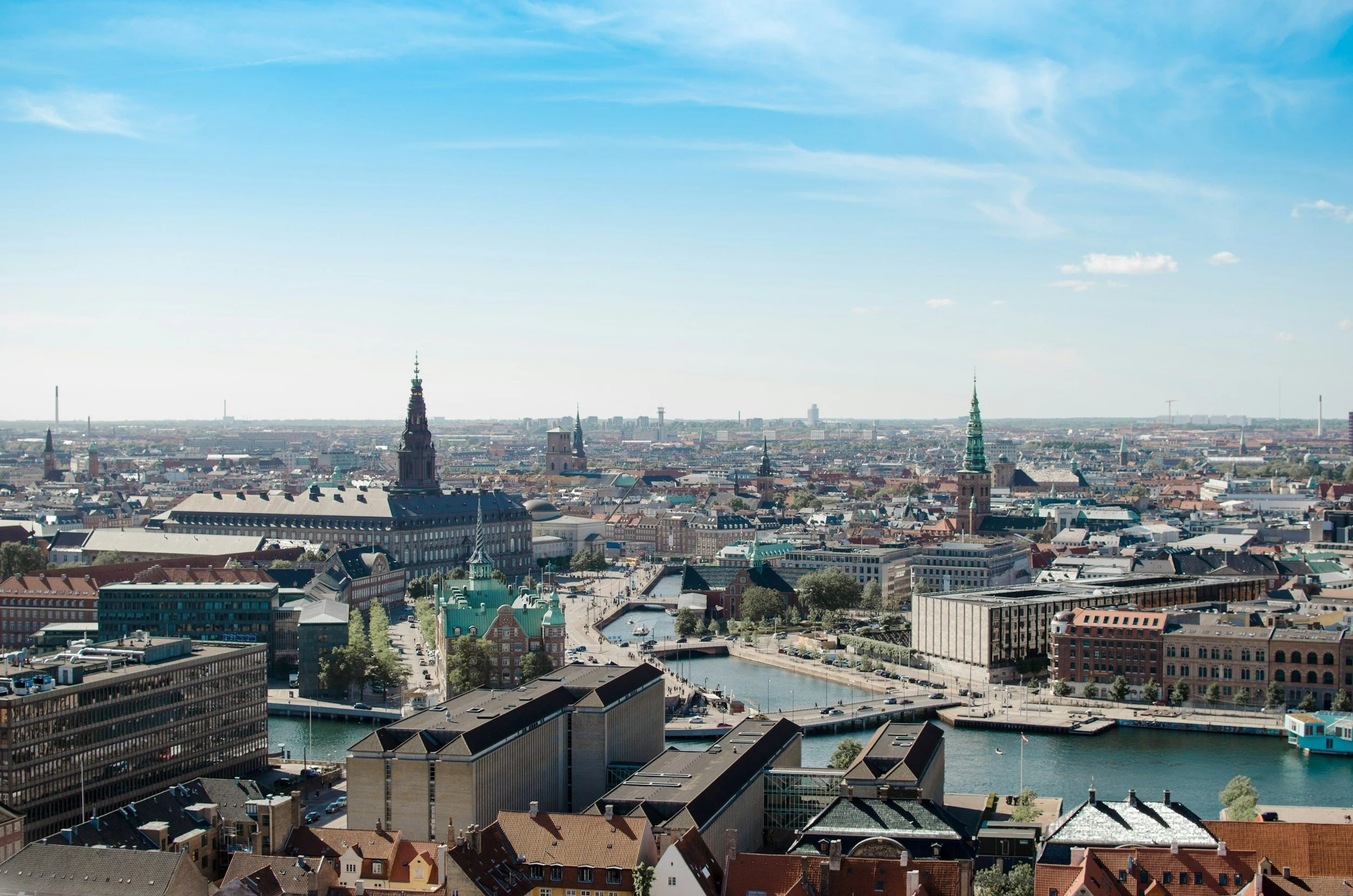
It is best suited to couples, return travellers, and anyone looking for a more refined city break with a slower rhythm. Copenhagen works particularly well if your ideal weekend includes cycling or walking between neighbourhoods, lingering over brunch, spending time by the water, and mixing a few standout cultural stops with time to simply enjoy the city. Areas like Nyhavn, Vesterbro, and Nørrebro give the trip variety without making it feel overwhelming.
What makes Copenhagen stand out is how seamless it feels. Even a loosely planned weekend can feel elevated here, because the city is so easy to navigate and so consistent in its style and atmosphere. The trade-off is cost, but if you are happy to spend a little more for a city break that feels clean, curated, and low-stress, Copenhagen is one of the strongest options in Europe.
Barcelona
Barcelona is one of the strongest all-round city breaks in Europe because it offers so much range in one trip. Over a long weekend, you can move between striking architecture, busy food markets, neighbourhood cafés, beach walks, late dinners, and rooftop drinks without the city ever feeling one-note. Few destinations combine landmark-heavy sightseeing with such an easy social energy.
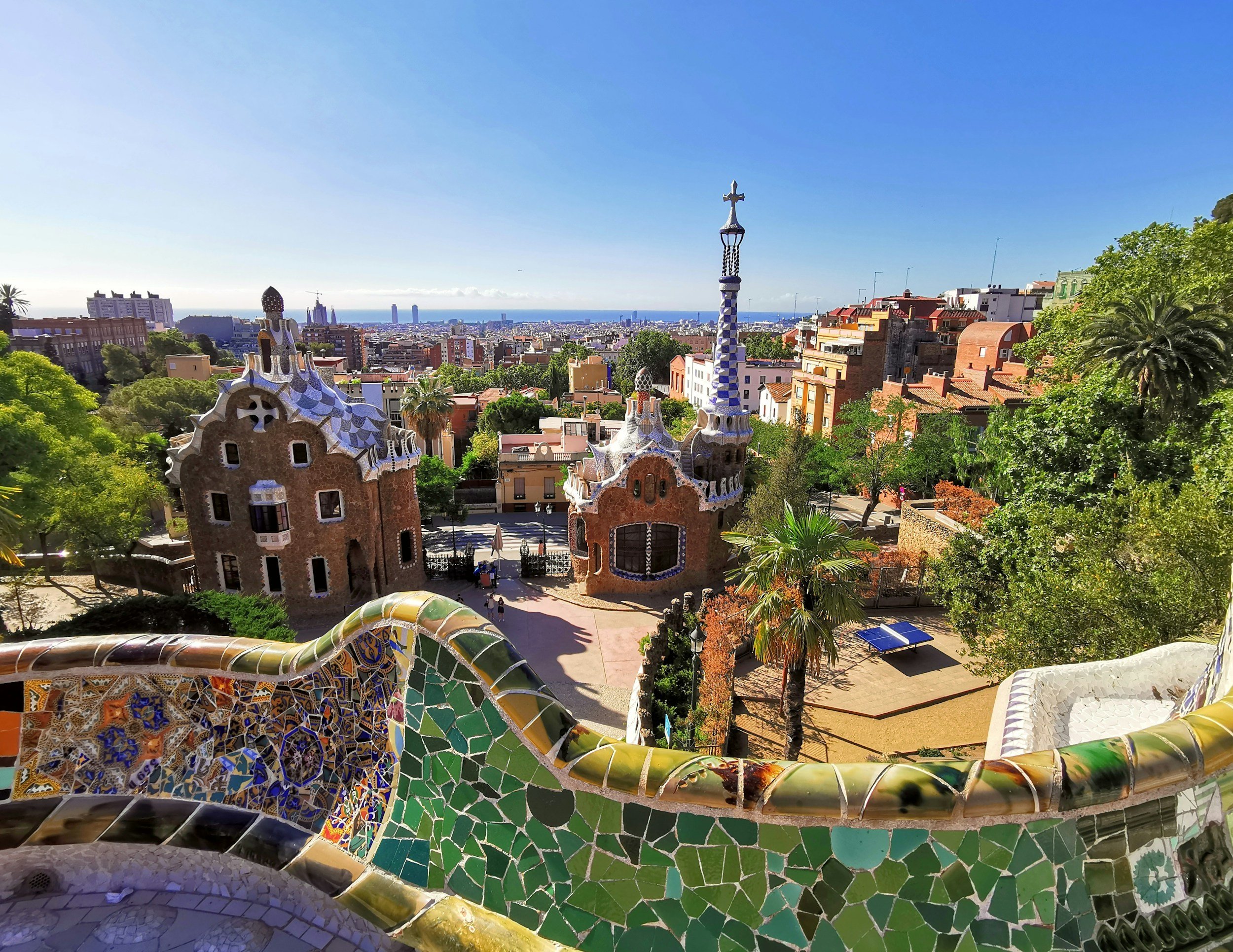
It is especially well suited to first-time visitors, groups of friends, and travellers who want a city break with a little of everything. Barcelona gives you the chance to see iconic sights like the Sagrada Família and Park Güell, spend time wandering through areas like El Born or Gràcia, and still leave room for long lunches, nightlife, and a slower stretch by the sea. That flexibility is part of what makes it such a dependable long weekend choice.
What makes Barcelona stand out is its mix of scale, atmosphere, and variety. It can feel cultural, creative, lively, and coastal all at once, which gives the trip a broader appeal than many other city breaks. The main thing to keep in mind is that it can feel busier and more tourist-heavy than some of the other cities on this list, particularly in peak season, so it is best enjoyed with a clear sense of what you most want from the weekend. Discover our Barcelona Neighbourhood Guide to get you ready for your trip.
Rome
Rome is one of the best long weekend city breaks for travellers who want a city that feels grand, atmospheric, and instantly memorable. Even a short trip here can feel substantial. A weekend in Rome might mean early mornings near major landmarks, long lunches in trattorias, evening walks through beautiful squares, and the sense that almost every street corner has some layer of history behind it.
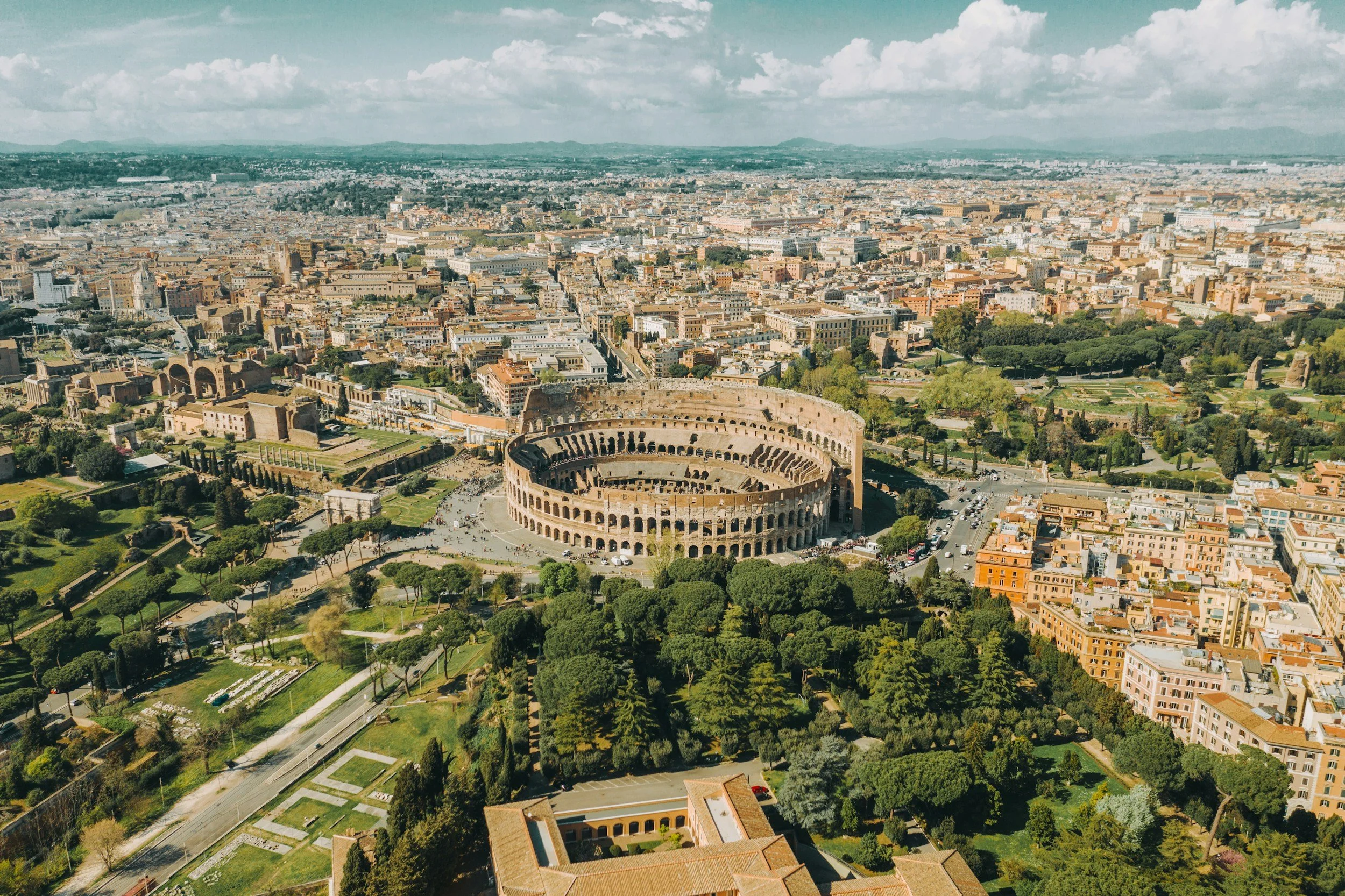
It is particularly well suited to first-time visitors, couples, and travellers who want a classic European city break built around culture, food, and iconic sights. Rome works best when you lean into the experience rather than trying to cover everything. The Colosseum, Trevi Fountain, Pantheon, and Vatican may be some of the headline draws, but just as much of the city’s appeal comes from moving between neighbourhoods, sitting in piazzas, and letting the atmosphere carry the trip. If Rome is on your list, be sure to check-out our Food and Drink, and Experiences Guides.
What makes Rome stand out is the sheer weight of place. Few cities feel as recognisable or as rewarding in such a short amount of time. The trade-off is that Rome can be less streamlined than smaller or more compact cities, so it works best when you focus on a few priorities and allow space to enjoy the city in between, rather than trying to see everything at once.
Amsterdam
Amsterdam works exceptionally well for a long weekend because it is compact, distinctive, and easy to enjoy without too much planning. The canals, narrow townhouses, bike-lined streets, and smaller neighbourhood feel give the city an atmosphere that is immediately recognisable, while the overall size makes it easy to cover a lot in just a few days.
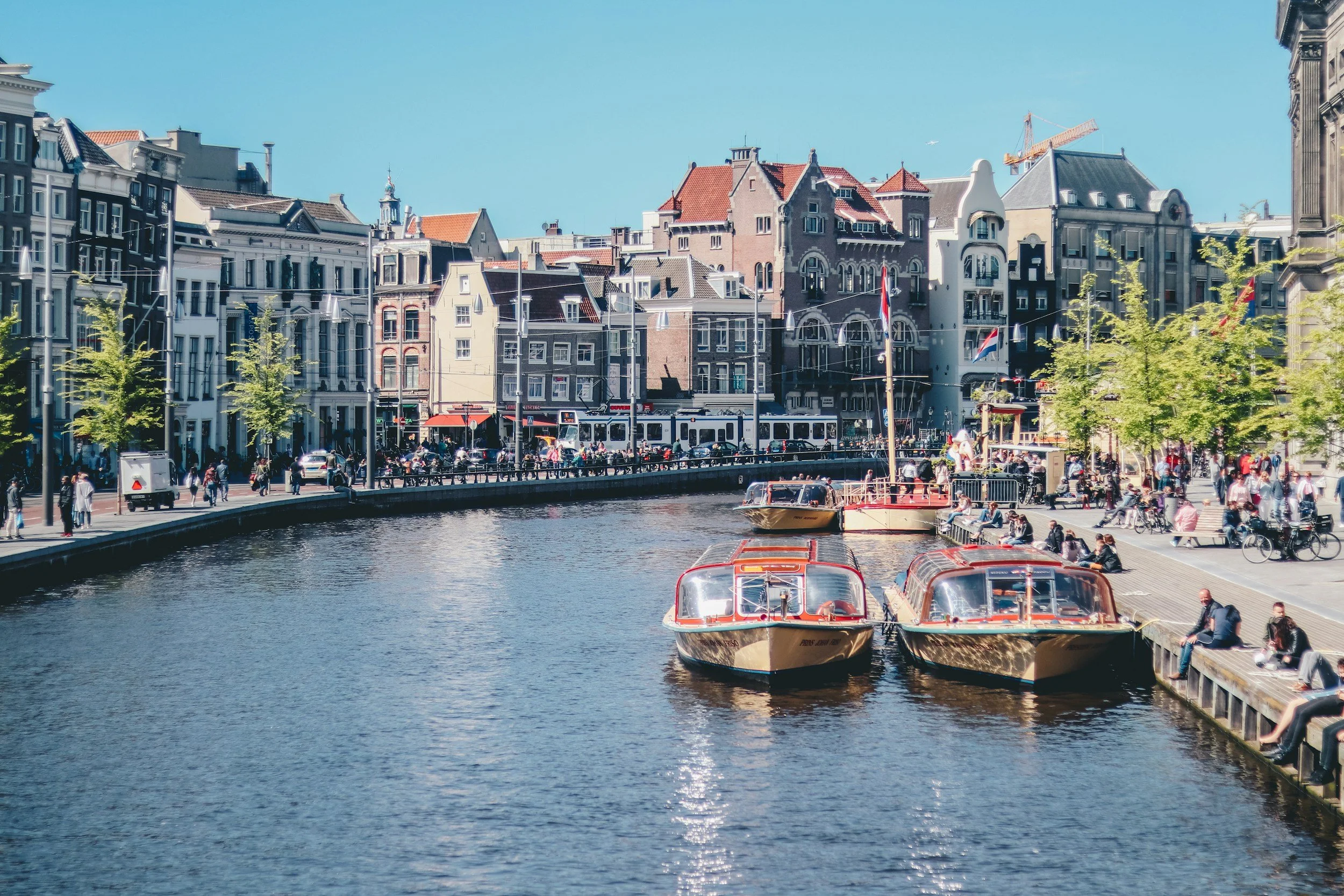
It is a strong choice for first-time visitors, couples, solo travellers, and anyone looking for a city break that feels smooth and manageable. You can spend the weekend moving between canal-side walks, museums, neighbourhood cafés, markets, and more local-feeling districts without the trip becoming logistically heavy. It is a city that rewards both structured sightseeing and slower wandering equally well.
What makes Amsterdam stand out is how visually rewarding and straightforward it feels. Even simple moments, such as crossing a canal bridge or stopping for coffee in a quieter residential street, add to the trip. The main trade-off is that it can feel crowded and expensive at busier times of year, but for convenience, charm, and overall ease, it remains one of the best short city breaks in Europe. Be sure to check-out our Hidden Gems in Amsterdam post for all the best local spots!
Seville
Seville is one of the best European city breaks for a long weekend if you want somewhere warm, atmospheric, and full of character. It is a city that feels made for slower travel, where much of the appeal comes from the rhythm of the days: wandering through beautiful streets, stopping for tapas, spending time in elegant squares, and enjoying a setting that feels rich in culture without demanding a packed itinerary.
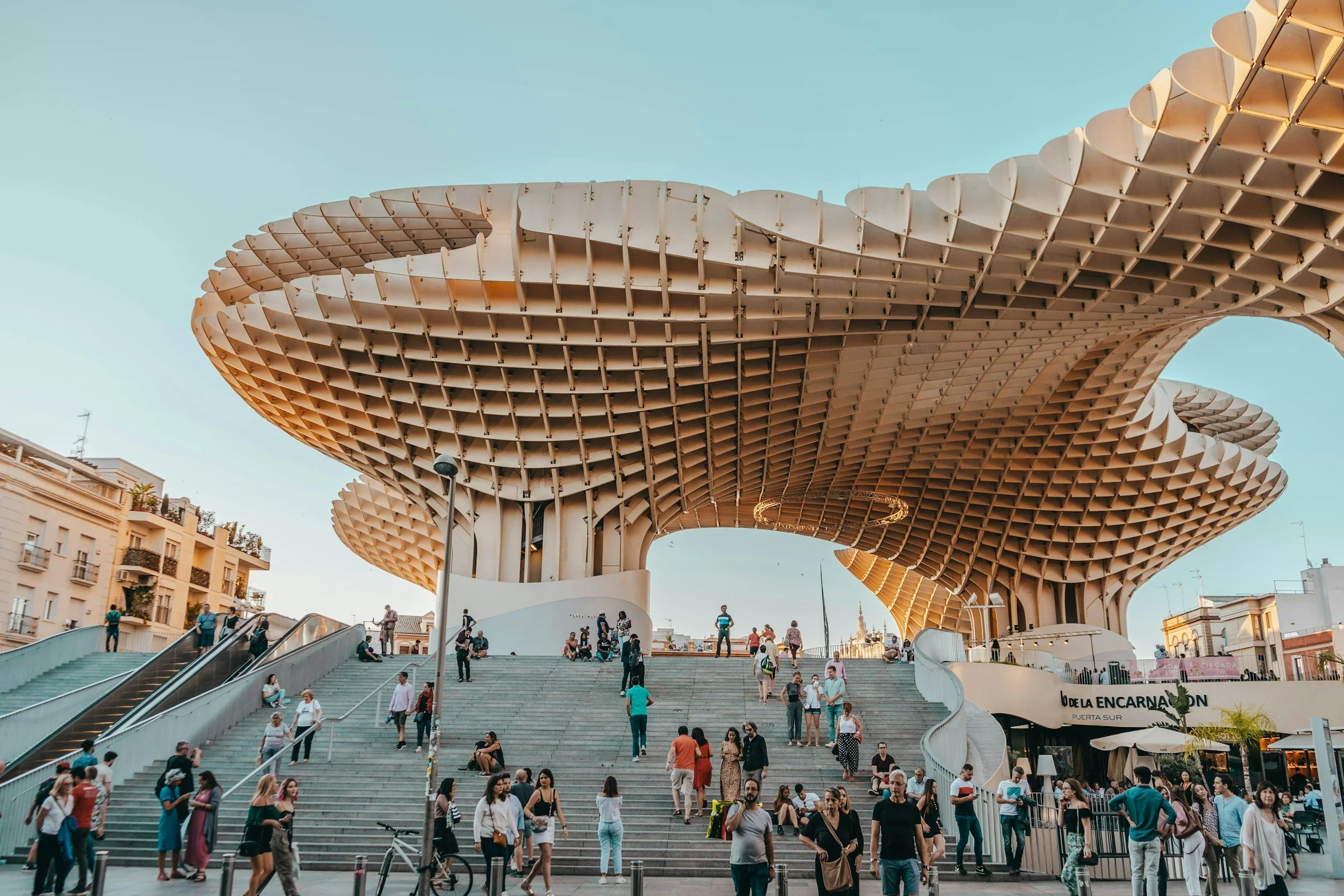
It is especially well suited to couples, food-led travellers, and anyone drawn to a slower, more experience-led city break. A weekend in Seville can include standout sights like the Alcázar and cathedral, but just as much of the trip is about neighbourhood atmosphere, shaded courtyards, evening walks, and long meals that stretch into the night. It is one of the easiest cities on this list to enjoy without feeling pressure to constantly move.
What makes Seville stand out is the strength of its mood. It feels elegant, distinctive, and deeply rooted in place, which gives even a short stay a sense of richness. Compared with cities like Rome or Barcelona, it may feel less about headline landmarks and more about atmosphere, but for many travellers, that is exactly what makes it such a strong long weekend option.
Porto
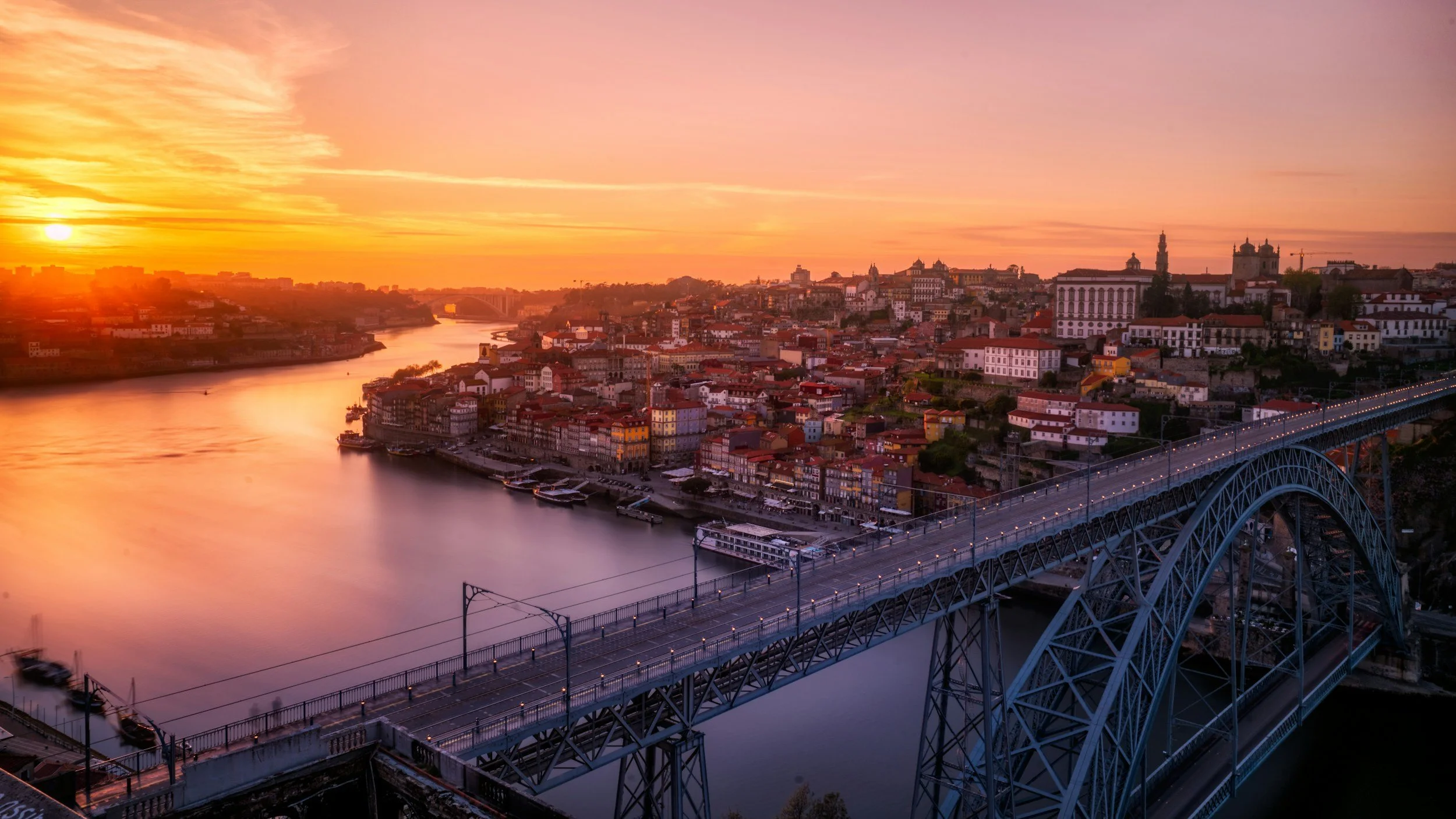
Porto is a very strong long weekend city break because it is compact, characterful, and full of charm without feeling overwhelming. Over three or four days, you can take in the riverfront, viewpoints, tiled facades, wine cellars, and steeper backstreets of the city at a pace that still feels relaxed. It has enough substance to feel memorable, but not so much scale that the trip becomes complicated.
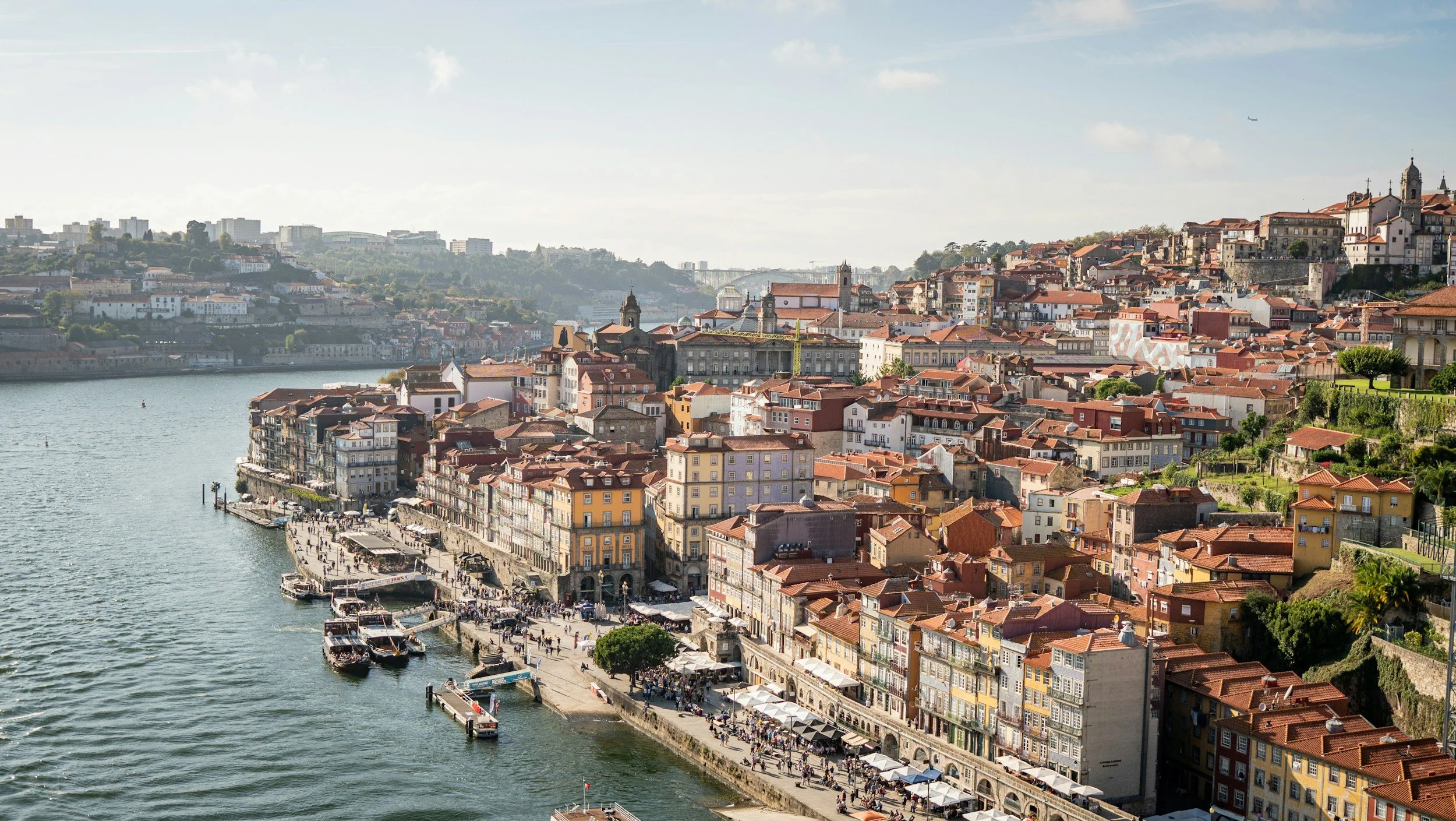
It is especially well suited to couples, food and wine trips, and travellers looking for a city break that feels slightly slower and more intimate than some of Europe’s larger capitals. Porto works well if you want a weekend shaped around scenic walks, long meals, river views, and time spent enjoying the city’s character rather than chasing a huge sightseeing list.
What makes Porto stand out is its sense of scale and identity. The city feels distinctive almost immediately, from the Ribeira waterfront to the bridges and viewpoints above the Douro. Like Lisbon, it is hillier than it first appears, but that is also part of what gives Porto its shape, drama, and many of its best vantage points. If you are deciding between Portugal’s two most popular short-break options, Lisbon vs Porto: Which Is Better for a Weekend Away? is the obvious next comparison.
Which city break is best for your type of trip?
The best long weekend city break depends less on which destination is most famous and more on what you want the trip to feel like. If you are planning a first-time European city break, Lisbon, Rome, and Amsterdam are some of the easiest to recommend. Each offers a strong sense of place, plenty to do in a short timeframe, and the kind of atmosphere that makes even a few days away feel substantial. Lisbon brings scenic viewpoints and colourful neighbourhoods, Rome delivers iconic landmarks and depth, and Amsterdam stands out for its compact charm and ease.
If the trip is more about food, atmosphere, and spending long stretches of the day enjoying the city rather than moving quickly through a checklist, Barcelona, Porto, and Seville are some of the strongest choices. Barcelona offers the broadest mix, combining major sights with markets, beach time, and late-night energy. Porto feels more compact and intimate, with river views, wine culture, and a slower pace. Seville is ideal if you want warmth, elegance, and a city break shaped as much by tapas, plazas, and evening strolls as by sightseeing.
For a slower and more polished weekend away, Copenhagen, Seville, and Porto stand out. These are the cities that work best when the goal is not to see everything, but to enjoy the overall quality of the trip. Copenhagen feels calm, curated, and design-led, Seville has atmosphere in abundance, and Porto offers character and charm on a more manageable scale. If classic sightseeing is the priority, Rome, Barcelona, and Lisbon are probably the strongest options, with enough standout highlights to make the weekend feel full from start to finish.
If practical ease matters most, Amsterdam, Copenhagen, and Porto are among the simplest city breaks to navigate. They are compact enough to feel manageable, straightforward enough to enjoy without much friction, and varied enough to stay interesting across a few days. For couples, Lisbon, Seville, and Copenhagen are particularly strong choices, each offering a different kind of weekend: Lisbon for energy and viewpoints, Seville for warmth and atmosphere, and Copenhagen for a more refined and understated escape.
The real question is not which city is best overall, but which one fits your pace, priorities, and the kind of memories you want from the weekend. That is usually what separates a good city break from one that feels exactly right.
How to choose the right long weekend city break
Choosing the right city for a long weekend is less about finding the destination with the biggest name and more about finding one that suits the kind of trip you actually want. A city can be beautiful, popular, and full of things to do, but still feel like the wrong choice if it does not match your pace, interests, or the way you like to travel. The best long weekend breaks usually start with a simple question: do you want the trip to feel full and fast-moving, or slower and more open?
For some travellers, the ideal weekend is built around major sights, busy days, and the feeling of fitting a lot into a short space of time. If that is what you want, cities like Rome, Barcelona, and Lisbon make sense because they offer enough landmarks, neighbourhoods, and atmosphere to make the trip feel packed in a good way. For others, the better choice is a city that invites a gentler rhythm, where the weekend is shaped more by cafés, food, riverfronts, local streets, and the overall feel of the place. In that case, somewhere like Copenhagen, Seville, or Porto may be a stronger fit.
It also helps to think about what you want the trip to revolve around. If food and drink are central to the experience, you may choose differently than if the priority is museums, architecture, nightlife, or simply being somewhere that feels visually striking from the moment you arrive. The best city breaks often have a clear identity, and choosing a destination that matches your priorities usually leads to a better trip than picking one because it seems like the obvious option.
Practical ease should play a bigger role than most people expect, especially on a shorter break. Flight times, airport access, walkability, and how easy it is to move between neighbourhoods all make a difference when you only have a few days. A city that is compact and straightforward can often feel more rewarding than one with a longer list of attractions but more friction built into the experience. On a long weekend, simplicity has real value.
It is also worth being honest about how much time you really have. A city may be excellent overall, but if you only have two full days once travel is factored in, the better choice may be somewhere that feels easier to settle into quickly. The most satisfying long weekends are rarely the ones where you try to do everything. They are usually the ones where the city, the pace, and your expectations all line up.
In the end, the right city break is the one that feels like it was chosen with the trip itself in mind. Once you know whether you want energy or ease, classic sights or neighbourhood atmosphere, a fuller schedule or more room to wander, the best option tends to become much clearer.
“The best European city break for a long weekend is not always the one with the most famous landmarks or the longest list of attractions. More often, it is the city that fits the kind of trip you want to have. Sometimes that means somewhere full of energy, major sights, and neighbourhoods you can move through from morning to night. Other times, it means a slower city where the pleasure comes from the atmosphere, the food, and the ease of simply being there for a few days.
That is what makes long weekend travel so appealing. You do not need weeks away for a trip to feel memorable. The right city can give you beautiful streets, standout meals, a change of pace, and the sense of having properly stepped into somewhere distinct, all within three or four days. Whether you are drawn to Lisbon’s viewpoints, Rome’s grandeur, Copenhagen’s calm, or Porto’s riverside charm, the best choice is usually the one that matches your energy and what you want the weekend to feel like.
If you choose with that in mind, a long weekend can feel far more rewarding than its length suggests. The most memorable city breaks are rarely about doing everything. They are about choosing somewhere with enough character, atmosphere, and ease to make even a short escape feel complete.”
FAQs
What is the best European city for a 3-day break?
Some of the best European cities for a 3-day break are Lisbon, Amsterdam, and Porto. All three are compact enough to enjoy without feeling rushed, but still offer enough atmosphere, food, and standout sights to make a shorter trip feel memorable. Lisbon is a strong choice if you want variety and energy, Amsterdam works especially well for ease and walkability, and Porto suits travellers looking for something slightly slower and more intimate.
Which European city is best for a long weekend for couples?
Lisbon, Seville, and Copenhagen are all excellent long weekend city breaks for couples, though they each offer a different kind of experience. Lisbon combines scenic viewpoints, lively neighbourhoods, and an easy mix of sightseeing and atmosphere. Seville feels warmer, slower, and more romantic in a quieter, more understated way, with beautiful streets, tapas bars, and evenings that naturally stretch out. Copenhagen is a stronger fit if you want something polished, design-led, and relaxed.
Where should I go in Europe for a relaxing city break?
If you are looking for a more relaxing city break, Copenhagen, Seville, and Porto are some of the strongest options. These cities reward a slower pace and do not rely on packed itineraries to feel worthwhile. Copenhagen is ideal for a calm, curated weekend shaped by cafés, neighbourhoods, and waterfront walks. Seville is better if you want atmosphere, warmth, and long, unhurried meals. Porto offers charm, river views, and a pace that feels easy to settle into over a few days.
What is the easiest European city to explore in a weekend?
Amsterdam is one of the easiest European cities to explore in a weekend thanks to its compact layout, walkability, and straightforward pace. It is simple to move between neighbourhoods, the city is visually rewarding almost everywhere, and even a loosely planned itinerary tends to work well. Porto and Copenhagen are also strong choices if ease and manageability are high on your list.
Is Lisbon or Porto better for a long weekend?
Lisbon is the better choice if you want more variety, a bigger-city feel, and a broader mix of neighbourhoods, viewpoints, and things to do. Porto is better if you want something more compact, slightly slower, and easier to cover in a short space of time. Both work well for a long weekend, but the right choice depends on whether you want more energy and range or more intimacy and ease. For a fuller comparison, read Lisbon vs Porto: Which Is Better for a Weekend Away?
Which city break is best for food and drink?
Barcelona, Porto, and Seville are some of the strongest city breaks for food and drink. Barcelona offers the broadest mix, with markets, late dinners, and a lively dining scene that works well alongside sightseeing. Porto is ideal if you want wine, local character, and a more compact weekend built around long meals and scenic views. Seville is especially strong if you want tapas, atmosphere, and a city where food naturally shapes the rhythm of the trip.
How many days do you need for a European city break?
For many European city breaks, three to four days is enough to get a satisfying feel for the destination, especially if the city is compact and easy to navigate. That is usually enough time to see a few highlights, spend time in different neighbourhoods, and still leave room for a more relaxed pace. Some cities reward a longer stay, but the best long weekend destinations are the ones that still feel full and memorable in a shorter timeframe.
What makes a city good for a long weekend?
A good long weekend city is usually easy to navigate, varied enough to stay interesting for a few days, and distinctive enough to feel memorable quickly. Walkability, neighbourhood character, good food, strong atmosphere, and a manageable scale all make a difference. The best ones give you enough to enjoy without making the trip feel rushed or overcomplicated.