Singapore: Experiences Guide
Singapore is a city that reveals itself through experience rather than spectacle. At first glance, it can feel defined by its skyline, efficiency, and polished reputation — but spend time here and a more nuanced picture emerges. This is a place where everyday rituals matter as much as headline attractions, and where the most memorable moments often happen between the big sights.
What makes Singapore especially rewarding is how easily different experiences sit side by side. You can move from a rainforest walk to a hawker centre lunch, from a centuries-old temple to a cutting-edge public space, all in the space of a single afternoon. The city is compact, but its layers run deep.
This guide focuses on experiencing Singapore in a way that feels balanced and grounded. Alongside the iconic sights, it highlights neighbourhood wandering, green spaces, cultural moments, and simple routines that shape daily life. It’s about slowing your pace, paying attention, and letting the city unfold naturally — because Singapore is at its best when you explore it with curiosity rather than urgency.
Iconic Experiences You Shouldn’t Skip
Singapore’s most recognisable experiences aren’t about rushing from landmark to landmark. They’re about understanding how the city has been shaped — by water, trade, design, and a long-term vision that prioritises liveability as much as spectacle. When approached with time and intention, these places reveal the rhythm and values of modern Singapore.
Gardens by the Bay
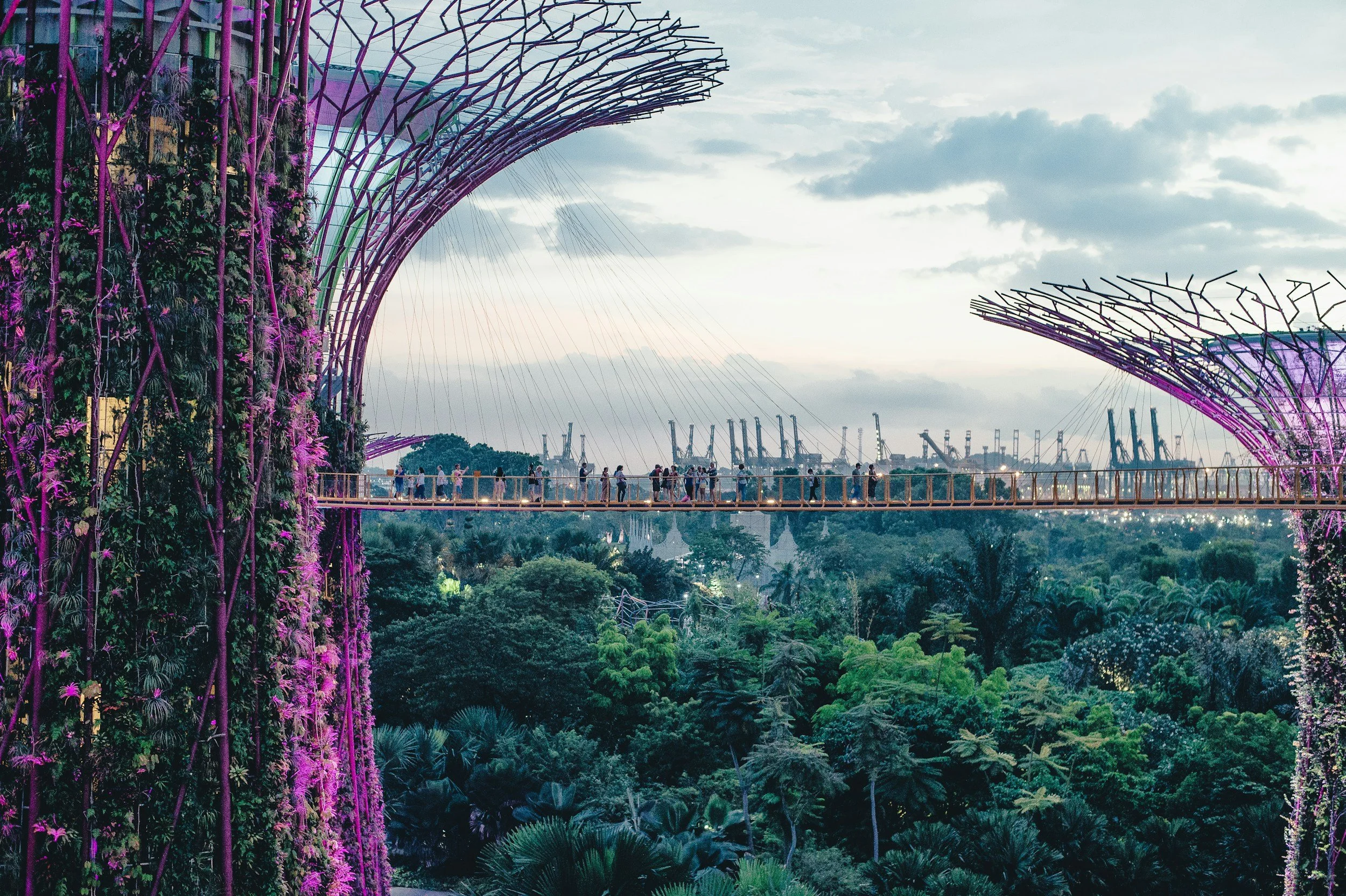
Gardens by the Bay is where Singapore’s future-facing mindset becomes tangible. Built on reclaimed land at the edge of the financial district, it blends bold design with a surprisingly human scale. The first impression is visual — towering Supertrees, sculptural pathways, and wide open spaces — but stay longer and the atmosphere softens.
Locals use the gardens as an extension of daily life. Joggers pass through in the early morning, families spread out on the lawns, and office workers wander in the evenings to unwind. The Supertrees, often photographed for their scale, are also functional structures that collect rainwater and generate energy, reflecting the city’s focus on sustainability.
The conservatories offer a different pace. Inside the Cloud Forest, cool air and mist create a calm, immersive environment, while elevated walkways reveal waterfalls and dense planting. The Flower Dome feels warmer and brighter, showcasing rotating floral displays from around the world.
Pricing and practical info:
Outdoor gardens and Supertree Grove: Free
Cloud Forest and Flower Dome: approx. SGD 35 (£20 / €23 / $26)
Supertree Observatory: approx. SGD 14 (£8 / €9 / $10)
Allow 2–3 hours for a relaxed visit
Light shows run nightly and are free
How to experience it well:
Arrive mid-to-late afternoon. Walk the outdoor gardens first, then head inside the conservatories if you choose. Stay into the evening when the temperature drops and the gardens feel quieter and more atmospheric.
Marina Bay Waterfront Walk
Walking the Marina Bay waterfront is one of the best ways to understand Singapore’s scale and ambition. The skyline rises sharply above the water, but the experience itself feels calm and deliberate. Wide paths encourage strolling rather than rushing, and frequent seating areas invite you to stop and take it in.
As daylight fades, reflections ripple across the bay, and the city’s buildings begin to glow. Despite the drama of the setting, the atmosphere remains relaxed — couples walk hand in hand, locals jog, and visitors pause for photos without the space feeling crowded.
The walk connects many of Singapore’s landmarks, but it never feels like a sightseeing route. Instead, it functions as a shared public space, designed for everyday use as much as for admiration.
Pricing and practical info:
Cost: Free
Distance: approx. 3.5–4 km for the full loop
Best time: Sunset to evening
Allow 1–2 hours, depending on pace
How to experience it well:
Start near Gardens by the Bay or Marina Bay Sands and move slowly. Cross Helix Bridge for one of the most striking views, and don’t worry about completing the full circuit — lingering is part of the experience.
Singapore River
The Singapore River offers a quieter, more reflective experience, revealing how the city has transformed without erasing its past. Once lined with warehouses and trading docks, the riverbanks are now carefully restored, allowing the architecture to tell its own story.
Walking along the river, you’ll pass shaded promenades, old bridges, and conserved buildings that hint at Singapore’s mercantile roots. The mood changes as you move — from calm stretches where the water flows gently, to livelier pockets where bars and restaurants cluster near Clarke Quay.
This is a place to observe rather than consume. The river’s value lies in its continuity — linking past and present through space rather than explanation.
Pricing and practical info:
River walk: Free
River cruise (optional): approx. SGD 25 (£15 / €17 / $19)
Best time: Early evening
Allow 1–1.5 hours on foot
How to experience it well:
Walk instead of cruising if you’re short on time. Focus on the quieter stretches and notice how buildings have been adapted rather than replaced.
Merlion Park
Merlion Park is brief but symbolic. The Merlion — half lion, half fish — reflects Singapore’s origins as a fishing village and its name, derived from “Singapura” or Lion City. While the statue itself is small, its placement anchors it firmly within the modern cityscape.
Standing here, you can see both sides of Singapore’s identity at once: mythology and modernity, history and ambition. It’s less about spending time and more about gaining perspective.
Pricing and practical info:
Cost: Free
Time needed: 10–15 minutes
Best combined with a Marina Bay walk
How to experience it well:
Pause briefly, take in the view across the bay, then continue walking. Its value lies in context rather than duration.
Bringing It All Together
These iconic experiences work best when they’re woven into your days, not stacked together. Spread them out, visit them at different times, and allow space for slower moments in between. In Singapore, the most memorable experiences often come from how places feel — not how many you manage to see.
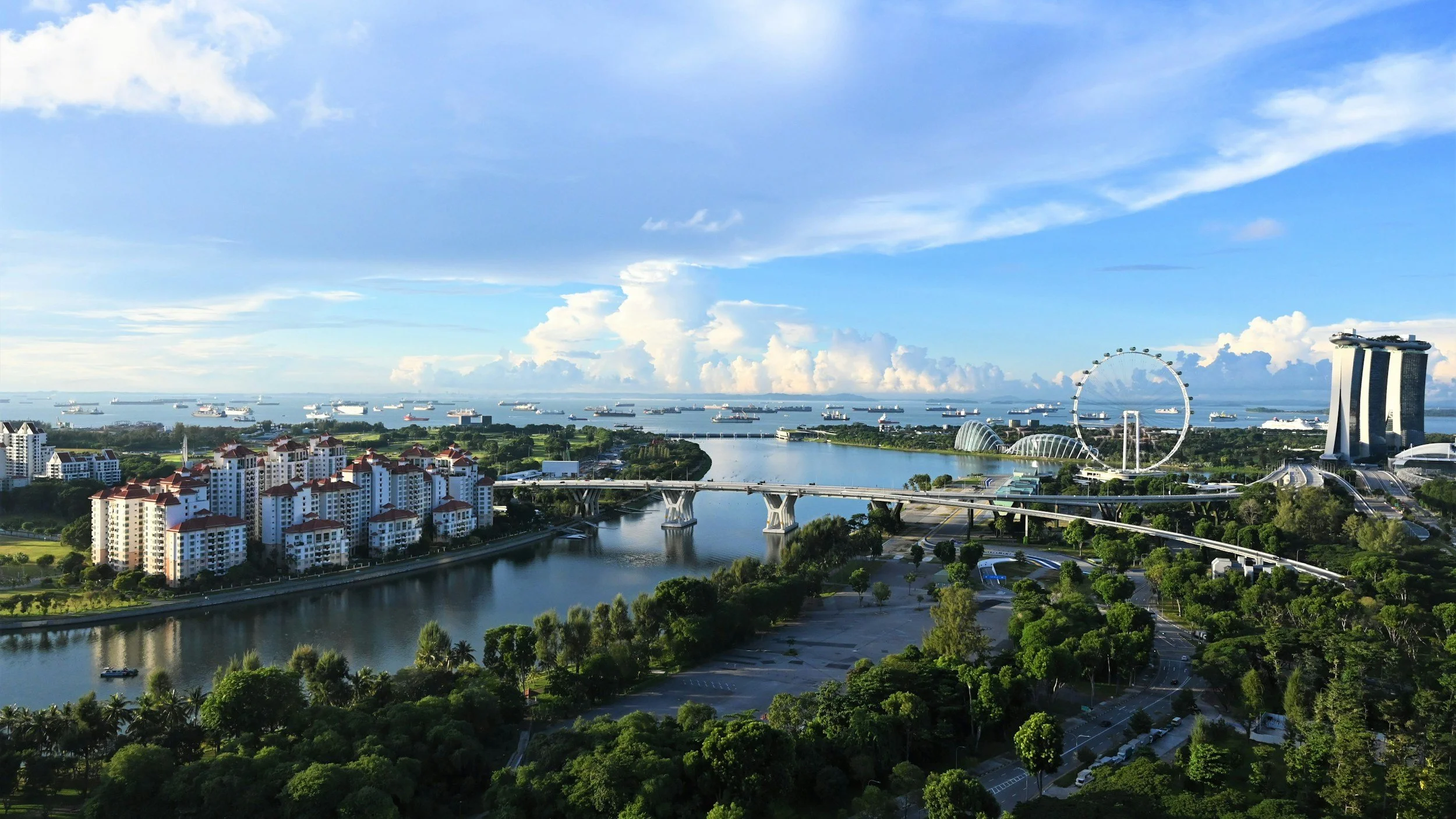
Marina Bay.
Neighbourhood Experiences
While Singapore’s icons provide context, it’s in the neighbourhoods that the city truly comes alive. This is where daily routines unfold — morning prayers, market shopping, kopi breaks, evening walks — and where Singapore’s multicultural identity feels most tangible. Neighbourhood experiences aren’t about ticking off sights; they’re about wandering with intention and paying attention to small details.
Chinatown: Heritage in Motion
Chinatown is best experienced slowly, on foot, and slightly off the main streets. While temples and markets draw visitors in, the quieter lanes reveal how tradition and modern life coexist.
Wander through rows of conserved shophouses, where upper floors remain residential while ground levels house tea shops, clinics, and cafés. The contrast between old signage, modern interiors, and everyday routines gives the area its layered feel.
Temples here aren’t preserved relics — they’re active spaces. Incense smoke drifts through doorways, locals stop by briefly to pray, and offerings change throughout the day.
How to experience it well:
Visit in the morning when markets are active and temples are quieter. Combine wandering with short food stops rather than sitting down for long meals.
Little India: Colour, Sound, and Ritual
Little India is one of Singapore’s most immersive neighbourhood experiences. It’s dense, energetic, and unapologetically alive, with music, conversation, and colour filling the streets.
Walking here is a sensory experience — spice shops spill onto pavements, flower garlands hang in bright rows, and temples anchor the neighbourhood’s rhythm. Daily rituals are visible, from morning prayers to evening gatherings.
This is also one of the best places in Singapore to understand how public space is shared. Streets function as extensions of shops, conversations happen openly, and movement feels constant.
How to experience it well:
Late afternoon into early evening is ideal, when the heat softens and the neighbourhood is at its most active. Be respectful around temples and dress modestly if entering.
Kampong Glam: Culture Meets Creativity
Kampong Glam offers one of the clearest examples of Singapore’s ability to evolve without erasing its roots. Once the seat of Malay royalty, the neighbourhood now balances religious life, heritage trade, and creative expression.
The Sultan Mosque remains the focal point, its courtyard providing moments of calm amid surrounding activity. Nearby streets tell different stories — Arab Street through textiles and tradition, Haji Lane through street art, independent fashion, and nightlife.
This neighbourhood shifts noticeably throughout the day, from relaxed mornings to lively evenings, making it rewarding to visit more than once.
How to experience it well:
Explore during the day for culture and shopping, then return after dark for a more social atmosphere. Walk rather than plan — the best moments here are often unplanned.
Tiong Bahru: Everyday Singapore
Tiong Bahru feels residential, lived-in, and refreshingly unpolished. This is a place shaped by routine — market trips, morning coffee, neighbours chatting in shaded walkways.
Architecturally, it’s one of Singapore’s most distinctive neighbourhoods, with curved Art Deco buildings and low-rise blocks that encourage walking rather than rushing. Cafés and bookshops are woven into the fabric of daily life rather than clustered for visitors.
It’s an ideal area for observing Singapore’s quieter rhythms and understanding how people live beyond the city’s headline attractions.
How to experience it well:
Visit in the morning. Walk slowly, stop for coffee, browse the market, and avoid peak brunch hours if you want a calmer feel.
Why Neighbourhood Experiences Matter
Neighbourhood experiences give Singapore its depth. They provide context for the city’s food, its diversity, and its pace of life. More importantly, they offer moments of connection — brief, everyday encounters that make travel feel personal rather than performative.
After grounding ourselves at street level, next we’ll explore one of Singapore’s most underrated strengths: Nature and Green Spaces, and how they’re woven seamlessly into urban life.
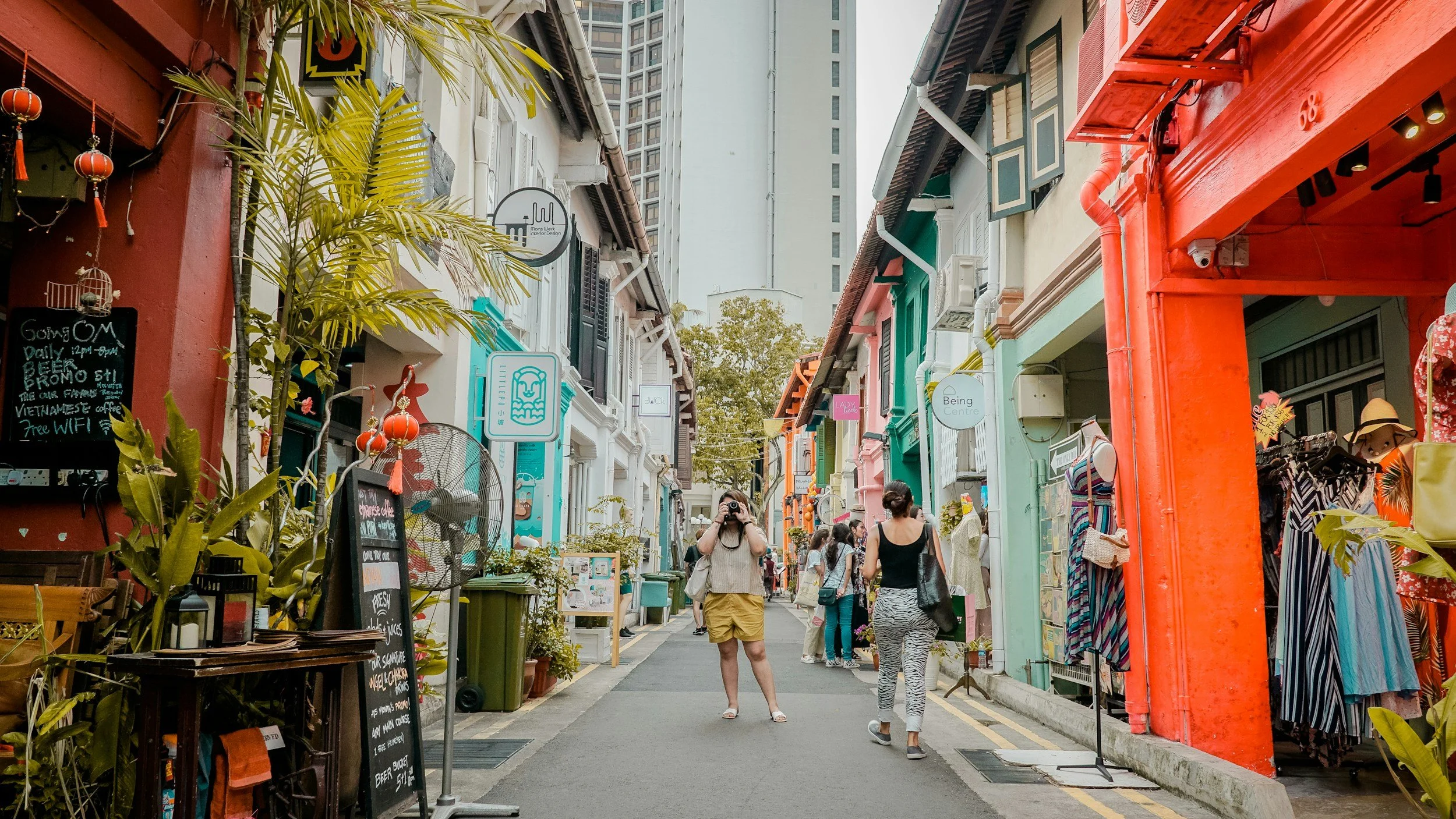
Haji Lane.
Nature and Green Spaces
One of Singapore’s most defining qualities is how deliberately nature has been integrated into the city. Green space here isn’t decorative or peripheral — it’s functional, accessible, and part of daily life. Parks, reservoirs, and forest trails sit alongside neighbourhoods and transport lines, making it easy to step into nature without planning your entire day around it.
Experiencing Singapore’s green spaces offers contrast and perspective. It slows the pace, breaks up sightseeing, and reveals how carefully the city has been designed to remain liveable in a tropical climate.
Urban Parks and Gardens
Singapore’s urban parks are designed to be used, not just admired. They’re places where people walk, exercise, meet friends, and pause between errands.
Singapore Botanic Gardens is the most significant of these spaces. As a UNESCO World Heritage Site, it’s both historically important and very much alive. Wide lawns, shaded paths, and pockets of rainforest make it easy to wander without a set route. It’s a place locals return to regularly, not a one-off visit.
Fort Canning Park, set on a hill near the city centre, offers a different experience. It blends history and greenery, with walking paths that lead past old gates, reservoirs, and lookout points. It’s particularly good for a short escape between neighbourhoods.
How to experience them well:
Visit in the morning or late afternoon when the heat is softer. Use these parks as transitions — between meals, neighbourhoods, or museums — rather than treating them as isolated attractions.
East Coast Park
East Coast Park shows a different side of Singapore — coastal, relaxed, and unmistakably local. Stretching for kilometres along the shoreline, it’s one of the city’s most popular recreational spaces, used daily by cyclists, runners, families, and groups meeting for casual meals.
The park feels unstructured in the best way. You’ll find food stalls, shaded seating, long cycling paths, and open views across the sea. It’s not about ticking off sights, but settling into a slower rhythm.
Practical info:
Entry: Free
Bike rentals available throughout the park
Best time: Early morning or late afternoon
Allow 1–3 hours, depending on pace
How to experience it well:
Rent a bike and ride a short section rather than attempting the whole park. Pair it with a casual meal or a sunset walk by the water.
Nature Reserves and Forest Trails
Singapore’s nature reserves offer a glimpse into the island’s original landscape. Dense, humid, and alive with sound, these forested areas feel worlds away from the city, despite being surprisingly accessible.
MacRitchie Treetop Walk is one of the most popular nature experiences. Suspended above the forest canopy, it offers a rare perspective of Singapore’s rainforest, especially early in the morning when wildlife is most active.
Bukit Timah Nature Reserve protects one of the last remaining primary rainforests in Singapore. Trails here are steeper and more physically demanding, but the reward is a sense of immersion that feels far removed from urban life.
Practical info:
Entry: Free
Best time: Early morning
Wear breathable clothing and bring water
Trails vary in difficulty
How to experience them well:
Arrive early to avoid heat and crowds. Choose one reserve rather than trying to combine multiple forest walks in a single day.
Waterfronts and Scenic Walks
Water plays a central role in Singapore’s identity, and the city’s waterfronts are some of its most rewarding places to walk.
Beyond Marina Bay, areas like Robertson Quay and East Coast’s coastal paths offer quieter waterside experiences, where walking feels more local and less performative.
These routes are ideal in the evening, when the temperature drops and the city’s pace softens.
How to experience them well:
Use waterfront walks as connectors between neighbourhoods or meals. They’re perfect for unwinding at the end of the day rather than filling time.
Why Nature Matters in Singapore
Nature in Singapore isn’t an escape from the city — it’s a continuation of it. Green spaces regulate heat, encourage movement, and create moments of calm within a highly efficient urban environment. Experiencing them helps you understand Singapore not just as a global city, but as a place designed to be lived in thoughtfully.
Cultural and Local Life Experiences
Singapore’s culture is lived in public. It unfolds in shared spaces, daily routines, and rituals that repeat quietly across neighbourhoods. To experience it properly isn’t to chase performances or highlights, but to step into places where local life is already happening.
These moments are subtle, but deeply revealing.
Hawker Centres as Social Spaces
Hawker centres are Singapore’s most important communal spaces. They function as open dining rooms where people from every background eat side by side, often without acknowledging the difference.
Places like Maxwell Food Centre, Chinatown Complex, Tiong Bahru Market, and Tekka Centre are as much about atmosphere as food. Ceiling fans hum, trays clatter, queues form and dissolve. People eat efficiently, but never impatiently.
You’ll notice how tables are shared without question, how regulars return to the same stall day after day, and how conversation exists without obligation.
How to participate:
If there’s space, sit down — sharing tables is normal. During busy periods, eat and move on once finished. Always return your tray; it’s part of the unspoken social contract.
Best time:
Late morning or early evening, when the pace feels lively but not rushed.
Markets and Kopitiams
Markets and kopitiams shape Singapore’s mornings. This is when the city feels most intimate — quieter, more routine-driven, and deeply local.
Wet markets like Tiong Bahru Market, Tekka Market, or neighbourhood markets near housing estates reveal daily rhythms: produce being sorted, familiar exchanges between vendors and regulars, the slow build-up to lunchtime.
Kopitiams — found everywhere from Ya Kun Kaya Toast outlets to unbranded corner coffee shops — are practical, no-nonsense spaces. Coffee is strong, orders are short, and atmosphere comes from repetition rather than design.
How to participate:
Order kopi and kaya toast at least once. Sit where there’s space. Don’t treat it like a long café stay — these places are built for flow.
Best time:
Early morning, before the city accelerates.
Religious Life and Festivals
Religious spaces are woven seamlessly into Singapore’s neighbourhoods. Temples, mosques, and churches operate as active places of worship, not preserved monuments.
In Chinatown, places like Buddha Tooth Relic Temple and Sri Mariamman Temple see a steady flow of locals throughout the day. In Kampong Glam, Sultan Mosque anchors the neighbourhood both spiritually and socially. In Little India, temples pulse with colour, sound, and scent.
Festivals such as Chinese New Year, Deepavali, and Hari Raya spill into the streets, transforming familiar places without disrupting daily life.
How to participate:
Visitors are welcome, but awareness matters. Dress modestly, follow signage, and be discreet with photography. Observation is often more meaningful than interaction.
Evening Rituals and Supper Culture
As the heat fades, Singapore softens. Neighbourhoods come alive with evening walks, casual meals, and quiet social rituals.
Supper culture is real here. Late-night spots — especially around Little India, Bugis, and parts of Kampong Glam — fill with people eating roti prata, noodles, or simple comfort food well after dinner hours.
Parks and residential streets become gathering spaces rather than thoroughfares.
How to participate:
Eat later than you normally would. Walk neighbourhood loops instead of heading straight to nightlife districts.
Best time:
After 7pm, when the city exhales.
Why Local Life Matters
Singapore’s culture isn’t loud, but it’s consistent. It reveals itself through shared space, routine, and mutual consideration. When you move at the city’s pace rather than imposing your own, everyday moments begin to feel meaningful — and everything else makes more sense.
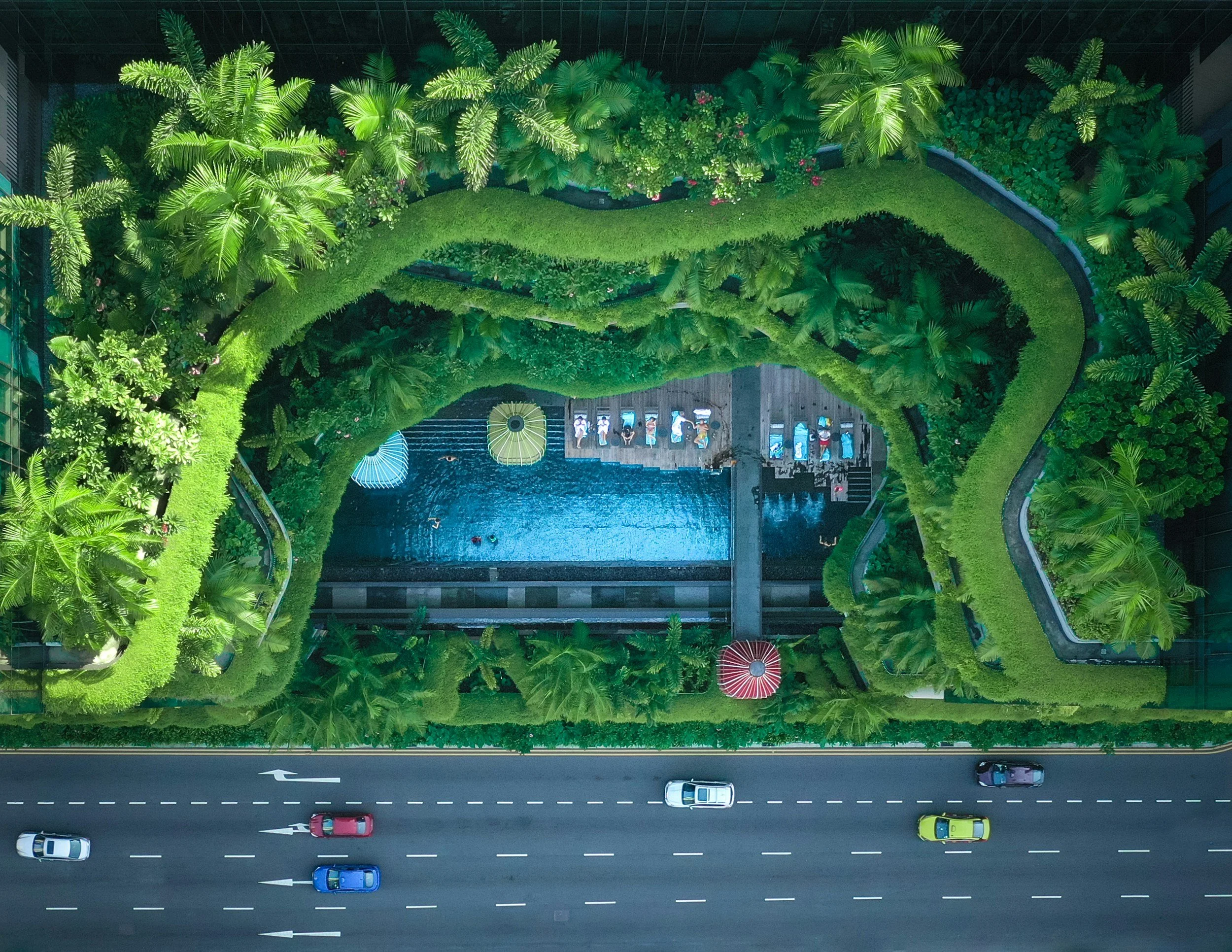
Singapore.
Modern Singapore
Modern Singapore isn’t something you visit — it’s something you move through. You experience it in how smoothly neighbourhoods connect, how intuitively spaces are designed, and how rarely logistics interrupt your day.
Innovation here is quiet and practical, designed to support daily life rather than dominate it.
Architecture and the Skyline
Singapore’s skyline feels deliberate rather than overwhelming. Buildings are tall, but rarely oppressive, framed by water, greenery, and open space.
Walking around Marina Bay, across Helix Bridge, or through areas near Raffles Place, you begin to notice how towers relate to the ground — how shade, airflow, and human scale have been considered.
The city’s most striking views often come from movement rather than height: walking, cycling, or simply crossing a bridge.
How to experience it well:
Observe the skyline while in motion. Waterfront walks and public plazas offer more context than observation decks.
Public Spaces That Actually Work
One of Singapore’s quiet successes is its public realm. Spaces like Marina Bay Promenade, Jewel Changi, and neighbourhood green corridors feel intuitive and welcoming, even at scale.
Crowds rarely feel chaotic because circulation is built into the design — wide paths, clear sightlines, and natural pauses where people slow down.
These spaces aren’t decorative; they’re used.
How to experience it well:
Let public spaces be part of your day rather than something you rush through. Sit, pause, and notice how people use them.
Design, Innovation, and Everyday Ease
You feel Singapore’s modernity in motion — tapping in and out of the MRT, navigating large stations with clear signage, or moving between neighbourhoods without friction.
Transport hubs like Dhoby Ghaut, City Hall, and Bugis are complex, yet rarely confusing. Systems are designed to fade into the background, leaving you with energy to explore rather than problem-solve.
How to experience it well:
Use public transport even when walking or taxis are options. It’s part of understanding how the city works.
Museums and Cultural Institutions
Singapore’s museums reflect the city’s modern mindset: clear narratives, thoughtful design, and an emphasis on context.
Institutions like the National Gallery Singapore and Asian Civilisations Museum work best when treated as complements rather than centrepieces — adding depth to what you’ve already seen in neighbourhoods and streets.
How to experience it well:
Choose one museum that genuinely interests you. Pair it with nearby wandering rather than stacking multiple institutions in one day.
Why Modern Singapore Matters
Modern Singapore doesn’t demand attention — it supports experience. Its systems, spaces, and design reduce friction, allowing culture, neighbourhood life, and everyday moments to take centre stage.
Just as importantly, this efficiency makes it easy to step beyond the city itself — into nature, onto the coast, or out to nearby islands — without complication.
Which leads us neatly into Day Trips and Easy Escapes.
Day Trips and Easy Escapes
One of Singapore’s great strengths is how easy it is to leave the city without ever feeling far from it. Thanks to compact distances and efficient transport, day trips here feel effortless rather than ambitious. In less than an hour, you can move from glass towers to beaches, wetlands, or quiet island communities — a reminder that Singapore’s rhythm isn’t confined to its skyline.
These escapes work best as gentle contrasts, not full departures. Think slower pace, fewer plans, and space to breathe.
Sentosa Island
Sentosa is Singapore’s most accessible escape, connected to the mainland by bridge, boardwalk, and cable car. While it’s often associated with resorts and attractions, the island also offers quieter experiences if you know where to look.
The beaches — Tanjong Beach, Palawan Beach, and Siloso Beach — each have a different feel. Tanjong is the calmest and least developed, Palawan is popular with families, and Siloso is livelier and more active. Coastal paths link large parts of the island, making it easy to explore on foot.
Practical info:
Getting there: MRT to HarbourFront, then Sentosa Express or boardwalk
Entry: Free on foot, small fee via transport
Best time: Weekdays or early mornings
Allow: Half day
How to experience it well:
Skip the theme parks unless they genuinely interest you. Walk the coastal paths, spend time at one beach, and stay until late afternoon when crowds thin.
Pulau Ubin
Pulau Ubin feels like a different Singapore altogether. Just a short boat ride from the mainland, this small island preserves a glimpse of kampong life — wooden houses, unpaved paths, and a slower, more improvised way of moving through the day.
The island is best explored by bike, with trails leading through forest, mangroves, and open wetlands. Wildlife sightings are common, and the atmosphere is quiet without feeling staged.
Practical info:
Getting there: Bumboat from Changi Point Ferry Terminal
Cost: approx. SGD 4 (£2.30 / €2.70 / $3) each way
Bike rental available on arrival
Allow: Half day to full day
How to experience it well:
Go early, bring water, and don’t rush. This is a place for wandering rather than destinations.
East Coast and Coastal Life
While East Coast Park works well as a standalone green space, it also represents a broader coastal lifestyle that’s worth experiencing more fully. Cycling paths stretch for kilometres, linking beaches, food stops, and residential areas where weekends unfold slowly.
This part of Singapore feels especially local — families picnicking, groups sharing seafood meals, joggers moving at an unhurried pace.
Practical info:
Entry: Free
Bike rentals widely available
Best time: Early morning or late afternoon
Allow: 2–3 hours
How to experience it well:
Cycle a short section, stop often, and end with food rather than trying to cover distance.
Wetlands and Reservoir Escapes
For something quieter, Singapore’s reservoirs and wetlands offer peaceful alternatives to parks and beaches.
Sungei Buloh Wetland Reserve is particularly rewarding for nature lovers. Boardwalks wind through mangroves and mudflats, offering birdwatching opportunities and a strong sense of stillness.
Lower Seletar Reservoir Park and MacRitchie Reservoir provide calmer waterside walks closer to residential areas.
Practical info:
Entry: Free
Best time: Early morning
Bring sun protection and water
Allow: 1–2 hours
How to experience it well:
Visit early and keep plans light. These spaces reward patience and observation.
Why These Escapes Matter
Singapore’s day trips aren’t about dramatic change — they’re about contrast. Beach, forest, wetland, and island life offer breathing room without pulling you far from the city’s core. They balance the intensity of urban exploration and reinforce how intentionally Singapore has been designed to offer variety within reach.
After exploring beyond the centre, the final piece of the guide is bringing everything together with Practical Experience Tips — helping readers pace their time, plan days, and get the most from Singapore without rushing.
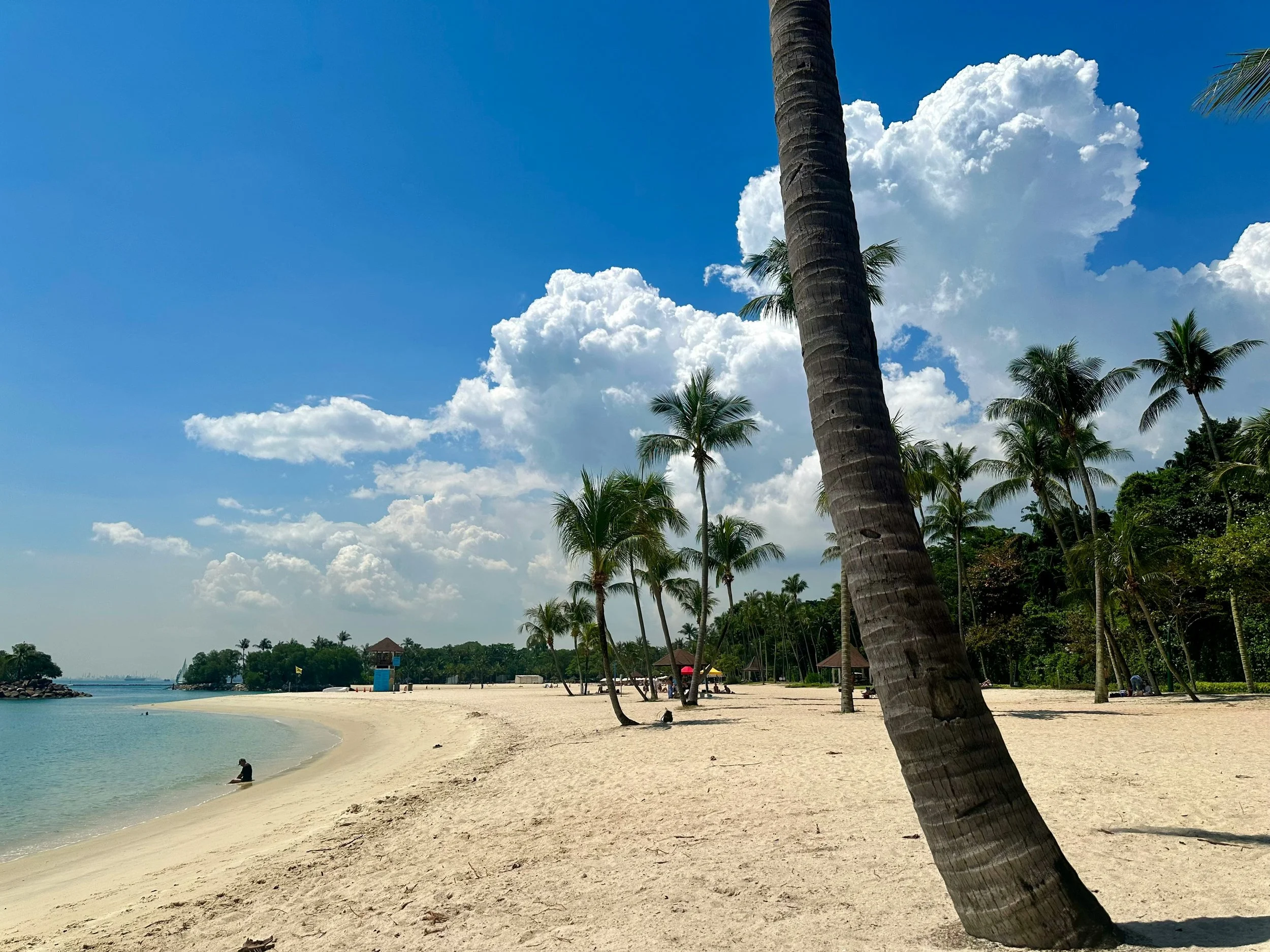
Sentosa Island.
Practical Experience Tips for Singapore
Singapore is one of the easiest cities in the world to explore — but a few practical considerations can make the difference between a trip that feels efficient and one that feels genuinely enjoyable. These tips are about pacing, timing, and knowing where to focus your energy.
How Long to Spend in Singapore
Singapore rewards quality over quantity. While it’s possible to see highlights quickly, the city is best experienced at a slower pace.
3 days: A solid introduction — iconic sights, a couple of neighbourhoods, and great food
4–5 days: Ideal — time for neighbourhood wandering, nature, and an easy day trip
6+ days: Allows you to settle into routines, revisit areas at different times, and explore beyond the centre
Rather than packing days tightly, aim to do two main experiences per day, with food, walking, and pauses in between.
Best Times of Day for Different Experiences
Timing matters more than distance in Singapore.
Early morning: Markets, kopitiams, Botanic Gardens, nature reserves
Midday: Museums, indoor spaces, relaxed cafés
Late afternoon: Neighbourhood wandering, parks, Sentosa
Evening: Marina Bay walks, hawker centres, waterfronts
Night: Supper spots, quiet neighbourhood walks, select bars
Avoid cramming outdoor activities into the middle of the day when heat and humidity peak.
Getting Around Efficiently
Singapore’s MRT system is fast, clean, and intuitive — and often quicker than taxis once traffic is factored in. Stations are well-signposted, and contactless payment makes getting around seamless.
Walking is equally important. Many of the city’s best experiences happen between destinations, especially in neighbourhoods like Chinatown, Kampong Glam, and Tiong Bahru.
Grab is widely available and useful late at night or when travelling in groups.
Local tip:
Don’t default to taxis — moving through the city is part of understanding it.
What to Book Ahead vs Keep Flexible
Singapore doesn’t require heavy pre-booking.
Worth booking ahead:
Popular rooftop bars (if you have a specific one in mind)
Major museums during peak periods
Conservatories at Gardens by the Bay (if visiting at a specific time)
Better kept flexible:
Neighbourhood exploration
Hawker meals
Parks, waterfronts, and markets
The city works best when you allow space for spontaneous food stops and unplanned detours.
What to Wear and Bring
Singapore’s climate is consistent year-round.
Lightweight, breathable clothing
Comfortable walking shoes
A small umbrella (for sun and sudden rain)
Reusable water bottle
Dress modestly if entering temples or mosques — shoulders and knees covered is generally sufficient.
Navigating Local Etiquette
Singapore is welcoming, but norms are taken seriously.
Queue patiently — even when it looks informal
Eating and drinking are not allowed on the MRT
Return trays at hawker centres
Keep voices low in residential areas
These aren’t just rules — they’re part of how shared spaces function smoothly.
How to Avoid Rushing
Singapore’s biggest risk isn’t missing things — it’s moving too quickly.
Build in:
One slower morning
One unplanned afternoon
One evening with no reservations
Some of the city’s best moments come from lingering — a second kopi, a longer walk, a return visit at a different time of day.
How to Experience Singapore Well
Singapore reveals itself through rhythm rather than spectacle. When you match your pace to the city — eating when locals eat, walking when the heat fades, and allowing repetition — the experience becomes calmer, richer, and more memorable.
That mindset matters more than any single attraction.
“Singapore is a city that rewards attention. Not the hurried kind that moves from landmark to landmark, but the quieter kind — noticing how neighbourhoods shift throughout the day, how food anchors daily life, and how nature and design soften what could otherwise feel intense.
What makes the experience here so compelling is balance. Iconic sights sit comfortably alongside everyday rituals. Dense urban spaces open into parks, coastlines, and reservoirs. Tradition isn’t preserved behind glass — it’s practised daily, woven into routines that continue regardless of who’s passing through.
The best way to experience Singapore is to slow your pace just enough to let these layers reveal themselves. Walk more than you plan to. Eat often. Revisit places at different times of day. Let contrast — between old and new, city and nature, structure and spontaneity — shape your days.
That’s where Singapore really comes alive.”