What Christmas Looks Like Around the World
Christmas is one of the few moments in the year when the world pauses at roughly the same time — and yet, almost nowhere celebrates it in quite the same way.
In some places, Christmas is quiet and reflective, centred around church services, candlelight, and long family meals that stretch late into the night. In others, it’s loud and joyful, marked by fireworks, music spilling into the streets, and gatherings that blur the line between celebration and festival. Elsewhere, Christmas has little to do with religion at all — instead becoming a season of lights, shopping, romance, and winter-themed aesthetics, even in places where snow has never fallen.
Travel at Christmas has a way of revealing culture in its purest form. You see what people value when they come together: food prepared once a year, traditions passed down through generations, and rituals that only make sense in that specific corner of the world. Sometimes it looks familiar, sometimes completely foreign — and often, it’s somewhere in between.
This is a journey through how Christmas is experienced across continents. Not a checklist of countries, but a look at the rhythms, rituals, and realities of the festive season around the world — from midnight feasts to beach barbecues, from solemn observance to full-scale celebration.
Let’s start where many of the world’s Christmas traditions were shaped: Europe.
Europe: Tradition, Markets and Deep Roots
In Europe, Christmas unfolds slowly. It’s not confined to a single day, but stretched across weeks of anticipation, ritual, and long-held customs that feel deeply tied to place. The festive season here is rooted in history — shaped by religion, folklore, climate, and centuries of communal winter living.
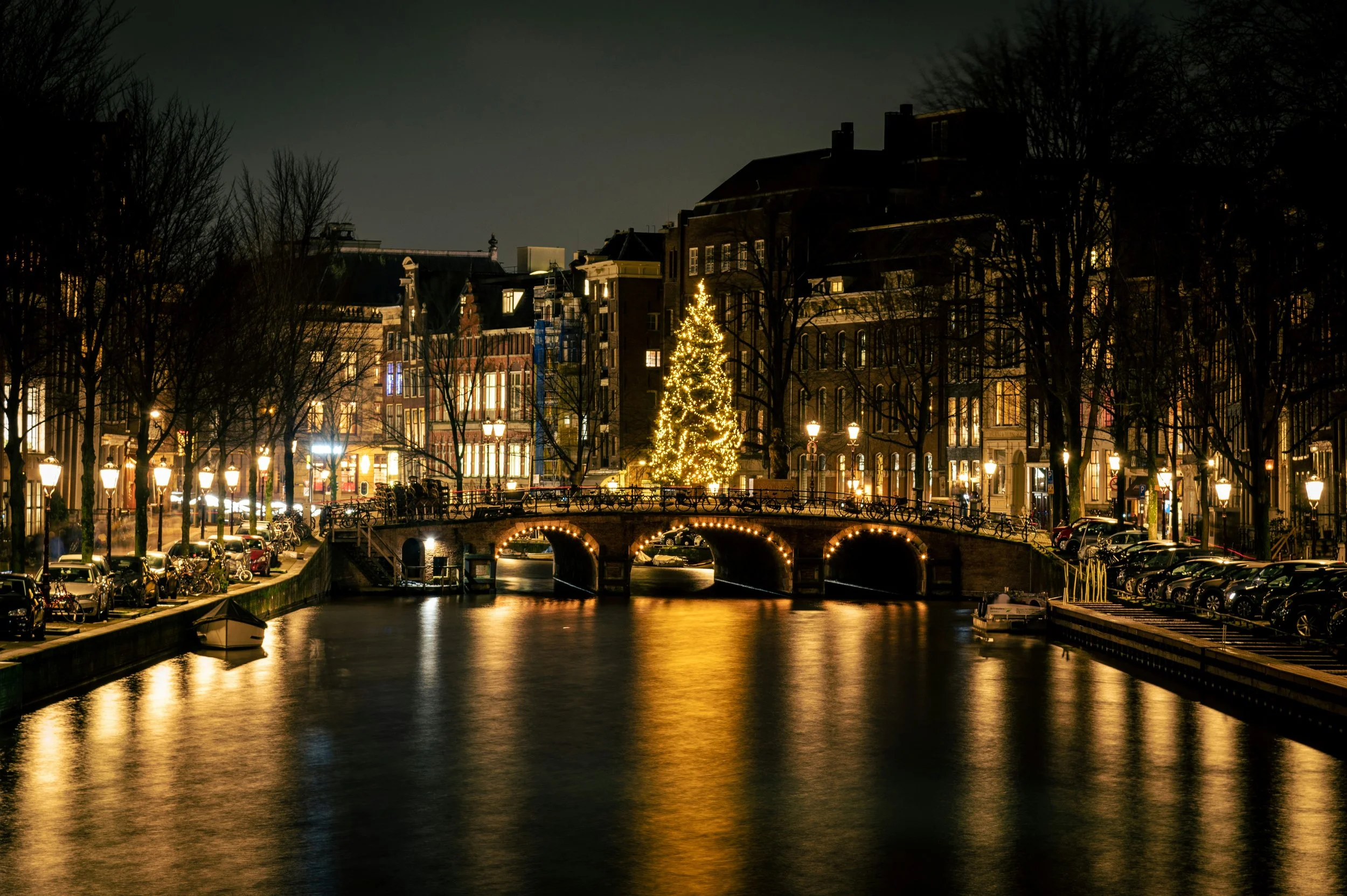
Across much of the continent, the build-up begins with Advent. Streets are lit, shop windows change overnight, and town squares gradually transform into gathering points. In cities with medieval centres, Christmas feels particularly atmospheric — narrow streets glow under strings of lights, and the cold air carries the scent of spice, smoke, and sugar.
Christmas markets play a central role in this rhythm, especially in Central and Northern Europe. These aren’t just places to browse, but social spaces. Locals stop by after work for a mug of mulled wine, children snack on gingerbread or roasted chestnuts, and friends linger long past sunset. In places like Germany, Austria, and the Czech Republic, markets feel less like tourist attractions and more like an extension of daily life during winter.
Food traditions vary widely, but timing is everything. In many European countries, Christmas Eve is the main event, not Christmas Day. Families gather for formal evening meals, gifts are exchanged, and church services follow late into the night. In Poland, Slovakia, and parts of Eastern Europe, Christmas Eve dinners are often symbolic and meat-free, with dishes tied to tradition rather than indulgence.
In contrast, the UK places Christmas Day firmly at the centre of the celebration, anchored by the iconic Christmas lunch. This is a sit-down affair, often planned weeks in advance: roast turkey or goose, crispy roast potatoes, seasonal vegetables, stuffing, pigs in blankets, and rich gravy — all served in generous portions and eaten slowly. It’s less about ceremony and more about comfort, familiarity, and abundance.
No British Christmas is complete without Christmas pudding — dense, dark, and steeped in tradition. Made weeks or even months ahead, it’s traditionally steamed, doused in brandy, and set alight before serving. Many families still follow old rituals, such as hiding a coin inside the pudding for luck, tying dessert to superstition as much as flavour. Whether loved or tolerated, it remains one of the UK’s most enduring festive symbols.
Religion continues to shape Christmas across Europe, even in increasingly secular societies. Midnight Mass remains culturally significant in countries like Italy, Spain, and France, where churches fill late on Christmas Eve and families return home afterwards for long meals and conversation. In Southern Europe, Christmas often feels quieter, more reflective, and deeply centred around family.
Gift-giving traditions also vary. In some countries, presents arrive on Christmas Eve; in others, children wait until St Nicholas Day in early December, or even January, when the Three Kings traditionally deliver gifts. Father Christmas is just one figure among many — joined by Christkind, Befana, and regional folklore characters that change from border to border.
By Christmas Day itself, much of Europe slows to a near standstill. Shops close, transport is limited, and cities grow quiet. For travellers, this pause can feel surprising — but it’s also revealing. Christmas here isn’t designed around convenience or spectacle. It’s about stepping out of everyday life and leaning into tradition, togetherness, and time.
Latin America: Family, Fireworks and Food
In much of Latin America, Christmas is not a quiet affair. It’s vibrant, social, and deeply centred around family — with celebrations that spill late into the night and often out into the streets. While religious tradition still plays an important role, Christmas here feels less formal and more communal, shaped by warm evenings, shared food, and collective celebration.
Across the region, Christmas Eve — Nochebuena — is the heart of the holiday. Families gather in large numbers, often across generations, and celebrations can begin in the early evening and run well past midnight. Christmas Day itself is usually slower and more relaxed, spent resting, visiting relatives, or enjoying leftovers from the night before.
Food is central, and it’s prepared in abundance. Dishes vary widely by country, but meals are typically shared and served late. In Mexico, tamales, bacalao, and pozole are common. In Colombia and Venezuela, hallacas — labour-intensive parcels wrapped in banana leaves — take centre stage, often made collectively as part of the build-up to Christmas. In Brazil, the table might include roasted meats, rice dishes, tropical fruits, and desserts adapted for the heat.
Music and noise are just as important as the meal itself. Fireworks mark the moment midnight arrives, signalling the official start of Christmas. In many places, this is when gifts are exchanged, embraces are shared, and celebrations reach their peak. Streets come alive with laughter, music, and movement, blurring the line between private family gathering and neighbourhood festival.
Religion remains woven into the experience. Midnight Mass, known as Misa de Gallo, is still widely observed, though attendance varies by generation and region. Even for those who don’t attend church, religious symbolism and tradition remain present — from nativity scenes to community processions.
One of the defining features of Christmas in Latin America is how open and outward-facing it feels. Doors are left open, neighbours drift in and out, and celebrations often extend beyond the household. It’s a reminder that Christmas here is as much about community as it is about family.
For travellers, Christmas in Latin America can feel immersive and joyful — but it’s also important to understand the rhythm. Many businesses close early on Christmas Eve, transport can be limited late at night, and Christmas Day itself may be quieter than expected. The real magic happens before midnight.
The Middle East: Christmas on the Margins
In the Middle East, Christmas exists quietly, often beyond the view of visitors. It’s not a dominant public holiday, nor is it widely visible in everyday life — yet for the region’s Christian communities, it remains deeply meaningful, shaped by faith, history, and resilience.
Christmas celebrations here are largely centred around church and family, rather than public spectacle. In countries such as Lebanon, Jordan, Egypt, and parts of Israel and Palestine, Christian communities observe Christmas with services, gatherings, and meals, often away from the spotlight. Decorations are modest, and celebrations tend to be respectful and contained.
In places like Bethlehem — traditionally regarded as the birthplace of Jesus — Christmas carries profound religious significance. Pilgrims gather, churches hold midnight services, and the focus remains firmly on spiritual observance rather than commercial celebration. Elsewhere, Christmas may pass almost unnoticed unless you know where to look.
What’s striking is how Christmas coexists alongside other major religious traditions. In predominantly Muslim countries, daily life continues as normal, and Christmas is observed privately. This coexistence shapes a very different festive atmosphere — one that feels quieter, introspective, and grounded.
For travellers, Christmas in the Middle East can feel subtle but enlightening. You won’t find large-scale decorations or festive markets, but you may encounter beautifully decorated churches, local community events, or shared meals offered as gestures of hospitality. In some cities, international hotels and neighbourhoods with large expatriate populations add small festive touches, creating pockets of familiarity.
Food remains an important part of celebration, though it’s often shaped by local cuisine rather than global Christmas traditions. Meals are shared within families, combining regional dishes with seasonal significance rather than imported customs.
Experiencing Christmas here offers a reminder that the holiday is not universal in form — and that meaning doesn’t depend on visibility. It’s a quieter, more contemplative expression of Christmas, rooted in faith and tradition rather than spectacle.
North America: A Cultural Export Reimagined
In North America, Christmas is instantly recognisable. The imagery — decorated houses, oversized trees, festive films, and familiar songs — has travelled far beyond the continent, shaping how much of the world imagines Christmas should look. And yet, experiencing it here reveals a holiday that’s as much about movement and media as it is about tradition.
In both the United States and Canada, Christmas is largely centred on the home. Families often travel long distances to be together, making the days leading up to Christmas some of the busiest travel periods of the year. Airports, highways, and train stations fill with people returning “home,” reinforcing the idea that Christmas is less about place and more about reunion.
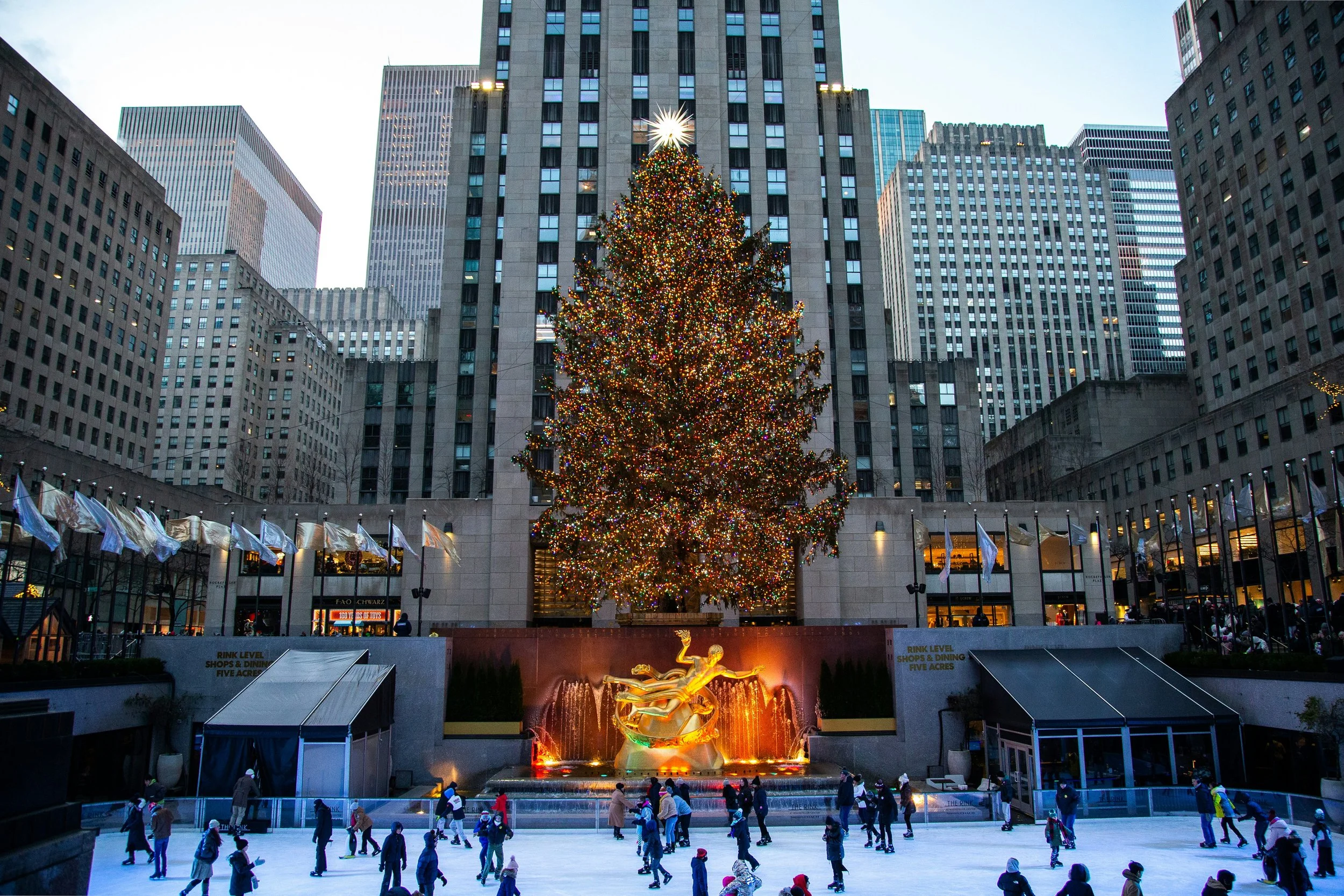
Decorations play a major role. Entire neighbourhoods transform, with houses competing for the most elaborate light displays. Trees are decorated early, films loop endlessly in the background, and Christmas music becomes unavoidable by early December. The festive season here is immersive — visually and culturally inescapable.
Unlike in parts of Europe or Latin America, Christmas Day itself is the focal point. Mornings are often reserved for gift-giving, particularly for children, followed by a family meal later in the day. Food traditions vary widely depending on background and region, but the emphasis is on familiarity and abundance rather than ritual or symbolism.
One surprising aspect for travellers is how quiet cities become on Christmas Day. Restaurants, shops, and attractions often close, and public transport can be limited or suspended entirely. Major cities like New York, Toronto, and Chicago can feel unexpectedly still — a rare pause in places normally defined by constant movement.
Religion plays a role for some, but Christmas in North America is largely secular and cultural, shaped heavily by advertising, entertainment, and shared media. The idea of Christmas has been packaged, exported, and reinterpreted around the world — yet here, it still retains a strong sense of nostalgia, particularly around childhood traditions.
For visitors, Christmas in North America can feel both familiar and slightly distant. You’ll recognise the imagery instantly, but access to the celebration itself often depends on being welcomed into someone’s home. It’s a Christmas that happens mostly behind closed doors — intimate, family-focused, and deeply rooted in personal tradition.
Asia: Christmas Without the Religion
In much of Asia, Christmas exists in a completely different form. Stripped of its religious roots, it has evolved into a cultural, commercial, and often romantic event — shaped more by aesthetics and experience than belief. For travellers, this contrast can feel surprising, playful, and oddly familiar all at once.
In countries like Japan, South Korea, China, and parts of Southeast Asia, Christmas is less about family and more about atmosphere. Streets glow with elaborate light displays, shopping centres lean heavily into festive visuals, and cafés roll out seasonal menus filled with limited-edition treats. Christmas here is something you see rather than something you observe.
One of the most distinctive aspects is how Christmas is framed as a couples’ holiday in places like Japan and South Korea. Christmas Eve, in particular, is associated with romance — think dinner reservations, city lights, and carefully planned evenings rather than family gatherings. It’s closer in spirit to Valentine’s Day than a traditional Western Christmas.
Food traditions reflect this cultural remix. In Japan, for example, Christmas is famously associated with fried chicken and strawberry shortcake — not because of history, but because of clever marketing that became tradition over time. Elsewhere in Asia, Christmas menus often blend Western festive imagery with local flavours, resulting in dishes that feel festive but unmistakably regional.
Religion plays a limited role in most places, but small Christian communities do observe Christmas quietly through church services and family meals. These celebrations often happen alongside the broader cultural version of Christmas rather than replacing it.
What’s particularly striking is how inclusive and flexible Christmas feels in Asia. There’s no pressure to follow tradition or conform to a specific narrative. You don’t need to celebrate “correctly” — you simply participate in the mood. Lights, music, themed cafés, and festive pop-ups create a sense of seasonal joy without obligation.
For travellers, Christmas in Asia can feel refreshingly light. There are fewer closures, transport continues as normal, and cities remain lively. You get the festive atmosphere without the logistical challenges that Christmas brings elsewhere — making it one of the easiest regions to travel through during the holiday period.
Oceania: Beach Days and Barbecues
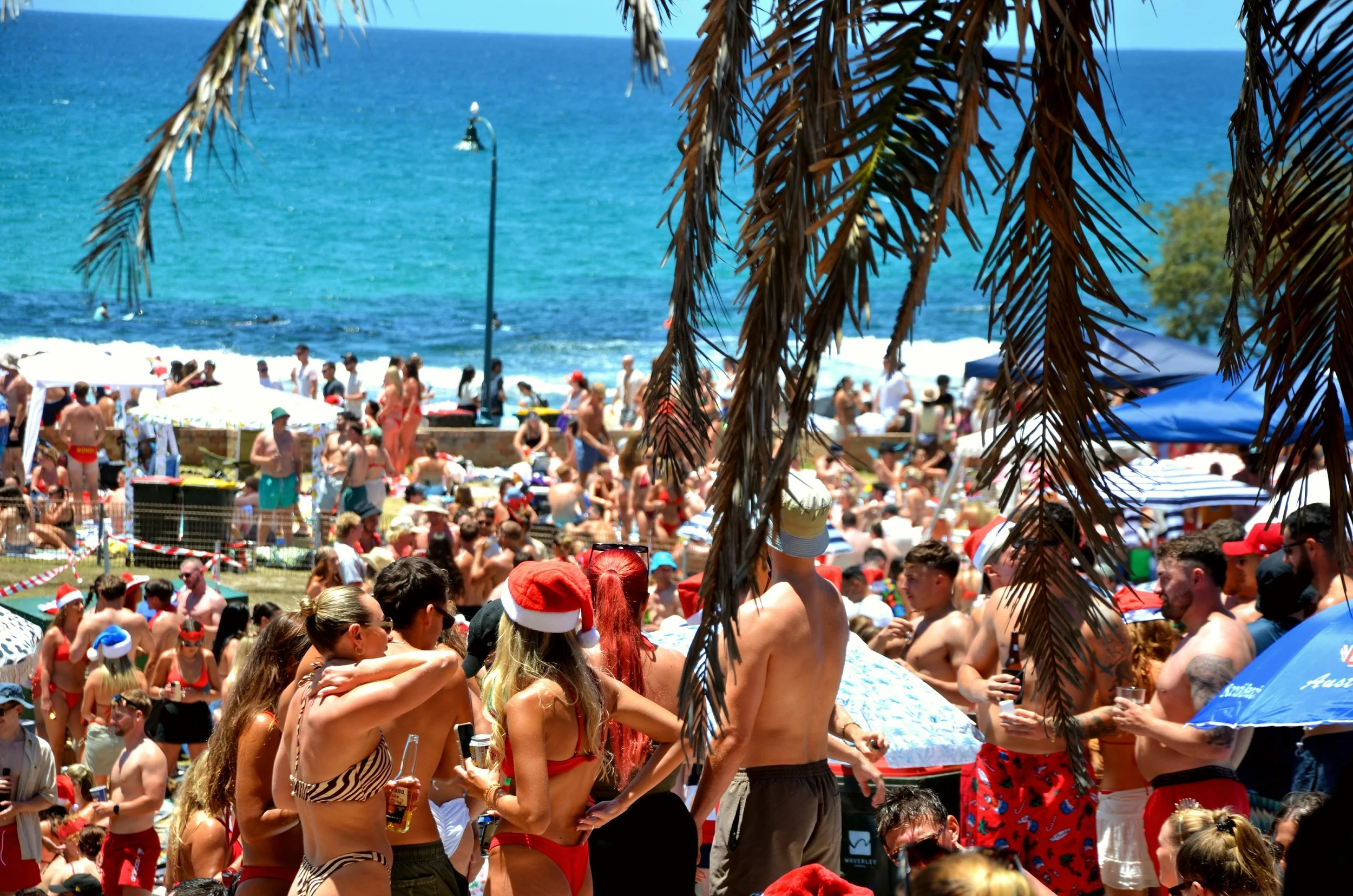
In Oceania, Christmas arrives in the height of summer. The imagery of snow, fireplaces, and woolly jumpers feels almost comical against blue skies, warm evenings, and the smell of sunscreen. Instead of retreating indoors, Christmas here moves outside — relaxed, informal, and shaped by the season.
In Australia and New Zealand, Christmas is typically spent with family and friends, but the structure of the day looks very different from its Northern Hemisphere counterpart. Mornings are often slow and casual, followed by long lunches that stretch into the afternoon. Seafood frequently replaces heavy roasts — prawns, oysters, and cold cuts laid out alongside salads and fresh fruit.
Barbecues are central, particularly in Australia, where Christmas lunch might be cooked outdoors and shared in gardens, parks, or by the beach. The atmosphere is social rather than ceremonial, with people drifting in and out, swimming between courses, or taking advantage of the long daylight hours.
Beaches play a surprisingly important role. It’s not uncommon to see families heading to the coast on Christmas Day, esky in hand, making the most of a public holiday that feels designed for rest rather than ritual. Iconic stretches of sand — from Sydney’s eastern suburbs to New Zealand’s coastal towns — become gathering points rather than quiet escapes.
Traditional elements still exist, but they’ve been adapted to the climate. Christmas trees are decorated, crackers are pulled, and festive meals are shared — just without the winter context. Even classic dishes appear in lighter forms, reflecting the season rather than tradition.
For travellers, Christmas in Oceania feels accessible and easy-going. Shops and cafés may close on Christmas Day, but the overall mood is relaxed rather than restrictive. Public spaces remain active, transport is often reduced rather than suspended, and the emphasis is firmly on enjoyment of the outdoors.
This version of Christmas challenges the idea that the holiday has to look a certain way. Here, it’s not about recreating winter traditions — it’s about embracing where you are, and celebrating accordingly.
What It’s Like to Travel During Christmas
Travelling during Christmas can feel magical — but it also comes with realities that are worth understanding before you book. The festive season doesn’t follow the same rhythm everywhere, and knowing what to expect can make the difference between a stressful trip and a memorable one.
One of the biggest surprises for many travellers is what actually closes — and when. In much of Europe and North America, Christmas Day itself is the quietest moment of the year. Shops, cafés, museums, and even supermarkets often shut completely, and public transport can be extremely limited or not run at all. Christmas Eve, on the other hand, is usually lively and functional until mid-afternoon, before things begin to wind down.
In contrast, regions like Asia and much of Latin America remain far more operational. Transport often runs as normal, restaurants stay open, and cities retain their usual energy — especially where Christmas is more cultural than religious. This makes these regions particularly appealing for travellers who want festive atmosphere without logistical disruption.
Accommodation books up early almost everywhere. Christmas is a peak travel period globally, whether people are heading home, escaping winter, or travelling for the holiday itself. Prices tend to rise, and last-minute availability can be limited — especially in destinations known for Christmas markets, winter scenery, or warm-weather escapes.
Food is another consideration. In many countries, Christmas Eve is more important than Christmas Day, meaning restaurants may close earlier than expected on the 24th, then remain shut the following day. Planning ahead — or securing a reservation — is key. In places like the UK, Europe, and North America, hotel restaurants are often the safest option on Christmas Day.
Culturally, Christmas is also a time for family first. In destinations where the holiday is deeply rooted, locals may be less available, tours may pause, and cities can feel quieter than usual. Rather than fighting this, it often pays to lean into it — walking empty streets, enjoying the stillness, or experiencing a place at its calmest.
There’s also something uniquely revealing about travelling at Christmas. You see how cultures prioritise time, tradition, and togetherness. You learn quickly whether Christmas is a public spectacle, a private gathering, or simply another date on the calendar.
Done well, travelling at Christmas can be deeply rewarding. It strips travel back to observation rather than activity — encouraging you to slow down, pay attention, and experience places as they truly are during one of the most meaningful times of the year.
“Christmas has a way of revealing the world at its most honest.
Strip away the decorations and the clichés, and what’s left are moments of connection — shared meals, long conversations, traditions repeated without question, and time spent together simply because it matters. When you travel at Christmas, you’re not just seeing places; you’re witnessing how people choose to come together when the year slows down.
What makes Christmas travel so powerful is the contrast. Familiar rituals appear in unfamiliar settings. A Christmas meal looks different in every country, but the intent behind it is the same. Whether it’s a midnight feast in Europe, fireworks in Latin America, a quiet church service in the Middle East, or a beach barbecue in Oceania, the core of Christmas remains surprisingly universal.
Travelling during this time also changes how you travel. With fewer attractions open and fewer distractions, you’re encouraged to move more slowly. You walk more. You observe more. You notice details that might otherwise be lost in the rush of peak-season sightseeing. Cities feel different when they pause — and Christmas creates that pause almost everywhere.
Perhaps most importantly, Christmas abroad reminds you that tradition isn’t fixed. It adapts to climate, culture, history, and belief. Seeing Christmas celebrated in different ways challenges the idea that there’s a “right” way to experience it — and often leaves you appreciating your own traditions in a new light.
For many travellers, Christmas trips become the ones they remember most. Not because everything went perfectly, but because the experience felt meaningful. Intimate. Grounded.
And that, ultimately, is what travel at its best is about.”