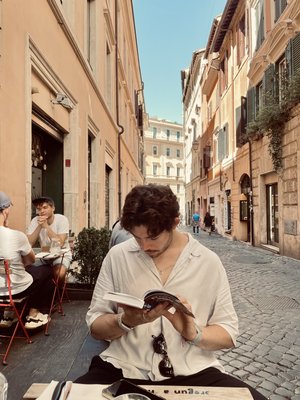
Weekend Maxxing: What It Means & How to Make the Most of 48 Hours
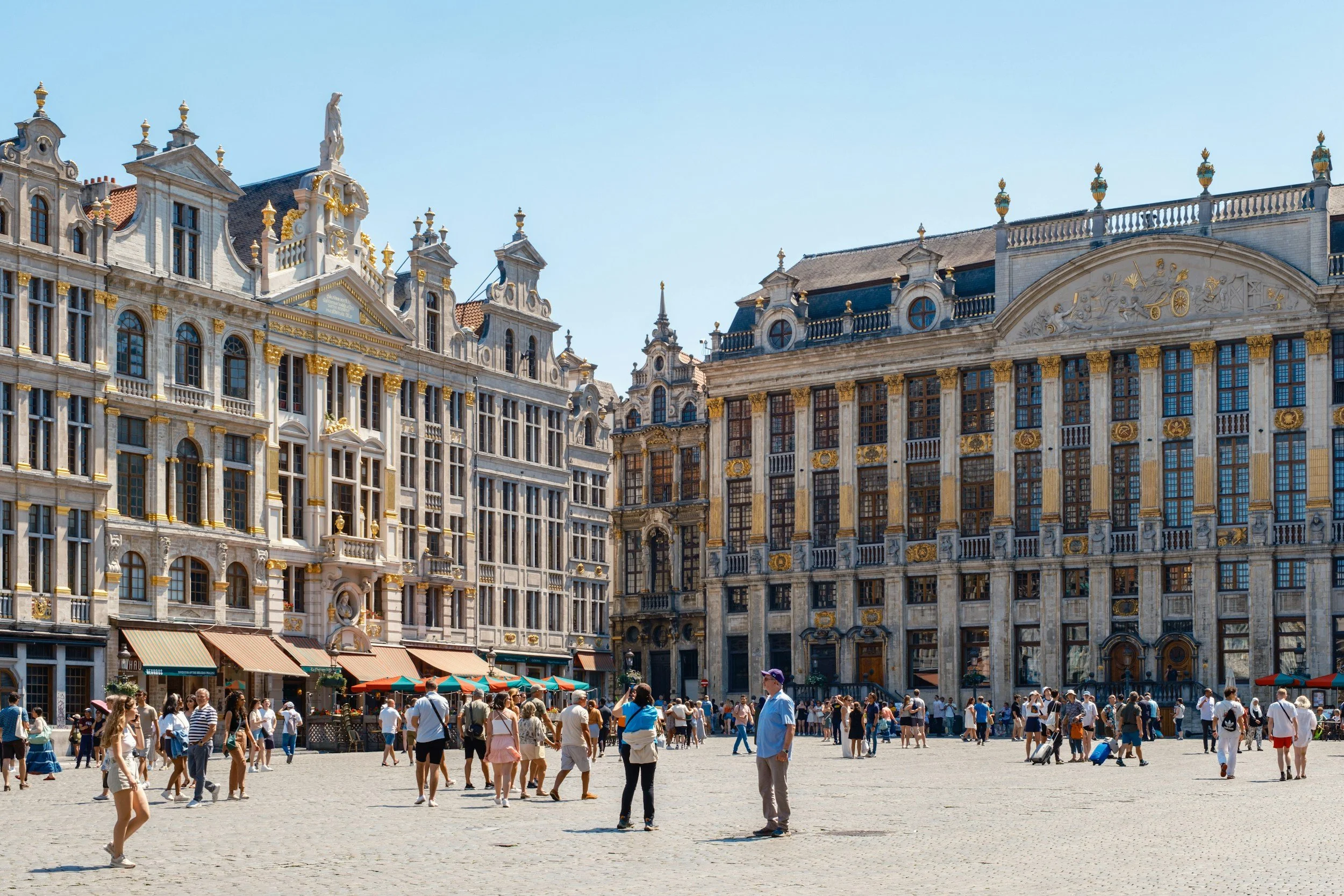
There’s something quietly satisfying about a weekend away.
Two nights. One cabin bag. A boarding pass tucked into your phone. A change of scenery that feels both manageable and meaningful.
Weekend maxxing is the idea of making a short break feel as rewarding as possible by using limited time deliberately, without trying to cram everything in. It is less about doing more and more about making better choices about where you stay, what you prioritise and how you move through a place.
Weekend travel has become one of the defining rhythms of modern European life. Budget airlines connect major cities in under three hours. High-speed trains move seamlessly between capitals. Hybrid work has made Thursday evening departures and Sunday night returns entirely possible. The access is there.
What’s often missing is the design.
Most short trips fall into one of two traps. Either they’re under-planned, leading to wasted time, indecision and mediocre meals, or they’re over-packed, cramming four days’ worth of attractions into 36 waking hours. Both approaches leave travellers slightly unsatisfied.
Weekend maxxing offers a different approach. When planned intentionally, 48 hours can feel complete, immersive and genuinely restorative.
Short trips simply follow different rules.
Let’s design them properly.
What Does Weekend Maxxing Mean?
Weekend maxxing means making a short trip feel as rewarding as possible by using limited time deliberately. It is not about fitting more into 48 hours. It is about making better choices about where you stay, what you prioritise and how you move through a destination.
In practice, that means reducing friction. Staying somewhere well connected. Booking the things that genuinely matter. Grouping plans geographically. Leaving enough space for a long lunch, an unplanned walk or a neighbourhood that turns out to be more interesting than expected.
For some travellers, weekend maxing can sound like an exercise in efficiency. The better version is more balanced. The aim is not to turn a city break into a timetable. It is to remove the wasted time and poor decisions that make short trips feel rushed.
Done well, weekend maxxing makes a two-night trip feel complete rather than compressed. You see enough, eat well, understand the place a little better and come home feeling like the weekend was properly used.
Choose the Right Destination, Not Just the Cheapest Flight
The success of a weekend trip is rarely decided in the city itself. It’s decided at the booking stage.
Short trips operate under a different constraint: time compression. Every hour carries more weight. A 45-minute delay feels heavier when you only have two days. A long transfer quietly chips away at spontaneity. The margin for inefficiency is smaller.
Which is why choosing the right destination matters more than ever.
The cheapest flight is not always the smartest one. A £20 saving becomes irrelevant if it costs you 90 minutes each way travelling from a secondary airport. On a two-week trip, that’s tolerable. On a 48-hour break, that’s effectively a quarter of your weekend.
If you’re still deciding where to go, our guide to the best European city breaks for a long weekend is a useful place to start. The strongest weekend destinations tend to combine easy access, manageable scale and enough variety to make two days feel worthwhile.
Start by looking at scale.
Compact, walkable cities perform exceptionally well for short trips. Places like Seville, Florence and Kraków allow you to move fluidly between major sights, cafés and neighbourhoods without relying heavily on public transport. Their historic centres are dense and navigable. You can see something significant in the morning, wander into a market by lunch and find yourself in a lively square by sunset, all on foot.
That walkability does more than save time. It creates continuity. You don’t feel like you’re commuting between experiences. You feel embedded within them.
Cities such as Vienna and Lisbon also work particularly well when the itinerary is geographically considered. Our 48 Hours in Vienna itinerary shows how grouping nearby neighbourhoods, landmarks and food stops can make a short trip feel full without becoming rushed. The same principle shapes our 48 Hours in Lisbon guide, where the city’s hills and distinct neighbourhoods make thoughtful routing especially valuable.
By contrast, larger capitals such as London or Rome are extraordinary destinations, but their scale demands focus. Without it, you spend more time navigating the city than absorbing it. If you choose a larger metropolis for a weekend, commit to a handful of connected areas rather than attempting the whole city.
Airport connectivity deserves equal scrutiny. Copenhagen Airport connects quickly to the centre by metro, removing friction almost immediately. Some secondary European airports, meanwhile, require transfers of an hour or more. Add waiting time and your Friday evening begins to shrink.
Before booking, ask yourself three practical questions:
How long will it take to get from the airport or station to where I’m staying?
How easy is the city to explore on foot or by public transport?
Can I realistically experience enough of its character in 48 hours?
Then ask a fourth, quieter one:
What kind of weekend do I actually want?
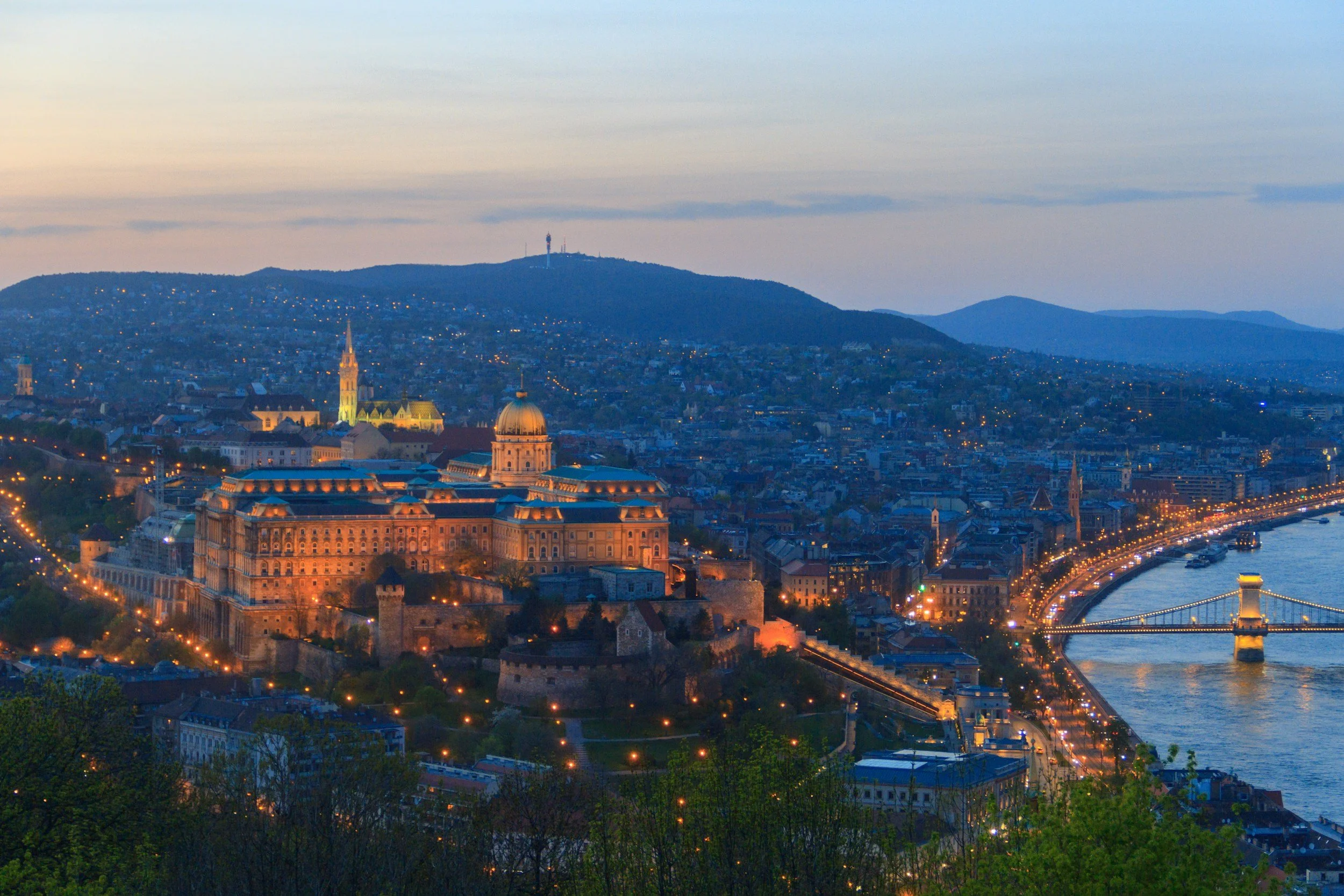
A food-led weekend feels different from a culture-heavy one. If your intention is culinary immersion, cities such as Bologna and Lyon offer extraordinary density of flavour within compact districts. If you’re seeking atmosphere and layered history, Budapest combines architecture, thermal baths and nightlife within relatively easy reach. If you want design, calm and café culture, Stockholm or Copenhagen reward slower wandering.
Alignment reduces friction before you even depart.
Many disappointing weekend trips are not the fault of the city. They’re the result of mismatched expectations, trying to extract deep cultural immersion from a destination better suited to nightlife, or chasing relaxation in a city built for pace.
When the destination fits your intention and your timeframe, the rest of the weekend becomes dramatically easier to design.
That’s not about squeezing more from every hour. It’s simply thoughtful travel.
Stay Where the City Lives
On longer trips, accommodation is comfort. On a weekend, it’s strategy.
Where you base yourself will quietly shape the entire rhythm of your 48 hours. It influences how often you use transport, how easily you pop back out after dinner, whether you grab a coffee downstairs or lose 30 minutes navigating metro lines before breakfast. On short trips especially, location is leverage.
The common mistake is prioritising price over proximity. A slightly cheaper room on the outskirts often comes with hidden costs: commuting, hesitation, and lost spontaneity. When you know your accommodation requires a 40-minute return journey at the end of the evening, you make different decisions. You leave earlier. You skip that final bar. You avoid venturing back out once you’ve rested.
Staying central — or in a vibrant, well-connected neighbourhood — removes that psychological friction.
In Seville, basing yourself in or near the old quarter means stepping straight into cobbled lanes, tapas bars and late-night plazas. In Florence, staying within or just across the Arno keeps you within walking distance of both the Duomo and quieter artisan streets. In Copenhagen, neighbourhoods like Vesterbro or the Latin Quarter blend local energy with easy access to major sights.
The effect is subtle but powerful: you move more freely. You decide less. You experience more.
There’s also a momentum factor at play. Short trips thrive on continuity. When you can walk between experiences, you stay mentally “inside” the city. You’re not dipping in and out between transport zones. You’re absorbing layers as you move.
That continuity builds familiarity quickly — and familiarity deepens connection.
When choosing accommodation for a weekend break, prioritise:
Walkability to your anchor experience
Easy access from the airport or main station
Good cafés, bakeries and bars within a five-minute radius
A neighbourhood that feels alive in the evening
You don’t need a gym you won’t use. You don’t need a kitchen you won’t cook in. You need proximity, atmosphere and ease.
It’s also worth thinking about tone. Some neighbourhoods are beautiful but quiet after dark. Others are lively but chaotic. If you’re seeking romantic calm, a party district will grate. If you want energy and spontaneity, a residential suburb may feel flat.
Matching your base to your mood reduces subtle friction.
And on a trip measured in hours, reducing friction is everything.
Anchor the Weekend Around One Defining Experience
Short trips need a centre of gravity.
Without one, weekends dissolve into a string of small decisions. You wake up and open maps. You debate museums. You scroll restaurant lists. You wander, but without direction. The time passes, yet nothing quite anchors itself in memory.
A defining experience changes that.
Before you arrive, choose one moment that the weekend revolves around — the experience you would genuinely be disappointed to miss. Not five highlights. Not a packed schedule. One clear anchor.
In Seville, that might be an intimate late-night flamenco performance in a traditional tablao, where the room falls silent before the first guitar note. In Budapest, it could be an evening soaking in the Széchenyi Baths as steam rises into the cold air and the Neo-Baroque façade glows under floodlights. In Bologna, perhaps it’s a guided food tour through the Quadrilatero, tasting fresh tagliatelle al ragù and aged Parmigiano while learning why the city is known as La Grassa.
The anchor doesn’t need to be extravagant. It needs to feel intentional.
There’s a psychological benefit to this approach. Behavioural research consistently shows that too many micro-decisions reduce enjoyment. When you define one non-negotiable experience in advance, you reduce decision fatigue across the rest of the trip. Smaller choices begin to orbit naturally around that core.
If your anchor is culinary, you’ll gravitate towards neighbourhoods known for local restaurants. If it’s architecture, you’ll prioritise historic districts. If it’s atmosphere, you’ll shape your evening around lively squares or waterfronts.
The weekend gains structure — but not rigidity.
Memory science supports this design as well. The “peak-end rule” suggests that we tend to remember experiences based largely on their most intense moment and their ending. A well-chosen anchor creates the peak. A calm Sunday ritual shapes the ending. Everything else becomes texture.
That’s why travellers often recall one powerful evening more vividly than a full day of rushed sightseeing.
When your anchor is protected — timed well, not squeezed between rushed transitions — you’re present for it. You’re not checking the clock. You’re not worrying about the next reservation. You’re simply there.
And that presence is what makes 48 hours feel expansive rather than compressed.
Plan Around Energy, Not Volume
One of the quiet myths of short trips is that time must be filled in order to feel well spent. In reality, the opposite is often true. When every hour is scheduled, energy fragments. You move quickly, but without absorption.
A weekend is not a condensed week. It has its own natural tempo — and respecting that tempo is what prevents exhaustion.
Arrival days, for instance, always carry friction. Even the smoothest journey involves queues, transfers, check-ins and subtle mental switching. Designing your first evening around a headline attraction ignores that reality. Instead, think orientation over achievement.
Arrive, drop your bag, and step outside. Walk without a strict destination. Notice where locals gather. Identify a bakery you’ll return to in the morning. Choose a nearby restaurant rather than travelling across the city for a “must-try” reservation. The goal of night one is not accomplishment — it’s immersion.
That small shift preserves energy for what matters.
On your full day, resist the urge to stack major sights back-to-back. Choose one primary cultural or architectural experience and give it proper space. In Rome, that might mean dedicating an entire morning to the Colosseum and Roman Forum rather than squeezing in the Vatican and Trastevere before lunch. In Kraków, focusing on Wawel Castle before drifting through the Old Town allows the experience to unfold naturally.
When you attempt three headline attractions in one day, none land fully. Depth always outperforms density.
Protecting a slow block is equally important. Two or three unscheduled hours in the afternoon create space for serendipity — a market stall you didn’t plan to visit, a café that feels worth lingering in, a side street that leads somewhere unexpected. In Barcelona, that might mean drifting through El Born and pausing for vermouth. In Stockholm, it could simply be fika — coffee and pastry without watching the clock.
These slower moments are often what make a city feel real rather than curated.
Energy-based planning also applies to departure days. Sunday mornings carry a different mood. Rather than cramming in one last major sight, design a ritual. Return to the bakery you noticed on Friday. Take a final walk through a familiar square. Let the city close gently rather than abruptly.
When you plan around energy instead of volume, something subtle shifts. You feel less like you’re racing through a place and more like you’re moving with it. The weekend feels cohesive rather than chaotic.
And cohesion is what makes short trips feel complete.
Remove Friction Before It Removes Time
Weekend trips don’t fail dramatically. They unravel subtly.
A delayed bag at baggage reclaim. A restaurant you meant to book but didn’t. Ten minutes spent debating where to go next that turns into forty. On longer journeys, these moments are minor. On a 48-hour break, they compound.
Designing a strong weekend isn’t only about what you add. It’s about what you eliminate.
Start with luggage. Carry-on only is more than convenience — it’s momentum. You land and walk straight out. You take public transport easily. You navigate cobbled streets without dragging weight behind you. Travelling light reduces both physical and psychological drag, and on short trips that difference is noticeable.
Then think about reservations. Over-booking creates rigidity. Under-planning creates indecision. The balance sits in between.
Secure your anchor experience in advance — whether that’s a timed museum entry, a food tour, a thermal bath slot or a performance. If there’s one restaurant you’re genuinely excited about, reserve it. Beyond that, leave space. Weekend travel benefits from flexibility. You want the freedom to linger if somewhere feels good, or pivot if energy dips.
A small but powerful tactic is map preparation. Before you leave, spend ten quiet minutes pinning cafés, bakeries, viewpoints and neighbourhoods you’re curious about. Group them loosely by area. You’re not creating a rigid schedule — you’re building optionality.
When you’re already near something you’ve pinned, you’ll visit naturally. When you’re not, you won’t feel pressured. Decision fatigue decreases because you’re choosing between curated options rather than starting from zero.
Even transport timing deserves attention. A 6am outbound flight might look efficient, but a 3:30am alarm often sets the tone poorly. A Sunday departure that’s too tight creates low-level anxiety all afternoon. Short trips magnify these details.
Friction isn’t dramatic. It’s cumulative.
When logistics run quietly in the background, you’re free to notice what matters — the sound of conversation spilling from terraces, the rhythm of a market setting up at dawn, the way light changes across old façades in late afternoon.
And that’s when 48 hours begin to feel expansive.
Common Weekend Travel Mistakes (And How to Avoid Them)
Even well-intentioned trips can lose shape quickly. Not because the destination disappoints, but because small structural errors compound over a compressed timeline.
The good news is that most weekend mistakes are predictable — and entirely preventable.
The first is over-scheduling.
Packing a weekend with five major sights, three restaurant reservations and two neighbourhoods per day rarely delivers the satisfaction people expect. Instead, it fragments attention. You move constantly, but nothing lands fully. By Sunday evening, you’ve technically “done” a lot — yet remember surprisingly little in detail.
Short trips reward focus. One significant experience per day is usually enough.
The second mistake is staying too far out.
The savings on accommodation can feel rational at booking stage, but the hidden costs surface quickly. Long metro journeys eat into spontaneity. You hesitate before returning out after dinner. Morning coffee becomes a logistical exercise rather than a simple pleasure.
In cities like Rome or Barcelona, distances can be deceptively large. If you’re not within walking distance of at least one lively district, you’ll feel the separation.
The third mistake is underestimating transport timing.
Arriving late on Friday and leaving early on Sunday can reduce your usable window more than expected. Add airport transfers of an hour or more, and your “weekend” quietly shrinks to a single full day. Efficiency on paper doesn’t always translate into enjoyment in practice.
And finally, there’s the temptation to replicate someone else’s itinerary exactly.
The internet is filled with “48 Hours in…” guides — many of them useful. But copying one verbatim can create friction if it doesn’t align with your interests. A museum-heavy plan may exhaust someone travelling primarily for food and atmosphere. A nightlife-focused itinerary might overwhelm someone seeking calm.
Weekend travel works best when it reflects your own priorities.
The common thread in all of these mistakes is misalignment — between time and ambition, between location and intention, between energy and schedule.
Correct the alignment, and the entire experience sharpens.
What a Well-Designed 48 Hours Actually Feels Like
Frameworks are useful. But what matters is how a weekend unfolds in reality.
A well-designed 48 hours doesn’t feel frantic. It doesn’t feel sparse either. It feels coherent. There’s a sense that each part connects to the next.
Imagine arriving in Copenhagen on a Friday afternoon. Because you chose well, the airport transfer takes fifteen minutes. Within an hour of landing, you’re walking through your neighbourhood rather than navigating multiple transport changes.
You drop your bag and step outside immediately.
There’s no grand plan for the evening — just orientation. You wander slowly through Vesterbro, noticing bakeries for tomorrow morning and wine bars filling up with locals. Dinner is close by. You sit longer than intended. You return on foot, already slightly familiar with your surroundings.
That’s night one done properly. You’re grounded.
Saturday carries the weight of the weekend, so it’s paced intentionally.
You begin with one significant experience — perhaps a canal walk and time exploring the city centre, or a museum you were genuinely curious about. You don’t stack it with two more headline attractions. You give it space.
Mid-afternoon slows deliberately. Coffee somewhere that feels local. A stretch of wandering without an agenda. You sit by the water, not because it’s on a list, but because it feels right.
In the evening, your anchor experience arrives — maybe a long dinner at a restaurant you booked in advance, or an architectural viewpoint timed for sunset. Because the day wasn’t overloaded, you’re present for it. You notice details. You stay off your phone.
That becomes the memory.
Sunday morning isn’t frantic. You return to the bakery you spotted on Friday. You take one final walk through streets that already feel faintly familiar. You leave for the airport with time to spare rather than tension.
The trip feels complete.
You didn’t see everything. But what you experienced felt intentional, layered and absorbed.
And that’s the quiet difference between a rushed weekend and a well-designed one. The first feels consumed. The second feels experienced.
“The Real Meaning of “Max”
“Max” has become shorthand for optimisation. Extract the most. See the most. Do the most.
But travel rarely rewards excess.
The most satisfying weekends aren’t the ones where you moved the fastest or ticked off the highest number of landmarks. They’re the ones that felt cohesive. Where the city had space to breathe around you. Where one experience stood out clearly. Where Sunday ended calmly rather than in a rush towards departures.
When you design a short trip intentionally, something subtle happens. You stop trying to conquer the place and start responding to it. You notice the rhythm of mornings. You recognise streets by your second walk through them. You begin to feel, even briefly, oriented rather than overwhelmed.
That’s the real version of weekend maxxing.
It’s choosing a destination that fits the time you have.
It’s staying somewhere that keeps you inside the city’s energy.
It’s protecting one defining experience.
It’s planning around energy rather than volume.
It’s removing friction before it removes momentum.
Short trips are not lesser trips. They simply demand sharper design.
And once you understand that design, 48 hours can feel surprisingly complete.
You don’t need more time to travel well.
You just need to travel with intention.”