Where to Go in March: 12 Incredible Destinations for Sun, Culture and Adventure
March sits in that quiet space between seasons. It is neither the deep heart of winter nor the full bloom of summer, and that is precisely why it works so well for travel. Across much of the world, crowds begin to thin, temperatures shift into that comfortable middle ground, and destinations feel as though they are stretching awake rather than straining under peak-season pressure.
In Europe, almond trees and orange blossoms begin to flower, café terraces cautiously reappear, and city breaks regain their rhythm without July’s intensity. In desert landscapes across North Africa and the Middle East, hiking conditions are close to perfect before the heat hardens. In parts of the Southern Hemisphere, late summer lingers — long golden evenings, harvest seasons, and warm seas without the chaos of school holidays. Meanwhile, in pockets of Asia and North America, March delivers some of the most beautiful natural spectacles of the year, from cherry blossoms to emerging wildlife seasons.
It is also one of the most strategic months to travel if you care about value. Flights and accommodation often sit below peak pricing, particularly outside Easter weeks, and major attractions feel more accessible. You can experience places at their natural pace rather than competing with it.
This guide focuses on destinations that truly shine in March — not simply warm places, but places that feel alive at this exact moment in the calendar. From blossom-filled cities and desert landscapes to wine regions and island escapes, each destination below has been chosen for what makes it uniquely compelling right now.
Let’s begin in southern Spain, where spring quietly arrives in scent before it arrives in sight.
Seville, Spain
Why March Is a Great Time to Visit
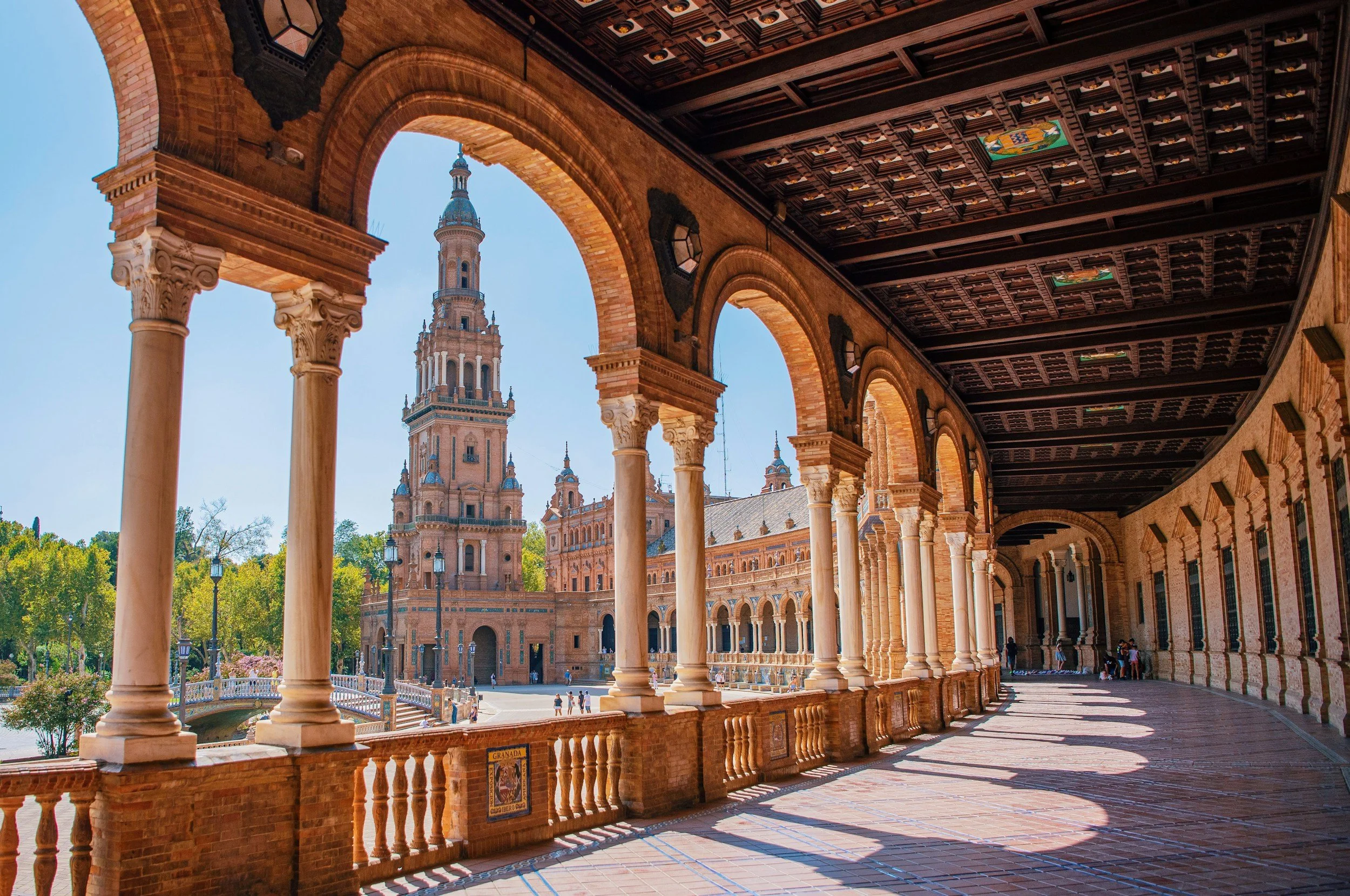
In Seville, spring does not arrive quietly. It arrives in scent. By mid-to-late March, the city’s 40,000 bitter orange trees begin to blossom, filling the streets with azahar — a fragrance so distinct it has become part of the city’s identity. Locals will tell you this is when Seville feels most itself: warm but not scorching, lively but not overwhelmed.
Average daytime temperatures hover around 21–24°C, making it one of the warmest major European cities at this time of year. Crucially, you are travelling in the narrow window between winter calm and the surge of April’s Semana Santa and Feria de Abril. Hotel rates are typically lower than peak spring weeks, and you can explore the city’s major landmarks without the intensity of high-season queues.
March is also when outdoor life properly returns. Terraces reopen, riverside paths fill with evening strollers, and meals begin to stretch long past sunset again.
What to Do
Start at the Real Alcázar of Seville, one of Europe’s most extraordinary royal palaces, where Islamic geometric detail blends with later Christian additions. The gardens are particularly beautiful in March, when blossoms and palms frame tiled courtyards under soft light.
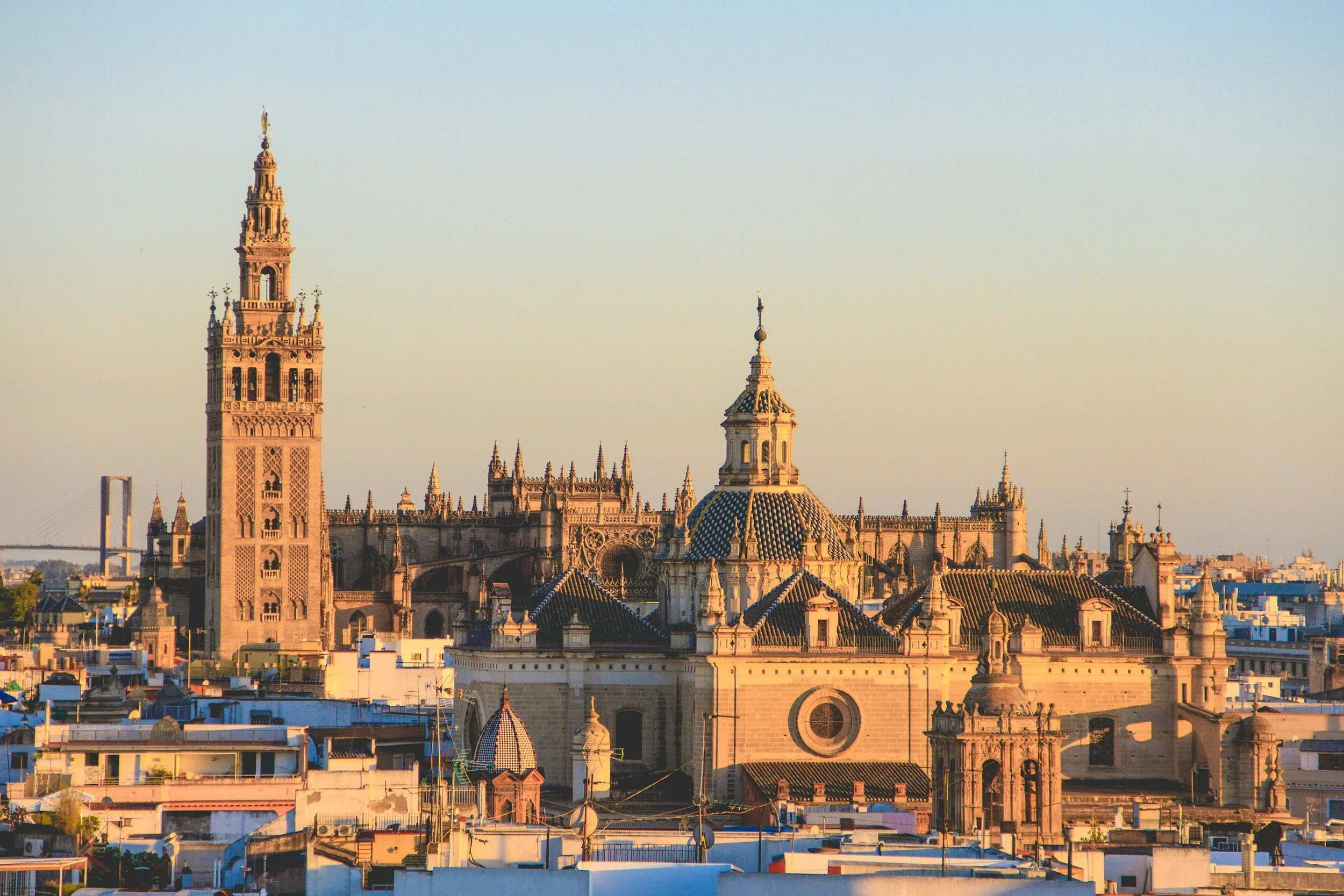
From there, step into Seville Cathedral, the largest Gothic cathedral in the world, and climb La Giralda — originally a 12th-century Almohad minaret — for panoramic views over the city’s terracotta rooftops.
March is ideal for simply wandering Barrio Santa Cruz, the old Jewish quarter. The narrow lanes trap shade and fragrance, and this is the time to slow down rather than rush between sights.
In the evenings, lean into Andalusian food culture. Order espinacas con garbanzos (a traditional Lenten dish of spinach and chickpeas), salmorejo, and a glass of chilled fino sherry. Many tapas bars will be filled with locals rather than tour groups, especially midweek.
If you want something active, cycle along the Guadalquivir River or cross to Triana, historically the neighbourhood of ceramicists and flamenco artists, where you’ll find a more residential rhythm.
Weather in March
Average highs: 21–24°C
Evenings: 10–12°C (light jacket needed)
Generally low rainfall compared to winter
Around 7–8 hours of sunshine per day
Sea temperatures remain cool, so this is not a beach month — it is a walking-and-wandering month.
Practical Notes
Accommodation in central Seville typically ranges from €120–200 (£103–172 / $130–215) per night for well-located boutique hotels in March, rising sharply during Semana Santa.
Book timed tickets in advance for the Real Alcázar and Cathedral, even in shoulder season, as daily entry caps still apply.
Seville Airport connects easily to the city centre by bus in around 35 minutes, and most of the historic core is walkable once you arrive. For those considering a longer stay, one of the first practical steps is obtaining your NIE number in Seville — the tax identification number required for almost everything from opening a bank account to signing a rental contract.
Good For
Cultural city breaks, couples, photographers, food-focused travellers, and anyone wanting early European warmth without full peak-season pricing.
Kyoto, Japan
Why March Is a Great Time to Visit
March in Kyoto carries a quiet sense of anticipation. Early in the month, plum blossoms (ume) bloom across temple gardens, offering a softer, less crowded alternative to the later cherry blossom frenzy. By late March, depending on the year’s forecast, the first sakura begin to open — and the city shifts into full hanami mode.
Temperatures sit comfortably between 12–18°C, cool enough for long walks but far gentler than winter. Importantly, you are just ahead of peak early-April crowds, when domestic tourism surges dramatically.
This is a transitional month in the best sense — reflective, seasonal, atmospheric.
What to Do
Begin in the early morning at Fushimi Inari Taisha, walking through thousands of vermillion torii gates before tour groups arrive. Then head to Kiyomizu-dera, where wooden temple terraces overlook the city, particularly beautiful when framed by early blossoms.
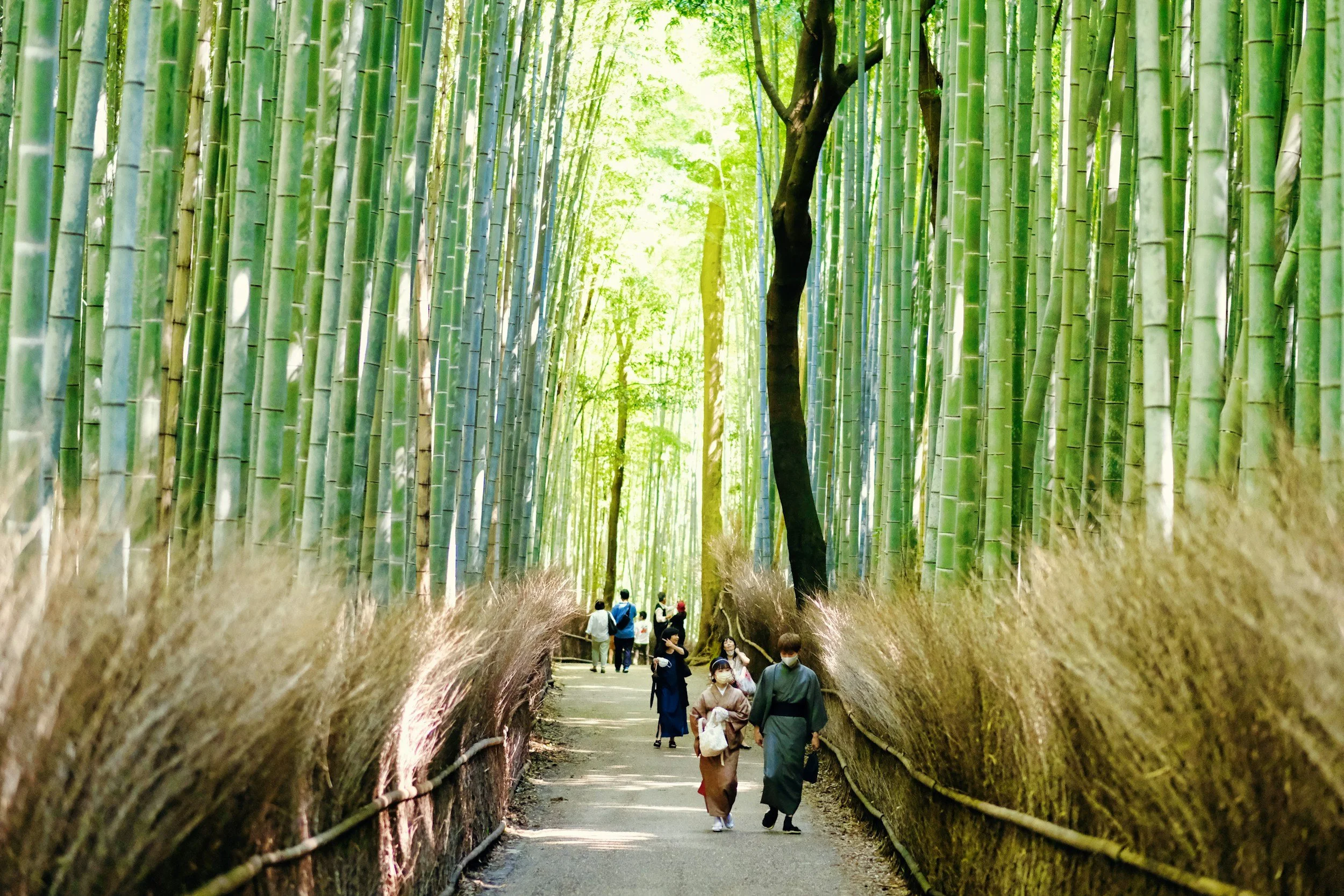
Stroll the Philosopher’s Path, which begins to show hints of pink towards the end of March. Even before full bloom, the canal walk is atmospheric and peaceful.
Evenings belong to Gion. Wander the lantern-lit streets at dusk and look out for traditional tea houses and geiko moving quietly between appointments.
If you want a quieter blossom experience, visit Kitano Tenmangu Shrine, famous for its plum grove, which typically peaks earlier than cherry trees.
Weather in March
Average highs: 15–18°C
Evenings: 5–8°C
Cherry blossom forecasts typically released in early March
Occasional light rain
Layering is essential — mornings and nights remain cool.
Practical Notes
Accommodation in March ranges widely, but expect ¥15,000–30,000 per night (£80–160 / €95–190 / $100–200) for well-located mid-range hotels. Prices rise significantly as cherry blossom dates approach.
Book temple entries and cultural experiences in advance during late March. JR Pass users should reserve seats early if travelling onward during blossom season.
Good For
Photographers, cultural travellers, solo travellers, slow explorers, and anyone seeking a seasonal experience rooted in tradition.
Jordan (Petra and Wadi Rum)
Why March Is a Great Time to Visit
March is arguably one of the best months to explore Jordan’s desert landscapes. Daytime temperatures are warm but manageable, typically 18–24°C, making hiking in Petra and exploring Wadi Rum comfortable without the punishing summer heat.
Spring also brings brief desert wildflowers after winter rains, adding unexpected colour to otherwise golden landscapes.
Crowds are moderate compared to peak autumn and early spring holiday weeks.
What to Do
Spend at least one full day in Petra, entering via the Siq in early morning light. Climb to the Monastery (Ad Deir) while temperatures are still cool, and allow time to explore less-visited trails like the High Place of Sacrifice.
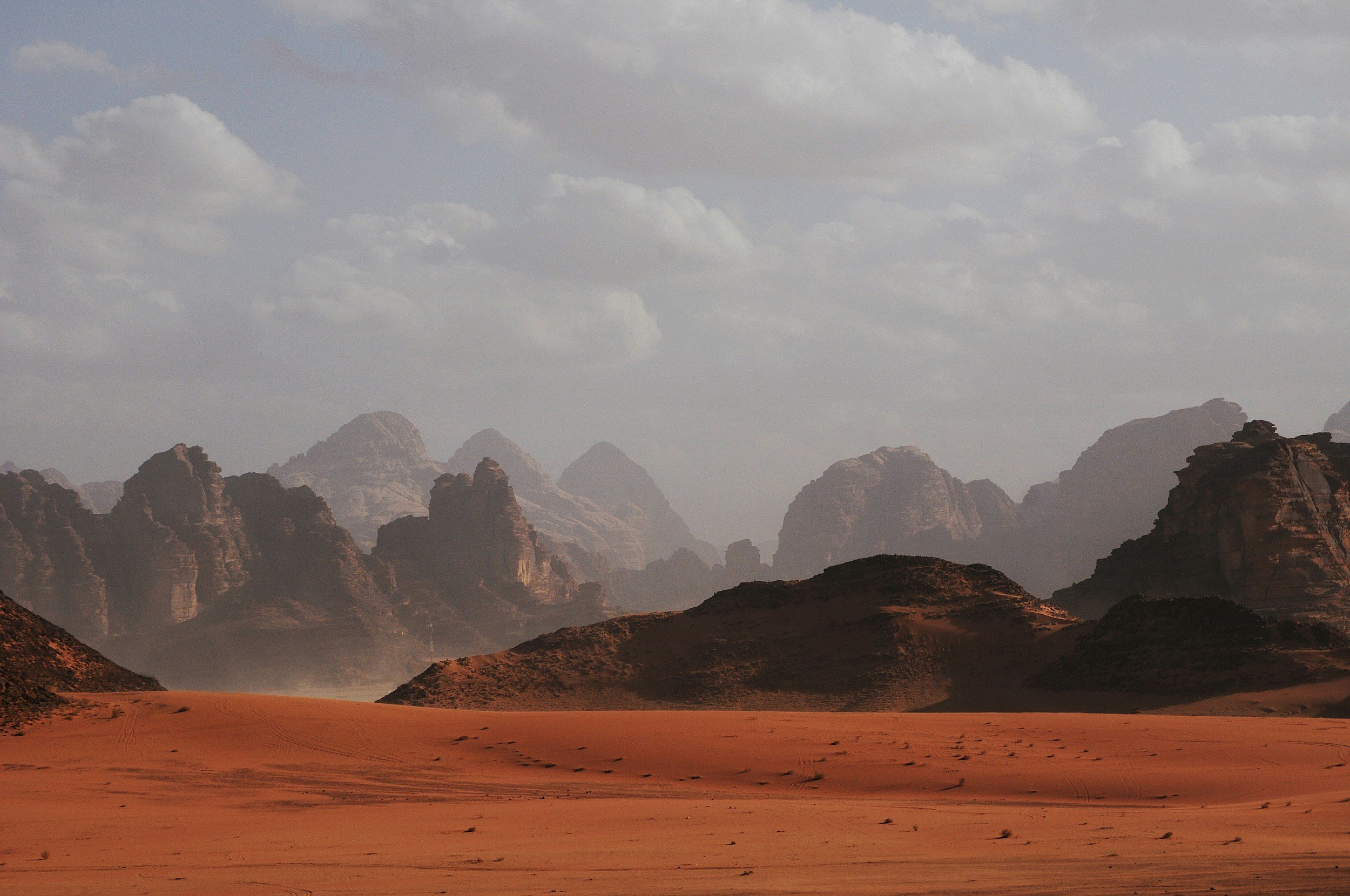
From there, head south to Wadi Rum, where you can stay overnight in a desert camp. A 4x4 tour at sunset across sandstone valleys is one of the Middle East’s most dramatic landscapes.
If time allows, float in the Dead Sea or visit Dana Biosphere Reserve for hiking in cooler highland air.
Weather in March
Average highs: 18–24°C
Cooler desert nights (5–10°C)
Minimal rainfall
Ideal hiking conditions
You will need layers for evenings in Wadi Rum.
Practical Notes
A Jordan Pass (from 70 JOD / approx. £78 / €90 / $99) includes entry to Petra and can offer significant savings.
Mid-range desert camps in Wadi Rum typically cost 60–120 JOD per night (£66–132 / €76–150 / $85–170), including dinner and breakfast.
Internal travel is easiest with a rental car unless joining organised tours.
Good For
Adventure travellers, photographers, history lovers, couples seeking unique stays, and hikers.
Cape Town, South Africa
Why March Is a Great Time to Visit
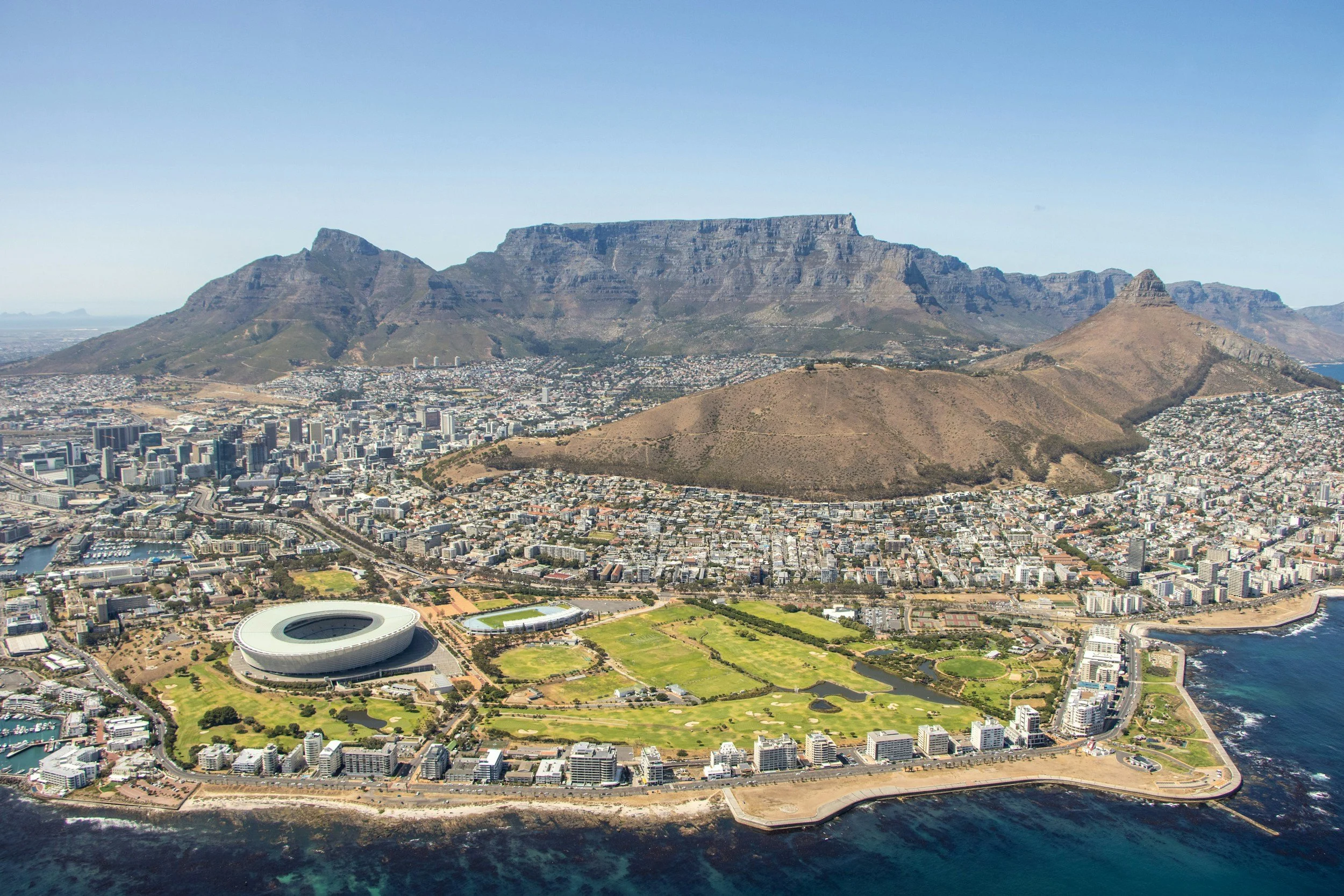
March in Cape Town is late summer at its best. The intense January winds begin to calm, temperatures settle around 24–28°C, and the Atlantic and Indian Ocean coastlines remain warm enough for swimming.
It is also harvest season in the nearby Winelands, meaning vineyard visits come with golden light, ripening grapes, and a celebratory atmosphere.
Tourist numbers drop slightly after peak Southern Hemisphere holidays, making it a strategic month for better rates and more space.
What to Do
Hike or take the cable car up Table Mountain early in the day for sweeping views over the peninsula.
Drive Chapman’s Peak to Cape Point, stopping at beaches like Camps Bay or Boulders Beach to see the resident penguin colony.
Dedicate at least one day to the Winelands — Stellenbosch and Franschhoek are both within easy reach and offer tastings paired with seasonal menus.
March is also ideal for kayaking along the Atlantic Seaboard or hiking Lion’s Head at sunrise.
Weather in March
Average highs: 25–28°C
Warm sea temperatures (for the region)
Low rainfall
Long daylight hours
Sun protection is essential — UV levels remain high.
Practical Notes
Expect accommodation from 2,000–4,000 ZAR per night (£85–170 / €100–200 / $110–220) for good mid-range stays in central neighbourhoods.
Car rental is highly recommended to explore beyond the city centre.
The South African rand often provides strong value for international travellers.
Good For
Outdoor lovers, wine enthusiasts, photographers, digital nomads, and couples seeking a balanced city-nature trip.
Oaxaca, Mexico
Why March Is a Great Time to Visit
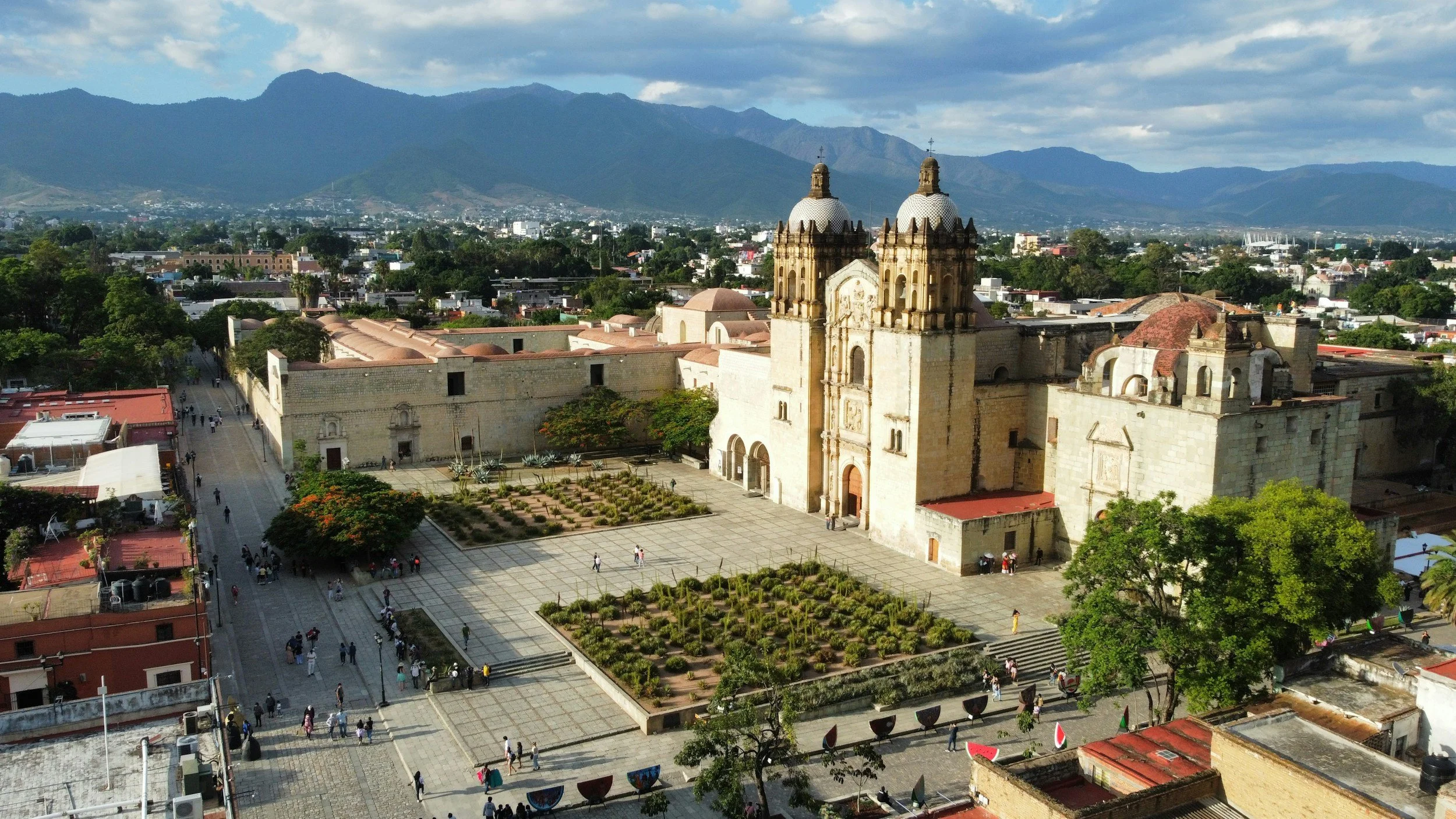
March sits comfortably in Oaxaca’s dry season, with warm days, cooler evenings, and clear skies that make the city’s pastel façades and surrounding mountains glow. Temperatures typically hover between 26–30°C during the day, but without the heavy humidity that builds later in spring.
It is also a strategic month before Easter crowds and before the more intense summer rains arrive. The atmosphere feels lived-in rather than touristic — markets are full, kitchens are busy, and life unfolds at its usual pace.
Oaxaca is not about rushing between landmarks; it is about flavour, craft, and cultural continuity.
What to Do
Begin at the Zócalo, where daily life spills into shaded benches and street musicians drift through the square. Visit Templo de Santo Domingo, one of Mexico’s most ornate churches, then explore the attached cultural museum for context on Zapotec and Mixtec history.
March is perfect for a half-day trip to Monte Albán, the ancient Zapotec city perched high above the valley. The heat is manageable, and the views stretch across layered mountains.
Back in town, lose yourself in markets like Mercado 20 de Noviembre and Mercado Benito Juárez, where you can try tlayudas, mole negro, and smoky mezcal. Food here is not just sustenance; it is identity.
If time allows, visit artisan villages such as Teotitlán del Valle for weaving traditions or Hierve el Agua’s mineral formations, though the latter requires checking current access conditions.
Weather in March
Average highs: 26–30°C
Evenings: 12–15°C
Dry season with low rainfall
Strong sun during midday
Light layers for evening; sun protection during the day.
Practical Notes
Mid-range boutique hotels typically range from 2,000–3,500 MXN per night (£90–155 / €105–180 / $115–200). Oaxaca offers excellent value compared to Mexico’s coastal resort destinations.
Most of the historic centre is walkable, but taxis are inexpensive for reaching Monte Albán.
Book cooking classes or mezcal tastings a few days in advance during busier weeks.
Good For
Food-focused travellers, culture seekers, slow travellers, solo explorers, and anyone interested in indigenous heritage and craft traditions.
Washington, D.C., USA
Why March Is a Great Time to Visit
Late March transforms Washington, D.C. into one of North America’s most photogenic cities. The National Cherry Blossom Festival typically peaks between mid-to-late March (exact timing varies each year), when thousands of trees gifted by Japan in 1912 bloom around the Tidal Basin.
Temperatures are generally mild, ranging from 12–18°C, making it comfortable for walking between monuments and museums. It is cool, but not wintery.
Importantly, if you visit midweek and avoid peak bloom weekends, you can experience the spectacle without the full intensity of spring break tourism.

What to Do
Walk the Tidal Basin at sunrise when the blossoms reflect on still water, framing the Jefferson Memorial in pale pink.
Explore the Smithsonian museums — most are free — including the National Museum of African American History and Culture and the National Air and Space Museum.
Stroll the National Mall at dusk, when monuments such as the Lincoln Memorial glow softly in the fading light.
Georgetown offers a different pace, with historic brick houses and waterfront dining.
Weather in March
Average highs: 15–18°C
Evenings: 5–8°C
Variable spring weather (occasional rain)
Cherry blossom peak forecast announced each year
Layering is key — mornings remain crisp.
Practical Notes
Hotel rates fluctuate around blossom peak, typically from $180–350 per night (£140–275 / €165–320) in central areas.
Most major attractions are free, making D.C. a relatively budget-friendly city once accommodation is covered.
Use the Metro to navigate efficiently; parking can be difficult during festival weeks.
Good For
First-time U.S. visitors, spring city-break travellers, photographers, history lovers, and budget-conscious cultural travellers.
The Azores, Portugal
Why March Is a Great Time to Visit
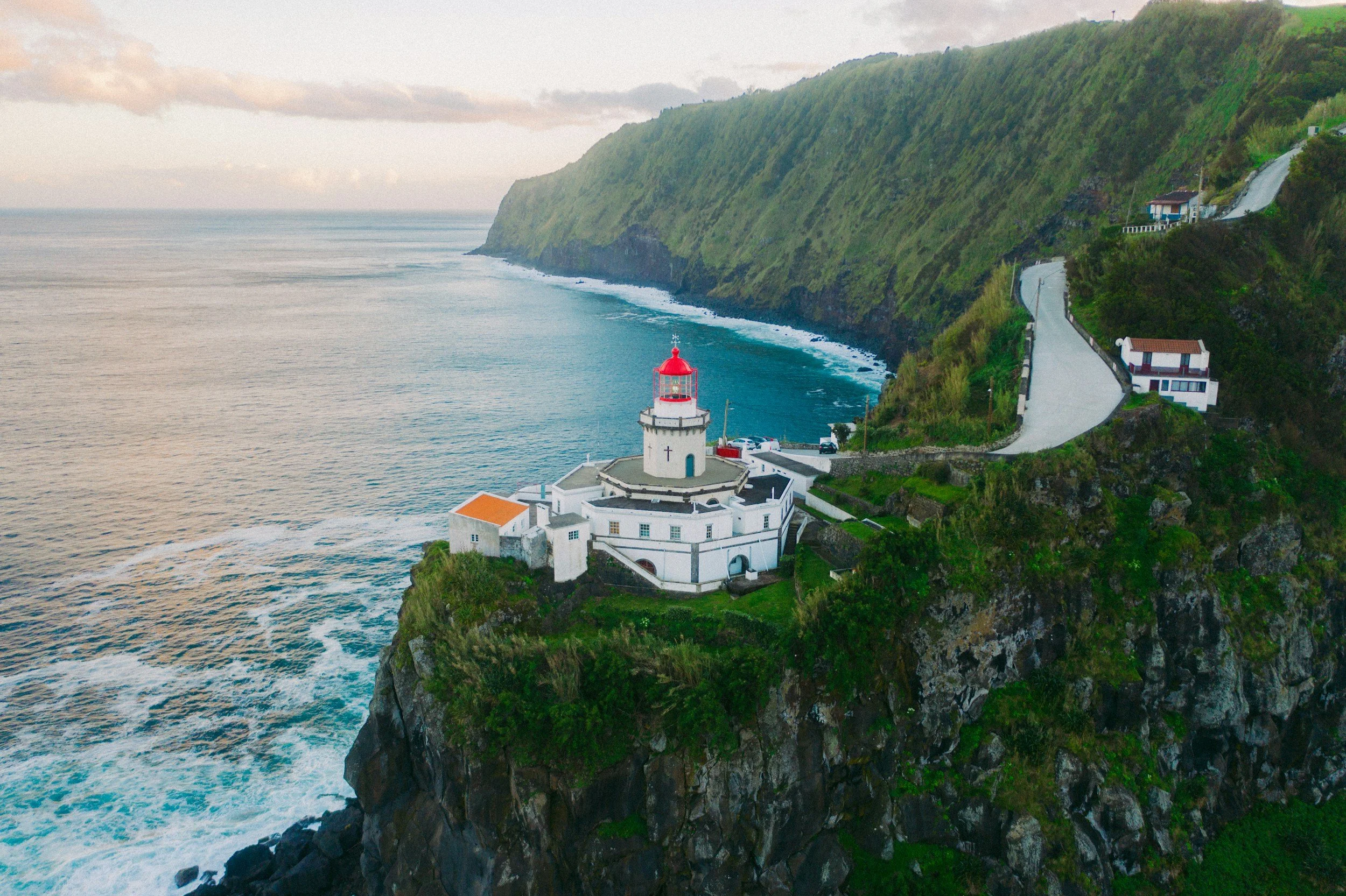
March in the Azores feels wild and elemental. Winter rains have left the islands intensely green, waterfalls are strong, and landscapes feel freshly washed. While it is not peak hiking season yet, it offers a quieter, moodier version of the archipelago.
Sea conditions begin to stabilise, and whale watching season starts to gain momentum, particularly around São Miguel and Pico.
Temperatures are mild rather than hot — typically 16–20°C — making it ideal for active exploration without summer crowds.
What to Do
On São Miguel, hike around Sete Cidades, where twin crater lakes shift between blue and green depending on the light. Visit Furnas to see geothermal pools and try cozido, a stew slow-cooked underground using volcanic heat.
Drive coastal roads that curve dramatically above the Atlantic, stopping at natural swimming pools carved from lava rock.
If sea conditions allow, join a whale watching excursion — March marks the beginning of sightings for species such as sperm whales.
Weather in March
Average highs: 17–20°C
Changeable weather (sunshine and showers possible in one day)
Lush landscapes following winter rains
Cooler sea temperatures
Bring waterproof layers — the Azores are known for rapid weather shifts.
Practical Notes
Flights connect via Lisbon. Car hire (around €40–70 per day / £35–60 / $45–75) is essential for exploring independently.
Mid-range accommodation ranges from €100–180 per night (£85–155 / $110–195).
Weather flexibility is important — plan outdoor activities around forecasts.
Good For
Hikers, nature photographers, couples seeking quiet landscapes, and travellers who prefer raw scenery over polished resorts.
Marrakech, Morocco
Why March Is a Great Time to Visit
March is one of Marrakech’s most comfortable months. Daytime temperatures typically sit between 22–26°C — warm enough for rooftop lunches and garden strolls, but far gentler than the intense summer heat that regularly exceeds 40°C.
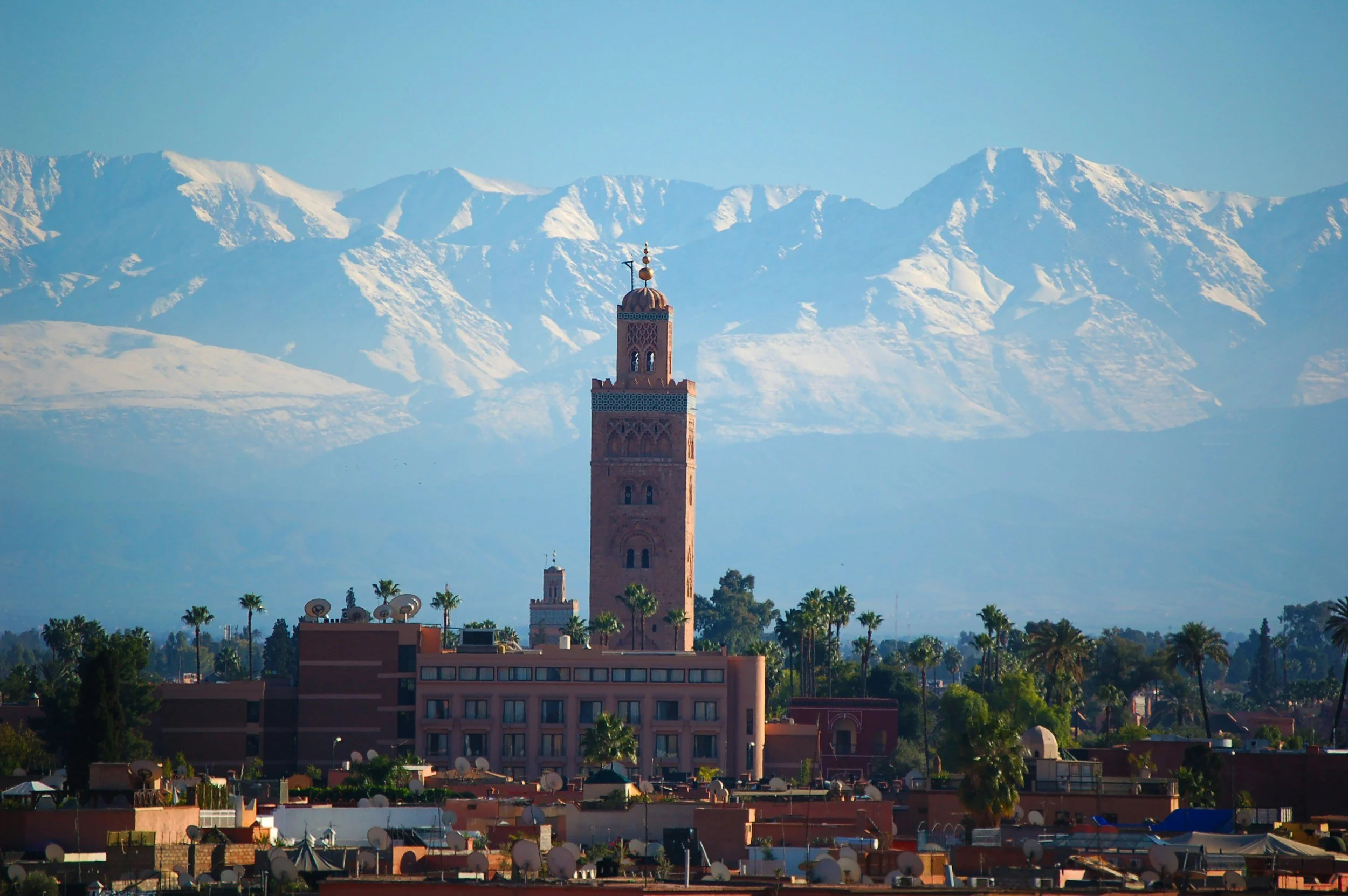
The city feels energised without being overwhelming. Spring flowers bloom in riad courtyards, the Atlas Mountains often still hold traces of snow on their peaks, and desert excursions remain pleasant rather than punishing.
You are also ahead of peak Easter travel and before Ramadan (depending on the lunar calendar), when opening hours may shift.
What to Do
Begin in Jemaa el-Fnaa, the city’s central square, but visit both in the morning — when juice sellers and spice vendors dominate — and again at night when food stalls and storytellers transform the atmosphere.
Explore the Bahia Palace and the intricate geometric detail of Ben Youssef Madrasa, one of the finest examples of Islamic architecture in Morocco.
March is ideal for wandering the Majorelle Garden early in the day before crowds build. The cobalt blue contrasts beautifully with spring light.
If you want contrast, take a day trip into the Atlas Mountains or spend a night in the Agafay Desert, where cooler evenings make stargazing comfortable.
Weather in March
Average highs: 22–26°C
Evenings: 10–12°C
Minimal rainfall
Clear desert skies
Evenings can feel surprisingly cool — bring a light jacket.
Practical Notes
Well-located riads typically range from 900–2,000 MAD per night (£70–155 / €80–180 / $90–200), offering strong value compared to European city breaks.
Haggling remains common in souks, but keep it respectful and measured.
Pre-book Majorelle Garden tickets online to avoid queues.
Good For
Cultural explorers, couples, photographers, first-time North Africa visitors, and travellers wanting warmth without tropical humidity.
Istanbul, Türkiye
Why March Is a Great Time to Visit
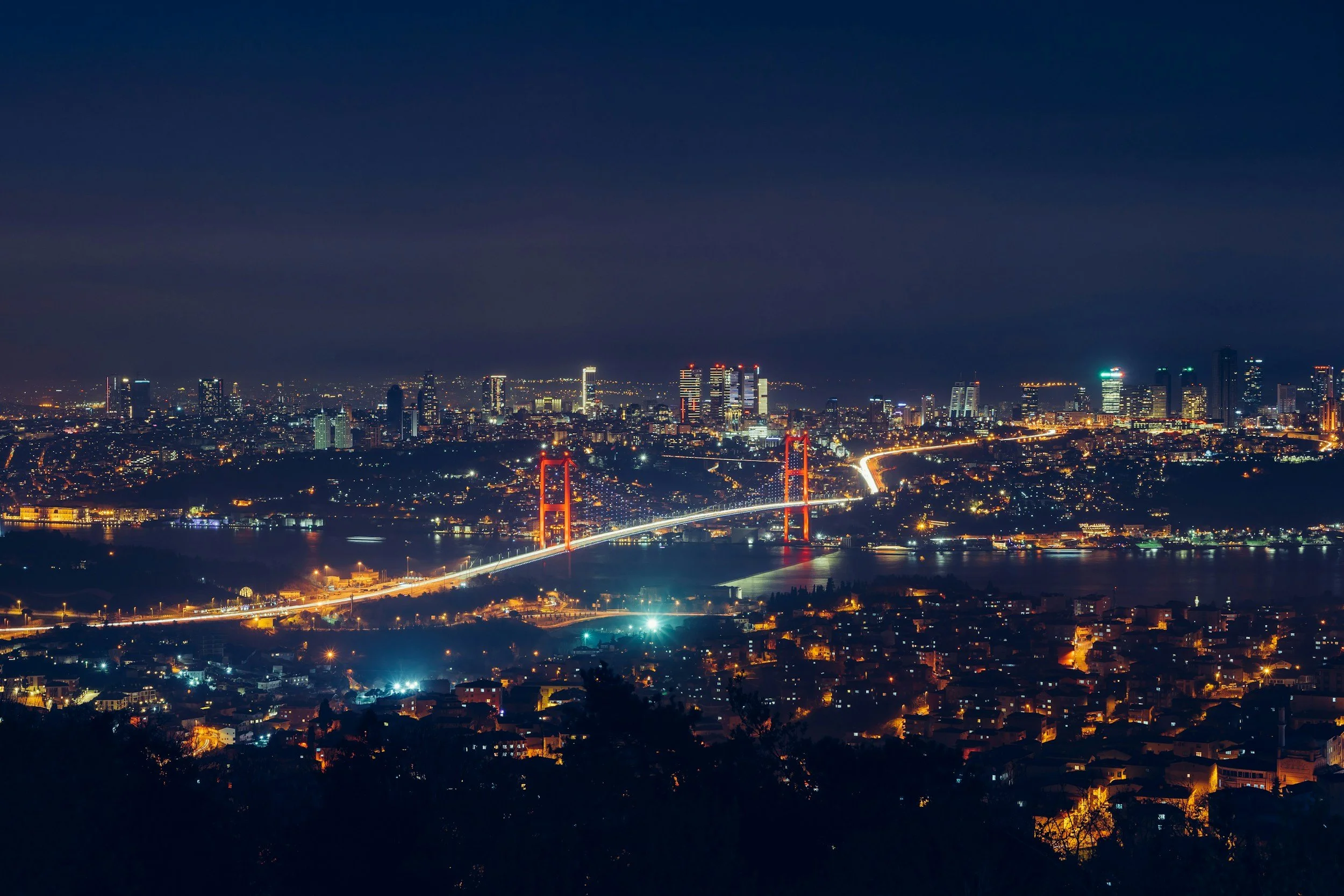
March in Istanbul marks the quiet beginning of tulip season. While April is peak bloom, early flowers begin appearing in parks such as Emirgan and Gülhane, offering a softer preview without the festival crowds.
Temperatures range between 12–17°C — cool but comfortable for exploring mosques, markets and waterfront neighbourhoods. The city feels lived-in rather than touristic, and accommodation rates remain below peak summer levels.
It is also one of the best months to explore Istanbul on foot, before humidity and cruise traffic increase.
What to Do
Stand beneath the vast dome of Hagia Sophia, then cross to the Blue Mosque, where layered tiles and filtered light create a calming interior atmosphere.
Wander through the Grand Bazaar, but also explore smaller neighbourhood markets in areas like Kadıköy for a more local rhythm.
Take a Bosphorus ferry between continents — one of the simplest yet most memorable experiences in the city. The cool March air makes the journey invigorating rather than stifling.
Spend time in Balat or Karaköy, where colourful streets, cafés and historic churches sit quietly away from the main tourist corridor.
Weather in March
Average highs: 13–17°C
Evenings: 6–9°C
Occasional rain showers
Early tulips emerging
Layers and comfortable walking shoes are essential.
Practical Notes
Mid-range hotels typically range from 3,000–6,000 TRY per night (£75–150 / €85–170 / $95–190), offering excellent value relative to Western Europe.
Purchase an Istanbulkart for public transport — trams and ferries are efficient and affordable.
Mosques remain active places of worship; dress modestly and check prayer times before visiting.
Good For
History lovers, architecture enthusiasts, cultural travellers, food explorers, and travellers seeking strong value for a European-adjacent city break.
Rajasthan, India
Why March Is a Great Time to Visit
March is Rajasthan’s sweet spot before desert heat intensifies in April and May. Daytime temperatures typically sit between 25–32°C depending on the city, making palace exploration and fort climbs manageable.
In some years, Holi — the Festival of Colours — falls in March, bringing an extraordinary burst of celebration to cities like Jaipur and Udaipur. Even outside festival days, the region feels vibrant and textured.
Skies are generally clear, and evenings cool enough to enjoy rooftop dinners overlooking illuminated forts.
What to Do
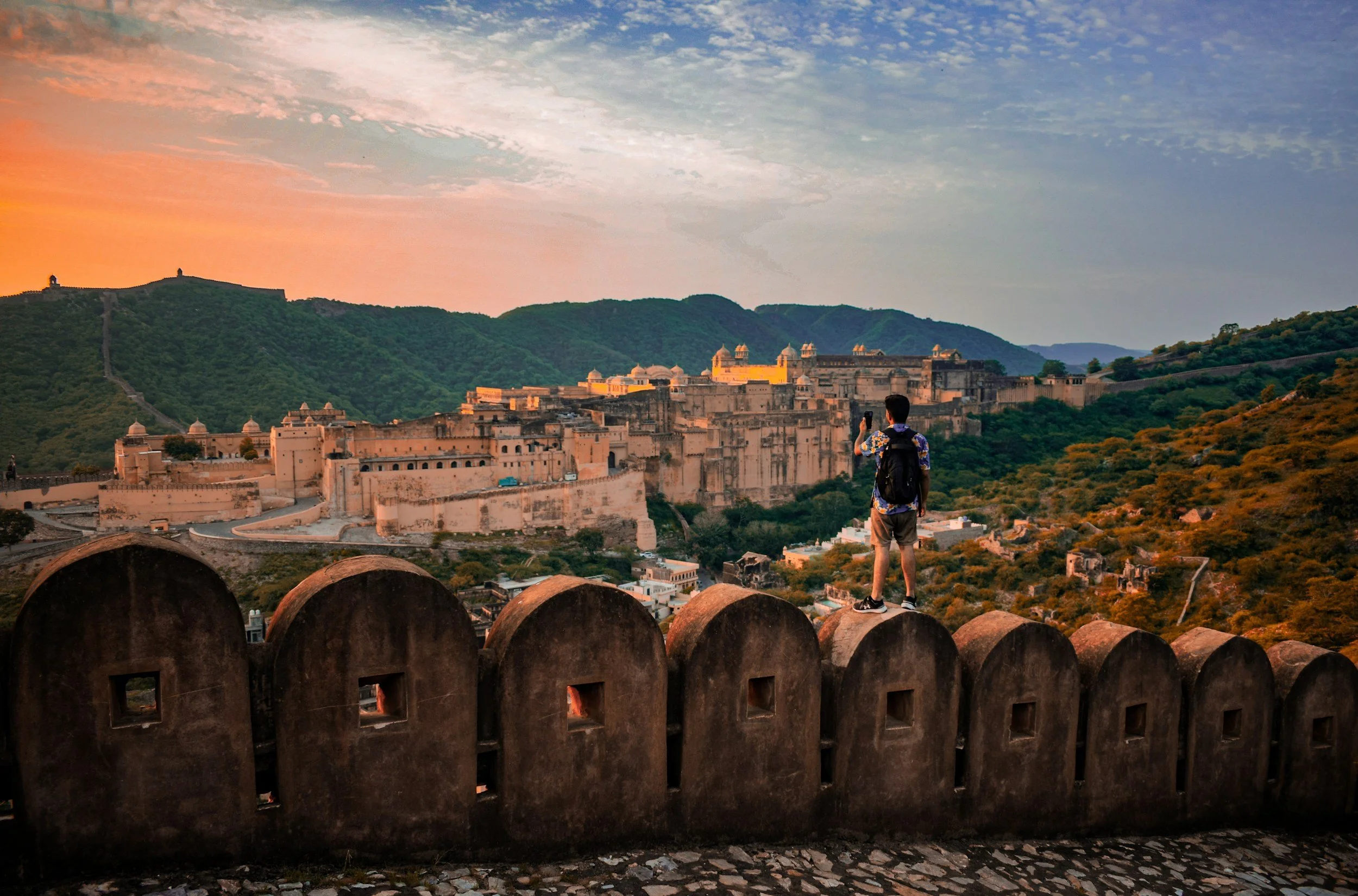
In Jaipur, explore Amber Fort early in the morning before the sun strengthens. Wander through the pink façades of the old city and visit the intricate façade of Hawa Mahal.
In Udaipur, take a boat ride across Lake Pichola at sunset, when palace walls glow gold against the Aravalli hills.
Jodhpur’s Mehrangarh Fort offers sweeping desert views, and March temperatures make climbing its ramps far more comfortable than later in the year.
If visiting during Holi, consider organised cultural celebrations rather than spontaneous street gatherings for a safer and more structured experience.
Weather in March
Average highs: 25–32°C
Evenings: 15–18°C
Dry conditions
Strong sun during midday
Hydration and sun protection are important, especially during fort visits.
Practical Notes
Mid-range heritage hotels range from 4,000–9,000 INR per night (£38–85 / €45–100 / $50–110), offering remarkable architectural character for the price.
Private drivers between cities are common and affordable, and can make multi-city itineraries far smoother than relying on trains alone.
Book ahead if travelling during Holi or near major festival dates.
Good For
Cultural travellers, photographers, history enthusiasts, and travellers seeking architectural grandeur with manageable temperatures.
Quick Comparison: Which March Destination Is Right for You?
March is not a one-style-fits-all month. It is transitional, which means your experience depends entirely on what kind of traveller you are.
If you want guaranteed heat and beach weather, the Maldives delivers the most consistent sunshine and sea conditions. Cape Town offers warmth with variety — beaches, wine regions, mountains — while Marrakech provides dry warmth without tropical humidity.
If you are chasing blossom season and soft spring atmosphere, Kyoto and Washington, D.C. offer some of the most photogenic seasonal displays. Istanbul provides an earlier, quieter taste of tulip season without peak crowds.
For culture layered with manageable temperatures, Seville, Rajasthan, and Oaxaca are excellent. Each combines architecture, food and history without the punishing summer heat.
If you prefer landscapes and space over cities, Namibia and the Azores offer wild scenery and fewer visitors. Namibia leans desert and safari; the Azores lean volcanic and Atlantic.
For hiking conditions before extreme weather sets in, Jordan stands out. March is close to ideal for Petra and Wadi Rum, particularly compared to summer.
In short:
Best for heat: Maldives, Cape Town
Best for blossoms: Kyoto, Washington, D.C.
Best for architecture and history: Seville, Rajasthan, Istanbul
Best for adventure landscapes: Jordan, Namibia, Azores
Best for food-focused travel: Oaxaca, Seville
Planning a Trip in March
March sits just outside peak season in many destinations, but it is not entirely quiet. Easter dates shift each year, and when Easter falls in March or early April, prices in Europe can spike noticeably.
Book accommodation at least six to eight weeks in advance for blossom destinations such as Kyoto and Washington, D.C., where demand concentrates around a narrow bloom window.
Desert and warm-weather destinations offer better availability, but guided experiences — such as Wadi Rum camps or Holi celebrations in Rajasthan — should still be reserved early.
Packing requires flexibility. In Europe and parts of the United States, layering is essential. In desert regions, bring sun protection for the day and warmer layers for evenings. In tropical climates, prioritise breathable fabrics and reef-safe sunscreen.
One of March’s biggest advantages is value. Flights often sit below summer pricing, and midweek travel can significantly reduce hotel costs in city destinations.
“March rewards travellers who pay attention to timing. It is a month of subtle shifts — blossoms beginning to open, desert heat not yet at full intensity, late summer light lingering in the Southern Hemisphere.
It is not about chasing extremes. It is about catching destinations at the right moment, when they feel balanced rather than overwhelmed.
Travel in March feels deliberate. You arrive before the crowds surge or after they have thinned. You experience places as they transition, not as they peak.
If you want warmth without chaos, culture without queues, or landscapes without high-season pressure, March quietly delivers.”