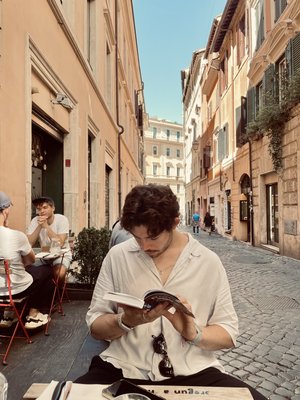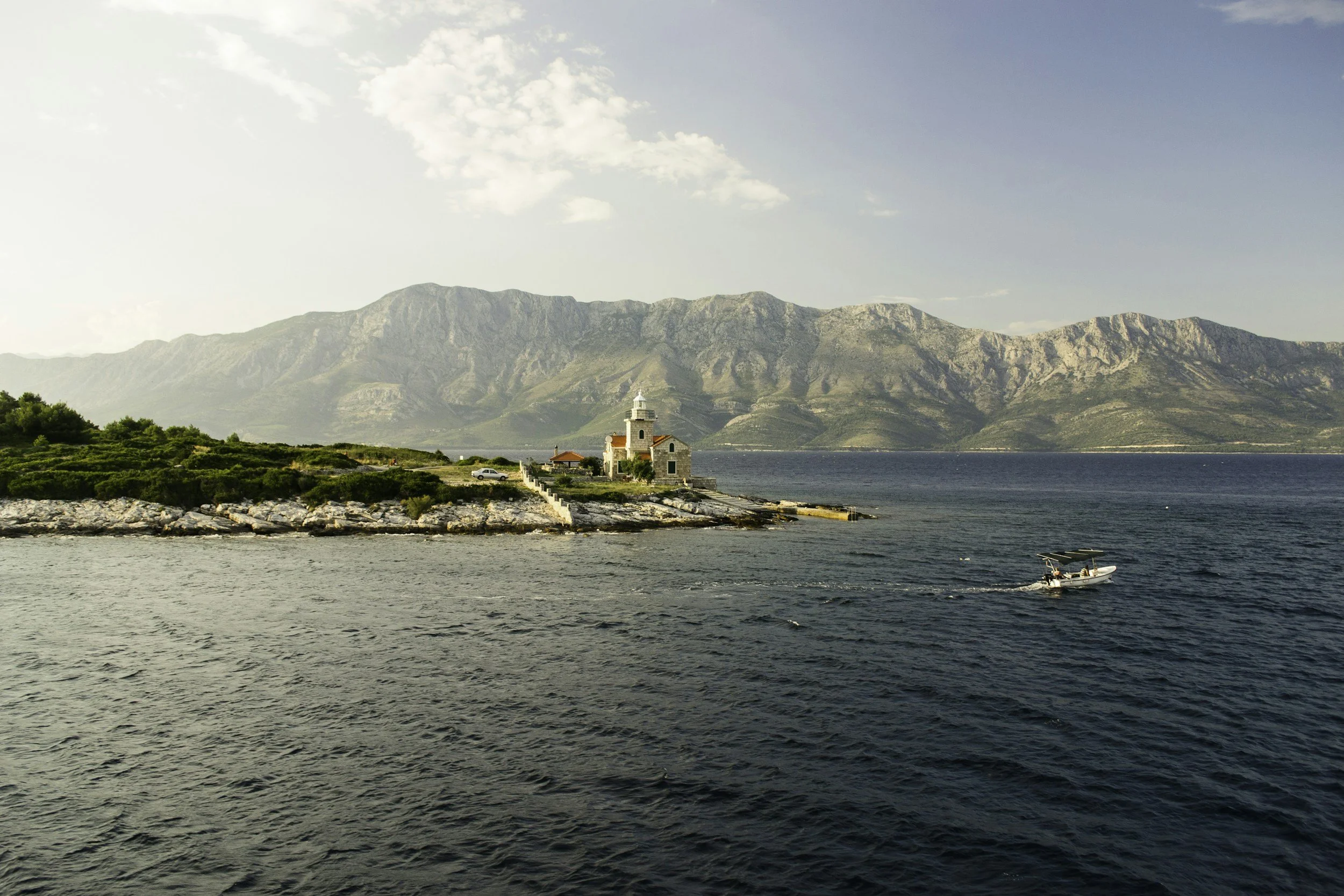
There are places we recognise before we ever arrive.
Cities we feel we already know — not because we’ve been there, but because we’ve seen them, again and again, through other people’s eyes.
The same viewpoints. The same streets. The same light, captured at the same hour, framed in the same way. Over time, travel begins to feel strangely familiar, even before the journey begins.
But beyond what appears on our feeds, there is a much larger world quietly unfolding.
Places where life isn’t designed to be documented. Where culture isn’t packaged into highlights. Where history isn’t announced with signs or queues, but revealed gradually — in the curve of a street, the rhythm of daily routines, the way a city moves once the day settles.
These are the places that don’t trend. The ones that don’t shout for attention. The ones that exist fully, whether anyone is watching or not.
And often, they are the places that stay with us the longest.
Visibility Isn’t the Same as Value
Some places become familiar long before we ever visit them. Not because they’re easy to understand, but because they’re easy to see.
Over time, visibility has quietly become a stand-in for value in travel. The more a destination appears — on screens, in guidebooks, across itineraries — the more important it seems. We begin to associate repetition with significance, and popularity with depth.
But visibility doesn’t always tell the full story.
There are cities with centuries of history that rarely surface in conversation. Neighbourhoods shaped by migration, trade, and tradition that don’t compress neatly into a single image. Places where culture isn’t presented as an attraction, but lived daily — often without any intention of being observed.
These destinations don’t disappear because they lack beauty or meaning. They simply exist outside the structures that decide what gets seen, shared, and remembered.
And when you arrive somewhere like that, the experience feels different. Less curated. Less familiar. You’re not measuring it against a mental checklist or a saved post. You’re paying attention instead.
That shift — from recognition to presence — is often where travel begins to feel real again.
Places That Don’t Perform
Some places don’t know how to perform for an audience — and never needed to.
You feel it when you arrive somewhere like Tbilisi, where history isn’t confined to monuments but scattered through everyday life. Old courtyards double as living rooms. Wine is poured because it always has been. Culture doesn’t pause to explain itself; it carries on, whether you’re there or not.
Or in southern Italy, cities like Lecce, where beauty isn’t framed as a highlight but as part of the daily backdrop. Baroque façades catch the late-afternoon light, locals gather for evening walks, and the rhythm of life feels unchanged by outside attention. Nothing is asking to be photographed — and yet everything feels quietly cinematic.
Then there are places such as Plovdiv, where layers of history sit comfortably side by side. A Roman theatre still used for performances. Ottoman-era streets that lead into modern cafés. It’s not presented as a story to consume, but as a place to move through slowly, noticing details as they reveal themselves.
What connects cities like these isn’t obscurity, but intention — or rather, the absence of it. They haven’t reshaped themselves to be easily understood at a glance. Culture here isn’t edited for clarity or scale. It unfolds gradually, often rewarding those who linger rather than those who arrive with a plan.
Travelling through places like this requires a different posture. Less comparison. Fewer reference points. More listening.
And in that space — where nothing is trying to impress you — travel begins to feel less like observation, and more like participation.
When Travel Becomes More Personal
There’s a subtle shift that happens when you travel somewhere without a mental reference point.
Without familiar images to compare against, you stop evaluating a place against expectations. You’re not asking whether it lives up to anything. You’re simply paying attention — to how mornings feel, to how people move through their day, to how long it takes before a place starts to feel legible.
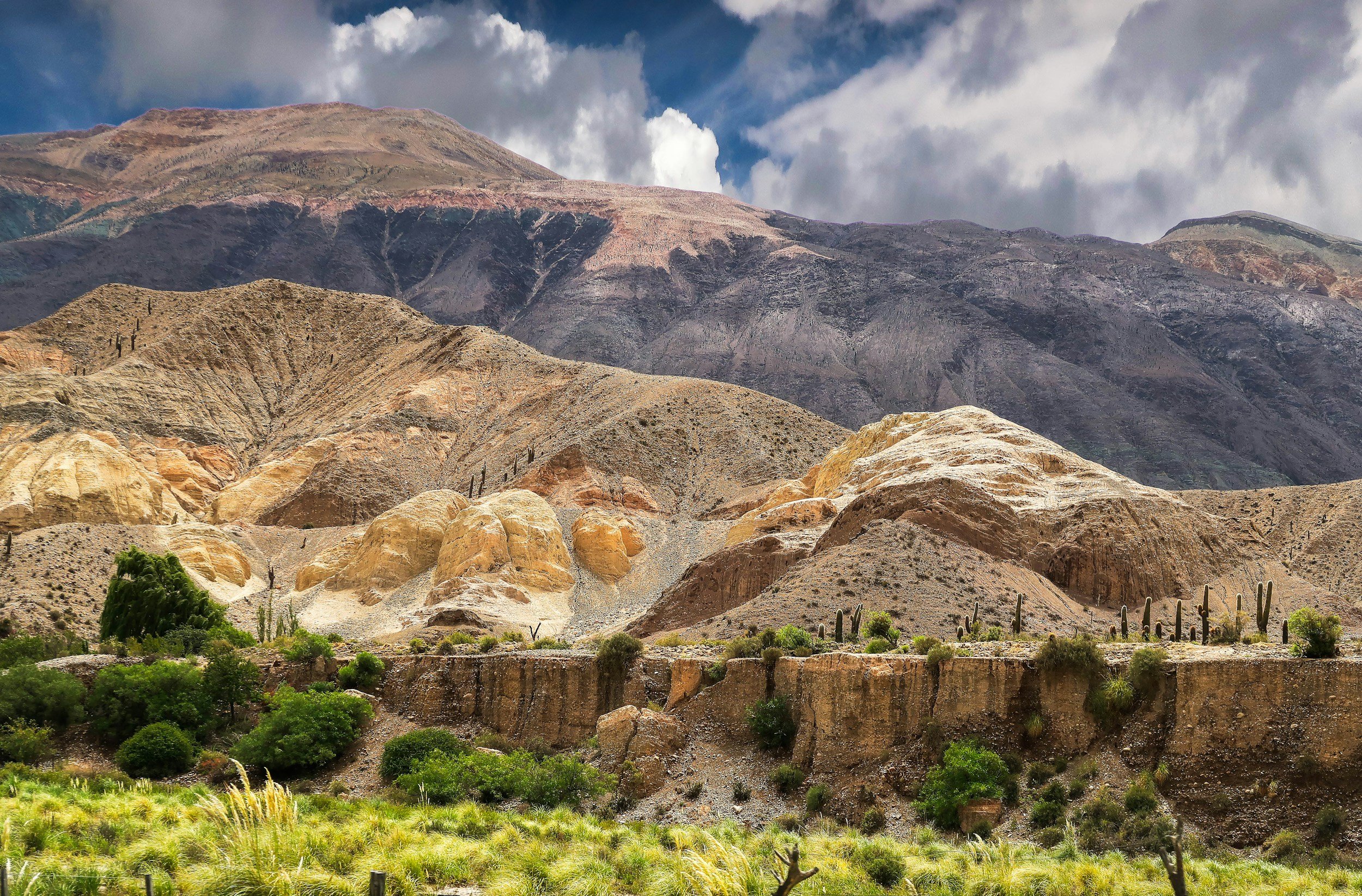
In cities like Salta, this slowness feels built into the experience. Life revolves around shaded plazas and local routines rather than sights to be consumed. You don’t arrive with a checklist, so small moments carry more weight — a conversation overheard on a bench, the cadence of music drifting from a nearby street, the way the landscape quietly shapes daily life.
The same is true in places like Ohrid, where history stretches back millennia but rarely announces itself. Churches appear unexpectedly. Lake life unfolds at its own pace. Time feels generous here, unhurried, and you begin to adjust to it without noticing.
In destinations like these, travel becomes less about movement and more about presence. You linger because there’s nowhere in particular you’re meant to be next. You learn by watching. You navigate by instinct rather than directions.
And slowly, almost without trying, the experience becomes personal.
Not because the place adapts to you — but because you adapt to it.
Memory Over Imagery
The places that stay with us longest are rarely the ones we photographed the most.
They’re the ones that slip into memory quietly — without a single defining moment, without a landmark that demanded attention. Instead, they’re remembered through fragments: the way the air felt in the early evening, the sound of cutlery from nearby tables, the comfort of recognising a street without needing a map.
In towns like Luang Prabang, memory isn’t anchored to spectacle. It forms slowly, through repetition. Morning alms along quiet streets. Riverbanks at sunset. Cafés opening their doors at the same time each day. None of it feels urgent, and none of it feels designed to be captured.
Because there’s no pressure to document, you notice more. You remember how it felt to be there, rather than how it looked on a screen.
These are the moments that resist translation into images. They don’t compress neatly into a frame or a caption. And because of that, they tend to live longer — not in camera rolls, but in the background of your mind.
Long after the trip ends, they resurface unexpectedly. A smell. A sound. A particular quality of light.
And that’s often how you know a place mattered.
Widening the Map
Choosing places like these isn’t about rejecting the well-known or distancing yourself from the familiar. It’s about expanding what we consider possible when we travel.
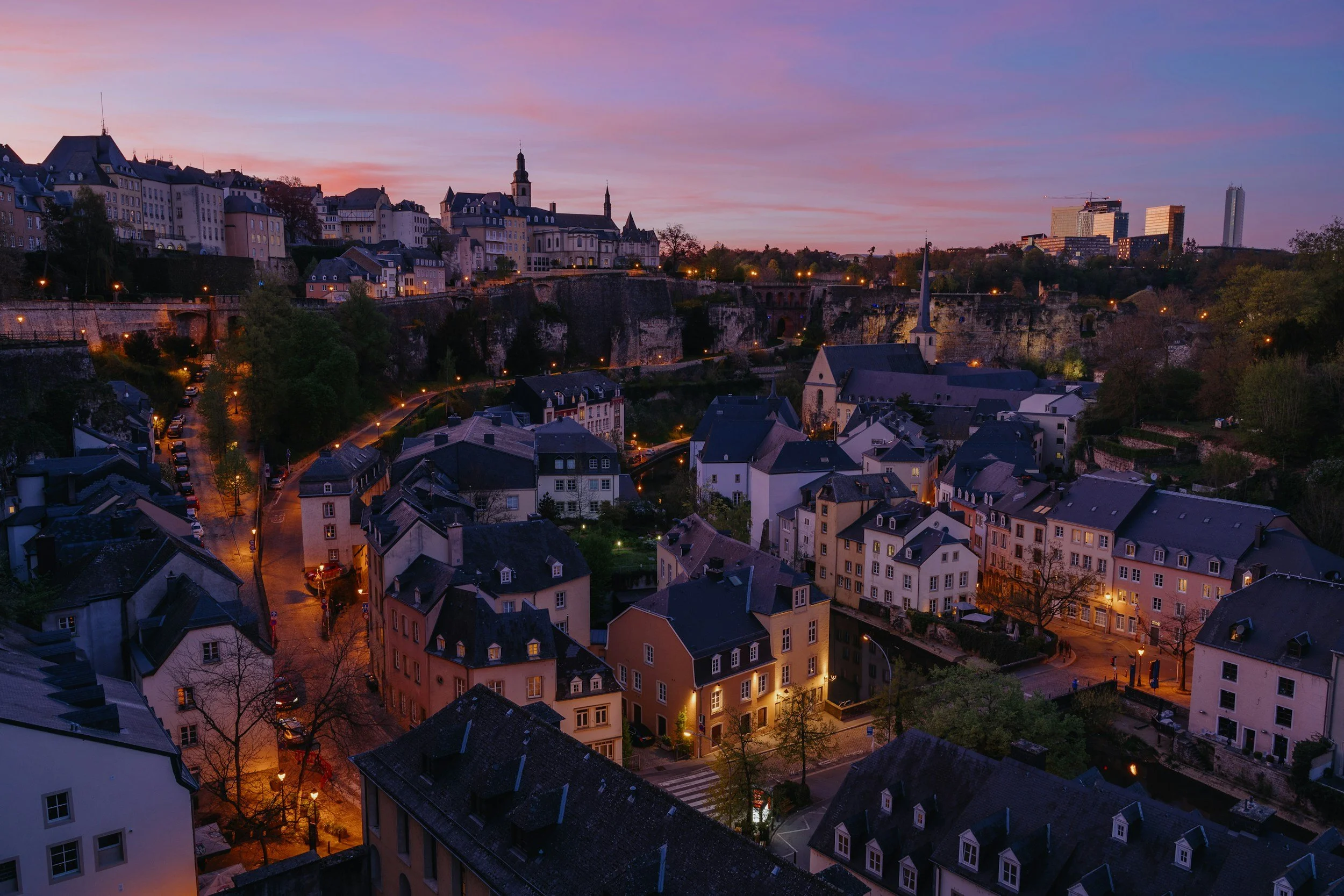
The world hasn’t grown smaller — our reference points have. Over time, our mental maps narrow, shaped by repetition and recognition, until entire regions begin to feel invisible simply because they don’t surface often enough. But when you step beyond that frame, the map opens again.
You start to notice how many cities exist quietly alongside the obvious ones. Places like Gjirokastër, where stone houses climb a hillside and history feels intimate rather than monumental. Or Aguascalientes, where daily life unfolds without an audience, yet culture runs deep — in markets, festivals, and routines shaped over generations.
These places don’t replace the famous destinations. They sit alongside them, offering different ways of experiencing the world. Less condensed. Less mediated. Often more human.
Widening the map doesn’t require a dramatic shift in how we travel. Just a willingness to look slightly beyond what’s already been highlighted — and to trust that meaning isn’t limited to the places we already recognise.
“There will always be places that rise to the surface. Cities that photograph beautifully, that translate easily, that fit neatly into the way we share travel today. They have their place — and their pull.
But beyond them, the world continues quietly.
It lives in cities without a headline attraction. In streets that don’t announce themselves. In places where history isn’t labelled and culture isn’t framed for explanation, but carried forward through habit, language, and everyday life.
These places don’t ask to be seen in a certain way. They don’t promise transformation or perfection. What they offer instead is something slower, more subtle — the chance to arrive without expectations, to notice without comparison, to experience a place on its own terms.
And perhaps that’s why they matter.
Because some of the most meaningful moments in travel aren’t the ones we share, save, or return to online. They’re the ones that settle quietly into memory, resurfacing long after the journey ends — reminders that the world is far larger, deeper, and more varied than what appears on our screens.
Sometimes, all it takes is looking slightly beyond the feed to remember that.”