There’s a quiet assumption woven into modern travel culture: the further you go, the more it counts.
We celebrate long-haul routes like trophies. We measure trips in time zones crossed, continents ticked off, hours endured in transit. The language around travel leans heavily on distance — far-flung, remote, once-in-a-lifetime. Somewhere along the way, mileage became a proxy for meaning.
But distance has never guaranteed depth.
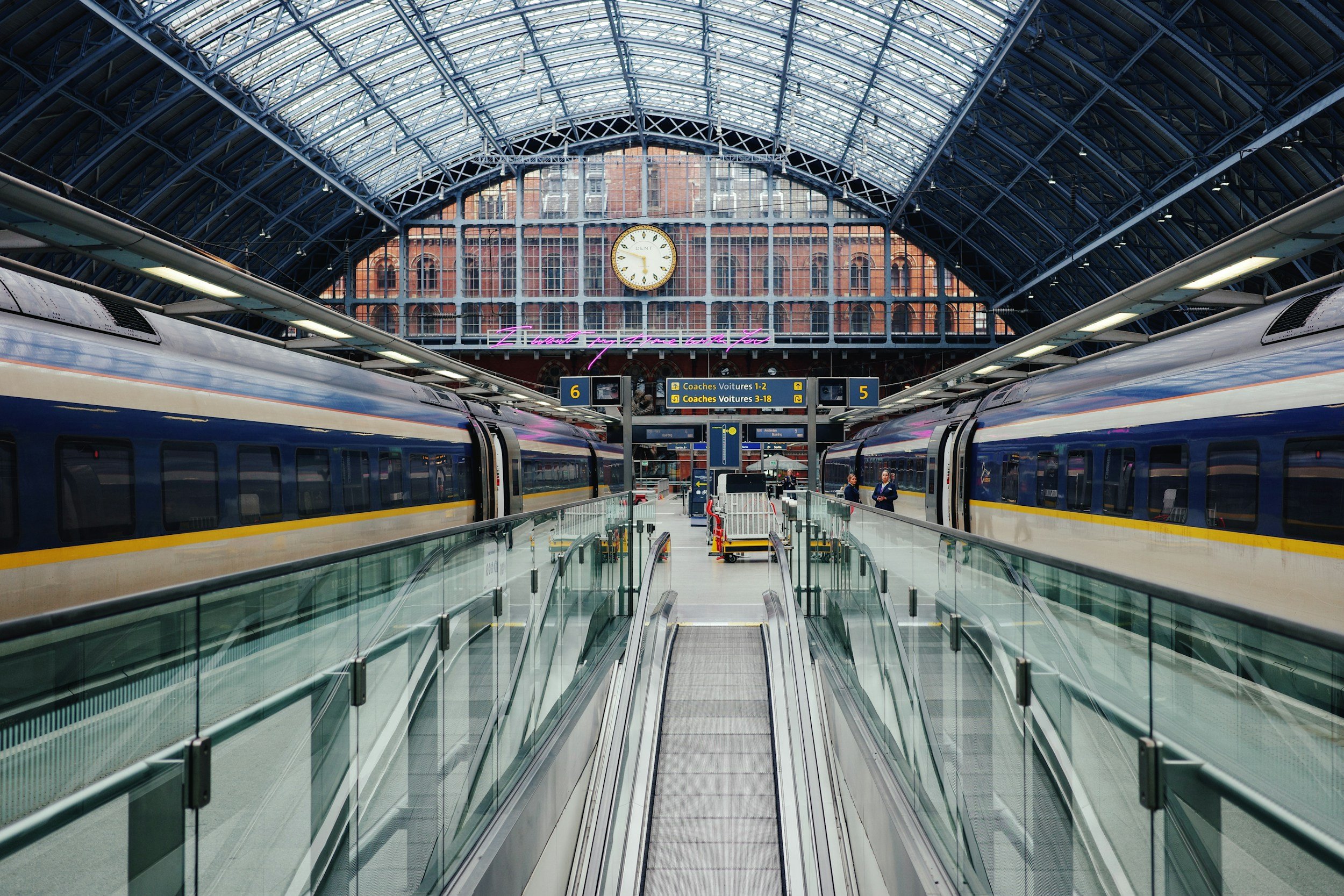
Some of the most transformative journeys don’t begin with a twelve-hour flight. They begin with curiosity — sometimes just a train ride away from home.
We’ve been taught to romanticise the dramatic. Snow-capped peaks on the other side of the world. Islands so remote they feel mythological. Cities whose names sound like stories in themselves. And there is magic in those places — absolutely. The world is vast and extraordinary.
But depth isn’t built by geography alone. It’s built by attention.
You can travel halfway across the planet and skim the surface of a place. You can stay two hours from home and uncover layers you never knew existed.
Going deep has less to do with how far you’ve travelled, and more to do with how closely you’re looking.
The Romance of “Elsewhere”
There’s something quietly magnetic about the idea of elsewhere. It suggests contrast, movement, reinvention — the sense that life might feel more vivid the further we travel from what’s familiar. From an early age, we’re taught to associate distance with discovery. Maps stretch across oceans. Guidebooks spotlight far horizons. Flights crossing continents are framed as milestones. The further a place feels from home, the more meaningful we assume the journey will be.
Part of that instinct makes sense. The unfamiliar sharpens our awareness. When you land somewhere new and everything feels slightly out of rhythm — the language, the pace, the way people order coffee or greet one another — you pay attention. You notice the small things because you have to. Distance can create that alertness.
But over time, we’ve started to confuse unfamiliarity with geography. We’ve begun to believe that meaningful difference only exists on the far side of a long-haul flight.
Travel marketing leans heavily into this. Destinations are described as “a world away,” as though physical separation alone guarantees depth. Social feeds amplify it — endless coastlines, remote cabins, mountain passes above the clouds. The algorithm rewards scale and contrast. Spectacle travels further than subtlety. In that environment, proximity feels ordinary, and ordinary feels easy to overlook.
Yet complexity doesn’t begin at a certain longitude.
It exists in the details of places we think we already understand. In the northern seaside town that empties out in winter, when the wind cuts sharper and the cafés fill with locals instead of visitors. In the regional train route that threads through farmland and industrial estates, revealing a different rhythm of life just an hour from the capital. In the neighbourhood market you’ve walked past for years without stopping to notice who actually shops there, and why.
Elsewhere isn’t always remote. Sometimes it’s simply unfamiliar because we’ve never given it our full attention.
The romance of distance will always be powerful — and it should be. The world is wide, and there’s beauty in travelling far. But when we treat mileage as a measure of meaning, we risk overlooking the depth already within reach. Wonder doesn’t live exclusively in dramatic landscapes or distant time zones. Often, it’s waiting much closer, in places that reveal themselves slowly to anyone willing to look properly.
What Going Deep Actually Looks Like
If distance isn’t what defines a meaningful journey, then depth must be something else entirely. It has less to do with geography and far more to do with attention — the shift from movement to presence, from ticking off landmarks to understanding context, from asking what you should see to wondering how life actually unfolds in the place you’re standing.
Going deep is rarely cinematic. It doesn’t usually arrive with dramatic music or sweeping viewpoints. More often, it builds quietly through repetition and observation. It’s returning to the same café on a second morning and beginning to recognise the rhythm of it — who lingers with a newspaper, who orders quickly before work, who greets the owner by name. It’s noticing that a city feels different on a Sunday afternoon than it does on a Friday evening, that its energy softens or sharpens depending on the hour. It’s understanding why one neighbourhood feels newly polished while another still carries traces of industry, and taking the time to learn what shaped that contrast.
Depth comes from seeing layers rather than surfaces. The industry that once sustained a town. The migration that reshaped its food scene. The redevelopment that altered its skyline. The quiet pride locals carry that doesn’t appear in glossy brochures but reveals itself in conversation. These aren’t things you absorb in a rush. They reveal themselves gradually, often in the in-between moments — walking rather than driving, lingering rather than scheduling, listening rather than narrating.
When we chase distance, there’s often an invisible pressure attached to it — the need to maximise, to optimise, to justify the journey. The longer the flight, the tighter the itinerary tends to become. But when a place is closer to home, it carries less expectation. There’s more room to move slowly, to wander without urgency, to spend an hour in a market rather than ten minutes. The absence of spectacle can create space for curiosity, and in that space, details begin to matter more.
Going deep is ultimately about allowing a place to unfold at its own pace rather than forcing it into ours. It’s asking small, open-ended questions — why this dish is typical here, why the houses are built this way, why this town feels quieter than the one thirty miles down the road — and staying long enough to hear the answers. You can travel halfway across the world and remain on the surface of a place, skimming its highlights without understanding its texture. Equally, you can spend a weekend two hours from home and leave with a genuine sense of how people live, work and gather there. Depth is not granted by distance; it’s cultivated through attention, patience and a willingness to look beyond what’s obvious.
Rediscovering What’s Close
There’s something quietly powerful about travelling within reach. When a destination doesn’t require months of planning or a long-haul flight, it arrives without the weight of expectation. It doesn’t need to be extraordinary. It simply needs to be observed.
Regional cities often sit in the shadow of capitals, dismissed as stepping stones rather than destinations in their own right. Coastal towns are judged by how they perform in summer, overlooked once the holiday crowds thin out. Market towns are driven through rather than explored. Yet these places hold layered identities that rarely make it onto trending lists — industrial histories that shaped communities for generations, migration patterns that influenced local food, architectural shifts that reveal economic highs and lows. Their stories are not always loud, but they are present for anyone willing to pay attention.
Travelling closer to home removes the pressure to curate an experience. There’s no urgency to justify the cost of a flight or the rarity of the opportunity. Instead, there’s room to wander without agenda — to follow a side street simply because it looks interesting, to sit longer in a café because the conversation next to you hints at local life, to visit a museum you didn’t research beforehand. The absence of spectacle can sharpen perception, because you are no longer chasing highlights; you are absorbing atmosphere.
There’s also a different kind of continuity available when a place is within reach. You can return in another season and see how the light changes across the same streets. You can watch new businesses open, old ones close, neighbourhoods shift subtly over time. Familiarity doesn’t flatten a place; it deepens it. Each visit adds context to the last, building a layered understanding that’s difficult to achieve when a destination exists as a single, isolated trip.
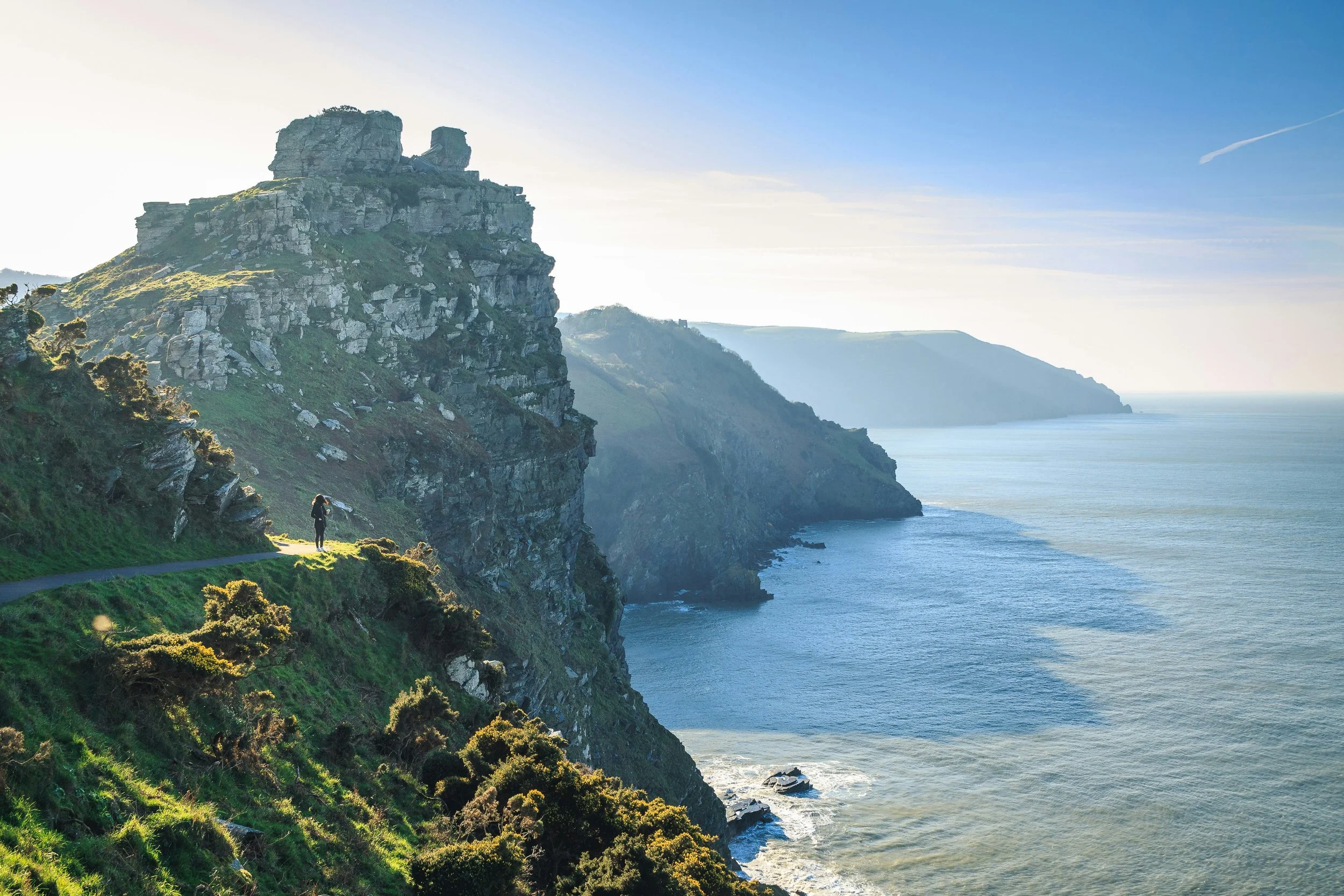
When we stop equating meaning with distance, we begin to see how much richness sits just beyond our usual routines. The train line you’ve never taken. The town you’ve only ever seen from a motorway exit. The stretch of coastline that looks different once the summer crowds disappear. Proximity does not diminish a place’s depth; it simply demands that we approach it with curiosity rather than assumption.
Connection Over Consumption
When distance becomes the goal, travel can quietly slip into performance. There’s an urgency to see what you came for, to stand where others have stood, to capture what you’ve already imagined. Landmarks become checkpoints, neighbourhoods become backdrops, and experiences are often filtered through the question of whether they were “worth the trip.” In that mindset, places can start to feel like products — something to consume efficiently before moving on.
Depth asks something different of us. It asks for connection rather than completion.
Connection happens when you begin to understand how a place functions beyond its highlights. When you notice where locals actually gather once the sightseeing buses leave. When you realise that the most interesting street in town isn’t the prettiest one, but the one where daily life feels unfiltered. It might be the small grocer that has served the same families for decades, the independent cinema still operating in a converted hall, or the unassuming café that fills with regulars every morning without ever appearing on a “must-visit” list.
This shift from consumption to connection changes the pace of travel. Instead of moving through a place as an observer collecting moments, you begin to engage with it more deliberately. You ask questions not because they make good stories later, but because you genuinely want to understand how people live there. You notice how conversations unfold, how communities organise themselves, how public spaces are used. The focus moves from what you can take away to what you can learn.
Travelling closer to home can encourage this mindset because the stakes feel lower. There is less pressure to extract maximum value from a short window of time. Without the narrative of a once-in-a-lifetime trip, you’re free to be curious rather than efficient. You can spend an afternoon wandering without a clear objective and still feel that it was time well spent. In doing so, you often discover that meaning lives in the ordinary — in routines, in repetition, in the quiet choreography of everyday life.
Connection is slower than consumption, but it lingers longer. It leaves you with context rather than just images, with understanding rather than just memories. And that kind of depth does not depend on crossing continents. It depends on how willing you are to step beyond the surface, wherever you happen to be.
Letting Go of the Performance of Distance
There is a subtle performance woven into modern travel. Not always intentional, not always conscious, but present nonetheless. We talk about trips in terms of how far we went, how many places we fit in, how ambitious the route looked on a map. Distance becomes shorthand for significance. The further the destination, the more impressive the journey seems to sound when retold.
Over time, it’s easy to internalise that metric. To feel that a trip must justify itself through scale. That it must be bold enough, different enough, far enough to feel meaningful. The result is that travel can begin to feel evaluative — measured against other people’s itineraries, other people’s passport stamps, other people’s idea of what counts.
Letting go of that framework is quietly liberating.
When distance stops being the benchmark, choice becomes more personal. You begin to select places because they intrigue you, not because they elevate your travel résumé. A small city two hours away can be just as compelling as a capital on another continent if it sparks curiosity. A weekend exploring a nearby coastline can feel as expansive as a long-haul adventure when you approach it with intention.
Releasing the need for scale also softens the pace. There’s no urgency to compress everything into a limited window. No pressure to document every highlight. Without the narrative of “this has to be extraordinary,” travel can return to something simpler — exploration without audience, movement without comparison.
In that space, proximity stops feeling like compromise. It becomes opportunity. You can revisit places without feeling repetitive. You can deepen familiarity rather than constantly starting from zero. You can watch a neighbourhood evolve over years instead of encountering it once and moving on. The relationship shifts from fleeting encounter to ongoing conversation.
Letting go of the performance of distance doesn’t diminish ambition; it reframes it. Ambition no longer sits in how far you travel, but in how deeply you engage. It lives in the willingness to notice, to return, to understand complexity rather than chase contrast. And that kind of ambition is not limited by geography — it’s shaped by mindset.
Going Deep Is a Practice
If distance isn’t the defining factor, and spectacle isn’t the goal, then depth becomes something more intentional. It isn’t something a destination hands to you automatically; it’s something you cultivate.
Going deep is a practice of attention. It’s choosing to walk rather than rush, to observe rather than immediately interpret. It’s allowing a place to exist on its own terms instead of forcing it to fit the story you imagined before arriving. This mindset doesn’t require a dramatic change in scenery. It requires a subtle shift in how you move through space.
Practising depth might mean returning to the same street at different times of day to see how it transforms. It might mean taking the slower train route because it reveals more of the landscape. It might mean spending time in neighbourhoods that aren’t polished for visitors, not out of novelty, but out of genuine interest in how people live. It’s about asking small questions and being patient enough to sit with the answers.
The skill lies in resisting the urge to constantly move on. Modern travel culture encourages momentum — more cities, more countries, more highlights. Depth asks for stillness. It asks you to remain long enough for the surface to fade and the texture to emerge. Often, that texture is found in ordinary moments: conversations overheard in a local shop, community noticeboards layered with flyers, the subtle shift in dialect from one town to the next.
What’s striking is that this kind of awareness is not geographically exclusive. You can practise it in your own city as easily as in a distant capital. You can apply it on a day trip just as meaningfully as on a month-long journey. The geography changes, but the discipline remains the same. Attention, patience and curiosity are portable.
Once you begin to see depth as a practice rather than a product of distance, travel feels less like something you accumulate and more like something you refine. The map becomes less important than the mindset you carry with you. And in that shift, you realise that going deep has never depended on how far you’ve travelled — only on how fully you arrive.
“We will probably always be drawn to distant horizons. There’s something instinctive about wanting to see what lies beyond the edge of our familiarity, to step into landscapes that look nothing like home and hear languages we don’t yet understand. The world is wide, and part of its beauty lies in its vastness. Travelling far will always hold its own kind of magic.
But meaning has never been reserved for the far side of the map.
When we loosen our grip on distance as a measure of depth, something shifts. We begin to notice that richness exists in layers rather than in scale. That a place doesn’t need to feel wildly foreign to reveal something new. That curiosity can turn the familiar into discovery if we allow it.
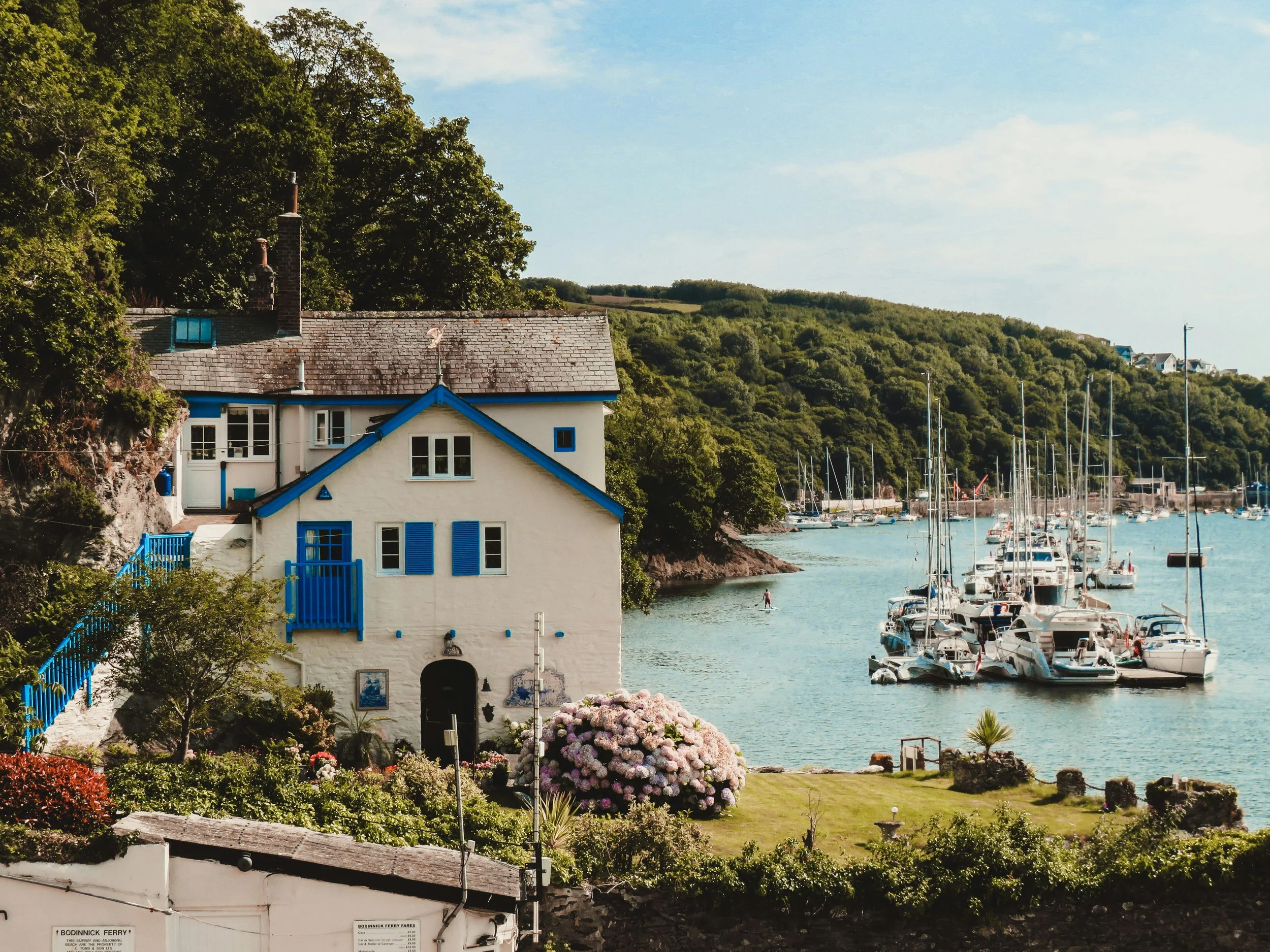
The regional city we once overlooked starts to feel complex. The coastal town outside peak season reveals a quieter identity. The short train journey becomes a corridor into a different rhythm of life. What changes is not the geography, but the attention we bring to it.
Depth is not a function of miles travelled. It is built through presence, through patience, through the willingness to remain long enough for nuance to surface. It grows when we choose understanding over optimisation, connection over completion, repetition over constant novelty.
You don’t need to cross continents to experience that shift. Sometimes, the most meaningful journeys begin with the decision to look more closely at what’s already within reach.
Going far can expand your map.
Going deep expands your perspective.”