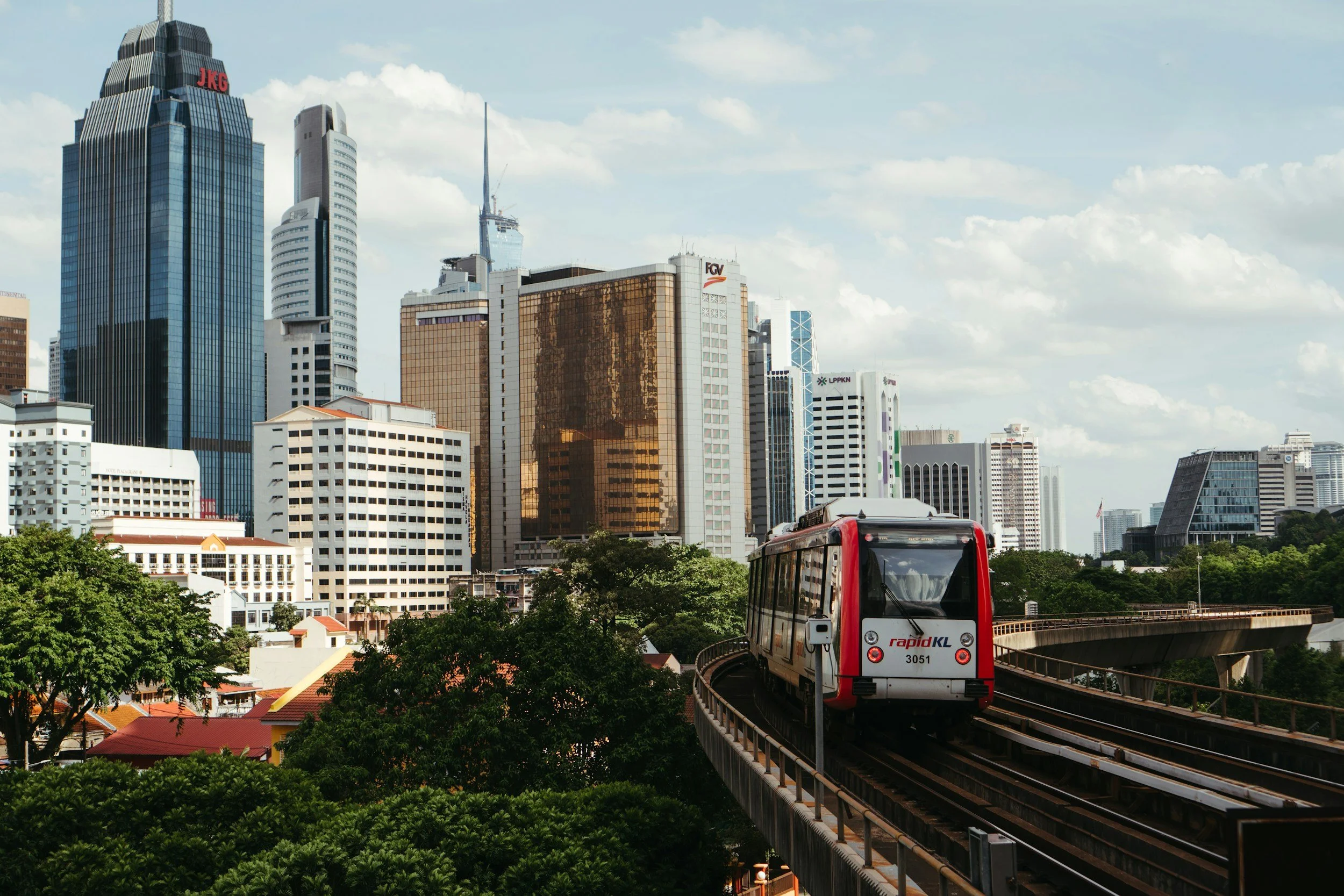
Kuala Lumpur makes more sense once you start eating. A morning might begin with kaya toast and strong coffee in a Hainanese kopitiam. Lunch could mean rice and curries spread across a banana leaf. By evening, you might be choosing sambal and fried chicken beside a tray of nasi lemak, walking between smoky grills at a night market, or sitting down to a tasting menu built around native Malaysian ingredients.
That variety is the point. Kuala Lumpur doesn’t have one food culture so much as several traditions that have grown alongside, borrowed from and influenced one another. Malay cooking, Chinese Malaysian food, Indian Malaysian traditions, Mamak restaurants, kopitiams and contemporary Malaysian kitchens all form part of the same city.
For a first visit, don’t spend the whole trip chasing whichever restaurants appear most often on “best of” lists. Eat across those different layers instead. You’ll understand far more about Kuala Lumpur in the process.
Quick answer: how to eat well in Kuala Lumpur
-
Yut Kee Restaurant for Hainanese kopitiam culture, or Ho Kow if you’re already exploring Chinatown
-
Mansion Tea Stall Al-Amna Restaurant for roti canai and teh tarik
-
Restoran Nasi Kandar Pelita - KLCC for nasi kandar, roti and late-night eating
-
ICC Pudu
-
Lai Foong Lala Noodles, Kuala Lumpur plus the stalls and old restaurants around Petaling Street
-
Sri Nirwana Maju for banana leaf rice
-
Bijan Bar & Restaurant
-
Jalan Alor Food Street, accepting that it is busy and visitor-heavy
-
Dewakan Restaurant or Beta KL
-
Kopitiam breakfast, banana leaf lunch, Chinatown snack, nasi lemak dinner, then finish at a Mamak
The important distinction is that none of these experiences replaces the others. A plate of banana leaf rice tells you something different about Kuala Lumpur from a bowl of Chinese Malaysian noodles, and both tell you something different again from sitting outside a Mamak restaurant over roti canai and teh tarik.
How Kuala Lumpur’s food culture works
Kuala Lumpur’s food is inseparable from the communities that shaped the city.
Malay cooking brings coconut-rich rice, sambal, grilled meats, rendang, herbs and dishes built around rice and shared accompaniments. Chinese Malaysian traditions span Hainanese coffee shops, Cantonese noodles, claypot dishes, Hokkien-style cooking and countless hawker stalls. Indian Malaysian cooking includes South Indian banana leaf meals, dosai, idli, curries and breads.
Then there is Mamak culture. In Malaysia, Mamak food refers to the cooking of the Indian Muslim community. Tourism Malaysia describes Mamak cuisine as Indian Muslim in origin, with dishes including murtabak, nasi kandar, fried noodles and teh tarik. Its restaurants also function as everyday social spaces, used for breakfast, late-night meals, football and long conversations that require suspiciously little encouragement to continue.
Kopitiams form another layer. These traditional coffee shops are closely associated with Malaysian Chinese and particularly Hainanese food culture, where coffee, toast, eggs and localised versions of Western dishes sit comfortably on the same menu. Kuala Lumpur’s older core, especially Chinatown, still contains several of the city’s most recognisable examples.
What matters is that these traditions aren’t sealed off from one another. Ingredients, techniques and eating habits have moved between communities for generations. That overlap is one reason Kuala Lumpur is more rewarding when you treat eating as part of understanding the city rather than simply finding dinner.
What food should you try in Kuala Lumpur?
You could build an absurdly long Malaysian dish checklist. For a short trip, these are the ones that give you the clearest introduction.
Nasi lemak
Nasi lemak starts with rice cooked in coconut milk and pandan, usually served with sambal, peanuts, cucumber, egg and ikan bilis, with fried chicken, rendang or other lauk added depending on where you eat it.
It works at almost any time of day, although breakfast is particularly natural. The contrast is the reason to order it: fragrant rice, chilli, salt, crunch and sweetness all landing on the same plate.
For a straightforward city experience, Nasi Lemak Wanjo in Kampung Baru remains a useful stop. It operates cafeteria-style, so choose the nasi lemak base and add fried chicken, rendang or whichever sides look best that day. Recent information confirms it continues to trade from its long-standing Jalan Raja Muda Musa location.
Roti canai and teh tarik
If you try one Mamak breakfast, make it roti canai with dhal or curry and a glass of teh tarik.
The roti should combine a crisp, browned exterior with softer, layered dough inside. Teh tarik, literally “pulled tea”, is black tea mixed with milk and repeatedly poured between containers to aerate and cool it. Tourism Malaysia identifies both as everyday Malaysian staples closely connected with Mamak eating.
Eat them together for breakfast, supper or the point somewhere after midnight when sensible planning has clearly ended.
Banana leaf rice
A banana leaf meal usually begins with rice, vegetable preparations, curry, pickles and papadum, then expands depending on whether you add chicken, fish, mutton or other dishes.
The experience comes from eating the components together rather than treating each curry separately. South Indian culinary traditions underpin the format, but banana leaf rice has become deeply embedded in Malaysian eating. Tourism Malaysia specifically highlights banana leaf meals as part of the country’s Indian food tradition.
Go hungry. This is not the section of the trip for a polite snack.
Kuala Lumpur-style Hokkien mee
KL-style Hokkien mee is thick yellow noodles wok-fried with dark soy sauce, producing a glossy, savoury plate quite different from similarly named noodle dishes elsewhere in Malaysia.
Pork and lard are common in traditional versions, so this isn’t ordinarily a halal dish. Chinatown is the obvious area to try it.
Curry laksa
Curry laksa combines noodles with a coconut-rich, spiced broth, often with tofu puffs and various meat or seafood additions.
The best versions lean into contrast: rich broth, chilli, noodles, fresh herbs and ingredients that absorb the curry around them.
For a short KL trip, I’d prioritise curry laksa over making assam laksa a target. Assam laksa is worth knowing, but it belongs more naturally at the centre of a Penang food itinerary.
Nasi kandar
Nasi kandar comes from the Indian Muslim food tradition and centres on rice accompanied by curries, vegetables, chicken, beef, fish or seafood, often with several gravies spooned across the plate.
The name refers historically to rice carried in containers suspended from a shoulder yoke, or kandar. Pelita’s own history traces the dish to Indian Muslim vendors selling meals this way in colonial Malaysia.
The move is simple: choose your rice and protein, then let the curries mingle. Trying to keep everything in perfectly separate compartments rather misses the point.
Bak kut teh
Bak kut teh is a Chinese Malaysian pork-and-herb soup served with rice, vegetables and accompaniments. It is more closely associated with Klang, west of central Kuala Lumpur, but you don’t need to make a separate excursion just to understand the dish.
Sun Fong Bak Kut Teh has been serving it around Imbi since 1971 and remains a convenient central option. Its current official site confirms the restaurant is still operating on Jalan Medan Imbi.
Kaya toast, eggs and kopi
This is the breakfast combination that makes a kopitiam immediately intelligible.
Kaya is a sweet coconut-and-egg spread, usually layered with butter between toast. Pair it with soft-boiled eggs seasoned at the table and kopi or tea.
It is simple food, but culturally it is one of the most useful meals you can have in Kuala Lumpur because it puts you directly into the rhythm of the city’s coffee-shop culture.
Cendol
Cendol combines shaved ice, coconut milk, palm sugar and green rice-flour jelly, with variations adding beans or other ingredients.
It works particularly well after hawker food or an afternoon walking through Chinatown. You’ll find plenty of versions without needing to build an itinerary around one famous stall.
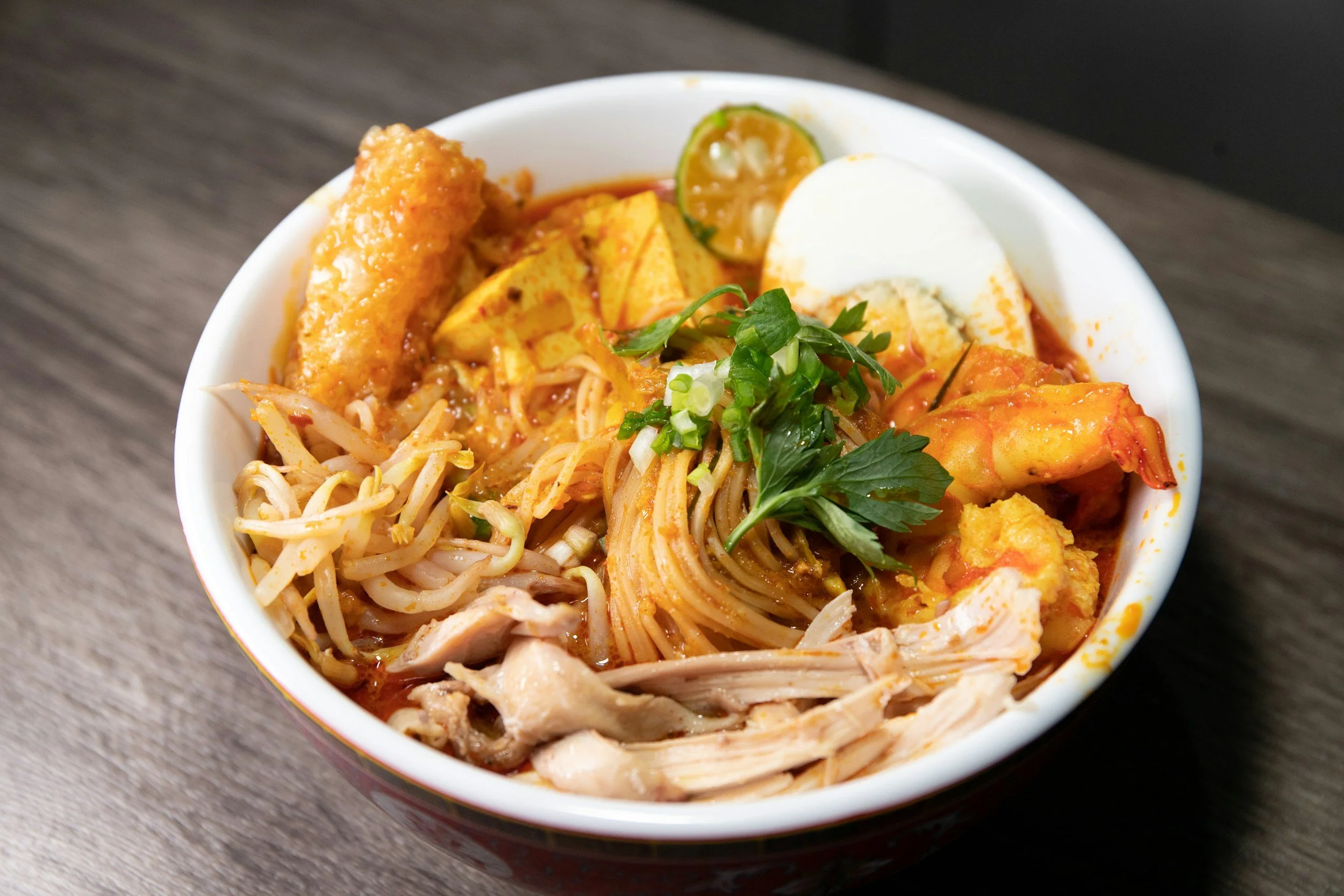
LAKSA ISN’T ONE DISH
Laksa changes dramatically depending on where you eat it. In Kuala Lumpur, you’ll commonly find curry laksa, also known as curry mee, with noodles in a rich coconut-based curry broth. Elsewhere in Malaysia, laksa can mean something completely different: Penang’s asam laksa uses a sour tamarind and fish broth, while Johor and Sarawak have their own distinct versions. It’s less a single recipe than a whole Malaysian family of noodle soups.
Mamak culture: one of Kuala Lumpur’s essential food experiences
Mamak restaurants are not simply “Indian restaurants that stay open late”.
They grew from Malaysia’s Indian Muslim community and became part restaurant, part meeting place and part extension of everyday public life. A table might be occupied by office workers over breakfast, friends watching football at night or somebody stretching one teh tarik into an impressively long conversation.
For a first experience, Mansion Tea Stall near Masjid India is the more distinctive choice. It’s known for roti canai, particularly roti banjir, where the bread is covered with dhal and curry and can be topped with soft eggs. It remains open and active in 2026, and recent local reporting continues to identify the stall specifically with roti canai and teh tarik.
Pelita KLCC is the easier introduction. It’s larger, central and open around the clock, with roti, nasi kandar and a wide choice of curries. Choose this if you want to understand the format without designing part of your day around finding a particular stall.
What to order: roti canai and teh tarik for the simplest introduction; nasi kandar when you want a full meal; murtabak if you want something heavier.
The trade-off: Mansion has more character but is deliberately basic. Pelita is far easier for first-time visitors, but feels more like a large institution than a discovery.
Where to eat Malay and Malaysian food
Nasi Lemak Wanjo, Kampung Baru
Wanjo works because the format is uncomplicated. Pick up the coconut rice, choose your sambal and sides, then add fried chicken, rendang or other lauk.
Kampung Baru also matters as context. The Malay enclave sits strikingly close to KL’s modern skyline, so eating here places one of the city’s oldest cultural layers beside its most recognisable contemporary one.
Come for breakfast or an uncomplicated dinner rather than ceremony.
Bijan, Bukit Ceylon
Bijan is the better choice when you want Malay cooking in a calmer, more polished restaurant setting.
The restaurant opened in 2003 and describes its menu as a mixture of everyday favourites, heritage recipes and wider regional inspiration. Its current menu and 2026 website confirm it remains at Jalan Ceylon, close to Bukit Bintang.
Order across the table if possible. Rendang and other slow-cooked dishes make more sense as part of a wider spread than as a solitary plate.
Choose Bijan if: you want Malay food explained through a proper dinner rather than a food court or casual nasi counter.
Choose Wanjo instead if: price, speed and everyday atmosphere matter more than polish.
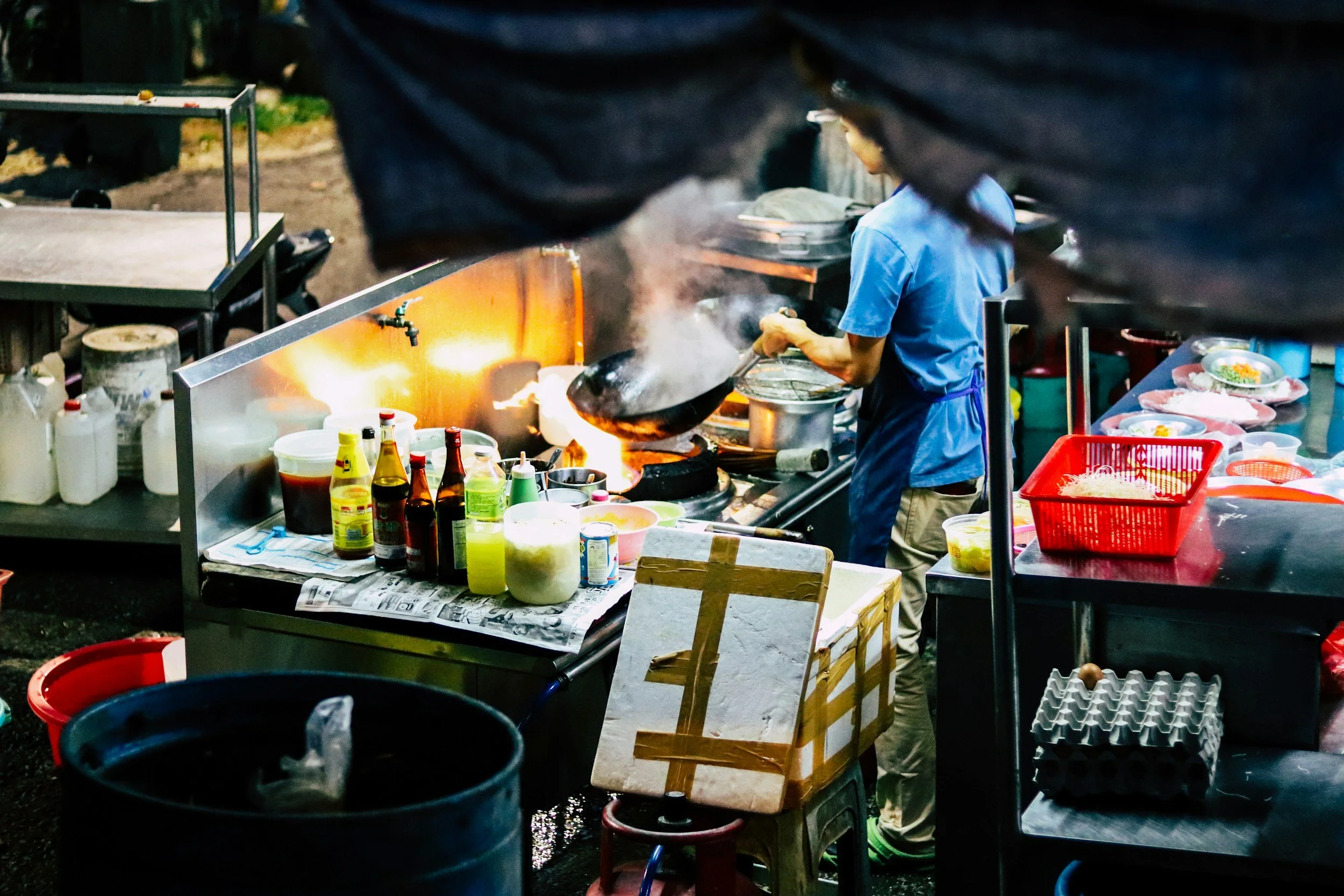
KUALA LUMPUR HAS ITS OWN STYLE OF HOKKIEN MEE
Order Hokkien mee in Kuala Lumpur and Penang and you’ll receive two very different meals. KL-style Hokkien mee uses thick yellow noodles wok-fried in a dark, savoury sauce, while Penang Hokkien mee is a noodle soup built around a prawn-rich broth. The shared name is a good reminder of how Chinese Malaysian dishes evolved differently between cities.
Where to eat Chinese Malaysian food
Chinese Malaysian food in Kuala Lumpur is broad enough to justify its own trip. For a first visit, Chinatown and nearby Pudu give you the easiest concentration of useful experiences.
Lai Foong Lala Noodles, Chinatown
Lai Foong specialises in lala noodles, with clams and prawns in a ginger-scented broth flavoured with Chinese yellow wine.
It began as a street stall before moving into its current Jalan Sultan premises, and Michelin continues to include it in the Kuala Lumpur guide.
The signature lala bihun is the reason to come. This is a specific meal rather than a broad Chinese restaurant, which is precisely why it earns a place here.
Restaurant Kim Lian Kee, Petaling Street
Restaurant Kim Lian Kee is one of the easiest places around Petaling Street to seek out KL-style Hokkien mee.
Come for the dark, savoury noodles rather than expecting a refined restaurant experience. The Petaling Street branch remains operational in 2026, and Kim Lian Kee also has a presence inside Lot 10 Hutong.
Sun Fong Bak Kut Teh, Imbi
Choose Sun Fong if you specifically want bak kut teh without making the journey towards Klang.
It is a useful pairing with Bukit Bintang or an Imbi food crawl, but it comes with an obvious caveat: this is a pork-based tradition and isn’t a suitable choice for halal diners.
Where to eat Indian Malaysian food
Indian Malaysian eating goes considerably beyond Mamak restaurants.
Brickfields and Bangsar are particularly useful because they let you move into South Indian and banana leaf traditions rather than repeating roti and nasi kandar.
Sri Nirwana Maju, Bangsar
Sri Nirwana is the straightforward choice for a first banana leaf meal.
Start with the rice, vegetables and curries, then add a protein if you want one. The restaurant remains recognised in Michelin’s 2026 Kuala Lumpur Bib Gourmand selection under Nirwana.
It can be busy, so this works better as a meal you consciously make time for than somewhere you squeeze into a fifteen-minute gap.
Vishal Food & Catering, Brickfields
Vishal Food & Catering gives you a more Brickfields-specific experience.
Its kitchen focuses on Chettinad cooking and banana leaf meals, with dishes including mutton kuzhambu, chicken biryani, masala dosai and Chettinad chicken. The business confirms that it continues to operate from 22 Jalan Scott and has been serving Brickfields since 2004.
Choose Vishal if you want a broader South Indian meal rather than making banana leaf rice itself the entire objective.
MTR 1924, Brickfields
MTR 1924 Malaysia is particularly useful for vegetarians.
The restaurant is entirely Indian vegetarian and Michelin-listed, with idli, masala dosa and vada among the core dishes. Its Kuala Lumpur branch remains open daily on Jalan Thambipillay.
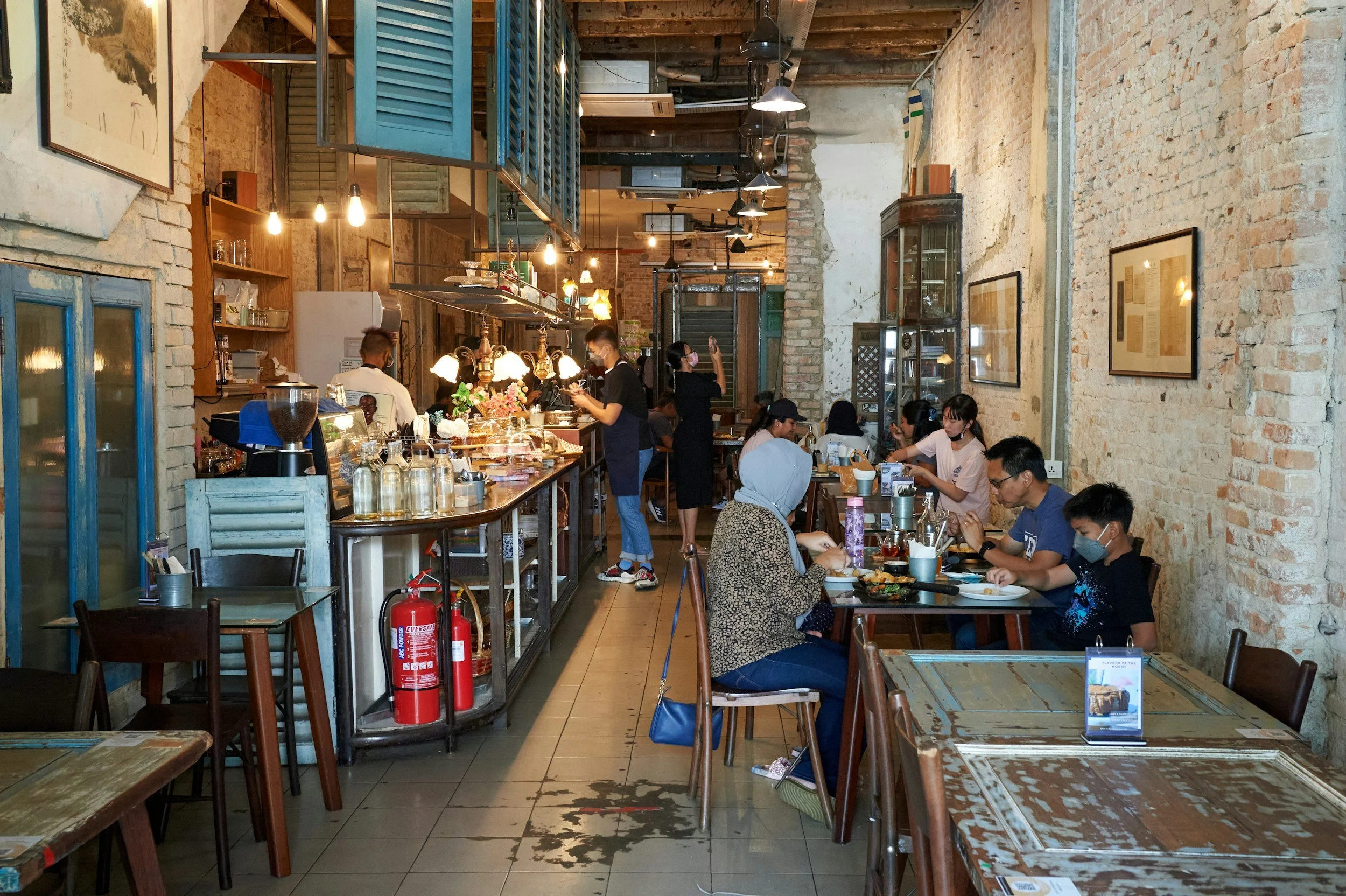
MAMAK FOOD COMES FROM MALAYSIA’S INDIAN MUSLIM COMMUNITY
Mamak restaurants are one of the defining parts of everyday eating in Kuala Lumpur, but the term has a specific cultural origin. Mamak cuisine developed within Malaysia’s Indian Muslim community, bringing dishes such as roti canai, murtabak, nasi kandar and fried noodles alongside the ever-present teh tarik. Today, Mamak restaurants also function as informal social spaces where people eat at almost any hour.
Best hawker centres and casual food hubs in Kuala Lumpur
A useful distinction: a hawker centre gathers multiple independent food stalls together; a food court does something similar in a more organised, often air-conditioned environment; a market is primarily a trading space that may also have prepared food.
That changes both the atmosphere and how much effort is required.
ICC Pudu: best for a proper hawker breakfast
ICC Pudu is the food hub I’d prioritise if you want breadth without turning lunch into research.
It is strongest in the morning and around lunchtime, with traditional stalls covering noodles, pastries, rice dishes and snacks. The centre currently trades roughly from early morning until early afternoon, so don’t save it for dinner.
Come early, walk once before ordering and share dishes if you’re travelling with someone. Recent 2026 coverage continues to identify it as one of KL’s major morning hawker destinations.
Lot 10 Hutong: best for convenience
Lot 10 Hutong sits beneath Lot 10 in Bukit Bintang and brings a collection of heritage-style Chinese Malaysian stalls into one air-conditioned food court.
Current vendors include Kim Lian Kee alongside other noodle, rice and roast-meat specialists.
It isn’t the place I’d choose if atmosphere were the only consideration. It is, however, extremely useful if you have limited time, mixed tastes or several dishes you want to sample without crossing the city.
Best food markets and night markets
Jalan Alor: touristy, but still worth understanding
Jalan Alor is Kuala Lumpur’s obvious night-food street, which naturally means it receives both more visitors and more criticism than almost anywhere else.
The criticism is partly fair. You’ll find tourist-oriented menus, aggressive competition for customers and prices above KL’s cheapest hawker food.
That doesn’t make the street pointless.
At night, Jalan Alor still provides an unusually concentrated look at open-air KL eating, with grilled meats, seafood, noodles, fruit and dozens of kitchens running almost shoulder-to-shoulder. Tourism Malaysia continues to recommend the street and notes that individual stalls vary in halal status.
Go for: atmosphere and variety.
Don’t go for: the cheapest or most locally focused meal of your trip.
Walk the street first, then choose where to sit. Don’t simply stop at the first menu placed in your hands.
Taman Connaught Night Market: better if your dates line up
If you’re in Kuala Lumpur on a Wednesday, Taman Connaught is the more market-like experience.
The market stretches along Jalan Cerdas and runs on Wednesday evenings only. Tourism Malaysia’s 2026 guide lists it from 5pm until 1am, with food stalls alongside clothing and everyday market goods.
It is outside the central tourist core, so I wouldn’t force it into a two-day itinerary. If Wednesday evening is free, though, the journey makes much more sense.
Chow Kit Market: go to understand ingredients, not for a food crawl
Chow Kit Market is primarily a working wet market.
Go for produce, spices, fish, meat and the visual logic behind Malaysian cooking rather than expecting a curated street-food destination. Combine it with Kampung Baru or nearby Malay food rather than treating it as your main meal.
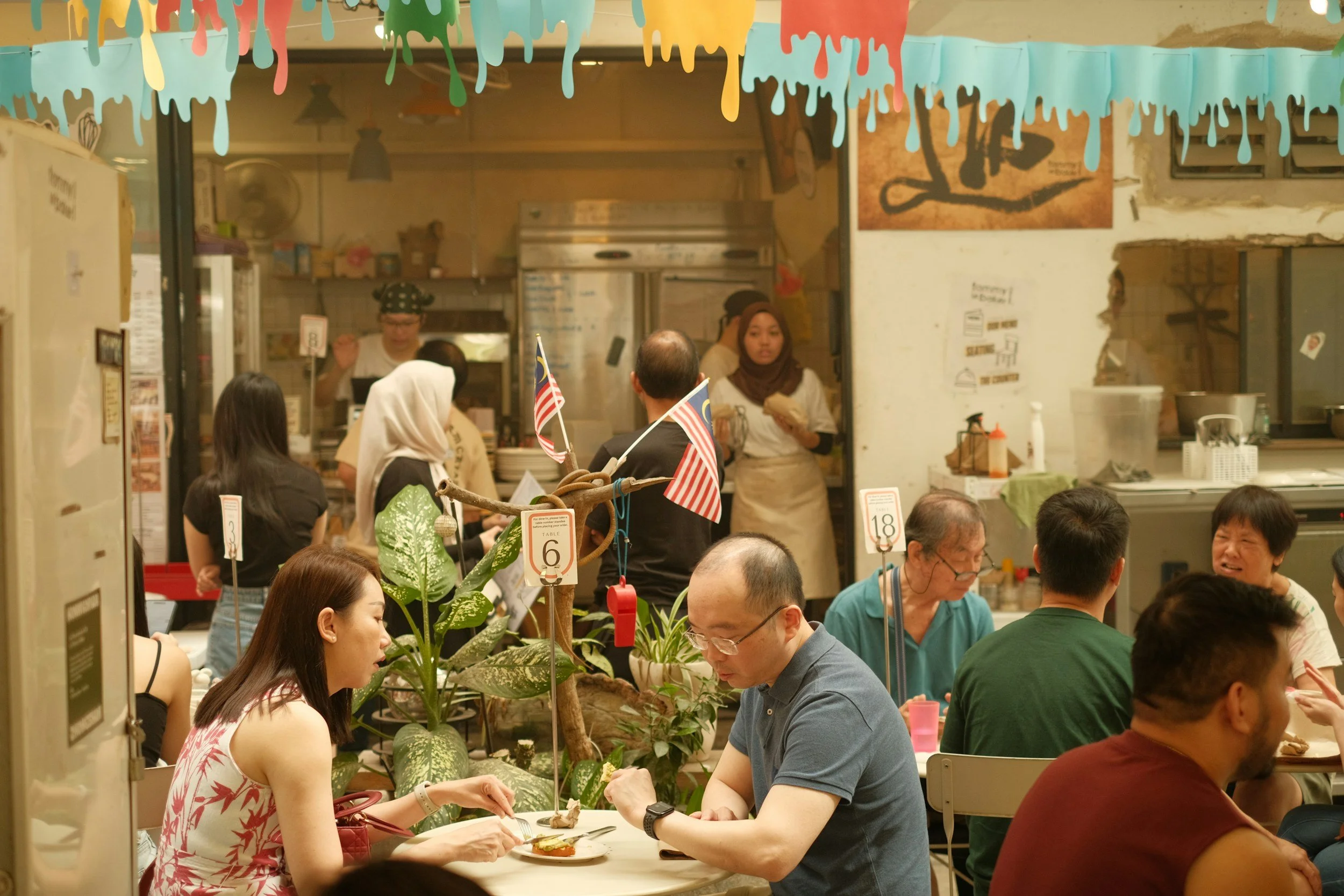
A CLASSIC KL BREAKFAST HAS ROOTS IN KOPITIAM CULTURE
Kaya toast, soft-boiled eggs and coffee form one of Malaysia’s most recognisable breakfasts. The combination is closely associated with the traditional kopitiam, or coffee shop, particularly within Malaysian Chinese food culture. Kuala Lumpur still has old-school examples such as Yut Kee, which was established in 1928.
Kopitiams, breakfast and coffee culture
A kopitiam breakfast is one of the easiest ways to start understanding Kuala Lumpur without trying very hard.
Toast arrives with kaya and butter. Eggs are soft enough to mix with soy and pepper. Coffee may be strong, sweet or mixed with tea depending on what you order. Around that basic structure sits a larger Hainanese and Malaysian Chinese menu.
Yut Kee Restaurant
Yut Kee has operated as a Hainanese coffee shop since 1928. Its current menu still includes chicken and pork chops, toast, eggs, coffee, noodles and baked kaya rolls.
Start simply with toast, eggs and coffee. If you want something more substantial, move into the Hainanese chops.
This is an older-school experience and better if you don’t need breakfast to be perfectly polished.
Ho Kow Hainam Kopitiam, Chinatown
Ho Kow Hainam Kopitiam is the easier choice if Chinatown is already part of your morning.
Order kaya butter toast, half-boiled eggs and kopi, then add nasi lemak or curry chee cheong fun if breakfast is becoming lunch. Recent 2026 reporting and current venue information confirm these remain core parts of the menu.
The trade-off is popularity. Come early if you don’t want to begin the day in a queue.
Contemporary Kuala Lumpur restaurants
Street food shouldn’t become a test of authenticity.
Kuala Lumpur also has chefs actively examining what Malaysian cooking can be today, using regional ingredients and traditions in formats that look very different from a kopitiam or Mamak restaurant.
If your budget allows, one considered dinner can add something valuable to the trip.
Dewakan
Dewakan is Malaysia’s current two-Michelin-star restaurant and the country’s only two-star establishment in Michelin’s current listing. Its tasting menu centres on local, native and endemic Malaysian ingredients, with fermentation, ageing and seasonality playing major roles.
The restaurant currently charges RM870 nett per person for its tasting menu, with optional alcoholic and non-alcoholic pairings. Booking ahead is sensible, particularly because Dewakan itself notes that last-minute availability is uncommon.
This is not where I’d send somebody trying to find the “most authentic Malaysian meal”. That is the wrong question. Go if you want to see Malaysian ingredients treated as the starting point for a serious contemporary restaurant.
Beta
Beta offers the more accessible of the two special-occasion options, although it remains firmly in fine-dining territory.
The one-Michelin-star restaurant builds its menu around Malaysian regions and culinary traditions, using contemporary technique rather than simply reproducing traditional dishes.
Choose Beta if you want Malaysian fine dining that reads more explicitly as a journey through the country.
Choose Dewakan if the ingredient-led exploration itself is the attraction.
Neither is essential to a first Kuala Lumpur trip. Both are worthwhile if food is one of the reasons you travel.
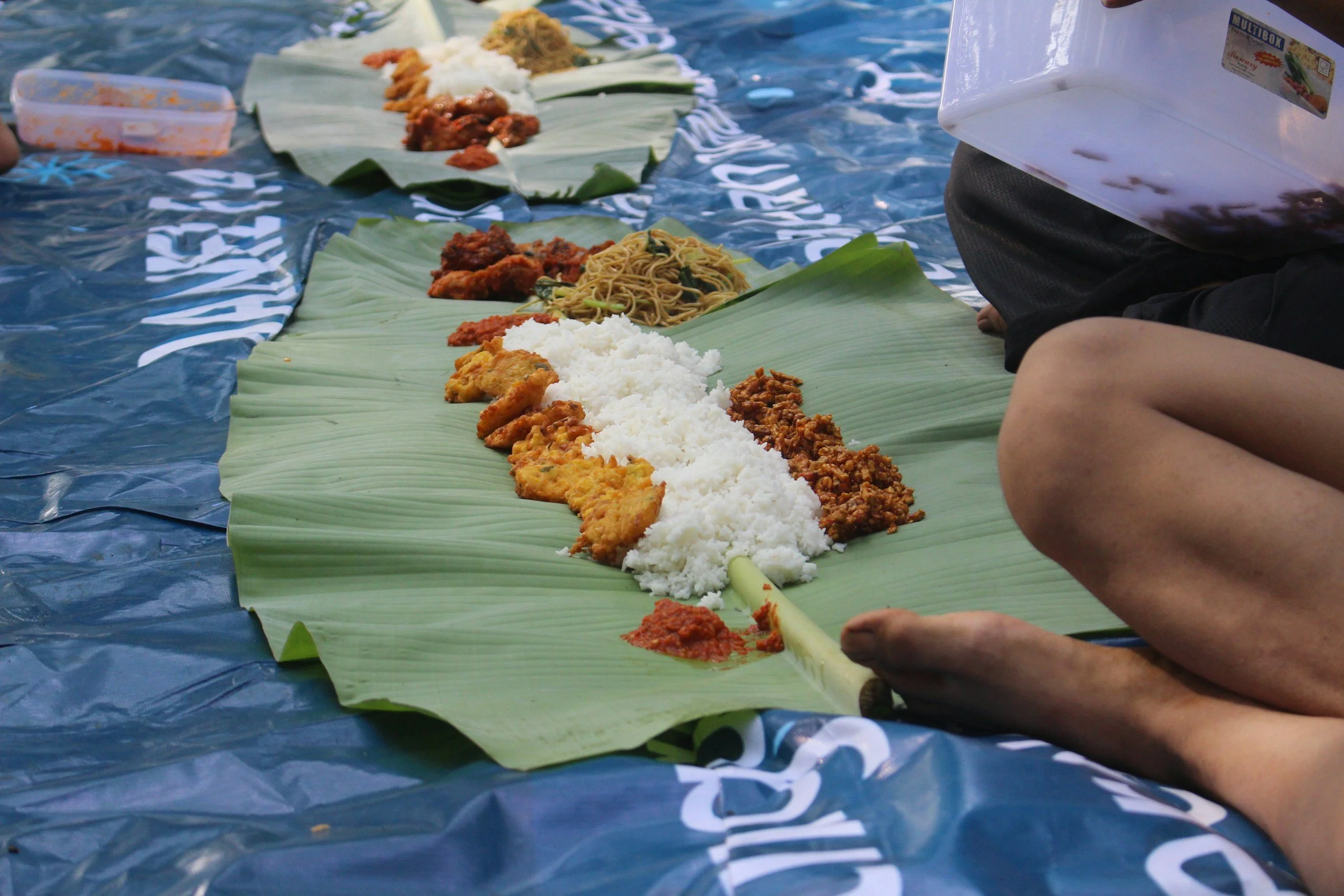
BANANA LEAF RICE IS A SOUTH INDIAN TRADITION THAT BECAME DISTINCTLY MALAYSIAN
Banana leaf rice reflects the influence of South Indian communities on Malaysian food culture. Rice is served directly onto a banana leaf with curries, vegetables, pickles and other accompaniments, with meat or fish added if wanted. Today it is firmly embedded in Kuala Lumpur’s food identity, particularly around Indian Malaysian areas such as Brickfields.
Vegetarian and vegan food in Kuala Lumpur
Vegetarians can eat extremely well in Kuala Lumpur, particularly through South Indian and dedicated Chinese vegetarian traditions.
MTR 1924 is the easiest recommendation if you want certainty. It is fully vegetarian and gives you a proper South Indian meal rather than a modified version of somebody else’s dish.
For something more specifically Malaysian, Blue Boy Vegetarian Food Centre around Jalan Tong Shin remains an inexpensive vegetarian food-centre option, with recent 2026 diners specifically reporting vegetarian char kway teow, laksa, noodles, nasi lemak-style dishes and multiple vegan choices.
Elsewhere, don’t assume a vegetable dish is vegetarian. Belacan, which is fermented shrimp paste, ikan bilis, oyster sauce, fish sauce and meat stocks can appear in sambal, vegetables, soups and noodles that otherwise look meat-free.
Strict vegans will generally have an easier time at dedicated vegetarian restaurants than negotiating ingredients at a busy hawker stall.
Best areas in Kuala Lumpur for food
Chinatown and Petaling Street
Best for: Chinese Malaysian food, kopitiams and daytime wandering.
This is probably the most useful food area for a first visitor because breakfast, noodles, hawker stalls and sightseeing fit together naturally. Tourism Malaysia specifically highlights Petaling Street for kopitiams and Chinese street foods.
Come from breakfast through late afternoon rather than expecting the entire area to function like Jalan Alor at night.
Bukit Bintang and Imbi
Best for: maximum variety and easy evening eating.
You have Jalan Alor, Lot 10 Hutong, Sun Fong and a dense concentration of restaurants within a relatively small area.
It is practical rather than deeply local-feeling, but that can be exactly what you need after a full day sightseeing.
Brickfields
Best for: Indian Malaysian food.
Build the area around a banana leaf meal, South Indian breakfast or vegetarian lunch. Its position beside KL Sentral also makes it unusually easy to combine with arrival or departure days.
Kampung Baru
Best for: Malay food and nasi lemak.
Come in the evening when food stalls and restaurants become part of the neighbourhood’s social rhythm. The contrast between low-rise Kampung Baru and the nearby towers adds another layer to the visit.
Bangsar
Best for: banana leaf rice and a more restaurant-led food scene.
Sri Nirwana is enough reason to make the trip if banana leaf rice is high on your list. The area also works well if you want cafés and contemporary restaurants around the same meal.
Pudu
Best for: serious morning eating.
ICC Pudu gives this area its clearest first-time appeal. Start early and treat it as breakfast or brunch, not an evening destination.
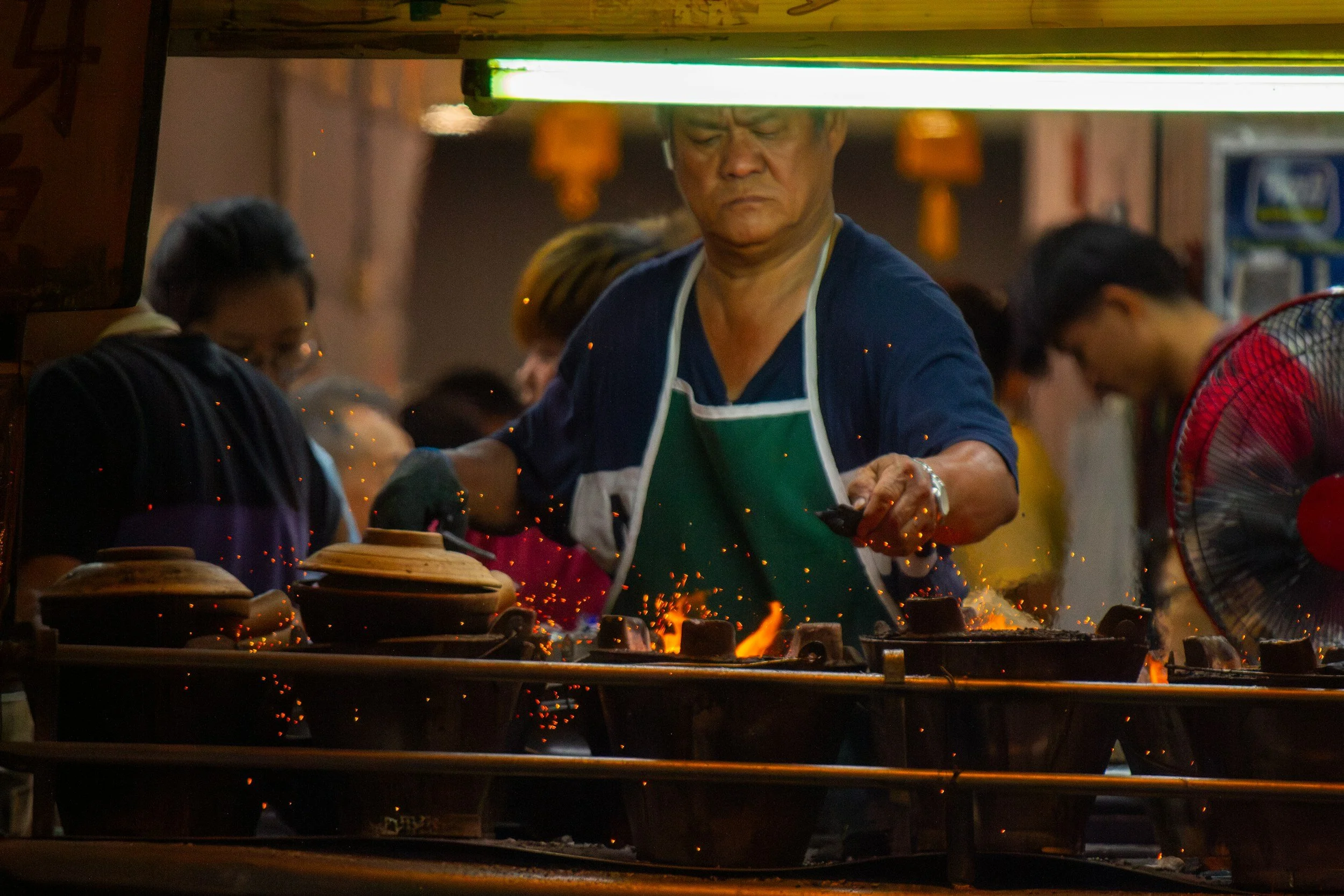
JALAN ALOR CHANGES CHARACTER AFTER DARK
During the day, Jalan Alor can feel surprisingly ordinary. After sunset, hawker stalls fill both sides of the street, turning it into one of central Kuala Lumpur’s most concentrated evening food areas. Satay, noodles, grilled chicken, seafood and laksa dominate the menus, with many stalls continuing late into the night. It’s tourist-heavy, but the nightly transformation is still one of KL’s most recognisable food scenes.
What to know before eating in Kuala Lumpur
Carry some cash. Cards and QR payments are widespread in larger restaurants and malls, but smaller hawkers and older stalls can still operate primarily with cash. Don’t assume every street vendor takes international cards.
Use Grab strategically. Kuala Lumpur’s food areas are spread out. Rail works well for many neighbourhoods, but a short Grab between meals can save enough time to make a food-focused day substantially more sensible.
Share when possible. Two people can experience far more by ordering two or three dishes to share than by committing to separate large meals.
Be specific about dietary requirements. “No meat” may not address shrimp paste, anchovies or stock. Ask directly if dietary restrictions matter.
Check halal status rather than guessing. Mamak food comes from the Indian Muslim tradition, while many Chinese Malaysian dishes use pork or lard. Individual restaurants and stalls can differ, particularly in mixed food streets such as Jalan Alor. Tourism Malaysia specifically advises checking individual stalls there.
Use your right hand when eating with your hands. Tourism Malaysia lists this as part of local etiquette.
Don’t worry about tipping at casual places. Tipping isn’t generally expected in Malaysia, and more formal restaurants may already include a service charge.
Respect the queue. At popular breakfast places, take a number or follow whatever system the restaurant uses. If somewhere is famous enough to have an organised queue at 8am, improvising your own system rarely ends well.
If you only have one day to eat in Kuala Lumpur
A single day should give you contrast rather than maximum volume.
Breakfast: Yut Kee Restaurant
Start with kaya toast, eggs and coffee, adding a Hainanese chop if you want something heavier. You begin with the Chinese Malaysian kopitiam layer of KL without leaving the central city.
Lunch: Sri Nirwana Maju in Bangsar
Take a Grab or rail south-west for banana leaf rice. This gives you a completely different culinary tradition rather than simply moving to another noodle shop.
Afternoon: Chinatown and Madras Lane
Return towards the old city core. Walk Petaling Street and use the afternoon for something smaller, perhaps cendol or a shared bowl of noodles. The objective is to explore rather than manufacture another full meal.
Dinner: Nasi Lemak Wanjo in Kampung Baru
Move north-east for nasi lemak with fried chicken or rendang. Keep the meal relatively simple and spend some time walking Kampung Baru afterwards.
Late evening: Pelita KLCC
Finish with roti canai and teh tarik at Pelita. At this point you’ve moved through Hainanese kopitiam culture, South Indian Malaysian food, Chinatown, Malay nasi lemak and Mamak eating without turning the day into a competitive sport.
“The easiest mistake in Kuala Lumpur is trying to identify its single “best” restaurant. There isn’t one meal that explains the city properly.
A better first trip moves between formats: breakfast in a kopitiam, roti and tea at a Mamak, banana leaf rice, Chinese Malaysian noodles, a market or hawker centre and at least one proper Malay meal.
Do that and Kuala Lumpur’s food stops being a list of dishes to tick off. It becomes one of the clearest ways to understand how the city came together.”