London can give you a royal palace, a riverside walk, a major art collection and dinner shaped by a different corner of the world in a single day. The difficulty is deciding how much of it to attempt. Its famous sights are spread across a large city, and the places between them often deserve as much attention as the landmarks themselves.
I've lived in London on and off for around 15 years, from Bethnal Green and Liverpool Street to Putney, Fulham, Wandsworth and Battersea, and spent the past decade working in and around central London. Parks, markets, restaurants and discovering another part of the city are still a large part of its appeal for me. For a first visit, I'd leave room for those things alongside the sights you've come to see.
London is particularly rewarding if you enjoy history, culture, food and exploring on foot. It suits a trip built around variety: a museum in the morning, a neighbourhood in the afternoon and a show or a good meal in the evening. Accommodation can make it expensive, and getting across town takes time, but a thoughtful base and a few clear priorities make planning considerably easier.
This guide will help you understand how London fits together, choose where to stay and decide what deserves your time.
London at a Glance
Suggested stay: Four to five full days for a rounded first visit. Three days works if you're selective; a week allows more neighbourhood time and a possible day trip.
Where to begin: Choose your accommodation area around the places you most want to visit, then check the actual address and transport connections.
Getting around: Combine public transport between areas with walking within them. Check journeys rather than judging distances from the Tube map.
What to prioritise: A royal and political London walk, time beside the Thames, one museum or gallery, a market or neighbourhood, and an evening experience.
What to arrange early: Accommodation, any must-see performance and the paid attractions that matter most to you.
The useful trade-off: More time in fewer areas usually gives you a better trip than crossing London repeatedly to complete a list.
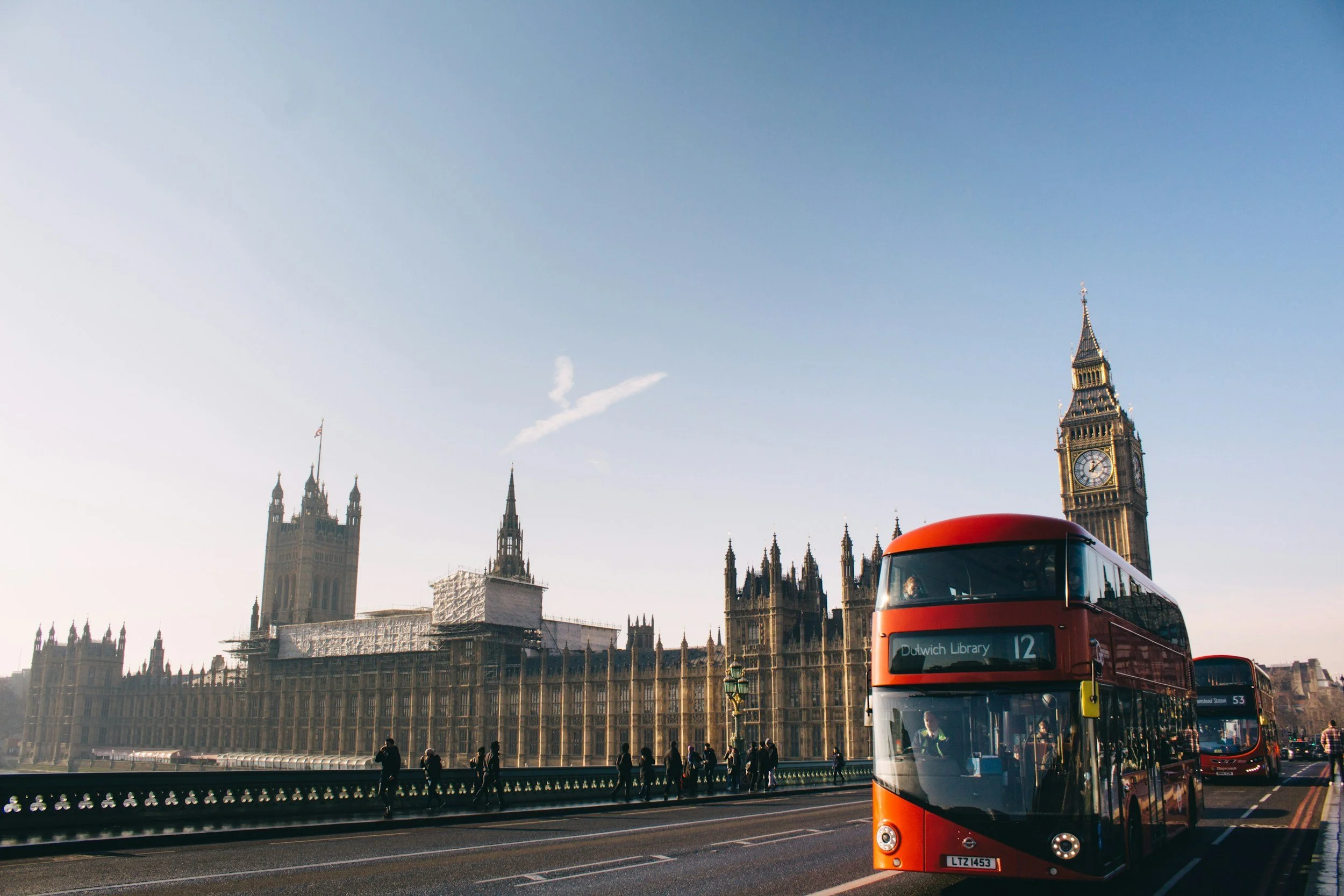
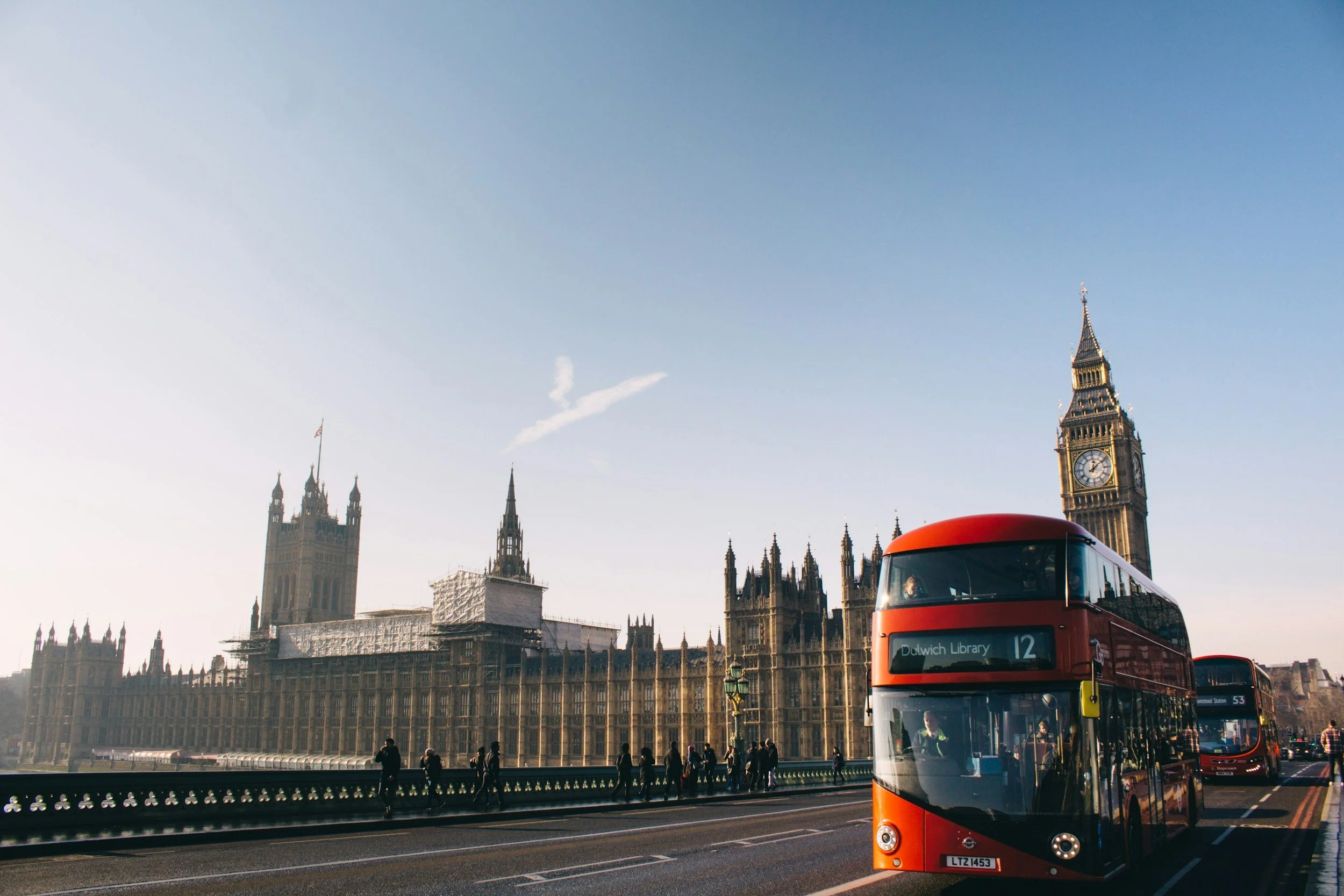
BIG BEN
Big Ben is the name of the 13.7-tonne bell inside Elizabeth Tower, though its nickname has become shorthand for the entire landmark.
Understanding London Before You Plan
The Thames is the easiest starting point for understanding London. It curves through the city, connecting places shaped by government, commerce, industry and culture. It also makes a useful visual reference when the map starts to feel crowded.
Westminster is the royal and political starting point for many visitors. Parliament, Westminster Abbey, Buckingham Palace and St James's Park sit within a manageable area, although visiting interiors takes considerably longer than walking between the landmarks.
The West End, north of the river, brings together theatre, shopping, restaurants and entertainment. Covent Garden and Soho are useful names to know here. This is a convenient part of a short trip, particularly if you want dinner and an evening performance within reach of one another.
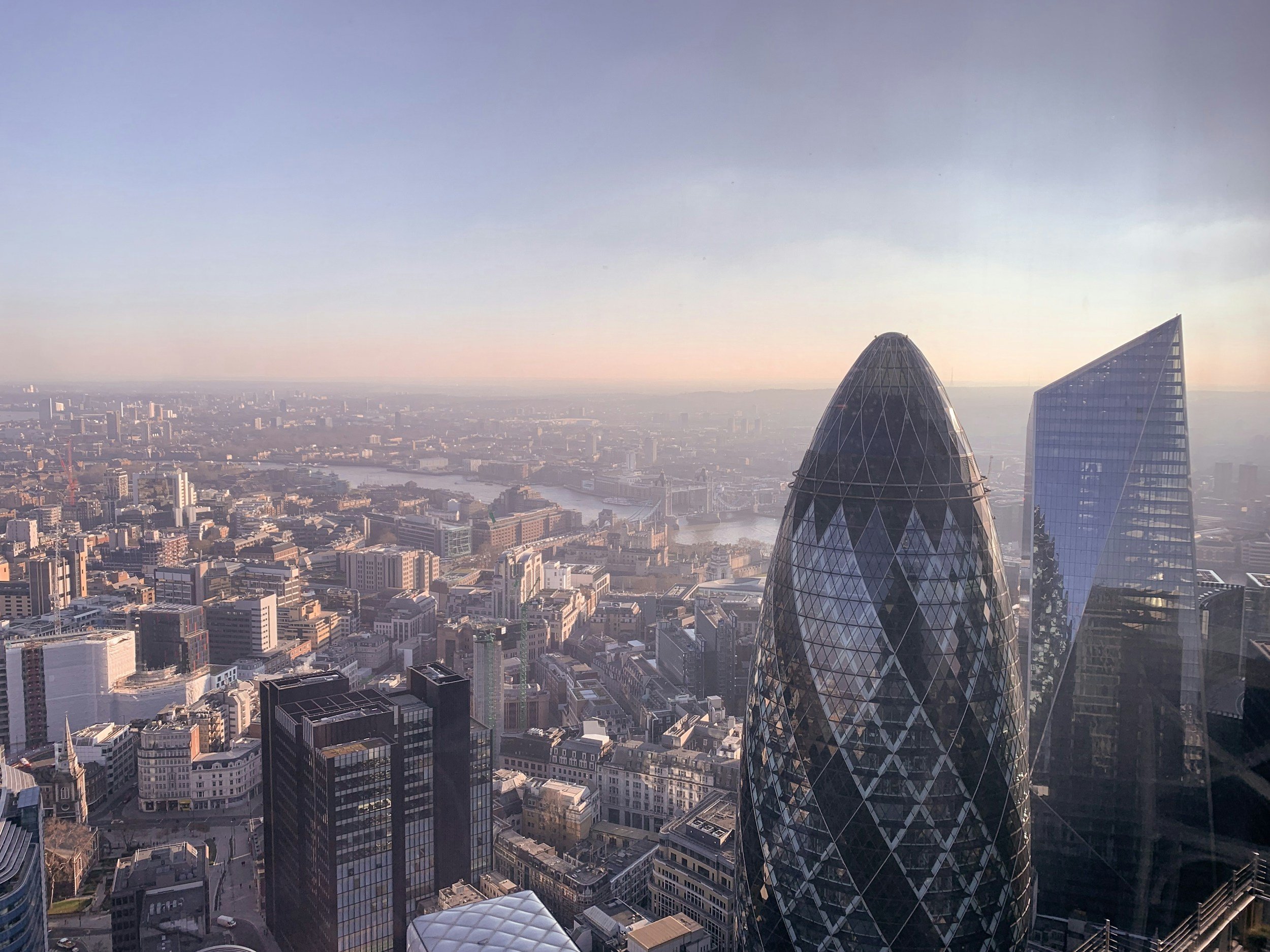
The City of London is a distinct historic district farther east, built around the city's Roman origins and later development as a trading and financial centre. It isn't another name for the whole capital. Its older churches and street pattern sit beside contemporary office towers, giving you a different perspective from Westminster's ceremonial streets.
Across the river, the South Bank makes an accessible introduction to London's riverside cultural life. Continue east and you reach Bankside and London Bridge, where the river, former industrial spaces and food markets offer another way into the city.
Beyond these central areas, neighbourhoods change the character of the trip. South Kensington suits museum time; Spitalfields and Shoreditch draw you towards east London's markets, restaurants and creative life. London's diversity has been shaped by migration, trade and empire, with those histories visible in its food, buildings and cultural institutions. Approaching the city with that context makes it more interesting than a sequence of famous addresses.
Our London neighbourhood guide introduces more areas to explore and the differences between them.
How Many Days Do You Need, and When Should You Visit?
How Long to Spend in London
Four to five full days is my recommendation for a first visit. That gives you space for the main sights, a substantial museum visit, neighbourhood exploration and a little flexibility when the weather or your energy changes.
With three days, choose what matters most before you arrive. You can get a strong introduction to Westminster, the river, the West End and a museum or east London neighbourhood, but fitting in everything will leave little time to enjoy it. Count arrival and departure days realistically, especially when an airport journey is involved.
A week makes sense if you enjoy slower exploration, want several museums or plan to spend time beyond central London. A day trip becomes easier to justify at that length. On a short first visit, I'd usually spend the extra day in London rather than use it travelling elsewhere.
Choosing the Right Season for Your Trip
Late spring and early autumn are sensible starting points if you want a balance of outdoor exploration and indoor culture. You still need to plan for variable weather, and school holidays, events and individual weekends can affect accommodation prices.
Summer gives you long evenings and more opportunity to use the parks and riverside. Popular areas can be busy, and a warm spell changes how comfortable a full day of walking feels. Leave room for breaks rather than assuming every daylight hour needs an activity.
Winter suits a trip centred on museums, theatre, restaurants and pubs. Shorter daylight makes the order of your day more important: do the walk or viewpoint first, then move indoors. The Christmas period has its own appeal, but holiday opening patterns and transport arrangements need checking separately.
Choose dates around the kind of trip you want, then compare accommodation before committing. There is no single month that solves London's weather, crowds and costs at once.
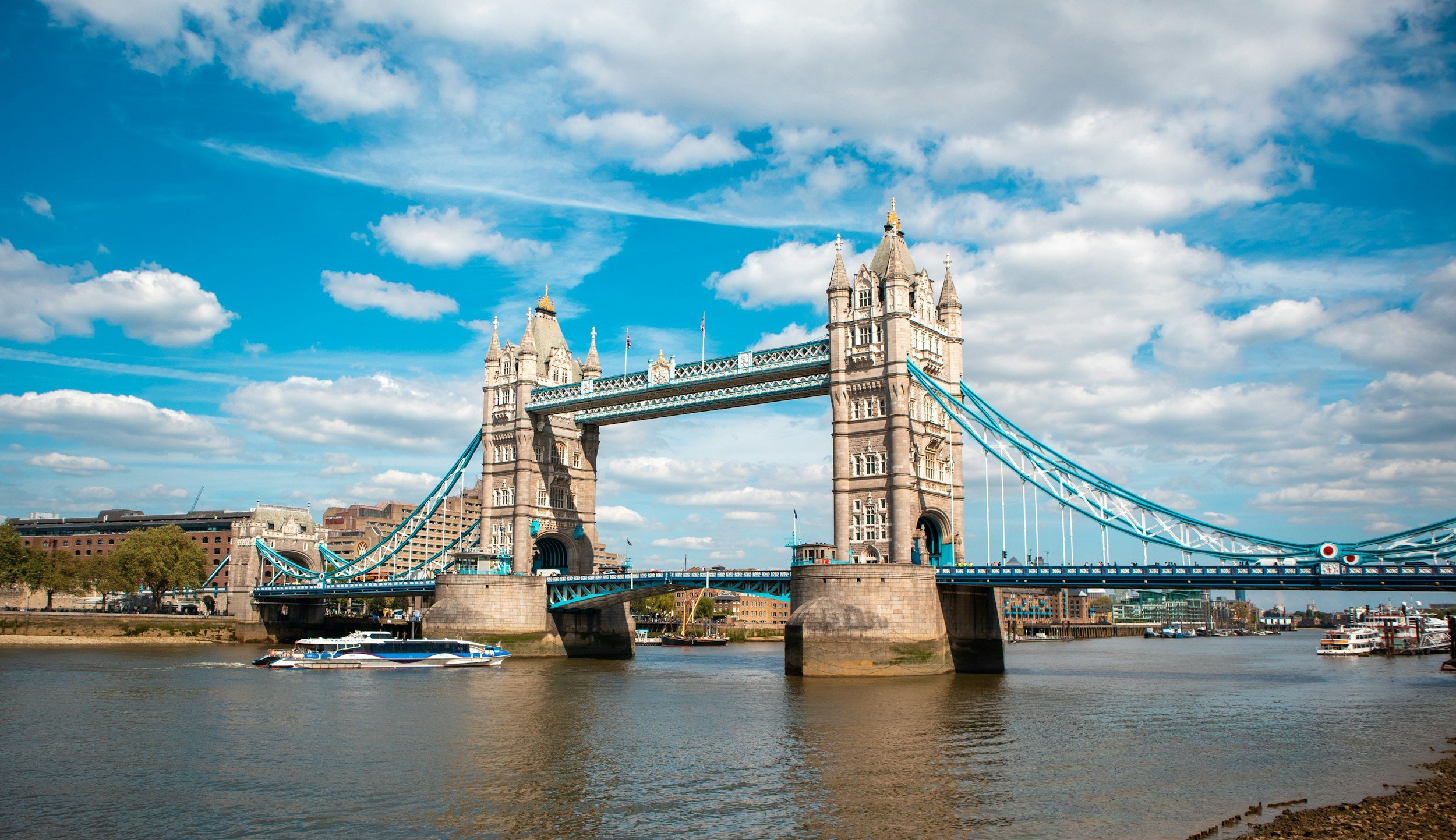
TOWER BRIDGE
Tower Bridge was originally painted chocolate brown. Its familiar red, white and blue colour scheme arrived in 1977 to celebrate Queen Elizabeth II’s Silver Jubilee.
Where to Stay on Your First Trip
A useful London base reduces the number of decisions you need to make each morning. Compare the location with your actual plans: a hotel described as “central” may still involve awkward journeys to the areas you care about.
Covent Garden and Soho
These areas work well if theatre, restaurants and walking around the West End are central to your visit. You can spend an afternoon exploring and continue into dinner without building the evening around another journey.
The trade-offs are price and activity outside your door. Soho in particular can be lively late into the evening. If sleep matters more than immediate access to nightlife, pay attention to the exact street, room position and recent noise reviews.
Bloomsbury and Fitzrovia
Consider these areas for a central base with access to cultural sights, restaurants and the West End, while looking beyond its busiest entertainment streets. Bloomsbury's squares and academic associations give it a different character from Soho; Fitzrovia puts you close to a broad choice of places to eat.
They cover more ground than their names suggest. Check the nearest useful station and the walk to it, especially if you're arriving with luggage. A quieter location can be welcome, provided it still works for the journeys you'll make repeatedly.
Waterloo and the South Bank
This is a practical choice if river walks, Westminster and the South Bank feature heavily in your plans. Waterloo also gives you a major transport interchange, which can be helpful when your days take you in different directions.
Look beyond the broad “South Bank” label. A riverside hotel and one farther behind the station can offer quite different surroundings and walks. Choose the address for its convenience rather than assuming every property in the area has the same setting.
South Kensington
South Kensington suits a museum-led stay and visitors who prefer to spend part of their trip around west London's residential streets and green spaces. It makes particular sense if the V&A and the wider museum district are priorities.
For east London exploration or repeated late evenings in the West End, you'll spend more time travelling. It is a good base for the right itinerary, rather than an automatic answer for every first-time visitor.
Spitalfields and Shoreditch
Choose this side of town if markets, restaurants and east London exploration are a substantial part of the trip. Spitalfields gives you access to Liverpool Street and a useful starting point for exploring the surrounding streets; Shoreditch brings a stronger nightlife element in many locations.
You'll need to travel west for Westminster and South Kensington. As with Soho, the precise street matters if you're sensitive to noise. This base works best when you actively want to spend time in east London, rather than treating it only as somewhere to sleep.
Before booking, compare two or three accommodation addresses against your top sightseeing priorities and your arrival route. A modest saving can lose its appeal if it adds a tiring journey to every day.
What to See and Do on a First Visit
Start with Westminster and Royal London
Westminster gives you a concentrated introduction to the London many people picture before arriving: Parliament and Big Ben beside the Thames, Westminster Abbey nearby, then St James's Park and Buckingham Palace farther west.
The walk helps explain the relationship between political power, monarchy and public ceremony. St James's Park also provides a welcome change of pace between the surrounding landmarks, with lake views that make the setting easier to appreciate.
Decide which interiors genuinely interest you. Seeing a building from outside and giving a paid visit the time it deserves are different commitments. Trying to do both at every stop can absorb most of a short trip.
Spend Time Beside the Thames
The river helps you see London as a connected place. A walk around Westminster Bridge and the South Bank gives you major views without a full schedule of admissions; farther east, Bankside and London Bridge offer another riverside setting.
Tower Bridge and London Bridge are different crossings. Tower Bridge is the one with the recognisable towers; London Bridge is useful for reaching Borough Market. Keep that distinction in mind when planning a meeting point or choosing a station.
Break the riverside into sections. Walking the entire stretch between every famous landmark is possible for some visitors, but it can become a large part of the day. Pick the section that fits your plans and leave time to stop.
Choose the Tower of London for a Substantial History Visit
The Tower of London is a strong paid priority if royal history, fortifications and the Crown Jewels interest you. Its appeal comes from spending time inside a historic complex, rather than treating it as a quick photograph beside Tower Bridge.
Give it a substantial part of your sightseeing day and check the official ticket and opening information for your date. If your budget allows only a few paid visits, choose it because the subject interests you. You can still enjoy the surrounding riverside without buying admission.
Pick a Museum or Gallery Around Your Interests
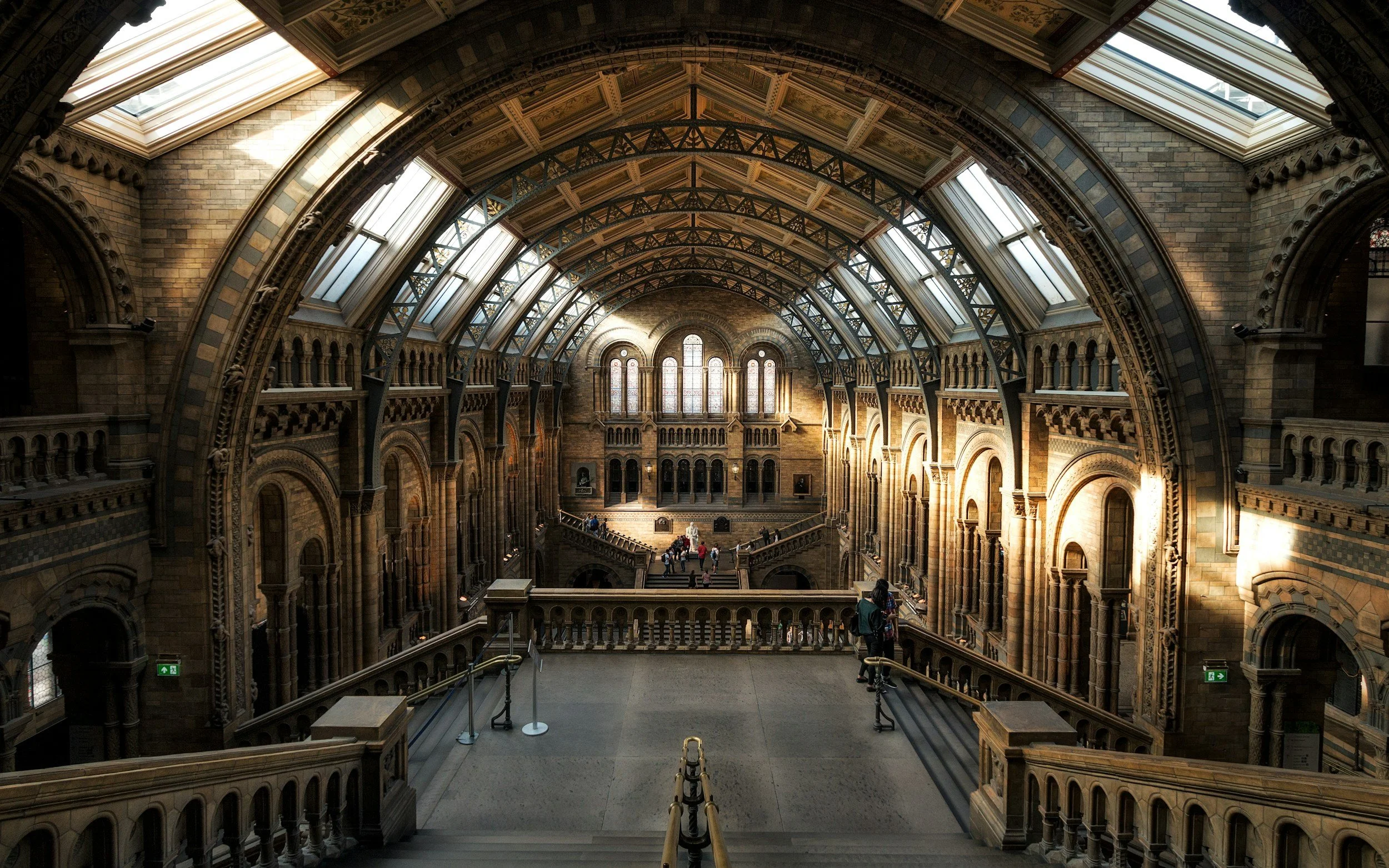
London rewards choosing a collection you actually want to explore. The National Gallery, on Trafalgar Square, is a natural starting point for European painting. The V&A South Kensington suits an interest in art, design and the objects people create and use. Both offer free general admission, although special exhibitions may have separate charges or ticket arrangements.
The British Museum is another major option for world history and archaeology, while Tate Modern suits an interest in modern and contemporary art. Check current visiting information with the institution you choose, particularly for exhibitions, entry arrangements and anything specific you want to see.
Select a few galleries or themes rather than attempting every room. A focused visit leaves energy for the rest of London and gives you a better chance of remembering what you came to see.
Make Room for Markets and Neighbourhoods
Borough Market, near London Bridge, works well when food is part of your sightseeing plan. It combines produce traders with prepared food and surrounding places to eat. It is currently closed on Mondays, and holiday arrangements can differ, so check the market's visitor information before building a day around it. At busy times, expect crowds rather than a quiet lunch break.
Old Spitalfields Market fits an east London outing, combining food with shops and stalls. It gives you a starting point for the surrounding neighbourhood rather than a reason to cross the city for a single snack.
You don't need both markets on a short visit. Choose the one that fits the rest of the day, then give yourself time to explore beyond it.
Include a Park and an Evening Experience
Parks deserve a place in the plan. St James's Park fits naturally into royal London; Hyde Park and Kensington Gardens suit a day farther west. Time outside can give you a more balanced trip when the rest of the schedule is heavy with interiors and queues.
For the evening, decide whether you want theatre, live music, a longer dinner or simply a pub and an unhurried walk. A West End performance can be a memorable part of a first visit, but it needs space around it. Check the venue, running time and journey before choosing a dinner reservation.
Our London experiences guide offers more ideas for deciding what to include.
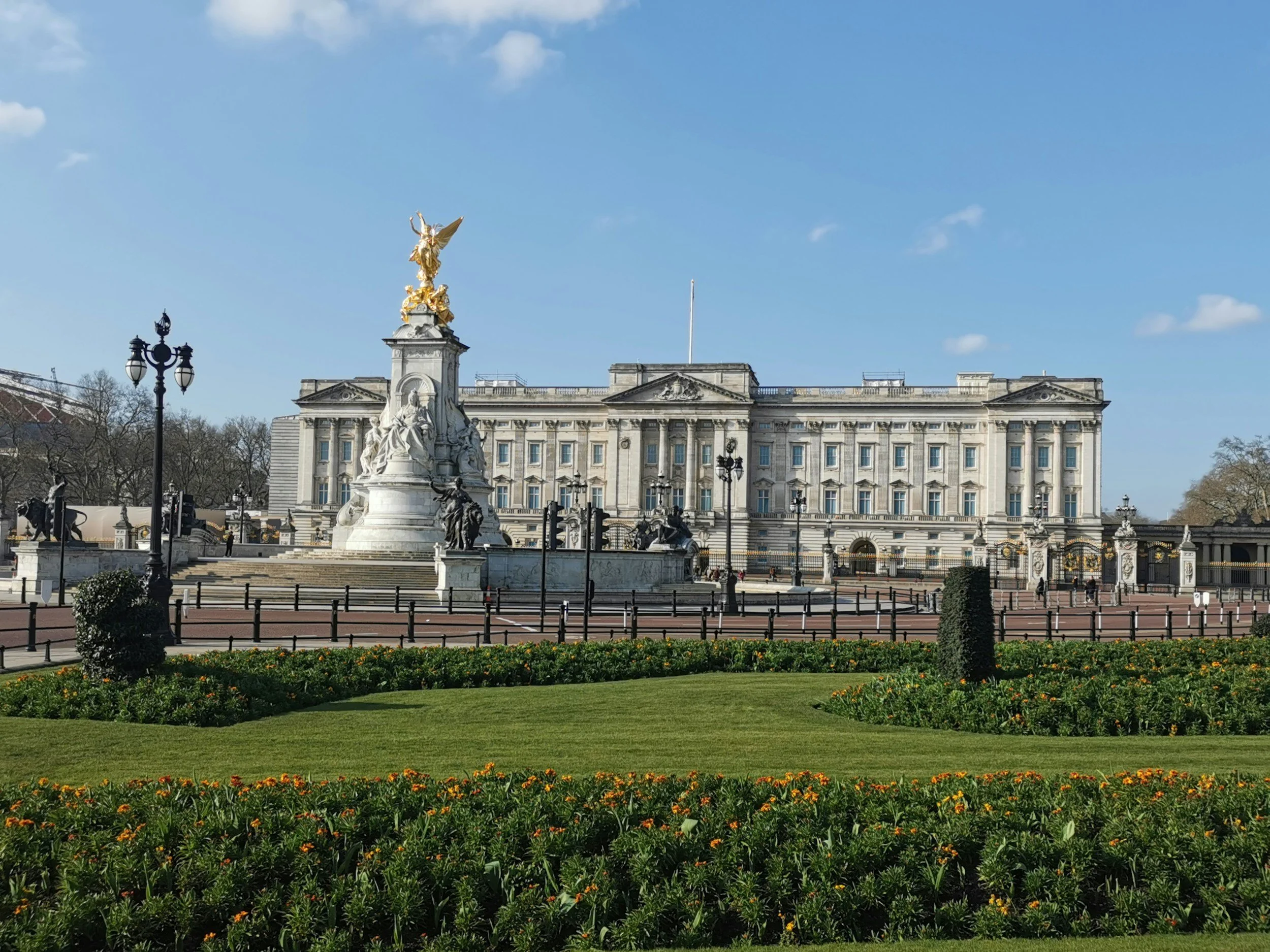
BUCKINGHAM PALACE
Behind Buckingham Palace’s famous façade are 775 rooms, including 19 State Rooms and 78 bathrooms.
What to Eat and Drink in London
London's food culture reflects the people who have made the city home. British traditions belong in the picture alongside South Asian, Caribbean, Turkish, Chinese, West African and many other cuisines. Eating well here means giving both your attention.
A pub meal or Sunday roast can be a good introduction to British comfort food. For a roast, look for a menu that explains the kitchen's offering and book if you have a particular place in mind. A pub's historic exterior tells you something about the building, but little about how well lunch will be cooked.
Markets are useful when you want flexibility, especially if everyone wants something different. Borough Market is convenient for a London Bridge day; Old Spitalfields Market works for east London. Treat them as food destinations with their own crowds and opening patterns, rather than assuming a market lunch will always be the cheapest or quickest option.
Leave at least one meal for a restaurant chosen around the food itself. You don't need to travel to every neighbourhood associated with a particular cuisine on your first visit, but it is worth looking beyond the nearest menu to a major landmark.
Afternoon tea is an optional occasion. Choose it if you enjoy the setting, service and slower pace, then give it enough room in the day. If that doesn't appeal, a bakery stop or a good lunch may be a better use of the budget.
Our London food and drink guide explores more of the city's food culture and places to eat.
Getting to London and Getting Around
Arriving in London
Choose your airport transfer using your accommodation address, arrival time and luggage. The fastest train to a central terminus may still leave you with an inconvenient onward journey.
At Heathrow, both the Elizabeth line and Piccadilly line connect the airport with London. Compare the route to your destination, the current fare and the number of changes before deciding. For other airports, use the same approach: check where the service actually arrives and how you will complete the journey.
Allow room for delays and getting settled on arrival day. A meal and a short walk near your accommodation are often a more useful plan than an expensive timed booking soon after landing.
Understanding Public Transport and Payment
For many adult visitors, pay as you go using an accepted contactless card or device is a straightforward way to travel. Oyster is another option. Check your bank's overseas transaction charges, and review TfL's guidance separately if you're travelling with children or need a discount.
Use the same card or the same device throughout a journey and for the travel you want counted together towards a cap. A physical card and a phone linked to that card are treated as different payment methods. Each adult should have their own accepted payment method.
On the Tube and the main rail services, touch in and touch out as required, even when gates are open. On London buses, touch in when boarding; don't touch out. Read station instructions for unusual interchanges rather than assuming an open barrier means no tap is needed.
Capping depends on the services and zones used, and airport journeys can have different fare conditions. Check the relevant TfL information rather than assuming every journey connected with London falls within one central daily limit.
Walking and Planning Accessible Journeys
Use transport to move between areas, then walk where the distances and your mobility allow. The Tube map is designed to explain connections, so check a street map before travelling one or two stops in central London. Walking may be simpler and helps you understand the city above ground.
For step-free travel, plan the whole journey, including the station entrance, interchange and final approach to the attraction. TfL's journey tools let you adjust for stairs, escalators and walking distance, and its live information can help identify disruption. Historic streets and busy markets may add uneven surfaces or crowding even when the transport journey is suitable.
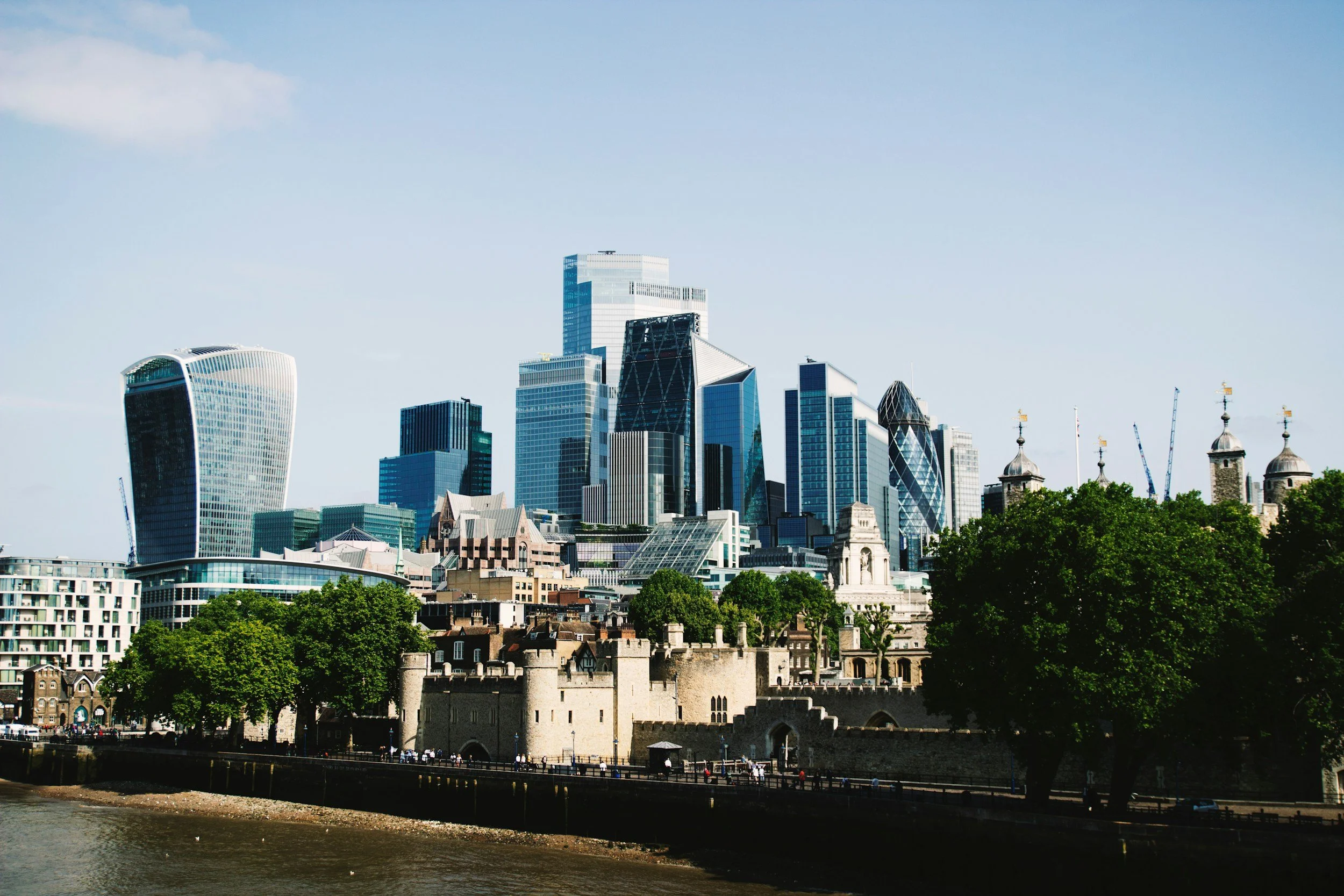
CITY OF LONDON
Known as the Square Mile, the City of London is the capital’s historic core, where the Romans founded Londinium around 2,000 years ago.
What to Budget for and What to Book Ahead
Accommodation is the first cost to price, because your dates and location can change the overall budget substantially. Compare total stays, including any breakfast or cancellation terms you value, then decide how much remains for food and paid experiences.
For the rest of the trip, build the budget from your own choices:
- Food: Allow for the meals you want to sit down and enjoy, as well as breakfasts, coffees and quicker lunches.
- Transport: Include airport journeys separately and check the fares for the areas you intend to visit.
- Attractions: Select the paid interiors or experiences that matter most. Free collections, parks and walks can give the rest of the trip substance.
- Evenings: Theatre, drinks and a long dinner can become a substantial part of a day's spending.
Book accommodation first, followed by a must-see performance and any attraction where your preferred date or entry time matters. Reserve a particular restaurant if the meal is important to the trip. Keep some space flexible so that rain, fatigue or an interesting neighbourhood doesn't disrupt a chain of reservations.
A sightseeing pass is worth considering only after you've chosen your attractions. Compare its current price and inclusions with individual tickets for a schedule you would realistically enjoy. Check reservation requirements and exclusions. Adding extra visits to justify the pass can cost you the time you meant to save.
Continue Planning London
Choose your base first, then build a small number of priorities around it. These guides will help you explore the next layer of the city:
- London neighbourhood guide: understand the areas you might want to explore.
- London experiences guide: consider more sights and experiences for your trip.
- London food and drink guide: plan where food fits into your London visit.
How to Put Your First Trip Together
Start with one part of London per half-day, then combine neighbouring areas. These are useful building blocks:
Westminster, St James's Park and the West End: Royal and political landmarks, a park walk, then dinner or theatre.
South Bank, Bankside and London Bridge: A riverside outing with room for a cultural stop or Borough Market, depending on the day and your priorities.
Bloomsbury and central London: A museum-focused half-day with time for nearby squares, cafés and an evening farther into the West End.
Spitalfields and Shoreditch: Markets, surrounding streets and food, with less time spent travelling between distant sights.
South Kensington and the parks: A museum visit paired with time outside, rather than several major museums in succession.
Choose one main commitment in each half-day and treat the rest as flexible. A substantial paid visit may need the whole block. If you have only three days, select from these combinations; you don't need to complete them all.
Day trips become more appealing once you've allowed enough time for London itself. On a longer stay, compare the destination, station, return journey and what you want from the day before adding one.
Practical Things to Know Before You Go
Check entry requirements for your circumstances. Depending on nationality and status, you may need a visa or electronic travel authorisation. Use the official UK entry checker before travelling, rather than relying on another traveller's experience.
Check your payment arrangements. Carry a backup way to pay, understand overseas card charges and keep the transport payment method you use consistent.
Dress for a changeable day. Comfortable footwear, layers and a waterproof outer layer are useful for a trip that moves between walking, public transport and indoor spaces. Plan somewhere indoors without assuming rain requires cancelling the whole day.
Keep belongings secure in busy places. Put your phone away when you don't need it, keep bags closed and take care when distracted by maps, luggage or crowds. Keep a separate record of essential travel details.
Allow people off public transport before boarding. Queue where a queue has formed, keep routes through stations clear and follow local signs. On escalators, stand on the right where instructed and avoid blocking the passing side with luggage.
Check what is open on your dates. Markets, attractions, special exhibitions and transport can have different arrangements on holidays or during planned works. Confirm the commitments that would materially change your day before setting off.
“Having lived and worked in London since my teenage years, it’s one of those few places where you can never see it all. New restaurants, experiences, and sides of the city are always waiting to be discovered, and that excitement gives London an energy like nowhere else.”