5 Days in Mexico City: A Realistic First-Time Itinerary
Mexico City is the kind of place that becomes more interesting the longer you spend in it. The remains of Tenochtitlan sit beneath a modern capital of museums, markets, parks and neighbourhoods that can feel remarkably different from one another. One moment you’re standing beside the ruins of the Mexica ceremonial centre; later, you’re walking beneath Art Deco façades in Condesa or eating lunch in a market that still forms part of everyday neighbourhood life.
Five days gives you enough time to experience those different layers without turning the trip into a race across one of the largest cities in the world.
This Mexico City itinerary is built around geography and realistic pacing. Each day has one or two major anchors, with enough room for meals, walking and the occasional change of plan. You’ll see many of the essential sights, but just as importantly, you’ll have time to understand what you’re looking at.
5 Days in Mexico City at a Glance
Day 1: Centro Histórico, Templo Mayor and the origins of Mexico City
Day 2: Chapultepec, the National Museum of Anthropology and Paseo de la Reforma
Day 3: Roma Norte, Condesa and contemporary Mexico City
Day 4: Coyoacán, Frida Kahlo and the south of the city
Day 5: Xochimilco, its chinampas and a flexible final afternoon
There’s a deliberate rhythm to the route. The first two days give you the historical and cultural foundations of the city. Day three slows things down and brings you into its neighbourhoods. Days four and five move south, where Coyoacán and Xochimilco reveal two very different sides of Mexico City.
One practical point matters before you start: don’t make Day 1, 2 or 4 a Monday if you can avoid it. Templo Mayor, the National Museum of Anthropology, Chapultepec Castle and Museo Frida Kahlo are all currently closed on Mondays. Bellas Artes' museum also operates Tuesday to Sunday. If Monday falls within your trip, use it for Roma and Condesa or Xochimilco instead.
Is 5 Days Enough for Mexico City?
Yes. Five full days is the amount of time we'd recommend for most first-time visitors to Mexico City.
It gives you enough time to explore the historic centre, spend meaningful time in Chapultepec, experience several of the city's major neighbourhoods, eat properly, visit museums and reach the southern areas without every day feeling overloaded.
Four days can still make an excellent city break, but five creates something more valuable: flexibility. A museum can take longer than expected. Lunch can become two hours rather than 45 minutes. You can sit in Parque México because the weather is good instead of immediately moving to the next saved location.
If you're still deciding how long to book, our How Many Days Do You Need in Mexico City? guide breaks down what realistically changes between two, three, four, five and seven days.
Where to Stay for This 5-Day Mexico City Itinerary
For this particular itinerary, Roma Norte would be our first choice. It gives you one of the best combinations of central location, restaurants, cafés, neighbourhood atmosphere and easy access to other parts of the city. It also works particularly well in the evenings: you can return after a day of sightseeing and still have plenty within walking distance.
Condesa is the better choice if you want something slightly greener and more residential, with Parque México, Parque España and Avenida Ámsterdam creating an easy neighbourhood to explore on foot.
Juárez is another practical option, particularly if access to Paseo de la Reforma and transport matters more than staying in the middle of Roma's restaurant scene.
For a deeper comparison, including the trade-offs between the city's main areas, see our Mexico City Neighbourhood Guide: Where to Stay.
PARTS OF MEXICO CITY ARE STILL SINKING TODAY
Mexico City’s unusual geography is still shaping the capital today. Groundwater extraction has compacted parts of the ancient lakebed beneath the city, with recent satellite measurements showing some areas sinking by more than two centimetres per month.
Day 1: Centro Histórico and the Origins of Mexico City
Start with the part of Mexico City that explains much of what comes afterwards.
The Centro Histórico isn't simply the city's collection of old buildings. Modern Mexico City grew over the centre of Tenochtitlan, the Mexica capital conquered by Spanish forces in 1521. UNESCO describes the historic centre as preserving layers from its pre-Hispanic origins through the colonial period and into the modern city.
Morning: Start at the Zócalo
Begin at the Zócalo, officially Plaza de la Constitución.
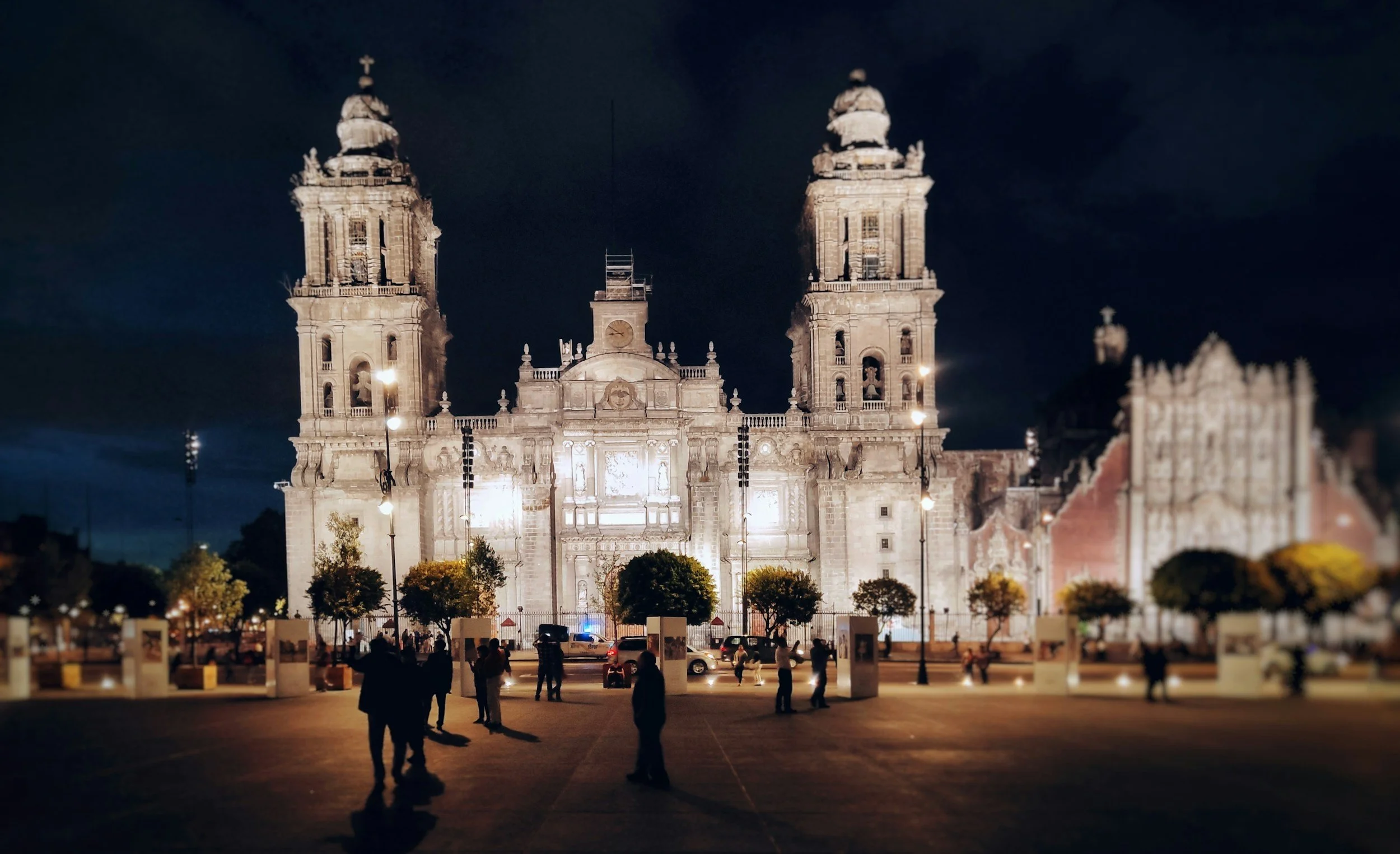
The scale of the square gives you an immediate sense of the city's political and historical importance. Around it sit some of Mexico City's most significant buildings, including the Metropolitan Cathedral, while the remains of the Mexica city lie beneath and beside the streets you're walking.
Take time to go inside the Catedral Metropolitana, then walk around the surrounding streets rather than immediately moving elsewhere.
This is one of the best places in Mexico City to understand how different periods sit almost on top of one another. The Spanish rebuilt their capital over Tenochtitlan, and UNESCO notes that even today's historic street grid maintains continuity with the city that came before it.
Templo Mayor
From the cathedral, walk to Templo Mayor.
This deserves considerably more than a photograph from outside.
The site formed part of the sacred centre of Tenochtitlan, and walking through the archaeological remains gives you a much clearer idea of what occupied this part of the city before the colonial capital was constructed around it.
There's also an extraordinary story behind what you can see today. In February 1978, workers from Mexico's electricity company accidentally uncovered the monumental stone relief of the Mexica deity Coyolxauhqui. That discovery led to the creation of the modern Templo Mayor archaeological project and major excavations of Tenochtitlan's ceremonial centre. (Templo Mayor)
Allow around 90 minutes to two hours for the archaeological site and museum rather than trying to rush through.
Templo Mayor is currently open Tuesday to Sunday from 9am to 5pm.
Lunch in Centro Histórico
Stay in Centro for lunch.
A strong sit-down option is El Cardenal, which has been serving traditional Mexican cooking since 1969 and operates multiple central locations, including Palma and Alameda. Its focus on regional dishes and traditional preparation makes it a useful introduction to Mexican cuisine rather than simply a convenient lunch stop.
If you'd rather keep lunch casual, use our Where to Eat in Mexico City: Tacos, Markets & Restaurants guide to choose something nearby.
There's no reason to leave the historic centre yet. Crossing the city for a fashionable lunch adds logistics without improving the day.
Afternoon: Walk Towards Bellas Artes
After lunch, continue west through the historic centre.
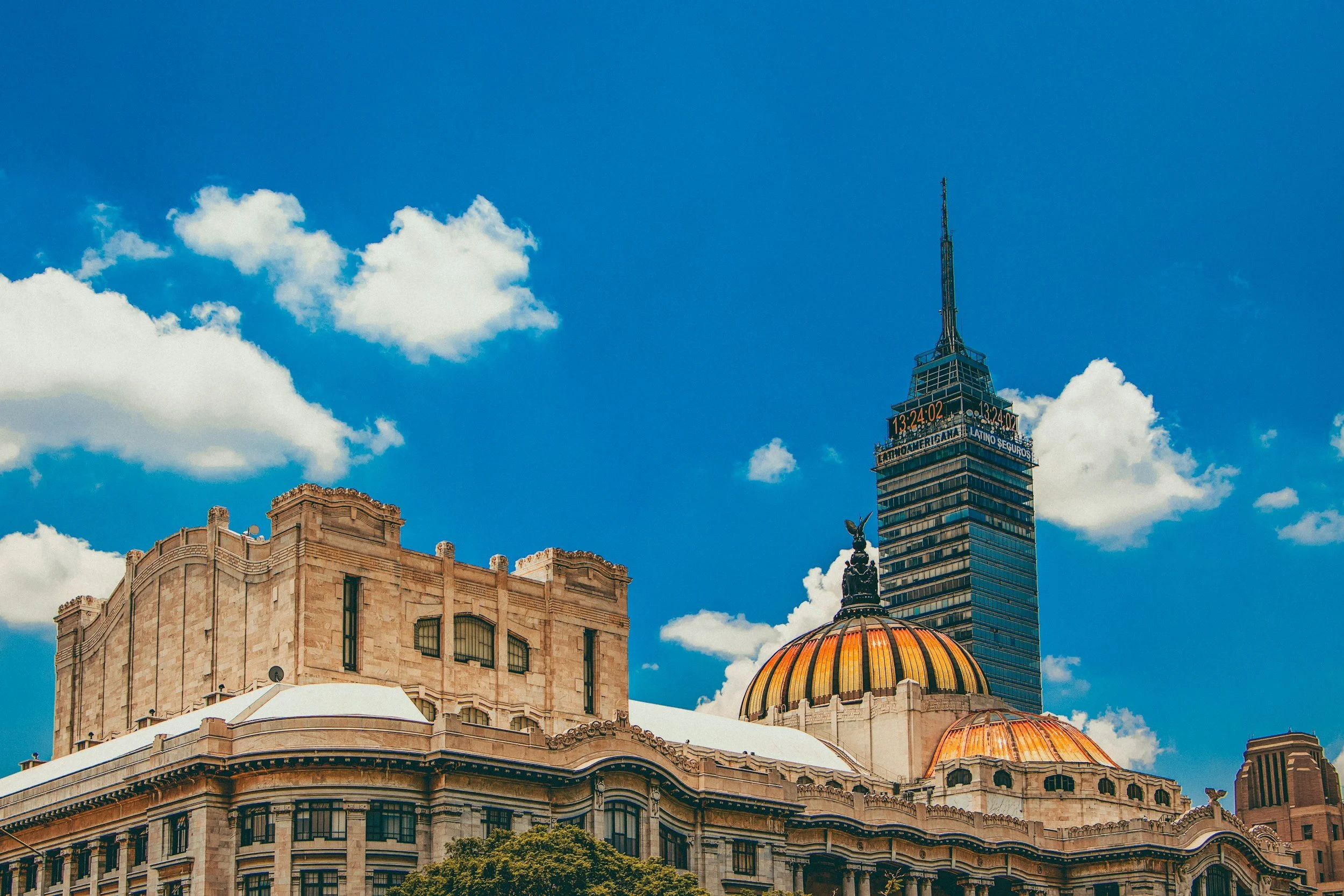
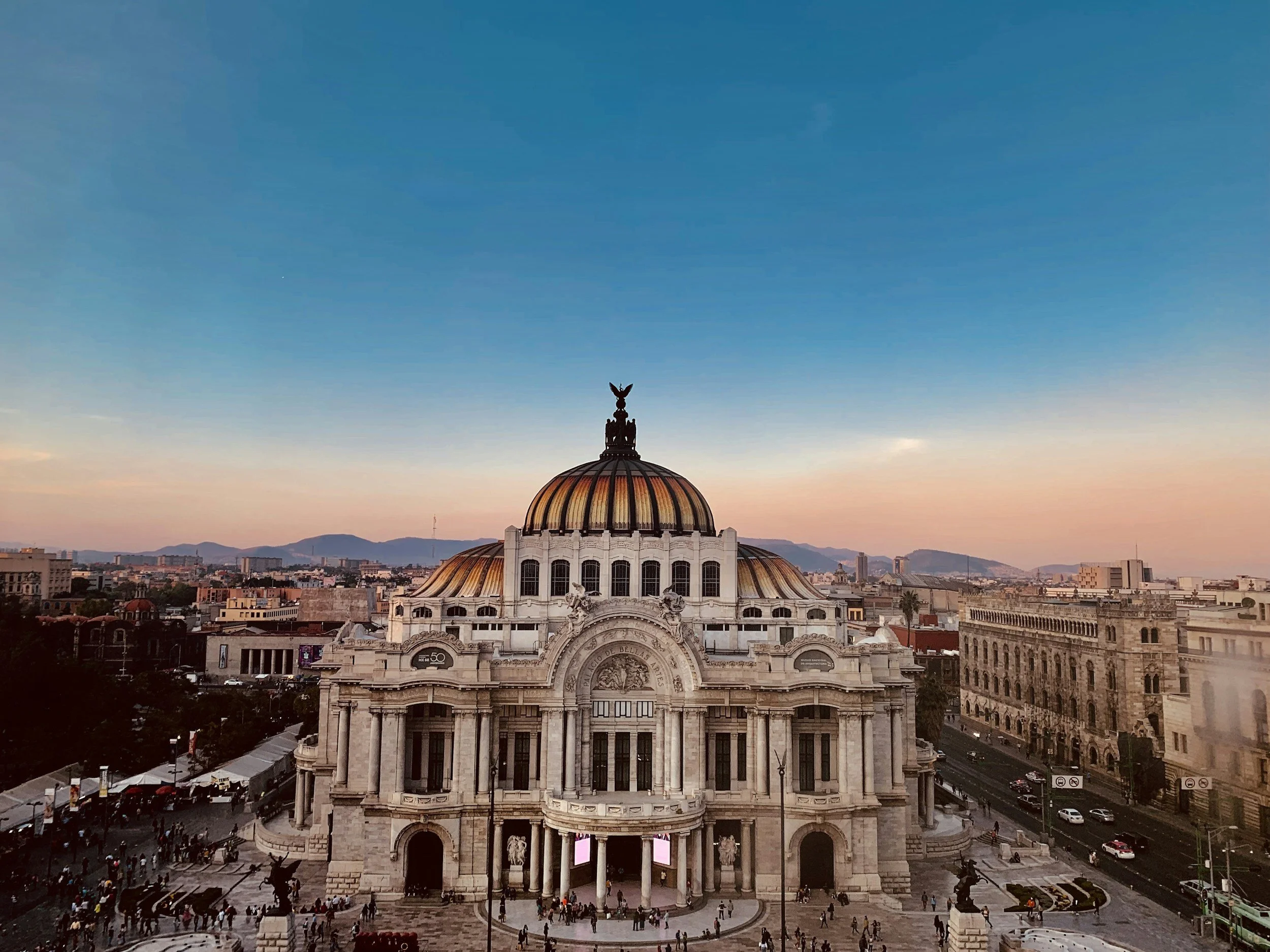
The route towards Palacio de Bellas Artes is the attraction here as much as any individual building. Depending on your interests, pause at Casa de los Azulejos and Palacio Postal, but resist the temptation to turn every interesting façade into another formal visit.
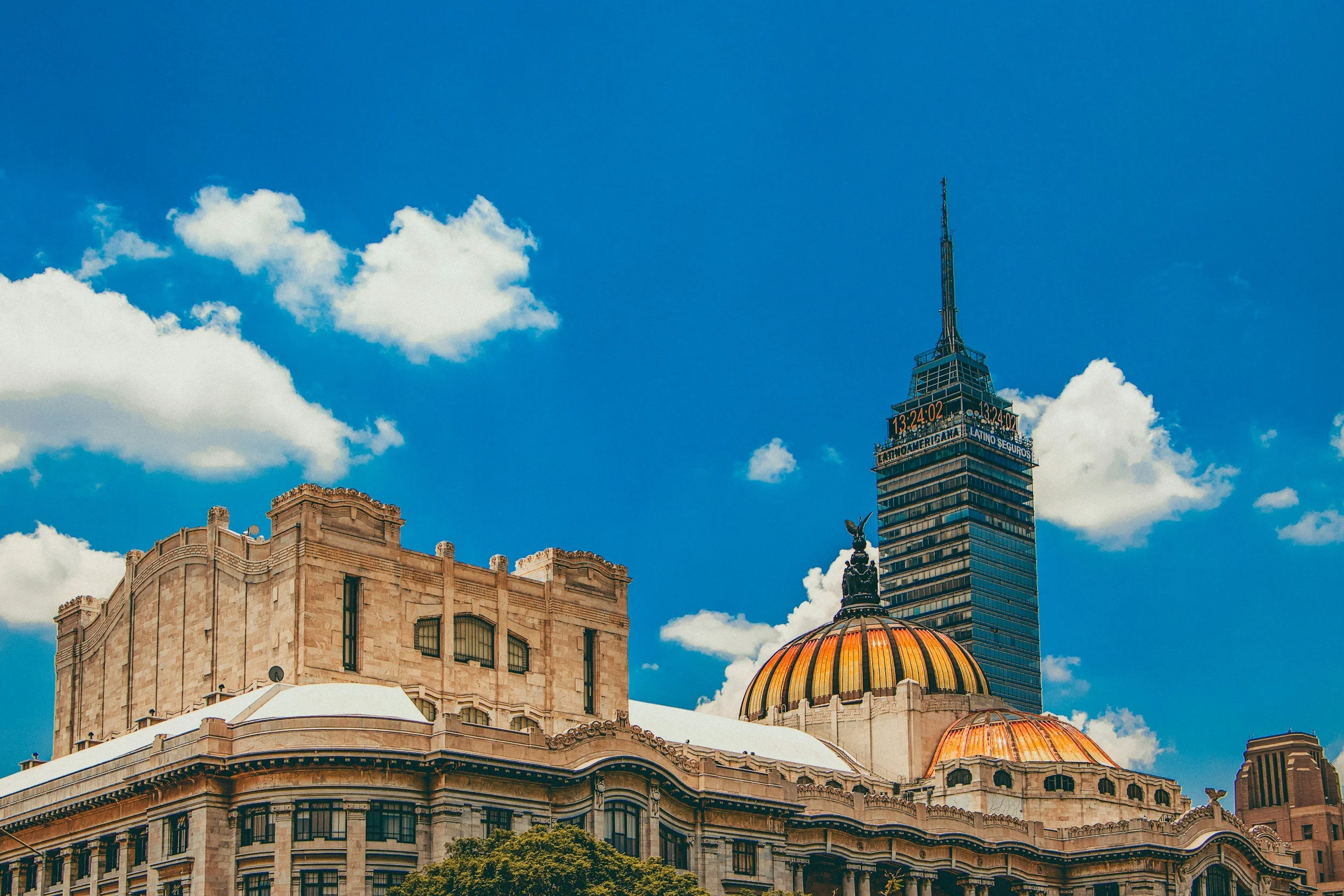
Bellas Artes provides a fitting end point. Its architecture marks another period in Mexico City's development, while the museum houses a permanent collection of murals by major Mexican artists alongside temporary exhibitions. The museum currently opens Tuesday to Sunday from 10am to 6pm.
If museums are already beginning to blur together, enjoy the building from outside and continue into Alameda Central instead.
Evening
Make the evening deliberately easy.
Return to Roma Norte or Juárez, have dinner and allow the first day to end there. Mexico City sits around 2,240 metres above sea level, so some visitors notice the altitude when they first arrive. Starting the trip with a manageable evening is useful for reasons beyond editorial restraint.
If you have more energy: spend additional time inside Bellas Artes.
If you want a slower day: skip the museum interior and finish with a walk through Alameda Central.
Day 2: Chapultepec, Anthropology and Reforma
Day two moves west towards one of Mexico City's great cultural concentrations.
The Bosque de Chapultepec isn't just somewhere to put museums. It's a major urban park and an important part of the city's landscape, with cultural institutions spread throughout it. Mexico City's official tourism guidance deliberately groups Chapultepec and Reforma as one area, which is exactly how we'd approach the day.
Morning: Museo Nacional de Antropología
Start at the Museo Nacional de Antropología.
If you're going to choose only one major museum in Mexico City, this would be our recommendation. Its collections cover the cultures and civilisations that developed across what is now Mexico, providing context for places you'll encounter throughout this trip, from Templo Mayor to Teotihuacán and Xochimilco.
Don't try to see every room - Choose the sections that most interest you and give them proper attention. For a first visit, the Mexica collection is particularly useful after seeing Templo Mayor the previous day.
Allow approximately three hours. Anyone with a serious interest in archaeology or Mexican history could comfortably stay longer.
The museum currently opens Tuesday to Sunday from 9am to 6pm, and online tickets are available through INAH.
Lunch Around Chapultepec
Keep lunch nearby.
The museum itself has a restaurant, which is useful if you want to maximise time in the park. Alternatively, head towards Polanco if lunch matters more than squeezing in another hour of sightseeing - The important point is not to cross halfway across Mexico City for it.
Afternoon: Chapultepec Castle
Castillo de Chapultepec, now home to the Museo Nacional de Historia, covers Mexican history from the conquest of Tenochtitlan through to the Mexican Revolution. The building itself has also served as a military college, imperial residence and presidential residence, giving the location a history quite different from Anthropology's archaeological focus.
The castle currently opens Tuesday to Sunday from 9am to 5pm.
It fits geographically into this day, but don't mistake geographical convenience for an instruction to exhaust yourself. If Anthropology has already taken four hours, choose the park over another museum.
You'll get more from both institutions by seeing one properly than by spending the final hour of the afternoon developing a sophisticated relationship with museum fatigue.
Paseo de la Reforma
From Chapultepec, move towards Paseo de la Reforma.
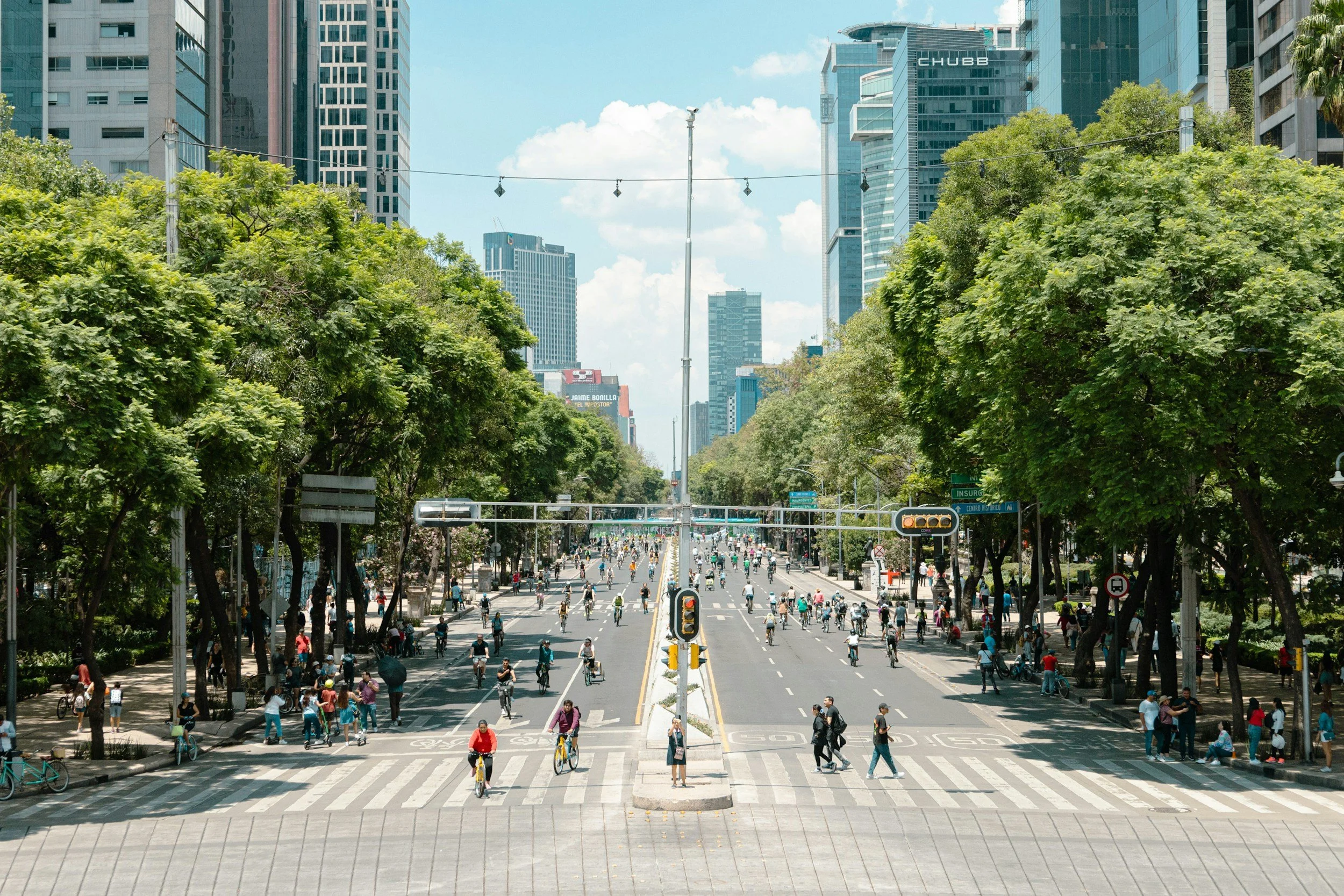
This makes a natural transition from the park back towards the central neighbourhoods. The avenue is one of modern Mexico City's defining axes, and walking part of it creates a useful contrast with the older streets you explored the previous day.
Continue towards Juárez, Roma or your hotel as the afternoon softens into evening.
Evening in Juárez or Roma
Keep the evening focused on food.
Choose somewhere around Juárez or Roma Norte, then let dinner be the main event rather than the preliminary activity before another three attractions.
If you have more energy: add Chapultepec Castle after Anthropology.
If you want a slower day: spend longer in Anthropology and Chapultepec, skip the castle and walk Reforma towards dinner.
CHAPULTEPEC'S SPRINGS ONCE HELPED SUPPLY TENOCHTITLAN WITH WATER
Chapultepec mattered long before it became Mexico City's great urban park. Springs emerging from the hill once helped supply fresh water to Tenochtitlan, giving the area strategic importance centuries before the castle was built.
Day 3: Roma Norte, Condesa and a Slower Side of Mexico City
After two sightseeing-heavy days, change the pace.
Roma and Condesa deserve time precisely because there isn't one single attraction you're supposed to reach. Their value is in their streets, architecture, cafés, parks, restaurants, galleries and the way daily life unfolds between them.
Mexico City's tourism authority describes both neighbourhoods as particularly strong for galleries, tree-lined streets, restaurants, parks and plazas. (Mexico City)
Morning in Roma Norte
Start around Roma Norte, perhaps near Plaza Río de Janeiro, then follow the neighbourhood south and west towards Avenida Álvaro Obregón.
Roma was developed as a planned neighbourhood in the early 20th century. Its surviving architecture includes Art Nouveau, Art Deco, Belle Époque and other eclectic styles, which is part of why walking here feels so different from the Centro Histórico.
Don't plan a strict walking route, use a few anchors such as Plaza Río de Janeiro, Casa Lamm and Álvaro Obregón, but leave room to follow streets that look interesting (that’s the objective).
Lunch in Roma
Make lunch one of the anchors rather than an interruption.
If you want one of the city's best-known seafood lunches, Contramar sits on Durango in Roma Norte and currently opens for lunch every day, closing at 8pm. Reservations are sensible if it's high on your list.
Otherwise, use the wider Where to Eat in Mexico City guide and choose according to appetite rather than prestige. Mexico City's food culture is too important to treat every meal as fuel between museums.
Afternoon in Condesa
Continue into Condesa on foot.
The shift can be subtle, but Condesa generally feels greener and more residential. Its development grew from land associated with the former Hacienda de la Condesa, while much of its present-day identity comes from early 20th-century planning and architecture.
Walk around Parque México, Avenida Ámsterdam and towards Parque España. Parque México itself was designed as part of the development of the neighbourhood and opened in 1927. Look for the Art Deco details around Foro Lindbergh rather than treating the park merely as somewhere to sit between coffee stops.
Then do, in fact, sit somewhere. With five days, you have time to really take it all in and not be rushed off your feet, this is a great place to do just that.
Evening
Roma, Condesa and nearby Juárez give you some of the easiest choices for a good evening in the city.
Book a restaurant you've been looking forward to, find live music, stay out later if you want, or simply walk back through the neighbourhood after dinner.
Not every successful travel day needs an evening attraction.
If you have more energy: continue into Juárez before dinner.
If you want a slower day: keep the entire day to Roma and Condesa and don't add anything else.
Day 4: Coyoacán and Southern Mexico City
Before Mexico City expanded around it, Coyoacán had its own long history and identity. The area was significant before the rise of the Mexica, and after the Spanish conquest it became the site of the first New Spanish municipal government in the Valley of Mexico. The layout around Jardín Hidalgo and Jardín Centenario still reflects this older centre.
It feels noticeably removed from the denser central districts, which is exactly why it deserves its own day.
Morning: Museo Frida Kahlo
If Museo Frida Kahlo is a priority, build the morning around your ticket time rather than trying to fit the museum into whatever gap remains.
Casa Azul matters because this was Kahlo's home: a place closely connected to her life and work rather than simply a museum displaying paintings in an unrelated building.
Tickets currently aren't sold in person, so book this one before your trip. The museum is closed Mondays and has different opening times during the week, including an 11am opening on Wednesdays.
The museum isn't essential for every visitor - If Kahlo isn't a particular interest, don't visit purely because every Mexico City itinerary tells you to. Spend the additional time exploring Coyoacán, or consider Museo Anahuacalli later in the day instead.
Explore Central Coyoacán
From Casa Azul, continue towards Jardín Hidalgo and Jardín Centenario.
This is the part of Coyoacán where the slower pace becomes most obvious: public squares, older streets, cafés and the Parroquia de San Juan Bautista create something closer to a historic town centre than another central Mexico City neighbourhood.
Allow time to simply walk.
Lunch at Mercado de Coyoacán
Head to Mercado de Coyoacán for lunch.
The market works especially well here because it keeps the day rooted in the neighbourhood. Tostadas are one of its best-known options, alongside quesadillas and other casual dishes, and the market is within walking distance of both Casa Azul and central Coyoacán.
It's a better fit for this itinerary than leaving the area for a restaurant elsewhere.
Afternoon: Stay in Coyoacán or Add Anahuacalli
Our default recommendation is simple: stay in Coyoacán. Walk longer, stop for coffee, explore side streets and give the day space.
If you'd prefer another substantial cultural stop, consider Museo Anahuacalli instead. Diego Rivera conceived the museum to house his collection of pre-Hispanic objects, and the architecture was designed to connect modern Mexican ideas with pre-Columbian forms. It currently opens Tuesday to Sunday from 11am to 5:30pm.
We would choose this over trying to combine Coyoacán with Xochimilco. The two can technically be done in one long day, but five days gives us the luxury of not doing that.
If you have more energy: add Anahuacalli.
If you want a slower day: Casa Azul, central Coyoacán and the market are enough.
Day 5: Xochimilco and a Different Side of Mexico City
Save your final day for somewhere that helps explain Mexico City on an entirely different scale.
Xochimilco is often reduced to photographs of colourful trajineras, mariachi bands and groups celebrating on the canals.
That's part of the experience, but it isn't the reason the landscape matters.
Morning: Understand Xochimilco Before Boarding a Boat
Long before modern Mexico City filled the basin, this was a landscape shaped by lakes, canals and chinampas, highly productive artificial agricultural islands.
UNESCO describes Xochimilco as the surviving reminder of traditional pre-Hispanic land use in the lagoon landscape of the Mexico City basin. The chinampa system remains culturally and environmentally significant, even as urban development has transformed most of the surrounding valley.
Understanding that before you get on a trajinera changes the experience. You're not simply taking a colourful boat ride. You're moving through fragments of a landscape that helps explain how people lived, farmed and built settlements here before the modern metropolis existed.
Which Xochimilco Experience Should You Choose?
There are two broad approaches.
For the classic Xochimilco experience, use a traditional embarkation point such as Nuevo Nativitas, one of the main regulated trajinera launches.
If you're more interested in the agricultural landscape, wildlife and chinampa system than the party atmosphere, look at the more ecologically focused routes around Cuemanco. Official tourism information describes routes from Cuemanco ranging from shorter canal journeys to longer excursions deeper into the area.
For most first-time visitors, allow around two to three hours on the water.
The Mexico City tourism site currently lists regulated traditional trajinera pricing at MX$500 per hour per boat rather than per passenger. Check the current posted tariff at the embarcadero before setting off.
Lunch at Mercado de Xochimilco
After the canals, head towards Mercado de Xochimilco.
The market remains an important commercial centre in one of Mexico City's most productive agricultural districts and is a straightforward place for a local lunch. It currently operates daily from 8am to 8pm.
This also makes the day feel less like an excursion to a single tourist attraction and more like time spent in Xochimilco itself.
Keep Your Final Afternoon Flexible
After lunch, don't introduce another compulsory major sight.
Return towards central Mexico City. Use the afternoon for whatever the previous four days told you that you wanted more of. Maybe that's another hour in Roma. Maybe there's a shop you passed but didn't enter. Maybe you missed Bellas Artes. Maybe it's coffee, packing and absolutely nothing with an admission ticket.
A five-day itinerary shouldn't require perfect execution to work.
Final Evening in Mexico City
For the final evening, return to the neighbourhood where you're staying and choose one good dinner.
If food has become one of the defining parts of your trip, use our Where to Eat in Mexico City: Tacos, Markets & Restaurants guide for somewhere you've deliberately saved for the last night.
Then stop planning.
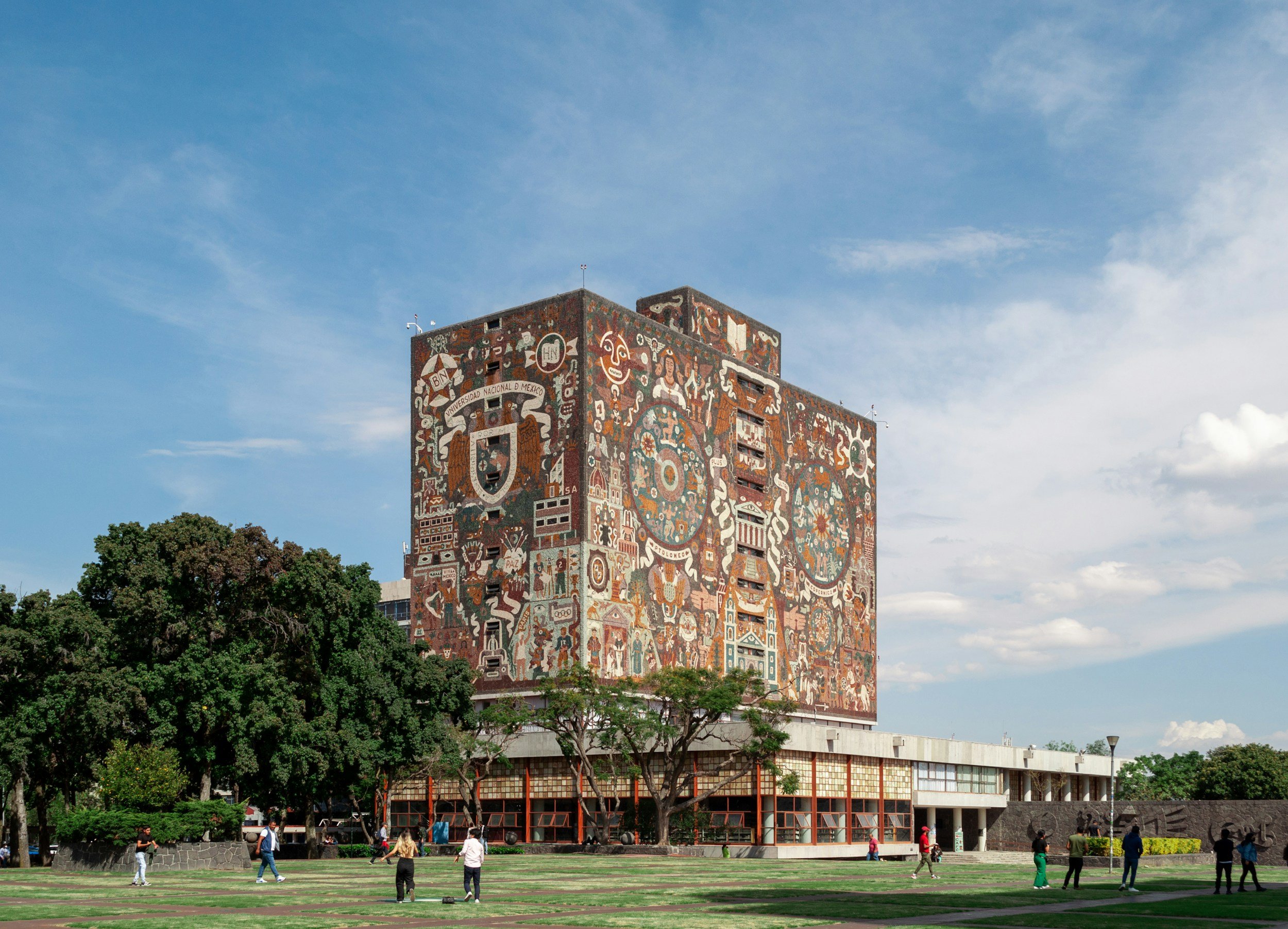
UNAM'S MAIN CAMPUS IS A UNESCO WORLD HERITAGE SITE
UNAM's Ciudad Universitaria is not simply a university campus. More than 60 architects, engineers and artists collaborated on its design, creating a landmark of Mexican modernism that UNESCO now recognises as a World Heritage Site.
Should You Visit Teotihuacán During a 5-Day Mexico City Trip?
We wouldn't automatically include Teotihuacán within these five days.
That's not because it isn't worth visiting. Quite the opposite.
Teotihuacán was one of ancient Mesoamerica's great urban centres, and its monumental architecture influenced societies far beyond the Valley of Mexico.
The problem is time.
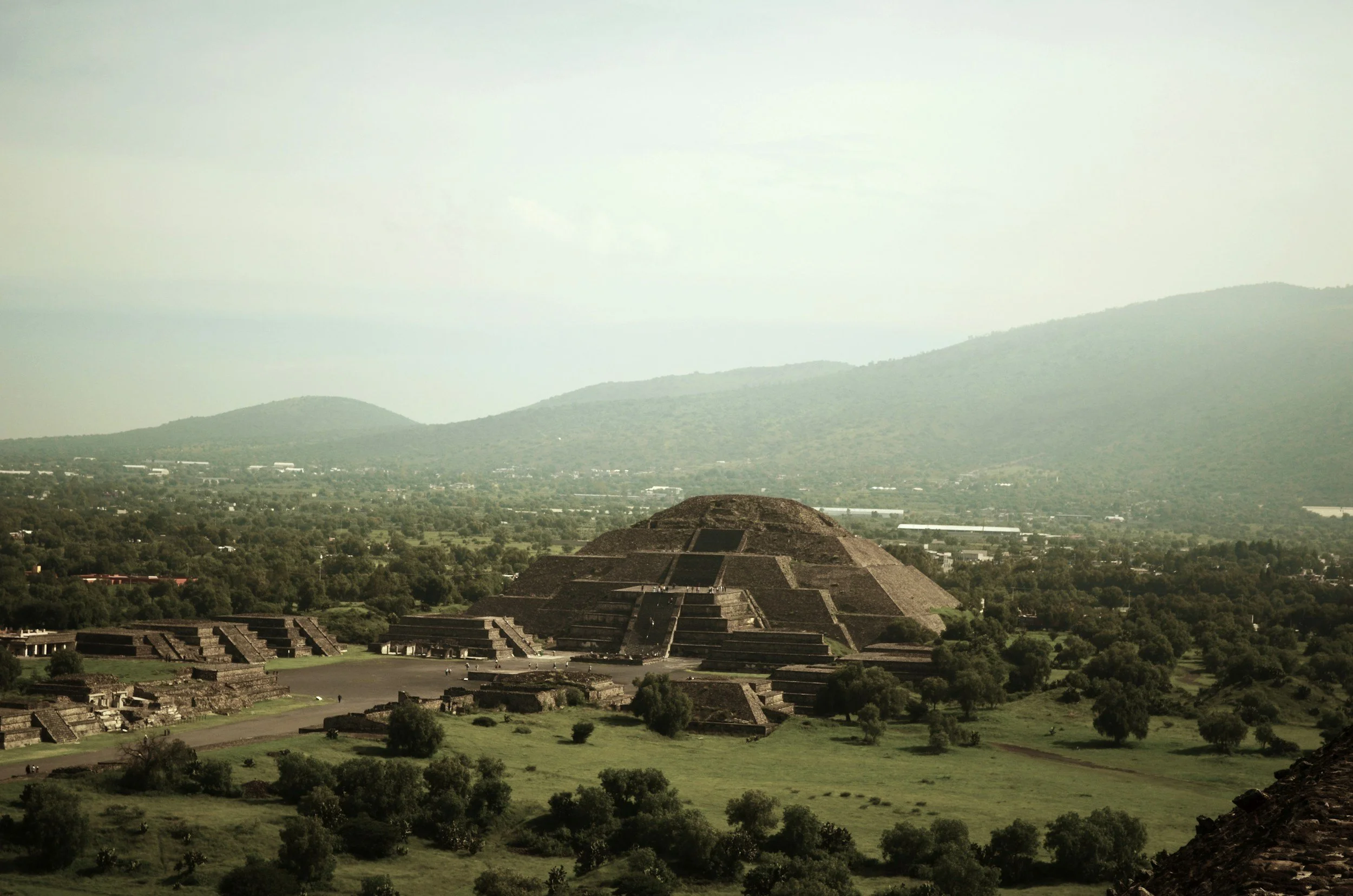
The archaeological zone lies outside Mexico City, and INAH recommends allowing three to five hours for the site itself. It currently opens daily from 8am to 5pm. Once transport is included, Teotihuacán becomes the major commitment of the day.
Our preference would therefore be:
Spend five full days in Mexico City and add Teotihuacán as Day 6.
If you only have five days and Teotihuacán is one of your highest priorities, replace Day 5 at Xochimilco rather than trying to squeeze the archaeological site around something else.
That's a meaningful trade-off, but it's a better one than turning two good experiences into one exhausting day.
What Should You Book Before Your Trip?
A few parts of this itinerary deserve advance planning:
Museo Frida Kahlo: book before travelling. There are currently no in-person ticket sales.
Popular restaurants: reserve anything you would be genuinely disappointed to miss, particularly well-known restaurants such as Contramar.
INAH museums: online ticketing is available for major institutions including the National Museum of Anthropology and Chapultepec Castle, although you don't need to schedule every museum weeks in advance.
Teotihuacán: you can visit independently, but book ahead if you specifically want a guided tour or transport package.
Keep the rest reasonably flexible - Booking every meal and museum before landing defeats part of the reason we've given the city five days.
Getting Around Mexico City During This Itinerary
Mexico City has an extensive public transport network, including the Metro, Metrobús, light rail and other systems connected through the Tarjeta de Movilidad Integrada. The Metro has 12 lines, while the Metrobús provides useful routes along major corridors including Paseo de la Reforma.
For this itinerary, use a mixture of:
walking within individual neighbourhoods
Metro and Metrobús for straightforward cross-city journeys
rideshare or authorised taxis where public transport makes the route unnecessarily complicated
light rail if travelling independently towards Xochimilco
The itinerary intentionally clusters places together so you aren't repeatedly travelling from one side of Mexico City to another.
Still, build some flexibility into journey times. Mexico City rewards geographical planning more than heroic optimism.
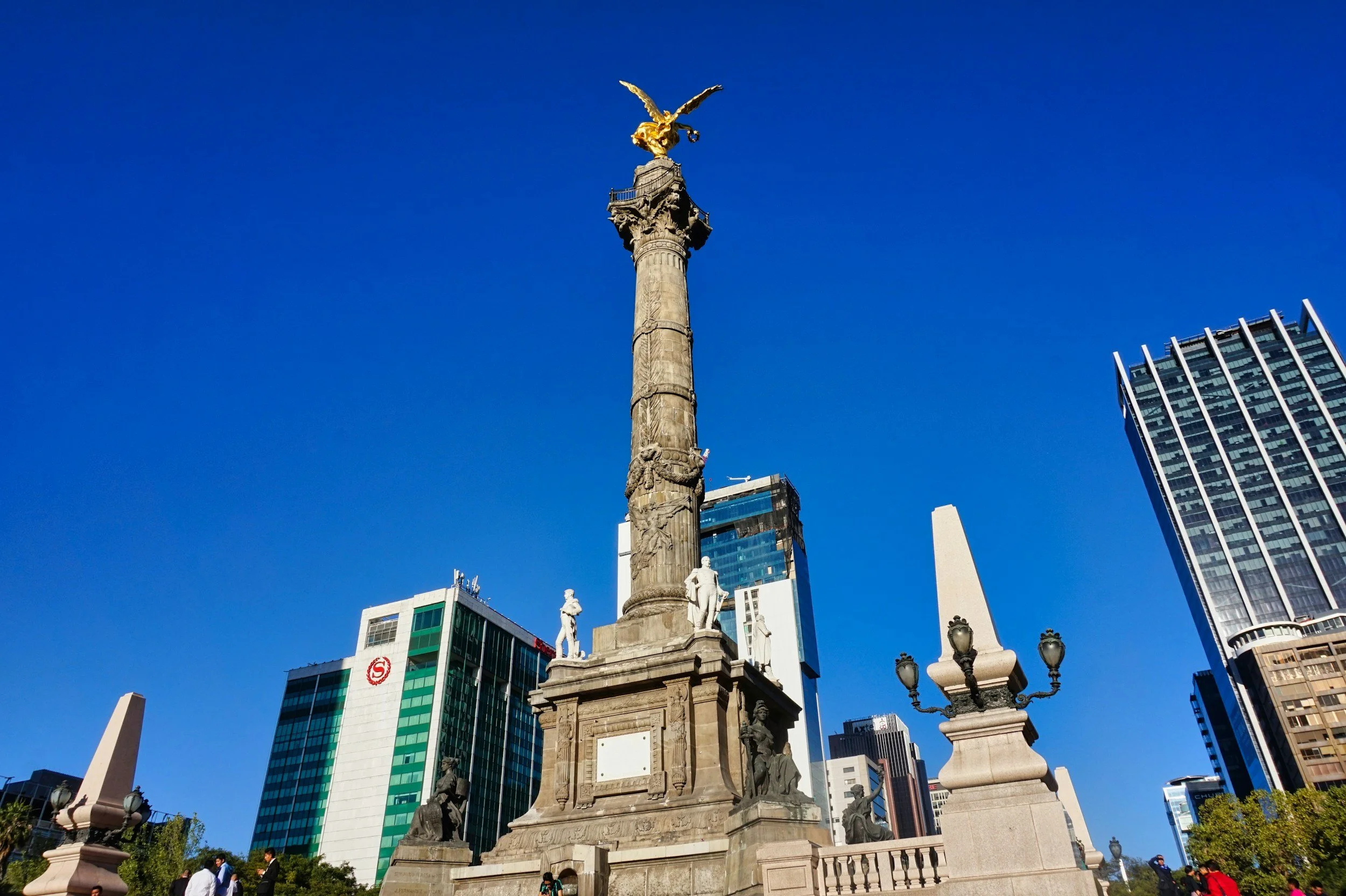
THE ANGEL OF INDEPENDENCE IS ALSO A MAUSOLEUM
The Ángel de la Independencia is more than one of Mexico City's best-known landmarks. Inside the monument lie the remains of 14 figures associated with Mexico's struggle for independence, including Miguel Hidalgo and José María Morelos.
Practical Tips for Your First 5 Days in Mexico City
Remember the altitude. Mexico City sits at roughly 2,240 metres above sea level. Most visitors have no major problems, but the first day isn't the moment to discover your personal walking record.
Watch for Mondays. Many major museums close, so use Monday for Roma, Condesa or Xochimilco.
Book Casa Azul in advance. You can't currently buy tickets at the museum itself.
Carry some cash. Cards are widespread, but markets, street-food stalls and smaller transactions are easier when you have pesos available.
Don't schedule museums back-to-back all week. Mexico City has enough exceptional museums to turn five days into a postgraduate programme if you allow it.
Choose your neighbourhood strategically. Staying somewhere central can save substantial time over five days.
Wear comfortable shoes. Even with public transport, this itinerary involves plenty of walking.
Treat meals as part of the trip. Mexico City's food deserves time of its own rather than whatever survives between attractions.
How to Make This Mexico City Itinerary More Relaxed
If this still feels too full, remove things.
Don't simply attempt the same itinerary at a slower walking speed.
The easiest changes are:
Day 1: see Bellas Artes from outside rather than visiting the museum.
Day 2: choose the National Museum of Anthropology instead of trying to combine it with Chapultepec Castle.
Day 3: change nothing. This is already the day doing some of the heavy lifting for your sanity.
Day 4: stay entirely in Coyoacán rather than adding Anahuacalli.
Day 5: spend two hours rather than half a day on the canals, or skip Xochimilco if it isn't particularly important to you and preserve a free final day.
And keep Teotihuacán for Day 6 or another trip.
A better itinerary isn't necessarily one containing more places.
Optional Swaps for Different Travel Styles
If You Love Art
Add Anahuacalli on Day 4 or spend more time inside Bellas Artes. You could also use part of your flexible final afternoon for another contemporary art museum.
If You're More Interested in History
Keep Templo Mayor, Anthropology and Chapultepec Castle as priorities. If necessary, reduce Day 3 rather than sacrificing the historical foundation of the trip.
If Food Is the Main Reason You're Visiting
Keep Day 3 almost completely free for Roma, Condesa and eating. Build more markets and longer lunches into the trip, and skip a secondary museum before compromising on the food.
If You Prefer Neighbourhoods to Museums
Keep Anthropology as the major cultural anchor, then skip Chapultepec Castle and use the extra time for Roma, Coyoacán or another neighbourhood.
If You Have Limited Mobility
Reduce the amount of walking within each cluster and use rideshares between major stops. Check individual museums and attractions for current accessibility arrangements before booking, and avoid assuming that a geographically compact day necessarily means a short walking day.
If You've Been to Mexico City Before
This itinerary deliberately concentrates on first-trip priorities. On a return visit, start replacing them with areas and experiences such as San Ángel, Santa María la Ribera, UNAM, Anahuacalli or more specialised museums and neighbourhoods.
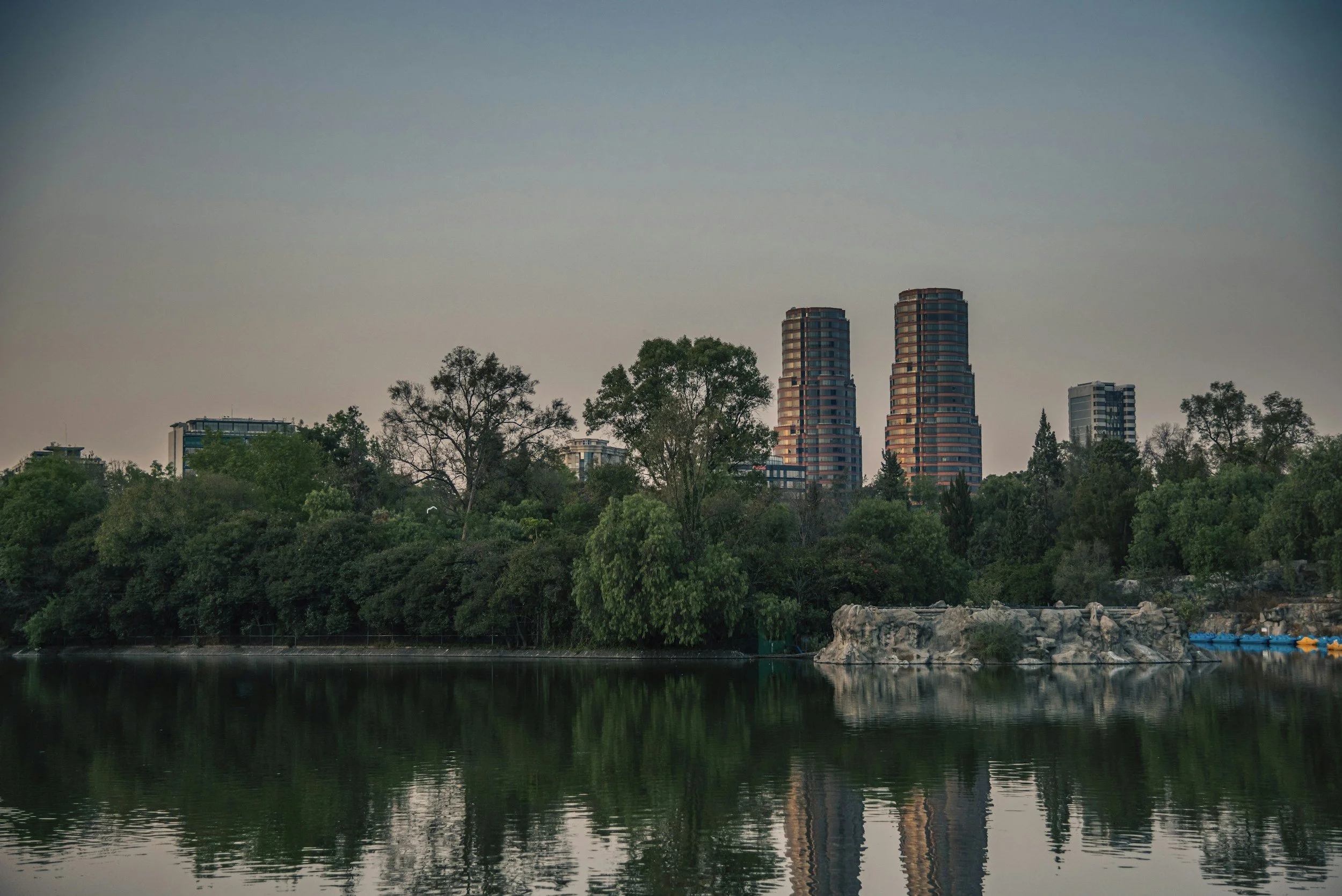
CHAPULTEPEC CASTLE HAS BEEN A MILITARY ACADEMY, IMPERIAL PALACE AND PRESIDENTIAL HOME
Chapultepec Castle has had an unusually varied life: built as a viceregal retreat, it later became a military academy, an imperial palace, an observatory and a presidential residence before becoming the National Museum of History.
“Five days is long enough for Mexico City to stop feeling like a list. You begin in the centre of what was once Tenochtitlan, where archaeology sits beside colonial architecture and the modern capital continues around both. You move through museums that explain thousands of years of Mexican history, then into neighbourhoods built during entirely different periods of the city’s growth.
You eat in markets, walk through Roma’s early 20th-century streets, slow down beneath the trees of Condesa, experience Coyoacán as something more than the home of Frida Kahlo and finish among the canals and chinampas that preserve a fragment of the landscape that existed before much of modern Mexico City was built. You leave with a clearer sense of how the city fits together, why its different layers matter and what you’d want to explore next.
For a first trip, that’s considerably more valuable than another three attractions before lunch.”