Mexico City Neighbourhood Guide: Where to Stay for Every Kind of Trip
Choosing where to stay in Mexico City is less about finding the geographical centre and more about deciding which version of the city you want outside your hotel door.
Mexico City is enormous. It sits across 16 boroughs at an altitude of around 2,240 metres, and even the parts most visitors explore cover a substantial area. Yet for a first trip, much of the decision usually comes down to a handful of neighbourhoods stretching from the Centro Histórico through Juárez, Roma and Condesa towards Chapultepec and Polanco, with places like Coyoacán sitting much further south.
That distinction can make a big difference: Stay in Roma Norte and you can build days around restaurants, galleries and long walks into Condesa. Choose Polanco and Chapultepec's museums, polished hotels and high-end dining become easier. Centro puts centuries of Mexican history almost immediately outside your door, while Coyoacán gives you something slower and more self-contained but asks you to travel further for much of the rest of the city.
There isn't one universally perfect neighbourhood. There is, however, usually a better one for the trip you're planning.
This guide breaks down the best neighbourhoods to stay in Mexico City, what each area feels like, who it works for and where the trade-offs start to show.
Where to Stay in Mexico City: The short Answer
-
Excellent food, strong nightlife, attractive streets and easy access to Condesa and Juárez make it one of the easiest places from which to understand contemporary Mexico City.
-
Leafier and slightly calmer than Roma, with parks, Art Deco architecture and a neighbourhood rhythm that works particularly well when you don't want every day completely planned.
-
The density and variety of restaurants, bakeries, bars and cafés make it difficult to beat.
-
More energetic and rougher around the edges than Condesa, with Zona Rosa, bars, clubs and late-night activity built into the area.
-
The strongest concentration of international luxury hotels, high-end restaurants and designer shopping, with Chapultepec nearby.
-
No other base puts you this close to the Zócalo, Templo Mayor, Palacio Nacional, Bellas Artes and such a dense concentration of museums.
-
Parks and residential streets give the neighbourhood more breathing room without isolating you from the main visitor areas.
-
It can offer better-value accommodation than Roma and Condesa while keeping you within walking distance of Reforma and much of the central neighbourhood cluster.
-
Juárez gives you a more layered central-city experience; Coyoacán makes more sense once you no longer need to organise every day around Mexico City's headline sights.
-
Choose Condesa if you still want central convenience, Coyoacán if you're prepared to trade that convenience for a more self-contained neighbourhood experience.
For most people coming to Mexico City for the first time, start your search in Roma Norte and Condesa. Then move elsewhere only if another neighbourhood offers something you value more.
How Mexico City Is Laid Out
Mexico City is bigger than it first appears
Mexico City rewards thinking in neighbourhoods.
On a map, Roma, Condesa, Juárez, Polanco and Centro can look as though they belong to one compact central district. In reality, crossing between them can involve a substantial walk, a quick Metro or Metrobús journey, or a much slower car journey when traffic is doing what Mexico City traffic tends to do.
The useful mental model is to think of several adjoining clusters rather than one centre.
To the east sits Centro Histórico, the historic and political core. Move west and you reach Juárez and Zona Rosa, with Paseo de la Reforma cutting through this part of the city. South-west are Roma Norte and Condesa, two of the city's strongest restaurant, nightlife and residential neighbourhoods. Further west are Chapultepec and Polanco. Coyoacán sits significantly further south and works almost as a separate destination within the city.
What is a colonia?
You'll frequently see Mexico City neighbourhoods referred to as colonias.
These are smaller neighbourhood divisions within the city's larger alcaldías, or boroughs. Roma Norte, Juárez and Condesa, for example, all sit within the borough of Cuauhtémoc, while Polanco sits in Miguel Hidalgo.
For travellers, the administrative detail matters less than understanding how one colonia flows into another. Roma and Condesa are close enough that you're likely to move between them without thinking too much about the boundary. Coyoacán is a different proposition entirely.
Why staying "central" isn't always the best move
Centro Histórico is the literal historic centre and one of the most important parts of Mexico City. UNESCO recognises it as part of a World Heritage Site built over the remains of Tenochtitlan, and the area contains Mexico City's greatest concentration of museums, cultural sites and major historic sights.
That doesn't automatically make it the best base.
If most of your evenings will involve restaurants in Roma, drinks in Juárez, mornings in Condesa and museums around Chapultepec, staying beside the Zócalo can actually create more travelling rather than less.
In Mexico City, proximity to the kind of days you want is often more useful than proximity to the theoretical centre.
Getting around
Mexico City's integrated public transport network makes it possible to move between neighbourhoods without depending entirely on taxis. Metro and Metrobús routes serve many of the areas in this guide, while walking works particularly well through combinations such as Roma, Condesa and Juárez.
Ride-hailing is useful too, but journey times are highly dependent on traffic. That is another reason neighbourhood choice matters more here than in a compact European city where you can simply walk across the centre.
The Best Neighbourhoods to Stay in Mexico City
Roma Norte: Best Overall for a First Mexico City Trip
Roma Norte is the easiest recommendation for a traveller who wants a little of almost everything that makes contemporary Mexico City compelling.
Its streets mix early 20th-century mansions and apartment buildings with galleries, independent shops, cafés, taquerías, cocktail bars and some of the city's most talked-about restaurants. Avenida Álvaro Obregón provides one of the neighbourhood's main spines, while streets such as Colima and Orizaba reward wandering without needing a particular attraction at the end of them.
The official city guide dates the development of Colonia Roma to the early 1900s and highlights its eclectic, Art Nouveau and Belle Époque architecture. That architectural legacy still matters because it gives Roma a texture that many newer neighbourhoods simply don't have: grand old houses beside contemporary galleries, leafy plazas beside restaurants operating from converted historic buildings.
Roma's popularity is not exactly a secret. It has long been one of the neighbourhoods most visited by international travellers, alongside Condesa (both its advantage and its main weakness).
Why stay in Roma Norte?
Roma is particularly good at making a first Mexico City trip feel easy.
You can start the morning with coffee without travelling anywhere, spend the afternoon moving between galleries, shops and neighbouring Condesa, then have dinner and drinks within a few streets of your hotel. Juárez and Zona Rosa are also close enough to fold naturally into the same part of a trip.
Food is one of the biggest reasons to stay here. Roma's dining scene covers everything from contemporary Mexican cooking and serious tasting menus to bakeries, wine bars and casual tacos. Even if you have an itinerary full of museums and historic sights, having this much food and drink within walking distance gives evenings considerably more flexibility.
Roma is also one of those neighbourhoods where walking is part of the experience rather than simply a way of reaching attractions.
Who should stay here?
Roma Norte works best for:
first-time visitors
food-focused trips
couples
solo travellers
travellers interested in design, cafés and independent businesses
anyone who wants evenings to happen close to their accommodation
short trips where convenience and atmosphere need to work together
What's nearby?
From Roma, you can walk into Condesa, Juárez and parts of the Reforma corridor relatively easily. Within the neighbourhood itself, Plaza Río de Janeiro, Casa Lamm, galleries and the streets around Álvaro Obregón provide plenty to explore without turning the day into a sightseeing schedule.
For the deeper food recommendations, this is also one of the neighbourhoods we'll return to repeatedly in our Mexico City Food & Drink Guide.
The trade-off
Roma's success has made it one of Mexico City's most internationalised visitor neighbourhoods.
Accommodation can be expensive, reservations at popular restaurants require more planning and some streets feel noticeably more visitor-oriented than they once did. The FCDO also notes that anti-gentrification demonstrations have occurred in central and tourist areas of Mexico City since 2025, something worth being aware of without treating it as a reason to avoid the neighbourhood.
If what you want most is a quiet, deeply residential base with limited tourism, Roma probably isn't it.
If what you want is one of the easiest introductions to the city, that trade-off is usually worth accepting.
Where to stay in Roma Norte
Nima Local House, boutique: A four-room property on Colima inside a converted historic house. This is the pick for travellers who prefer intimate, design-led accommodation over a conventional full-service hotel.
Brick Hotel, luxury boutique: On Orizaba and Tabasco, Brick combines a restored early 20th-century property with 17 rooms, restaurants and a spa. Better if you want Roma's location but still want the amenities of a higher-end hotel.
Colima 71, design-led: A 16-studio art-focused hotel designed with architect Alberto Kalach and a collection of contemporary works throughout the property. This one suits travellers who care as much about architecture and design as room service.
Choose Roma Norte if: you want food, nightlife, attractive streets and walkability to play a major part in your trip, and you're comfortable staying somewhere firmly on Mexico City's international travel radar.
Condesa: Best for Couples, Parks and a Slower Stay
Condesa sits beside Roma, but staying here produces a subtly different trip. The biggest difference is space.
Parque México, Parque España and the looping Avenida Ámsterdam give large parts of Condesa a softer urban shape than Roma's grid. Mature trees cover residential streets, cafés spill onto pavements and Art Deco apartment buildings appear between newer restaurants and bars. The neighbourhood still has plenty happening, but it rarely feels as concentrated as Roma Norte.
Parque México was designed alongside the wider neighbourhood in the 1920s and opened in 1927. The surrounding urban plan, including Avenida Ámsterdam and Condesa's distinctive architecture, continues to shape the way the neighbourhood is experienced today. Buildings such as Edificio Basurto show just how strongly Art Deco became part of its identity.
This is why Condesa's appeal isn't simply that it has good cafés and restaurants. It's that the spaces between them are enjoyable too.
Why stay in Condesa?
Condesa is where I'd look if you like Roma's part of the city but want your hotel to feel slightly removed from its busiest streets.
You still have restaurants, wine bars, cocktail spots and excellent cafés within walking distance. Roma is next door. Chapultepec is reasonably close. But mornings can begin with a lap around Parque México rather than stepping immediately into one of the city's restaurant and nightlife hubs.
That gives Condesa particular appeal for couples and travellers planning four or five days rather than trying to squeeze Mexico City into a frantic weekend.
Who should stay here?
Condesa works particularly well for:
couples
first-time visitors who prefer a calmer base
longer stays
travellers who prioritise parks and walkability
café-heavy trips
anyone who likes returning somewhere residential at the end of the day
Roma or Condesa?
This is the decision most people will actually make.
Choose Roma if you want more restaurants, bars, shops and urban energy immediately around you.
Choose Condesa if parks, residential streets and a slightly slower pace matter more.
The difference isn't enormous. You can walk between the two. But when you're choosing the street you wake up on each morning, it is noticeable.
The trade-off
Condesa can be expensive, and the prettiest parts of the neighbourhood are hardly undiscovered.
Nightlife is strong but generally less concentrated than Roma or Juárez. Depending on exactly where you stay, Metro access can also require a little more walking, although Metro Patriotismo sits beside the Condesa and Escandón boundary and the wider area is served by multiple transport options.
Where to stay in Condesa
Hotel San Fernando, boutique: A restored 1947 apartment building around two minutes from Parque México. The smaller scale and residential setting suit Condesa particularly well, and several rooms include kitchenettes for longer stays.
Casa Decu, boutique: A protected historic property drawing directly on Condesa's Art Deco character. Bear in mind that the preserved building has no lift or air conditioning, which is precisely the kind of practical detail worth knowing before booking.
Condesa DF, design hotel: A long-established Grupo Habita property occupying a 1928 French Neoclassical building, with India Mahdavi interiors and views towards Parque España from some rooms.
Andaz Mexico City Condesa, luxury: A larger, full-service option close to Parque México, with rooftop facilities, spa and pool. It occupies the heritage-listed Conjunto Aristos, built in 1961.
Choose Condesa if: you want the advantages of staying close to Roma without needing to live in the middle of its busiest restaurant and nightlife streets.
Juárez: Best for Nightlife, Central Position and Better Value
Juárez is a useful reminder that Mexico City's neighbourhoods don't progress neatly from "traditional" to "modern".
Here you'll find early 20th-century architecture, Paseo de la Reforma, offices, bars, international restaurants, independent businesses and the dense nightlife of Zona Rosa occupying the same relatively compact area.
Zona Rosa forms the eastern part of Colonia Juárez and became an important cultural district during the 20th century. The area developed a particularly significant role in Mexico City's LGBTQ+ history, providing spaces for community, nightlife and alternative cultural expression. Today it remains one of the city's best-known nightlife districts.
That gives Juárez more edge than Condesa and more unpredictability than Roma (and maybe even a bit more personality).
Why stay in Juárez?
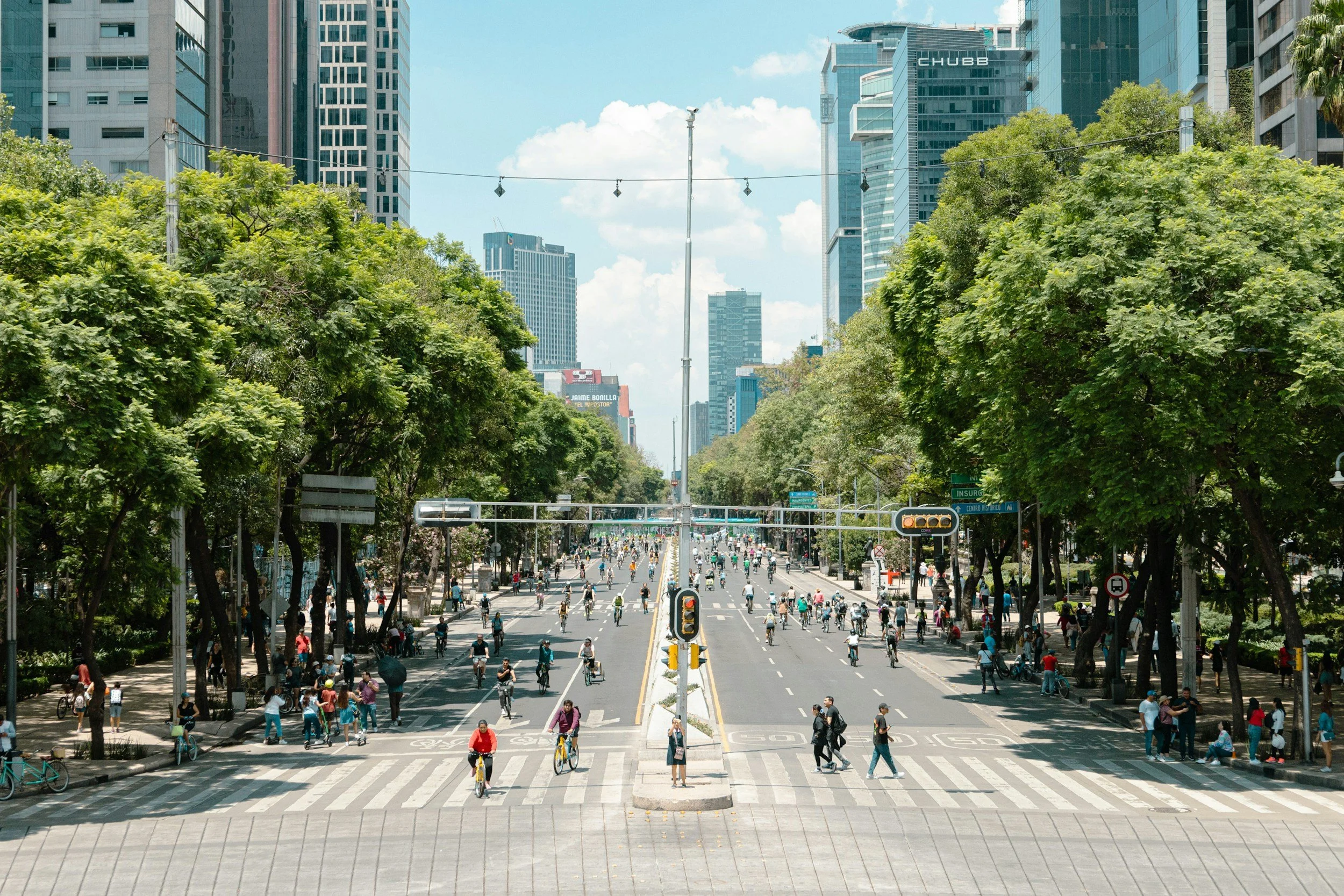
Location is Juárez's advantage. Roma sits just to the south. Reforma cuts through the northern side. Centro is further east. Chapultepec lies westward. Metro Insurgentes and Metrobús services add useful transport connections, so you're not dependent on cars for every journey.
If nightlife matters, Juárez makes even more sense. Zona Rosa keeps parts of the neighbourhood busy late into the evening, while the broader restaurant and bar scene has expanded well beyond the area's traditional nightlife identity.
You may also pay less for accommodation here than for an equivalent room in the most sought-after streets of Roma or Condesa.
Who should stay here?
Juárez is strongest for:
nightlife
LGBTQ+ travellers wanting to be close to Zona Rosa
repeat visitors
solo travellers
travellers prioritising location and transport
people who find Roma slightly too polished
anyone looking for central accommodation without automatically paying Roma prices
The trade-off
Juárez changes noticeably from street to street.
Some parts feel polished and busy; others feel grittier. Zona Rosa can be loud late at night, and travellers primarily looking for leafy morning walks may be happier across Insurgentes in Roma or Condesa.
That variation makes the exact address of your hotel more important here than simply seeing "Juárez" on the booking page.
Where to stay in Juárez
Hotel Geneve, historic: Operating since 1907, this museum-style hotel sits on Londres in Zona Rosa, close to Reforma and Metro Insurgentes. Choose it for history and location rather than minimalist contemporary design.
Hotel Benedicta, value: On Calle Marsella, this is a simpler option for travellers who want Juárez's location without paying for a destination hotel. Its position places Reforma, Roma and the historic centre within relatively easy reach.
Four Seasons Mexico City, luxury: Technically in Colonia Juárez on Paseo de la Reforma, this is the opposite end of the spectrum: a full-service luxury retreat whose courtyard atmosphere can feel remarkably removed from the road outside.
Choose Juárez if: you want nightlife, transport and central positioning to outweigh perfectly manicured neighbourhood atmosphere.
Polanco: Best for Luxury, Museums and a More Polished Stay
Polanco makes its priorities clear fairly quickly.
Avenida Presidente Masaryk is lined with luxury boutiques, restaurants and smart residential buildings. High-end hotels cluster through the neighbourhood. Parque Lincoln adds green space, while Chapultepec's major museums sit close enough to make Polanco particularly useful for culturally ambitious trips.
Masaryk developed from the former Hacienda de los Morales lands and became central to Polanco's reputation as an affluent shopping and residential district through the 20th century. That history helps explain why the neighbourhood feels different from Roma and Condesa: wider avenues, more formal retail, larger hotels and a distinctly more polished commercial character.
Why stay in Polanco?
The strongest argument isn't shopping. It's comfort plus museum access.
Bosque de Chapultepec and the National Museum of Anthropology are close, while Museo Soumaya and Museo Jumex sit around the newer Polanco/Granada district to the north. Soumaya alone holds a collection of around 66,000 works, and it is commonly paired with nearby Jumex.
Polanco also has one of the city's strongest concentrations of higher-end restaurants and luxury hotels, which makes it straightforward for travellers who prefer accommodation to be part of the trip rather than simply somewhere to sleep.
Who should stay here?
Polanco suits:
luxury travellers
business trips extended into leisure
families wanting full-service hotels
travellers prioritising Chapultepec's museums
high-end food trips
shoppers
anyone who values predictable comfort over bohemian atmosphere
The trade-off
Polanco can feel less immediately distinctive than Roma, Centro or Coyoacán.
There is plenty to do, but parts of the neighbourhood have a corporate, international feel. If your idea of Mexico City involves independent cafés, old mansions converted into galleries and spontaneous bar-hopping, you'll probably find Roma or Juárez more rewarding.
Transport also depends on which part of Polanco you're in. Metro Polanco is most useful for the eastern sections, while destinations around Soumaya and Jumex sit further north.
Where to stay in Polanco
Las Alcobas, luxury boutique: A design-focused five-star option in Polanco with interiors by Yabu Pushelberg. Best for a smaller-scale luxury stay rather than the atmosphere of a large international hotel.
Pug Seal Allan Poe, boutique: Part of the Mexican Pug Seal collection, with a more residential boutique feel than the major hotels around Reforma and Chapultepec.
Polanco also has a deep selection of international luxury hotels, making it the easiest neighbourhood in this guide if a large full-service property is your priority.
Choose Polanco if: you want museums, fine dining and high-end accommodation to be easy, and you're prepared to trade some neighbourhood edge for polish.
Centro Histórico: Best for History and Monumental Mexico City
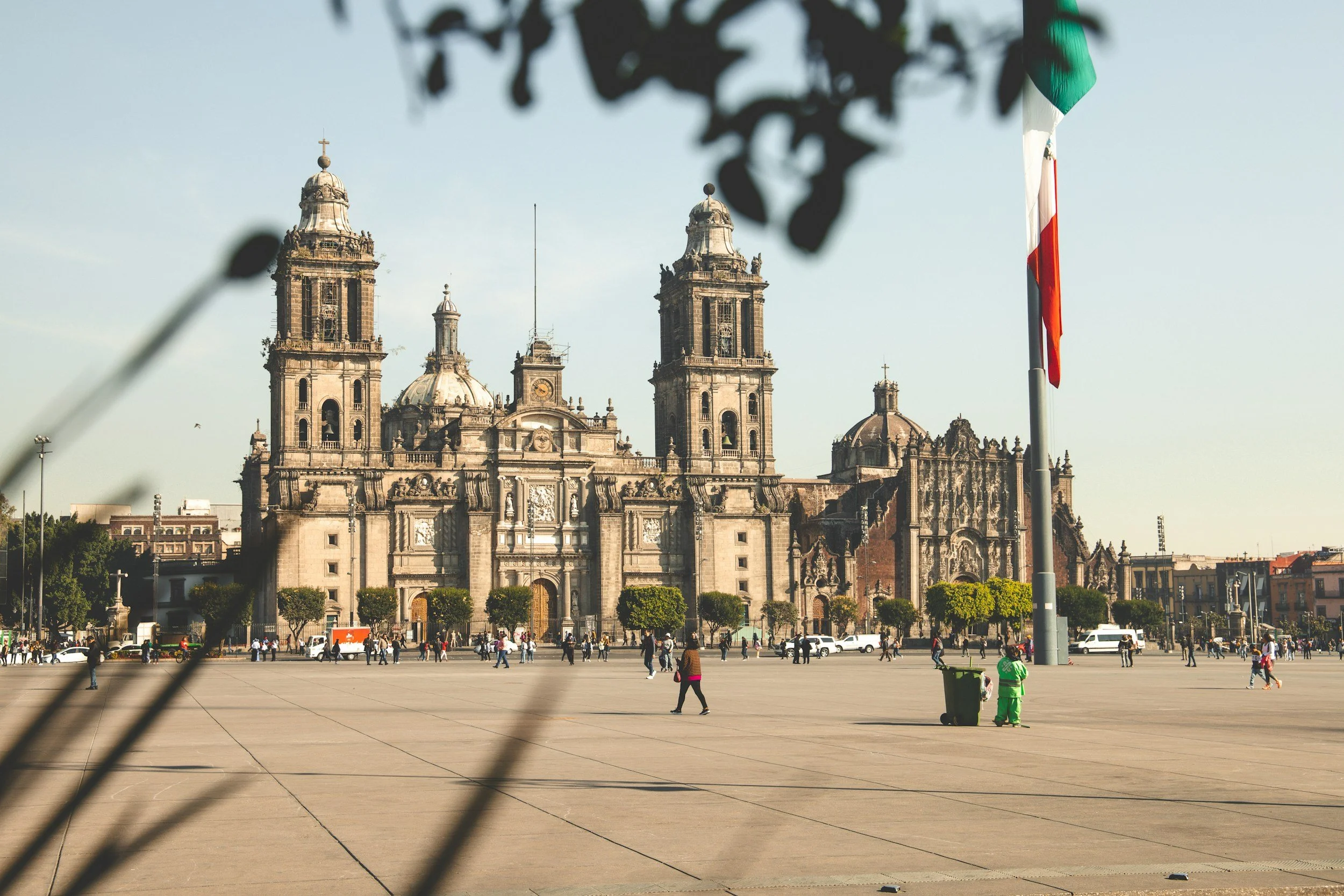
Centro Histórico is not simply another neighbourhood.
This is where Tenochtitlan stood, where the Spanish colonial capital was built and where layers of Mexican political, religious and architectural history remain unusually concentrated.
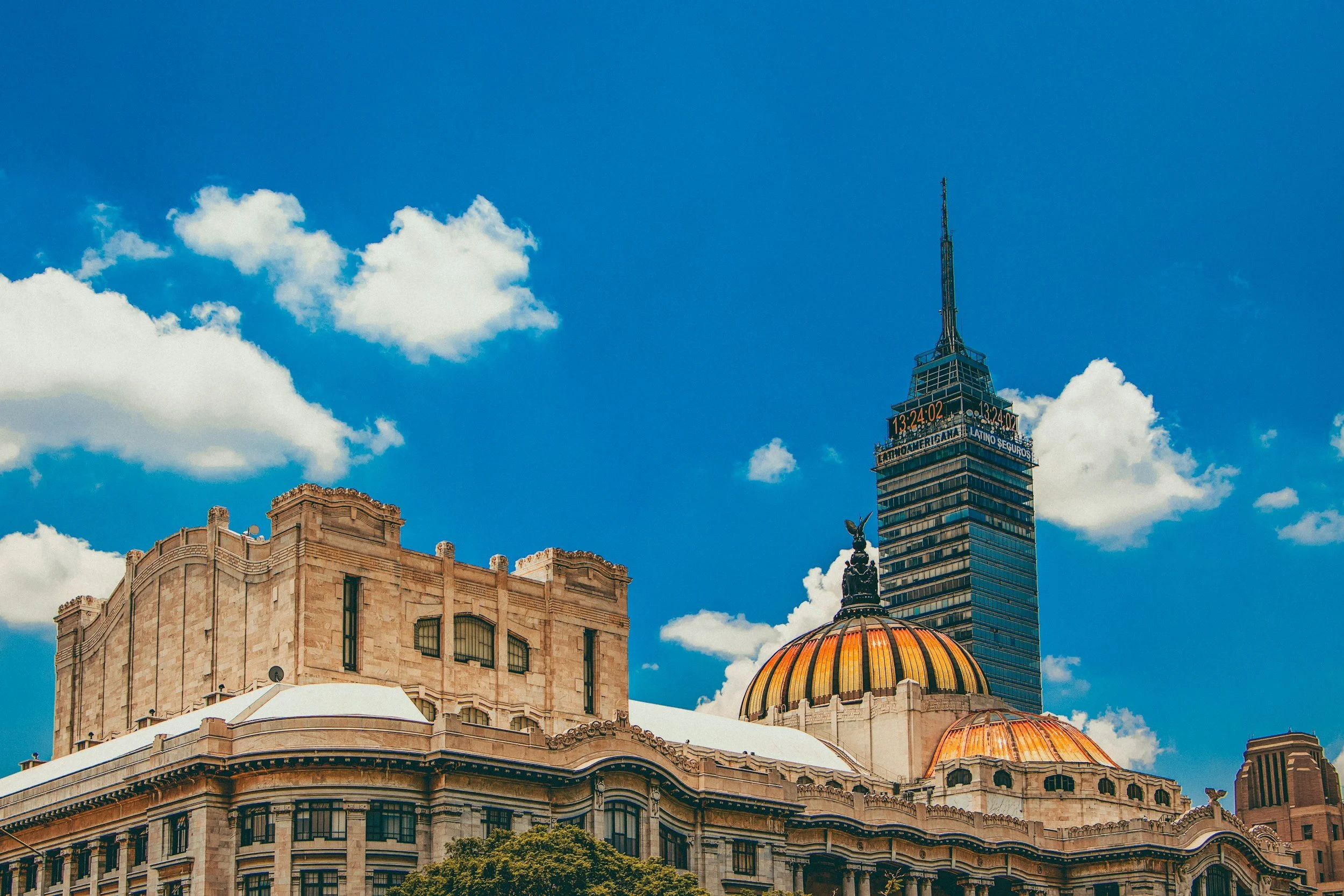
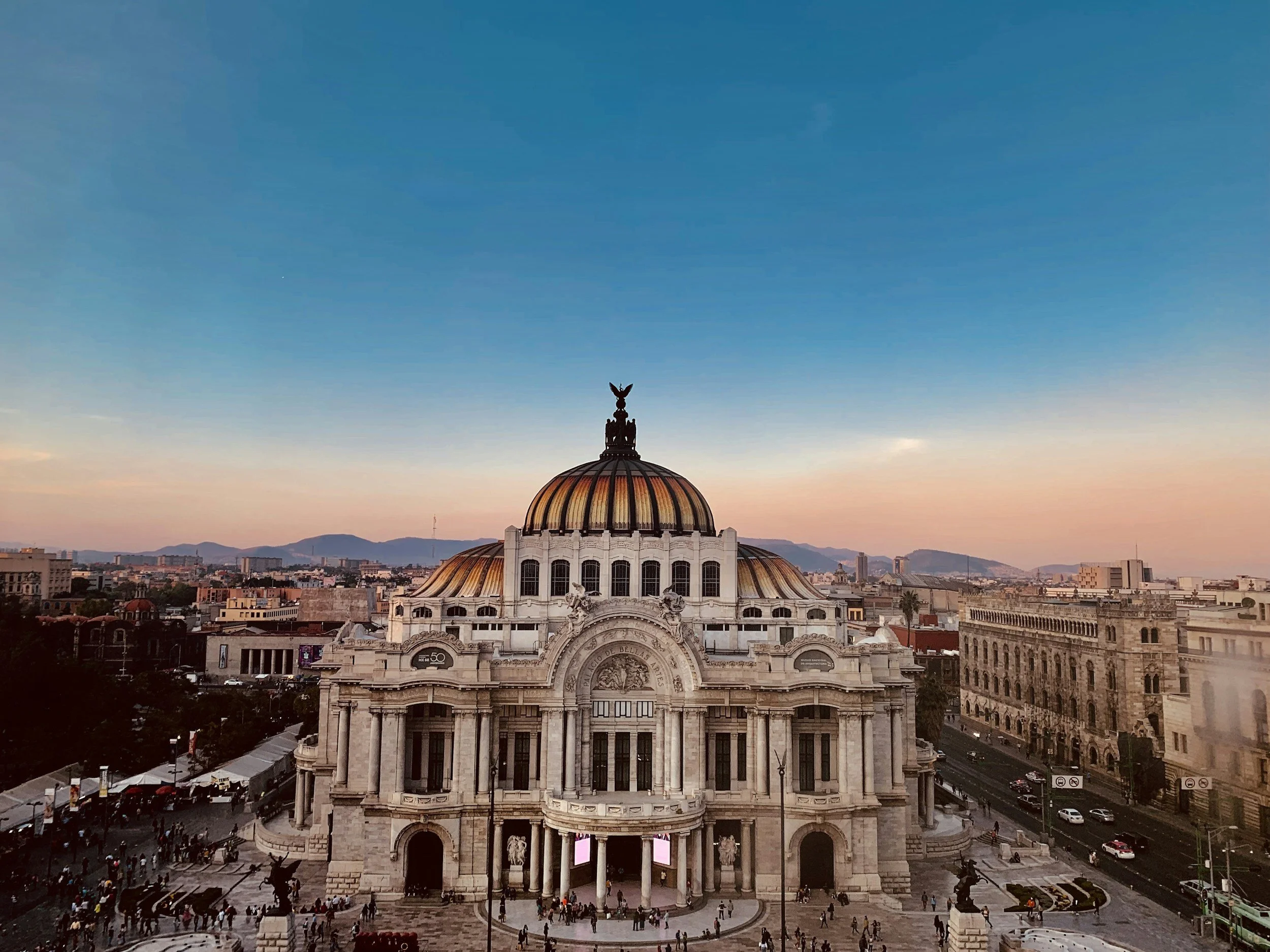
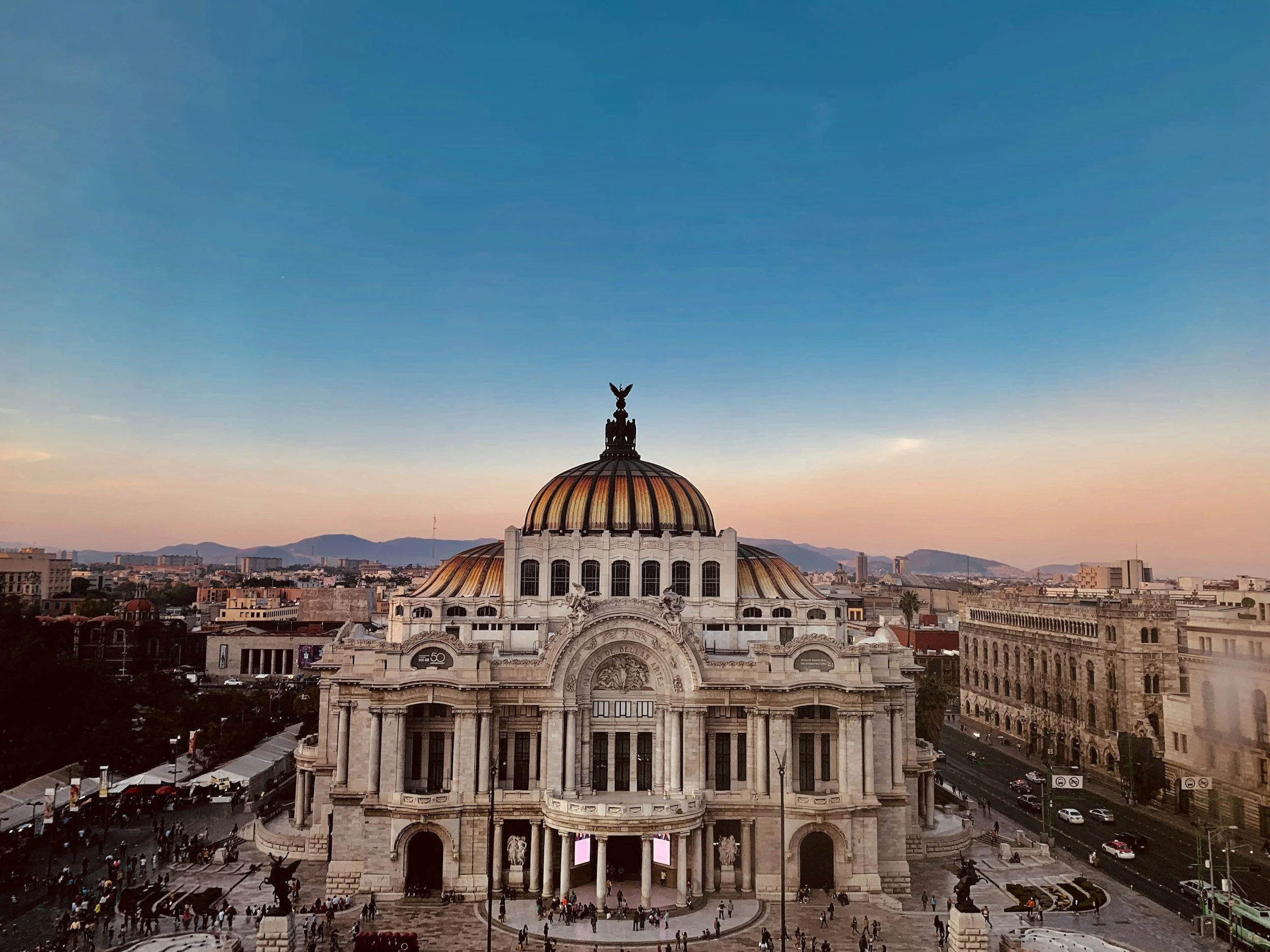
UNESCO's World Heritage designation encompasses the historic centre, and the city's official visitor guide describes it as having Mexico City's largest concentration of museums and cultural sites. The Zócalo, Metropolitan Cathedral, Templo Mayor, Palacio Nacional, Alameda Central and Palacio de Bellas Artes are only the beginning.
For sightseeing, Centro is extraordinary.
Why stay in Centro Histórico?
If this is a short, history-focused trip, waking up within walking distance of the Zócalo can be difficult to beat.
You can explore early before the busiest hours, return to the hotel between museums and spend entire days on foot without needing to cross the city.
Centro also gives you a very different sense of Mexico City from Roma or Polanco. Streets can be crowded and intensely commercial, monumental buildings appear between everyday shops and centuries of history sit almost casually underneath the modern city.
For travellers who come primarily for architecture and history, that immediacy is powerful.
Who should stay here?
Centro works best for:
history-focused first visits
architecture
museum-heavy itineraries
photographers
short stays concentrated around the historic core
travellers who actively want the density and intensity of downtown Mexico City
The trade-off
Centro is one of the best areas to visit, but not automatically one of the best areas to live in for four nights.
Some streets become much quieter after businesses close. Restaurant and bar options feel different from Roma or Condesa, and if your evenings repeatedly pull you west, you'll end up travelling back and forth.
The exact street matters significantly, particularly after dark. Current FCDO advice for Mexico generally notes street crime risks in major cities, pickpocketing on public transport and the importance of using reputable transport providers. It does not place Mexico City under the regional "all but essential travel" warnings applying to parts of several other Mexican states.
The better approach is not to label Centro "safe" or "unsafe", but to choose accommodation carefully and adjust how you move around after dark.
Where to stay in Centro Histórico
Downtown Mexico, design boutique: A 17-room hotel inside the 17th-century Palace of the Counts of Miravalle, combining colonial architecture with contemporary interiors. This is one of the more design-conscious ways to stay in Centro.
Círculo Mexicano, boutique: Another Grupo Habita property, this time occupying a reworked 19th-century building with a rooftop looking towards the Cathedral, Palacio Nacional and Templo Mayor.
Both make sense if you specifically want Centro itself to be part of the hotel experience, rather than merely booking the cheapest central room available.
Choose Centro Histórico if: history and museums are the point of your trip and you're comfortable trading Roma-style evenings for direct access to Mexico City's historic core.
Coyoacán: Best for a Slower Trip or Repeat Visit
Coyoacán feels far more self-contained than the central neighbourhoods.
Its historic centre is built around Jardín Hidalgo and Jardín Centenario, with cobbled or quieter streets, colourful low-rise architecture, markets, cafés and cultural sites unfolding around them. The neighbourhood's history predates the Spanish city centre: Coyoacán had an established identity before the rise of Tenochtitlan and later became the site of the first Spanish municipal government in the area.
Today, much of its international fame is attached to Frida Kahlo.
Casa Azul remains in the neighbourhood where Kahlo was born and lived, and the museum currently requires advance ticket purchase rather than selling admission at the door.
But reducing Coyoacán to Frida Kahlo misses the reason you might stay here - this is one of the parts of Mexico City where the centre of the neighbourhood itself becomes the experience.
Why stay in Coyoacán?
Choose Coyoacán because you want mornings around local plazas, cafés and markets rather than because it puts you close to everything.
Jardín Centenario and Plaza Hidalgo create a genuine neighbourhood centre, while the surrounding area rewards slower exploration.
If you're staying for a week, returning to Mexico City or particularly interested in the south of the city, that can be enormously appealing.
If you have three days and a list containing Centro, Chapultepec, Roma and Polanco, less so.
Who should stay here?
Coyoacán works best for:
repeat visitors
longer trips
travellers prioritising neighbourhood atmosphere
art and cultural trips
slower travel
visitors who already know they want to spend significant time in southern Mexico City
The trade-off
Distance.
Casa Jacinta describes the nearest Metro connection as roughly 15 minutes from the property, which illustrates the broader issue: Coyoacán is connected, but it is not embedded in the same compact visitor cluster as Roma, Juárez and Condesa.
For a first trip of three or four days, I'd generally visit Coyoacán rather than stay here.
For a second trip or a week-long stay, the equation changes.
Where to stay in Coyoacán
H21 Hospedaje Boutique: A small property on Higuera in Barrio La Concepción, right in the heart of Coyoacán. Choose it when location within Coyoacán itself matters more than access to central Mexico City.
Casa Jacinta Guest House: A lower-key guesthouse in Colonia del Carmen, positioned for walking into Coyoacán's historic centre.
Choose Coyoacán if: you've deliberately decided that a slower, more self-contained neighbourhood experience matters more than being close to Mexico City's central visitor circuit.
What About San Rafael?
San Rafael deserves attention, but I wouldn't put it ahead of the six neighbourhoods above for most first-time visitors.
The area sits north of Juárez and west of Centro, with historic architecture, galleries, theatres and a more everyday residential character. Mexico City's tourism material specifically identifies San Rafael as part of the city's visual-arts landscape, while surviving buildings reveal several layers of late 19th and early 20th-century development.
It is potentially interesting for a repeat visitor who wants to move beyond Roma and Condesa, particularly if value and local atmosphere matter.
But for a traveller booking Mexico City for the first time, Juárez offers easier nightlife and connections, Roma has the stronger dining ecosystem and Centro puts the major historic sights closer.
Think of San Rafael as a good second-trip neighbourhood rather than a default first-trip base.
Which Mexico City Neighbourhood Should You Choose?
Roma Norte vs Condesa
This is the closest contest.
Both are leafy, walkable, food-focused and popular with international visitors. Both make excellent first-trip bases. You can comfortably spend time in one while staying in the other.
The difference is emphasis.
Roma Norte feels denser and more urban. It has the stronger restaurant and bar concentration, more galleries and shops, and generally more going on once evening arrives.
Condesa feels greener and more residential. Parque México, Avenida Ámsterdam and the surrounding Art Deco streets make wandering part of the appeal rather than simply the route between places.
Choose Roma if: food, bars, galleries and being in the middle of things matter most.
Choose Condesa if: parks, quieter mornings and a more residential base matter more.
For a first trip, I'd give Roma Norte the narrow overall win. For a couple spending five days in the city, I might choose Condesa instead.
Roma Norte vs Juárez
Roma is the easier recommendation.
Juárez is the more interesting alternative.
Stay in Roma for leafy streets, restaurant density, boutiques and a neighbourhood where days and evenings are easy to improvise.
Stay in Juárez for nightlife, Reforma access, Metro connections, LGBTQ+ culture and a slightly less curated version of central Mexico City.
Juárez can also make more financial sense if Roma accommodation has climbed beyond what you want to spend.
First trip: Roma.
Nightlife-heavy trip: Juárez.
Second visit: Juárez becomes considerably more tempting.
Roma and Condesa vs Polanco
This comes down to independent neighbourhood life versus polished convenience.
Roma and Condesa have more of the cafés, converted historic buildings, cocktail bars and smaller-scale restaurants people increasingly associate with a contemporary Mexico City trip.
Polanco gives you luxury hotels, fine dining, designer shopping and particularly good access to Chapultepec. Its Metro station also serves the eastern side of the neighbourhood, while Reforma's Metrobús can be useful for other parts.
Choose Roma or Condesa if: neighbourhood atmosphere is part of why you're travelling.
Choose Polanco if: hotels, museums, luxury and comfort matter more.
Roma and Condesa vs Centro Histórico
Centro wins on historical importance.
Roma and Condesa win as all-round bases.
There is no equivalent to walking out into the Zócalo, Templo Mayor and the density of Centro's historic architecture. But once museum doors close, Roma and Condesa generally give you more freedom around dinner, drinks and neighbourhood wandering.
The better first trip for most travellers is probably: Stay in Roma or Condesa, dedicate at least one major day to Centro. Stay in Centro only if history and architecture are so central to the trip that you actively want to wake up there.
Coyoacán vs Central Mexico City
For most first-time visitors, this one is easier.
Stay central. Visit Coyoacán.
The neighbourhood absolutely deserves your time, but its southern location makes it less efficient if your plans also include Centro, Reforma, Chapultepec, Roma and Polanco. Coyoacán becomes a much stronger accommodation choice once you have more time or are returning to the city.
What to Know Before Booking Accommodation in Mexico City
The exact street Is key
"Roma Norte" on a booking site isn't precise enough.
A room above a busy restaurant or nightlife street produces a very different stay from a property six blocks away on a quieter residential road.
Look at the exact address. Check the immediate streets, not just the neighbourhood name.
This matters particularly in Roma, Condesa, Juárez and Centro.
Don't underestimate traffic
A journey that appears short geographically can become considerably longer at the wrong time.
This is why I wouldn't build a Mexico City trip around taking a car everywhere. Use walking and public transport where they make sense, then use ride-hailing selectively.
Metro and Metrobús access is useful even if you think you'll use Uber
Mexico City's transport network connects many of the neighbourhoods travellers actually use. Being close to a useful Metro or Metrobús route gives you another option when roads slow down.
That doesn't mean choosing your hotel solely because it is next to a station.
In Roma or Condesa, I'd prioritise a good street and walkable surroundings first.
Walking works best in clusters
Roma, Condesa and Juárez can be explored together surprisingly well on foot.
Centro works extremely well as its own walking area.
Polanco is walkable internally, but don't assume that means you'll walk there from Roma simply because everything looks relatively close on a zoomed-out map.
Coyoacán is effectively its own excursion.
Mexico City's altitude is worth knowing about
Mexico City sits at roughly 2,240 metres above sea level. Most visitors have no major issue, but the city's own visitor guidance notes that some people can experience symptoms associated with altitude.
That is another reason not to schedule the first afternoon like a competitive endurance event.
A slower meal and a neighbourhood walk will still be there.
Think about noise before booking
Nightlife is an advantage until the bar is underneath your window.
If you're a light sleeper, look especially carefully at accommodation in:
Roma Norte
Juárez and Zona Rosa
busier parts of Condesa
heavily trafficked roads around Reforma
Read recent property reviews specifically for comments about street noise and building soundproofing.
Take a nuanced approach to safety
There is no useful single answer to "Is Mexico City safe?"
Current FCDO advice warns that street crime and theft are risks in major Mexican cities, including pickpocketing on public transport. It advises using reputable transport, remaining aware of surroundings and taking particular care with valuables. It also specifically warns against unlicensed taxis.
That does not mean treating whole neighbourhoods as dangerous.
The practical approach is more mundane:
choose well-reviewed accommodation
understand the immediate streets around it
be more deliberate about transport late at night
keep valuables unobtrusive
use authorised airport transport or reputable ride services
check current official travel advice before departure
avoid demonstrations if you encounter them
Mexico City is far too large and varied for useful safety advice to fit into a green/red neighbourhood map.
Where to Stay in Mexico City for Every Kind of Trip
Best for First-Time Visitors: Roma Norte
Roma gives first-timers the best balance of food, walkability, atmosphere and access to neighbouring areas.
Alternative: Condesa if you value quiet and green space more than having the maximum number of restaurants outside your door.
Best for Food: Roma Norte
No other neighbourhood combines quite the same density of destination restaurants, casual eating, bakeries, cafés, bars and places you'll discover accidentally.
Polanco is stronger if your trip is specifically built around high-end dining.
Best for Nightlife: Juárez
Zona Rosa and the wider bar scene give Juárez the strongest late-night identity among the areas in this guide.
Roma comes second if you want eating and drinking to merge into the same evening rather than heading specifically "out".
Best for Couples: Condesa
Green space, attractive streets, good restaurants and easy access to Roma give Condesa a particularly good balance for a city break for two.
Best for Luxury: Polanco
The easiest decision on the list.
Stay here for high-end hotels, polished service, fine dining and good access to the museums around Chapultepec.
Best for Culture and History: Centro Histórico
If the purpose of the trip is understanding Mexico City's historical layers, stay close to them.
For a broader city break, I'd still visit Centro rather than necessarily sleep there.
Best for Budget-Conscious Travellers: Juárez
Juárez can provide better-value rooms while keeping Roma, Reforma and Centro relatively accessible.
Centro can also offer value, but I'd be more selective about exact location.
Best for a Quieter Stay: Condesa
It isn't silent, but the park-focused sections of Condesa offer the best combination of relative calm and central convenience.
Best for Longer Stays: Condesa
You get the restaurants and convenience of central Mexico City with enough residential rhythm that the neighbourhood doesn't feel like somewhere you simply pass through.
For an even slower stay, consider Coyoacán.
Best for Repeat Visitors: Coyoacán or Juárez
Choose Coyoacán when you've already covered the central essentials and want a different daily rhythm.
Choose Juárez when you still want to be central but would rather dig deeper than repeat the standard Roma/Condesa trip.
Best for Solo Travellers: Roma Norte
The combination of walking, cafés, restaurants and activity throughout the day makes Roma particularly easy to navigate alone.
Juárez is a stronger choice if nightlife and transport connections matter more.
Best if You Want to Walk as Much as Possible: Roma Norte or Condesa
Neither eliminates the need for transport across a city this large.
But both give you plenty of worthwhile streets, restaurants and neighbouring areas within walking distance, which is the more important measure.
Mexico City Neighbourhoods You May Prefer to Visit Rather Than Stay In
San Ángel
San Ángel is one of Mexico City's most distinctive historic neighbourhoods.
Its cobbled streets, colonial architecture, Museo de El Carmen and Saturday art market around Plaza San Jacinto make it worth adding to a longer itinerary. The city's tourism guide traces the area's development around the Carmelite presence from the 16th century and highlights the Bazar del Sábado as one of its defining contemporary attractions.
But I wouldn't choose it as the default base for a first trip.
It sits further south-west, making Roma, Centro, Polanco and much of the core visitor circuit less convenient.
Visit San Ángel for: architecture, markets and a slower afternoon.
Stay there only if: you've deliberately built the trip around southern Mexico City.
Coyoacán
Coyoacán is the borderline case.
It has enough hotels, restaurants and neighbourhood life to support a genuine stay, unlike somewhere that is purely an excursion.
But for a three or four-day first trip, its location introduces an unnecessary trade-off.
Visit on a first trip. Stay on a slower or repeat trip.
Parts of Centro Histórico
Centro is too important to skip and too complex to dismiss.
But I wouldn't book purely because a room appears cheap and "central".
Choose a strong hotel on a well-understood street, or stay further west and explore Centro properly during the day.
“For most first-time visitors, Roma Norte is the best place to start. It isn’t Mexico City’s quietest neighbourhood, cheapest neighbourhood or least tourist-oriented neighbourhood. It wins because it makes a complicated city unusually easy to enjoy.
You can walk into Condesa and Juárez. Dinner rarely requires crossing town. Cafés, galleries, bars and shops fill the gaps between bigger sightseeing days, and the neighbourhood itself feels like part of the trip rather than simply its accommodation district.
But remember, you have to choose the area that’s right for YOU. Start by deciding what you’re looking to get out of your trip.”
So, Where Should You Stay in Mexico City?
For most first-time visitors, Roma Norte is the best place to start.
It isn't Mexico City's quietest neighbourhood, cheapest neighbourhood or least tourist-oriented neighbourhood. It wins because it makes a complicated city unusually easy to enjoy.
You can walk into Condesa and Juárez. Dinner rarely requires crossing town. Cafés, galleries, bars and shops fill the gaps between bigger sightseeing days, and the neighbourhood itself feels like part of the trip rather than simply its accommodation district.
Condesa is the better choice if you want something greener and slightly slower.
Juárez is better if nightlife, value and central positioning matter more than polish.
Polanco is better if you want luxury hotels, Chapultepec and high-end dining.
Centro Histórico is better if history and architecture dominate the itinerary.
Coyoacán is better once you have enough time to stop treating central convenience as the priority.
The main mistake isn't choosing the "wrong" neighbourhood.
It's choosing an area because somebody called it the best without asking what kind of Mexico City trip you actually want.
Start with that question, and the map becomes considerably easier.
Mexico City Neighbourhood FAQs
-
For most first-time visitors, Roma Norte offers the strongest overall balance of restaurants, bars, walkability and access to Condesa, Juárez and the wider central city.
-
Roma is better for restaurants, nightlife, galleries and energy.
Condesa is better for parks, couples and a slower neighbourhood experience.
The two areas border one another, so this is more about where you want to sleep and spend your mornings than what you'll be able to visit.
-
Roma Norte is one of Mexico City's most heavily visited international neighbourhoods, but no neighbourhood should be described as universally safe.
Take normal major-city precautions, pay attention to your immediate surroundings and use reputable transport late at night. Current UK government advice also recommends remaining alert to street crime and pickpocketing in major Mexican cities.
-
Yes. Condesa is one of the strongest all-round bases, especially for couples, longer stays and travellers who want restaurants and walkability without staying on Roma's busiest streets.
-
Yes, if your priorities are luxury accommodation, museums, fine dining and shopping.
If you're looking primarily for independent restaurants, nightlife and neighbourhood atmosphere, Roma or Condesa will probably suit you better.
-
Stay in Centro if history, museums and architecture are the main purpose of your trip.
For a more balanced first visit combining sightseeing with food and nightlife, Roma or Condesa usually makes the stronger base.
-
It can be, particularly for repeat visitors and longer trips.
For a first stay of only a few days, Coyoacán's southern location makes it less convenient than Roma, Condesa or Juárez.
-
Roma Norte is the best all-round choice for food because of the sheer variety of restaurants, bakeries, cafés and bars within a relatively compact area.
Polanco is particularly strong for high-end dining.
-
Juárez, particularly around Zona Rosa, has the clearest nightlife focus.
Roma Norte is a better option if you want restaurants, cocktails and bars without staying inside a dedicated nightlife district.
-
Yes. These neighbourhoods form one of the most walkable visitor clusters in Mexico City, and exploring them together on foot is often more rewarding than treating each one as a separate destination.
For journeys to Centro, Polanco or Coyoacán, public transport or a car will usually become more useful.
Discover Mexico