Mexico City is difficult to compress. The headline sights alone could fill a long weekend, but the city makes more sense when you give yourself time to move between its different layers: the historic streets around the Zócalo, the museums and greenery of Chapultepec, long meals in Roma Norte, tree-lined Condesa, the slower plazas of Coyoacán and, further south, the canals and chinampas of Xochimilco.
For most first-time visitors, five full days is the sweet spot. It gives you enough time to see the essential sights, experience several neighbourhoods properly, eat well, visit the museums that interest you and still leave some space for the city to surprise you.
How Many Days Do You Need in Mexico City? The Quick Answer
For most first-time visitors, we recommend five full days in Mexico City.
That gives you enough time to understand the city rather than simply move between its biggest attractions.
2 days: Possible, but very compressed. Best for a stopover or travellers passing through.
3 days: Enough for a selective first look, but you’ll need to make clear trade-offs.
4 days: A strong short trip and the minimum we’d choose if travelling specifically to Mexico City.
5 days: The best balance for most first-time visitors.
6 to 7 days: Ideal if you travel slowly, love museums and food, or want to add experiences such as Xochimilco or Teotihuacán.
5 days plus Teotihuacán: We’d ideally allow six full days in total, rather than sacrificing one of your core Mexico City days.
If this were our first trip to Mexico City, we’d choose five full days, or six if Teotihuacán was part of the plan. Five days gives the city enough room to feel like a destination rather than a collection of appointments.
Why Mexico City Deserves More Than a Quick Stop
The city is bigger than the tourist centre
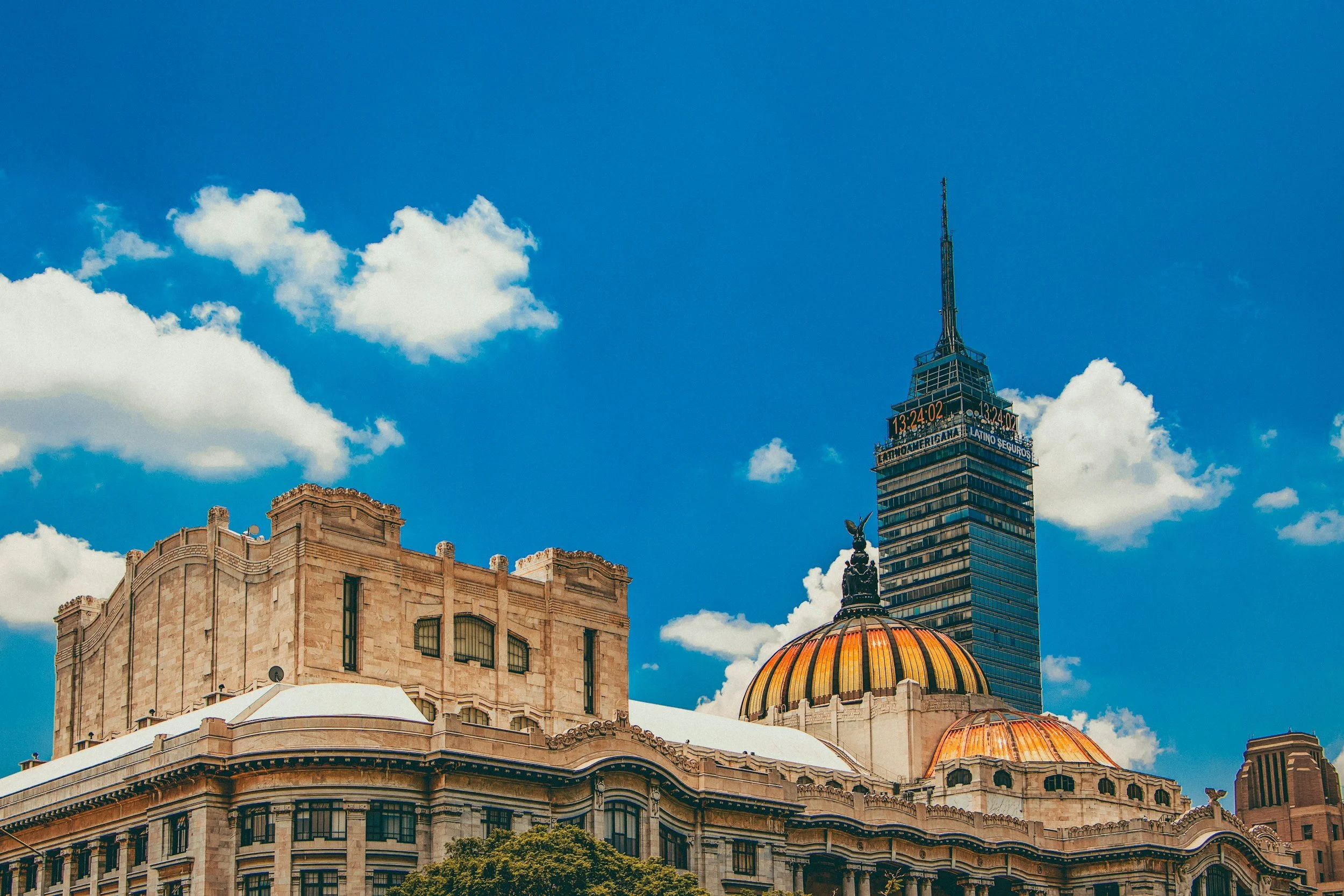
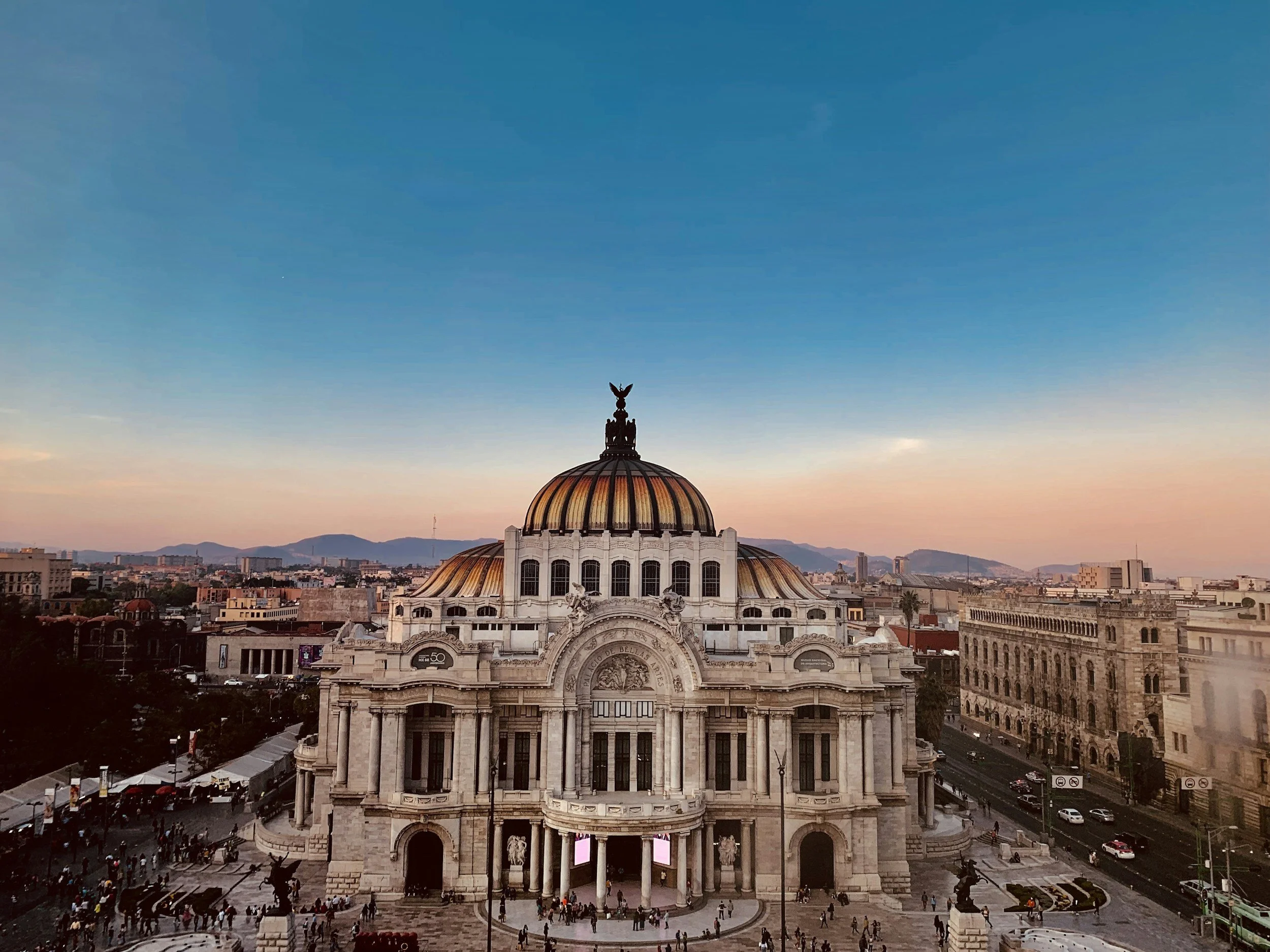
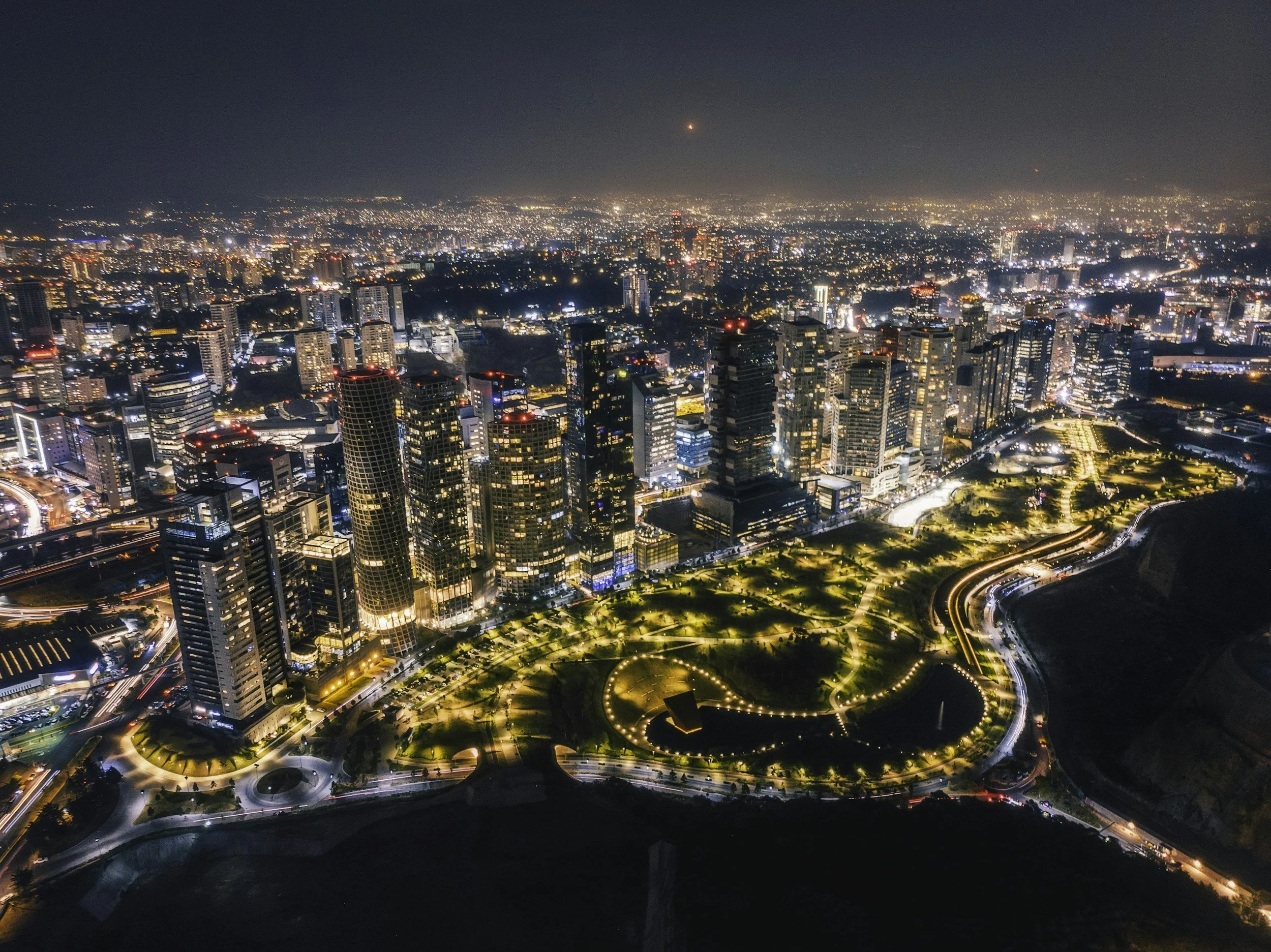
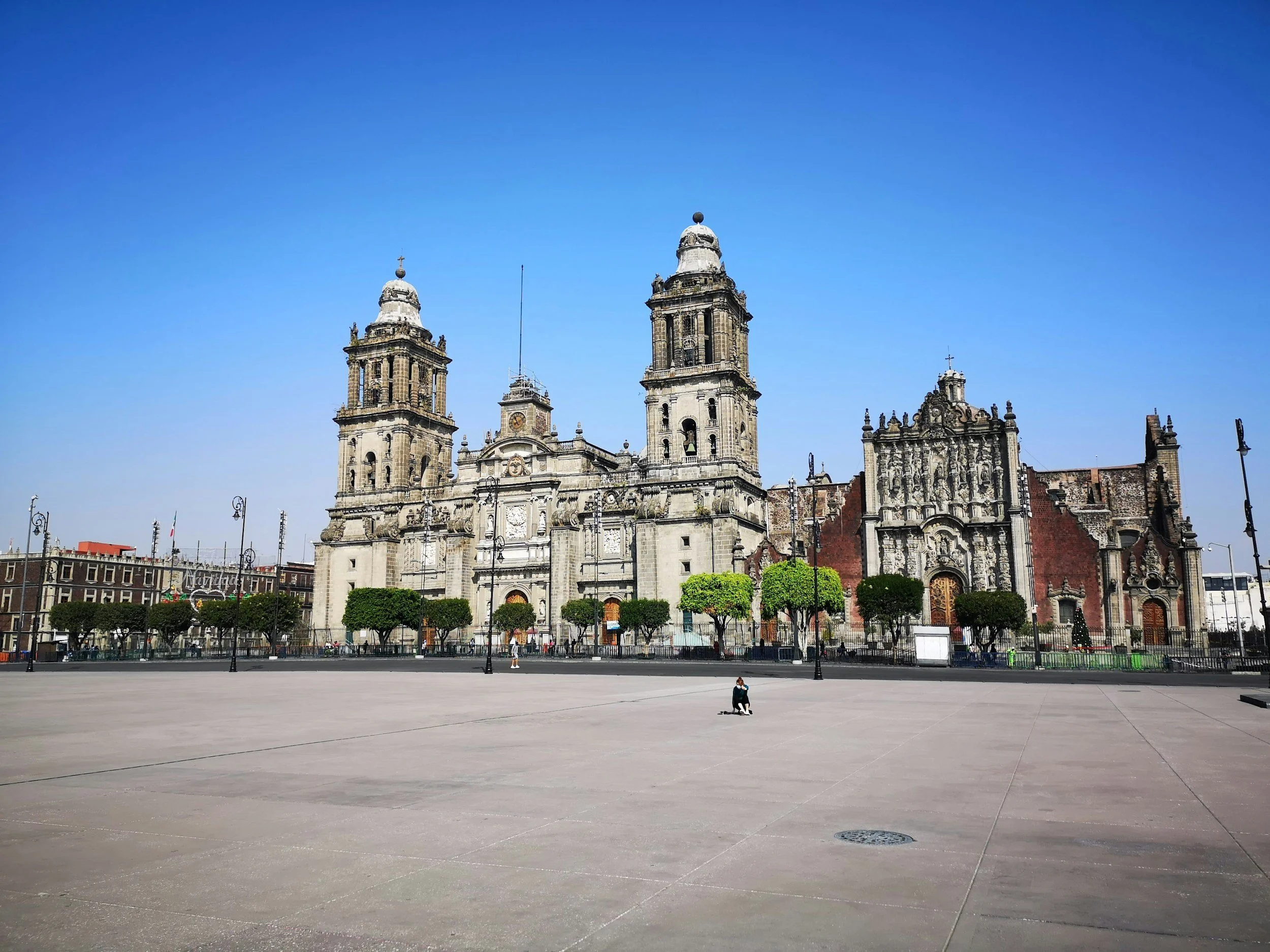
The Centro Histórico is the obvious starting point. Around the Zócalo, you can move between the Metropolitan Cathedral, Templo Mayor, Palacio Nacional, historic streets and Palacio de Bellas Artes through one relatively concentrated part of the city. Mexico City's official visitor guide describes the centre as having the city's greatest concentration of museums, cultural sites and points of interest.
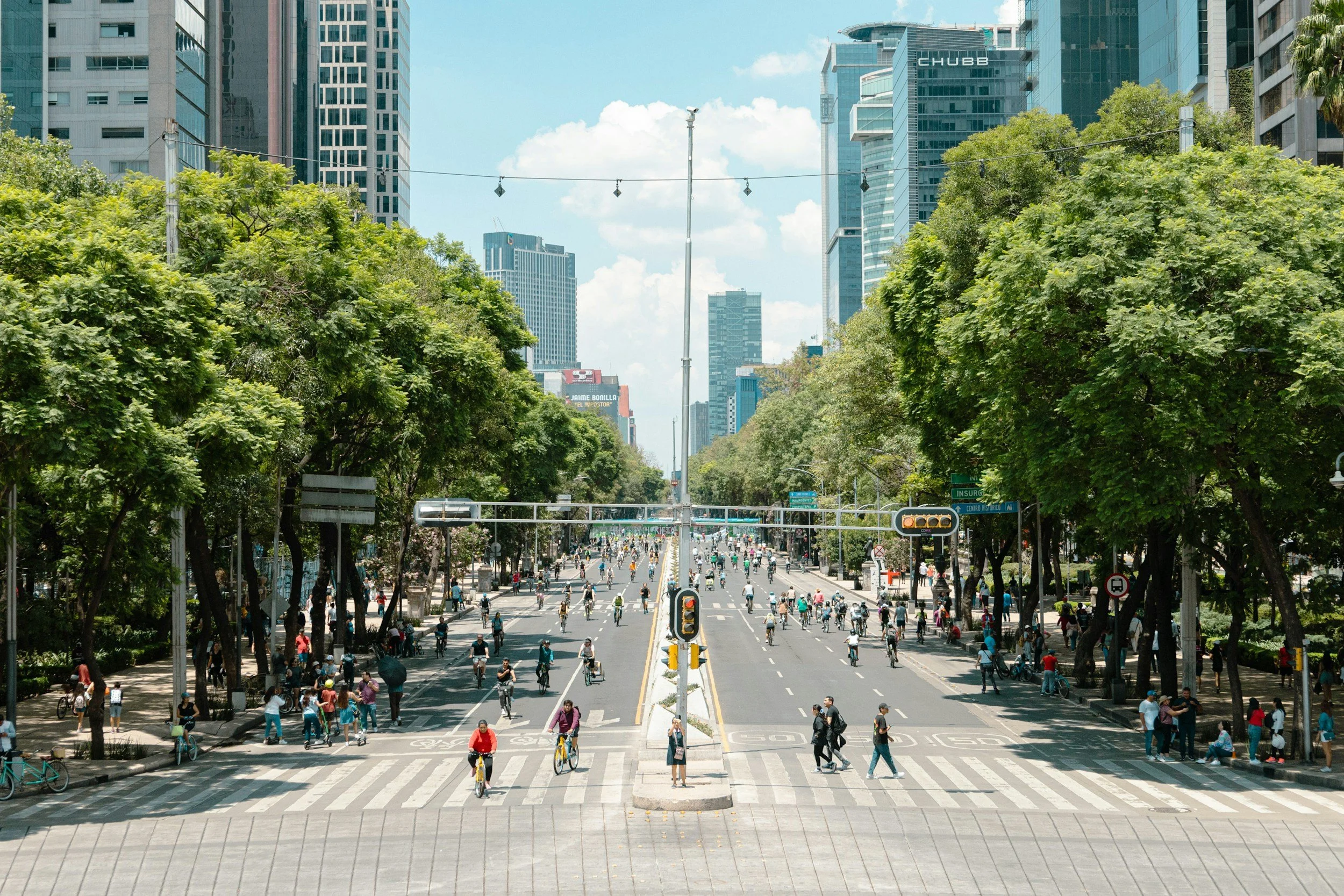
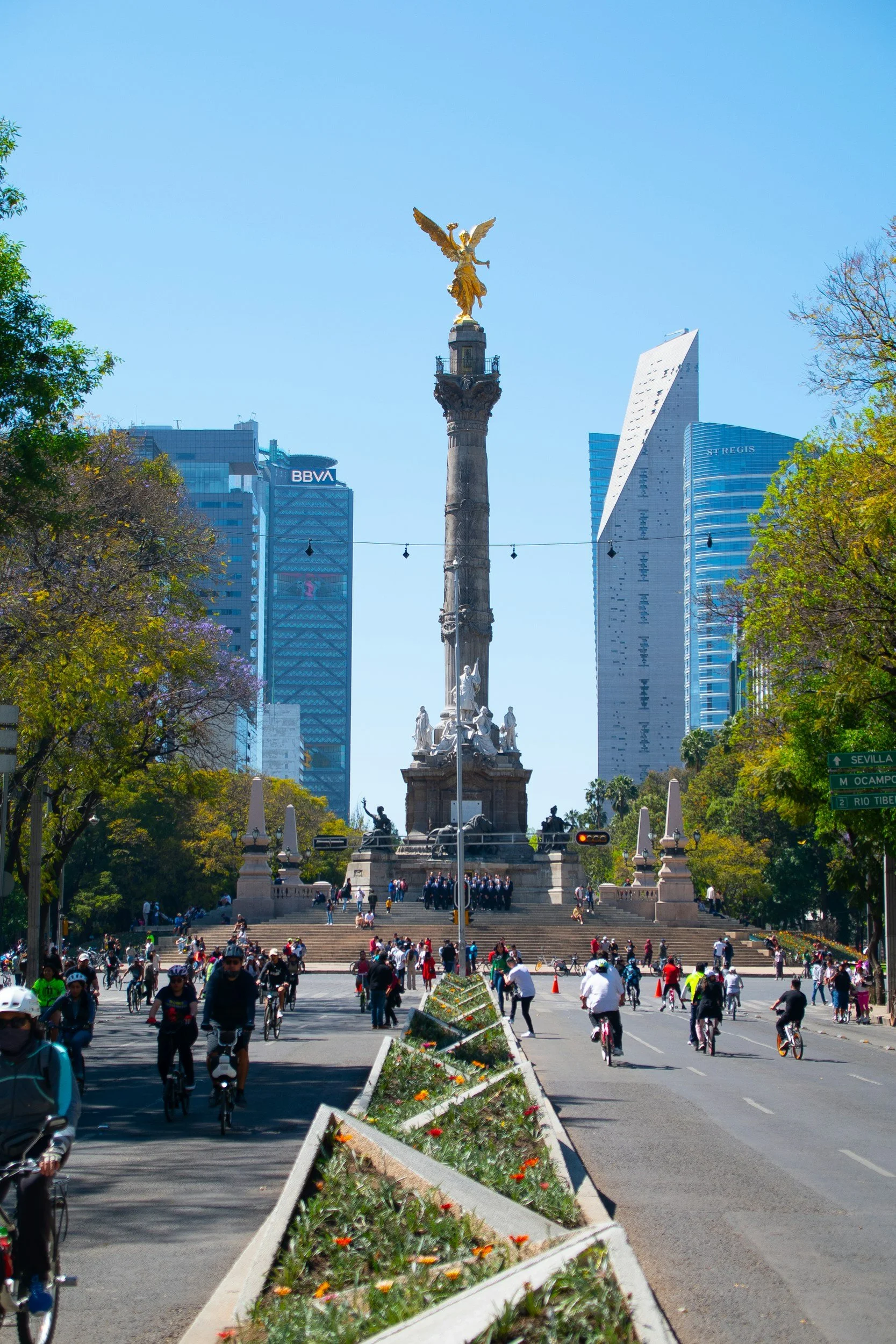
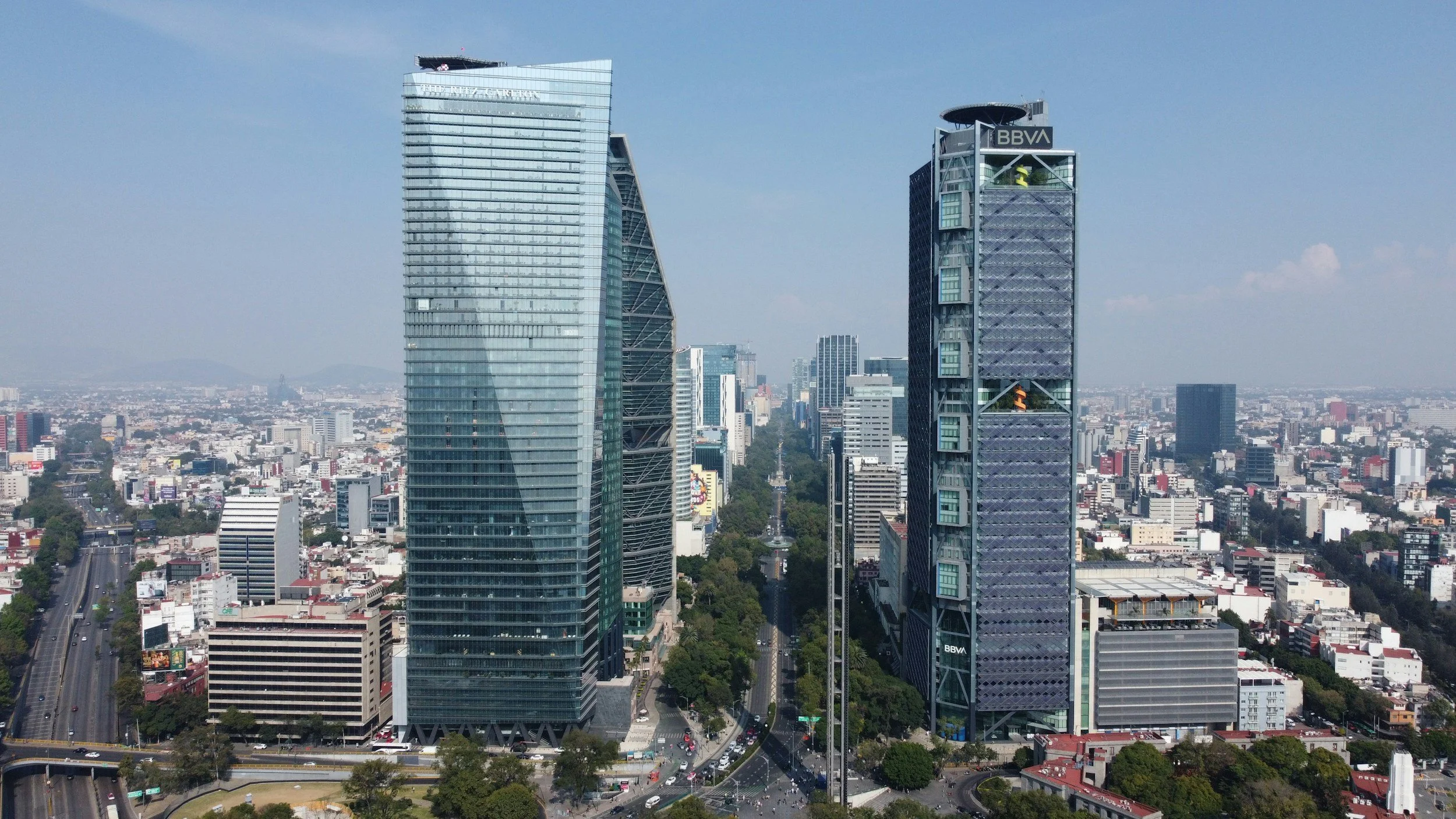
But the Centro Histórico is only one version of Mexico City. Move west and the experience changes around Paseo de la Reforma and Chapultepec. Roma and Condesa bring galleries, parks, restaurants and some of the city's most enjoyable streets for simply wandering. Polanco adds another concentration of museums and contemporary culture. Head south and Coyoacán feels almost like a separate town, while Xochimilco preserves part of the lake-based landscape that once defined the Valley of Mexico.
Trying to combine all of those areas in two or three days is technically possible, but you might struggle to really enjoy it at your own pace.
The history sits in layers
The Spanish colonial capital was built over Tenochtitlan, the former Mexica capital, and that overlap is still visible in the historic centre. At Templo Mayor, archaeological remains from the religious and political heart of the Mexica city sit beside the cathedral and modern streets of the capital. UNESCO describes the historic centre as a place where pre-Hispanic, colonial and later periods remain visible within the same urban landscape.
That context changes how the city feels. Mexico City becomes more interesting when you have enough time not just to see these places, but to understand how they connect.
MEXICO CITY WAS BUILT OVER THE MEXICA CAPITAL OF TENOCHTITLAN
The historic centre of modern Mexico City sits on the remains of Tenochtitlan, founded by the Mexica on an island in Lake Texcoco in 1325. After its conquest in 1521, the Spanish rebuilt their colonial capital over the existing city.
Is 2 Days Enough in Mexico City?
Two days is enough to see some of Mexico City, but it isn’t enough for the first trip we’d recommend.
With two full days, keep the trip deliberately narrow.
One day could focus on the Centro Histórico, giving you time around the Zócalo, Templo Mayor and nearby streets before continuing towards Alameda Central and Bellas Artes. A second day could be built around Chapultepec, perhaps combining the National Museum of Anthropology with time in the park before ending in Roma Norte or Condesa.
That would give you a strong introduction, but almost everything becomes a trade-off. Coyoacán probably disappears. Xochimilco becomes unrealistic. Food experiences need to fit around sightseeing rather than helping shape the trip. Even within Chapultepec, you may need to choose between museums rather than properly exploring the area.
Two days makes most sense if Mexico City is a stop within a longer Mexico itinerary, if you’ve visited before, or if your dates simply cannot stretch further.
If you’re flying to Mexico City specifically for a city break, we’d try to find at least one or two additional days.
Is 3 Days Enough in Mexico City?
Three days is workable, particularly if you’re comfortable travelling at a fairly active pace.
The extra day gives you room to build three distinct parts of the city into the trip.
You could dedicate one day to historic Mexico City, another to Chapultepec and nearby neighbourhoods, and a third to somewhere such as Coyoacán or deeper exploration of Roma, Condesa and the city's food scene.
This is where the trip starts feeling considerably more rounded. You can experience Tenochtitlan's legacy around Templo Mayor, spend proper time inside the National Museum of Anthropology and still see something of the contemporary neighbourhood culture that makes Mexico City more than its historic landmarks.
The limitation is flexibility.
Spend half a day lingering over lunch, and something else may need to go. Visit several museums, and neighbourhood time gets squeezed. Add Teotihuacán and you effectively reduce Mexico City itself back to a two-day visit.
So yes, three days can work, but we’d treat it as the minimum for travellers who have limited time rather than the ideal length for a first visit.
THE DISCOVERY THAT TRANSFORMED OUR UNDERSTANDING OF TENOCHTITLAN HAPPENED BY ACCIDENT
In 1978, electrical workers digging near the Zócalo uncovered the enormous stone relief of the Mexica goddess Coyolxauhqui. The discovery triggered the modern Templo Mayor archaeological project, which subsequently recovered thousands of objects and major sections of Tenochtitlan's ceremonial centre.
Is 4 Days Enough in Mexico City?
Four days is where Mexico City starts becoming a genuinely good first trip.
The main difference isn’t simply that you can add another attraction. It’s that you have more control over the pace.
You might spend a full day around Centro Histórico without worrying about rushing immediately elsewhere. Chapultepec can become a proper museum and park day. Roma Norte and Condesa can have time for food, cafés, galleries and walking rather than becoming an evening add-on. Coyoacán can occupy another part of the trip without forcing you to abandon something central.
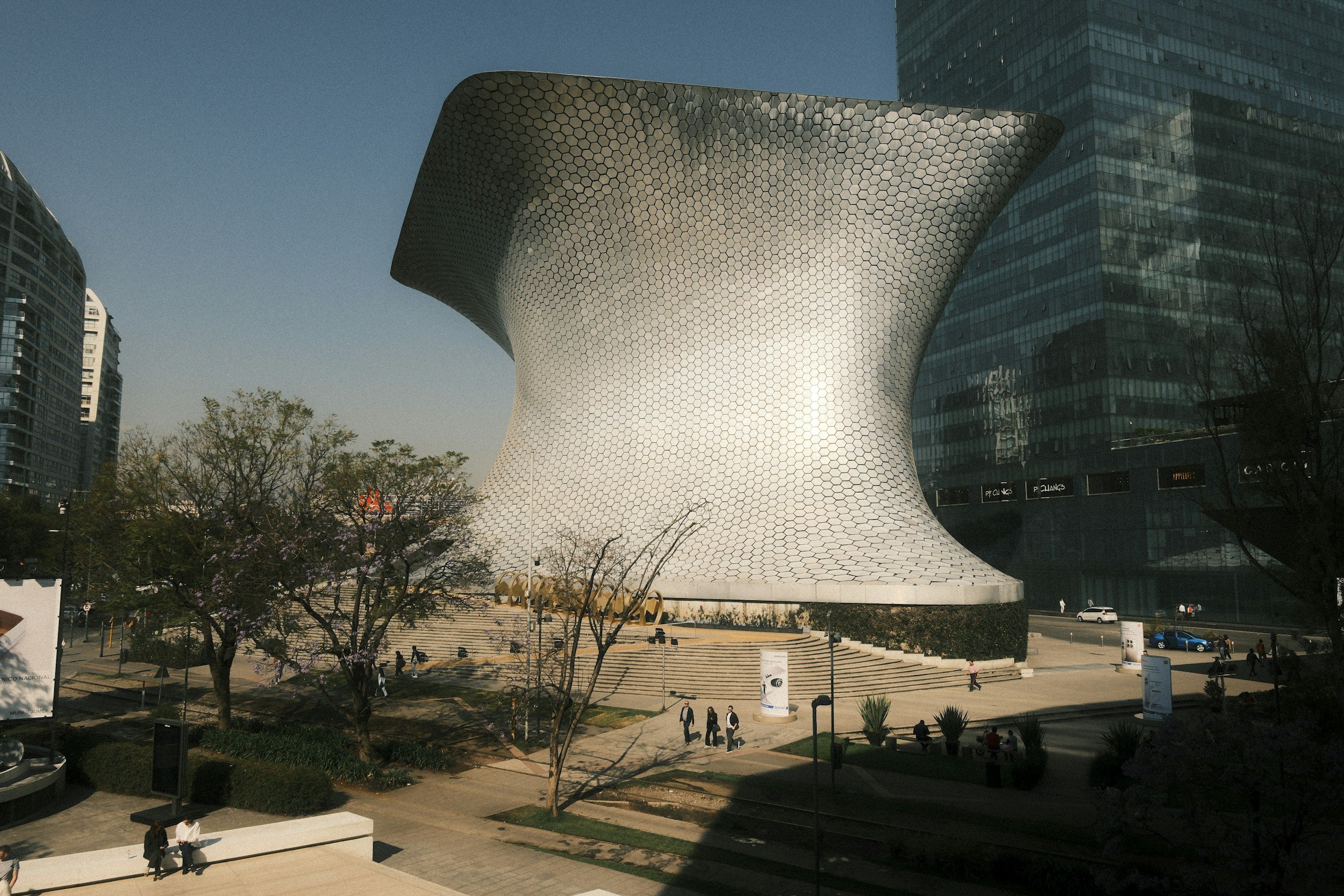
Four days also gives you more freedom to follow your interests. Someone fascinated by pre-Hispanic Mexico could spend several hours in the National Museum of Anthropology rather than racing through it. The museum is open Tuesday to Sunday from 9am to 6pm, so it can comfortably anchor a substantial part of a day.
For travellers with limited annual leave, four full days is a strong compromise.
It’s also the minimum length we’d personally choose for a dedicated first trip.
What Can You Do With 5 Days in Mexico City?
Five days is our recommended trip length for most first-time visitors.
At this point, the city starts to breathe.
You still have enough structure to cover the essentials, but you no longer need every morning and afternoon to justify its place on a schedule. That matters in Mexico City, where some of the better moments happen between the obvious landmarks.
You can linger over breakfast in Roma Norte rather than immediately calling a car. You can walk through Condesa without treating it as a route between two saved locations. You can visit a market because you're hungry rather than because it occupies slot four on Wednesday.
Five days also makes cultural exploration much easier.
Mexico City has major museums covering anthropology, history, art and contemporary culture, and several deserve considerably more than a quick visit. The National Museum of Anthropology alone can absorb much of a morning or afternoon. Chapultepec Castle, now home to the National Museum of History, adds another substantial historical stop nearby.
Then there’s food.
Mexico City's food scene works best when it becomes part of the rhythm of the trip rather than something fitted between attractions. Street stalls, markets, neighbourhood restaurants, bakeries and more polished dining rooms all reveal different sides of the city's food culture.
Our Where to Eat in Mexico City: Tacos, Markets & Restaurants guide goes deeper into that side of the city, but the important planning point is simple: leave time to eat without rushing.
For culturally curious travellers, five days is the sweet spot because it gives you both coverage and depth.
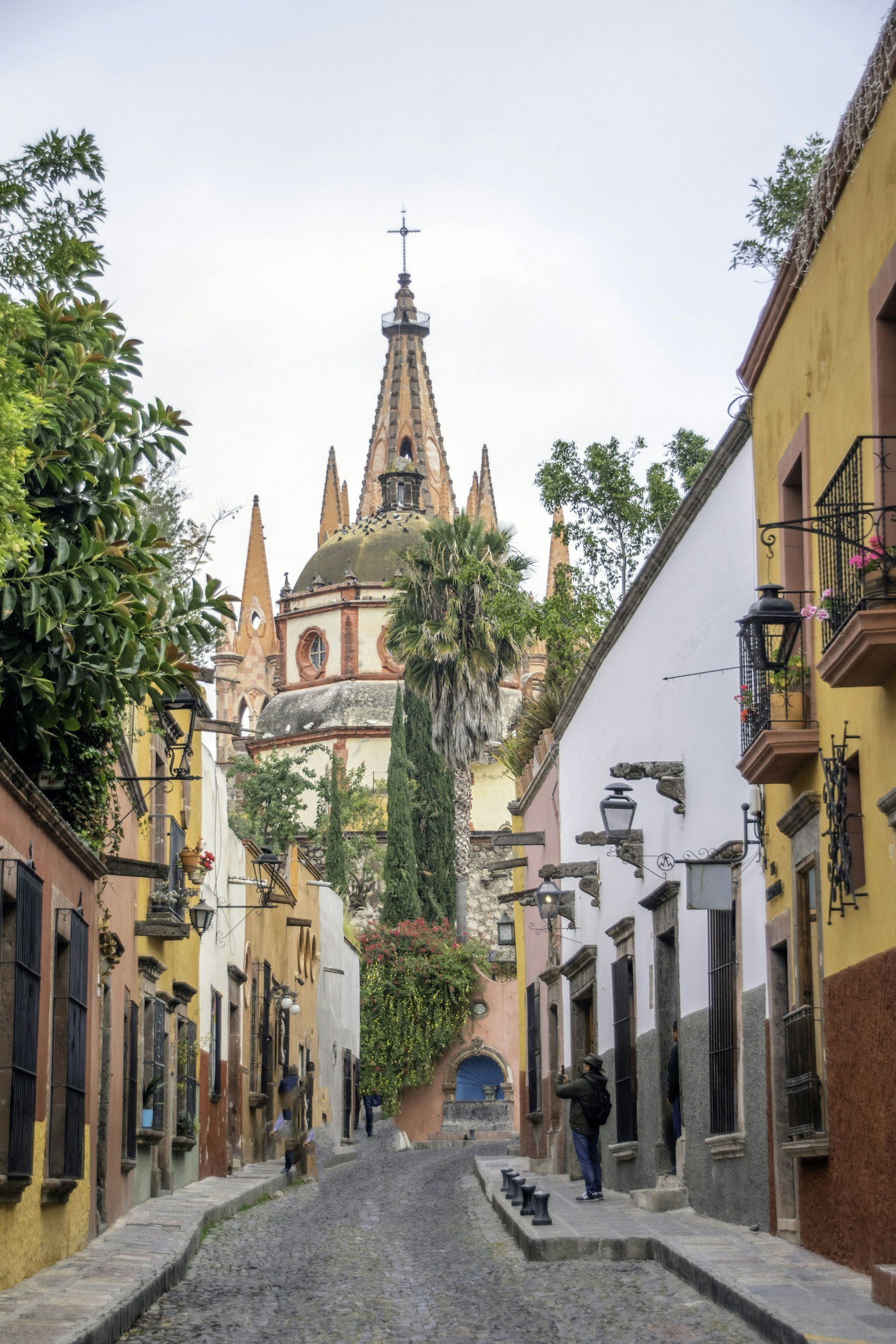
XOCHIMILCO ISN'T SIMPLY ABOUT COLOURFUL BOATS
The canals and chinampas, artificial agricultural islands, at Xochimilco preserve a surviving example of the system of land and water management used in the Valley of Mexico before the Spanish conquest. UNESCO describes it as the remaining reminder of traditional pre-Hispanic land use in the area's former lagoon landscape.
Is a Week in Mexico City Too Long?
No. Six or seven days in Mexico City is easy to justify, but it won’t be necessary for everyone.
A week makes particular sense if you're interested in:
art and museums
Mexican history
architecture and design
food
photography
neighbourhood exploration
slower travel
markets and local culture
adding Teotihuacán
spending meaningful time in Xochimilco
It also lets you move beyond the obvious first-trip areas.
Instead of choosing only between Centro Histórico, Chapultepec, Roma and Coyoacán, you can explore places such as Juárez, San Ángel, Santa María la Ribera or Polanco depending on your interests.
That doesn’t mean every first-time visitor needs seven days. If you're primarily interested in the main sights and a few strong neighbourhoods, five is enough.
But a full week certainly isn't excessive. The official Mexico City tourism site itself offers itineraries ranging from one to seven days, reflecting how much depth there is once you move beyond the shortest possible visit.
Should You Add Extra Days for Day Trips From Mexico City?
If a day trip is important to you, add time rather than replacing one of your core Mexico City days where possible.
Teotihuacán
Teotihuacán is the excursion we'd prioritise most highly for a first visit.
The archaeological city lies around 50 kilometres northeast of Mexico City and developed into one of the most influential urban centres in ancient Mesoamerica. UNESCO notes that its monumental plan and architecture influenced cultures far beyond the Valley of Mexico.
The official archaeological site recommends allowing three to five hours inside the complex itself, before accounting for travelling there and back. It is currently open daily from 8am to 5pm.
That makes Teotihuacán a substantial day rather than a casual morning detour.
If Mexico City is your priority, we'd choose:
Five full city days + one day for Teotihuacán = six days total.
What about Xochimilco?
Xochimilco is different because it is part of Mexico City, but its location in the south means it still deserves deliberate planning.
Its canal and chinampa landscape preserves an important connection to the lake-based environment that existed long before the modern metropolis. UNESCO includes Xochimilco alongside the historic centre as a World Heritage Site, describing its surviving canals and artificial agricultural islands as an important reminder of pre-Hispanic land use in the Valley of Mexico.
Rather than treating Xochimilco as something to squeeze into an already full day, combine it thoughtfully with the southern part of your trip.
Puebla, Cholula or Tepoztlán
For a longer stay, Puebla and Cholula or the mountain town of Tepoztlán create further options outside the capital. Cholula combines deep pre-Hispanic history with later colonial architecture, while Tepoztlán sits around 74 kilometres from Mexico City and is known for its mountain setting and archaeological site.
For a first visit, though, we'd add these after giving Mexico City itself enough time.
MEXICO CITY SITS MORE THAN 2,200 METRES ABOVE SEA LEVEL
Mexico City lies at roughly 2,240 metres / 7,350 feet above sea level in the Valley of Mexico. That is higher than many first-time visitors expect and is another good reason not to plan an aggressive sightseeing schedule immediately after arriving.
How Long Should You Spend in Mexico City Based on Your Travel Style?
First-time visitor
5 days - Enough time for the essential sights, several neighbourhoods, museums, food and a realistic pace.
Short city-break traveller
3 to 4 days - Three works if you're selective. Four gives you a noticeably better balance.
Food-focused traveller
5 to 6 days - Give yourself room for markets, street food, neighbourhood restaurants and longer meals without sacrificing cultural sightseeing.
Culture and museum traveller
5 to 7 days - The city's museums can easily reshape an itinerary. Allow more time if Anthropology, Chapultepec Castle, art museums and smaller cultural institutions are major priorities.
Traveller on a wider Mexico itinerary
3 to 4 days - Enough for a strong introduction without using too much of a longer national itinerary.
Slow traveller
6 to 7 days - A better fit if you want long neighbourhood walks, cafés, parks, markets and fewer scheduled attractions each day.
Traveller adding Teotihuacán
6 days - We'd keep five days for the capital itself and add a dedicated sixth day for Teotihuacán.
What Should You Prioritise Based on How Long You Have?
If you have 2 days
Prioritise Centro Histórico, Chapultepec and one neighbourhood experience.
Don't attempt to cover the whole city.
If you have 3 days
Add Roma Norte and Condesa properly, or spend the additional day around Coyoacán depending on your interests.
If you have 4 days
Give Coyoacán its own space and build more time around food, museums and neighbourhood exploration.
If you have 5 days
Start adding depth rather than attractions. Spend longer in museums, explore markets, choose another neighbourhood and allow part of a day to remain relatively loose.
If you have a week
Add Teotihuacán, Xochimilco or deeper neighbourhood exploration, depending on what interests you most.
The important distinction is that each additional day should improve the trip rather than simply increase the length of the checklist.
THE TEMPLO MAYOR GREW WITH THE CITY RATHER THAN BEING BUILT ONCE
The Templo Mayor wasn't a single finished pyramid. As Tenochtitlan grew in wealth and power, the Mexica repeatedly rebuilt and enlarged it. INAH records seven reconstructions and eleven enlargements, with later temples built over earlier versions.
What Else Affects How Many Days You Need?
Where you stay
Mexico City becomes considerably easier when you choose a base that matches your plans.
For many first-time visitors, staying around Roma Norte, Condesa, Juárez or another well-connected central area can make it easier to divide the city into manageable sections.
Our Mexico City Neighbourhood Guide: Where to Stay breaks down the main areas and their trade-offs in more detail.
Your pace
A traveller happy to start early and sightsee all day can fit considerably more into three or four days than someone who prefers long lunches, slower mornings and evenings without plans.
Neither is the better way to travel. It simply changes the answer.
Museums and Mondays
Pay attention to the days of the week when planning.
Several major attractions currently close on Mondays, including the National Museum of Anthropology, Templo Mayor, Chapultepec Castle and Museo Frida Kahlo.
If your five-day stay includes a Monday, organise museum-heavy days elsewhere in the week.
Museo Frida Kahlo also currently states that there are no in-person ticket sales, so this is one attraction worth planning ahead rather than leaving entirely to chance.
Food
Don't treat eating as dead time between sights.
Mexico City's markets, street stalls, neighbourhood restaurants and dining culture are part of understanding the city itself. If food is one of your reasons for visiting, add time rather than trying to fit every meal around sightseeing.
Arrival and departure days
Finally, count full days, not simply nights.
Arriving at 5pm and leaving early four mornings later may technically mean a four-night trip, but it doesn't give you four days in Mexico City.
When booking, work out how many usable sightseeing days you actually have.
“For most first-time visitors, five full days is the ideal amount of time in Mexico City.
We’d consider three days the practical minimum, particularly if Mexico City is one stop within a longer trip. Four days makes a very good short city break, but five is where the trip starts to feel properly balanced.
With five days, you can explore the historic centre, understand more of the city’s pre-Hispanic and colonial story, spend meaningful time around Chapultepec, eat your way through several neighbourhoods, explore Coyoacán and still leave enough room for Mexico City to feel lived rather than scheduled.
If Teotihuacán is important to you, make it six days. The extra time isn’t valuable simply because it allows another museum or another restaurant. It gives you the chance to notice how dramatically Mexico City changes from one neighbourhood to the next, how its history remains visible beneath the modern capital, and how much of the experience happens away from the headline sights.”