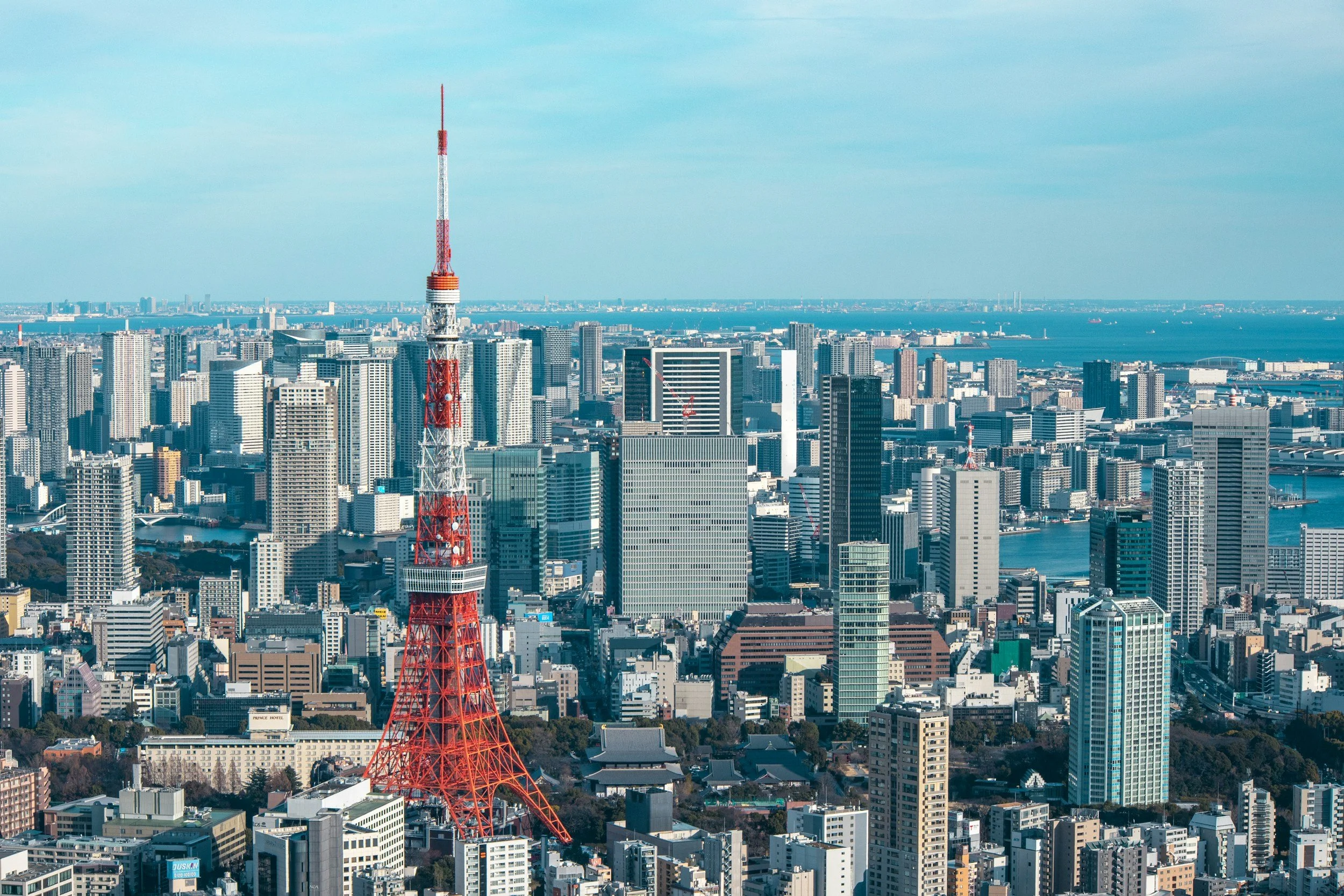
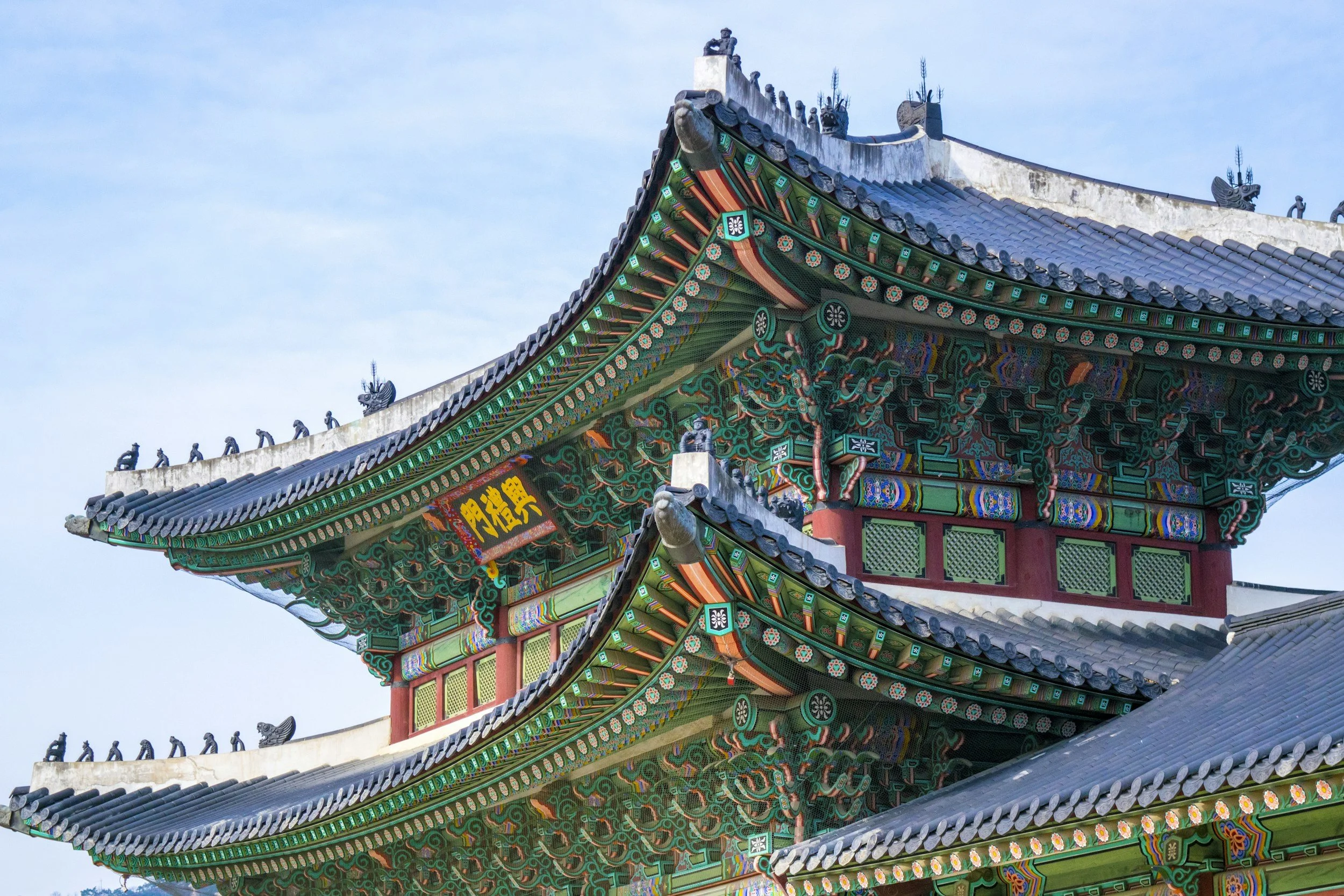
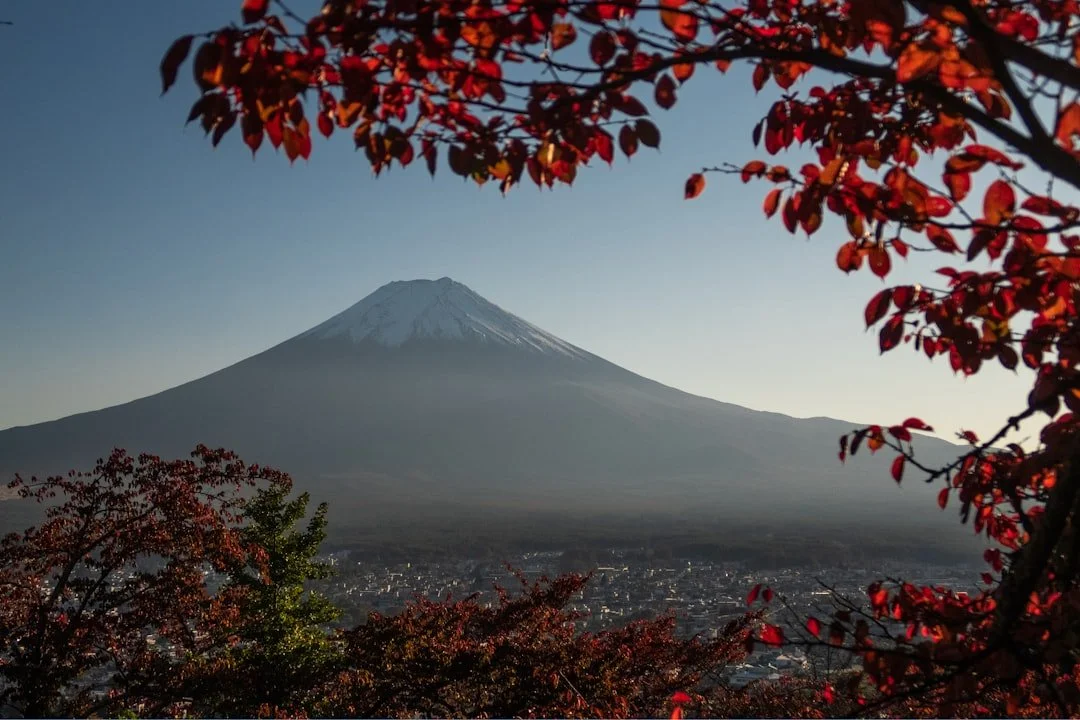
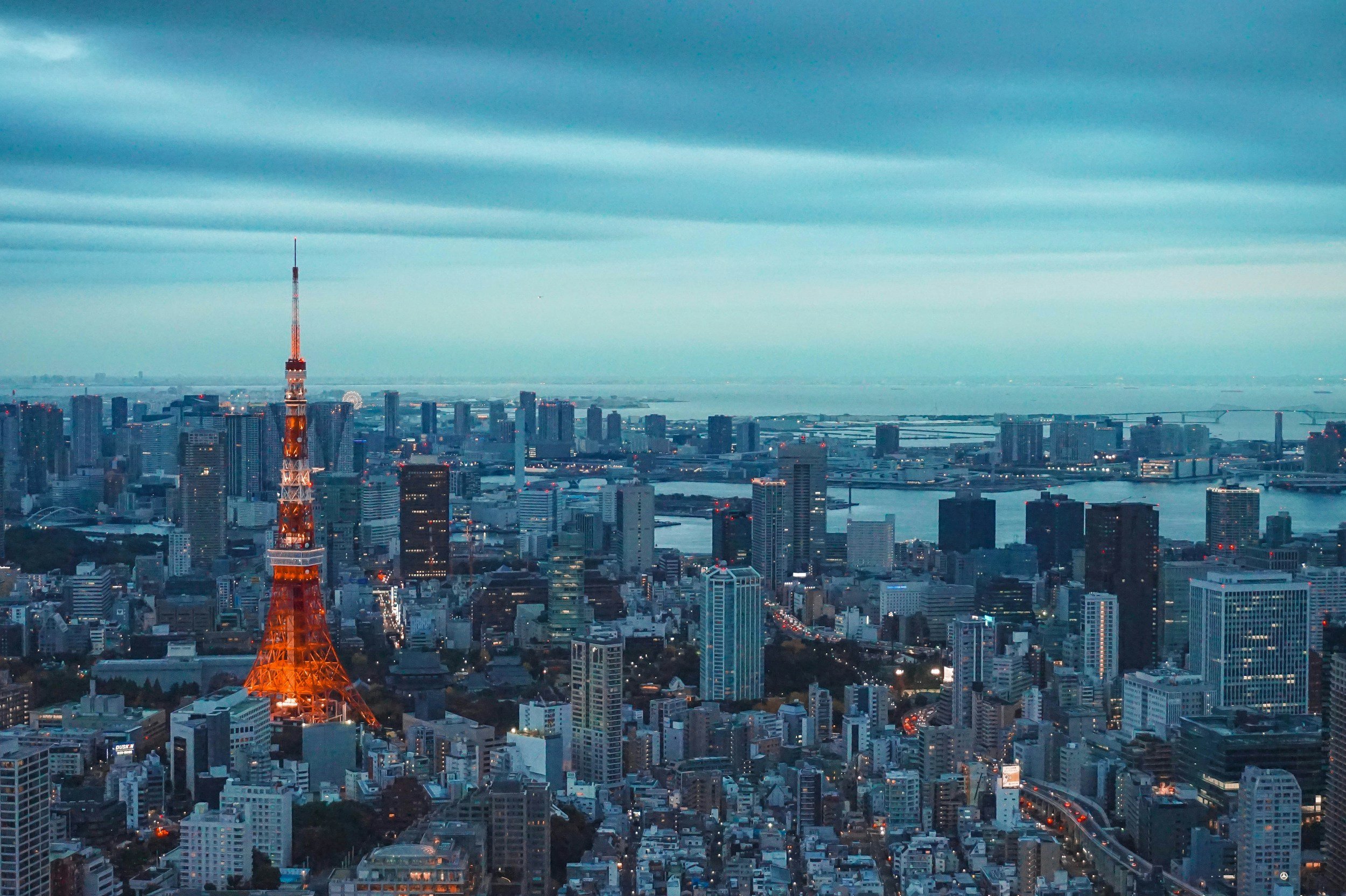
Tokyo is a city that gets harder, not easier, the more you try to fit into it. There’s always another neighbourhood, observation deck, ramen counter, museum or side street that looks worth adding, and five days can disappear remarkably quickly if you spend half of them moving between opposite sides of the city.
The better approach is to give each day a clear part of Tokyo to explore.
This 5 day Tokyo itinerary is designed for a first visit, balancing the city’s headline sights with neighbourhoods, food, culture and enough unplanned time to actually enjoy where you are. You’ll see historic Tokyo around Asakusa, contemporary Tokyo in Shibuya and Harajuku, the polished centre around Ginza and Marunouchi, Shinjuku after dark, and a slower side of the city around Daikanyama and Nakameguro.
You won’t see everything (that’s rather the point).
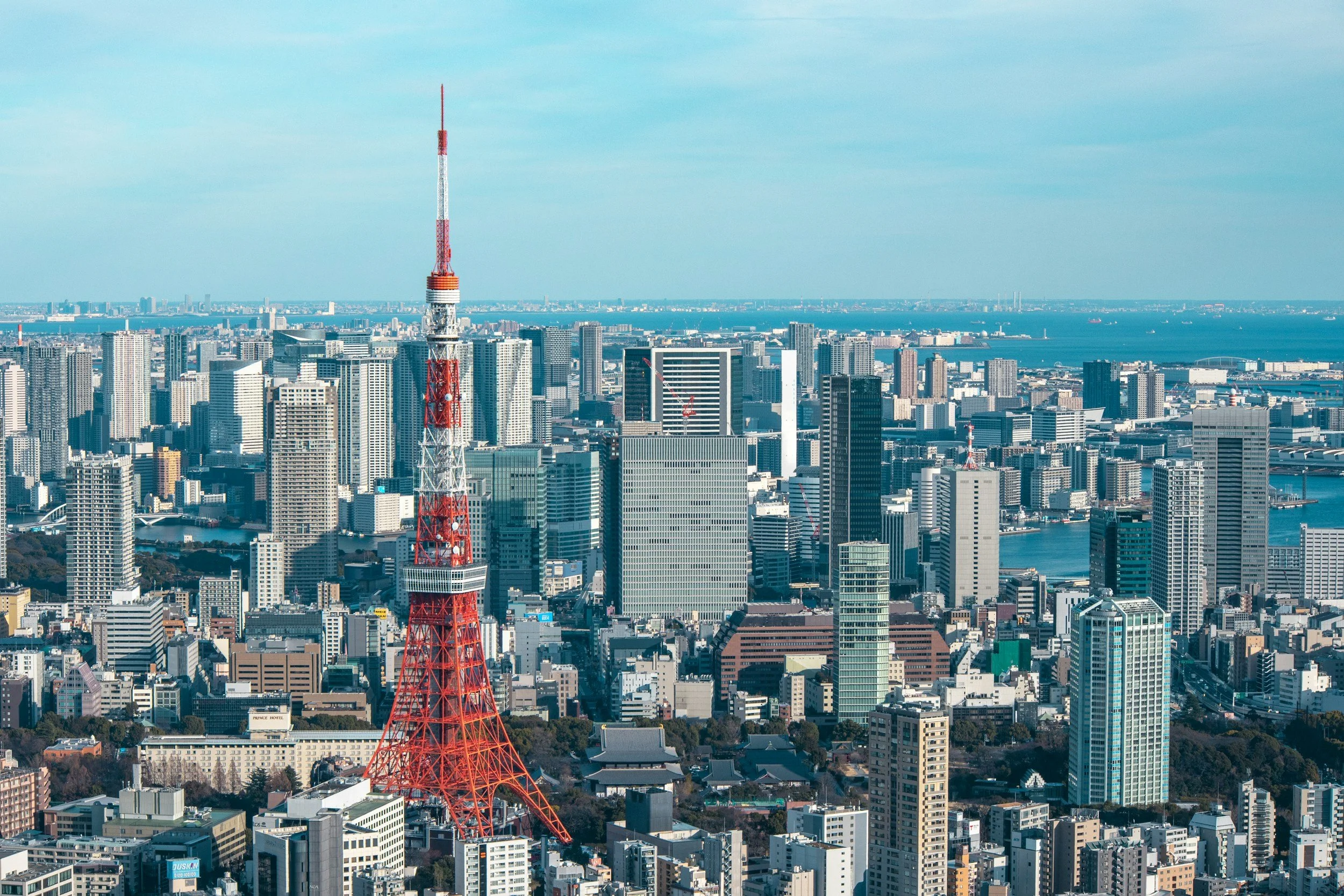
Is 5 Days Enough for Tokyo?
Yes. Five days is enough for an excellent first trip to Tokyo, provided you accept that it isn’t enough to see all of Tokyo.
That distinction matters.
Tokyo has about 14 million residents across the wider metropolis and hundreds of railway stations, with neighbourhoods that can feel like entirely different cities. Trying to collect every famous sight usually creates an itinerary built around stations rather than experiences.
Five full days gives you time to experience the historic east, modern west, central districts, nightlife, food culture and at least one slower neighbourhood day without making every morning an early start and every evening a late finish.
If you’re still deciding how long to stay, our guide to how many days you need in Tokyo goes deeper into the trade-offs between three, five, seven days and longer stays.
For a first visit, though, five days is a very good middle ground.
5 Days in Tokyo at a Glance
Day 1: Asakusa + Ueno for temples, old Tokyo and museum culture
Day 2: Meiji Jingu + Harajuku + Omotesando + Shibuya for fashion, architecture and modern Tokyo
Day 3: Tsukiji + Ginza + Marunouchi for food, design and central Tokyo
Day 4: Shinjuku for gardens, skyscrapers and Tokyo after dark
Day 5: Daikanyama + Nakameguro + Ebisu for a slower, more local-feeling final day
The sequence isn’t sacred. Opening days matter in Tokyo, particularly for museums and gardens, so move individual days around your travel dates where needed.
What matters is keeping the neighbourhood groupings intact.
Day 1: Asakusa and Ueno, Tokyo at Its Most Historic
Your first day stays in eastern Tokyo.
Asakusa and Ueno work naturally together, giving you temples, older shopping streets, parkland, museums and one of the better introductions to the Tokyo that existed before glass towers became the dominant view.
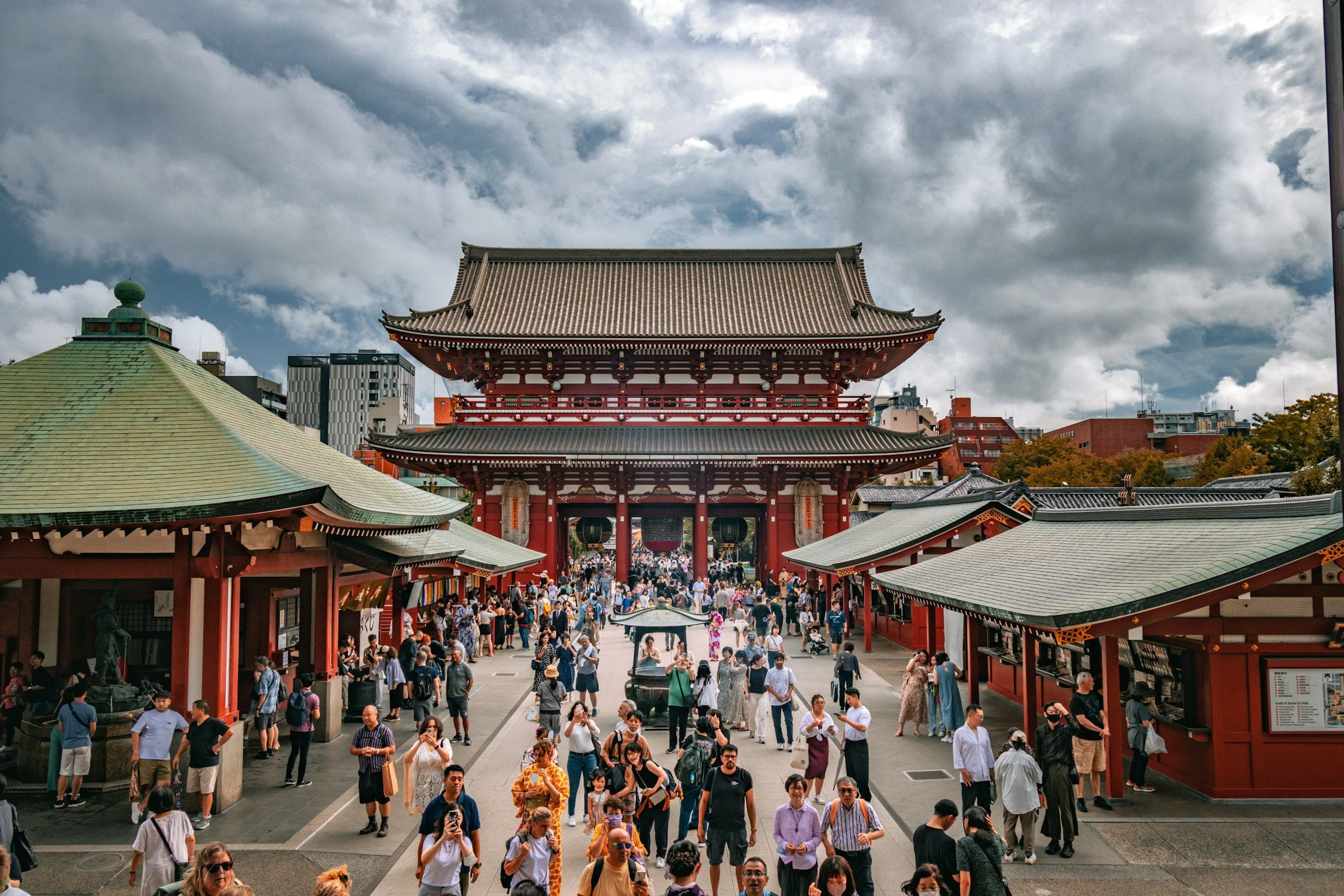
Morning: Start Early at Sensō-ji and Asakusa
Start at Sensō-ji.
This is an obvious first-time Tokyo sight, but obvious doesn’t mean skippable.
Sensō-ji traces its origins to 628 and is Tokyo’s oldest temple. The buildings you see today are largely post-war reconstructions, but the temple remains one of the clearest places to understand the older religious and commercial life of the city.
Arrive relatively early if you can.
Walking through Kaminarimon and along Nakamise before the busiest part of the day gives you more space to look around rather than simply move with the crowd. Nakamise runs for roughly 250 metres towards the temple and contains around 90 shops selling snacks, crafts and souvenirs.
Don’t treat the temple as a single photo stop.
Spend some time around the main hall, look towards the five-storey pagoda, then move into the streets surrounding the complex. Asakusa becomes more interesting when you stop following the obvious route.
If you want coffee or breakfast afterwards, this is a good area to stay flexible rather than chasing one famous café. Pick somewhere that looks busy with locals, then keep moving.
What to Notice
Look at the contrast between the temple complex and the skyline around it.
Tokyo Skytree rising beyond the older tiled rooftops is a fairly neat summary of what makes Tokyo interesting in the first place: the city rarely keeps its different eras neatly separated.
Afternoon: Ueno Park and One Museum
From Asakusa, head west towards Ueno.
Ueno Park was established in 1873 as one of Japan’s first public parks and today brings together museums, temples, shrines, a zoo and Shinobazu Pond. The surrounding area is part of Tokyo’s shitamachi, the older “low city” historically associated with merchants and artisans.
The mistake here is trying to do several museums.
Choose one.
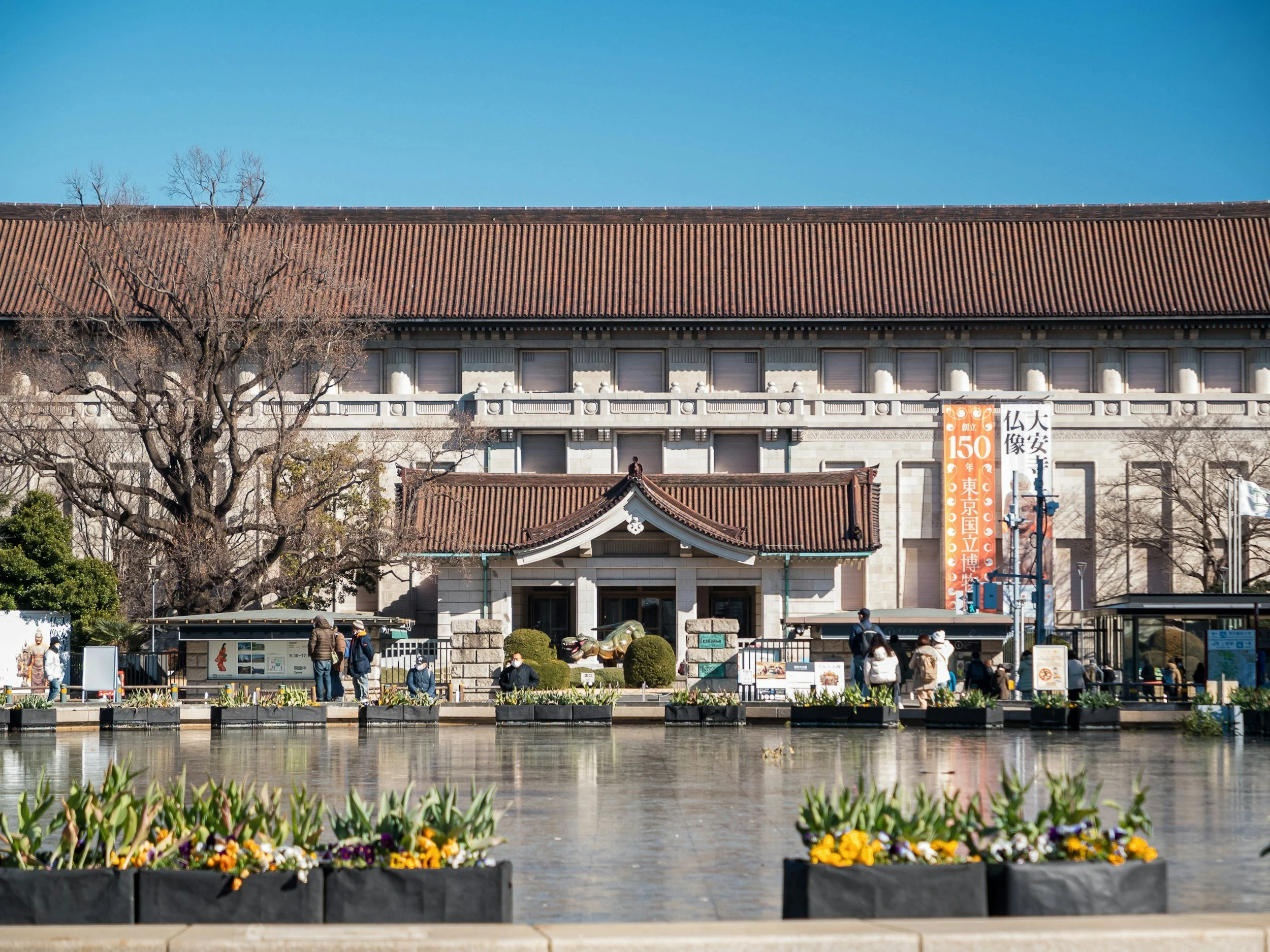
For a first trip, the Tokyo National Museum is the strongest choice if you want more context on Japanese art and history. Its collections include everything from ceramics and Buddhist sculpture to samurai armour and ukiyo-e.
The museum currently opens from 9:30am to 5pm, with later opening on certain Fridays, Saturdays and holiday weekends. It normally closes on Mondays, or the following day when Monday is a public holiday.
Give yourself around two hours rather than attempting to see every gallery.
If museums aren’t your thing, skip it entirely. Walk through Ueno Park, around Shinobazu Pond and down towards Ameyoko instead.
That’s still a perfectly good afternoon.
Evening: Eat Around Ameyoko
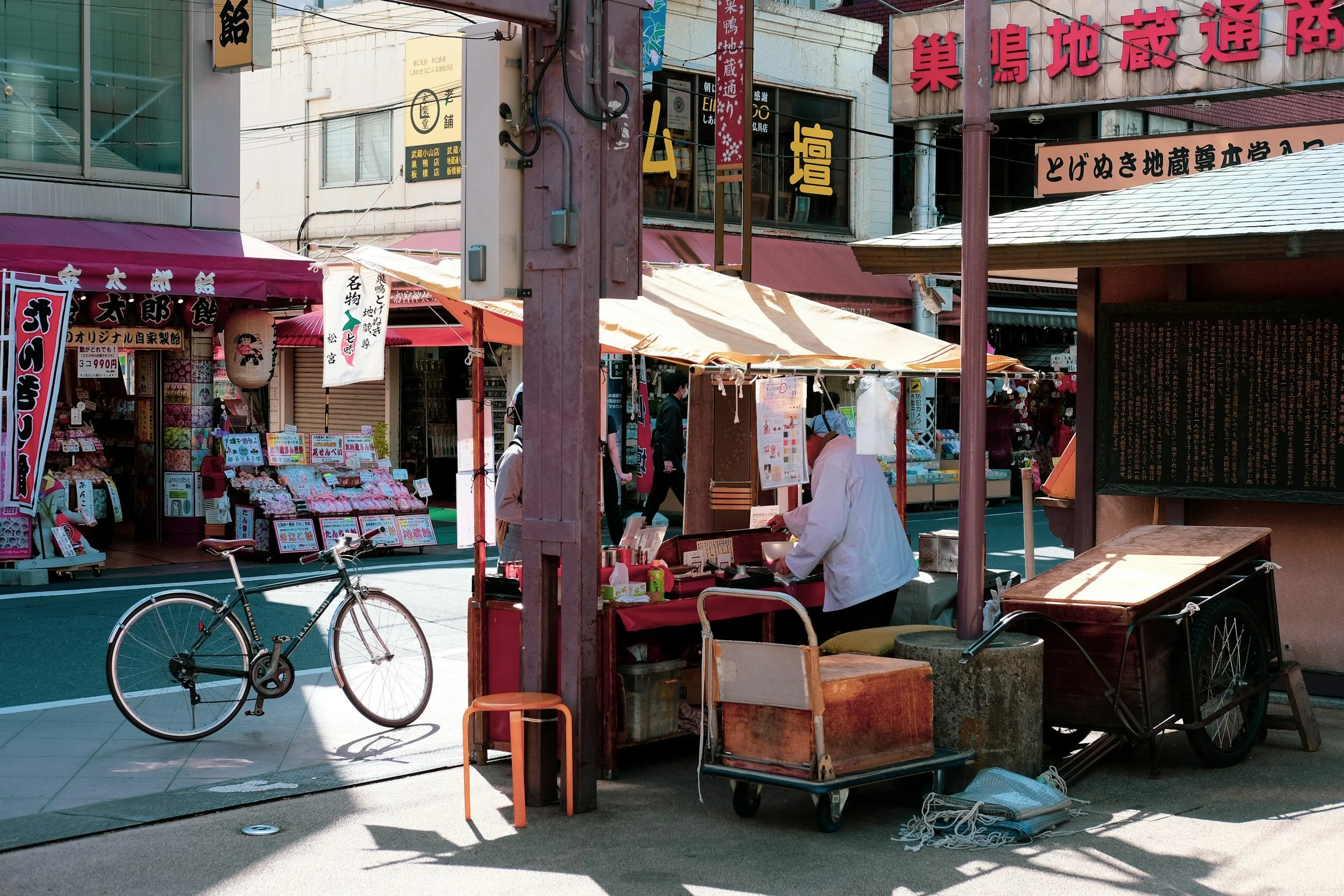
Finish around Ameyoko, the dense collection of market streets running beside and beneath the railway tracks between Ueno and Okachimachi.
The area evolved from a post-war black market and today mixes clothing shops, food stalls, izakaya and shops selling everything from seafood to cosmetics.
This is a good evening to eat casually.
Rather than making a reservation somewhere formal, wander until somewhere looks right. Yakitori, grilled seafood, donburi and izakaya food all fit the mood better than a tightly scheduled dinner.
If You Have More Energy
Add Akihabara after Ueno if electronics, gaming, manga or anime are a major reason you’re visiting Tokyo.
It’s close enough geographically to make sense here.
If those things aren’t particularly important to you, don’t include it simply because every Tokyo itinerary says you should.
If You Want a Slower Day
Skip the museum and spend longer around Asakusa and Ueno.
You’ll lose a little cultural depth but gain a much more relaxed first day, which may be the better trade after a long flight.
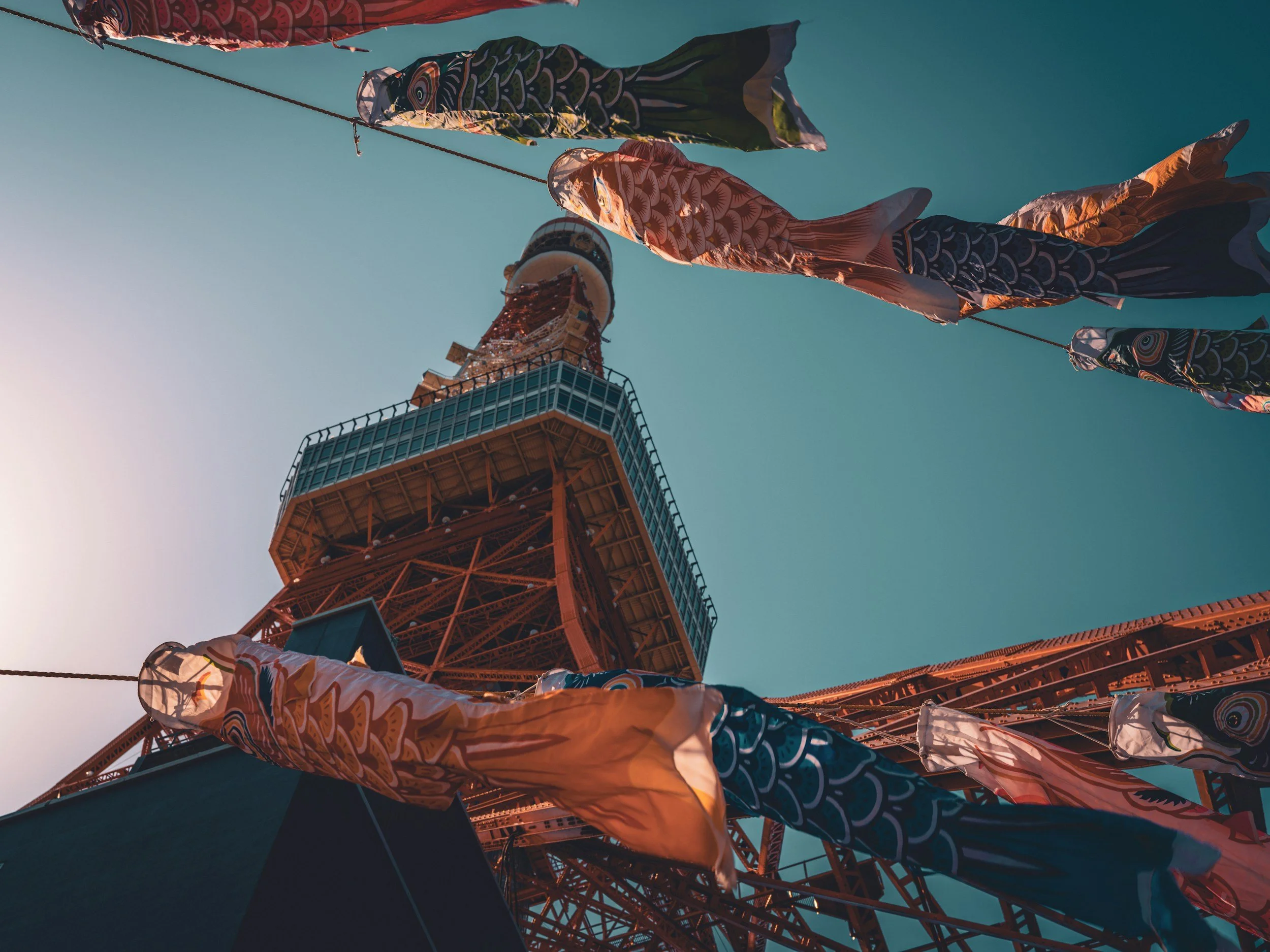
Day 2: Meiji Jingu, Harajuku, Omotesando and Shibuya
Day two moves to western Tokyo and gives you one of the city’s best sequences on foot.
Start somewhere remarkably quiet, then gradually move towards increasingly contemporary Tokyo until you finish in Shibuya after dark.
Morning: Meiji Jingu
Begin at Meiji Jingu.
The shrine was established in 1920 and is dedicated to Emperor Meiji and Empress Shoken. Its forest covers roughly 70 hectares, creating a surprisingly abrupt change of pace from nearby Harajuku.
That contrast is exactly why it works so well at the start of this day.
Enter beneath the torii gates and allow the long approach through the forest to slow things down before you reach the main shrine.
Meiji Jingu opens at sunrise and closes around sunset, with exact hours changing throughout the year. Entry to the shrine grounds is free. Around an hour works well for a straightforward visit.
There’s no need to arrive at dawn, but earlier is better if you want the forest to feel calmer.
Late Morning: Harajuku Without Overdoing Takeshita Street
Leave the shrine towards Harajuku.
Harajuku’s global reputation was built around youth fashion and subcultures, and it remains one of Tokyo’s most recognisable fashion districts. Meiji Jingu, Harajuku and Omotesando sit close enough together that this whole stretch is better explored on foot.
Take a walk down Takeshita Street because you’re here, but don’t feel obliged to spend half the day on it.
The more interesting move is to explore some of the smaller streets around Jingumae before continuing towards Omotesando.
Afternoon: Walk Through Omotesando
Omotesando shifts the mood again.
The wide, tree-lined avenue and surrounding Aoyama streets mix fashion flagships, boutiques, galleries and some of Tokyo’s more interesting contemporary architecture.
Architecture is part of the reason to come here, even if shopping isn’t.
Omotesando Hills, for example, was designed by Tadao Ando, while the surrounding area contains buildings by a broader collection of major Japanese and international architects.
Keep lunch flexible.
There’s enough choice between Harajuku, Omotesando and Aoyama that this is another part of Tokyo where it’s better to leave yourself some room rather than race towards a booking.
Then continue towards Shibuya.
Evening: Shibuya and Shibuya Sky
Arrive in Shibuya later in the afternoon.
Cross Shibuya Scramble once, look back at it, then move on.
The crossing has become one of Tokyo’s defining images, but Shibuya is more interesting as a district than as an intersection. The surrounding streets remain one of the city’s major centres for fashion, music, nightlife and youth culture.
Explore Center-Gai, Jinnan or Dogenzaka depending on what interests you, then make Shibuya Sky the anchor for the evening.
The observation deck reaches roughly 229 metres above Shibuya and gives you a useful visual understanding of Tokyo’s scale.
This is one of the places I would book rather than leave to chance.
As of August 2026, tickets are sold for timed admission and popular sunset and evening slots can sell out. The outdoor rooftop can also close because of weather.
If possible, aim for late afternoon or early evening so you see the city change as the light disappears.
Then stay in Shibuya for dinner.
If You Have More Energy
Continue into the bars around Dogenzaka or Shibuya’s smaller side streets.
If You Want a Slower Day
Cut Takeshita Street down to a quick walk and give the extra time to Omotesando or Shibuya.
Day 3: Tsukiji, Ginza and Marunouchi
Day three is central Tokyo.
It starts with food, moves through the city’s polished retail centre and finishes around Tokyo Station, where contemporary Tokyo sits directly beside traces of Edo-period history.
Morning: Eat Your Way Around Tsukiji Outer Market
Start at Tsukiji Outer Market.
The wholesale fish market moved to Toyosu in 2018, but Tsukiji’s outer market remains full of specialist food businesses, seafood counters, kitchenware stores and small places to eat.
The timing matters.
The market’s official guidance describes 9am to 2pm as the main period for public visitors, and many shops close on Sundays and selected Wednesdays. Individual businesses set their own hours.
Treat breakfast as the experience.
Try sushi, sashimi, grilled seafood, tamagoyaki or whatever looks good rather than arriving with a list of ten things you’re determined to eat.
Tsukiji works better when you browse.
It also remains one of the places where carrying some yen is sensible, because payment methods vary between individual businesses.
Late Morning and Afternoon: Ginza
From Tsukiji, walk into Ginza.
The change is fairly dramatic.
Ginza developed on the site of an Edo-period silver mint and became one of Tokyo’s major commercial districts. Today, historic department stores sit beside contemporary retail complexes, galleries and some of the city’s most polished architecture.
Even if luxury shopping isn’t on your agenda, Ginza is worth walking properly.
Look inside one of the department stores, particularly the basement food halls known as depachika. They turn food shopping into something closer to theatre, with immaculate counters selling bento, sweets, fruit, sushi and prepared dishes.
If you’re in Ginza on a weekend, parts of the main Chuo-dori avenue are pedestrianised, which changes the feel of the district considerably.
For architecture, galleries or design, give the side streets as much attention as the main avenue.
Afternoon: Imperial Palace East Gardens, If Open
From Ginza, continue towards the Imperial Palace East Gardens.
These gardens occupy parts of the former Honmaru, Ninomaru and Sannomaru compounds of Edo Castle, making them more interesting if you understand what stood here before the modern palace complex.
Don’t build the entire day around them, though.
The East Gardens normally close on Mondays and Fridays, along with certain holidays and official occasions.
If they’re closed, simply continue to Marunouchi.
This is one of those occasions where forcing the itinerary would be sillier than changing it.
Evening: Marunouchi and Tokyo Station
Finish around Marunouchi and Tokyo Station.
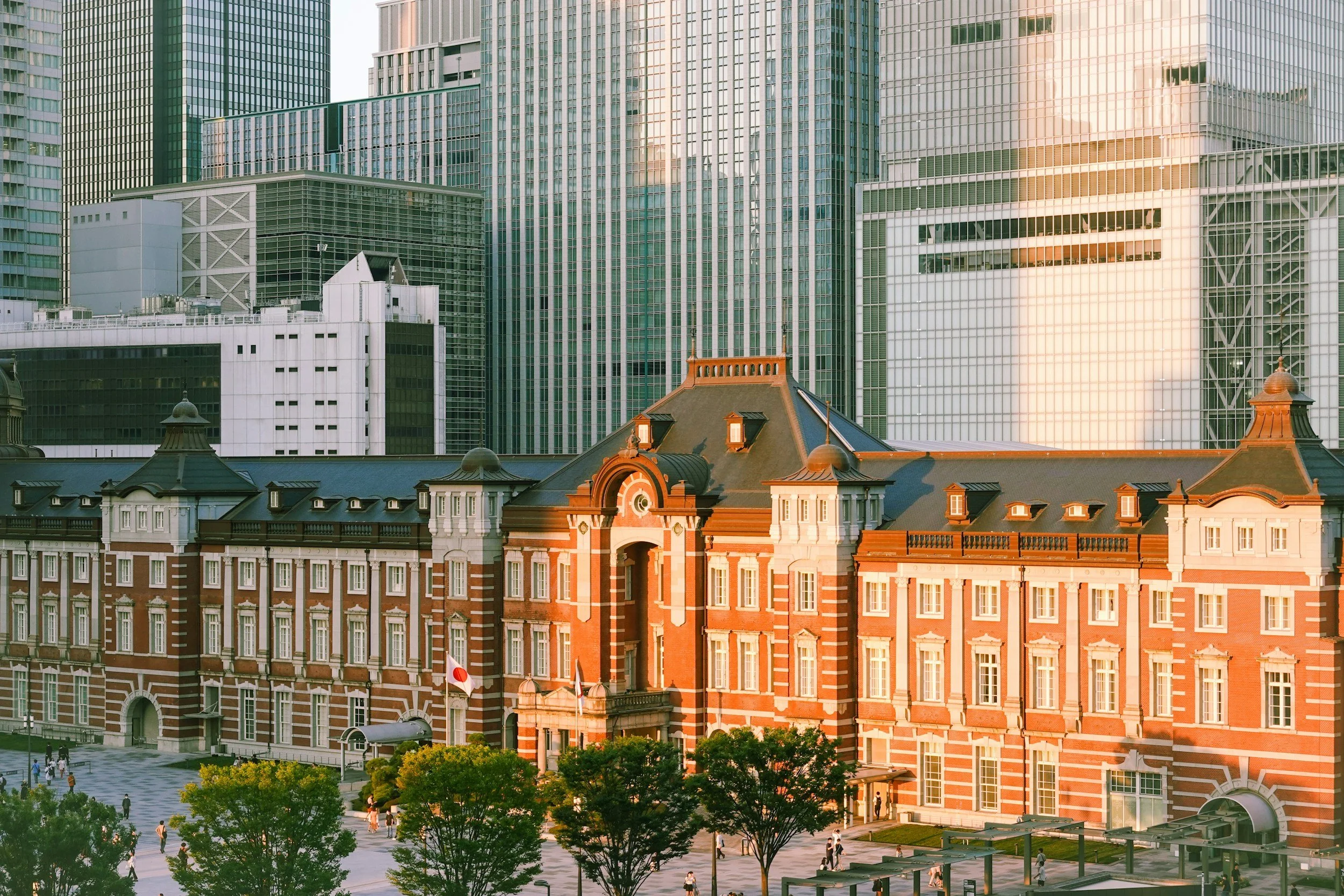
Tokyo Station’s restored red-brick Marunouchi façade stands opposite a district dominated by glass towers, with the Imperial Palace grounds behind them. The station is also one of Japan’s main rail hubs, sending Shinkansen services across the country.
Spend some time outside the Marunouchi side of the station before exploring the shops and restaurants around the station itself.
For dinner, you have two good approaches.
Stay around Marunouchi for something more polished, or walk towards Yurakucho for smaller restaurants and izakaya beneath the railway tracks.
Both work.
If You Have More Energy
If contemporary digital art is a priority, teamLab Borderless at Azabudai Hills can replace part of the afternoon.
Its tickets are date and time specific and can sell out, so this is another experience to reserve rather than improvise.
I wouldn’t add it on top of the full day.
Swap something out.
If You Want a Slower Day
Skip the Imperial Palace East Gardens and give Ginza and Marunouchi more room.
Day 4: Shinjuku From Garden to Neon
Shinjuku deserves its own day because trying to bolt it onto Shibuya usually means seeing both areas less well.
The district changes noticeably from west to east and from afternoon to night, making it one of the easiest places in Tokyo to spend a full day without needing much transport.
Morning: Shinjuku Gyoen
Start in Shinjuku Gyoen National Garden.
It’s the reset button before Shinjuku becomes considerably louder.
The garden combines Japanese landscape design with formal French and English-style sections and gives you around 58 hectares of open space within one of Tokyo’s busiest districts.
Opening hours change seasonally. The garden currently opens at 9am and normally closes on Mondays, although it stays open daily during specific spring cherry-blossom and autumn chrysanthemum periods. During the busiest blossom dates, advance reservations may be introduced.
If your Shinjuku day falls on a Monday, move this day elsewhere in the itinerary rather than replacing the garden with another attraction purely for symmetry.
Spend around 90 minutes here.
Longer if the weather is good.
Afternoon: See Shinjuku Change Character
After the garden, move towards central and western Shinjuku.
Shinjuku Station is surrounded by several distinct mini-districts. The west side is dominated by skyscrapers and offices, while the east moves into shopping, entertainment and eventually Kabukicho.
This is a good afternoon for looser exploring.
Department stores are useful here, partly because Japanese department stores contain far more than shops. Food halls, restaurants and rooftop spaces make them convenient places to stop without committing to a major attraction.
If you want another city view but skipped Shibuya Sky, this is also the logical place to find one.
Otherwise, resist collecting observation decks.
Tokyo doesn’t become more Tokyo because you’ve looked at it from four tall buildings.
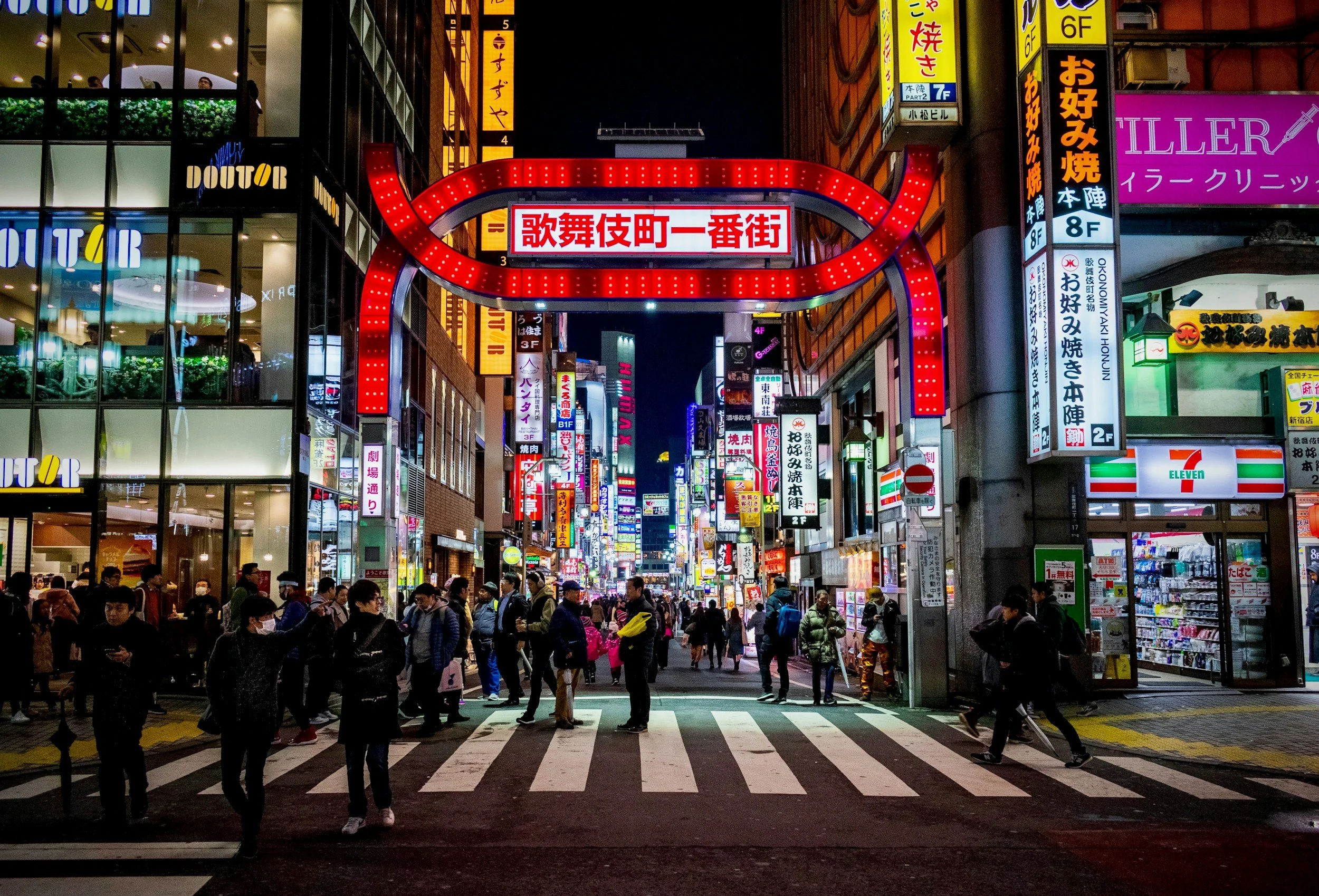
Evening: Omoide Yokocho, Kabukicho and Golden Gai
Shinjuku earns the day after dark.
Start with Omoide Yokocho, a network of narrow alleys beside the station packed with tiny yakitori counters and drinking spots. Many hold only a handful of customers, which is a useful contrast to the scale of Shinjuku immediately outside.
Have dinner or a few skewers here, then continue towards Kabukicho.
Finish at Golden Gai if you want drinks.
Its six narrow rows contain around 280 tiny bars, many seating just five or six people. Some cater to regular members while others openly welcome visitors. Most bars only get going later in the evening.
A little etiquette goes a long way here.
Don’t photograph people or bar interiors without permission, and check for cover charges before sitting down.
If You Have More Energy
Stay in Golden Gai or Kabukicho.
This is not the evening that needs another attraction.
If You Want a Slower Day
Spend the garden morning and evening in Shinjuku, but keep the afternoon largely unstructured.
Day 5: Daikanyama, Nakameguro and Ebisu
By day five, you’ve seen temples, markets, major commercial districts, observation decks, gardens and plenty of neon.
This is the point to stop escalating.
The final day is about seeing how Tokyo feels when nothing particularly monumental is happening.
Morning: Daikanyama
Start in Daikanyama, one of the calmer neighbourhoods just south of Shibuya.
The area is characterised by low-rise streets, cafés, boutiques and design-focused stores and is close enough to both Nakameguro and Ebisu that the three work naturally as one walking-led day.
Make Daikanyama T-SITE your main anchor.
The complex centres around Tsutaya Books, with large sections devoted to design, architecture, travel, art, cars and magazines.
Even if you have no intention of buying a book, it’s worth seeing how thoughtfully Tokyo can turn something as ordinary as a bookshop into a place people genuinely spend time.
Have coffee, browse, then wander through the surrounding streets.
There is no landmark you need to reach.
That is the appeal.
Afternoon: Walk to Nakameguro
From Daikanyama, walk down towards Nakameguro.
The two areas are only around ten minutes apart on foot, so taking a train here rather misses the point.
Nakameguro centres on the Meguro River, with shops, cafés and restaurants extending along the water and into the surrounding side streets.
Outside cherry-blossom season, it’s pleasantly understated.
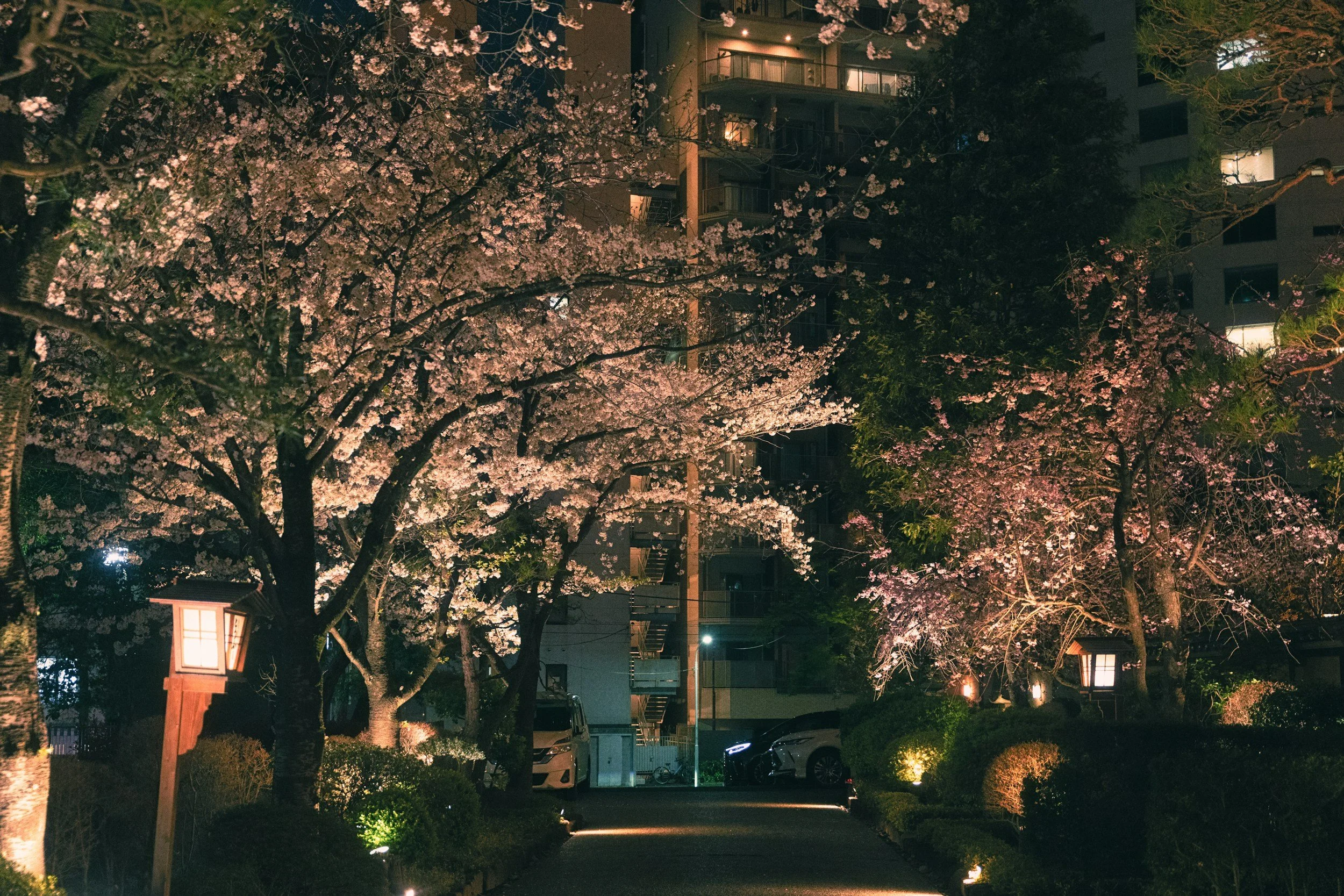
During late March and early April, it becomes anything but understated, as the river’s cherry trees draw major crowds.
Take your time along the river and stop for lunch somewhere that appeals.
This is the day to trust your eyes more than your saved map.
If you see a small café, bakery, izakaya or shop worth investigating, investigate it.
Evening: Finish in Ebisu
Walk or take a short train ride to Ebisu for the evening.
Ebisu sits close to both Daikanyama and Nakameguro and combines restaurants, bars and more residential-feeling streets without the intensity of Shibuya or Shinjuku.
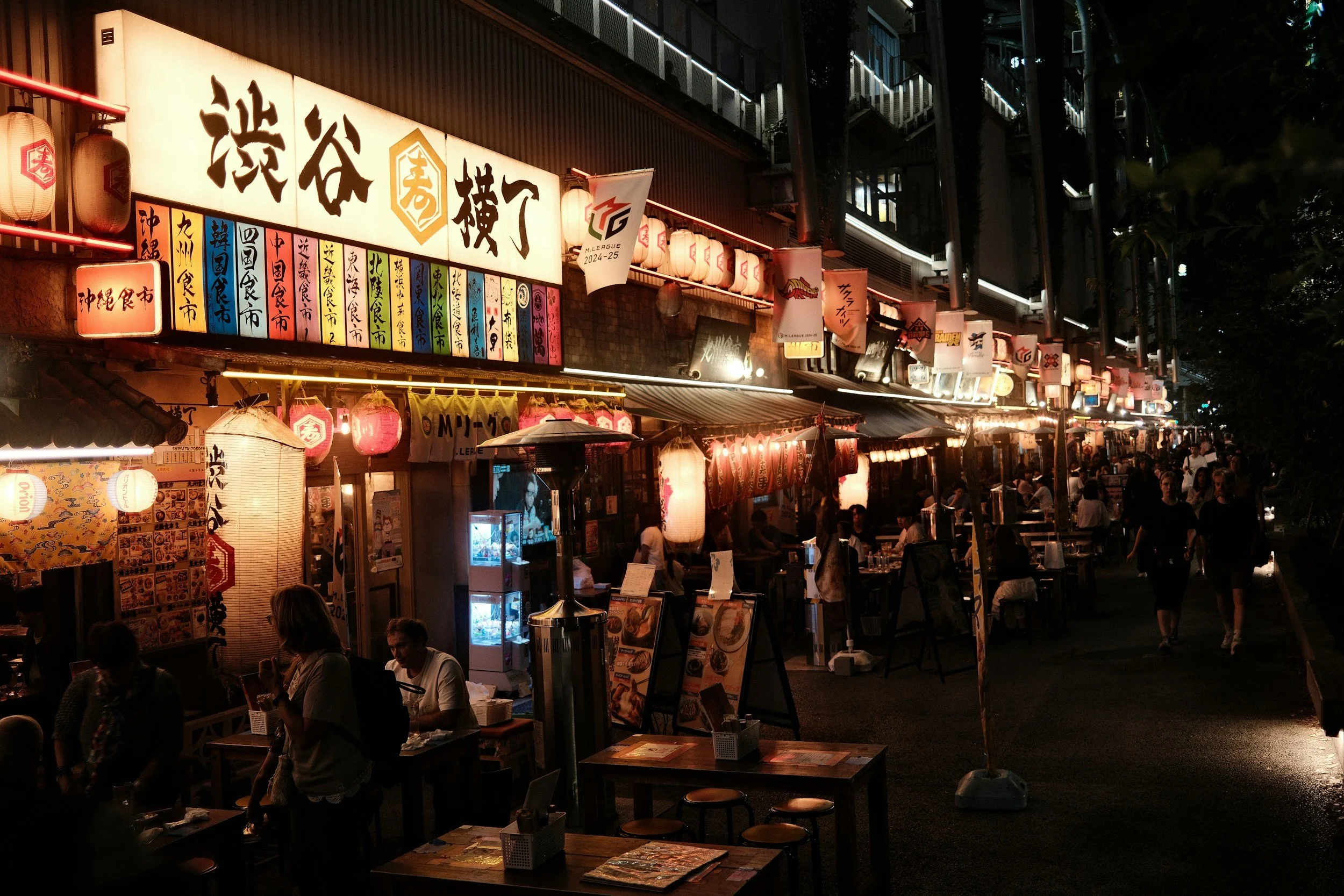
For something informal, Ebisu Yokocho brings together a collection of small drinking and eating spots, with yakitori, oden, seafood and other casual dishes.
Or book one proper final dinner.
Either way, keep the evening uncomplicated.
You’ve spent five days in one of the largest cities in the world. There is no administrative requirement to finish with another museum.
If You Have More Energy
Head back to Shibuya after dinner. It’s nearby and easy.
If You Want a Slower Day
Stay entirely between Daikanyama and Nakameguro and skip Ebisu.
This is already the slow day. You’re allowed to make it slower.
What Should You Book in Advance in Tokyo?
Tokyo rewards flexibility, but a few things are worth locking in.
Book Shibuya Sky
This is the clearest advance booking in this itinerary.
Tickets are timed and popular sunset and evening periods can sell out.
If sunset matters, check the sunset time for your travel dates first and book around it.
Book teamLab Borderless if You Add It
Admission uses designated dates and times, and tickets can sell out.
If it matters to you, book it.
If it doesn’t, don’t let its ticket availability dictate your trip.
Reserve High-Demand Restaurants
If there’s a specific sushi counter, kaiseki restaurant or well-known restaurant you’re travelling specifically to visit, reserve it as soon as that restaurant’s booking window opens.
For most meals, though, leave yourself some flexibility.
One of Tokyo’s strengths is that excellent food doesn’t require every meal to become a research project.
Check Gardens and Museums Against Your Dates
This matters more than people realise.
The Tokyo National Museum generally closes Mondays. Shinjuku Gyoen also normally closes Mondays, while the Imperial Palace East Gardens generally close Mondays and Fridays.
Build the itinerary around those opening days before booking smaller details.
Where Should You Stay for This Itinerary?
For a first trip, Shinjuku, Shibuya and the Tokyo Station/Ginza side of central Tokyo are the strongest all-round bases.
Shinjuku
Choose Shinjuku if you want excellent transport connections and plenty happening around your hotel in the evening.
The trade-off is scale. Shinjuku Station can feel overwhelming for the first day or two.
Shibuya
Choose Shibuya if restaurants, nightlife, shopping and contemporary Tokyo are high priorities.
It puts you particularly well for Days 2 and 5 while remaining very well connected to the rest of the city.
Ginza or Tokyo Station
Choose this part of central Tokyo if you want somewhere polished, convenient and slightly calmer in the evenings.
Tokyo Station also works especially well if Tokyo forms part of a wider Japan trip and you’ll be using the Shinkansen.
The right base matters, but Tokyo’s transport network means you don’t need to stay beside every attraction.
Should You Take a Day Trip During a 5-Day Tokyo Trip?
For most first-time visitors, no.
If you have five full days in Tokyo, I’d spend all five in Tokyo.
The city has enough variety that your fifth day doesn’t feel like a diluted version of your first. Asakusa, Shibuya and Nakameguro barely feel like the same destination.
A day trip starts to make more sense once you have six or seven days.
That said, there are three reasonable swaps.
Kamakura
Choose Kamakura if temples, shrines and a smaller coastal city appeal more than another urban day.
The cleanest swap is Day 5.
Hakone
Choose Hakone if an onsen stay, mountain scenery or the possibility of seeing Mount Fuji matters more than another day in Tokyo.
I’d ideally give Hakone an overnight rather than squeeze it into a rushed day trip.
Nikko
Choose Nikko if ornate shrines, mountain scenery and historic architecture are a major priority.
It’s a longer, more committed day than Kamakura.
The trade-off with all three is the same: you give up the slower Tokyo day.
For a first visit, I think Tokyo earns it.
How to Adjust This 5 Day Tokyo Itinerary
No single Tokyo itinerary suits everyone. The useful question is what deserves more of your time.
If You Love Food
Keep Tsukiji, but extend the food side of the trip into department-store basements, izakaya and one or two more deliberate dinner reservations.
You could also swap part of Day 5 for a food-led neighbourhood such as Kiyosumi-Shirakawa or explore more of Ebisu.
If You Love Design and Architecture
Give Omotesando more time on Day 2 and keep Daikanyama on Day 5.
Omotesando and Aoyama are particularly strong for contemporary architecture, while Daikanyama gives you a smaller-scale version of Tokyo design culture.
If You Want More Nightlife
Extend Shibuya on Day 2 and Shinjuku on Day 4.
Those are the two nights to go later.
Don’t make every evening a nightlife evening unless you’re prepared for the mornings to become increasingly theoretical.
If You Prefer a Slower Trip
Remove one major activity from Days 1 to 4.
Skip the Ueno museum, Imperial Palace East Gardens or some of the shopping areas rather than cutting Day 5.
That slower final day is doing more work than it first appears.
If You’ve Already Seen the Major Sights
Replace Sensō-ji or central Tokyo time with neighbourhoods such as Yanaka, Kiyosumi-Shirakawa, Jimbocho or Kagurazaka.
And if Japanese pop culture matters to you, make more room for Akihabara.
What to Know Before Spending 5 Days in Tokyo
Get an IC Card
An IC card makes Tokyo transport considerably easier because you can tap in and out rather than buying individual rail tickets.
JR East’s Welcome Suica is designed for short-term visitors and is valid for 28 days. Mobile IC options are also available.
Use Trains Between Areas, Then Walk Within Them
Tokyo’s rail system is excellent.
That doesn’t mean every three-block journey needs a train.
The best rhythm is usually rail between neighbourhoods and walking once you arrive.
That’s particularly important in places such as Harajuku to Omotesando, Daikanyama to Nakameguro and Ginza towards Marunouchi.
Expect to Walk More Than You Think
Stations are large.
Interchanges can involve significant walking.
And once you start exploring neighbourhoods properly, your step count has a habit of becoming mildly absurd.
Wear shoes accordingly.
Keep Some Cash
Cashless payment is now common across Tokyo, particularly in hotels, department stores, convenience stores and larger restaurants, but carrying some cash is still useful because smaller establishments may not accept cards.
Tsukiji and smaller bars are good examples of places where this can still matter.
Don’t Over-Optimise Restaurants
There are meals worth travelling for.
There are also approximately endless places to eat.
Not every lunch needs a 47-tab research process.
Use reservations for restaurants that genuinely matter to you and leave the rest flexible.
Check Opening Days Before You Assign the Itinerary
The day numbers are less important than the area groupings.
If Day 4 lands on a Monday and Shinjuku Gyoen is closed, swap Day 4 with another day.
If the Imperial Palace gardens are closed, leave them out.
Tokyo is too good a city to spend your holiday arguing with a timetable.
Best Time of Year for This Itinerary
This itinerary works throughout the year, but the experience changes considerably by season.
Spring brings mild walking weather and cherry blossoms, usually with peak Tokyo blossom activity around late March and early April. It is also one of the busiest periods, so accommodation and major attractions benefit from earlier planning.
Summer requires a slower pace. Tokyo is hot and humid, so longer outdoor walks are better moved towards mornings and evenings.
Autumn is another strong walking season, with cooler weather arriving later in the year and foliage adding colour to gardens and parks.
Winter can be cold but often clear and dry, which makes city views and long walking days surprisingly good.
For a month-by-month breakdown, read our full guide to the best time to visit Tokyo, including weather, crowds and the trade-offs between seasons.
“A good five-day Tokyo trip isn’t the version that proves how many attractions you can fit into five columns of a spreadsheet. It’s the version that lets the city change around you.
Start among temples and old shopping streets in Asakusa. Move through fashion and architecture towards Shibuya. Eat breakfast in Tsukiji, walk through Ginza, see Shinjuku become brighter as daylight disappears, then finish somewhere quieter beside the Meguro River.
Five days won’t show you all of Tokyo. But planned well, they’ll show you enough different versions of it to understand why one trip rarely feels like enough.”
DISCOVER JAPAN