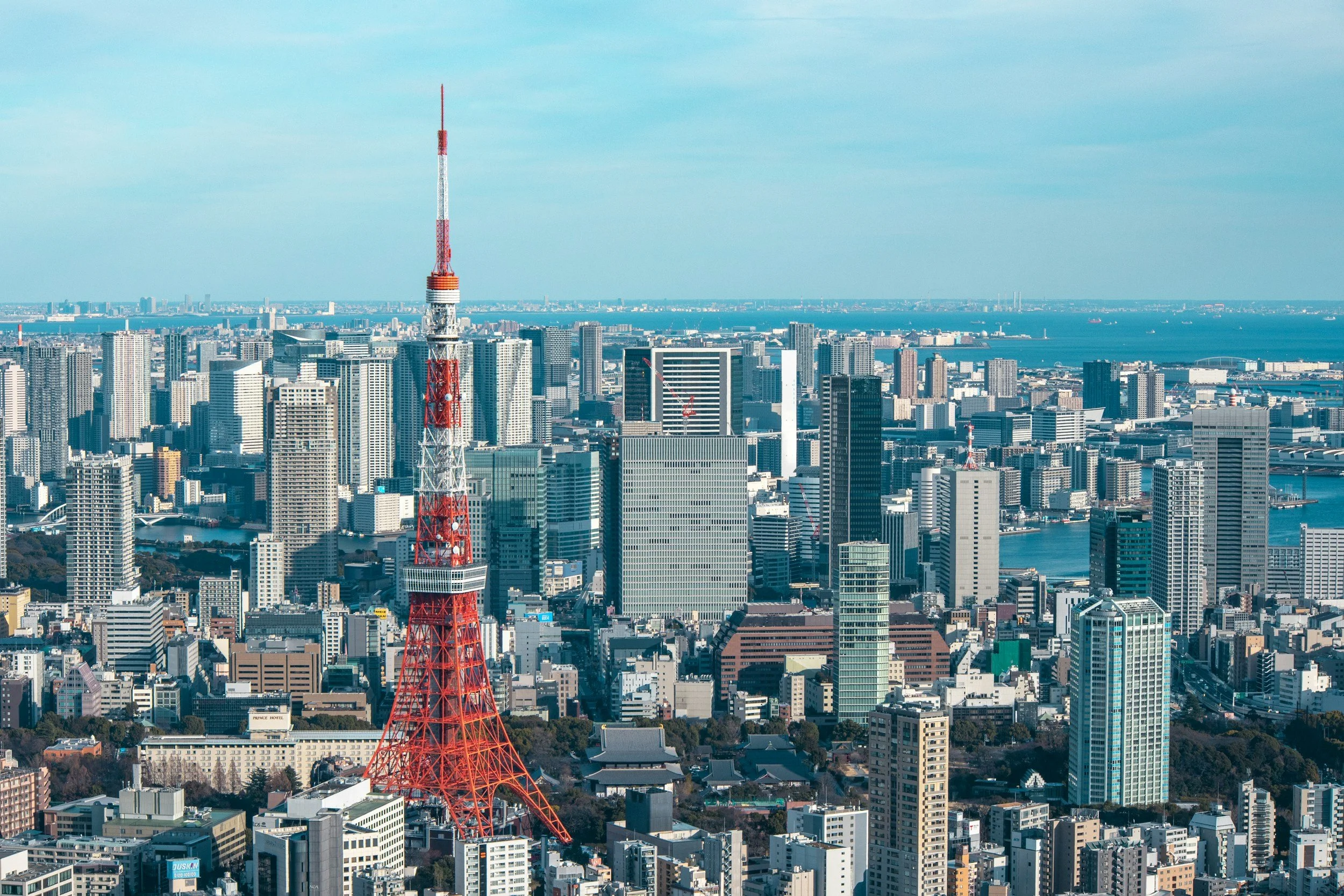
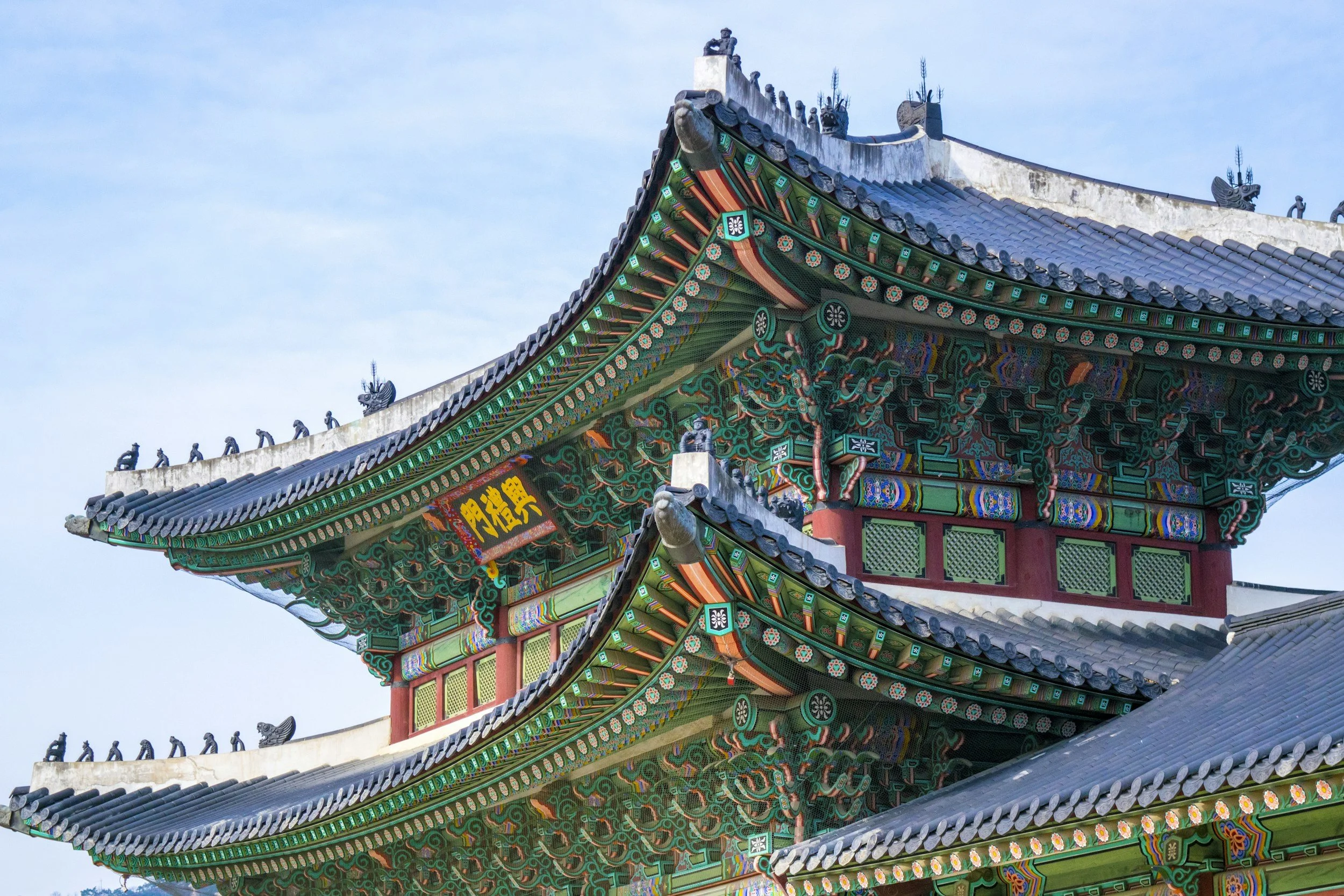
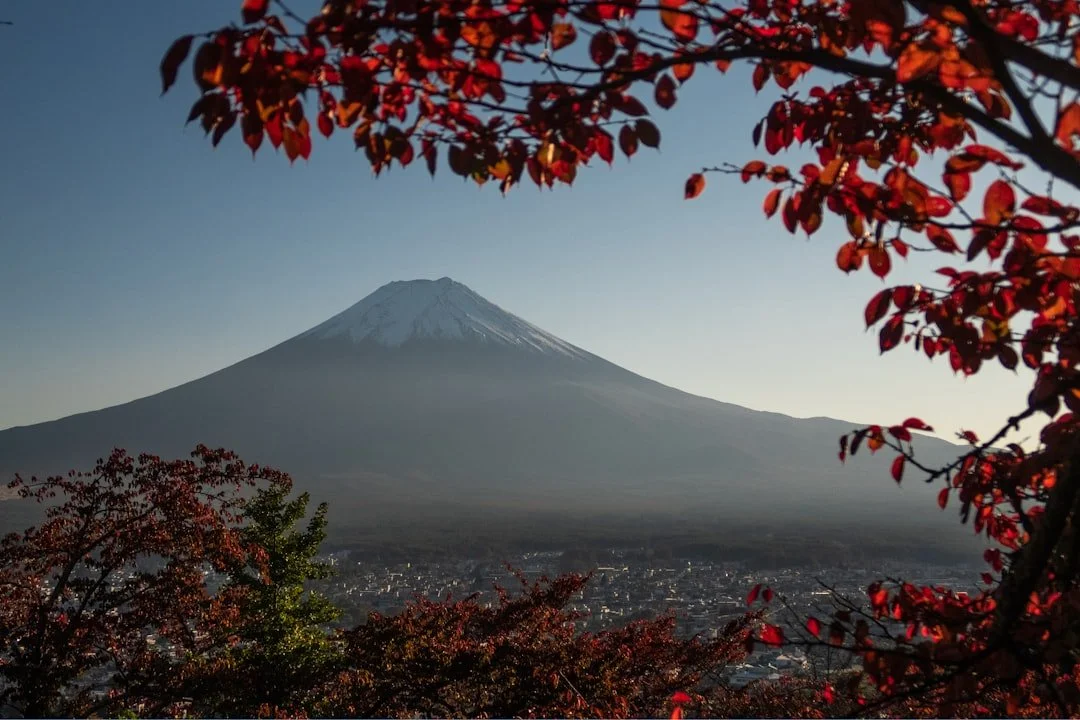
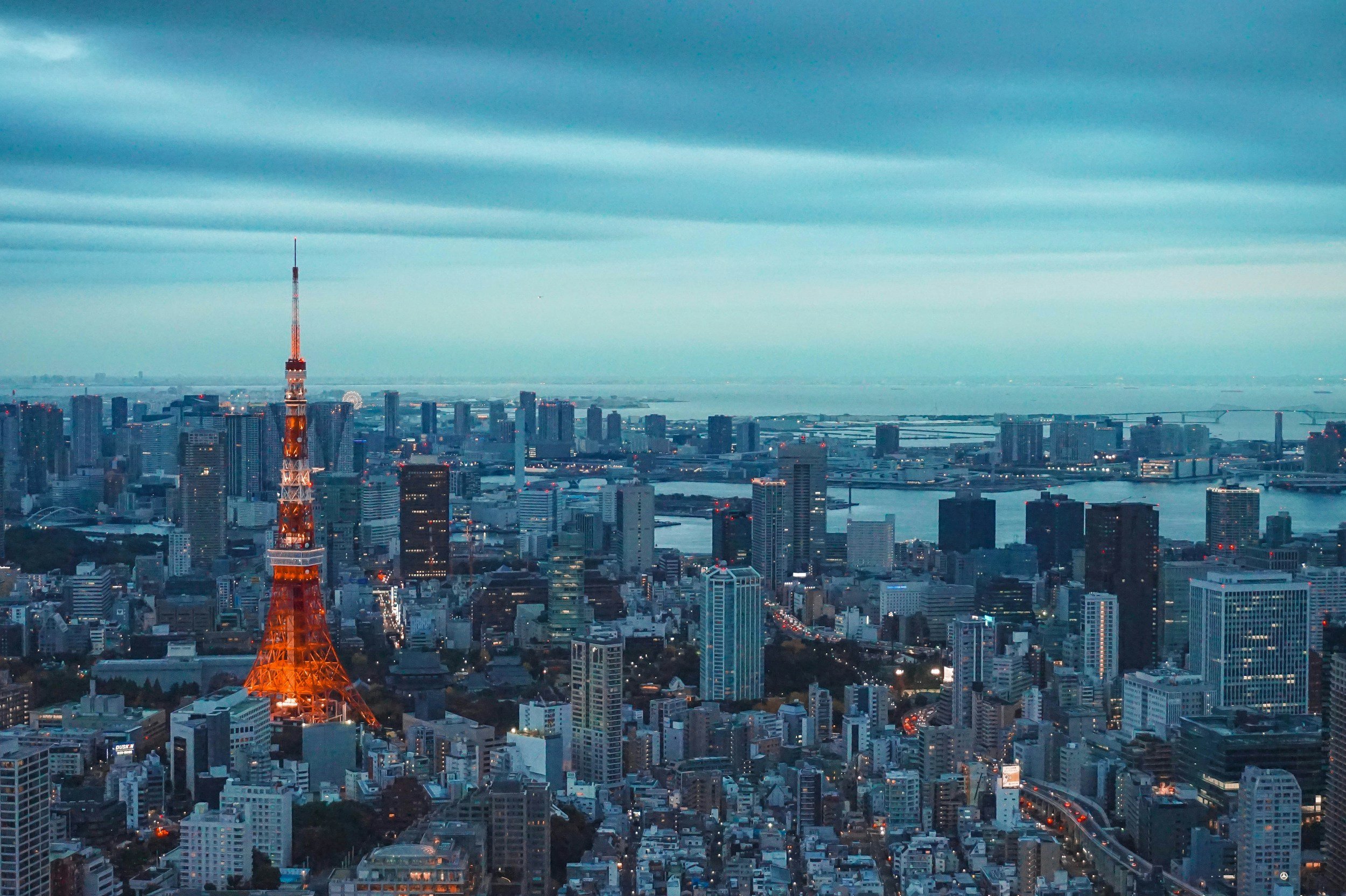
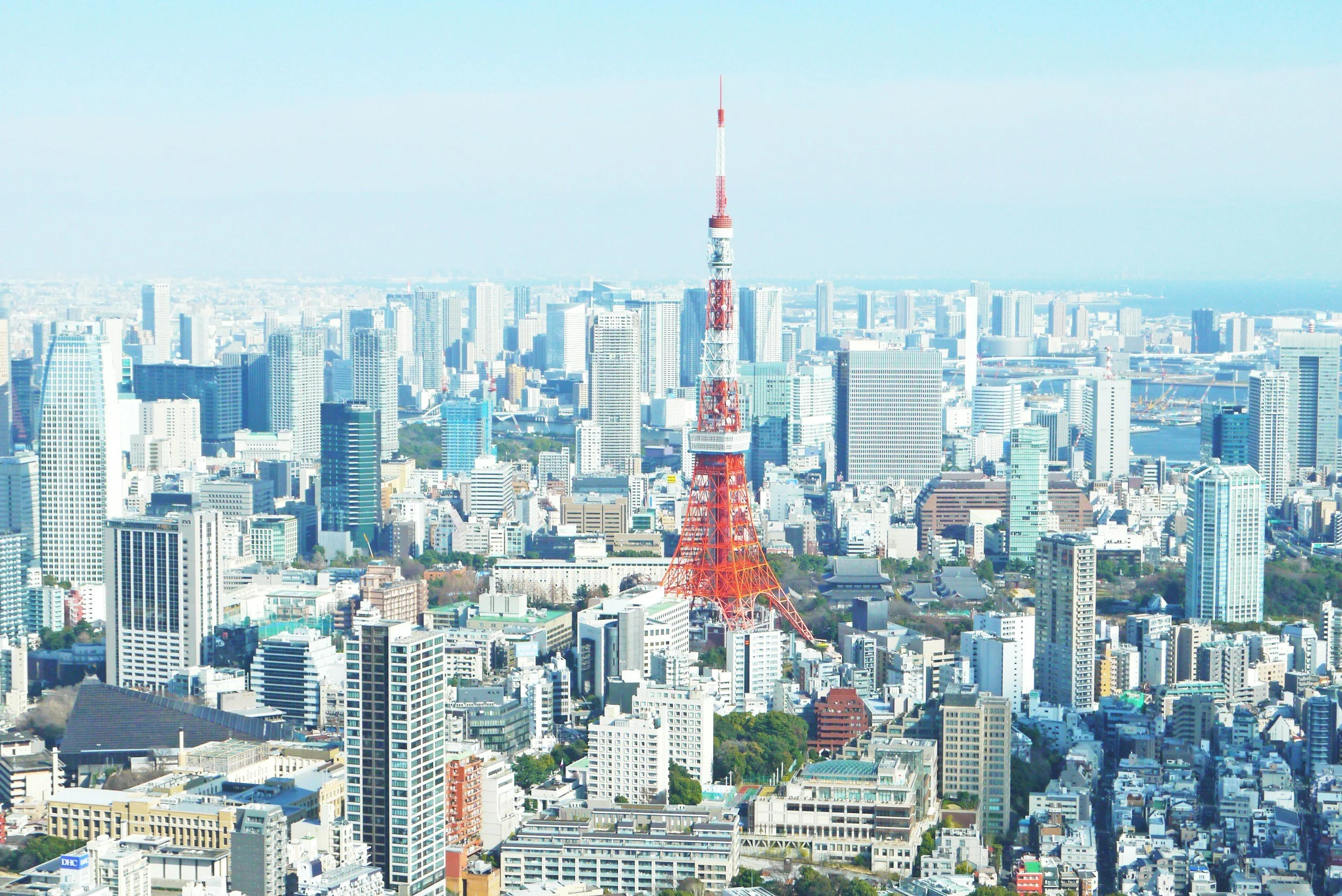
Tokyo is the kind of city that makes almost any trip length look inadequate on paper. You could spend a week here and still leave with entire neighbourhoods unexplored, restaurants saved for next time and a suspicious number of train stations you only ever saw from the platform.
But that doesn’t mean you need weeks.
For most first-time visitors, five full days is the sweet spot for Tokyo. Three days is enough for a fast introduction, four feels considerably more comfortable, and seven gives you the freedom to explore beyond the headline neighbourhoods without constantly watching the clock.
The important word is full. Five hotel nights do not automatically mean five days in Tokyo, particularly if one disappears into a late arrival and another into an early departure.
This guide breaks down what two, three, four, five and seven days actually give you, how much Tokyo deserves within a wider Japan trip, and when staying longer is genuinely worthwhile.
Quick Answer: How Many Days Do You Need in Tokyo?
2 Days
Best for: Stopovers or very short Japan trips.
Reality: You can see some of Tokyo’s defining neighbourhoods, but the trip will be selective and fast-moving.
3 Days
Best for: Travellers combining Tokyo with several other destinations.
Reality: Enough for a strong first introduction if you organise your days geographically.
4 Days
Best for: Short first trips to Japan.
Reality: A much better balance between Tokyo’s major sights and actually spending time in its neighbourhoods.
5 Days
Best for: Most first-time visitors.
Reality: Enough time to see several sides of Tokyo without turning every day into a race across the city.
7 Days
Best for: Food, shopping, design, pop culture, nightlife and slower travel.
Reality: Not too long at all if Tokyo itself is a major reason for the trip.
World Locals recommendation: allow five full days for your first visit to Tokyo.
That recommendation also lines up well with the breadth of Tokyo’s current official five-day visitor itinerary, which spreads sightseeing across eastern, northern, central, western and southern parts of the city rather than treating Tokyo as one compact centre.
Why Tokyo Takes Longer Than You Think
Tokyo isn’t difficult to move around, but it is easy to underestimate.
The city doesn’t revolve around one historic centre where most of the major sights sit within walking distance. Instead, it works through a network of distinct neighbourhoods and commercial centres, each with its own pace and reason to visit.
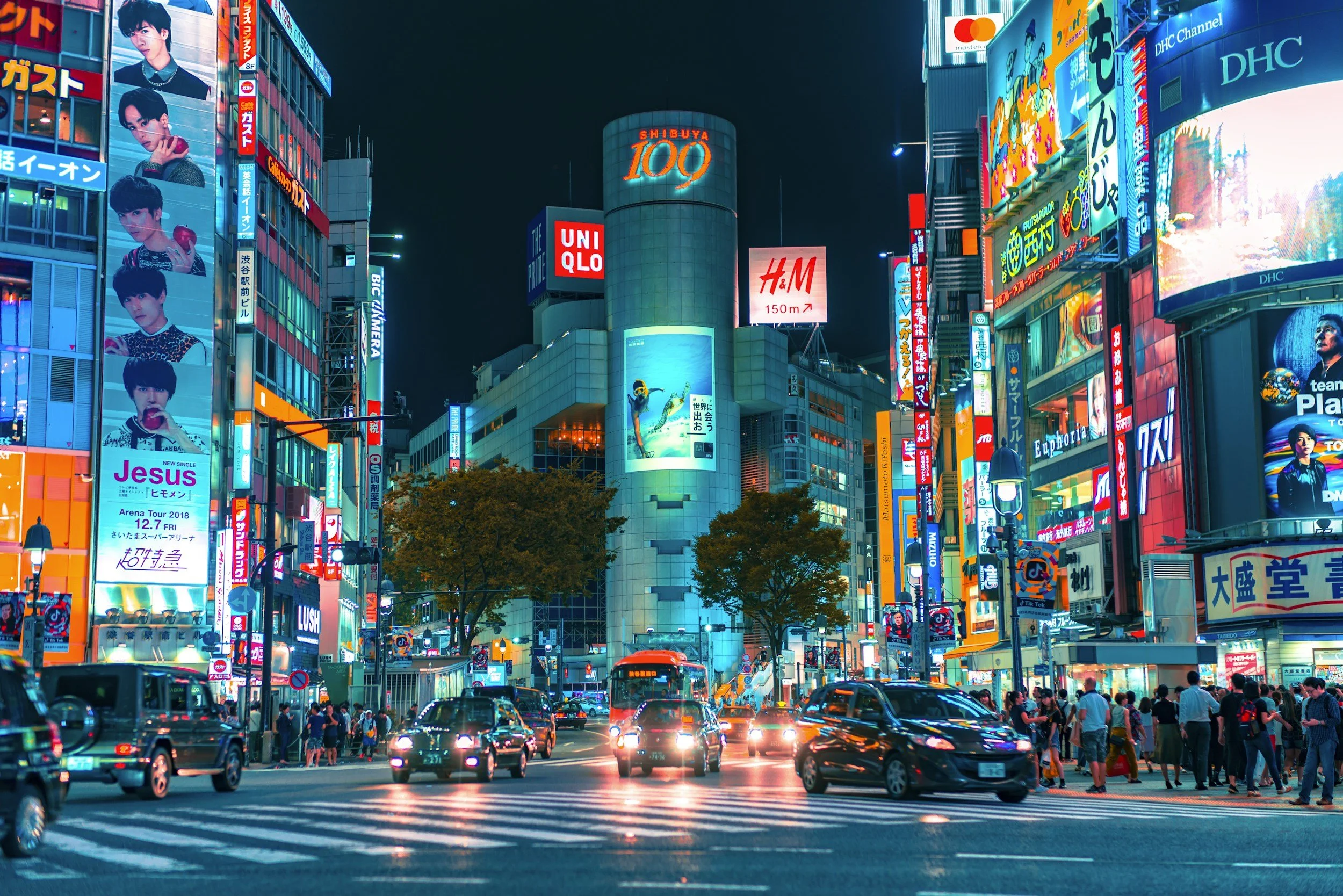
Asakusa is built around Sensoji and a more traditional side of eastern Tokyo. Shibuya is tied to contemporary fashion, entertainment and youth culture. Shinjuku combines major transport infrastructure, shopping, business districts and nightlife. Ginza feels more polished and commercial. Shimokitazawa slows things down around vintage stores, independent shops, music and cafés.
That variety is precisely why Tokyo deserves time.
The railway network makes moving between these areas efficient, but efficient isn’t the same as instant. The Ginza Line alone runs from Shibuya through central Tokyo to Asakusa, and a scheduled end-to-end journey is roughly half an hour before you account for reaching platforms, navigating large stations and walking at either end.
The better way to plan Tokyo is therefore in clusters.
Harajuku sits between Shibuya and Shinjuku on the Yamanote Line, making those areas relatively natural companions. Tsukiji is around a ten-minute walk from Ginza. Asakusa can connect naturally towards the Sumida River and Tokyo Skytree.
Trying to bounce between opposite sides of Tokyo simply because every place appears on the same saved Google Maps list is usually where a good itinerary begins to unravel.
Tokyo is better experienced in clusters than conquered as a checklist.
Is 2 Days in Tokyo Enough?
Two full days in Tokyo is enough for a glimpse, but not enough for a rounded first visit.
If two days is all you have, the priority should be contrast rather than coverage. Give each day a geographical logic and accept that plenty will be left for another trip.
Day 1: Western Tokyo
A realistic first day could build around:
Meiji Jingu
Harajuku
Omotesando
Shibuya
Shinjuku in the evening
Harajuku’s position between Shibuya and Shinjuku makes this one of Tokyo’s more natural sightseeing corridors.
It also shows several versions of the city in relatively little time: the wooded approach to Meiji Jingu, the fashion and street culture around Harajuku, Omotesando’s architecture and retail, Shibuya’s scale and finally Shinjuku after dark.
If Shibuya Sky matters to you, build the day around the booking rather than assuming you can improvise it. Its official ticket system currently uses timed admission, with tickets sold in advance.
Day 2: Eastern and Central Tokyo
A second day could start around:
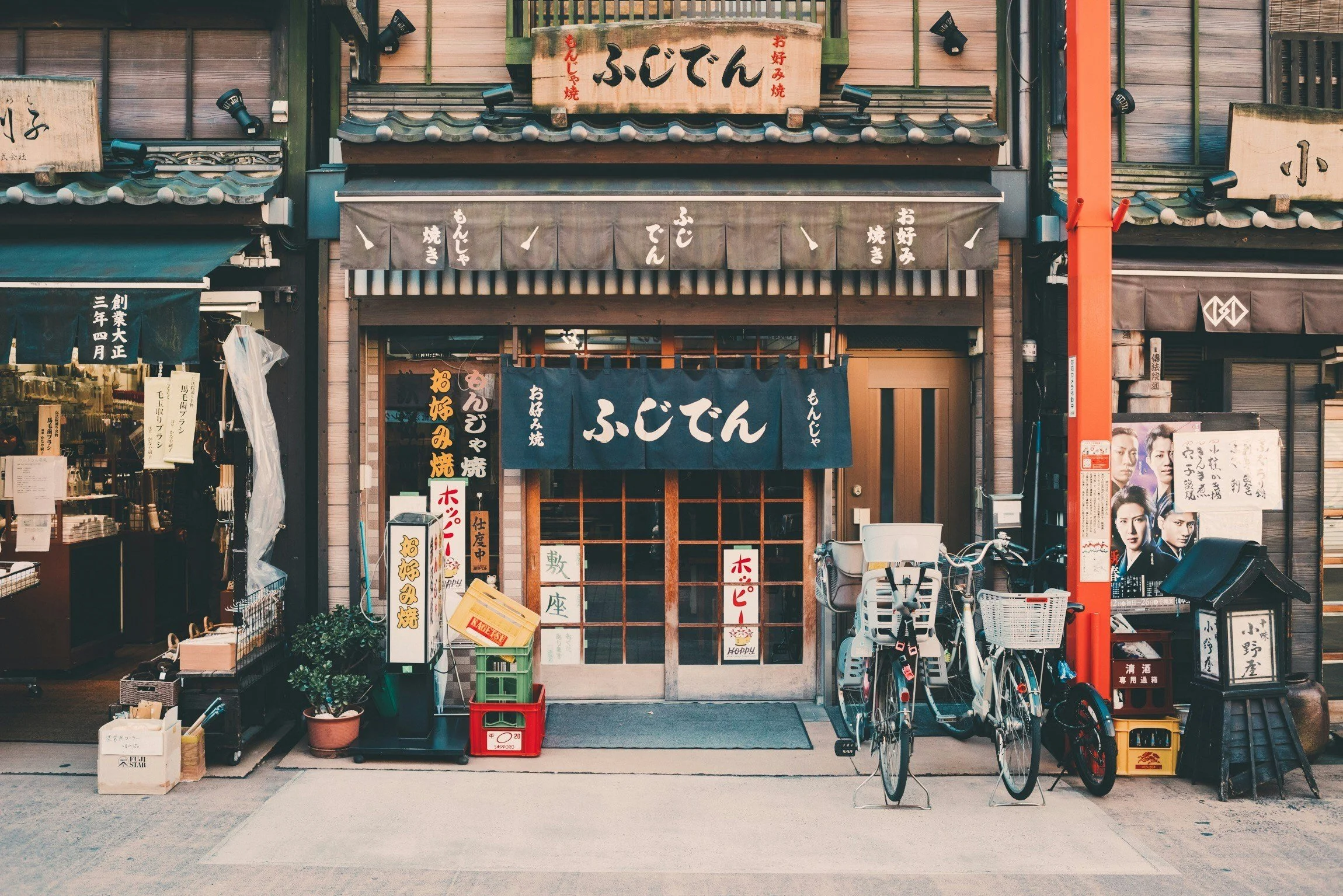
Asakusa
Sensoji
Ueno or Akihabara
Ginza or central Tokyo in the evening
Asakusa gives you one of the clearest connections to older Tokyo through Sensoji, Kaminarimon and Nakamise, while Ueno adds museums and parkland and Akihabara offers a very different window into Japanese gaming, electronics and otaku culture.
What You Miss With 2 Days
Quite a lot.
There’s little space for:
slower neighbourhoods
serious museum time
food-led exploring
vintage shopping
design districts
café afternoons
substantial nightlife
parks and gardens
specialist interests
getting mildly distracted by somewhere you didn’t intend to visit
And that last point matters more in Tokyo than it might elsewhere.
Verdict: two days works as a stopover. For a dedicated first visit to Tokyo, it’s too short.
Is 3 Days in Tokyo Enough?
Yes, three full days is enough for a good first introduction to Tokyo, but you’ll need to be selective.
This isn’t merely theoretical. GO TOKYO’s current official three-day route groups its days around Asakusa and Ueno, Yoyogi-Harajuku-Shibuya, and Shimokitazawa-Shinjuku, which shows how much can be achieved when the city is approached geographically.
A sensible three-day structure would be:
Day 1: Eastern Tokyo
Build around Asakusa and Ueno, with Akihabara if it genuinely interests you.
Day 2: Harajuku and Shibuya
Start around Meiji Jingu and Harajuku, continue through Omotesando and spend the latter part of the day around Shibuya.
Day 3: Your Version of Tokyo
This is where you choose rather than collect.
That could mean:
Shinjuku and nightlife
Shimokitazawa and vintage shopping
Ginza and central Tokyo
museums around Ueno
anime and gaming in Akihabara
architecture and design around Omotesando
food-led exploring
another neighbourhood that fits your interests
Three days works because it forces decisions.
The trade-off is that there is very little spare capacity. A long lunch, museum, shopping session or timed attraction immediately starts competing with something else.
Some attractions also resist last-minute planning. The Ghibli Museum, for example, requires advance reservation and does not sell admission tickets at the museum, while teamLab Borderless warns that tickets can sell out.
Verdict: three days is enough if Tokyo is one part of a larger Japan trip. It isn’t the amount of time I’d choose if Tokyo itself is one of your main reasons for visiting.
Is 4 Days in Tokyo Enough?
Yes. Four full days is where a first Tokyo trip starts to feel substantially more comfortable.
The difference between three and four days sounds small. In practice, the fourth day changes the rhythm.
Instead of using every day to cover another major section of the city, you can begin allocating time according to interest.
You might spend half a day in a museum rather than worrying about what it has displaced. You can shop properly rather than treating stores as attractions to photograph on the way past. Dinner can become part of the evening rather than the administrative task between two landmarks.
It also becomes easier to explore somewhere less essential but potentially more memorable.
Shimokitazawa, for example, offers a slower afternoon of vintage stores, bookshops, music and small cafés and bars. Kiyosumi Shirakawa combines contemporary art, coffee culture and a traditional landscape garden. Both provide a different texture from Tokyo’s biggest commercial centres.
That’s what the fourth day buys you: choice without quite so much sacrifice.
Verdict: four days is a strong amount of time for a first visit, particularly if you have around 10 to 14 days in Japan overall.
Is 5 Days in Tokyo Enough?
Yes. Five full days is the amount I’d recommend to most first-time visitors.
Five days still won’t make Tokyo feel complete, which is rather the point. It gives you enough time to understand several sides of the city without needing to exhaust each one.
GO TOKYO’s current five-day itinerary spreads the city across eastern Tokyo, northern Tokyo, central Tokyo and two days in western and southern districts. That breadth is a useful indication of just how much Tokyo contains before day trips even enter the equation.
A first five-day trip might broadly work like this.
Day 1: Shibuya and Harajuku
Start around Meiji Jingu and Harajuku, walk towards Omotesando and let the day build into Shibuya.
This gives you nature, contemporary fashion, architecture, shopping and one of Tokyo’s busiest commercial districts without repeatedly crossing the city.
Day 2: Shinjuku and Western Tokyo
Give Shinjuku enough time to be more than its station.
Explore during the day, then stay into the evening when the district shifts towards bars, restaurants, entertainment and neon. GO TOKYO notes that the area changes significantly at dusk, which is exactly why treating nighttime as part of your sightseeing matters here.
Day 3: Asakusa and Eastern Tokyo
Start around Sensoji and Asakusa.
From here, choose according to interest. Ueno works well for museums. Ryogoku makes sense if sumo or traditional crafts interest you. Tokyo Skytree can extend the day eastwards.
Day 4: Central Tokyo
This could combine Tsukiji, Ginza, Tokyo Station, Marunouchi or Nihonbashi.
The geography works. Tsukiji is walkable from Ginza, while Ginza itself sits close to Yurakucho and Tokyo Station. Nihonbashi adds an older commercial layer to central Tokyo, historically serving as the starting point for Japan’s major Edo-period roads.
Day 5: Choose Tokyo Rather Than Its Highlights
This is the day that makes five better than three.
Go somewhere because it fits your trip rather than because a first-time Tokyo checklist says you should.
For vintage stores, music and smaller bars, try Shimokitazawa. For boutiques and cafés, Daikanyama works naturally with nearby Nakameguro and Ebisu. Kichijoji combines neighbourhood life with Inokashira Park. Kiyosumi Shirakawa works for contemporary art and coffee.
Or don’t add another neighbourhood at all.
Spend the fifth day eating.
Spend it shopping.
Book the museum that would otherwise have wrecked your afternoon plan.
Stay in a coffee shop for an hour longer than necessary.
Tokyo becomes easier once every interesting thing no longer has to justify its place in the schedule.
Verdict: five full days gives most first-time visitors the best balance of major Tokyo, neighbourhood Tokyo and enough breathing room to enjoy both.
Discover where to eat, and our top Tokyo experiences.
Is 7 Days in Tokyo Too Long?
No. A week in Tokyo is not too long if cities, food, culture, shopping or neighbourhood exploration are central to the way you travel.
The question is less about whether Tokyo can fill seven days and more about what else you want from Japan.
A week starts to make particular sense if your interests include:
food and restaurant planning
Japanese fashion
vintage shopping
architecture and design
anime, manga and gaming
photography
museums and galleries
nightlife
coffee culture
music
slower neighbourhood exploration
Western Tokyo alone includes Shibuya, Shinjuku, Harajuku, Aoyama, Shimokitazawa, Daikanyama, Kichijoji, Koenji and several other distinct areas. Eastern and central Tokyo add an entirely different set of neighbourhoods and cultural experiences.
Seven days also works particularly well if you have a specific interest that consumes time.
Anime and gaming fans may want proper time in Akihabara and other specialist districts. Ghibli Museum visitors need to travel out to Mitaka, which takes roughly 20 minutes from Shinjuku by JR before the onward walk or bus, and entry requires advance reservation.
Food-focused travellers face an even simpler problem: there are only so many meals available per day. Tokyo rather inconveniently refuses to let you eat twelve dinners simultaneously.
When Is 7 Days Too Much?
If you have only seven or ten days in Japan overall, probably.
Japan has too much range to spend an entire short first trip in Tokyo unless that is specifically what you want.
JNTO’s own example of a two-week “Golden Route” allocates three nights to Tokyo before moving through Hakone, Kyoto, Hiroshima and Osaka. I’d personally give Tokyo more time than that on many first trips, but it illustrates the competing priorities once the rest of Japan enters the itinerary.
Verdict: seven days is excellent for a Tokyo-focused trip, but five is usually the better compromise when Tokyo is part of a wider first visit to Japan.
How Many Days Should You Spend in Tokyo on a Wider Japan Trip?
There’s no official formula here. The recommendations below are World Locals planning judgements, based on giving Tokyo enough usable time without letting it crowd out the rest of the country.
7-Day Japan Trip
Allow around 3 full days in Tokyo.
With one week in Japan, every additional Tokyo day has a large opportunity cost.
Three days lets you experience the city properly enough to justify the stop while preserving time for somewhere such as Kyoto.
I wouldn’t add a Tokyo day trip to an itinerary this short.
10-Day Japan Trip
Allow around 3 to 4 full days in Tokyo.
Four is preferable if this is your first visit and Tokyo is a major priority.
Three works if Kyoto and another destination matter more.
14-Day Japan Trip
Allow around 4 to 5 full days in Tokyo.
This is where five days becomes much easier to justify.
Two weeks gives you enough time for Tokyo, Kyoto and several additional experiences without needing to strip each city down to its headline landmarks.
3-Week Japan Trip
Allow around 5 to 7 full days in Tokyo, potentially split between the beginning and end of the trip.
With three weeks, there’s little reason to rush Tokyo.
Splitting the stay can also work well if you fly in and out of the city. The first stay can cover major neighbourhoods; the final days can focus on shopping, restaurants and anything you missed.
Should Tokyo Day Trips Count Towards Your Tokyo Stay?
Yes. Count day trips separately from the number of days you actually want to spend in Tokyo.
This is one of the easiest planning mistakes to make.
If you book six nights in Tokyo but spend two of the intervening days elsewhere, you haven’t really given Tokyo a six-day trip.
Popular options include:
Kamakura
Kamakura is around an hour from Tokyo by train and is known for its temples, shrines, coast and Great Buddha.
Treat it as a full day away from Tokyo.
Yokohama
Yokohama is considerably closer. GO TOKYO notes that you can reach it from areas such as Shibuya and Shinagawa in under half an hour.
You can make it a half-day or evening excursion, although it has enough going on to justify longer.
Nikko
Nikko takes around two hours from Tokyo and JNTO itself recommends two days for its broader itinerary.
A long day trip is possible, but it consumes a genuine day.
Hakone
Hakone can be visited from Tokyo, but JNTO’s recommended itinerary is two days, reflecting the fact that the area works particularly well as an overnight stop rather than something squeezed between two Tokyo hotel nights.
If you’re travelling onwards to Kyoto, building Hakone into the journey can make more sense than treating it as an out-and-back Tokyo day trip.
Mount Takao
Mount Takao is roughly 55 minutes from central Tokyo, and most hiking routes take around 90 minutes or longer before you account for the return journey and time around the mountain.
It works well as a lighter nature-focused day away from central Tokyo.
Kawagoe
Kawagoe sits roughly 30 minutes to an hour from central Tokyo depending on where you start. Its preserved warehouses and Edo-era commercial history give it a very different feel from contemporary Tokyo.
Again, the calculation is simple:
If you want five actual days exploring Tokyo plus one Kamakura day trip, plan for roughly six usable sightseeing days, not five.
How Many Days Do You Need in Tokyo by Travel Style?
First-Time Visitor
Recommended: 5 full days
This gives you Tokyo’s major neighbourhoods plus enough time to begin exploring according to your own interests.
Food-Focused Trip
Recommended: 5 to 7 days
Food takes time.
Markets, neighbourhood restaurants, specialist cafés, izakaya, sushi, ramen and planned dinner reservations fit badly into an itinerary built around racing between landmarks.
Longer stays also give you more chances to eat in different parts of the city rather than repeatedly dining near whichever attraction happened to finish at 7pm.
Shopping and Design
Recommended: 5 to 7 days
Tokyo’s shopping isn’t confined to one district.
Shibuya and Harajuku offer a different experience from Ginza, while Daikanyama, Aoyama and Shimokitazawa reward more targeted browsing. GO TOKYO specifically positions western Tokyo around fashion, design, vintage shopping and creative culture.
Three days disappears very quickly once you start entering the shops.
Anime, Gaming and Pop Culture
Recommended: 5 to 7 days
Akihabara deserves time if it is a major interest rather than a sightseeing stop, while Shibuya also has a growing anime and gaming presence. Add Ghibli Museum or other specialist experiences and a short itinerary begins to feel restrictive.
Culture and Museums
Recommended: 5 to 7 days
Ueno alone can absorb substantial time thanks to its concentration of museums, while contemporary-art options such as teamLab and the Museum of Contemporary Art Tokyo add entirely different experiences elsewhere.
If museums are genuinely important to you, don’t plan them as ninety-minute interruptions between neighbourhoods.
Nightlife
Recommended: 4 to 6 days
Tokyo changes significantly after dark.
Shinjuku is an obvious example, but nightlife means late finishes, slower mornings and evenings you don’t necessarily want to schedule around another major attraction. GO TOKYO highlights Shinjuku’s transformation at dusk and its concentration of bars, restaurants and late-night entertainment.
Build around that rather than pretending you’ll be enthusiastically standing outside a temple at 7am the next morning.
Slow Travel
Recommended: 7+ days
A week lets Tokyo breathe.
It gives you afternoons without objectives, second visits to neighbourhoods you liked and the freedom to follow recommendations once you arrive.
This is where Tokyo starts to feel less like a sequence of destinations and more like a place you are temporarily living in.
Tokyo as Part of a Wider Japan Trip
Recommended: 3 to 5 full days
Three if the overall itinerary is short.
Four if you want a balanced introduction.
Five if Tokyo is one of the main reasons you’re travelling.
How Many Nights Should You Book in Tokyo?
The easiest rule is:
Count usable days, not hotel nights.
If you land at 8pm, that night gives you accommodation and perhaps dinner. It doesn’t give you a Tokyo sightseeing day.
Likewise, a 10am international flight can make your final night functionally irrelevant for exploring.
As a rough planning guide:
2 full Tokyo days: often around 3 nights
3 full Tokyo days: often around 4 nights
4 full Tokyo days: often around 5 nights
5 full Tokyo days: often around 6 nights
But flight times matter more than the formula.
Haneda is considerably closer to central Tokyo than Narita. For example, GO TOKYO places the monorail journey from Haneda to Hamamatsucho at about 20 minutes, while JR East’s Narita Express serves central hubs including Tokyo, Shibuya and Shinjuku from Narita.
That can materially change how useful your arrival or departure day is.
When Should You Spend Longer in Tokyo?
Add another day or two if:
Tokyo is your first stop after a long-haul flight
you know jet lag affects you badly
food is a major reason for travelling
you want to experience nightlife
you enjoy shopping
you have specialist interests
you want significant museum time
you plan one or more day trips
you’re travelling with children
you prefer slower mornings
you have several reservations or timed attractions
Season matters too.
Tokyo’s official visitor guidance describes August as very hot and humid, with daytime temperatures often exceeding 34°C. September can also remain above 30°C with high humidity. In conditions like these, planning the same walking-heavy pace you might use in spring or autumn is optimistic at best.
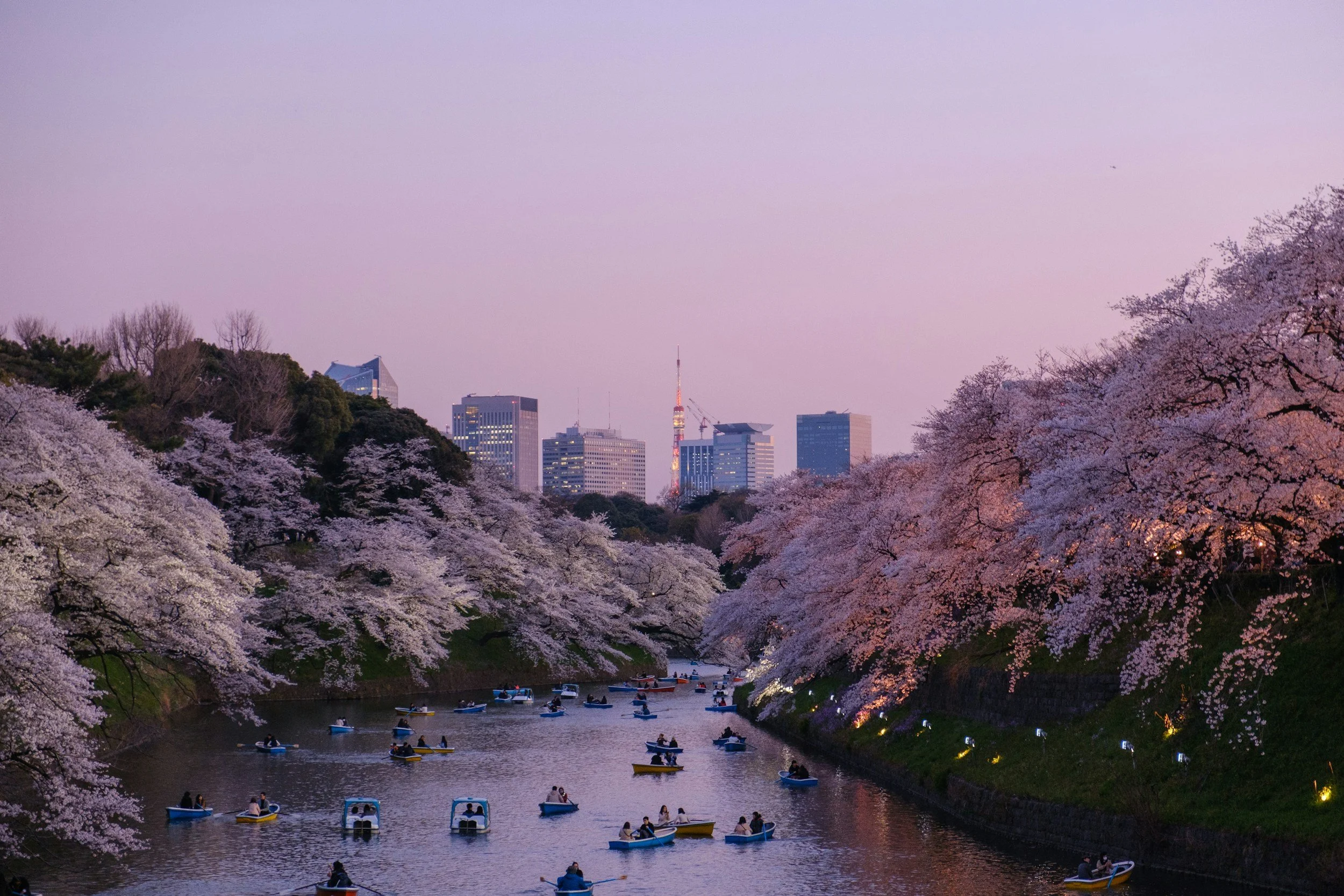
June also brings the rainy season, while late March and early April are centred around cherry blossom season, when popular viewing areas attract substantial crowds.
In hotter, wetter or especially busy periods, extra time gives you more flexibility to adjust the day rather than simply endure the plan you made months earlier.
When Can You Get Away With Less?
Two or three days can make sense if:
you’ve visited Tokyo before
Tokyo is mainly your arrival or departure point
your overall Japan trip is very short
Kyoto or regional Japan is a much bigger priority
you have only a few specific things you want to see
you plan to return
The key is accepting what a shorter trip is.
Three days doesn’t become five days because you wake up earlier.
A good short Tokyo trip is selective. Choose neighbourhoods that make sense together, protect time for meals and evenings, and leave the rest for next time.
The World Locals Verdict: How Long Should You Spend in Tokyo?
Minimum: 3 full days
Good first trip: 4 full days
Ideal for most first-time visitors: 5 full days
Slower or more Tokyo-focused trip: 7 full days or more
“If you’re trying to decide between three and five days, I’d take five. Three lets you see Tokyo. Five gives you a much better chance of understanding why its neighbourhoods feel different, finding places beyond the obvious first-time route and experiencing the city without every coffee, shop or unplanned turn feeling like it has put the itinerary behind schedule.
Tokyo doesn’t need extra days because there are more attractions to collect. It needs them because some of its best moments happen once you finally stop trying to collect them.”