Berlin Neighbourhood Guide: Where to Stay and Explore
Choosing where to stay in Berlin can shape your trip more than it does in most European capitals. This isn't a city built around one compact historic centre. Berlin spreads out through a collection of neighbourhoods, each with its own restaurants, bars, architecture, cultural spaces and version of everyday city life.
Stay in Mitte and major sights are close enough to build days around on foot. Base yourself in Kreuzberg and the trip becomes more about food, bars, canals and neighbourhood life. Friedrichshain puts nightlife and Berlin's post-reunification identity closer to the surface, while Prenzlauer Berg gives you cafés, handsome residential streets and a noticeably calmer rhythm.
That decentralised character is part of Berlin's appeal. The city has 12 administrative boroughs, but on the ground Berliners often identify much more closely with their smaller neighbourhood, or Kiez. Berlin's decades of division between East and West also helped create multiple centres rather than one dominant downtown.
This Berlin neighbourhood guide breaks down the best areas to stay and explore, who each one suits, where the trade-offs are, and which neighbourhood I'd choose for a first trip.
Best Berlin Neighbourhoods at a Glance
Best overall for a first trip: Mitte. The easiest choice for major sights, museums and transport, especially if you only have a few days.
Best for nightlife: Friedrichshain. Choose it if clubs, late nights and the eastern side of Berlin are central to the trip.
Best for food and bars: Kreuzberg. One of the strongest combinations of restaurants, bars, markets and neighbourhood atmosphere.
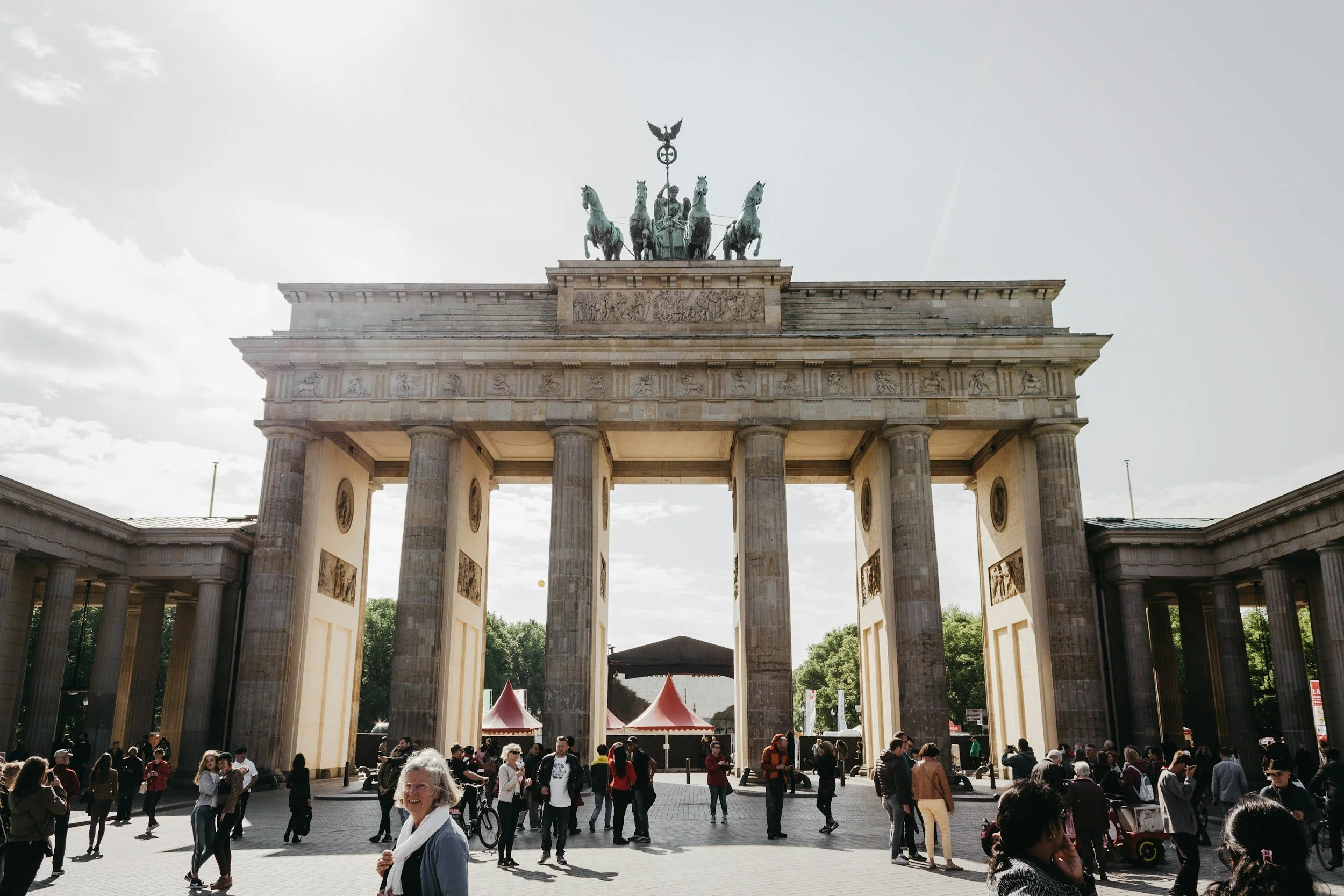
Best for culture and sightseeing: Mitte. Museum Island, the Brandenburg Gate, Reichstag and much of Berlin's historical core are concentrated here.
Best for couples: Prenzlauer Berg. Attractive streets, good cafés, restaurants and easy transport without Kreuzberg or Friedrichshain's late-night intensity.
Best for a quieter stay: Schöneberg. Residential enough to slow the trip down, but central and well connected.
Best for design and independent shops: Charlottenburg. Especially around Savignyplatz and Kantstraße, where galleries, design stores and long-established West Berlin institutions sit together.
Best for a more local-feeling trip: Neukölln. Better for travellers who want neighbourhood life, international food and contemporary culture rather than major sights on the doorstep.
Best for value without going too far out: Moabit. Practical transport, the Spree and a more residential feel while remaining close to Hauptbahnhof and central Berlin.
Understanding Berlin Before You Choose Where to Stay
The most useful thing to understand about Berlin is that central doesn't mean quite what it does elsewhere.
Berlin has historic Mitte, but it also has City West around Charlottenburg and Zoologischer Garten, major nightlife centres in Kreuzberg and Friedrichshain, and smaller neighbourhood hubs scattered across the city. Decades of East-West division reinforced that structure. Rather than one centre fading gradually into suburbs, Berlin often feels like a collection of smaller cities stitched together.
You'll also hear Berliners talk about their Kiez. There isn't always a precise administrative boundary. Think of it as the smaller neighbourhood someone actually experiences day to day: a few streets, cafés, parks, shops and local meeting places that create their own identity.
This is why staying beside every attraction isn't necessary. Berlin has an extensive network of U-Bahn, S-Bahn, trams and buses, and one ticket can cover the different public transport modes within the selected fare zone. Trams are particularly widespread in the former eastern parts of the city.
For most visitors, the better strategy is to choose a neighbourhood you actually want to come back to at the end of the day, then use public transport for the longer jumps across the city.
The Best Neighbourhoods in Berlin
Mitte: Best for First-Time Visitors and Sightseeing
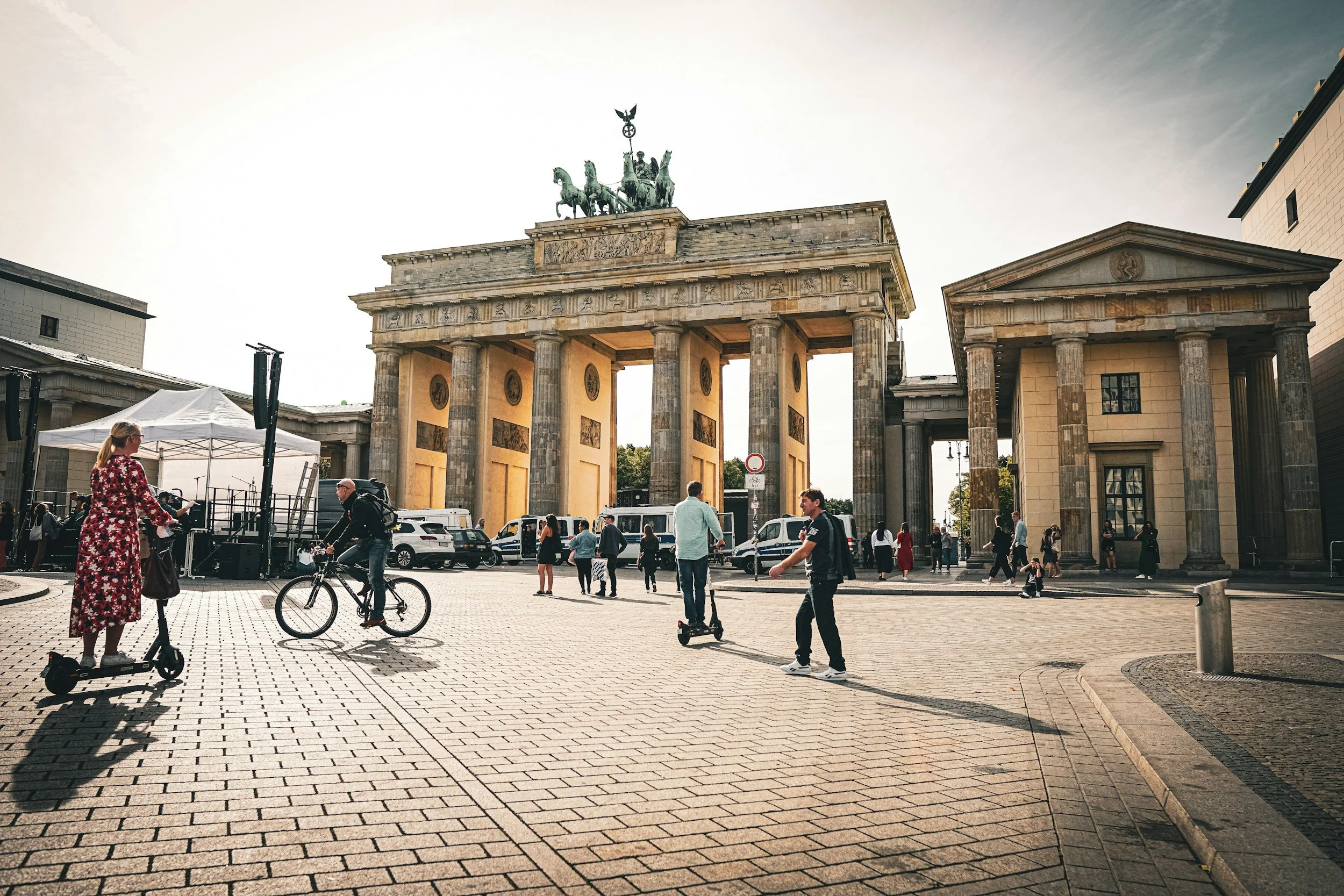
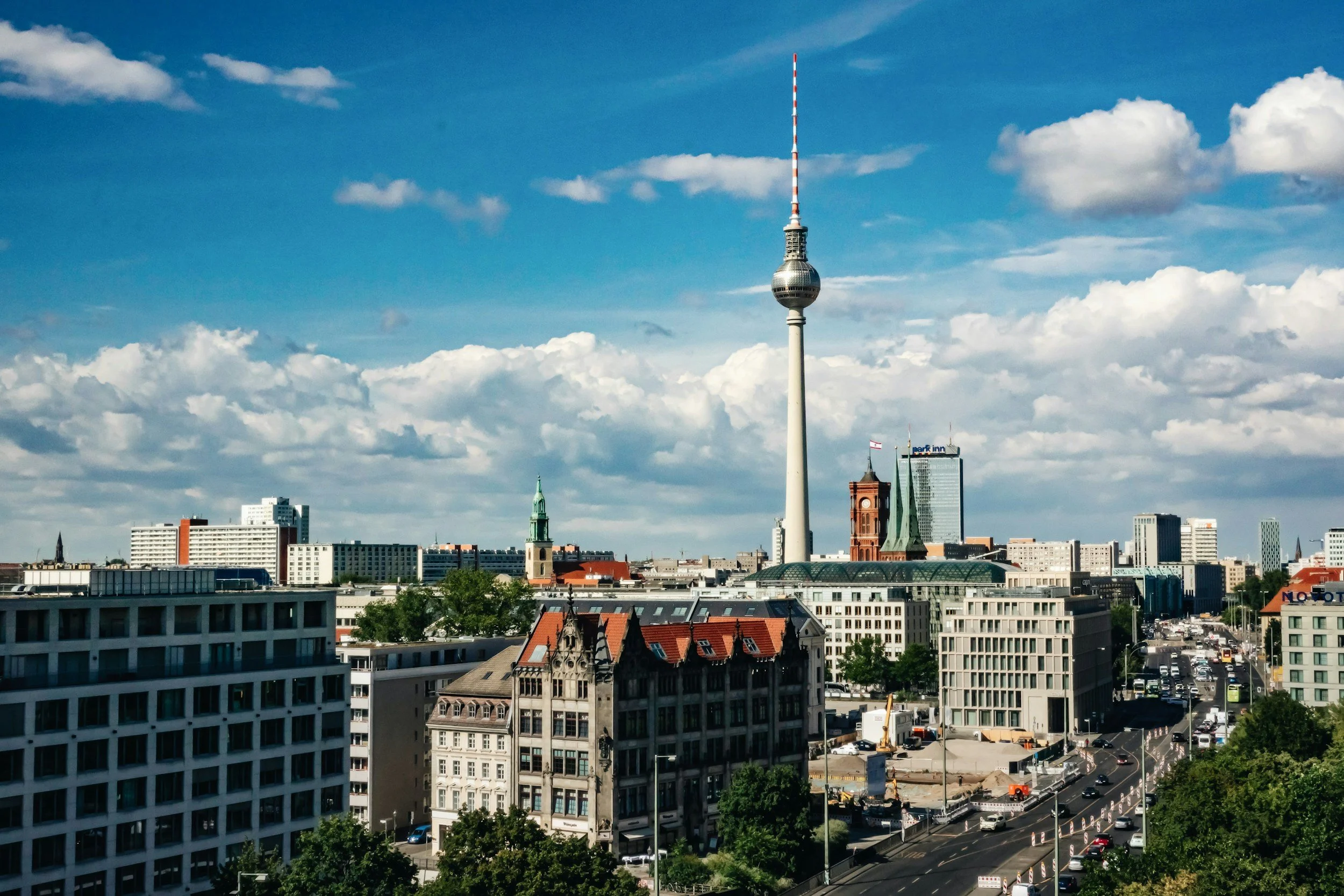
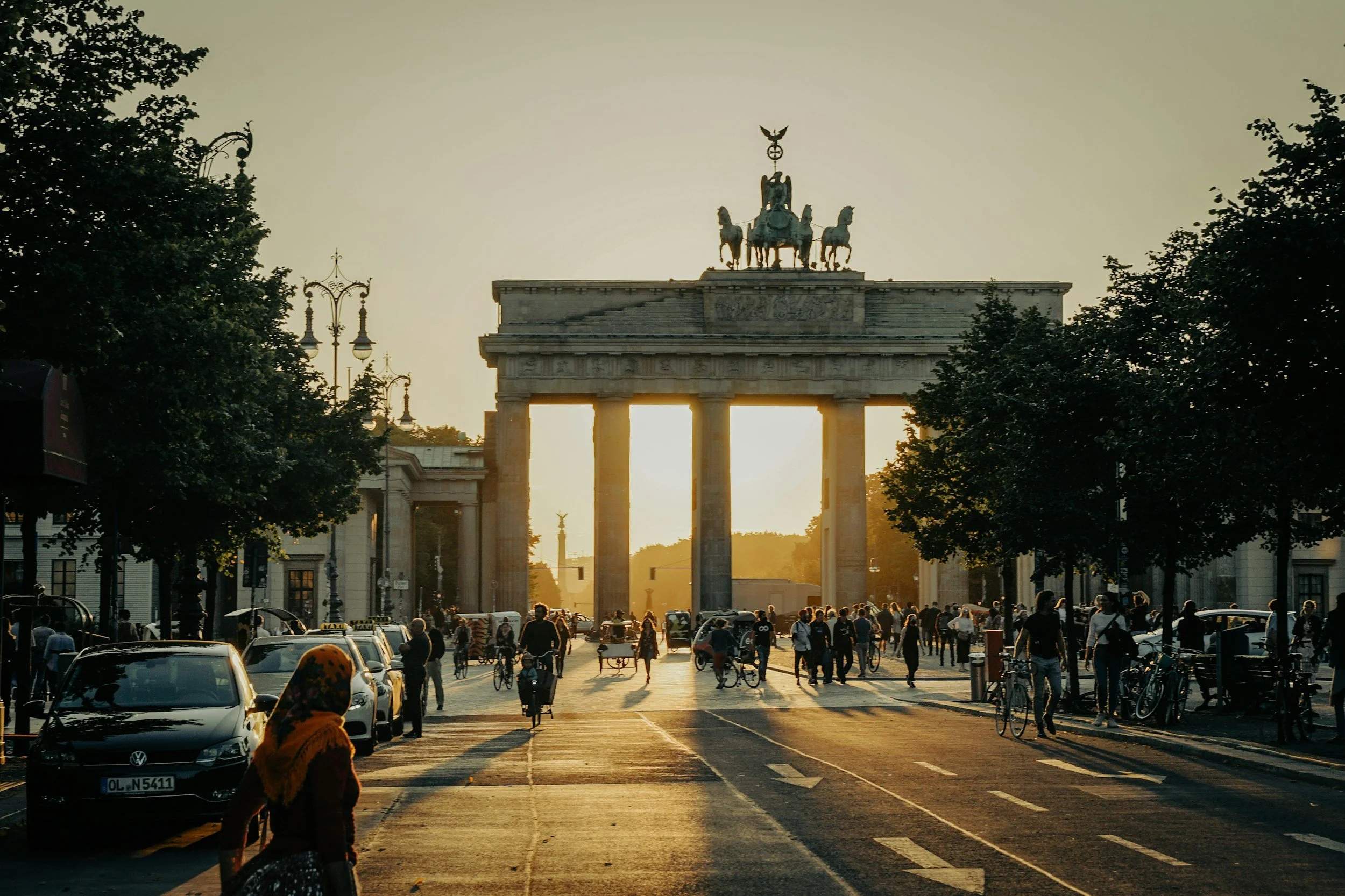
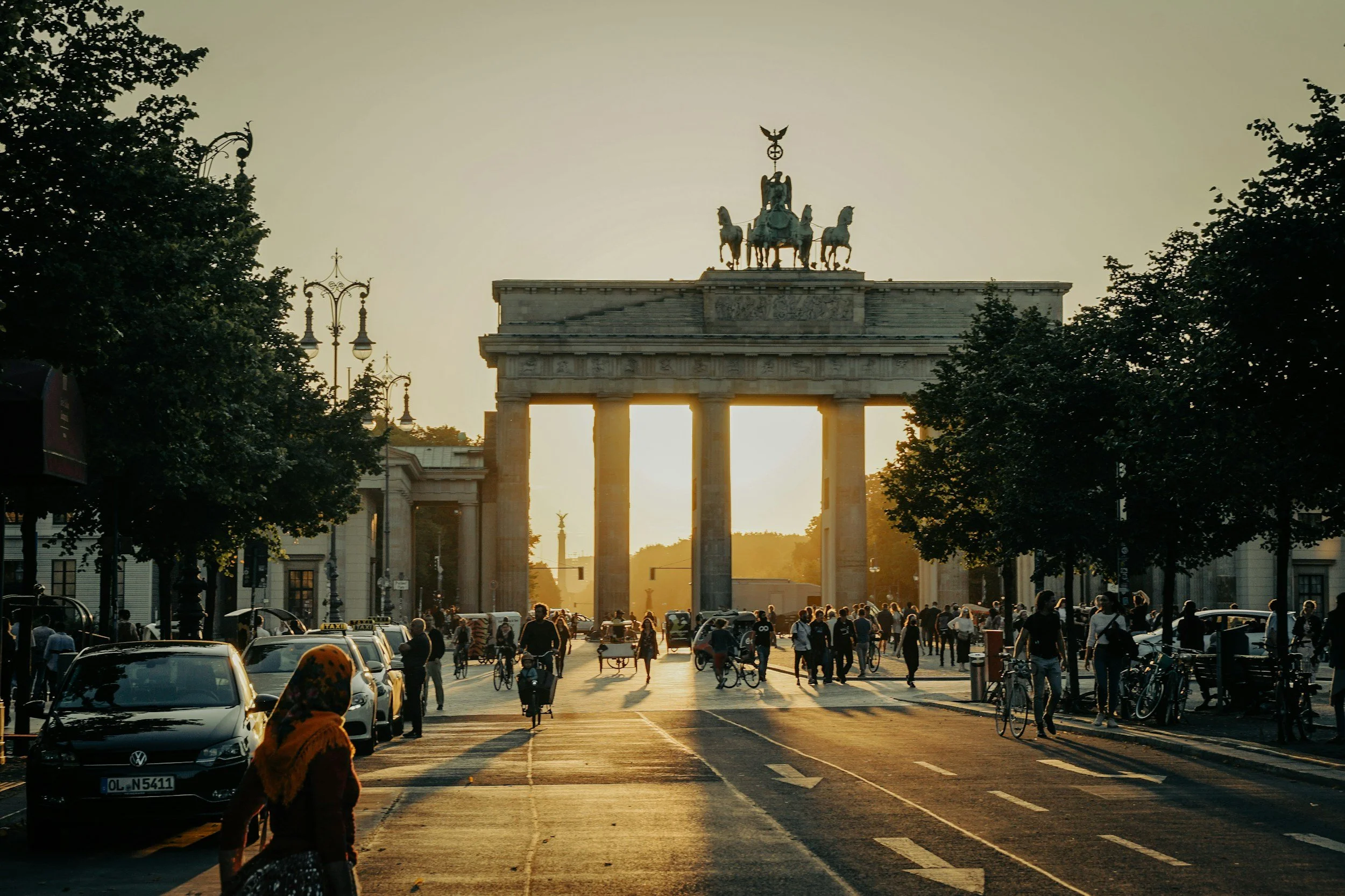
Mitte is the easiest place to understand Berlin from. It contains much of the historic core and puts you close to Museum Island, the Brandenburg Gate, Reichstag, Unter den Linden, Alexanderplatz and several of the city's most important museums and memorials.
But Mitte is large, and not every part feels equally appealing as a base. For a first trip, I'd lean towards the streets around Hackescher Markt, Rosenthaler Platz or northern Mitte rather than choosing a hotel purely because it sits beside Alexanderplatz.
What it feels like
Mitte moves between monumental Berlin and a more intimate version of the city surprisingly quickly. One moment you're on a broad avenue surrounded by major institutions; a few streets later you're moving through courtyards, cafés, galleries and restored pre-war buildings.
It's polished by Berlin standards and noticeably more visitor-facing than Kreuzberg or Neukölln, but that's part of its usefulness.
Why stay here
Convenience.
If you have two or three full days, being able to reach a large portion of Berlin's headline sights without repeatedly crossing the city makes a real difference.
It's particularly strong for a first visit built around museums, architecture and Berlin's twentieth-century history.
Who it suits
First-time visitors, culture-focused travellers, short weekend trips and anyone who values convenience more than having the city's strongest nightlife outside their hotel.
What to explore
Start with the obvious landmarks, because in Mitte many of them genuinely deserve the time. Museum Island, the Brandenburg Gate and Reichstag establish the historical scale of central Berlin.
Then move into the smaller streets around Hackescher Markt, Sophienstraße and Auguststraße, or north towards the Berlin Wall Memorial at Bernauer Straße. That shift from monumental Berlin into smaller Kieze is where Mitte becomes more interesting.
Food, drink and local life
Mitte's food scene is broad rather than singular. There are plenty of polished restaurants, bakeries, wine bars and cafés, especially around Torstraße and Rosenthaler Platz.
The trade-off is that you need slightly more filtering here. Central convenience brings central-city mediocrity with it.
Transport and walkability
Mitte has some of Berlin's strongest transport coverage, with major U-Bahn, S-Bahn and tram connections around Alexanderplatz, Hackescher Markt and Friedrichstraße. It's also the neighbourhood where walking between major sights makes the most sense.
The trade-off
Mitte can feel less like everyday Berlin than Kreuzberg, Neukölln or Schöneberg.
Stay immediately around Alexanderplatz and you gain outstanding transport but sacrifice some neighbourhood atmosphere. Stay slightly farther north or west and the balance improves.
Where to stay
Casa Camper Berlin is an excellent design-led option close to Hackescher Markt and Weinmeisterstraße. Its official site confirms the hotel remains in operation in Mitte.
Château Royal is the more refined choice, particularly if contemporary art, design and proximity to the Brandenburg Gate matter. The boutique hotel currently operates from Neustädtische Kirchstraße in central Mitte.
Kreuzberg: Best for Food, Bars and Berlin Character
Kreuzberg is the area I'd choose if experiencing Berlin's neighbourhood life matters more than having every major landmark nearby.
Its identity was shaped by West Berlin, migration, squatter culture, alternative politics and the city's creative scenes. Those histories haven't frozen the neighbourhood in time, but they still help explain why Kreuzberg feels different from the more polished central districts.
What it feels like
Kreuzberg changes block by block.
Around Bergmannstraße and Graefekiez, leafy streets, cafés and restaurants give the area an almost village-like rhythm. Move east towards Kottbusser Tor, Oranienstraße and SO36 and things become denser, louder and more visibly connected to Berlin's alternative and multicultural identity.
Why stay here
Few Berlin neighbourhoods make it easier to build a day around eating, drinking and wandering.
You can spend the afternoon beside the Landwehr Canal, browse around Graefekiez, eat at Markthalle Neun, then move towards Oranienstraße as the evening takes over.
Who it suits
Food-led travellers, couples who prefer atmosphere to convenience, nightlife-focused visitors and anyone who wants Berlin to feel like a neighbourhood rather than a sightseeing base.
What to explore
Markthalle Neun is still one of the area's most useful food anchors. The historic market hall continues to operate as a marketplace and centre for food producers, crafts and culture.
Add the Landwehr Canal, Graefekiez, Oranienstraße and the streets towards the Spree. Kreuzberg works best when you connect these areas slowly rather than treating it as a checklist of attractions.
Food, drink and local life
This is Kreuzberg's strongest argument.
Berlin's official tourism guide continues to identify Oranienstraße and the surrounding neighbourhoods as major nightlife areas, while the district supports everything from Turkish bakeries and casual eating to natural wine bars and more polished restaurants.
Transport and walkability
U-Bahn connections including the U1, U3, U6, U7 and U8 make different sections of Kreuzberg accessible, although the neighbourhood is large enough that your exact location matters.
Once you're in the right Kiez, walking is usually the better way to experience it.
The trade-off
Kreuzberg isn't as convenient as Mitte for a sightseeing-heavy first trip.
Some areas are busy and noisy late into the night, and the neighbourhood's size means booking a hotel simply labelled "Kreuzberg" isn't precise enough. Check the actual street.
Where to stay
Orania.Berlin sits directly on Oranienplatz and is the strongest upscale option if you want to be embedded in Kreuzberg rather than retreating from it. Its restaurant, bar and regular live music also make the hotel part of the neighbourhood rather than simply somewhere to sleep.
the YARD Berlin is the calmer alternative, with a garden and spa in Kreuzberg and easy access towards the livelier parts of the district.
Friedrichshain: Best for Nightlife and Late-Night Berlin
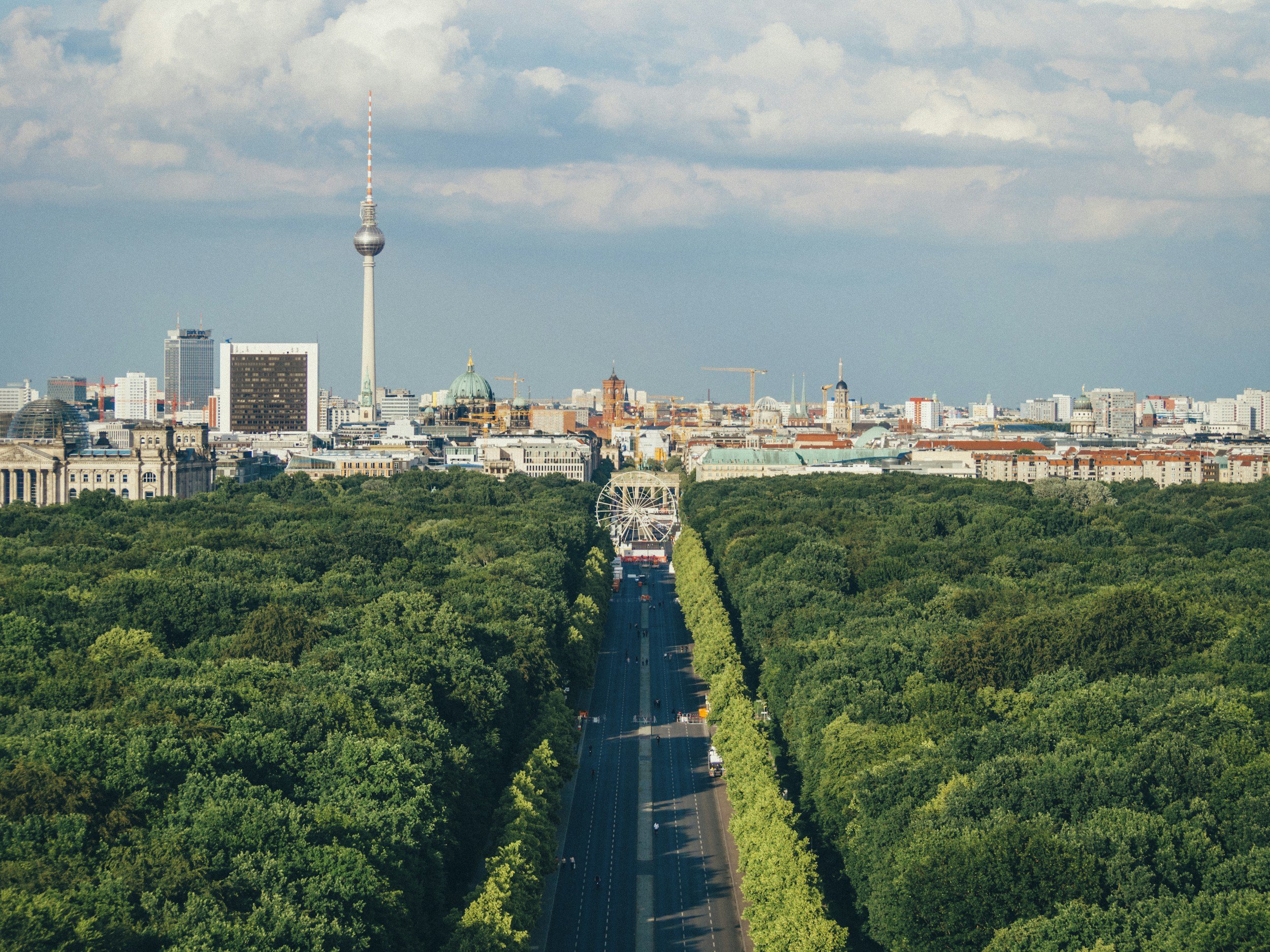
Friedrichshain gives you another side of Berlin's twentieth-century story. Formerly part of East Berlin, it combines monumental GDR-era architecture along Karl-Marx-Allee with post-reunification club culture, street art and nightlife around Warschauer Straße and RAW.
What it feels like
The contrast is the point.
Karl-Marx-Allee is broad, ordered and monumental. Around Boxhagener Platz the scale becomes smaller and more residential. By Warschauer Straße and RAW-Gelände, Berlin's clubbing and alternative identity takes over.
It isn't uniformly attractive, but it rarely feels bland.
Why stay here
Friedrichshain works particularly well if nights out are a major part of the trip.
You're also close to the East Side Gallery, River Spree and Oberbaumbrücke, with Kreuzberg immediately across the river.
Who it suits
Nightlife-focused travellers, groups of friends, younger visitors and anyone interested in Berlin's post-Wall identity.
What to explore
Walk the East Side Gallery, but don't stop there. Continue towards Boxhagener Platz and the surrounding streets, then contrast them with Karl-Marx-Allee.
The latter is particularly useful for understanding how socialist planning shaped East Berlin. The boulevard's protected buildings remain one of the clearest architectural traces of the GDR city.
Food, drink and local life
Around Boxhagener Platz, Simon-Dach-Straße and the smaller surrounding streets you'll find a dense collection of restaurants, cafés and bars.
Closer to Warschauer Straße the emphasis shifts towards nightlife and venues rather than quiet neighbourhood dining.
Transport and walkability
Warschauer Straße and Ostkreuz make Friedrichshain particularly well connected by S-Bahn, while the U-Bahn connects the area west towards Kreuzberg.
Within Friedrichshain, the section around Boxhagener Platz is especially easy to use on foot.
The trade-off
The nightlife is also the downside.
Parts of Friedrichshain can be loud, busy and rough around the edges, particularly around Warschauer Straße. If you're imagining peaceful morning cafés followed by early nights, Prenzlauer Berg will probably suit you better.
Where to stay
Michelberger Hotel remains one of Friedrichshain's most distinctive independent stays, opposite Warschauer Straße and close to the East Side Gallery and Oberbaumbrücke.
Locke at East Side Gallery is the more apartment-like option, with design-led studios and suites, kitchens and a riverside position beside the East Side Gallery.
Prenzlauer Berg: Best for Couples and a Slower Berlin Trip
Prenzlauer Berg is what I'd choose when you want Berlin's independent cafés, restaurants and neighbourhood culture without designing the entire trip around nightlife.
Much of the area is defined by restored nineteenth-century apartment buildings, broad pavements, trees and neighbourhood squares. Around Helmholtzplatz and Kollwitzplatz, cafés and restaurants sit alongside independent shops, while Oderberger Straße and Kastanienallee remain useful areas for browsing.
What it feels like
Calmer, more residential and more polished than Kreuzberg or Neukölln.
Morning matters here. Cafés fill, people cycle through the neighbourhood and local squares give the area an easy rhythm before the rest of Berlin has properly decided whether yesterday has ended.
Why stay here
Prenzlauer Berg gives you a strong neighbourhood base without making central Berlin difficult to reach.
It's particularly good if you want days built around walking, cafés and restaurants rather than constantly returning to the main sights.
Who it suits
Couples, design-conscious travellers, repeat visitors, food-led trips and anyone who likes the idea of staying somewhere lively without staying somewhere loud.
What to explore
Mauerpark remains the obvious Sunday stop, with its flea market and regular events, while Kulturbrauerei gives you a useful glimpse of Berlin's habit of repurposing older industrial buildings for culture.
Kollwitzplatz, Helmholtzplatz, Kastanienallee and Oderberger Straße are better understood as places to spend time than sights to complete.
Food, drink and local life
This isn't the neighbourhood for Berlin's most intense nightlife.
It's better for long breakfasts, independent cafés, relaxed restaurants and evenings that don't need to turn into mornings.
Transport and walkability
The U2 and extensive tram network make Prenzlauer Berg easier to use than its residential character might suggest. As elsewhere in former East Berlin, trams are particularly useful here.
The trade-off
Prenzlauer Berg is increasingly polished and can feel sanitised compared with the Berlin some travellers arrive expecting.
If your idea of the city revolves around clubs, subculture and late-night intensity, choose Friedrichshain or Kreuzberg.
Where to stay
Hotel Oderberger occupies a listed former public bathhouse dating from the turn of the twentieth century. The restored historic pool makes it one of the more characterful hotels in the city.
Linnen Berlin is much smaller, with individually designed rooms in a traditional Altbau on Eberswalder Straße, close to Mauerpark and Kulturbrauerei.
Neukölln: Best for Food, Bars and a More Neighbourhood-Led Trip
Neukölln makes more sense once you stop looking for traditional sights.
Its northern neighbourhoods are built around everyday Berlin life: cafés, international restaurants, bars, contemporary art spaces, parks and streets where the city feels less arranged for visitors.
Berlin's official tourism material highlights the creative scene between the Landwehr Canal, Sonnenallee and Hermannstraße, alongside institutions such as KINDL and the nightlife around Weserstraße.
What it feels like
Dense, multicultural and constantly changing.
Around Reuterkiez and Weserstraße there's a strong restaurant and bar culture. Farther south, Neukölln becomes more residential, and the borough extends considerably beyond the parts most visitors are talking about when they say they're staying in Neukölln.
Why stay here
Choose Neukölln when you want a trip organised around neighbourhood discovery rather than headline attractions.
It's especially strong if eating and drinking well matters more than stepping outside your hotel directly onto Museum Island.
Who it suits
Repeat visitors, food-focused travellers, people comfortable using public transport and travellers who prefer a more lived-in part of the city.
What to explore
KINDL's contemporary art programme occupies a former brewery, while Körnerpark gives you one of the area's more unexpected green spaces with an orangery, formal planting and fountains.
From northern Neukölln, it's also easy to combine the area with Tempelhofer Feld. Berlin turned the former airport site into a vast public open space after the airport closed in 2008.
Food, drink and local life
This is the main reason to stay.
The area's international population is reflected in its food, with Berlin's official tourism guide highlighting everything from Arabian bakeries and Vietnamese food to Italian restaurants and newer modern dining.
Transport and walkability
The U7, U8 and Ringbahn are the important connections to understand.
Northern Neukölln can be easy to explore on foot, but travelling into Mitte regularly will take longer than it would from Kreuzberg or Prenzlauer Berg.
The trade-off
It's not my first recommendation for a first two-night trip.
The best of Neukölln is less about seeing major sights and more about understanding the neighbourhood, which takes time. That becomes an advantage on a longer or repeat visit.
Where to stay
Hüttenpalast is the most characterful option, with conventional rooms alongside restored caravans and cabins inside a former factory in Reuterkiez.
Bellman Hotel gives you a newer, more design-led alternative. The hotel opened in 2025 in Neukölln and is farther south on Karl-Marx-Straße, so check the exact location against how much time you expect to spend around Reuterkiez and Kreuzberg.
Charlottenburg: Best for Design, Shopping and West Berlin
Charlottenburg is a useful reminder that Berlin doesn't begin and end with its former eastern districts.
Before reunification, City West around Kurfürstendamm and Zoologischer Garten functioned as West Berlin's major commercial centre. Today the area combines broad boulevards and grand apartment buildings with galleries, restaurants, design stores and some of Berlin's strongest hotels.
What it feels like
More composed than Kreuzberg and less relentlessly visitor-facing than parts of Mitte.
Savignyplatz and the streets around Kantstraße are the sections I'd prioritise. They retain a recognisable West Berlin identity with bookshops, galleries, cafés and restaurants sitting beneath railway arches and around handsome residential streets.
Why stay here
Charlottenburg works well when you want culture and good restaurants without nightlife dominating the neighbourhood.
It's also particularly strong for travellers interested in architecture, design and shopping.
Who it suits
Couples, design-focused travellers, repeat visitors, more relaxed city breaks and anyone who finds Kreuzberg's intensity slightly exhausting.
What to explore
Walk around Savignyplatz, browse Bücherbogen beneath the S-Bahn tracks for architecture, art and design books, then continue towards C/O Berlin, Kaiser Wilhelm Memorial Church and the wider City West area.
Charlottenburg Palace sits farther west and adds a very different layer of Berlin history from the twentieth-century material that dominates many first trips.
Food, drink and local life
Kantstraße has become one of the most useful food corridors in western Berlin, while the smaller streets around Savignyplatz and Ludwigkirchplatz are better for slower dinners and drinks.
The opening of DUFTE near Savignyplatz in 2026 is another sign that City West continues to evolve rather than simply trading on its past.
Transport and walkability
Savignyplatz and Zoologischer Garten give the area strong S-Bahn access, with several U-Bahn lines across City West.
You'll use public transport more than you would in Mitte, but Charlottenburg is by no means inconvenient.
The trade-off
If most of your first-trip priorities sit in Mitte and former East Berlin, you'll spend more time travelling across the city.
Charlottenburg also feels more polished, so don't choose it if your main reason for visiting Berlin is its alternative nightlife.
Where to stay
Wilmina is one of Berlin's most interesting design hotels, created from a listed former courthouse and women's prison complex on Kantstraße, with gardens and courtyards woven through the site.
The Dean Berlin opened in Charlottenburg in February 2026. Its 81-room design-led approach and location near Kurfürstendamm make it one of the most relevant newer hotel openings for the World Locals type of trip.
Schöneberg: Best for a Quieter, Well-Connected Stay
Schöneberg doesn't usually win the Berlin popularity contest, which is precisely why it can work so well.
It's central, residential and well connected, with several distinct Kieze rather than one obvious visitor strip. Around Nollendorfplatz you'll find one of Berlin's longest-established LGBTQ+ neighbourhoods, while Winterfeldtplatz and Akazienkiez offer markets, cafés and smaller independent businesses.
What it feels like
Berlin at a lower volume.
There are busy pockets, but much of Schöneberg is built around residential streets and local routines rather than visitors moving between attractions.
Why stay here
You get breathing room without isolating yourself.
It's a particularly good base if you want to divide your time between Mitte, Kreuzberg and City West instead of committing heavily to one side of the city.
Who it suits
Couples, quieter trips, LGBTQ+ travellers, repeat visitors and anyone who values neighbourhood restaurants and cafés more than clubs outside the front door.
What to explore
Winterfeldtmarkt, Akazienkiez and the streets around Nollendorfplatz are the obvious places to start.
The queer history around Motzstraße and Nollendorfplatz has deep roots. Berlin's official city guide notes that the area was already considered a gay quarter in the 1920s.
Food, drink and local life
Expect neighbourhood restaurants, cafés, traditional institutions and bars rather than one dominant food trend.
Akazienstraße and Winterfeldtplatz are particularly easy places to build a slow morning or afternoon around.
Transport and walkability
Nollendorfplatz is served by several U-Bahn lines, while other parts of Schöneberg connect through the U7 and S-Bahn network.
For a dispersed city, it's a strategically useful place to stay.
The trade-off
Schöneberg won't give you the instant Berlin hit that Kreuzberg or Friedrichshain does.
For a first visit, it can feel slightly too residential if you only have a weekend and want major sights immediately outside the door.
Where to stay
LINDEMANN'S is a contemporary boutique option on Potsdamer Straße with easy access to Bülowstraße, Kleistpark and Nollendorfplatz.
Mercure Hotel Berlin Wittenbergplatz is the more practical choice, directly beside Wittenbergplatz station and close to KaDeWe and City West.
Moabit: Best for Value, Transport and a Less Obvious Base
Moabit is the pragmatic outsider on this list.
It's part of the wider Mitte borough but sits north-west of Tiergarten, wrapped by waterways and railway infrastructure. The result is a neighbourhood that feels more residential while remaining surprisingly close to Berlin Hauptbahnhof and the government district.
What it feels like
Less curated, more everyday.
Turmstraße provides the neighbourhood's main commercial spine, while quieter streets lead towards the Spree, Kleiner Tiergarten and residential pockets that feel removed from central Berlin despite their location.
Why stay here
Moabit can offer a useful compromise between price, transport and location.
You're close to Hauptbahnhof, contemporary art at Hamburger Bahnhof and the northern edge of Tiergarten without paying exclusively for a major tourist address. Hamburger Bahnhof remains one of Berlin's major institutions for contemporary art.
Who it suits
Budget-conscious travellers who don't want to stay far out, repeat visitors, rail travellers and people who prefer a quieter base.
What to explore
Use Moabit as an opportunity to slow down rather than hunt for headline attractions.
Walk along the Spree, explore the streets around Turmstraße, then connect the area with Hamburger Bahnhof and Tiergarten.
Food, drink and local life
Moabit's strength is its everyday multicultural food scene rather than destination restaurants designed around visitors.
It's a good neighbourhood for finding casual Turkish, Middle Eastern and international food while staying away from the higher concentration of tourist-facing businesses in central Mitte.
Transport and walkability
Turmstraße's U9, Bellevue S-Bahn and proximity to Hauptbahnhof make the neighbourhood more practical than it first appears.
Its central position also means journeys into Mitte or City West are relatively straightforward.
The trade-off
Moabit is a base rather than one of the neighbourhoods I'd tell a first-time visitor they absolutely need to experience.
Stay here for practicality and value, not because it contains Berlin's strongest collection of things to do.
Where to stay
ABION Spreebogen Waterside sits directly on the Spree in Alt-Moabit, combining a quieter riverside setting with access towards Tiergarten and the government quarter.
URBAN LOFT Berlin is the more contemporary option on Heidestraße, within the newer development north of Hauptbahnhof.
Best Berlin Neighbourhood by Traveller Type
Best for First-Time Visitors: Mitte
Choose Mitte if this is your first visit and you have three days or fewer.
You lose some of the immersive neighbourhood atmosphere of Kreuzberg, but being able to walk between major historical and cultural sights is difficult to beat.
For the best balance, stay around Hackescher Markt, Rosenthaler Platz or northern Mitte rather than choosing Alexanderplatz purely for transport.
Best for Nightlife: Friedrichshain
Friedrichshain puts some of Berlin's best-known clubbing territory close by while keeping Kreuzberg easily accessible across the Spree.
Choose Kreuzberg instead if you want bars, restaurants and evenings out without nightlife being quite so dominant.
Best for Food and Drink: Kreuzberg
Kreuzberg has the strongest overall balance.
Markthalle Neun, Graefekiez, Oranienstraße and the wider international food culture make it easy to spend an entire day eating and drinking without manufacturing an itinerary around it.
Best for Couples: Prenzlauer Berg
It's attractive, walkable and relaxed enough to make the trip feel like a break.
You'll still have restaurants and bars around you, but returning to the neighbourhood after a long day feels noticeably calmer than returning to Warschauer Straße.
Best for Culture: Mitte
For museums, political history and major landmarks, Mitte wins comfortably.
If contemporary art matters more than classic sightseeing, Charlottenburg, Kreuzberg and Moabit become increasingly interesting alternatives.
Best for Design and Independent Shops: Charlottenburg
Savignyplatz and the streets around Kantstraße combine architecture, bookshops, galleries, hotels and independent businesses particularly well.
Best for a Quieter Stay: Schöneberg
Schöneberg gives you local neighbourhood life without pushing you too far away from the rest of Berlin.
Best for a More Local-Feeling Trip: Neukölln
Stay around northern Neukölln if you want restaurants, bars, creative spaces and everyday neighbourhood life to matter more than traditional sightseeing.
Best for Repeat Visitors: Neukölln or Charlottenburg
Neukölln lets you explore a more contemporary, changing side of Berlin.
Charlottenburg gives you West Berlin, design and culture that many first-time itineraries barely touch.
Best for a Short Weekend: Mitte
On a two-night trip, convenience should win.
Berlin is simply too large to spend a large portion of your weekend crossing it because you booked a more fashionable postcode.
“For a first visit, I’d stay in Mitte, ideally around Hackescher Markt, Rosenthaler Platz or the northern part of the neighbourhood.
It isn’t Berlin at its most subcultural, but that’s not what I need from a first-trip hotel. I’d rather have Museum Island, the historic centre and strong transport close by, then travel into Kreuzberg, Friedrichshain and Charlottenburg when I want them.
If atmosphere, restaurants and evening life matter more than sightseeing convenience, Kreuzberg would be my second choice. I’d look around Graefekiez or towards Oranienplatz depending on how lively I wanted the trip to feel.
For a quieter couple’s trip, Prenzlauer Berg is the strongest alternative. You sacrifice a little convenience, but gain the kind of neighbourhood you’ll actually enjoy coming back to.”
Final Thoughts: Choosing the Right Berlin Neighbourhood
There isn't one perfect place to stay in Berlin because there isn't one version of Berlin.
Choose Mitte if you want the easiest first trip.
Choose Kreuzberg if you want restaurants, bars and neighbourhood life to shape the experience.
Choose Friedrichshain if Berlin after dark is a priority.
Choose Prenzlauer Berg if you want a calmer base with cafés, restaurants and attractive streets.
Choose Neukölln if you're comfortable trading sightseeing convenience for a more neighbourhood-led trip.
Choose Charlottenburg if design, culture and West Berlin appeal.
Choose Schöneberg if you want the city close, but not constantly in your face.
The important thing is to stop thinking of Berlin accommodation as a question of distance from the centre. In a city this decentralised, choosing where to stay is really choosing which version of Berlin you want to come home to each night.
Discover Germany