







Autumn is one of the more interesting times to plan a European city break, partly because the definition of a good trip starts to change.
In October, much of southern Europe is still warm enough for long days on foot, while cities further north are moving into proper autumn: parks changing colour, cultural programmes restarting and restaurants becoming somewhere you actually want to spend an entire evening. By November, daylight is shorter and the weather becomes harder to ignore, but the right cities still work remarkably well.
The trick is choosing somewhere that suits the month.
Seville at 20°C in November is a very different proposition from Prague at 7°C. Vienna becomes more interesting again once its Christmas markets begin in mid-November. Bologna has an autumn food calendar built around truffles and regional produce. Athens gives you archaeological sites without midsummer heat.
These are the European cities where October or November adds something to the trip, rather than simply making it colder.

The Best European City Breaks for October and November at a Glance
Best overall: Vienna
Best for warm weather: Seville
Best for food: Bologna
Best for classic autumn atmosphere: Prague
Best for culture: Paris
Best for a first-time autumn city break: Rome
Best for cafés, neighbourhoods and slower exploring: Lisbon
Best for thermal baths and colder weather: Budapest
Best for extending summer: Athens
Best for nightlife and contemporary culture: Berlin
Best for late November: Vienna
Best October weather: Seville
Is October or November Better for a European City Break?
For most travellers, October is the easier month.
You get more daylight, milder temperatures and a better chance of spending entire days outside. Southern European cities such as Seville, Athens, Lisbon and Rome remain comfortable for walking, while Central European destinations such as Vienna, Prague and Budapest are entering proper autumn rather than winter.
November requires slightly more strategy.
Temperatures fall sharply across Central Europe. Typical November highs are around 9°C in Vienna and Budapest, 8°C in Berlin and 7°C in Prague. Paris sits around 11°C, while the southern cities remain considerably milder.
But colder doesn't automatically mean worse.
Vienna's Christmas markets begin from mid-November, Berlin's winter programme starts appearing later in the month, and cities such as Paris, Bologna and Budapest have enough museums, restaurants, cafés and indoor culture that imperfect weather doesn't dismantle the trip.
October
Choose October if you want:
longer days
more walking and outdoor exploring
mild southern European weather
autumn colours
terraces that haven't entirely disappeared
culture without committing to winter
October is particularly strong for Seville, Athens, Rome, Lisbon, Prague and Budapest.
November
Choose November if you care more about:
museums and galleries
food-focused weekends
coffee houses and cafés
thermal baths
lower-season atmosphere
late-autumn events
the beginning of Europe's Christmas season
November works particularly well in Vienna, Bologna, Paris and Budapest, while late November gives Berlin a stronger seasonal argument too.
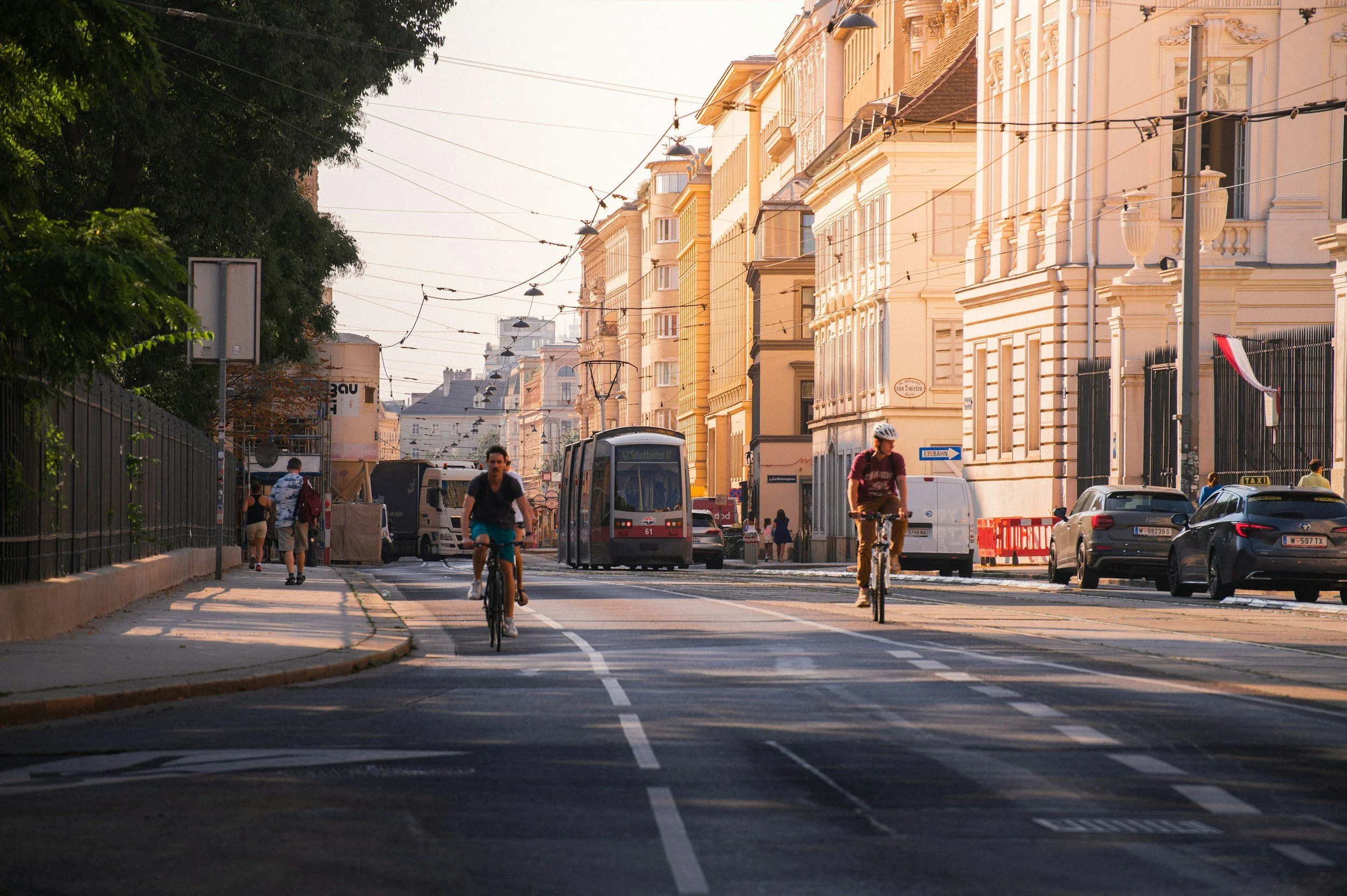
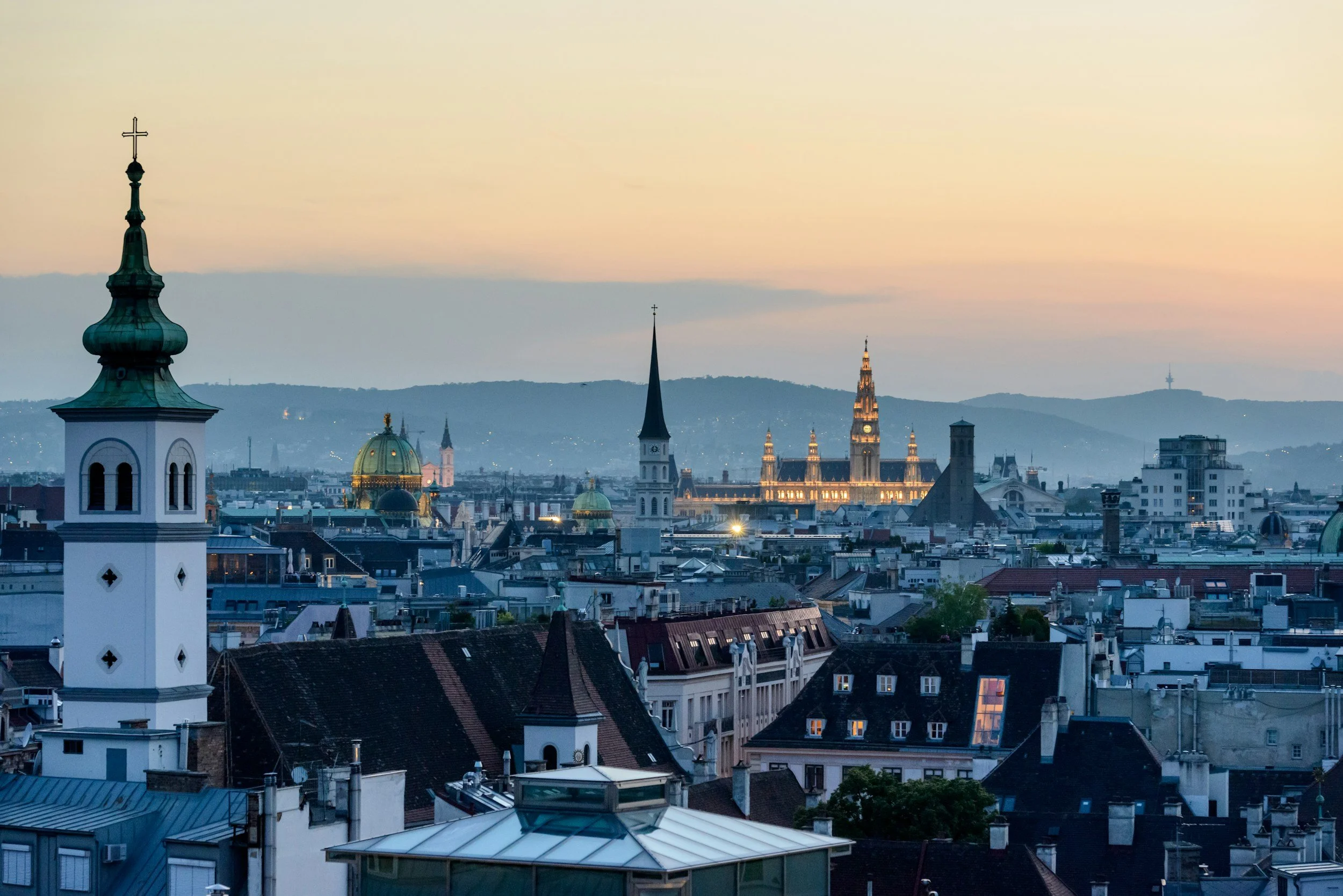
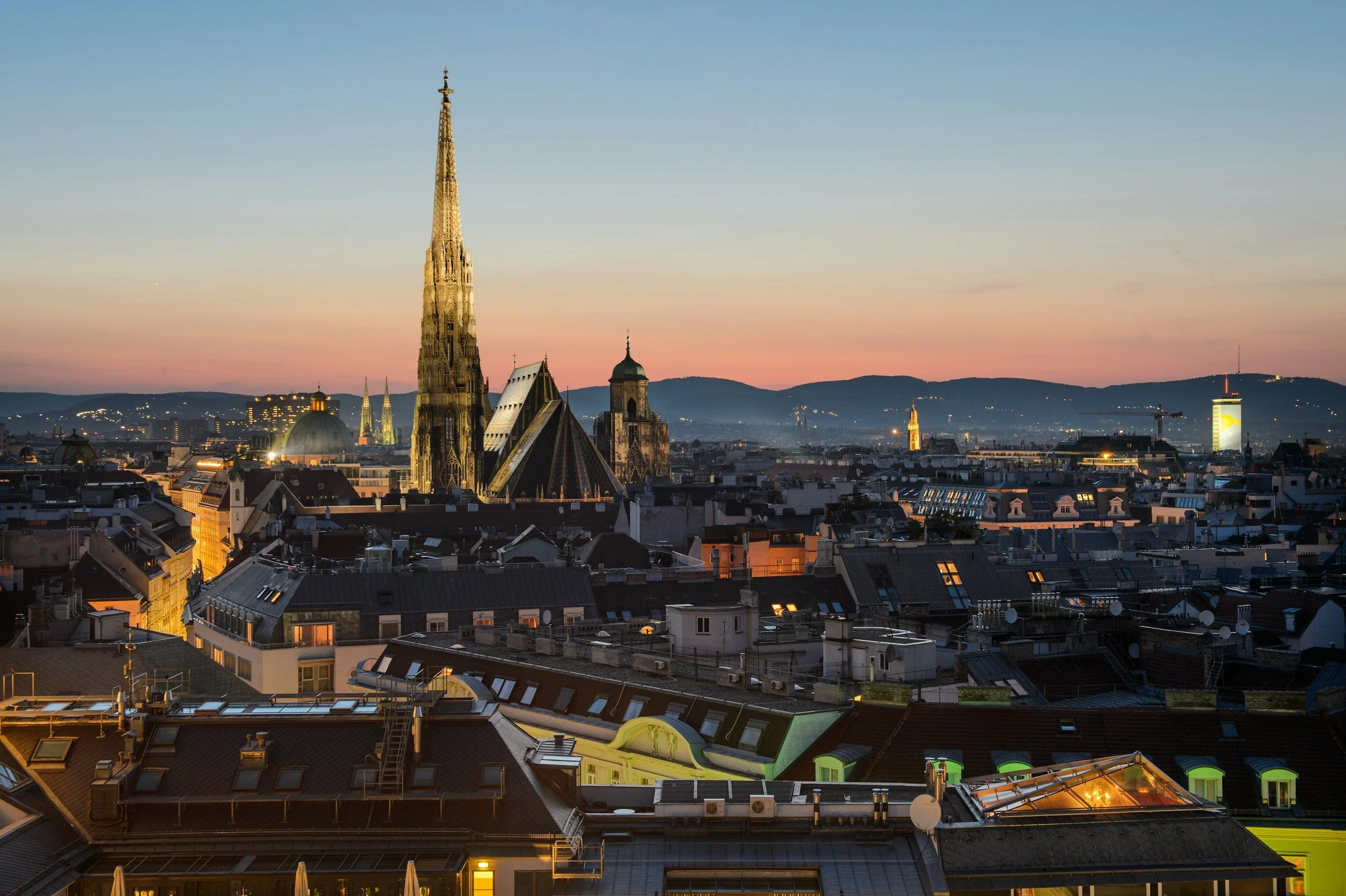
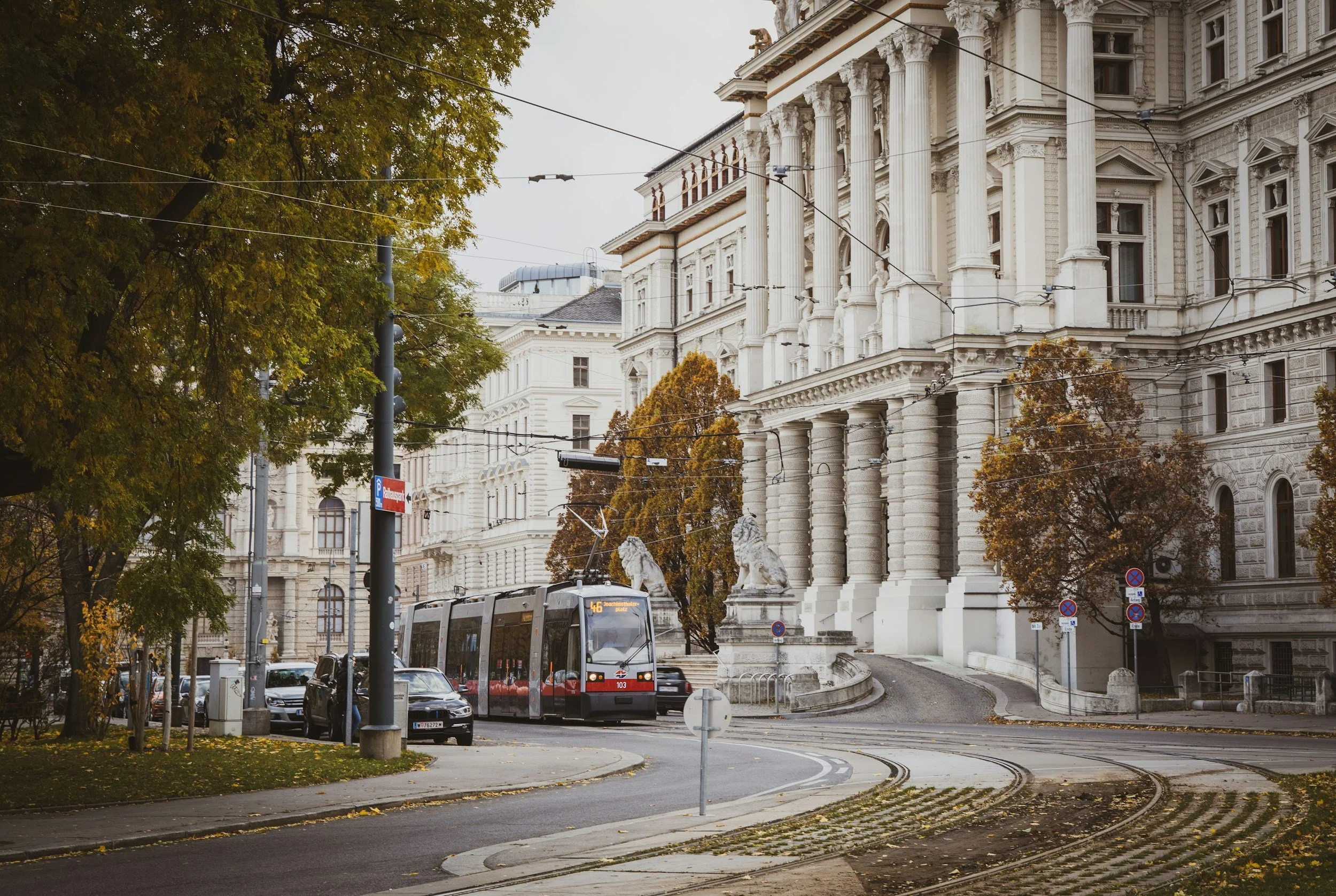
1. Vienna, Austria
Vienna is probably the strongest all-round choice because it changes character rather than simply deteriorating as autumn progresses.
October gives you parks and vineyards moving through their autumn colours, while the weather is generally cool enough for long walks without being properly wintry. Vienna Tourism describes autumn as a season of colourful parks, vineyards and major art exhibitions, with the city's continental climate producing a gradual transition into colder weather.
By November, the argument changes.
Typical temperatures fall from roughly 15°C / 7°C in October to 9°C / 3°C in November, so this is no longer a trip built around sitting outside. Instead, Vienna's museums, coffee houses, imperial architecture, concert halls and restaurants become the centre of the weekend.
Then, from mid-November, the Christmas season starts.
Vienna's official tourism board confirms that its major Christmas markets begin appearing across the city's squares from the middle of November, including those around Rathausplatz, Schönbrunn, Belvedere and the historic centre.
That makes Vienna one of the few cities on this list that arguably becomes more seasonally distinctive as November goes on.
Why Go in October or November?
October works for parks, architecture, museums and Heuriger wine taverns without winter temperatures.
November works because Vienna is exceptionally good indoors. Coffee-house culture, galleries, classical music and long lunches feel like part of the city rather than contingency plans for bad weather.
October or November?
Best window: Late October or the second half of November.
Choose October for autumn.
Choose late November for the beginning of Christmas season.
What to Prioritise
Kunsthistorisches Museum or Albertina
Innere Stadt and the Ringstrasse
Schönbrunn or Belvedere
a traditional Viennese coffee house
Naschmarkt
a Heuriger if visiting earlier in autumn
Christmas markets from mid-November
The Trade-Off
November is cold. A typical high of around 9°C means you need to want the indoor version of Vienna rather than pretend you're still taking an outdoor autumn break.
Best for: Museums, coffee culture, architecture and late-November atmosphere.
How long: 3 nights.
For a first trip, our 48 Hours in Vienna itinerary shows how to put the city together without rushing it. You can also use our Vienna Neighbourhood Guide for where to stay and our Vienna food guide for restaurants and markets.
2. Seville, Spain
If your definition of an autumn city break still involves eating outside at lunchtime, Seville makes the strongest case.
Average October temperatures sit around 27°C during the day and 15°C at night, dropping to roughly 20°C / 10°C in November. That's a considerable seasonal advantage over almost every city further north.
And the timing matters.
Seville's biggest weakness as a summer destination is precisely what disappears in autumn: heat that can make extensive afternoon sightseeing unpleasant. Spain's official tourism guidance highlights spring and autumn as better periods for exploring southern Spain because milder temperatures make walking considerably easier.
That suits Seville particularly well because so much of the city is experienced on foot.
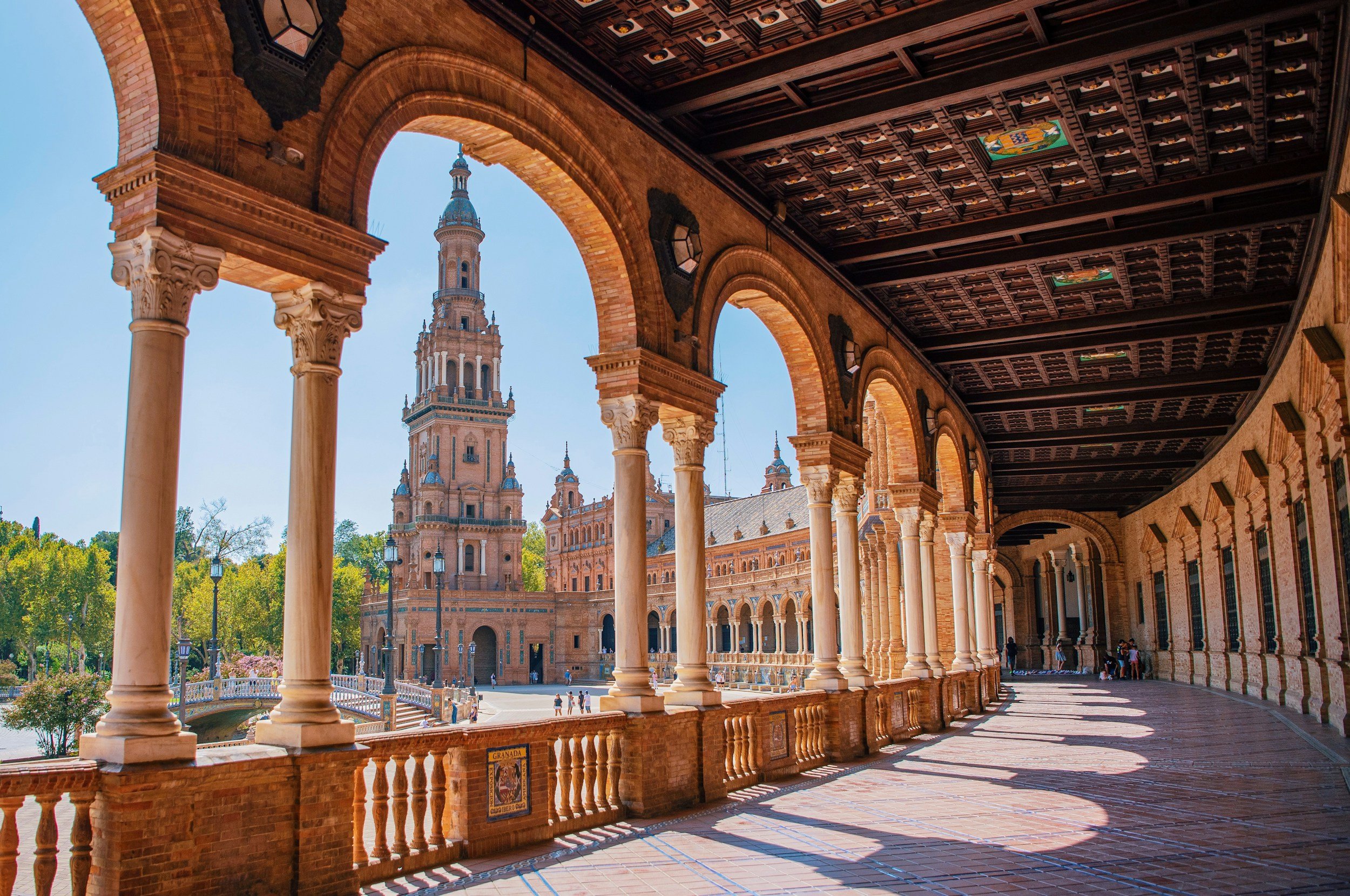
The Real Alcázar, Cathedral and Giralda provide the architectural anchors, but the better autumn trip leaves time for Santa Cruz, Triana, Plaza de España, tapas and evenings that don't need to begin after the temperature finally becomes tolerable. Spain's official tourism site also highlights the combination of the Alcázar, Giralda, Plaza de España, María Luisa Park, Santa Cruz and the city's food culture as central to a short Seville trip.

Why Go in October or November?
You get a city designed for outdoor life without the most demanding summer conditions.
October can still feel distinctly warm. November is cooler but remains mild enough for a trip built around walking, eating and architecture.
October or November?
Best month: October.
November is still a strong option, but October gives you the best balance between warmth and walkability.
What to Prioritise
Real Alcázar
Cathedral and Giralda
Santa Cruz
Triana
Plaza de España and María Luisa Park
proper time for tapas rather than treating dinner as the final attraction
The Trade-Off
Autumn is not Seville's dry season. October and November both see a noticeable increase in rainfall compared with summer, so warm does not necessarily mean reliably sunny.
Best for: Warm weather, architecture, tapas and evenings outside.
How long: 3 nights.
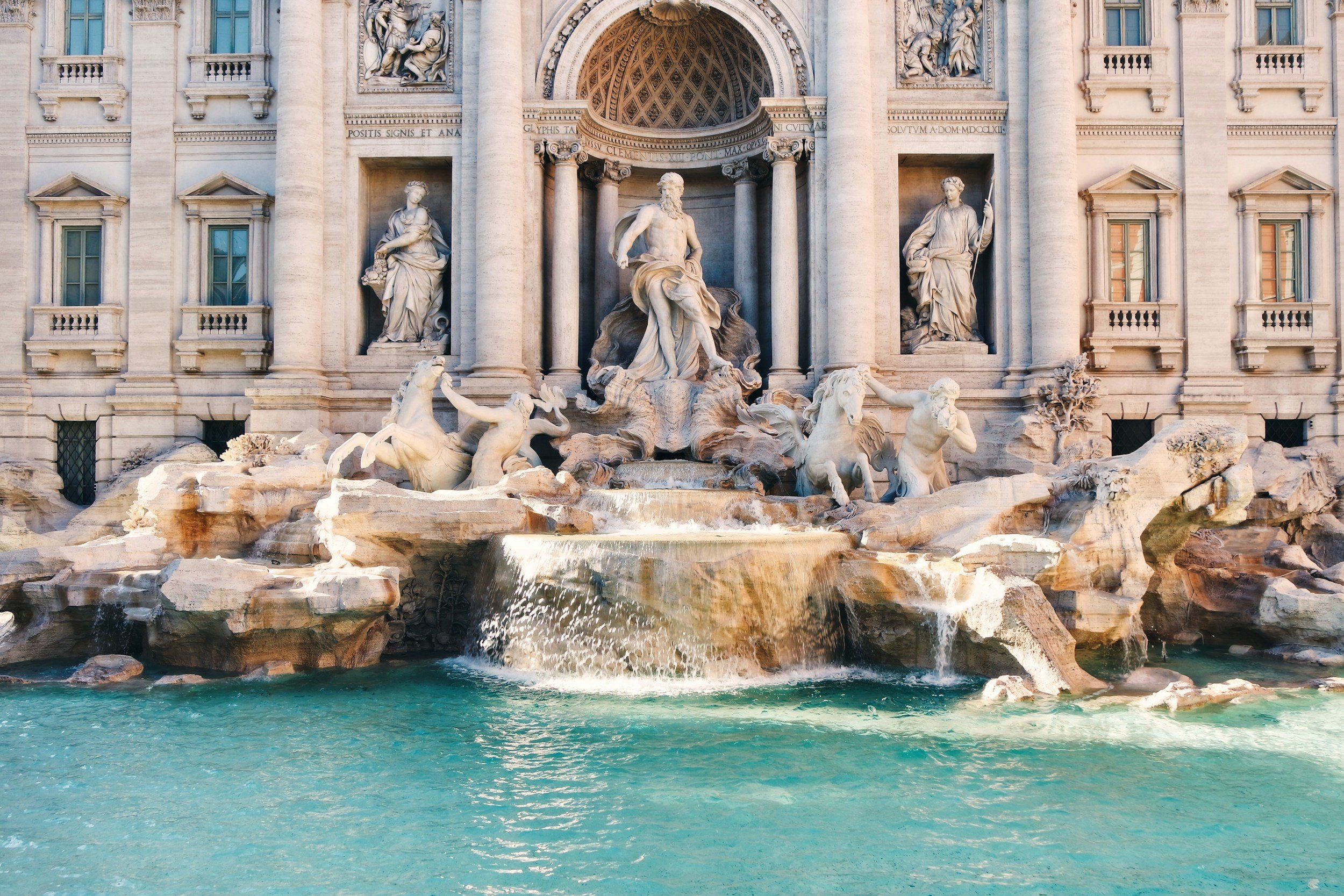
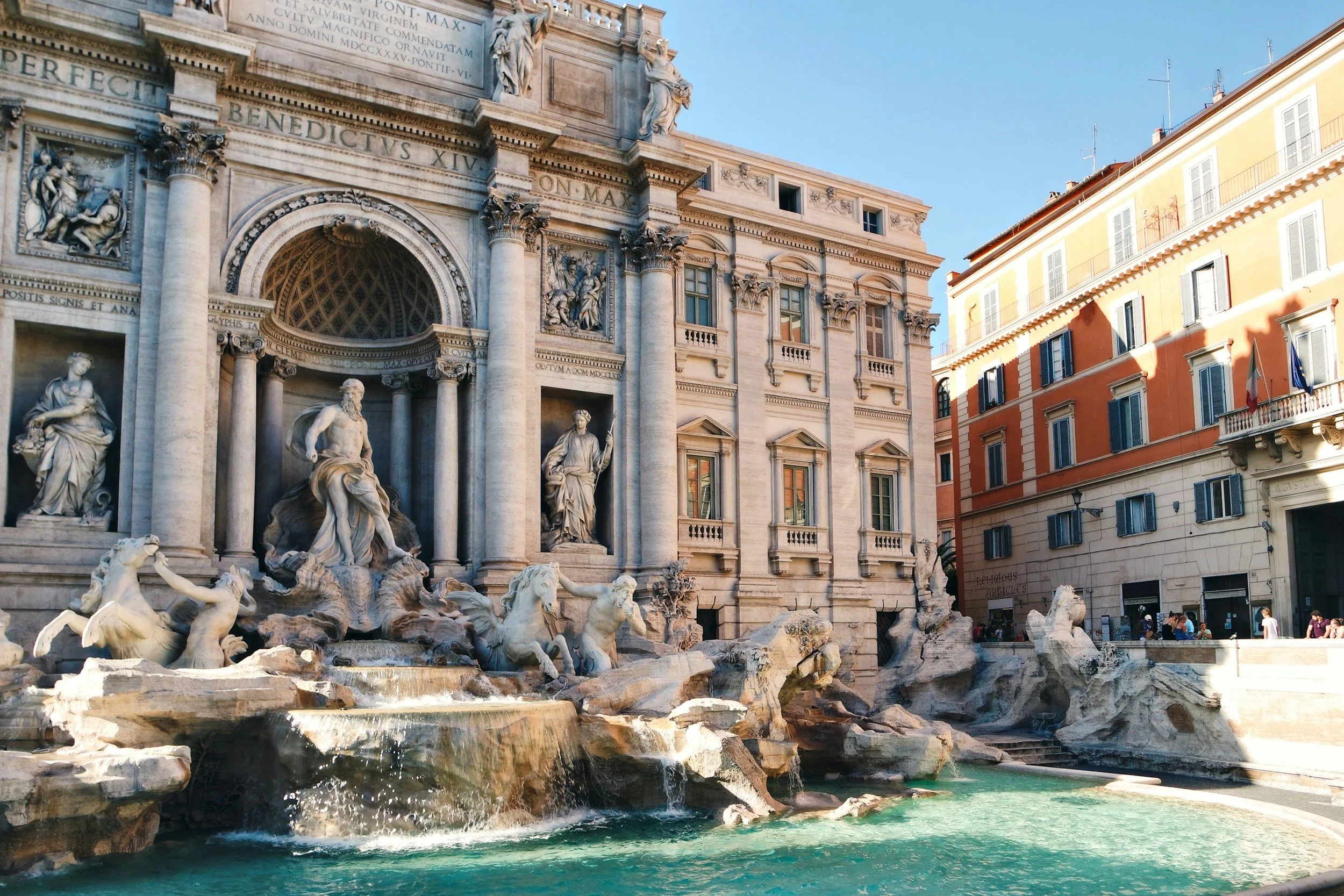
3. Rome, Italy
Rome in October makes an unusually straightforward case for itself: you get a city where walking is central to the experience at a time when walking finally becomes pleasant again.
Typical October temperatures are around 23°C / 12°C, falling to roughly 18°C / 8°C in November. Rome's official tourism site describes spring and autumn as the city's best periods for mild weather, while also noting that rainfall becomes more significant in November.
October even has its own Roman cultural idea.
The traditional Ottobrata Romana refers to the warm, bright October days historically associated with outings, food, wine and the end of the harvest season. The original tradition has largely disappeared, but the seasonal logic remains very easy to understand once you're walking through Villa Borghese or crossing the city without July heat radiating back off the pavement.
Rome also works particularly well as a first autumn city break because you don't need seasonal events to make the weekend worthwhile.
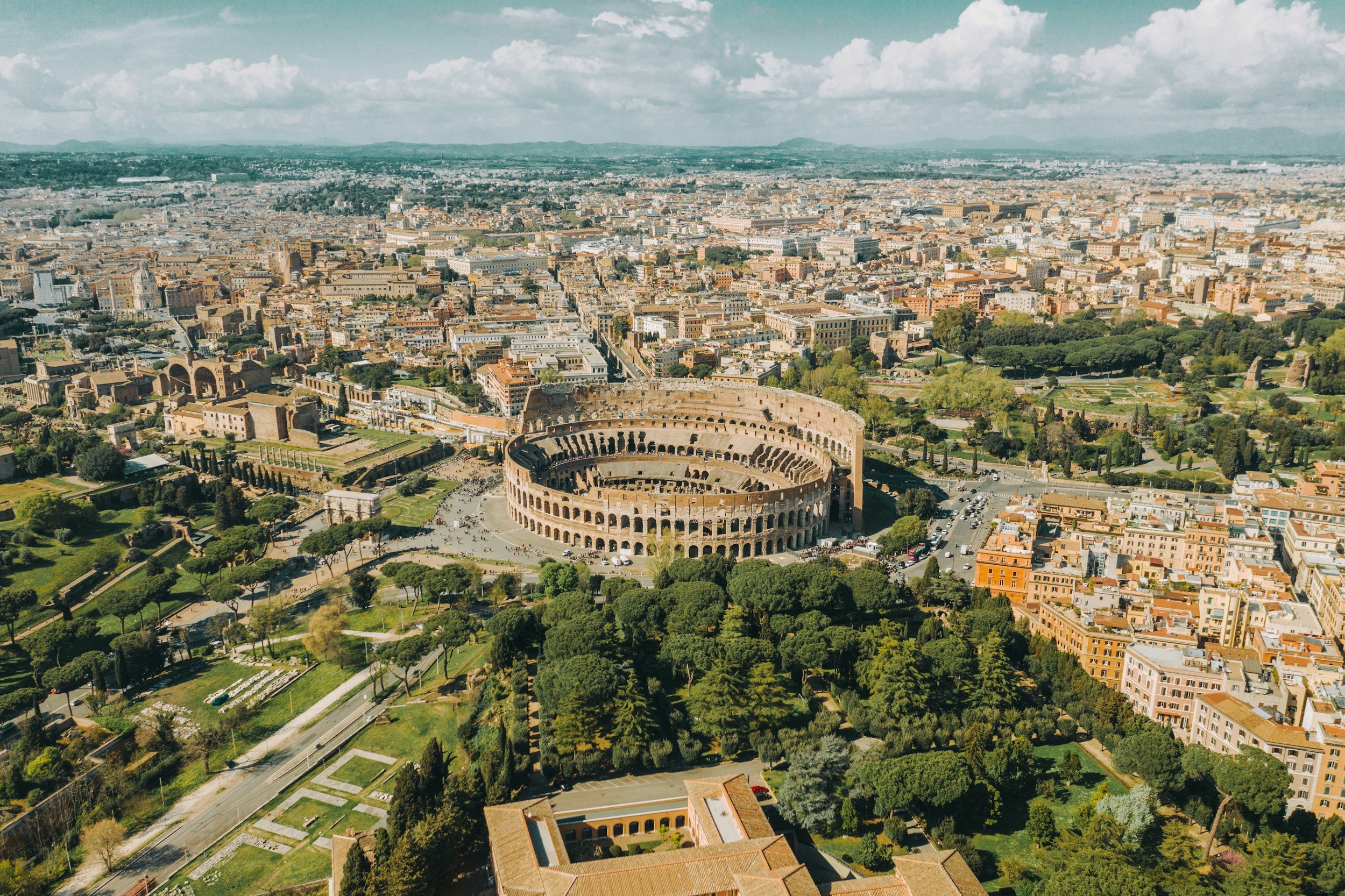
The Colosseum, Forum, Pantheon, Vatican, Trastevere and Centro Storico already give you more than enough for three days. Autumn simply improves the conditions in which you experience them.
Why Go in October or November?
Rome's main attractions don't rely on summer, but much of the experience relies on walking between them.
Cooler weather makes that easier.
October or November?
Best month: October.
November is quieter and still mild by northern European standards, but rainfall increases and the evenings become noticeably cooler.
What to Prioritise
Colosseum and Roman Forum
Pantheon and the historic centre
Vatican Museums
Trastevere
Villa Borghese
Testaccio if food is a priority
The Trade-Off
November is among Rome's wetter periods. Don't choose it because someone has promised endless Italian sunshine.
Best for: First-time visitors, history, food and a classic city break without summer heat.
How long: 3–4 nights.
For a first trip, our Rome Experiences Guide shows how to put the city together without rushing it. You can also use our Rome Neighbourhood Guide for where to stay and our Rome food guide for restaurants and markets.
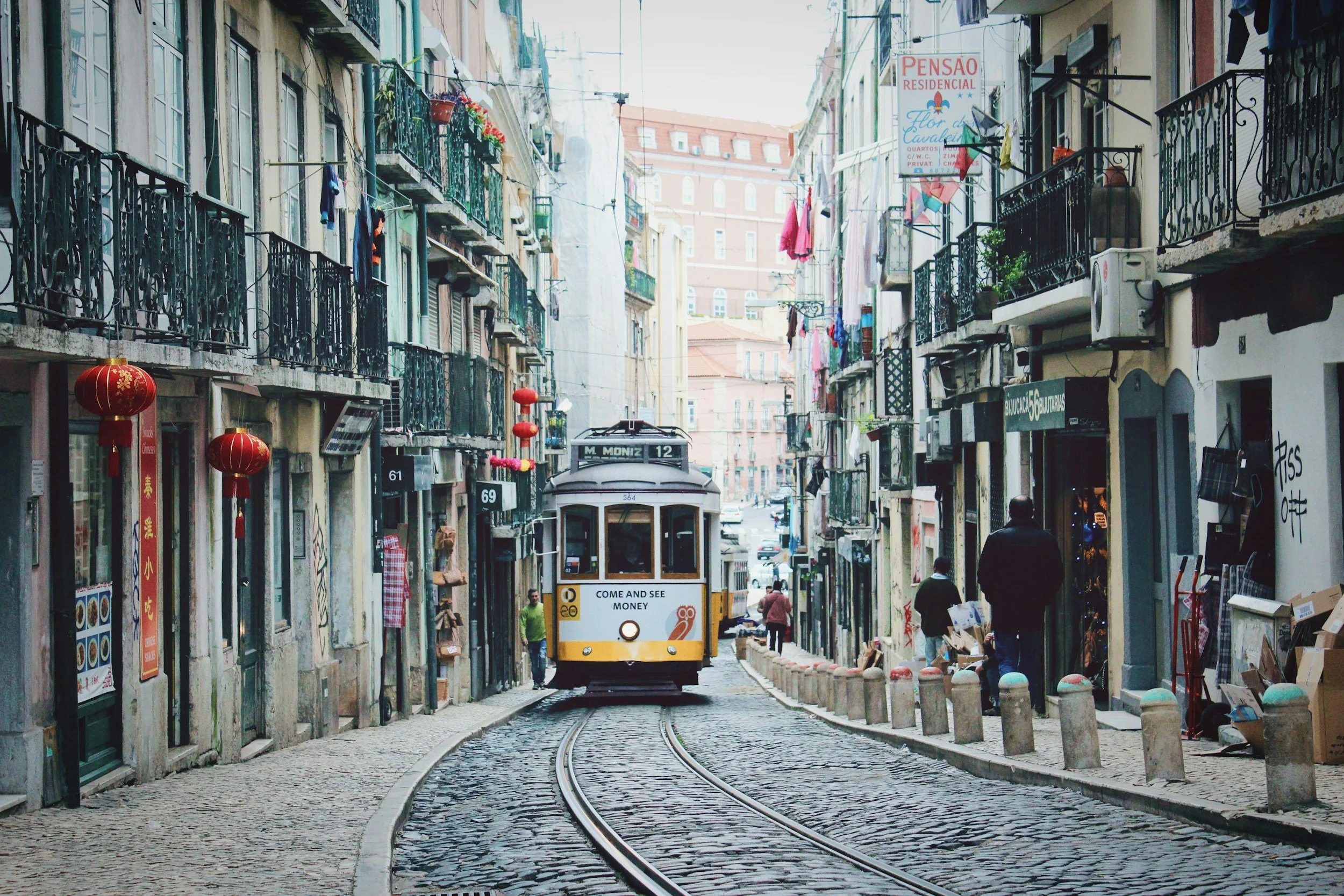
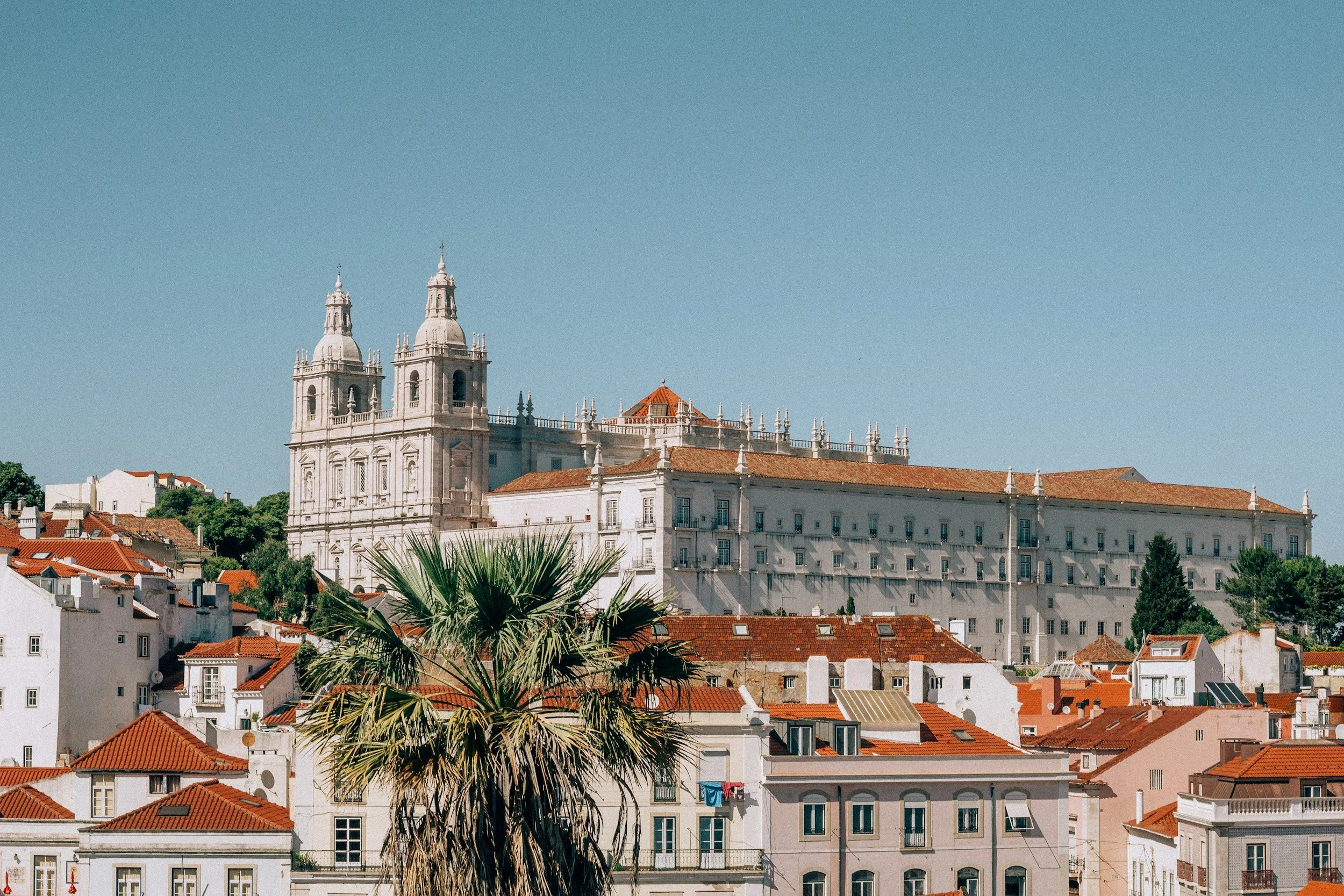
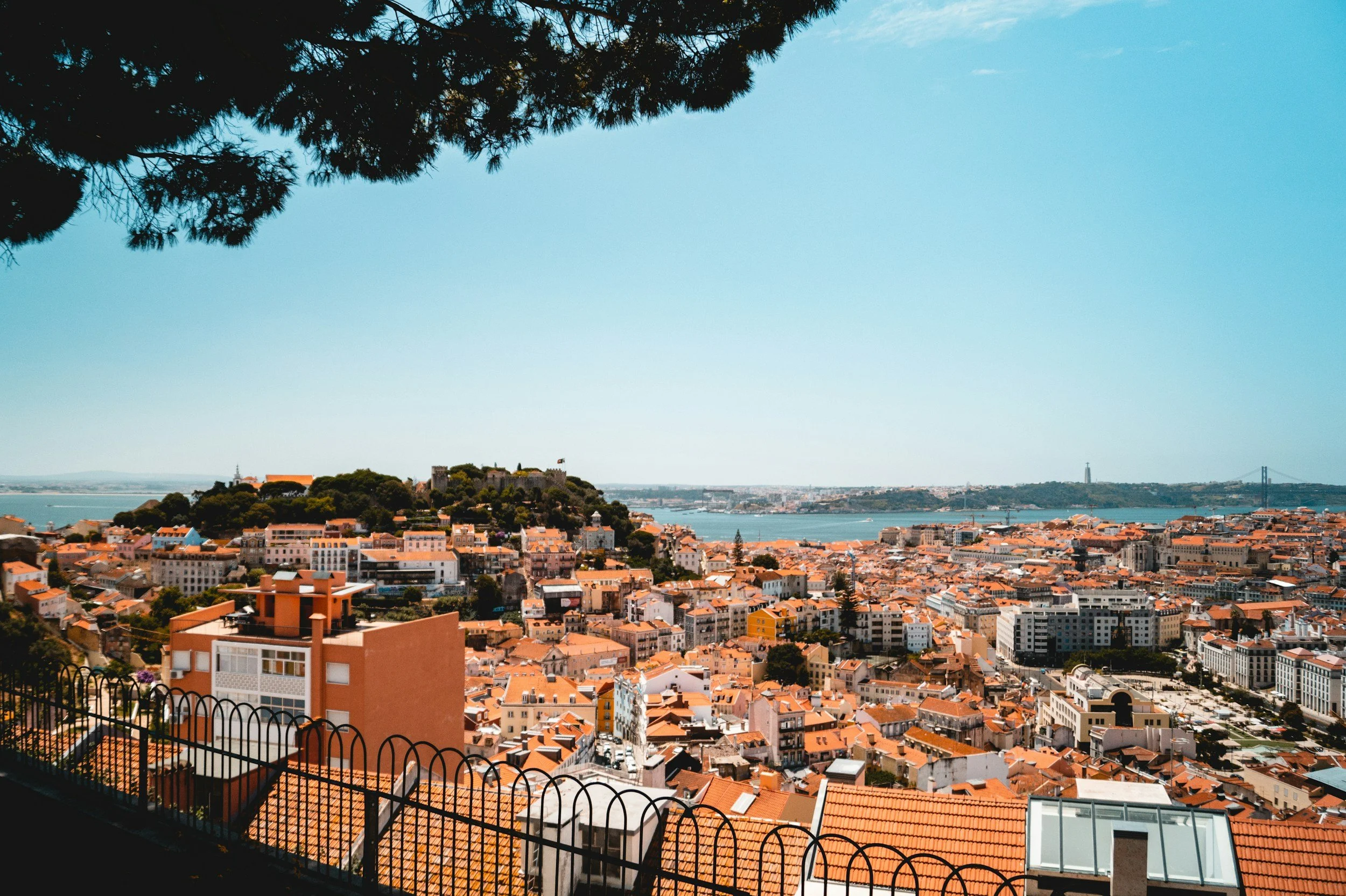
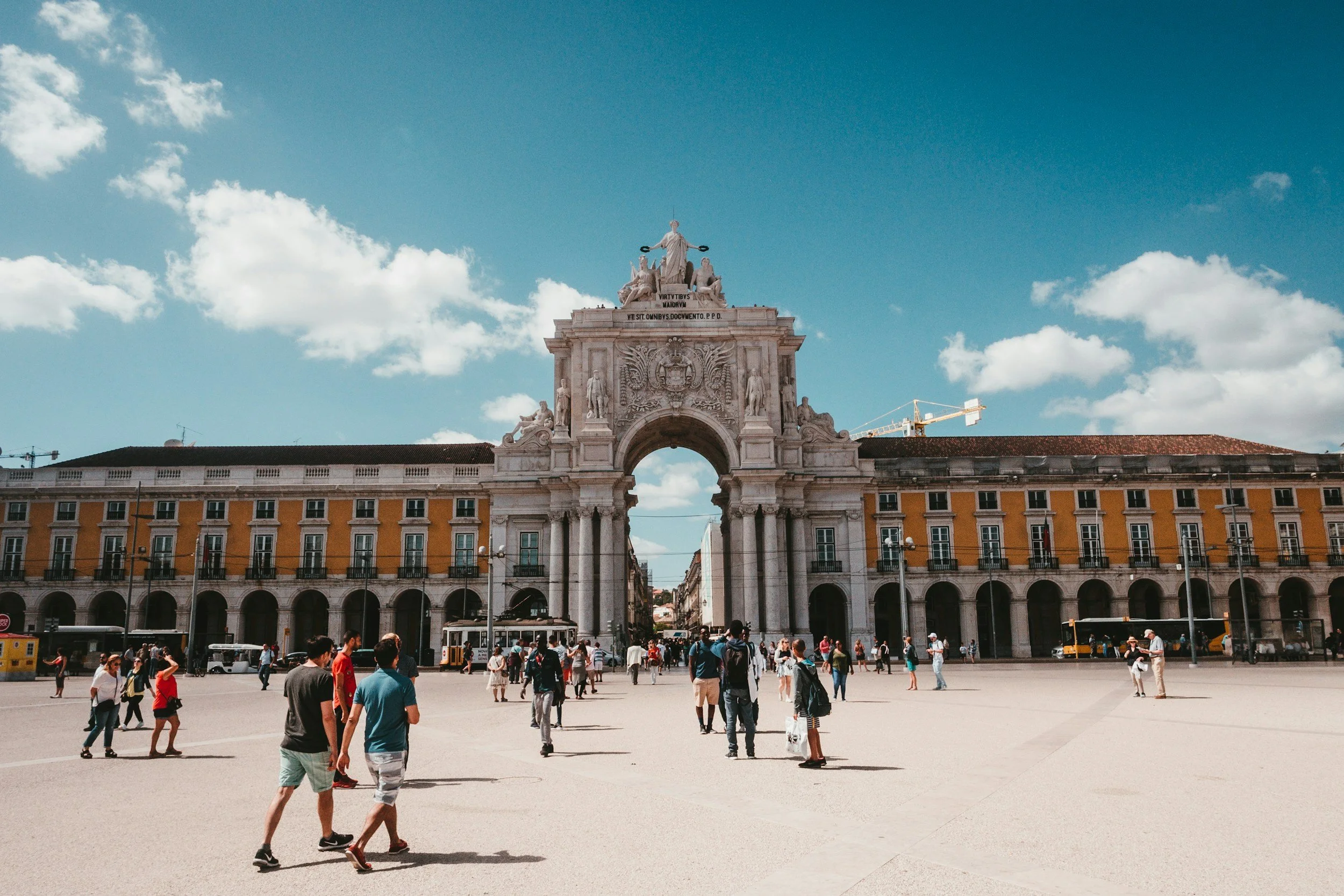
4. Lisbon, Portugal
Lisbon works for a different reason.
Its Atlantic position keeps autumn comparatively mild, and official tourism guidance describes spring and autumn as generally having sunny days and mild temperatures.
October averages are around 23°C / 15°C, while November falls to approximately 18°C / 11°C. Rain becomes more likely as autumn progresses, but temperatures remain substantially warmer than Central Europe.
That makes October especially appealing.
The city's hills become considerably easier without peak summer heat, while Alfama, Graça, Chiado, Príncipe Real and the riverfront still reward spending most of the day outside.
Lisbon also has enough built-in bad-weather insurance for November. Fado, food markets, museums, cafés, wine bars and the tiled interiors of churches and palaces mean that a passing Atlantic shower doesn't end the day.
Why Go in October or November?
Because Lisbon retains much of what makes it appealing as a warmer-weather city while becoming easier to explore on foot.
October still has a hint of extended summer.
November feels more like a mild cultural city break.
October or November?
Best month: October.
Choose November if you don't mind rain and care more about food, neighbourhoods and museums than guaranteed outdoor time.
What to Prioritise
Alfama and Graça
Chiado and Príncipe Real
Belém
miradouros when the weather behaves
fado
Portuguese food and wine
Feira da Ladra on Tuesday or Saturday if your dates align
The Trade-Off
Lisbon's mild temperatures can make November sound more dependable than it is. Rainfall rises considerably from summer into autumn, so pack for both pavement cafés and wet cobblestones.
Best for: Neighbourhoods, food, mild weather and a slower long weekend.
How long: 3 nights.
You can also use our Lisbon Neighbourhood Guide for where to stay and our Lisbon food guide for restaurants and markets.
5. Bologna, Italy
Bologna may be the most seasonally convincing city on the list.
Not because autumn gives you perfect weather. It doesn't.
It earns its place because autumn is exactly when Emilia-Romagna's food culture becomes even more interesting.
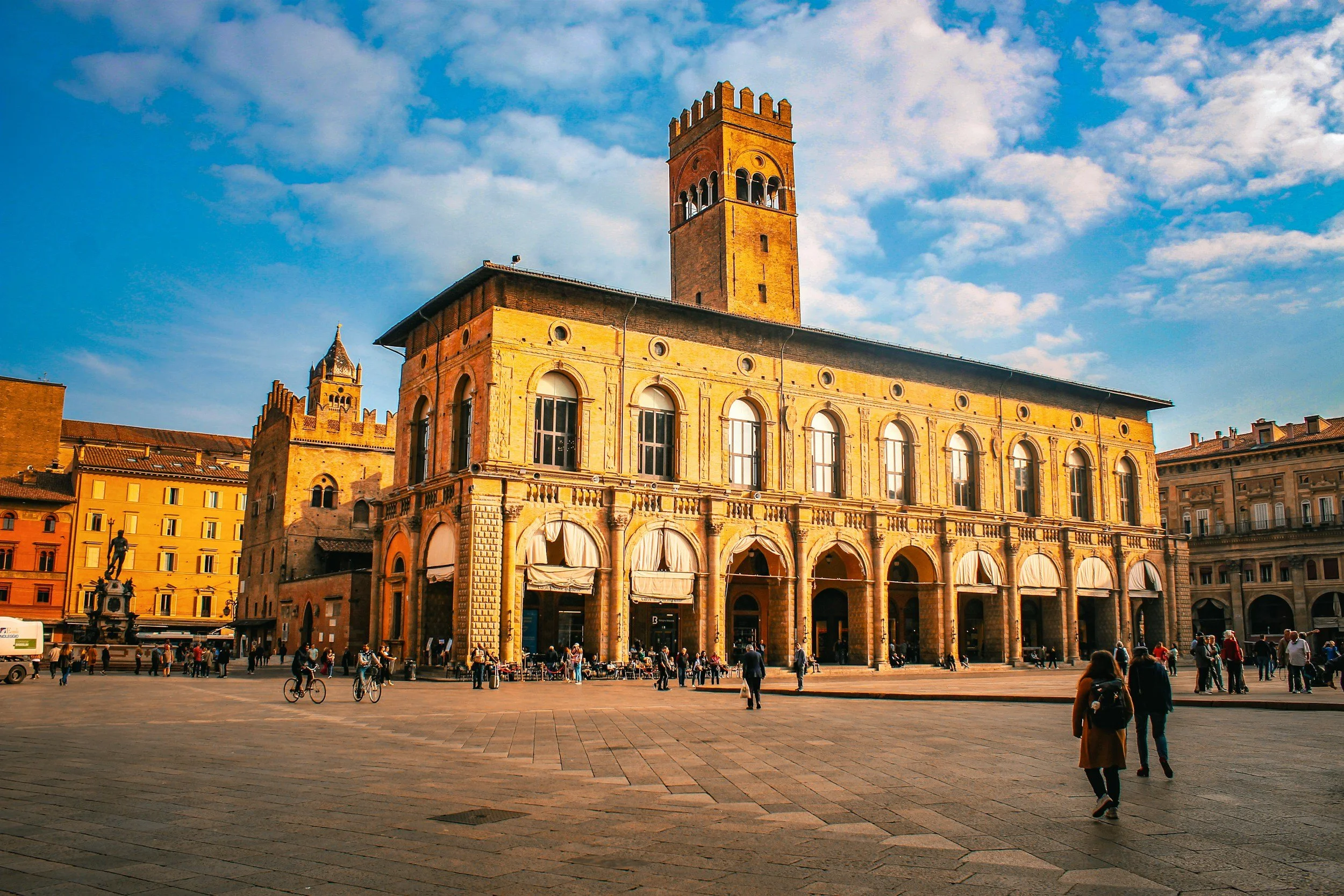
Bologna Welcome's autumn programme centres heavily on seasonal food, including truffles, chestnuts and stuffed pasta. In 2026, Tartufesta runs from 17 October to 8 November, bringing white-truffle-focused markets, menus and events to towns in the Bolognese Apennines.
That creates a different kind of city break.
Spend the day under Bologna's porticoes, visit the Quadrilatero market area, eat tagliatelle al ragù properly, then use the city as a base for the food culture surrounding it.
October temperatures are around 20°C / 11°C, dropping to about 13°C / 6°C in November. October can also be relatively wet, but Bologna has spent several centuries accidentally preparing for this through kilometres of covered porticoes.
Why Go in October or November?
Food.
More specifically, a city where colder weather makes longer lunches, pasta, ragù, tortellini, mortadella and regional wine feel entirely appropriate.
Autumn also opens up seasonal food events outside the city.
October or November?
Best window: Late October to early November.
This aligns particularly well with Tartufesta in 2026.
What to Prioritise
Quadrilatero
Mercato delle Erbe
traditional Bolognese cooking
the porticoes
Piazza Maggiore
Santo Stefano
an autumn food excursion into the surrounding region
The Trade-Off
This isn't the choice for guaranteed blue skies.
Come because weather matters less when lunch has become one of the day's primary activities.
Best for: Food, wine and travellers who would happily organise a weekend around lunch.
How long: 2–3 nights.
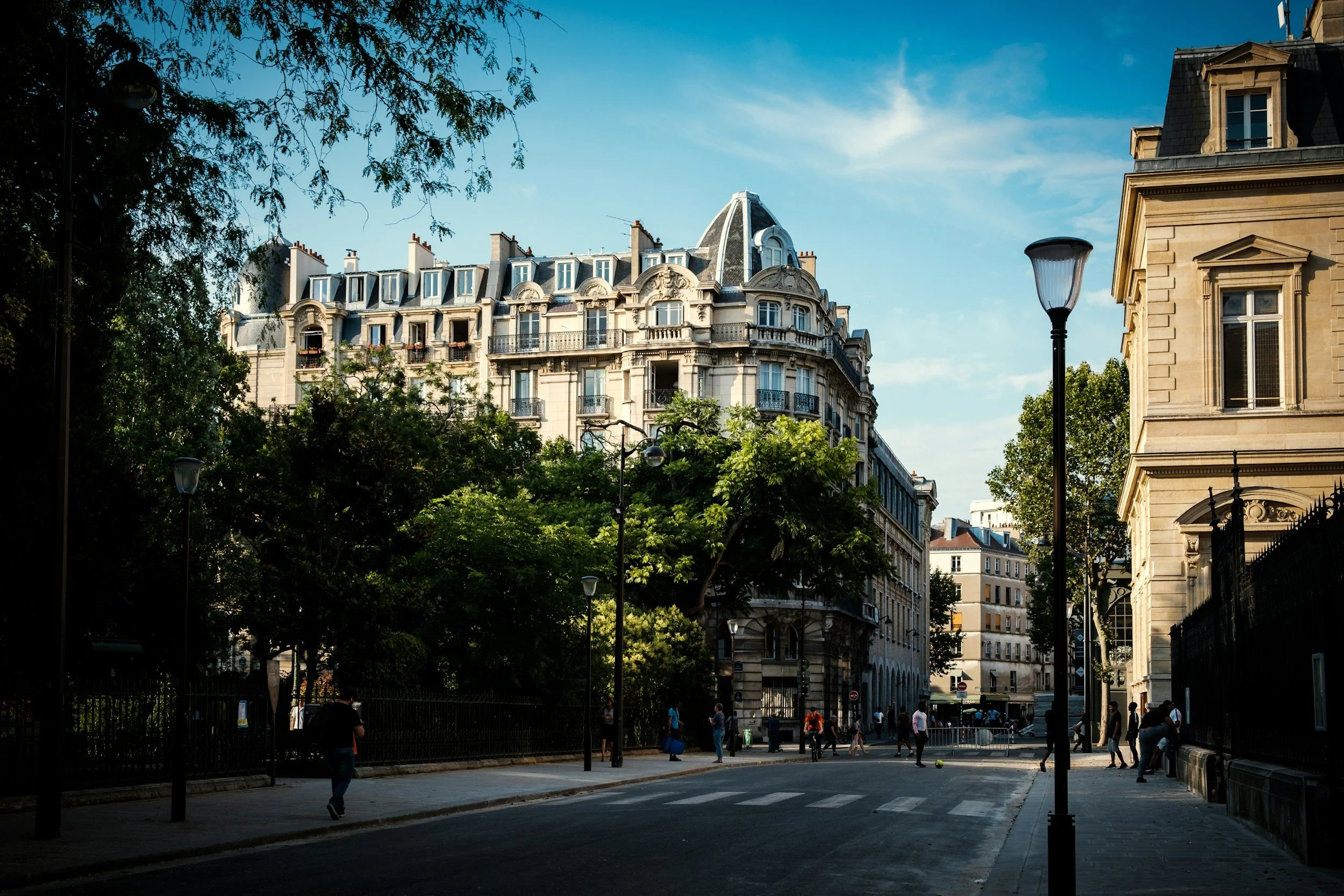
6. Paris, France
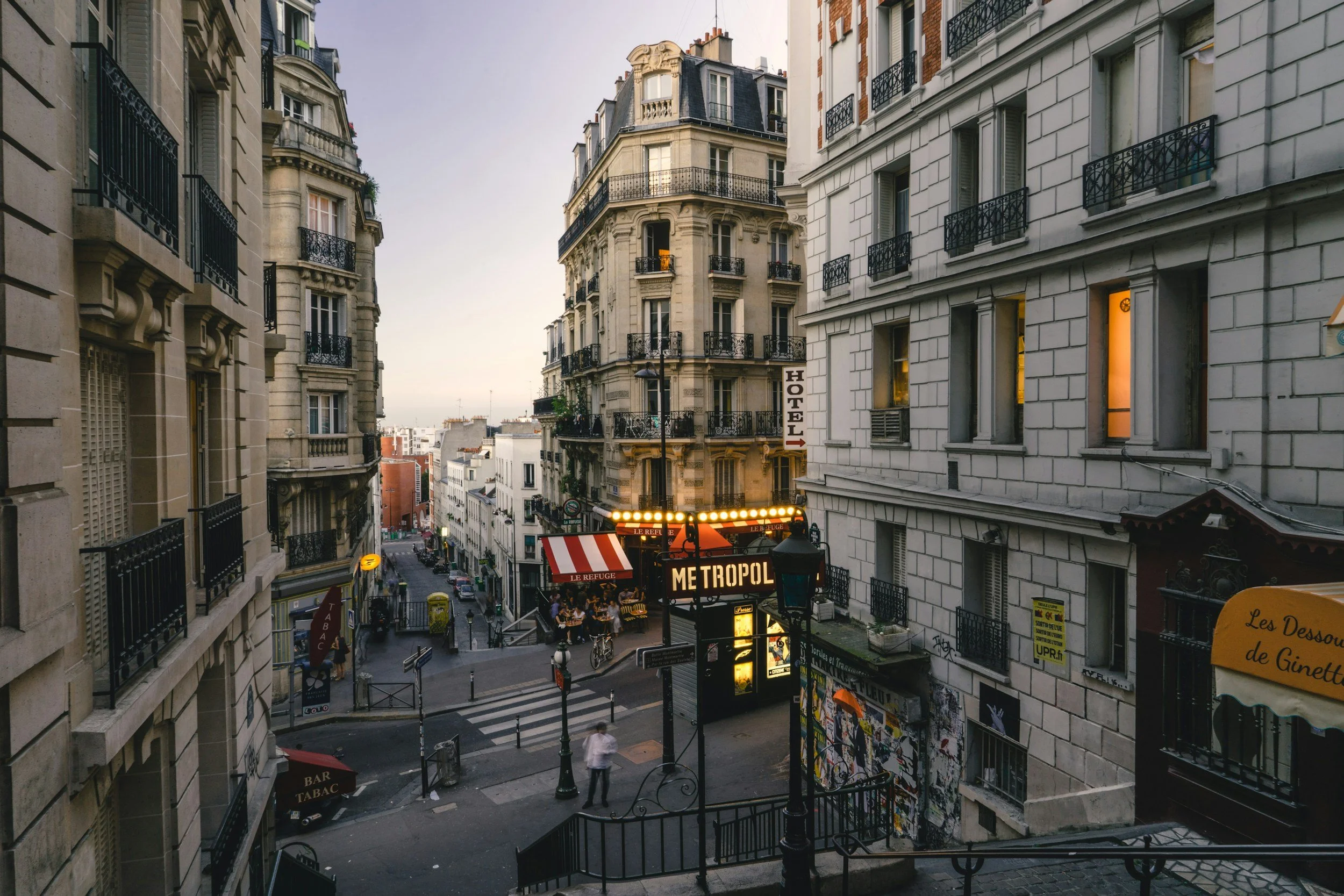
Paris doesn't need autumn to work, but autumn gives you a particularly strong version of it.
October averages roughly 16.5°C / 9.9°C, with November closer to 11.1°C / 6.2°C. Both months bring the possibility of rain, but Paris has one of the strongest indoor cultural ecosystems of any city on this list.
That becomes especially relevant in 2026.
The city's official tourism organisation highlights a substantial programme of exhibitions, concerts and festivals through October and November. The Festival d'Automne runs across the wider autumn cultural season, while major museums and institutions launch new exhibitions after summer.
The result is a trip that doesn't depend on pretending grey skies are romantic.
Walk when the weather is good. Go to the Louvre, Musée de l'Orangerie, Musée de l'Art Moderne or a temporary exhibition when it isn't. Build the weekend around neighbourhoods, bakeries, wine bars and dinner rather than repeatedly checking the weather app.
Why Go in October or November?
Paris is exceptionally resilient to autumn weather.
Museums, galleries, cafés, restaurants, architecture and neighbourhoods give you somewhere worthwhile to go regardless of what the sky is doing.
October or November?
Best month: October.
You keep more daylight and slightly milder temperatures while still getting the full autumn cultural programme.
November is better if museums and food matter more than long walks.
What to Prioritise
one or two major museums rather than six
Le Marais
Saint-Germain or the Latin Quarter
Canal Saint-Martin
Jardin du Luxembourg or Tuileries in October
a current autumn exhibition
long dinners with no attempt to maximise sightseeing efficiency
The Trade-Off
Paris doesn't become cheap simply because someone has put on a coat.
The seasonal advantage here is cultural depth, not necessarily bargain travel.
Best for: Art, museums, food and couples.
How long: 3–4 nights.
For a first trip, our Paris Experiences Guide shows how to put the city together without rushing it. You can also use our Paris Neighbourhood Guide for where to stay and our Paris food guide for restaurants and markets.
7. Prague, Czechia
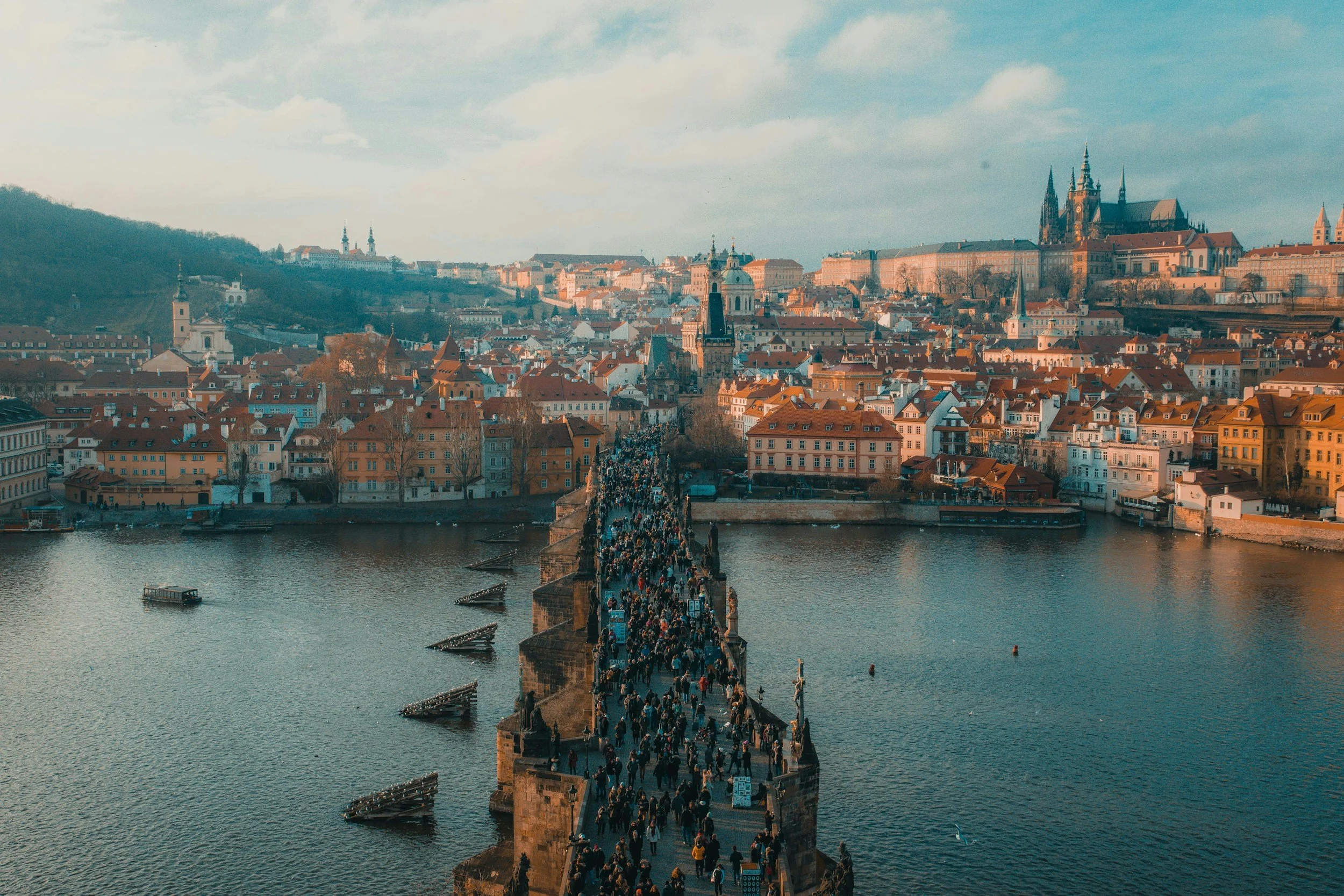
Prague is probably the strongest choice for the classic European autumn version of this trip.
October temperatures average around 13°C / 5°C, falling sharply to approximately 7°C / 1°C in November.
That makes October the obvious sweet spot.
You still have enough daylight and manageable temperatures to walk between Old Town, Malá Strana, Prague Castle and neighbourhoods such as Vinohrady or Holešovice, while parks and gardens have moved properly into autumn.
October 2026 also has an unusually useful cultural calendar.
Designblok runs from 6 to 11 October, Signal Festival from 15 to 18 October, and the Prague Coffee Festival from 24 to 25 October. Prague Sounds then runs across much of November.
Those aren't reasons to visit Prague on their own. They are reasons October feels like a particularly good month to do it.
Why Go in October or November?
The city's architecture and compact centre lend themselves well to walking, while autumn adds seasonal atmosphere without requiring the Christmas-market crowds of December.
October or November?
Best month: October.
Quite decisively.
November can still work for culture and food, but temperatures around 7°C by day change the nature of the trip.
What to Prioritise
Charles Bridge early
Prague Castle and Malá Strana
Old Town
Vinohrady
Holešovice and DOX if contemporary culture appeals
Signal Festival if visiting 15–18 October 2026
The Trade-Off
November is not "cosy October with fewer people". It's considerably colder.
Plan accordingly.
Best for: Architecture, autumn atmosphere and a classic European weekend.
How long: 3 nights.
For a first trip, our Prague Experiences Guide shows how to put the city together without rushing it.
8. Budapest, Hungary
Budapest gets particularly interesting as temperatures fall because one of its best experiences becomes more appealing at exactly the same time.
Thermal baths.
October averages roughly 16°C / 7°C, while November drops to around 9°C / 2°C.
The colder version of Budapest therefore works differently from Prague.
A November morning on Castle Hill might be chilly, but spending the afternoon in Széchenyi or Gellért-style thermal waters makes much more sense at 7°C than it does at 30°C.
Budapest's official tourism organisation also makes autumn part of the city's cultural proposition, highlighting wine tastings, harvest events, design markets, cultural programming and outdoor autumn experiences.
October remains the better all-round month, particularly for walking along the Danube, Margaret Island and Buda.
November is the more distinctive choice if baths, restaurants and indoor culture are doing most of the work.
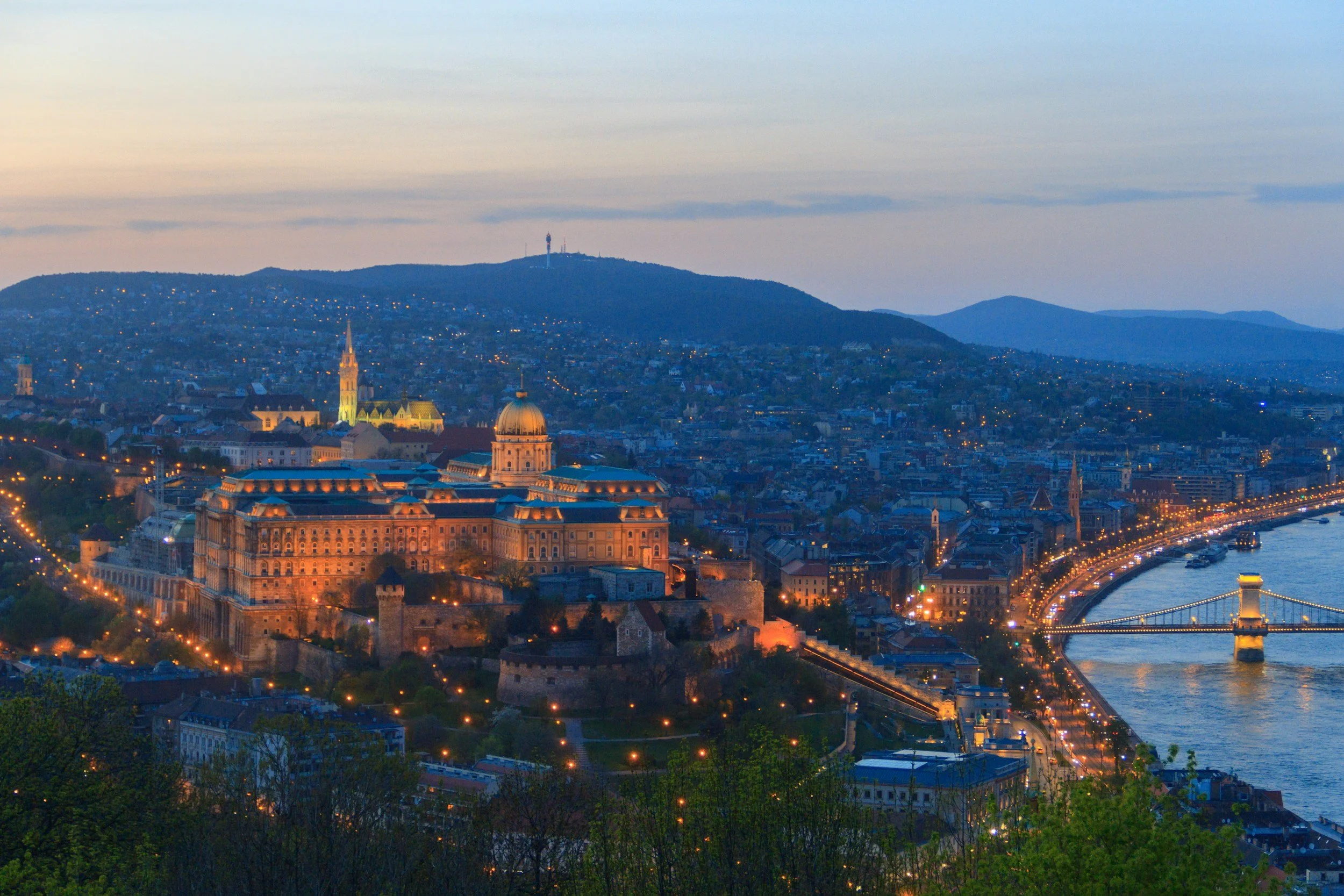
Why Go in October or November?
Budapest combines a strong outdoor city with experiences that improve as the temperature falls.
Thermal baths are the obvious example, but cafés, ruin bars, restaurants and museums also give the trip depth after dark.
October or November?
Best month: October for a first trip.
November if thermal baths and food are the priority.
What to Prioritise
Buda Castle district
Parliament and the Danube
thermal baths
Jewish Quarter
Central Market Hall
Hungarian cooking and wine
Normafa if you're visiting during good October weather
The Trade-Off
The temperature transition is fast.
A 16°C October afternoon and a 9°C November afternoon produce noticeably different weekends.
Best for: Couples, thermal baths, nightlife and colder-weather city breaks.
How long: 3 nights.
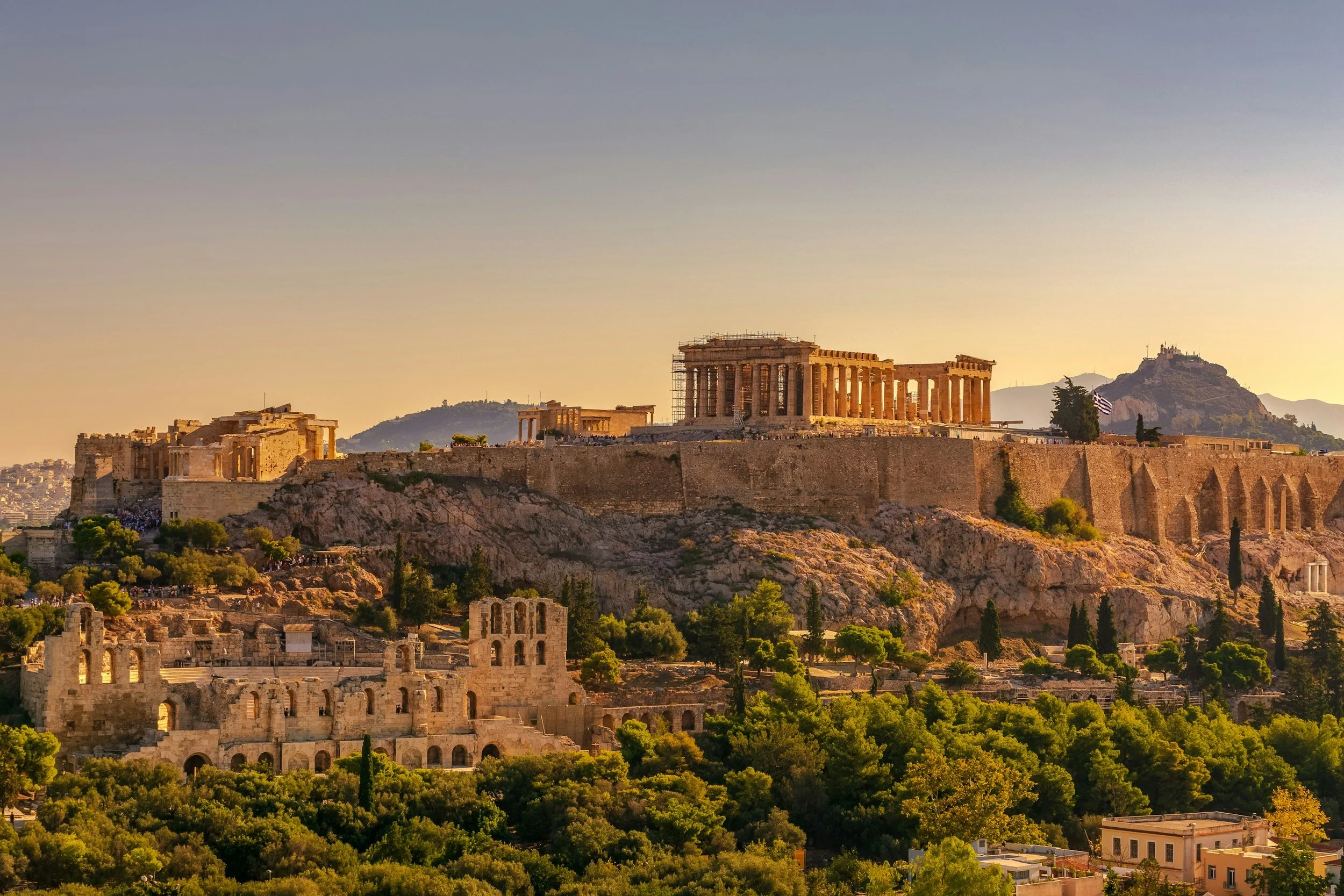
9. Athens, Greece
Athens is the city to choose when you're not quite ready to acknowledge that summer has ended.
October temperatures average roughly 24°C / 17°C, while November typically remains mild with daytime highs around the high teens.
More importantly, those conditions improve the sightseeing.
Athens' official tourism guide specifically highlights autumn as a time when the Acropolis can be explored without peak summer heat and crowds, while outdoor café life and even trips towards the Athens Riviera can continue well into the season.
October is therefore arguably a better pure city-break month than July or August.
The archaeological sites become easier to walk. Neighbourhoods such as Plaka, Monastiraki, Psyrri, Pangrati and Kolonaki are more comfortable during the day. You can still eat outside without structuring the entire trip around avoiding 35°C sunshine.
The 2026 Athens Marathon takes place on 7–8 November, which is worth knowing if your trip falls over that weekend, whether because you want to attend or would prefer not to discover the road closures accidentally.
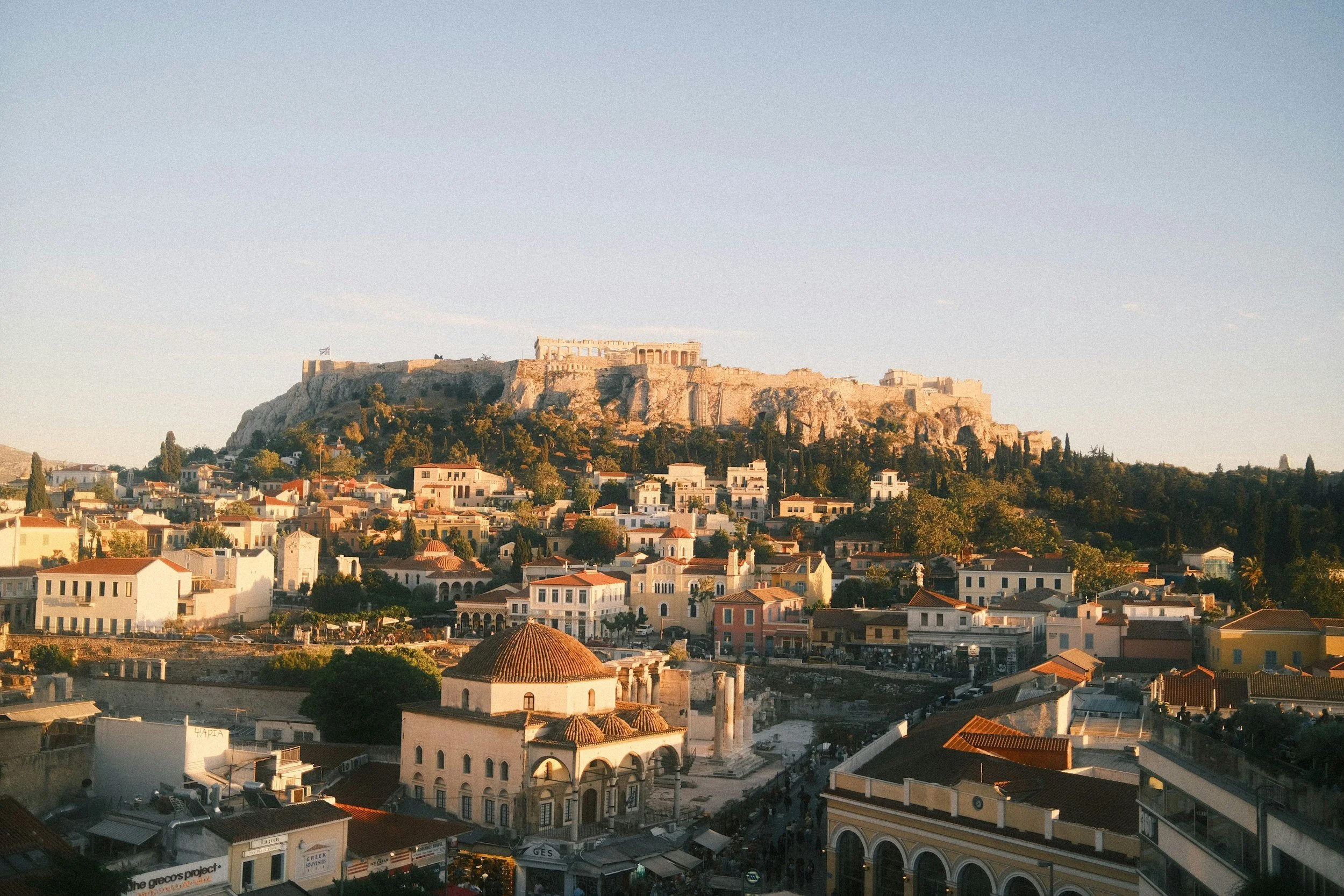
Why Go in October or November?
Athens retains outdoor life later than much of Europe.
You get ancient sites, contemporary neighbourhoods, rooftop views and food without needing to endure midsummer temperatures.
October or November?
Best month: October.
Early November remains a strong alternative.
What to Prioritise
Acropolis and Acropolis Museum
Ancient Agora
Plaka and Anafiotika
Monastiraki and Psyrri
Pangrati or Kolonaki
Lycabettus or Philopappos Hill around sunset
Greek food somewhere that isn't directly underneath a laminated photograph of the Parthenon
For more detail, use our Athens Neighbourhood Guide to choose where to stay, then our 48 Hours in Athens itinerary and Where to Eat in Athens guide to build out the trip.
The Trade-Off
By November, Athens is no longer reliably warm in a summer sense. Conditions become more variable and evenings are cooler.
Best for: Warmth, history, food and extending the outdoor season.
How long: 3 nights.
10. Berlin, Germany
Berlin is the least weather-dependent city on this list, which is useful because November isn't especially interested in providing good weather.
October averages roughly 14°C / 6°C, while November falls to approximately 8°C / 3°C. Berlin's official tourism board similarly describes October temperatures as averaging roughly 9°C to 15°C.
So why include it?
Because Berlin is fundamentally well designed for a culture-first autumn weekend.
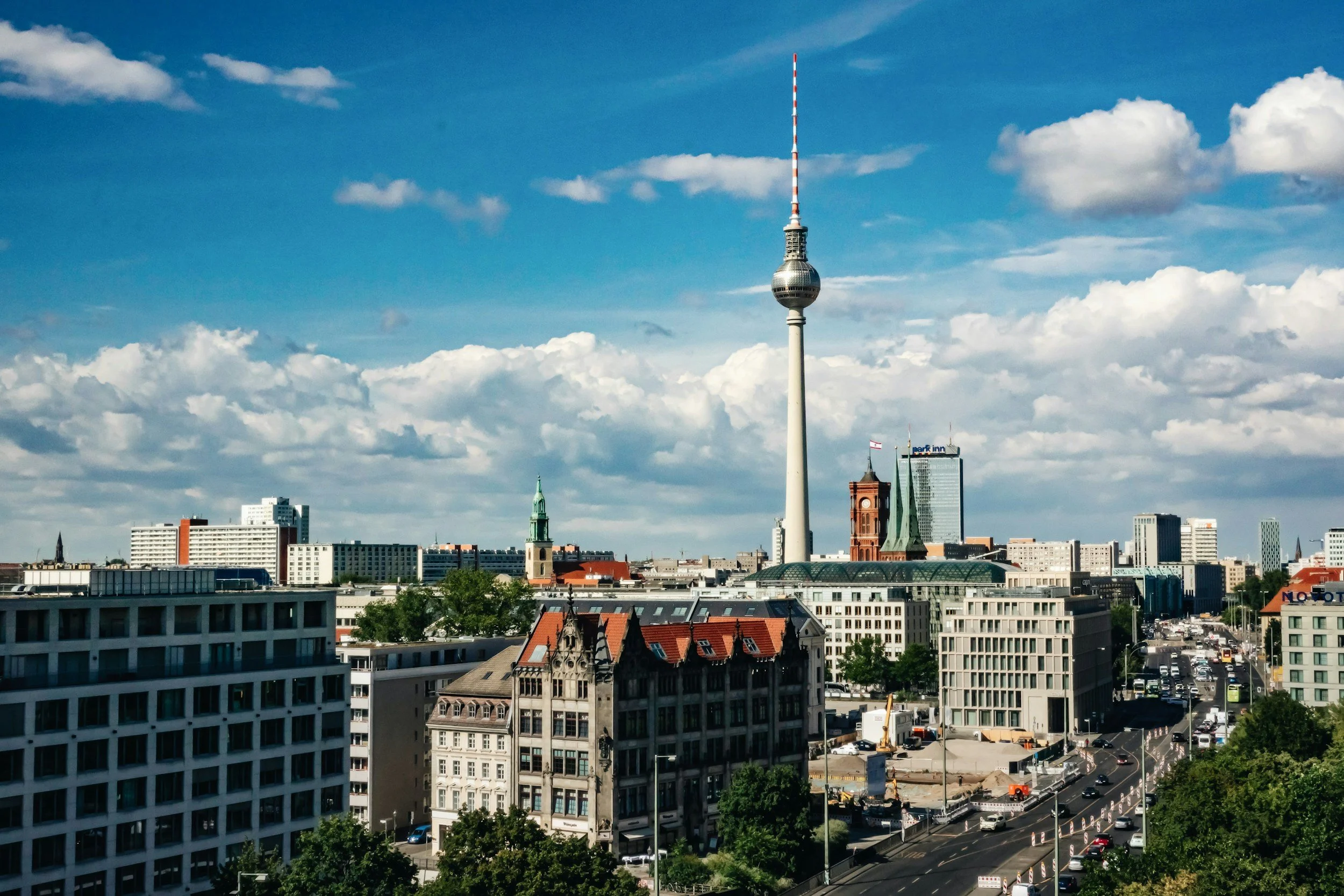
Museum Island, contemporary galleries, cafés, restaurants, neighbourhoods and nightlife give you a trip that doesn't rely on sitting in a sunny square. October still allows plenty of walking through Kreuzberg, Mitte, Friedrichshain and Charlottenburg.
November becomes more interesting again towards the second half of the month, when winter events and Christmas markets begin appearing across the city. VisitBerlin lists seasonal attractions opening from mid-to-late November, with some winter markets starting even earlier.
The weakest period is arguably early November, after the autumn colours have faded but before the festive season has properly arrived.
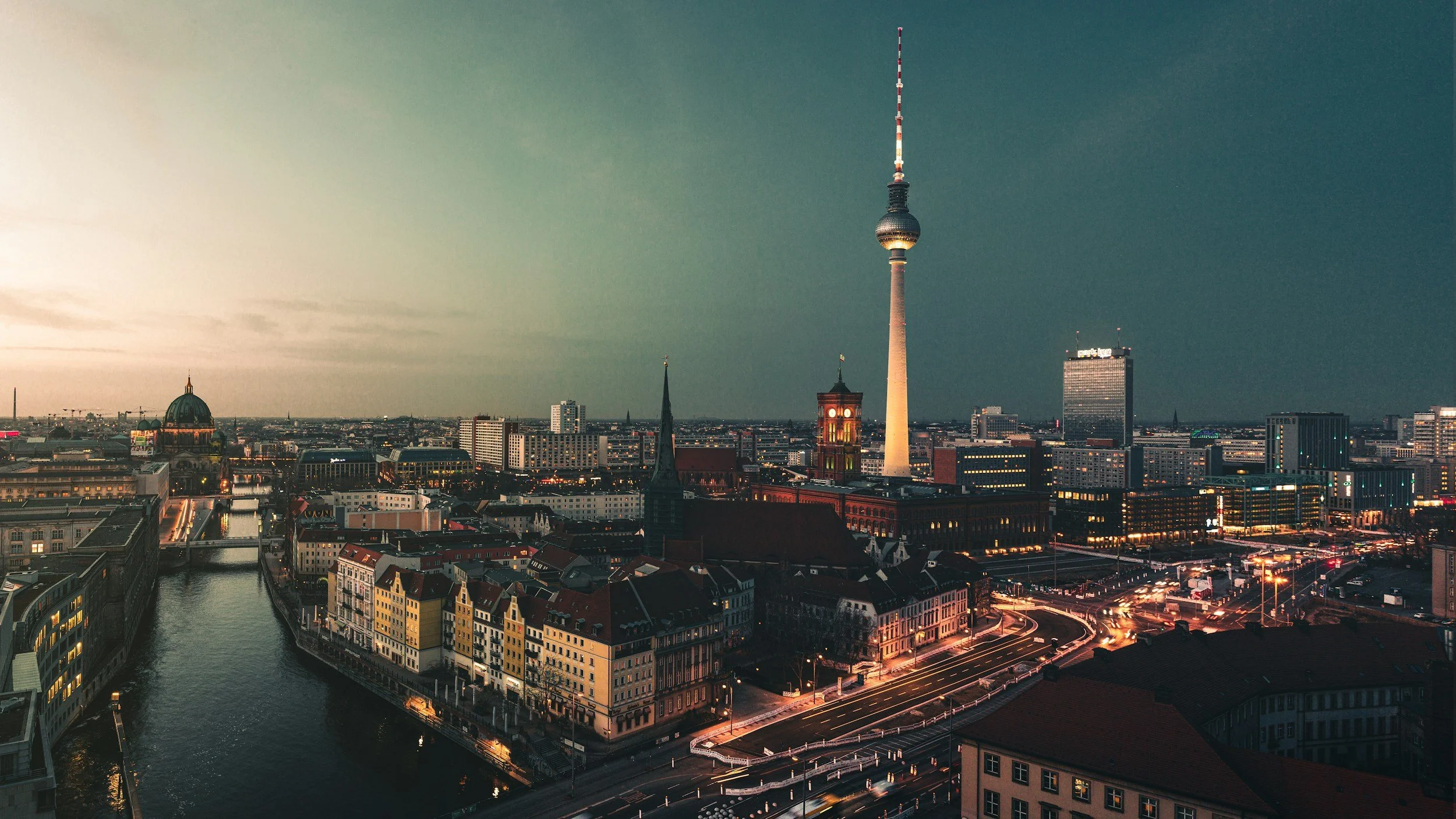
Why Go in October or November?
Berlin works when the weather isn't the main attraction.
The city has enough culture, food and nightlife to support a three-day trip entirely on its own terms.
October or November?
Best month: October.
Alternatively, choose late November if you want the beginning of winter and Christmas season.
What to Prioritise
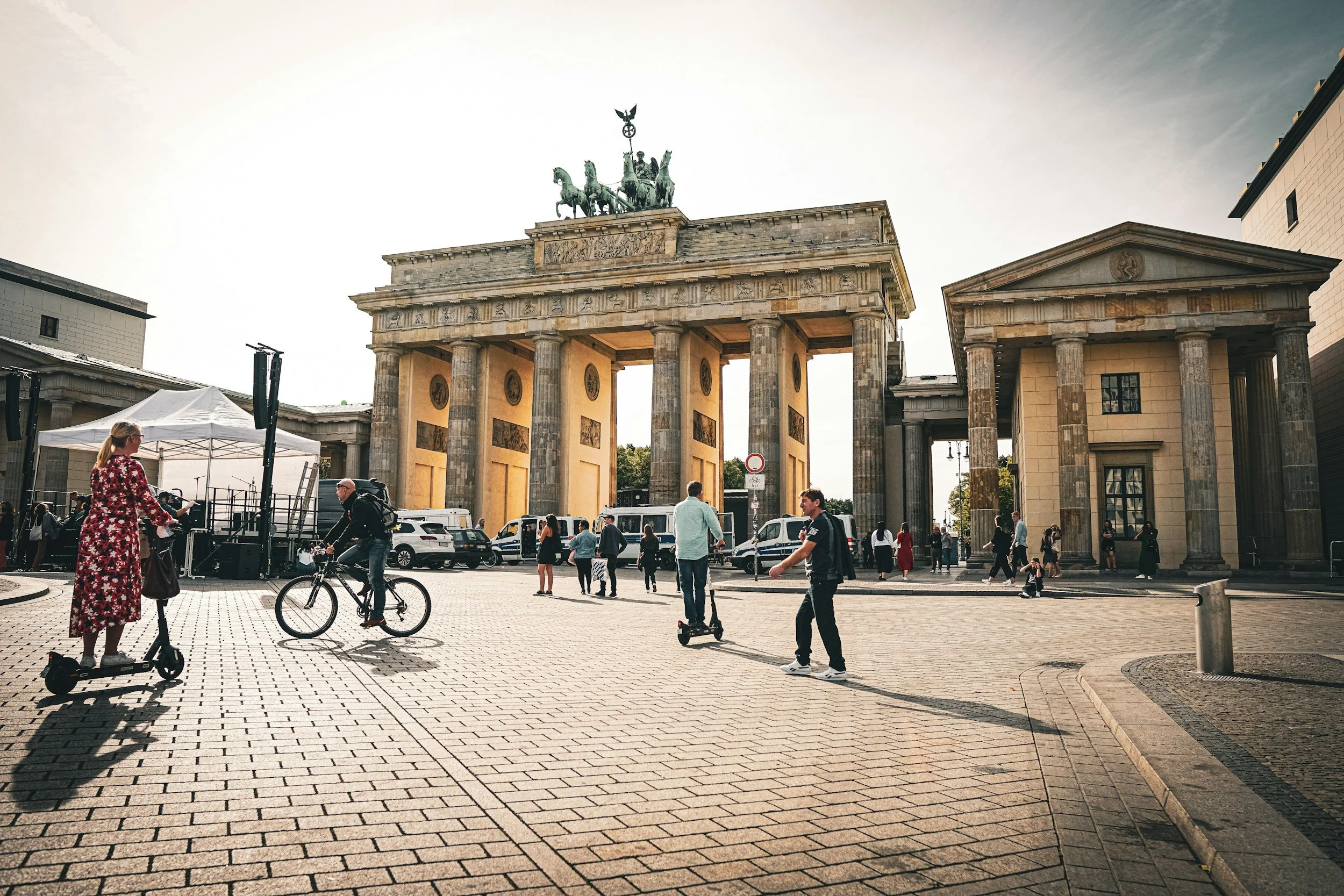
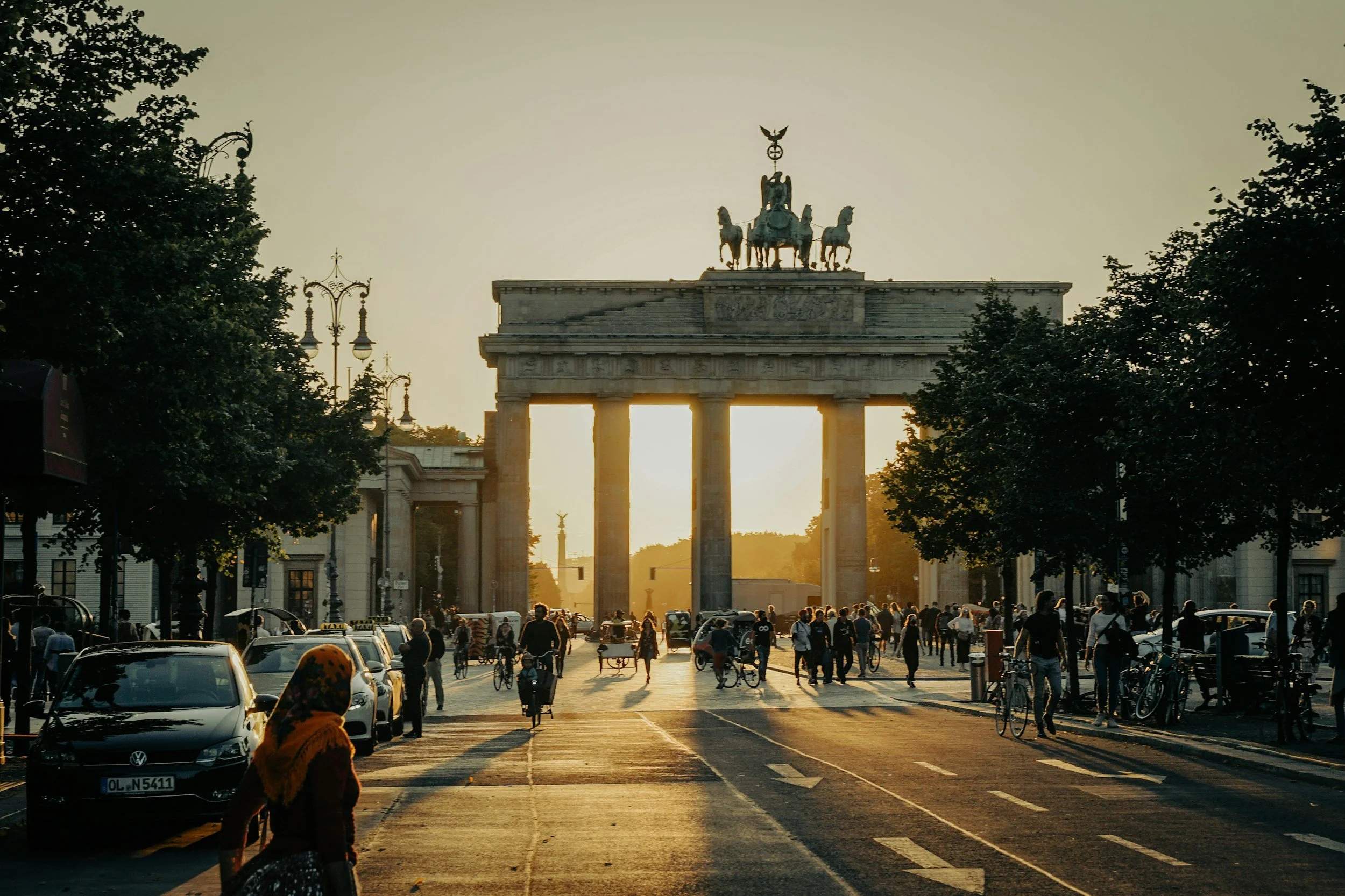
Mitte and Berlin's major historical sights
one serious museum
Kreuzberg
Friedrichshain
Charlottenburg
food and nightlife
seasonal markets if visiting later in November
For a first trip, our 72 Hours in Berlin itinerary shows how to put the city together without rushing it. You can also use our Berlin Neighbourhood Guide for where to stay and our Berlin food guide for restaurants and markets.
The Trade-Off
November is cold, dark and capable of being grey.
Come for Berlin rather than for autumn weather.
Best for: Contemporary culture, history, neighbourhoods and nightlife.
How long: 3 nights.
How to Choose the Right Autumn City Break
If You Still Want Warm Weather
Choose Seville, Athens or Lisbon.
Seville is the warmest pure city-break option here, with October daytime averages around 27°C. Athens offers the best mix of warm weather and major cultural sights, while Lisbon gives you slightly cooler Atlantic conditions with strong neighbourhood exploring.
For November specifically, Seville is the safest choice if temperature matters most.
If You Want Classic Autumn Atmosphere
Choose Prague, Vienna or Budapest.
Prague is strongest in October. Vienna works across the transition into November. Budapest adds thermal baths once the weather turns properly cold.
If Food Is the Priority
Choose Bologna, Rome or Lisbon.
Bologna wins outright if you're deliberately building a food-led autumn trip, particularly around late October and early November when the surrounding region's truffle season is in full swing.
If You Don't Mind Bad Weather
Choose Paris, Vienna or Berlin.
All three have enough museums, galleries, food, cafés and cultural programming that the trip still works when the forecast becomes something you'd rather not discuss.
If You're Travelling in Late November
Choose Vienna.
This is where November goes from being Vienna's cold shoulder season to the beginning of a distinct travel season of its own. Christmas markets begin from mid-November, and the combination of lights, coffee houses, museums and cold weather actually makes sense together.
Berlin is the alternative if you want a less traditional festive city with stronger nightlife and contemporary culture.
“If this is your first autumn European city break, choose Rome. It gives you the clearest combination of major sights, food, walkability and genuinely improved autumn conditions.
For the best weather, choose Seville in October. For food, choose Bologna in late October or early November. For proper autumn, choose Prague in October. For art and museums, choose Paris. For a colder-weather weekend that actually benefits from the cold, choose Budapest. For late November, choose Vienna.
And if you want to delay winter for just a little longer, Athens remains one of Europe’s better ways to spend an October weekend pretending December is somebody else’s problem.”