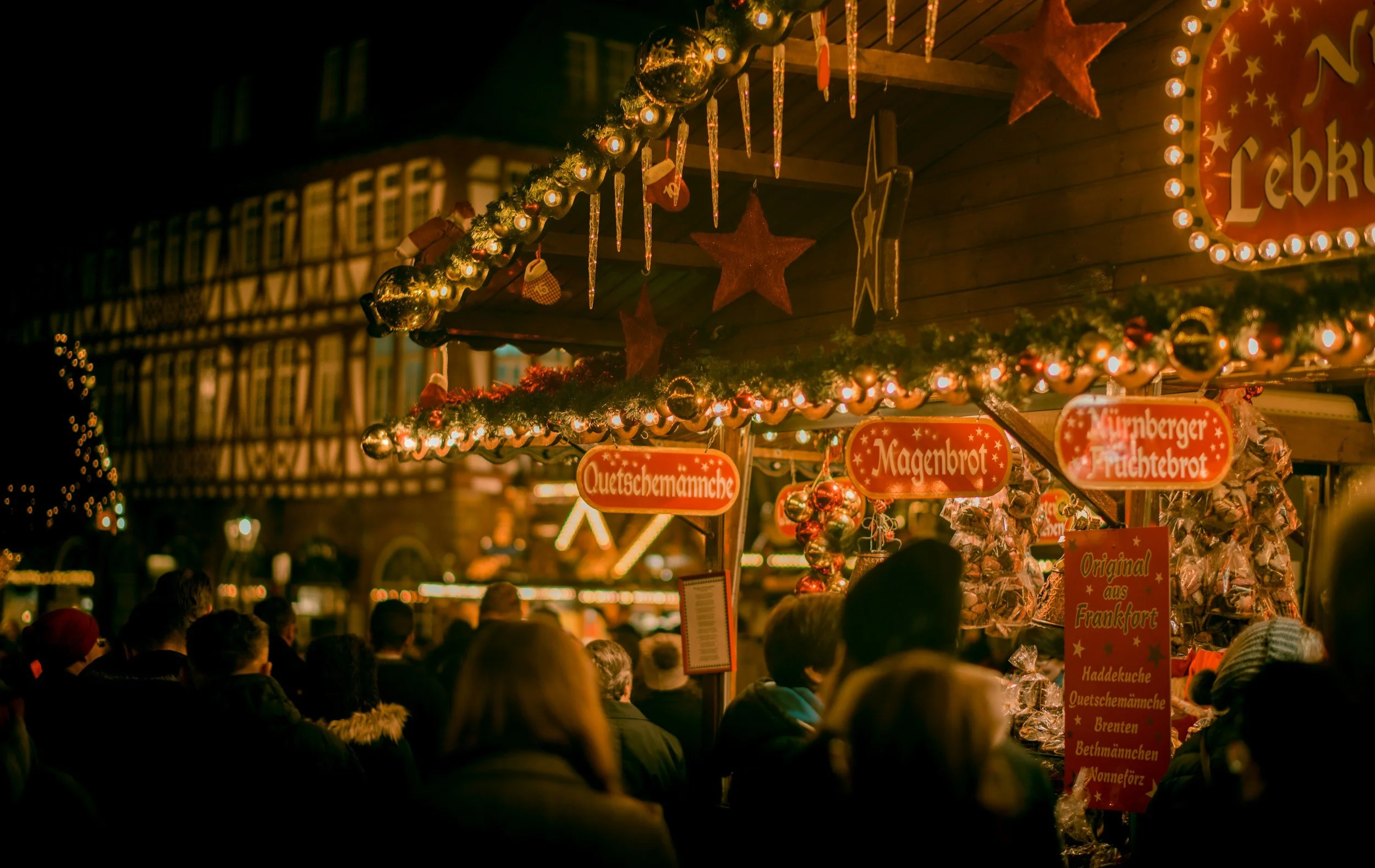


Berlin is a difficult city to reduce to a checklist. Its landmarks are spread out, its history sits in layers rather than one neat old town, and some of its best moments happen between the obvious sights: walking along a canal in Kreuzberg, stopping for coffee in a courtyard, or realising that a neighbourhood you planned to pass through has quietly taken over your afternoon.
That’s why three days in Berlin works best when you resist the temptation to see everything.
This 72-hour Berlin itinerary gives a first-time visitor the important historical and cultural anchors, but groups them into days that make geographical sense. You’ll spend the first understanding the centre, the second seeing the neighbourhoods and contemporary culture that shape Berlin today, and the third exploring the more refined western side of the city.
There are museums, memorials and major sights, but also proper lunch stops, neighbourhood walks and evenings without six more attractions attached.
The aim isn’t to finish Berlin in three days. Berlin has never shown much interest in being that convenient.
72 Hours in Berlin at a Glance
Day 1: Historic Berlin and Mitte
Reichstag, Brandenburg Gate, the Holocaust Memorial, Unter den Linden, Museum Island and an evening in Mitte.
Day 2: Kreuzberg, Friedrichshain and contemporary Berlin
Kottbusser Tor, Oranienstraße, Markthalle Neun, Oberbaum Bridge and the East Side Gallery.
Day 3: Charlottenburg and Berlin's western side
Charlottenburg Palace, City West, photography and visual culture at C/O Berlin, Kantstraße and Savignyplatz.
Expect a moderately active itinerary with plenty of walking, but no need to cross Berlin repeatedly during the same day. Public transport handles the longer jumps between neighbourhoods, while most of the actual exploring happens on foot. BVG's network covers U-Bahn, S-Bahn, trams and buses, with 24-hour and tourist tickets available if you're making several journeys.
This itinerary suits first-time visitors who want the major Berlin experiences but care just as much about neighbourhoods, food and understanding the city properly.
Before You Start: How to Approach 3 Days in Berlin
Berlin isn't a compact city break in the way that Florence, Porto or central Amsterdam can be. The better approach is to treat each day as its own part of the city.
Use public transport to reach the area, then walk.
That matters because Berlin becomes easier to understand at street level. Mitte shows you the state, the monuments and the consequences of twentieth-century history. Kreuzberg and Friedrichshain tell a different story, shaped by immigration, counterculture, division and reunification. Charlottenburg reveals the older western centre that can easily disappear from a first-time itinerary dominated by the east.
One scheduling detail is particularly important. Many Staatliche Museen museums, including the Neues Museum, close on Mondays, while Charlottenburg Palace is also normally closed on Mondays. If Monday falls inside your trip, move your museum or palace day accordingly. The Humboldt Forum is currently open on Mondays but closed on Tuesdays, which gives you a useful alternative in Mitte.
Where to Stay for This Berlin Itinerary
Mitte is the easiest base for a first visit. You're close to the main historical sights on Day 1, well connected to Kreuzberg and Friedrichshain, and still able to reach Charlottenburg easily.
Kreuzberg is the better choice if food, nightlife and neighbourhood atmosphere matter more than doorstep sightseeing. You'll trade some convenience on Days 1 and 3 for a livelier base in the evenings.
Charlottenburg works well if you prefer a calmer, more polished stay. Transport connections remain strong, but you'll spend more time travelling east.
For a deeper breakdown of the areas and their trade-offs, read our Berlin Neighbourhood Guide: Where to Stay and Explore.
Day 1: Historic Berlin and the City's Essential Context
Start with the Berlin most first-time visitors expect to see: government buildings, Prussian avenues, monuments and the physical reminders of a twentieth century that repeatedly transformed the city.
The important distinction is not to rush through them.
Morning: Start at the Reichstag and Brandenburg Gate
If you want to visit the Reichstag dome, make it the fixed point in your morning.
The glass dome sits above the German parliament and gives you views across the government district while allowing you to look down into the parliamentary chamber. Visits are free, but advance registration is required, and the Bundestag currently only accepts requests for the current month and the following month.
Allow roughly an hour rather than treating it as a viewpoint you can squeeze into fifteen minutes.
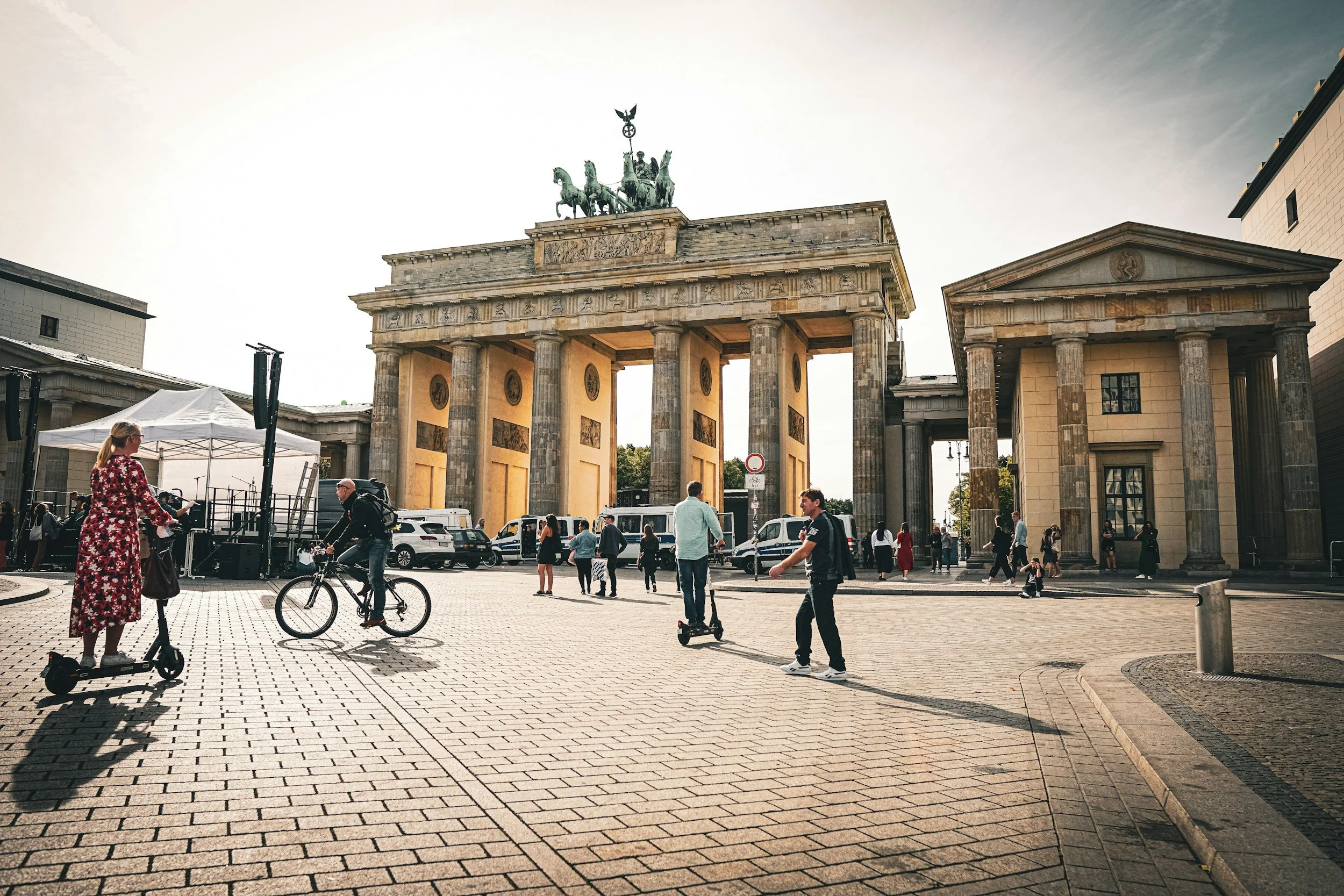
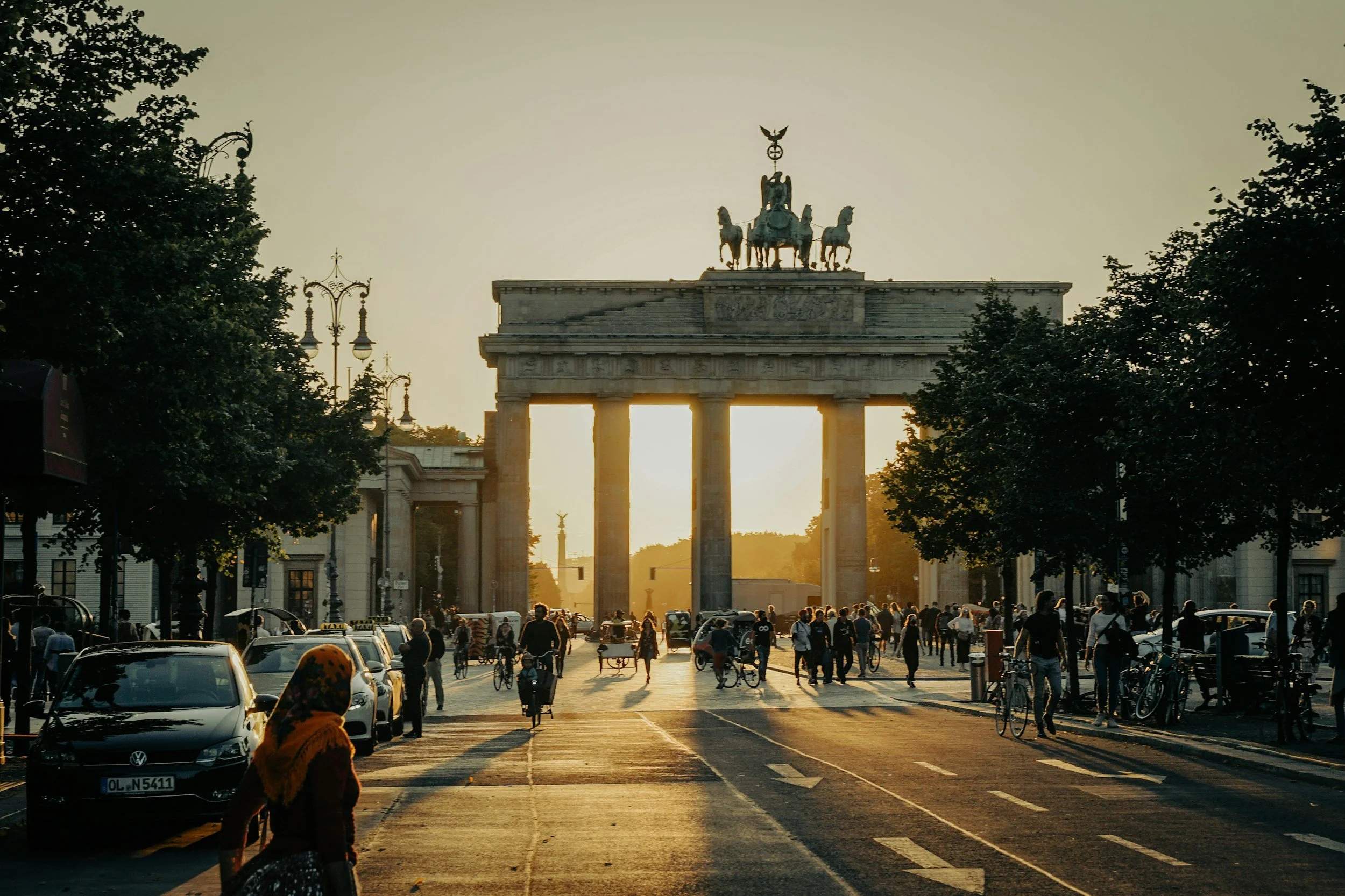
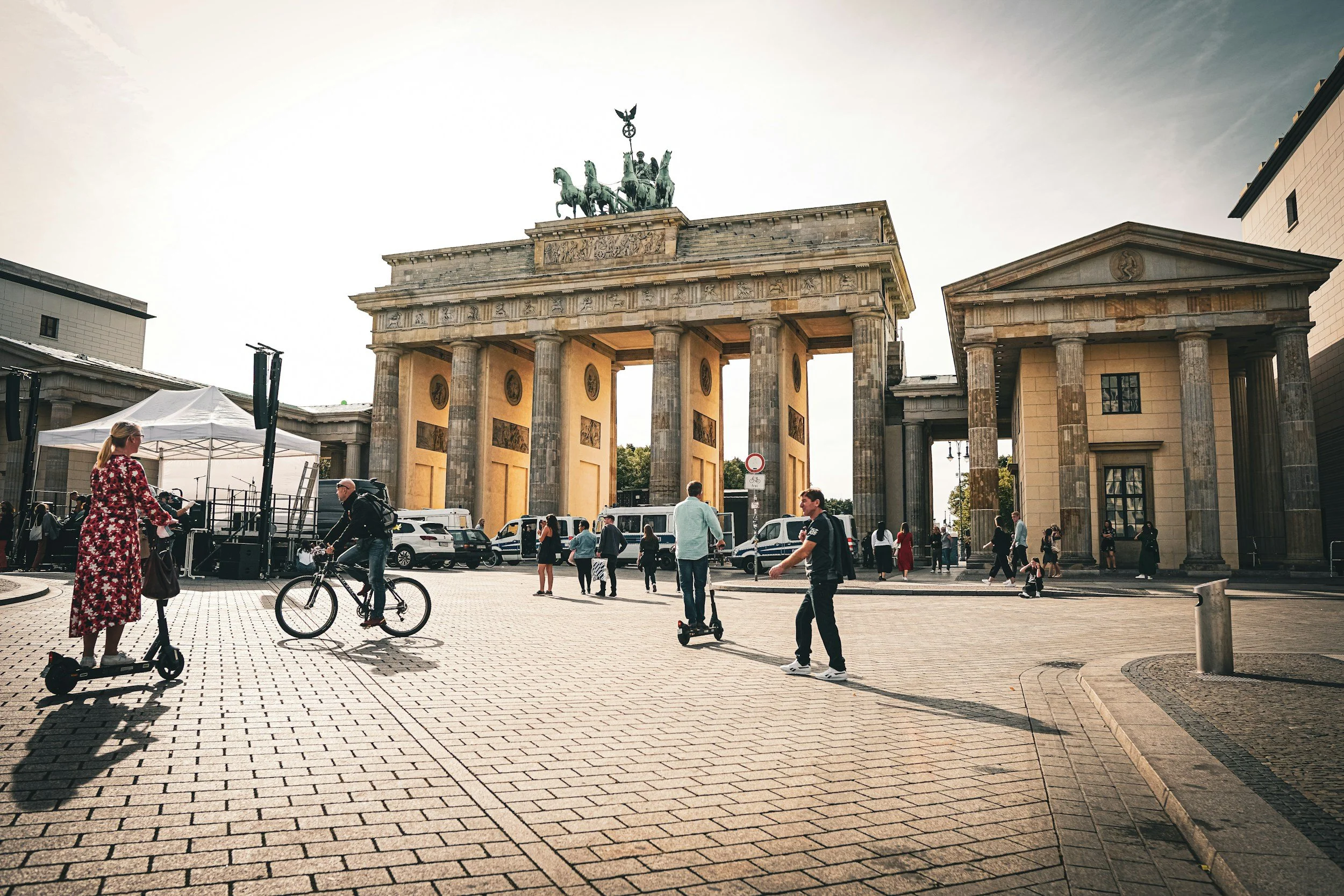
From here, walk to Brandenburg Gate.
The gate has played several different roles over its life, from a monument of Prussian Berlin to a symbol caught beside the division between East and West, and eventually one associated with German reunification. Its location makes more sense when you see it in relation to the Reichstag, Tiergarten and Unter den Linden rather than encountering it as an isolated photo stop.
A few minutes south is the Memorial to the Murdered Jews of Europe.
This is Germany's central memorial to the Jewish victims of the Holocaust. Peter Eisenman's Field of Stelae is accessible around the clock, while the underground Information Centre adds historical and personal context to the memorial above. Entry to the memorial and Information Centre is free.
Give it the time and attention the subject deserves rather than treating it as another stop on the route.
From here, continue east towards Unter den Linden.
This long avenue leads towards Museum Island and gives you an increasingly clear sense of Berlin's historical centre. You'll pass Bebelplatz, Humboldt University and major state buildings along the way.
Don't feel obliged to enter everything. The walk itself is doing useful work.
Lunch: Father Carpenter
By lunchtime, continue towards Father Carpenter at Münzstraße 21.
Set inside a courtyard in Mitte, it's a good reset after a history-heavy morning: strong coffee, breakfast and lunch dishes, and enough distance from the major monuments to feel like you've stepped back into everyday Berlin.
Its kitchen currently runs into the afternoon, with the café open seven days a week.
If you want more substantial restaurant options, this is also a natural point to dip into our guide to where to eat in Berlin rather than building the entire day around sightseeing cafés.
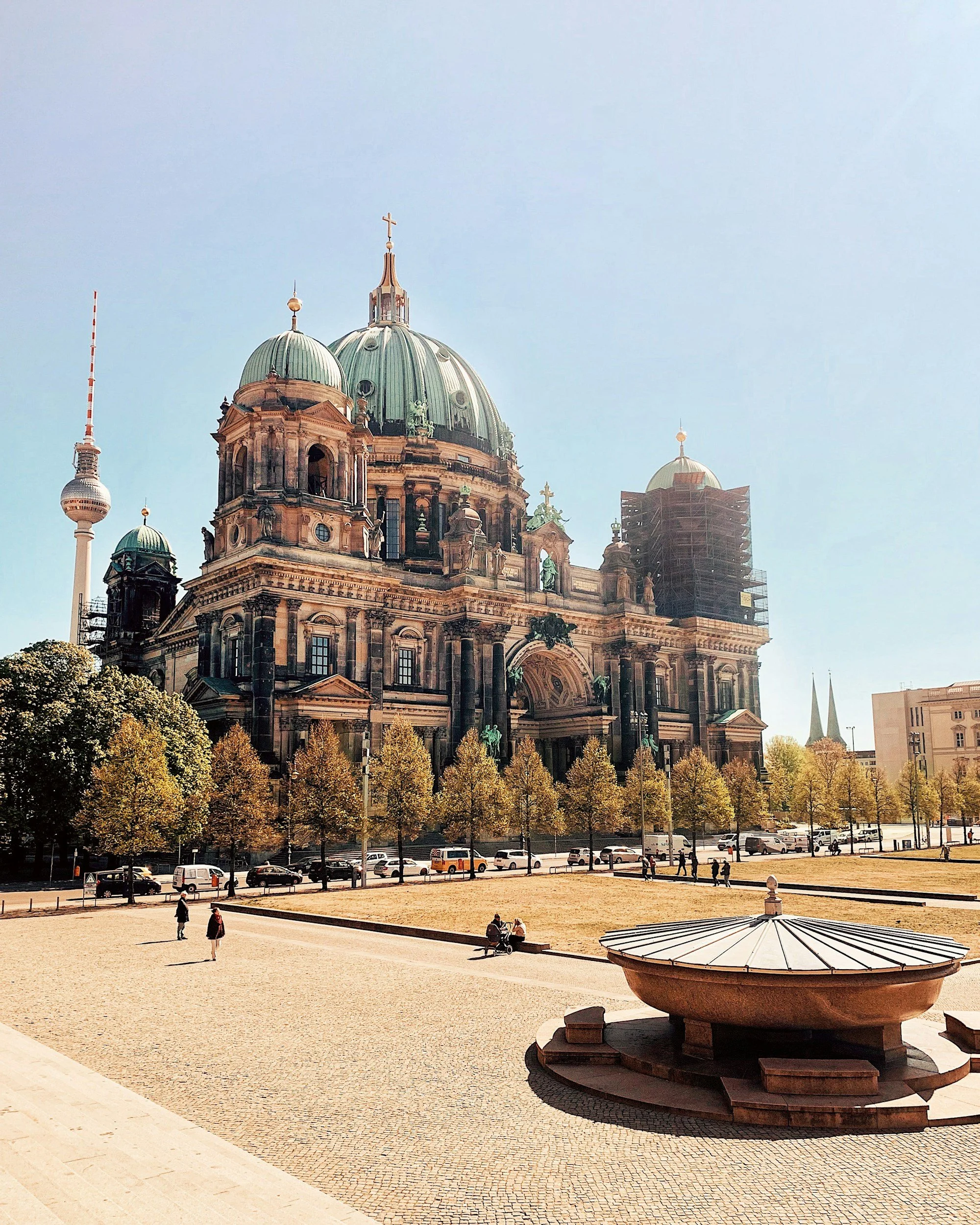
Afternoon: Choose One Museum on Museum Island
After lunch, walk back towards Museum Island.
The UNESCO-listed ensemble brings together five major museums built under Prussian rulers, but a three-day Berlin itinerary is not improved by trying to visit all of them.
Choose one.
For a first visit in 2026, the Neues Museum is the strongest all-round option. Give it around 90 minutes to two hours and actually look at the collection rather than speed-walking between its most famous objects.
The museum currently opens Tuesday to Sunday from 10am to 6pm and recommends buying tickets online ahead of time to reduce queuing.
One important planning note: the Pergamonmuseum is completely closed for renovation until 4 June 2027, when the first major section is scheduled to reopen. Don't build your 2026 Berlin plans around visiting it.
If museums aren't your priority, substitute the Humboldt Forum and spend more time walking along the Spree instead. Its current schedule is Wednesday to Monday, with Tuesday closed.
Evening: Let Mitte Become a Neighbourhood Again
By evening, move north into the streets around Auguststraße and Oranienburger Straße.
This is a useful transition. The grand state architecture disappears and Mitte starts functioning more like a neighbourhood again, with galleries, restaurants, courtyards and bars.
For dinner, Clärchens Ballhaus gives you somewhere with a genuine sense of Berlin history rather than another polished international restaurant you could find in half a dozen capitals.
The dance hall has been part of Berlin since the early twentieth century, and its current restaurant, Luna D'Oro, serves German cooking from 5pm daily. The renovated ground-floor restaurant and surviving mirrored ballroom upstairs preserve some of the building's unusual character.
Book dinner if you know you want to go. After that, stop planning.
Day 1 has done enough.
Day 2: Neighbourhood Berlin, Food and Contemporary Culture
Day 1 explains Berlin through institutions and history. Day 2 explains it through neighbourhoods.
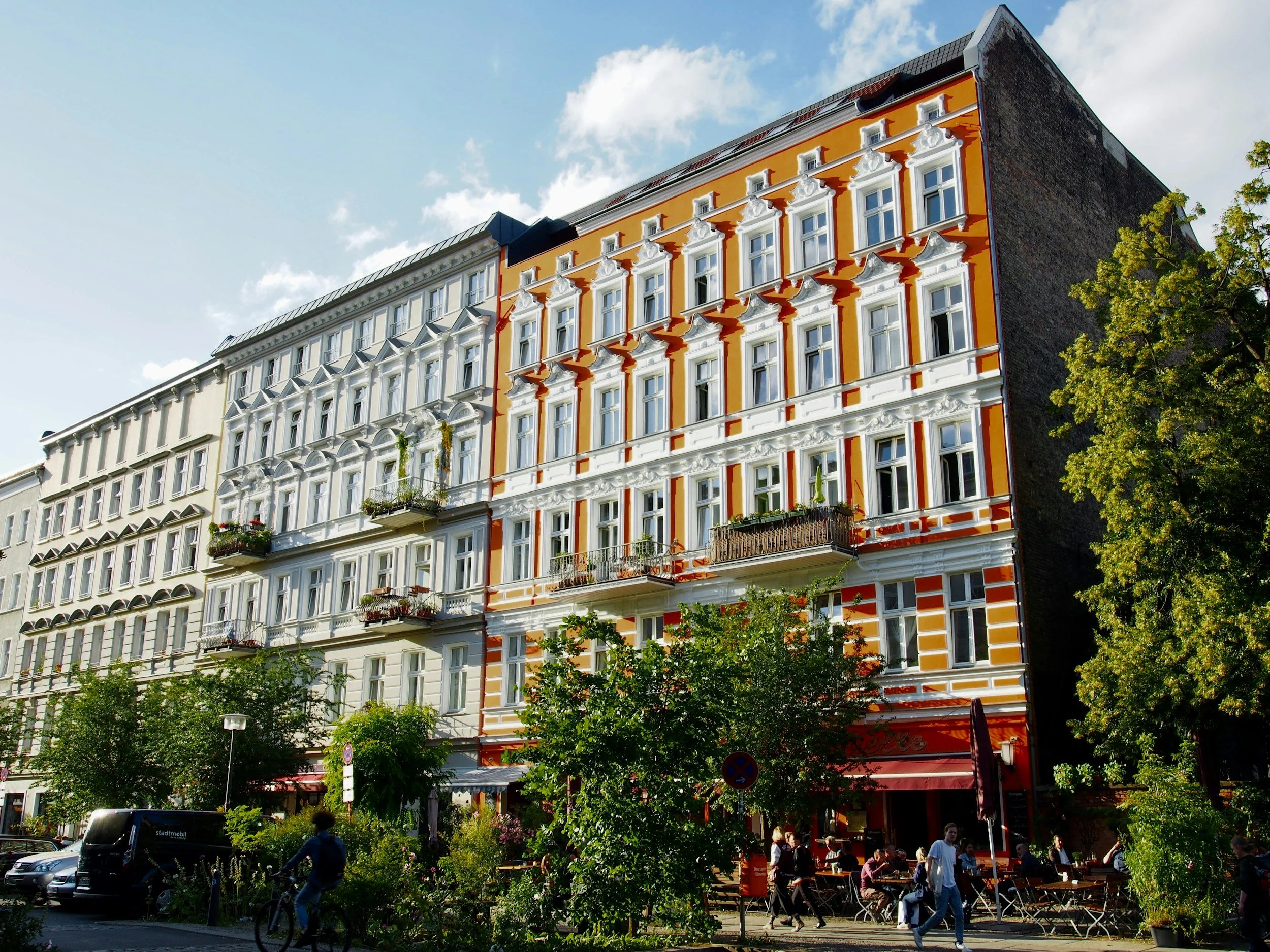
Kreuzberg and Friedrichshain were profoundly shaped by the Berlin Wall, immigration, political activism, alternative culture and later waves of redevelopment. The point today isn't to hunt for some frozen version of "old alternative Berlin". It's to notice how all those layers coexist.
Morning: Walk Kreuzberg 36
Start around Kottbusser Tor.
This part of Kreuzberg, historically associated with the old postal code SO36, remains one of Berlin's most culturally mixed urban areas. Turkish Berliners, students, activists, nightlife and long-established businesses have all contributed to the neighbourhood's identity.
Walk along Oranienstraße rather than following a list of attractions.
This is the morning to look at shopfronts, record stores, bakeries, bars, cafés and courtyards. The area became strongly associated with artists, political activism and alternative culture during the second half of the twentieth century, and that history still sits underneath a neighbourhood that has changed considerably since reunification.
Give yourself time for coffee. Take a detour when something looks interesting.
That is not time lost from the itinerary. It is the itinerary.
Lunch: Markthalle Neun
Continue towards Markthalle Neun on Eisenbahnstraße.
The nineteenth-century market hall has become one of Kreuzberg's best-known food spaces, combining produce, bakeries, food businesses and events under one roof. Its current programme includes smaller weekday markets, larger Friday and Saturday markets, and Street Food Thursday in the evening. Sunday is normally closed.
It's particularly good on Friday or Saturday when the larger market is running, but there's food available through much of the week.
Don't turn lunch into another research project. Walk around, see what's actually being served that day, and choose.
For a much deeper shortlist of restaurants, cafés, markets and bars across the city, continue with Where to Eat in Berlin: The Best Food Neighbourhoods, Restaurants and Markets.
Afternoon: Cross the Spree and Walk the East Side Gallery
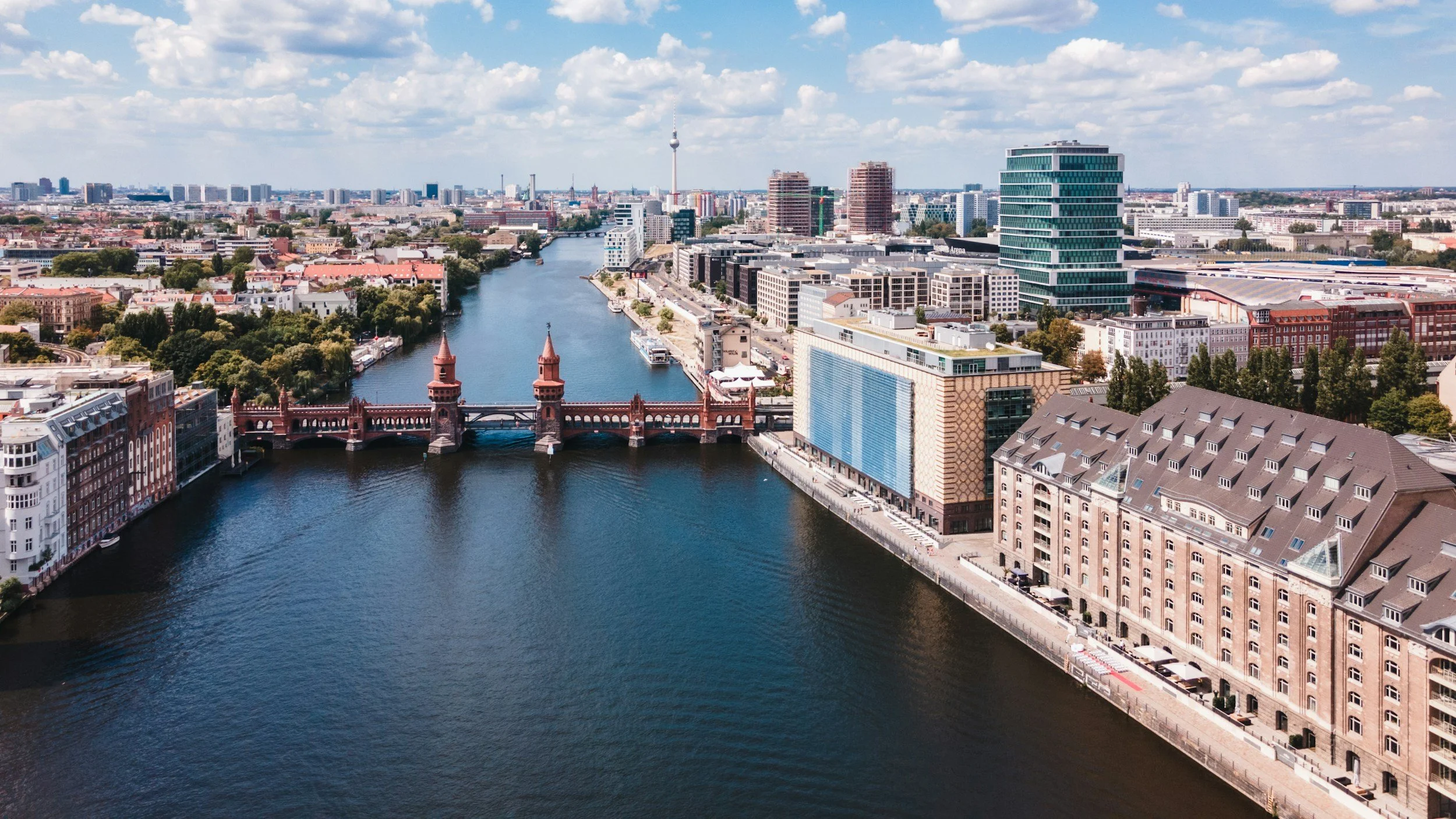
From Markthalle Neun, continue east towards Oberbaum Bridge.
Crossing the bridge from Kreuzberg into Friedrichshain is one of the more useful transitions in the itinerary. The bridge physically connects two districts that sat on opposite sides of the former divide, and from here you're a few minutes from the East Side Gallery.
The gallery occupies a 1.3-kilometre surviving stretch of the Berlin Wall along the Spree. In 1990, artists from around the world painted works across the former barrier, turning a structure built for division into an open-air artwork associated with the political change surrounding the Wall's fall.
Walk the length of it rather than stopping only at the most photographed murals.
It takes around 30 to 60 minutes depending on how slowly you go.
More importantly, remember what you're looking at. The East Side Gallery is both artwork and surviving border infrastructure. That context makes it considerably more interesting than approaching it as a graffiti wall.
Evening: Stay in Friedrichshain
Don't cross the city again for dinner.
Move deeper into Friedrichshain towards Boxhagener Platz and the streets around it.
For something casual and plant-based, 1990 Vegan Living serves Vietnamese-inspired vegan dishes on Krossener Straße and is currently open daily into the evening.
For a more polished dinner closer to Warschauer Straße, Michelberger Restaurant is another strong option and keeps you near the day's route.
After dinner, the evening is yours.
Berlin nightlife makes little sense if an itinerary tells you exactly where you need to be every forty-five minutes. Pick a bar, see some music, go out properly, or go back to the hotel. Three days in Berlin doesn't require proving anything to a nightclub door policy.
Day 3: Culture, Creative Berlin and a Slower Final Day
For the final day, head west.
Charlottenburg gives the itinerary contrast. This was the centre of West Berlin for decades, and its grand avenues, palace architecture, photography institutions and long-established restaurants feel noticeably different from Kreuzberg or Mitte.
It's a useful reminder that contemporary Berlin was shaped by more than one centre.
Morning: Charlottenburg Palace Without Giving It the Whole Day
Start at Charlottenburg Palace.
The palace began as a royal summer residence and remains the largest surviving palace complex in Berlin. Its Baroque and Rococo rooms provide a useful counterpoint to the twentieth-century Berlin that dominates much of this itinerary.
You have two good options.
If royal interiors and decorative arts interest you, spend around 90 minutes inside the Old Palace.
If they don't, don't visit out of obligation. Walk through the palace gardens instead, which are free and open daily from 8am until dark.
The grounds give you the architecture and setting without turning the morning into another museum session.
Lunch: Follow Kantstraße Back Towards the City
From the palace area, start moving east towards Kantstraße and Savignyplatz.
This is one of Berlin's strongest streets for Asian food, with a concentration of Chinese, Taiwanese, Japanese and other East Asian restaurants that has become an important part of Charlottenburg's food identity.
For something informal, Lon Men's Noodle House on Kantstraße is a straightforward option for Taiwanese-style noodles and small dishes. Its own current listing places it at Kantstraße 33.
The point isn't that you need this exact restaurant. It's that Kantstraße deserves to be treated as part of the neighbourhood rather than somewhere to pass through between attractions.
Afternoon: C/O Berlin and City West
Continue towards Zoologischer Garten and C/O Berlin.
Based in Amerika Haus, C/O focuses on photography and visual media and is a particularly good final-day museum because exhibitions are manageable rather than requiring half a day of commitment.
It's currently open daily from 11am to 8pm.
Check the exhibition programme before your trip and decide whether it interests you. In 2026, C/O continues to run rotating photography and visual-culture exhibitions rather than a static permanent collection.
If the programme doesn't appeal, skip it.
Walk instead.
Explore the streets around Savignyplatz, Kurfürstendamm and the quieter blocks of Charlottenburg. This is the part of the itinerary where you should actively resist finding another headline attraction to fill the space.
Berlin benefits from a final afternoon where you're no longer trying to conquer it.
Evening: Finish Around Kantstraße and Savignyplatz
Stay west for dinner.
For a traditional Berlin pub-restaurant, Dicke Wirtin near Savignyplatz serves old-Berlin cooking in a setting that has long been associated with local artists, actors and students.
For something much more contemporary, 893 Ryōtei on Kantstraße serves modern Japanese cooking behind its deliberately unpolished exterior. It's open Tuesday to Saturday evenings and takes reservations.
Choose according to the trip you've had.
Traditional Berlin if you want one final piece of the city's older identity. Modern Berlin if you'd rather finish somewhere that reflects how international the city's food scene has become.
Either works better than spending your final evening commuting to another landmark.
Optional Swaps for Your Berlin Itinerary
If You're More Interested in History
Swap C/O Berlin on Day 3 for the Berlin Wall Memorial at Bernauer Straße.
It gives much more depth on the mechanics of Berlin's division than the East Side Gallery alone and normally deserves 90 minutes to two hours.
If You Want More Art and Design
Keep C/O Berlin and replace Charlottenburg Palace with the Neue Nationalgalerie.
That creates a more modern-art-focused day and reduces the amount of royal history. The Neue Nationalgalerie is currently open Tuesday to Sunday, with extended hours on Thursday.
If Food Is the Priority
Shorten Museum Island on Day 1 and Charlottenburg Palace on Day 3.
Use the time for longer lunches, Kantstraße, Kreuzberg and one dinner you actually care enough about to reserve.
Our full Berlin food and drink guide is the better place to build that version of the trip.
If You Want More Nightlife
Keep Day 2 deliberately lighter after the East Side Gallery.
Don't add another afternoon museum before a serious Berlin night out. A late night followed by an 8am palace reservation is technically possible but not evidence of good planning.
If You Prefer a Slower Trip
Replace one museum entirely with Tempelhofer Feld.
The former airport site has been public open space since 2010 and now covers more than 300 hectares used for walking, cycling, skating, picnics and recreation.
It gives you something this itinerary otherwise lacks: enormous amounts of absolutely nothing to accomplish.
What You Don't Need to Fit Into Your First 3 Days
Some Berlin sights are worth visiting. That doesn't mean they all belong in your first 72 hours.
Checkpoint Charlie can wait. Its historical significance is real, but other sites provide much stronger interpretation of Berlin's division.
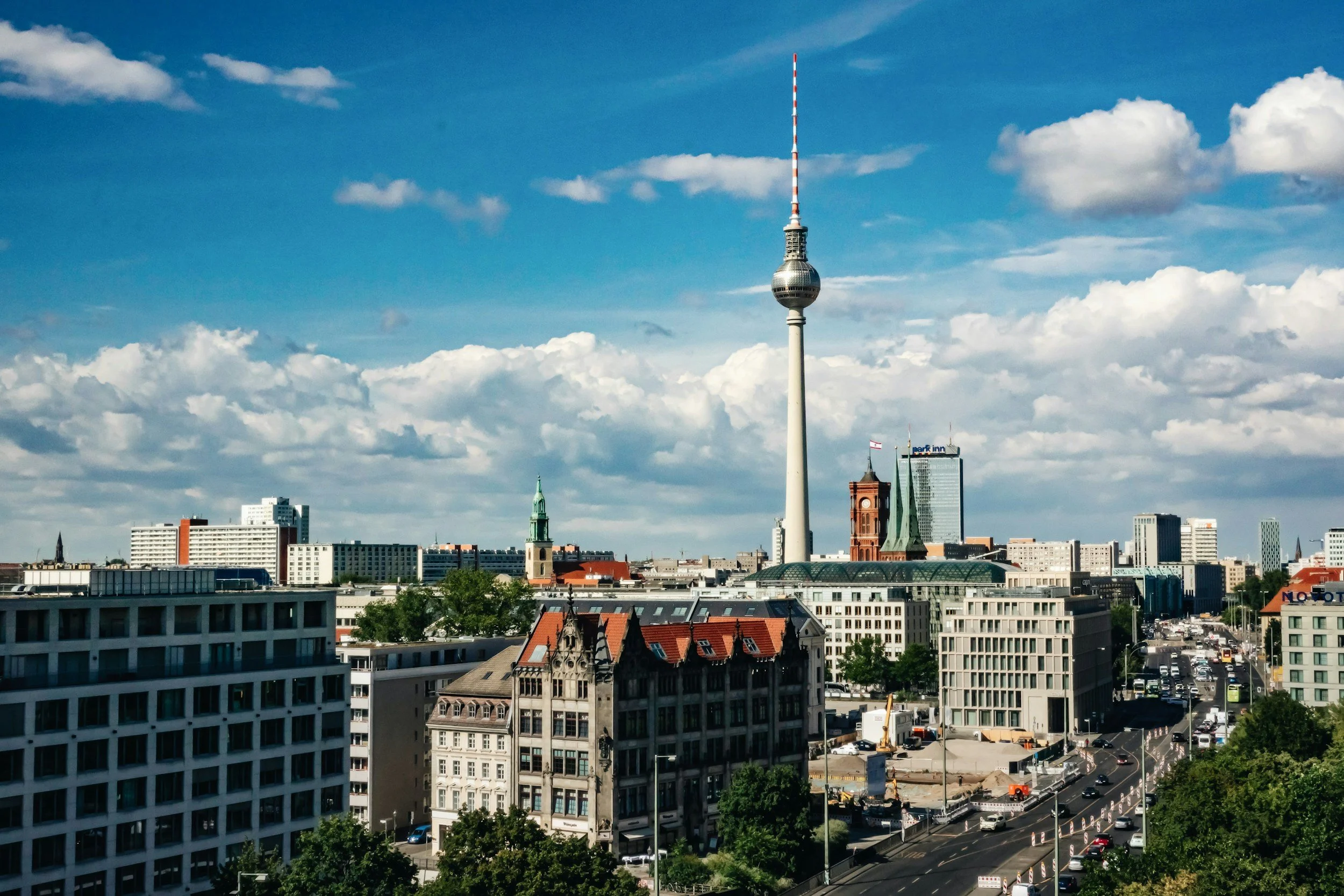
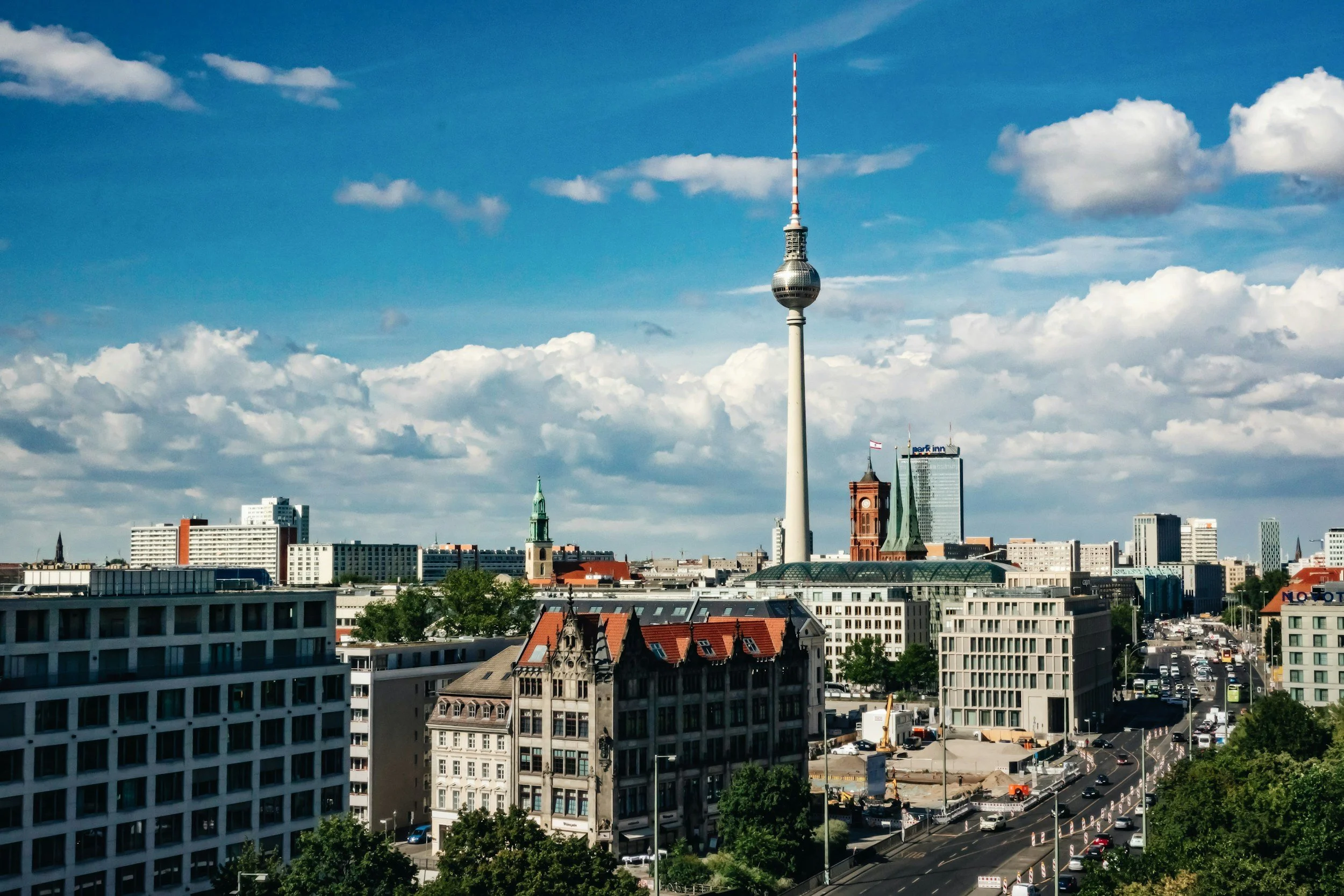
Alexanderplatz doesn't need a dedicated block of time. You'll probably pass through it naturally. Unless you're specifically visiting the TV Tower, there's little reason to build half a day around the square itself.
Charlottenburg Palace interiors are optional. If palaces aren't your thing, the gardens and neighbourhood give you plenty of value.
You don't need several museums on Museum Island. Choose one properly.
Tempelhofer Feld deserves time rather than a rushed detour. Add it only if you're willing to remove something else.
This is the broader rule: when you add something to a three-day itinerary, decide what you're taking out.
Berlin is very good at supplying more options. It is less helpful about giving you more days.
What to Book Before You Arrive
Book well ahead
Reichstag dome: advance registration is required.
Special-occasion restaurants: particularly somewhere like 893 Ryōtei, where booking ahead makes sense.
Worth reserving
Neues Museum: online tickets are recommended and can be purchased ahead of your visit.
Clärchens Ballhaus: reserve if dinner there is important to you rather than relying on a walk-in.
Usually fine to decide later
Neighbourhood walks, the Brandenburg Gate, East Side Gallery and most of the outdoor parts of this itinerary don't need a scheduled slot.
Keep some flexibility.
That's rather the point.
Practical Tips for Spending 72 Hours in Berlin
Use public transport for the long jumps. BVG's system connects the U-Bahn, S-Bahn, buses and trams, and a 24-hour ticket provides unlimited journeys during its validity period.
Still expect to walk. Most of the value in areas such as Kreuzberg, Mitte and Charlottenburg comes from moving between the individual stops on foot.
Check museum days before arranging the itinerary. The Neues Museum and many other state museums currently close on Monday; Charlottenburg Palace does too.
Plan around Sunday if you're interested in shopping. Most Berlin shops remain closed on Sundays outside designated shopping Sundays, although some supermarkets and shops in transport hubs are exceptions.
Don't over-plan nightlife. Restaurants deserve reservations. Bars generally need less choreography.
Carry some flexibility with your payment options. Card acceptance has improved considerably, but keeping a small amount of cash is still sensible when exploring independent venues and markets.
And most importantly:
Don't add a sight simply because you finish something early.
Have a coffee. Walk. Sit beside the Spree. Stay somewhere longer.
Berlin can cope.
“Three days is enough to understand Berlin’s basic shape: the political and historical centre, the neighbourhood culture of Kreuzberg and Friedrichshain, the physical legacy of division, and the very different character of the western city around Charlottenburg.
It isn’t enough to see everything, and that’s precisely why the trip improves when you stop trying.
A good first visit should leave a few museums untouched, several neighbourhoods unexplored and at least one restaurant still sitting in your saved list.
You’ll have seen enough to understand Berlin. More importantly, you’ll have left enough of it to come back for.”