Athens and Istanbul are natural cities to compare, but not because they offer the same trip. Both are built around civilisations that shaped far more than their present-day borders. Both reward travellers who care about food, street life, architecture and the stories behind what they’re seeing. Beyond that, the experience begins to separate quite quickly.
Athens is the easier city to understand. Its essential ancient sites and most useful central neighbourhoods can be connected on foot over two or three days. Istanbul is larger, more visually dramatic and more culturally layered, with the Bosphorus, imperial mosques, palaces, bazaars and neighbourhoods spread across two continents.
Choosing Athens or Istanbul therefore comes down to a useful distinction: do you want the more manageable city break, or the more expansive destination? This guide compares history, food, neighbourhoods, value, nightlife, seasons and practical ease before reaching a clear verdict.
THE GREECE EDIT












Athens or Istanbul: The Quick Answer
Choose Athens if: you want a compact two-to-three-day break built around classical history, walkable neighbourhoods, Greek food and a comparatively relaxed pace.
Choose Istanbul if: you want a bigger, more immersive trip with Byzantine and Ottoman history, monumental architecture, ferry journeys, bazaars and greater food and neighbourhood variety.
Best for a first-time three-day city break: Athens
Best for history: Istanbul
Best for major sights: Istanbul
Best for food: Istanbul
Best for neighbourhood variety: Istanbul
Best for beauty and atmosphere: Istanbul
Best for ease: Athens
Best for a weekend: Athens
Best for nightlife on a short trip: Athens
Best value for a sightseeing-led weekend: Athens
Stronger overall destination: Istanbul
Better short city break: Athens
The simplest verdict is this: Istanbul is the more extraordinary city, but Athens is the easier city break.
Athens and Istanbul at a Glance
What an Athens City Break Feels Like
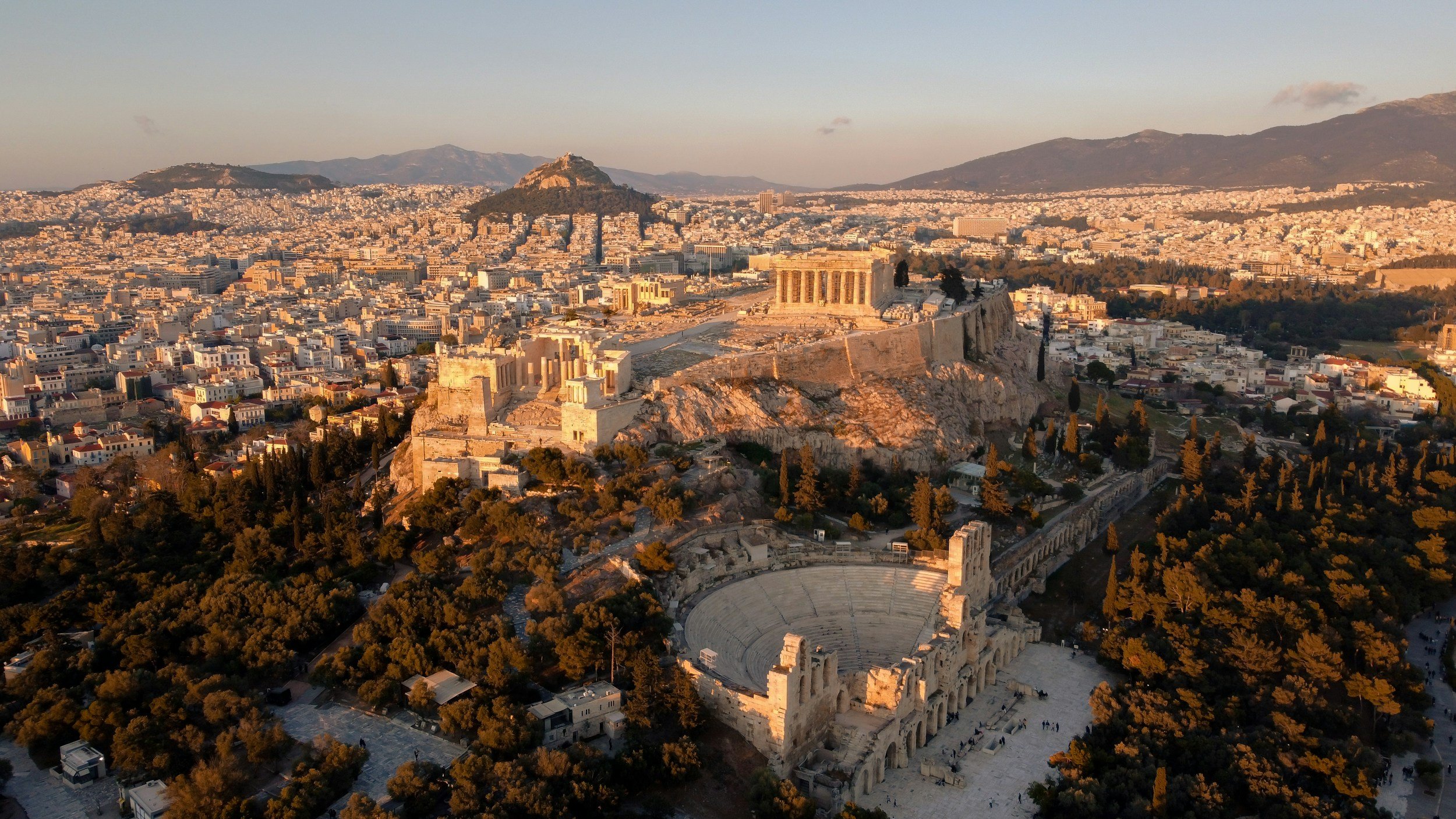
Athens is built around a clear central anchor. The Acropolis rises above the city, while Plaka, Koukaki, Monastiraki, Psyrri and Syntagma sit within a relatively compact sightseeing area. The centre can feel disordered at street level, but it becomes easier to understand once you realise that most first-time routes orbit the Acropolis and the historic core.
A good Athens trip usually contains a few major archaeological sites, one or two museums, long meals and enough neighbourhood time to see how contemporary life has grown around the ruins. The city is particularly well suited to travellers who want history without spending half the trip moving between districts.
Athens works best when you don’t over-plan it. The official city guide presents neighbourhoods such as Koukaki, Plaka, Monastiraki and Pangrati as distinct parts of the visitor experience, rather than treating the city only as a route between archaeological sites.
What an Istanbul City Break Feels Like
Istanbul is not organised around one central landmark or one easily contained old town. Sultanahmet holds many of the headline sights, but Galata, Karaköy, Beyoğlu, Beşiktaş, Kadıköy and the Bosphorus are equally important to understanding the city.
The water is part of the experience rather than simply a backdrop. Ferries connect districts across the Bosphorus and Golden Horn, turning an ordinary journey into one of the city’s most memorable moments. Istanbul’s official ferry network includes frequent inner-city routes between Kadıköy, Karaköy, Eminönü, Beşiktaş and Üsküdar.
The result is a city break that feels larger, busier and more demanding. Istanbul gives you more range, but it expects more decisions in return.
Which City Is Better for a First-Time City Break?
Athens
Athens is easier to convert into a realistic itinerary. The Acropolis, Acropolis Museum, Ancient Agora, Plaka, Monastiraki and Psyrri can be combined without repeatedly using public transport. A first-time visitor can experience the essential city in two full days and add more contemporary neighbourhoods or museums on a third.
The city’s major archaeological attraction currently uses mandatory timed entry, helping visitors anchor the rest of the day around one confirmed slot.
Istanbul
Istanbul offers a stronger initial sense of scale and spectacle, but it requires more filtering. Sultanahmet alone can occupy a full day once Hagia Sophia, the Blue Mosque, Topkapı Palace and the surrounding historic area are considered. A second day may cover the bazaars, Galata and Karaköy, while the Asian side or upper Bosphorus can easily absorb a third.
That leaves a first-time visitor with a recurring problem: every additional district appears to deserve half a day.
The Difference
Athens gives you a clearer route and a stronger chance of feeling that you’ve completed a coherent first visit. Istanbul gives you more, but two or three days can feel like an introduction rather than a finished city break.
Winner: Athens
Choose Istanbul instead if: you’re comfortable with a more intensive trip and would rather see part of an exceptional city than most of a more manageable one.

Which City Is Better for History?
Athens
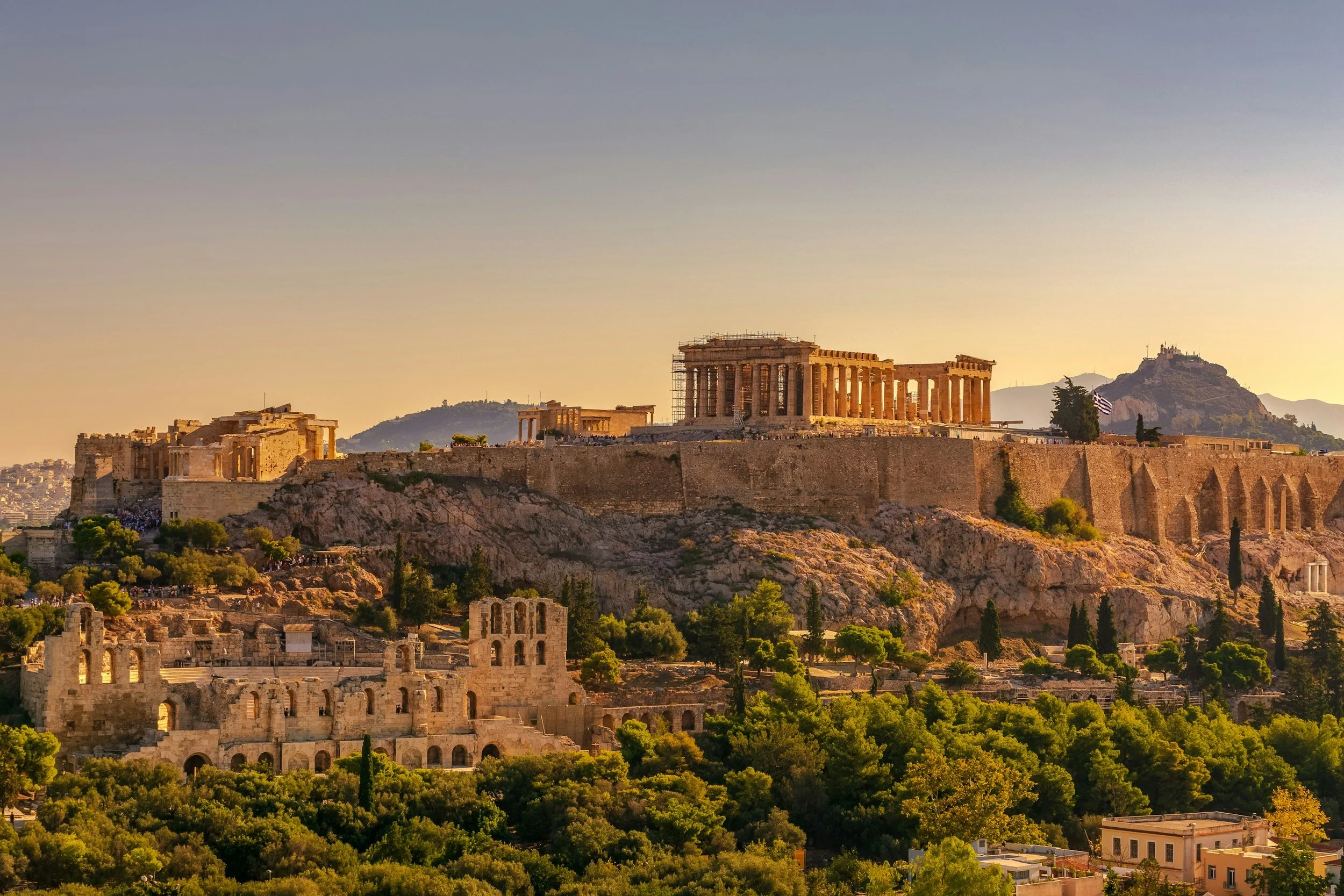
Athens offers one of the clearest concentrations of classical history anywhere. The Acropolis and Parthenon dominate the experience, while the Ancient Agora shows how civic and commercial life unfolded below the sacred hill. The Acropolis Museum then connects the surviving monuments with the sculpture, religious practice and architecture that shaped them.
The strength of Athens is focus. Classical civilisation becomes physically understandable because the main sites sit within sight or walking distance of one another.
The limitation is that first-time itineraries often become heavily concentrated on antiquity. Byzantine, Ottoman and modern Greek history are present, but the city’s tourism narrative does not give them equal weight.
The Acropolis currently costs €30 at full admission, and timed entry is required. Greece’s official ticketing system also lists a five-day unified archaeological product covering several central sites, although availability and conditions should be confirmed when booking.
Istanbul
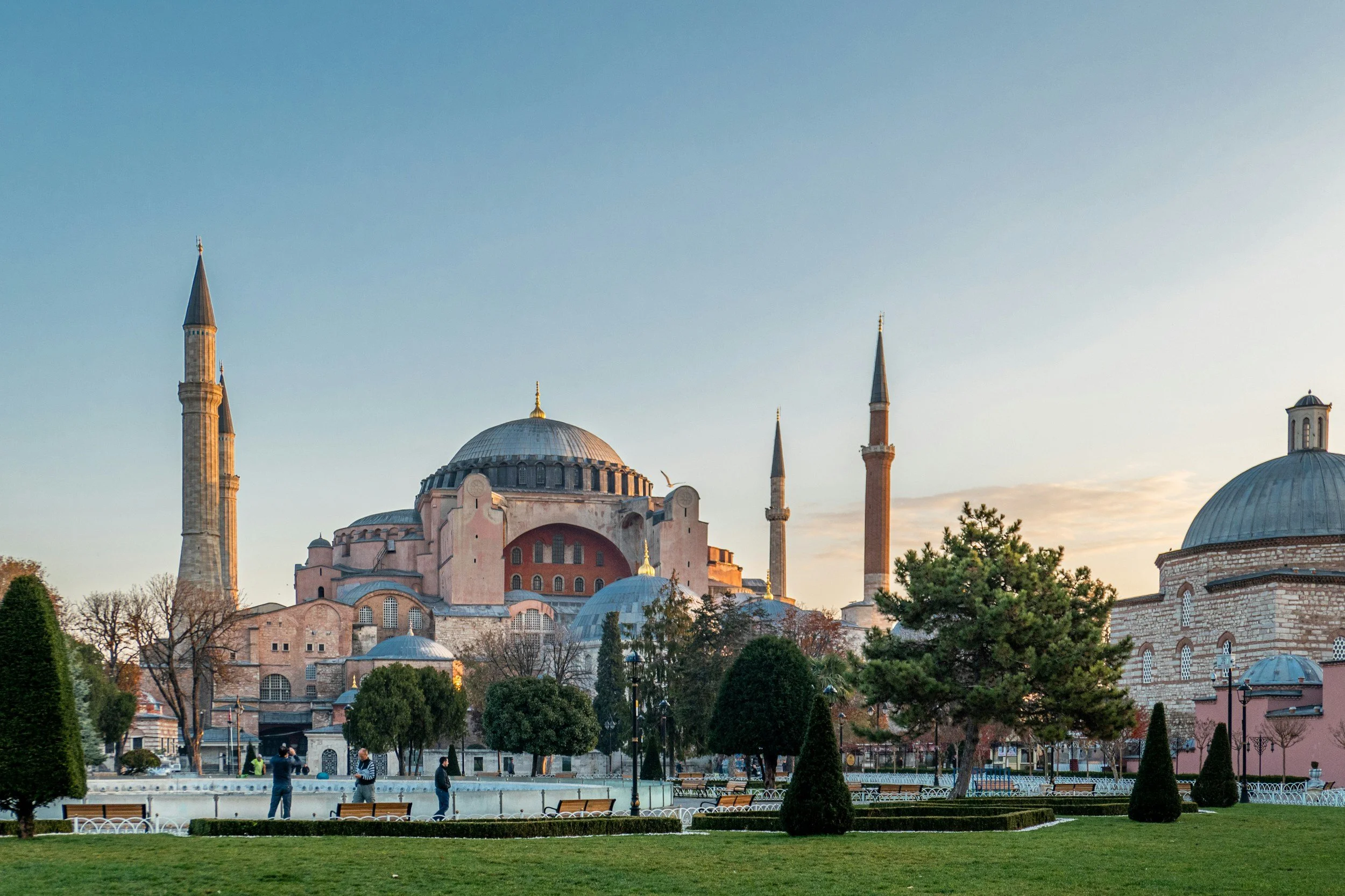
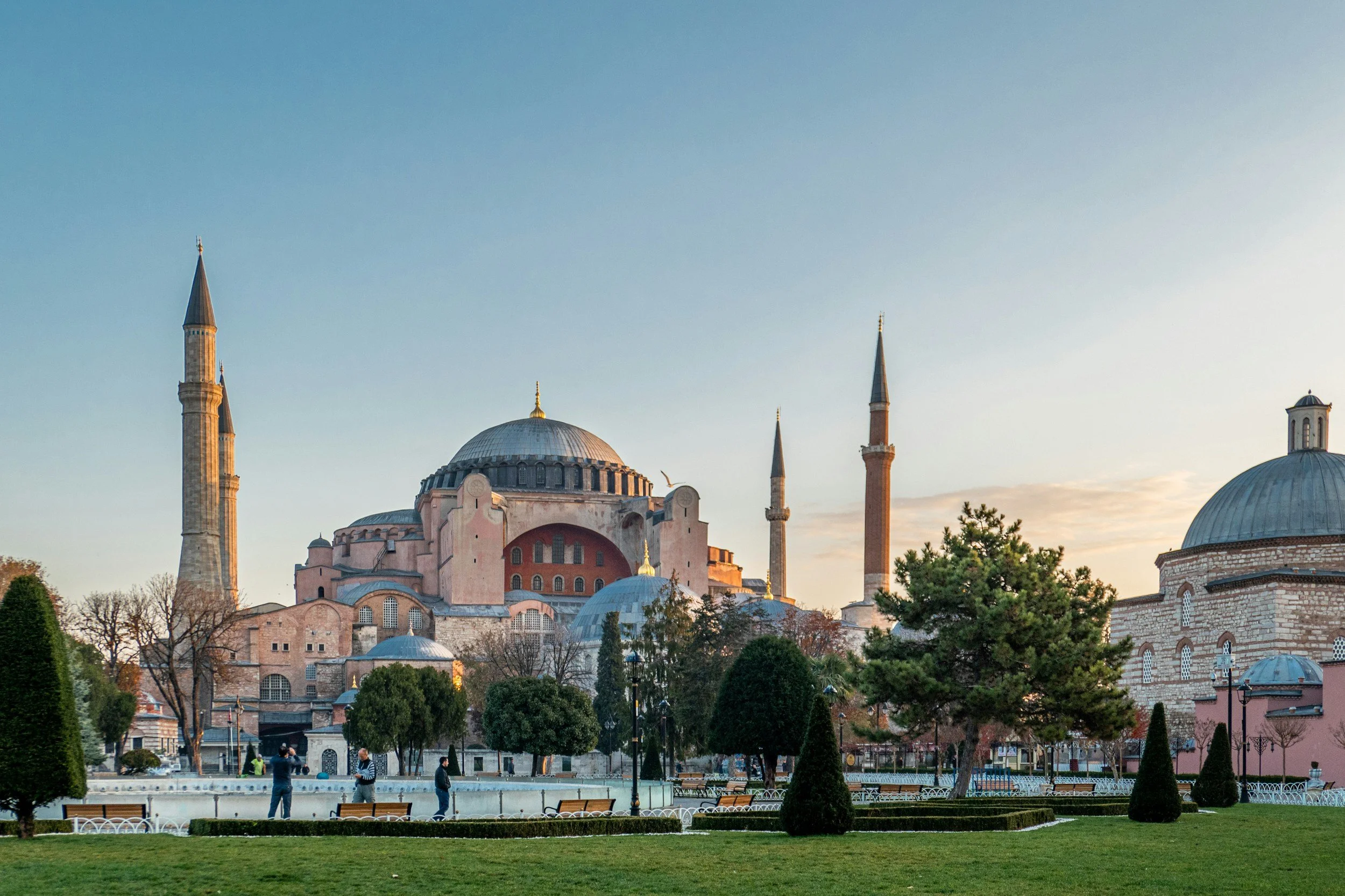
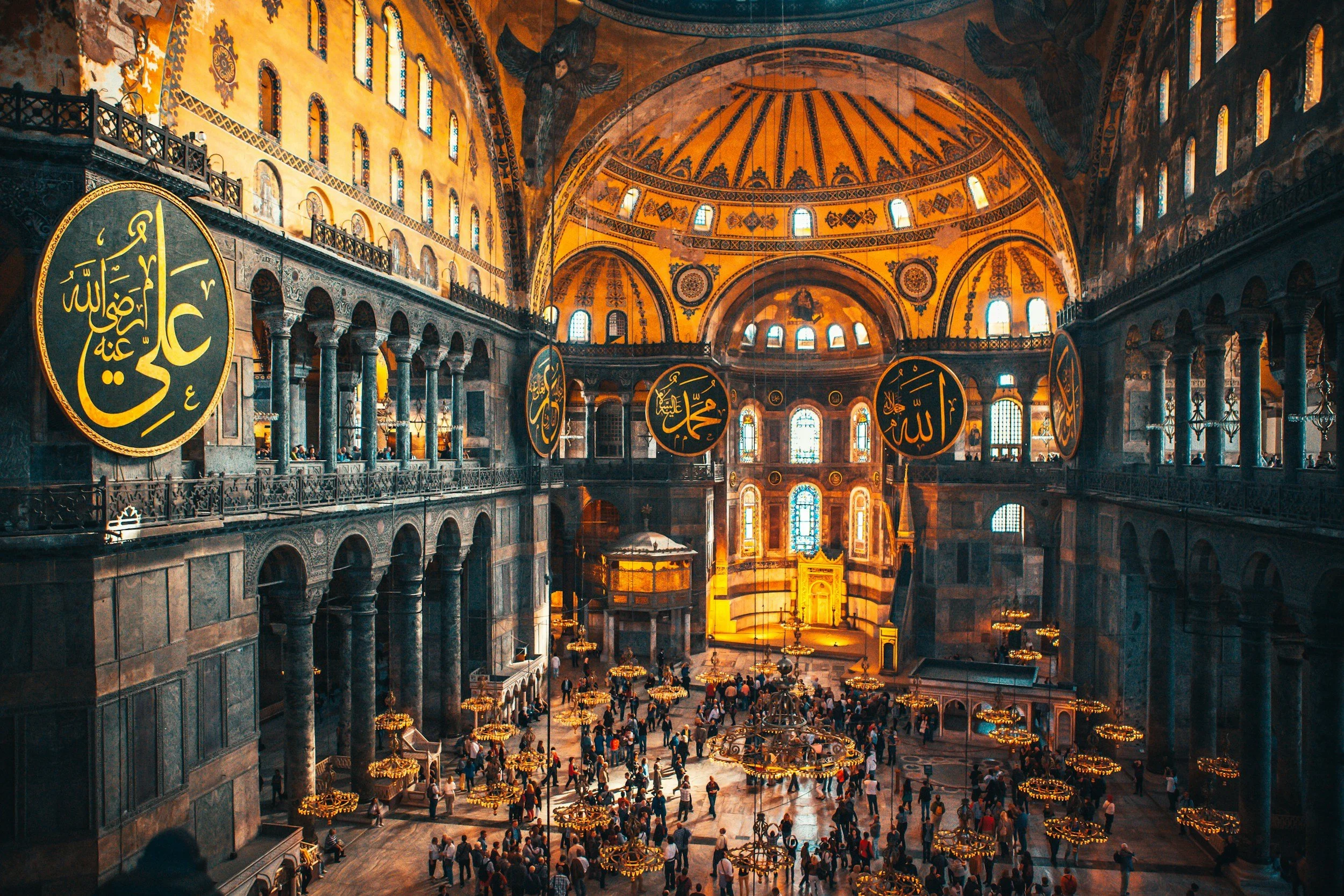
Istanbul’s historical appeal is broader. Hagia Sophia embodies the city’s Byzantine and Ottoman transformations. Topkapı Palace explains the ceremonial and political world of the Ottoman court. The Blue Mosque, Süleymaniye Mosque, city walls, cisterns, churches and bazaars reveal several eras operating within the same urban landscape.
The city was not simply the centre of one civilisation. It served as the capital of the Roman, Byzantine and Ottoman empires, and those layers remain visible across religious buildings, palaces, public infrastructure and entire neighbourhoods.
This range comes with practical friction. The sites are larger, queues can be longer and current foreign-visitor admission costs are substantial. Topkapı Palace’s official combined foreign-visitor ticket, covering the palace, Harem and Hagia Irene, is currently listed at 2,750 TL.
The Difference
Athens presents one civilisation with exceptional clarity. Istanbul presents several civilisations through a more complex, overlapping city.
Winner: Istanbul
Choose Athens instead if: classical Greek history is your main interest or you want the historical narrative to feel concentrated and easy to follow.
Which City Has the Better Major Sights?
Athens
The Acropolis remains the city’s defining experience and still earns the attention it receives. The Parthenon’s position above the modern city gives it a visual power that isolated archaeological sites often lack.
The Acropolis Museum and Ancient Agora are the strongest supporting attractions. Beyond those, the quality remains high, but the experience begins to feel more specialised. The Panathenaic Stadium and major viewpoints provide variety, although they don’t match the Acropolis for scale.
Athens’ main advantage is that its headline sights fit together geographically. You can see the Acropolis, museum and historic centre without losing large portions of the day to transport.
Istanbul
Hagia Sophia, the Blue Mosque and Topkapı Palace create one of the strongest concentrations of major architecture in any city. Beyond Sultanahmet, Süleymaniye Mosque provides a quieter imperial complex, while a public ferry introduces the city’s geography more effectively than another observation deck.
The Grand Bazaar and Spice Bazaar add a living commercial layer, although both require judgement. Their architectural and historical value is real, but the most visitor-facing passages can feel transactional rather than revelatory.
Current access also requires more checking. Topkapı closes on Tuesdays, and the official Basilica Cistern website carried a temporary-closure notice at the time of research despite also displaying its normal visitor hours. Confirm the cistern’s live status directly before building an itinerary around it.
The Difference
Athens has the more coherent landmark route. Istanbul has the greater number of genuinely monumental experiences.
Winner: Istanbul
Choose Athens instead if: you want one exceptional headline sight supported by a simpler and less fragmented itinerary.
Which City Is Better for Food?
Athens
Athens makes it easy to eat well without turning every meal into research.
A first trip can move naturally between bakeries, souvlaki shops, traditional tavernas, seafood, modern Greek restaurants and wine bars. Greek menus are generally easy for visitors to understand, sharing works well for groups and couples, and central neighbourhoods such as Koukaki, Psyrri and Pangrati offer strong food without requiring long cross-city journeys.
Athens is particularly good for:
grilled meat and seafood
vegetable-led dishes cooked with olive oil
regional Greek cooking
mezze and shared plates
contemporary Greek restaurants
bakeries and coffee
Greek wine
The city’s wine-bar culture has also become a meaningful part of the evening experience, with official Athens guides highlighting venues focused on independent Greek producers.
For more detail, link here to Where to Eat in Athens: Traditional Tavernas, Modern Restaurants and the Best Food Areas.
Istanbul
Istanbul has the broader food culture.
A short trip can include a full Turkish breakfast, simit and tea, fish beside the water, regional kebabs, pide, lahmacun, meze, baklava, lokum, stuffed mussels and late-night kokoreç. The city also draws from the cooking traditions of Anatolia, the Black Sea, the Aegean, the southeast and communities shaped by Ottoman migration.
Street food is more integrated into everyday movement. Simit sellers, tea, roasted chestnuts and late-night snacks remain visible parts of the city rather than separate food-tour moments.
Istanbul’s disadvantage is inconsistency in its most tourist-heavy areas. Sultanahmet contains many convenient restaurants but not necessarily the city’s most rewarding food. Better meals often require moving towards Karaköy, Beşiktaş, Kadıköy or less visitor-focused streets.
The Difference
Athens is easier. Istanbul is deeper.
Winner: Istanbul
Choose Athens instead if: you value relaxed meals, Greek wine and a city where strong food is easier to integrate into a compact weekend.
Which City Has Better Neighbourhoods?
Athens
Athens’ central neighbourhoods are smaller and easier to combine.
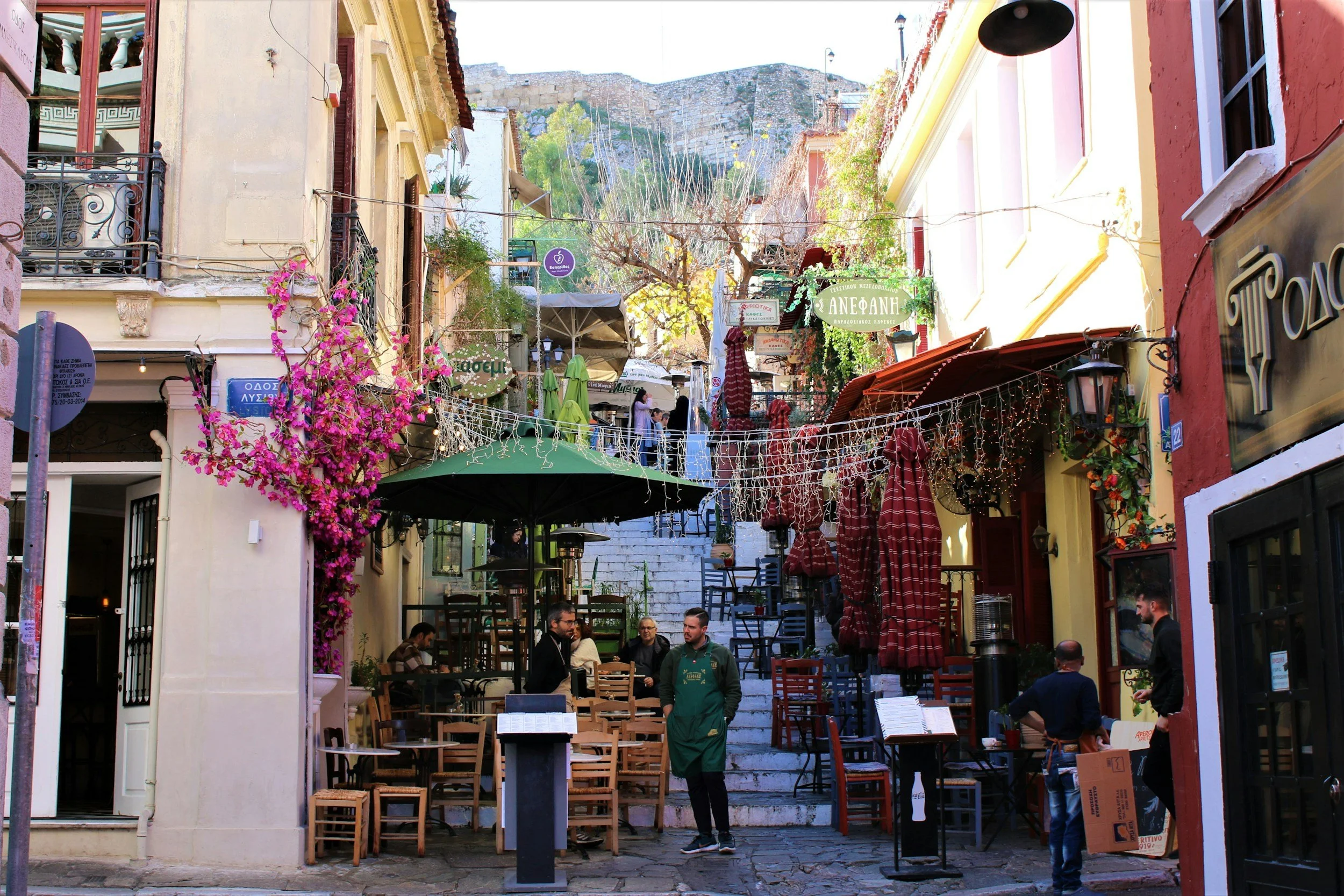
Koukaki works as a practical first-time base with cafés and restaurants close to the Acropolis. Plaka provides the historic atmosphere, although its busiest streets can become heavily commercial. Psyrri combines old workshops, street art, bars and late-night dining, while Pangrati offers a more residential café and cultural scene.
The appeal lies in contrast at a manageable scale. You can move from classical ruins to a wine bar, residential square or independent shop without reorganising the whole day.
The official Athens guide treats areas such as Koukaki, Psyrri and Pangrati as neighbourhood experiences in their own right, with their own food, shopping and street culture.
Link naturally here to the World Locals Athens Neighbourhood Guide.
Istanbul
Istanbul offers considerably more neighbourhood variety.
Sultanahmet is monumental but visitor-heavy. Galata and Karaköy combine steep streets, former commercial buildings, galleries, cafés and nightlife. Beşiktaş feels busier and more everyday. Kadıköy and Moda provide markets, restaurants, bars and creative spaces on the Asian side. Balat and Fener offer visually distinctive streets shaped by different religious and ethnic communities, although their most photographed sections now attract substantial visitor traffic.
The ferry journey between the European and Asian sides also makes neighbourhood exploration feel like part of the destination rather than a logistical interruption.
Istanbul’s contemporary cultural infrastructure extends through districts such as Beyoğlu, Karaköy and Kadıköy, including Istanbul Modern, SALT Beyoğlu and smaller independent art spaces.
The Difference
Athens has better neighbourhood efficiency. Istanbul has greater neighbourhood depth and variation.
Winner: Istanbul
Choose Athens instead if: you want several distinct areas without needing to coordinate ferries, trams and longer journeys.
Which City Is More Beautiful?
Athens
Athens is visually inconsistent.
The strongest views are exceptional: the Acropolis above Monastiraki, the Parthenon at sunset, neoclassical façades, Anafiotika beneath the ancient rock and the pale city spreading towards the surrounding hills.
At street level, the experience is less polished. Apartment blocks, traffic, graffiti and worn pavements sit beside archaeological sites and elegant older buildings. That mixture gives Athens character, but not consistent beauty.
The city looks best when viewed through layers: ruins above rooftops, Byzantine churches below modern towers, and dry hills framing the dense centre.
Istanbul
Istanbul’s setting gives it a natural advantage.
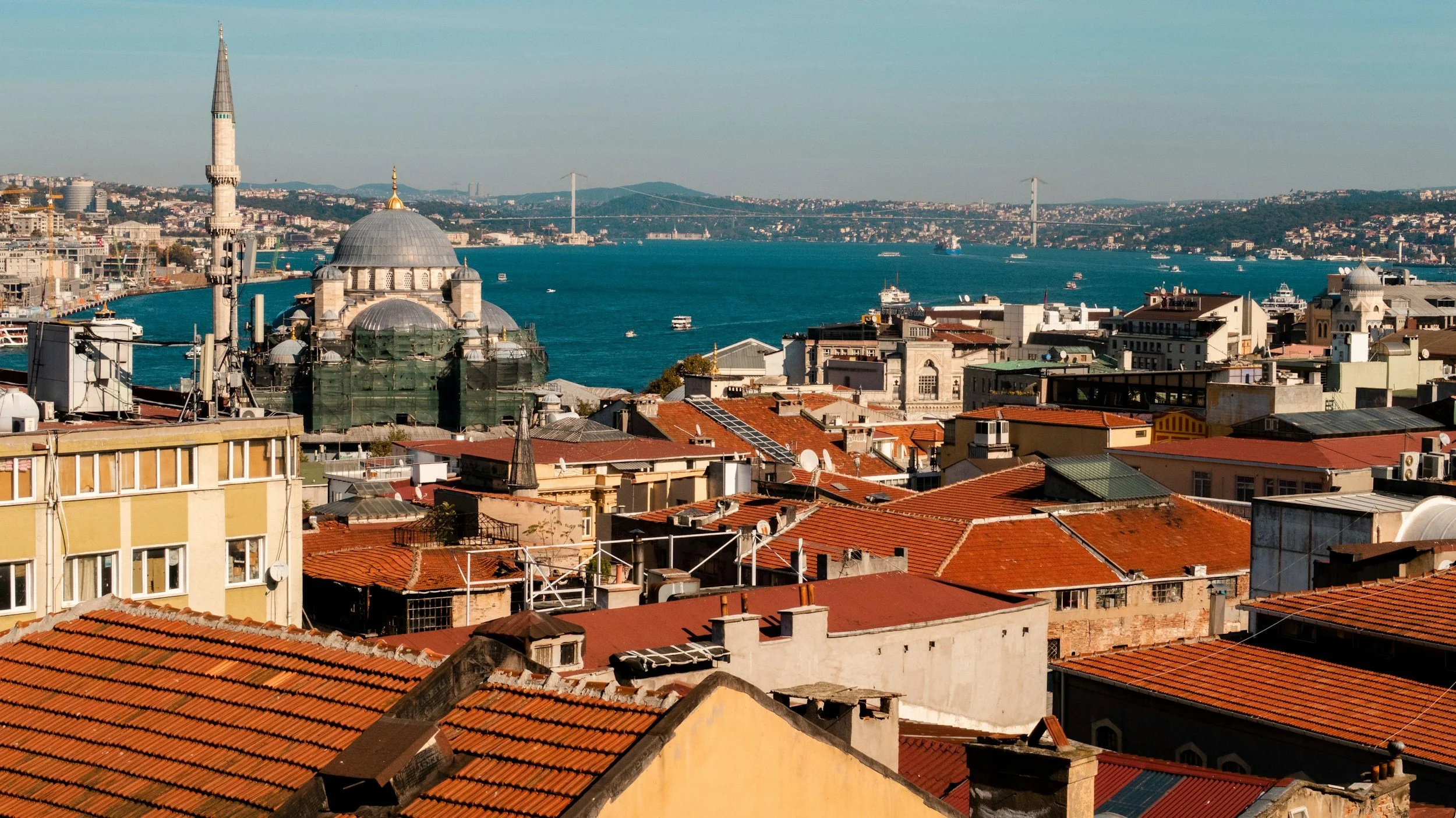
The Bosphorus divides and connects the city at once. Ferries pass beneath mosque skylines, waterside palaces and steep residential districts. The Golden Horn, minarets, domes and changing light give the city a sense of scale that Athens rarely matches.
Istanbul also has visually difficult areas, including heavy traffic, uncontrolled development and dense outer districts. Its beauty is not consistent either. The difference is that the strongest views are larger, more frequent and woven into ordinary transport.
The Difference
Athens has intimate, concentrated beauty. Istanbul offers a more dramatic cityscape.
Winner: Istanbul
Choose Athens instead if: you prefer dry Mediterranean light, ancient stone and a city whose best views are easier to reach on foot.
Which City Is Better for Atmosphere?
Athens
Athens feels informal. Coffee stretches into lunch, dinner begins late and evenings move easily between outdoor tables, wine bars and rooftops.
The city’s energy is most appealing when plans remain loose. Psyrri becomes louder after dark, Monastiraki stays active late and residential areas such as Pangrati provide a slower alternative to the historic centre.
Athens’ rooftop, cocktail and wine-bar scenes are unusually accessible within the central city, with many venues clustered around Monastiraki, Syntagma and Psyrri.
Istanbul
Istanbul feels more immersive.
Calls to prayer, ferry horns, tea glasses, market streets and the movement of people between the waterfront, trams and mosques create a stronger sensory identity. A single day can move between palace courtyards, crowded shopping streets, a ferry deck and an evening meyhane.
That atmosphere comes with intensity. Crowds, traffic and distance can make the trip more tiring, particularly around Sultanahmet, Eminönü and İstiklal Street.
The Difference
Athens is easier to settle into. Istanbul is harder to forget.
Winner: Istanbul
Choose Athens instead if: your ideal atmosphere involves outdoor meals, relaxed drinks and a city that allows the pace to soften.
Which City Is Easier to Explore?
Athens
Athens wins on concentration.
The 90-minute public-transport ticket currently costs €1.20 and covers the ordinary metro, buses, trolleybuses and trams within the urban network. Contactless bank-card and mobile-wallet payment is supported for full-fare products.
The metro is straightforward, but most central itineraries depend more heavily on walking. Hills, summer heat, uneven paving and polished stone are the main practical obstacles.
Airport access is simple by Metro Line 3 or express bus. The current airport metro fare is €9 and the express-bus fare is €5.50.
Istanbul
Istanbul has the more varied transport system, but it takes longer to understand.
Metro, tram, funicular, bus and ferry services connect the main visitor districts. An anonymous Istanbulkart currently charges 46.20 TL for a standard full-fare metro journey, although transfer and route pricing can vary. Tourist unlimited-pass products are also available.
The system itself is useful. The difficulty is distance. Crossing between Sultanahmet, Beyoğlu, the upper Bosphorus and Kadıköy can consume meaningful parts of a short trip.
Ferries improve the experience rather than merely solving it, but timetables still need to be checked and missed connections matter more when the itinerary is tight.
The Difference
Istanbul has more memorable transport. Athens requires less of it.
Winner: Athens
Choose Istanbul instead if: ferry journeys and moving between very different districts are part of what you want from the trip.
Which City Is Better for a Weekend?
For this comparison, a weekend means two or three full days.
Athens
Two days in Athens can feel complete. The Acropolis, Acropolis Museum, Ancient Agora, Plaka, Monastiraki, Syntagma, the Central Market and one contemporary neighbourhood can fit into a realistic route without constant travel.
A third day allows for a major museum, Pangrati, the Athens Riviera or a slower food-led itinerary.
Link here to 48 Hours in Athens: A Realistic First-Time Itinerary.
Istanbul
Two days in Istanbul require harder compromises.
One day around Sultanahmet and one day around the bazaars, Galata and Karaköy would cover several essentials, but the Bosphorus and Asian side would remain largely untouched. Three days improves the balance, though the city still feels unfinished.
Four full days is the more comfortable minimum for a first visit: one for Sultanahmet, one for the historic commercial districts and Beyoğlu, one for the Bosphorus and Asian side, and one for slower neighbourhood or cultural exploring.
The Difference
Athens fits the weekend. Istanbul outgrows it.
Winner: Athens
Choose Istanbul instead if: you are content with an intense introduction and already expect to return.
Which City Is Better for Nightlife?
Athens
Athens has one of the easier nightlife scenes to access during a short break.
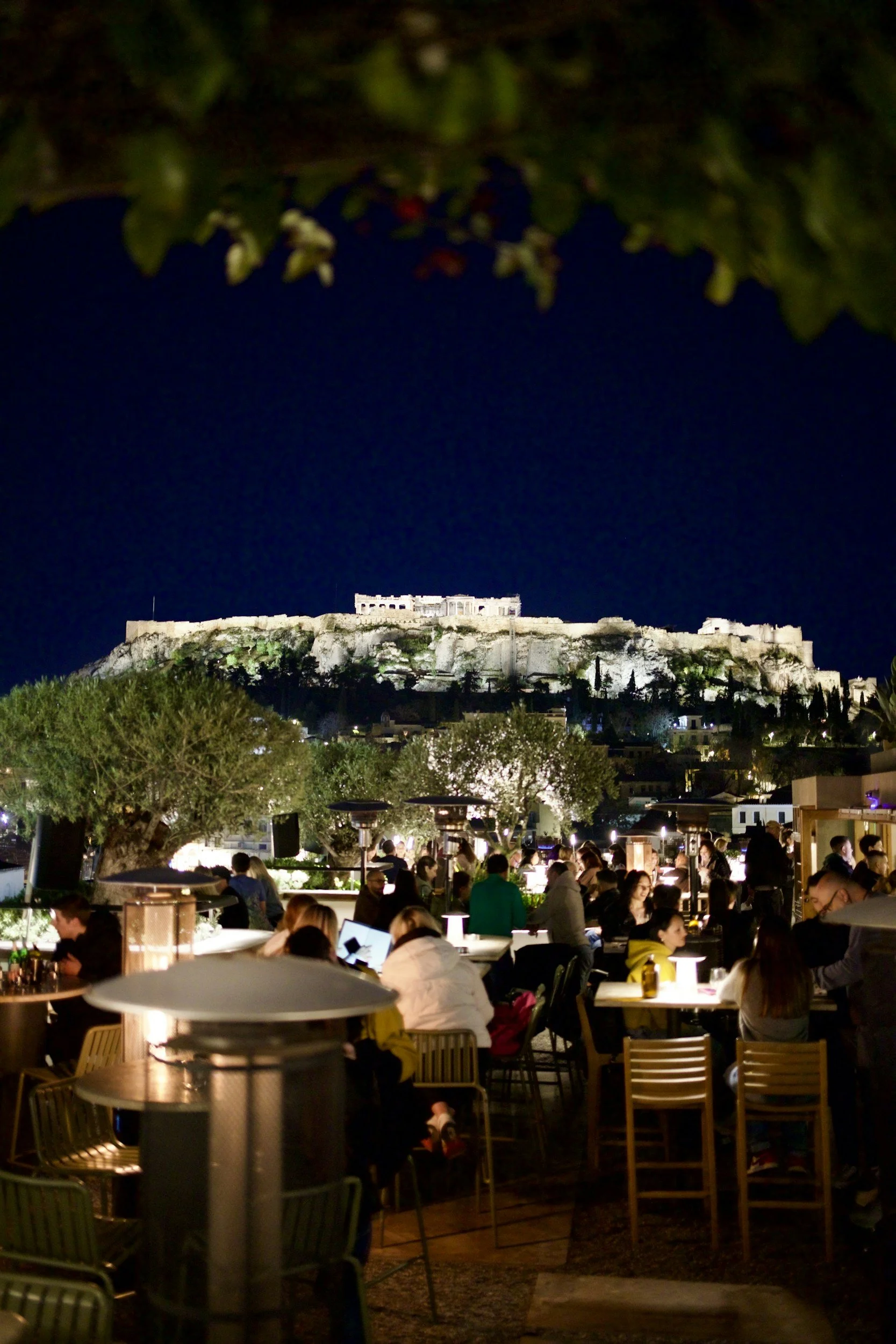
Rooftop bars around Monastiraki provide Acropolis views, while the historic centre and Psyrri offer cocktail bars, wine bars and late dining within walking distance. Gazi adds clubs and larger venues, while Exarcheia has a more alternative, politically charged bar culture.
The city’s strength is flexibility. You can have a substantial dinner, drink Greek wine, continue to cocktails and still walk or take a short taxi back to a central hotel.
Athens’ official guide describes a broad nightlife mix extending from rooftops and award-winning cocktail bars to late-night underground clubs.
Istanbul
Istanbul offers more variety, but it is more dispersed.
Karaköy and Beyoğlu provide bars, rooftops and live music. Beşiktaş has an energetic student and local scene. Kadıköy offers pubs, cocktail bars, meyhanes and music venues on the Asian side.
The evening culture extends beyond alcohol. Long dinners, tea, live music and meyhane gatherings can be central to the night. Visitors should also remember that neighbourhood attitudes and alcohol availability vary more noticeably than in Athens.
The Difference
Istanbul has the broader nightlife ecosystem. Athens makes a strong evening easier to organise.
Winner: Athens for a short city break
Choose Istanbul instead if: nightlife is a central reason for travelling and you are willing to explore well beyond Sultanahmet.
Which City Offers Better Value?
The outdated assumption is that Istanbul is always the cheaper city. The reality is more complicated.
Athens
Athens has inexpensive urban transport and a large amount of free neighbourhood exploring. The main archaeological costs are comparatively clear: the Acropolis currently charges €30, while additional museums and sites can be selected according to interest rather than treated as compulsory.
Accommodation prices can rise sharply in the main visitor season, and Athens has become less consistently inexpensive than its older reputation suggests. Recent European city-cost reporting has noted increasing Athens hotel prices even while food and free attractions remain relatively affordable.
Istanbul
Istanbul can still offer lower prices for casual meals, bakeries, street food and accommodation outside the most visitor-heavy districts. Public transport remains inexpensive compared with many Western European capitals.
Major attraction costs now change the calculation. Topkapı Palace is listed at 2,750 TL for foreign visitors, the Basilica Cistern’s standard foreign ticket is listed at 1,950 TL when operating, and the official five-day Museum Pass Istanbul costs €105.
Currency volatility also means prices can be revised frequently. A recommendation made several months earlier may already be inaccurate.
The Difference
Istanbul often costs less for everyday food and accommodation. Athens currently offers more predictable value for a short, attraction-led itinerary.
Winner: Athens, narrowly, for a two-to-three-day sightseeing break
Choose Istanbul instead if: food and neighbourhood life matter more than entering every major palace, cistern and museum.

Which City Is Better in Spring, Summer, Autumn and Winter?
Spring
Athens is particularly well suited to spring. Temperatures are milder, outdoor archaeological visits are more comfortable and the city is less crowded than in peak summer. The official Athens guide describes spring as one of the strongest periods for sightseeing and neighbourhood walking.
Istanbul is also appealing, particularly when parks and Bosphorus neighbourhoods begin to return outdoors. Rain and temperature changes can be less predictable, but the city’s gardens, ferries and waterfront districts become more enjoyable.
Winner: Athens
Summer
Athens is hot, dry and exposed. The Acropolis and other archaeological sites provide limited shade, making early starts essential. The city works better when museums, long lunches and coastal time are used during the hottest part of the day.
Istanbul is also hot and can feel more humid, but ferries, waterfront districts and shaded religious buildings make the city slightly easier to structure. Crowds remain significant in both.
Winner: Istanbul, narrowly
Autumn
Athens remains warm enough for outdoor dining and, early in the season, coastal trips. The official city guide highlights September and October as useful months for walking, culture and archaeological sites with less severe heat.
Istanbul is also excellent in early autumn, with ferries, neighbourhoods and cultural programming working particularly well. Later autumn brings a greater chance of wet and cooler conditions.
Winner: Athens
Winter
Athens has the milder and easier winter climate. Official Athens guidance gives typical winter daytime temperatures in the low-to-mid teens, with museums, tavernas and cultural venues providing useful alternatives on cooler days.
Istanbul can be cold, wet and windy around the water. Its museums, mosques, hammams and restaurants still support a strong winter trip, but the Bosphorus experience becomes more dependent on the weather. Turkish State Meteorological Service climate normals show Istanbul’s cooler and wetter winter pattern.
Winner: Athens
Which City Is Better for Couples?
Athens
A couple’s trip to Athens is easy to pace. Mornings can centre on history, afternoons on neighbourhoods or museums, and evenings on rooftops, wine bars and long dinners.
The city works particularly well for couples who want a relaxed weekend where the itinerary doesn’t dominate the experience.
Istanbul
Istanbul offers the more memorable setting.
A ferry at sunset, a Bosphorus-facing restaurant, a hammam, palace courtyards and evenings around Galata or Kadıköy create a trip with greater visual and experiential range.
The trade-off is energy. Istanbul is less suited to couples who want the weekend to feel effortless.
Winner: Istanbul
Choose Athens instead if: relaxation and ease matter more than scale and spectacle.
Which City Is Better for Solo Travellers?
Athens
Athens is easier to navigate alone. The centre is compact, informal meals are straightforward and walking tours can quickly provide orientation.
The official Athens guide recommends central areas such as Psyrri and Koukaki as useful starting points for solo visitors.
Istanbul
Istanbul offers more social energy, guided food tours and neighbourhood variety, but requires greater logistical confidence. Dining alone is easy in casual restaurants, bakeries and lokantas, while ferries and public transport make independent exploration practical once the network becomes familiar.
Solo travellers should stay aware of current official travel guidance and normal city precautions in both destinations rather than relying on broad safety rankings.
Winner: Athens for a first solo city break
Choose Istanbul instead if: you already enjoy navigating large cities independently and want a more immersive trip.
Which City Is Better for Culture Beyond the Main Sights?
Athens
Athens’ contemporary culture is relatively accessible.
The National Museum of Contemporary Art, National Gallery, Onassis Stegi, Stavros Niarchos Foundation Cultural Center, independent galleries, street art and small music venues show a city that is not defined solely by antiquity.
Neighbourhoods such as Exarcheia, Pangrati and Kypseli make that contemporary identity easier to see outside the historic centre.
Istanbul
Istanbul has the greater cultural range.
Istanbul Modern presents modern and contemporary art from Turkey and abroad, while SALT explores art, architecture, design and social history. Arter, independent galleries and cultural venues across Beyoğlu, Karaköy and Kadıköy create a substantial contemporary layer beyond the imperial monuments.
The city’s music, design, performance and exhibition calendars also benefit from Istanbul’s scale.
The Difference
Athens makes contemporary culture easier to incorporate into a short itinerary. Istanbul offers more of it.
Winner: Istanbul
Choose Athens instead if: you want contemporary culture without sacrificing most of a two-or-three-day sightseeing plan.
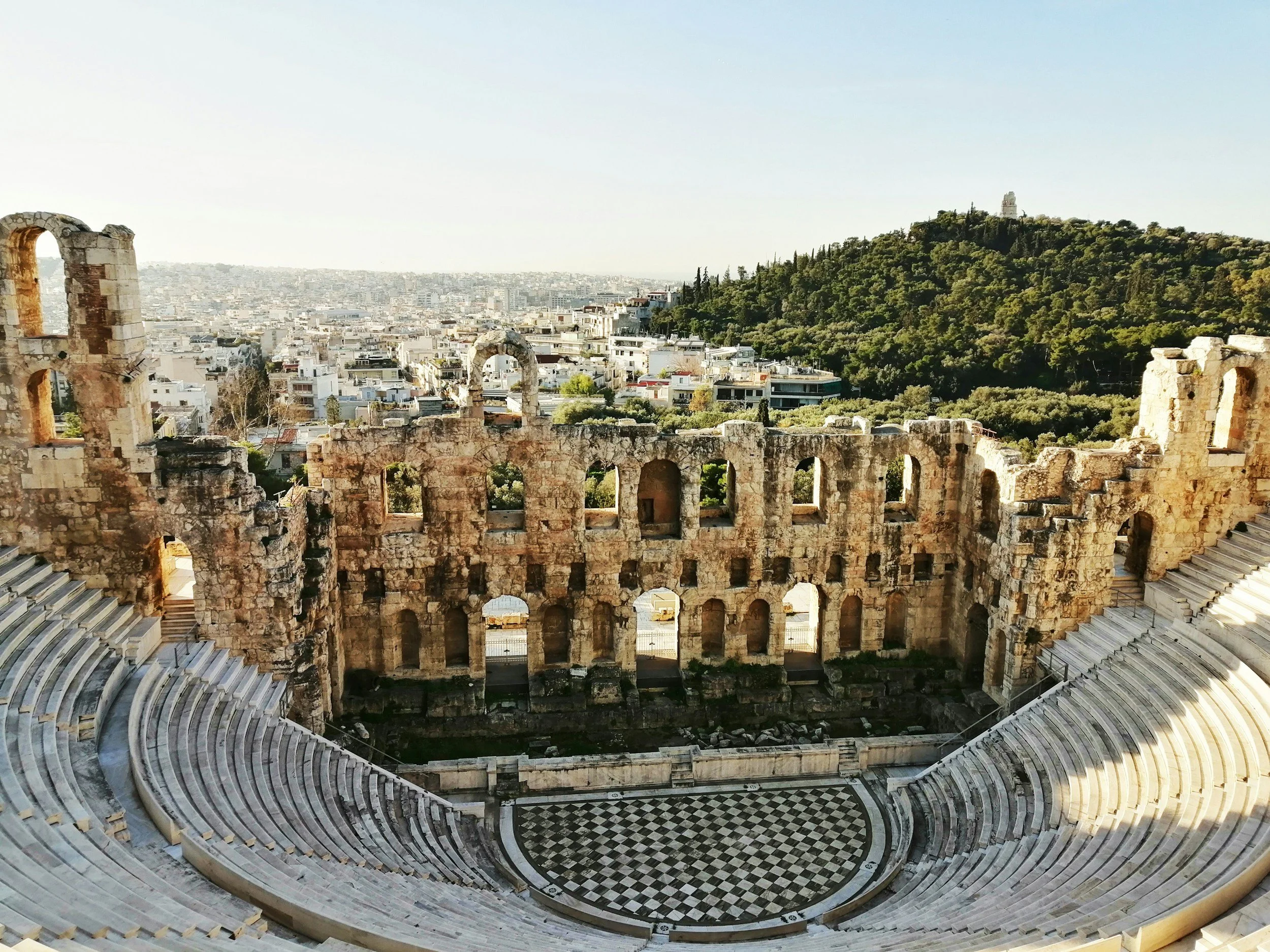
Athens or Istanbul for Different Travel Styles
Choose Athens If You Want...
A clear two-to-three-day itinerary
Classical Greek history
Central neighbourhoods that connect easily on foot
Greek food, wine bars and relaxed evening dining
A less intensive first visit
Milder winter conditions
A city that combines easily with Greek islands or the mainland
More room for spontaneity
A trip that feels complete within a long weekend
Choose Istanbul If You Want...
Byzantine and Ottoman history
Palaces, mosques, bazaars and cisterns
Ferry journeys across the Bosphorus
Wider food and neighbourhood variety
Greater visual drama
A more immersive and intensive city
A substantial contemporary arts and cultural scene
A destination suited to four or more days
A trip that feels markedly different from the standard European weekend
Best City for...
First-time city break: Athens
History: Istanbul
Food: Istanbul
Neighbourhood variety: Istanbul
Beauty: Istanbul
Atmosphere: Istanbul
Nightlife on a weekend: Athens
Ease: Athens
Sightseeing value: Athens
Couples: Istanbul
First solo trip: Athens
Two-day weekend: Athens
Four-day trip: Istanbul
Spring: Athens
Summer: Istanbul
Autumn: Athens
Winter: Athens
Suggested Three-Day Trip in Each City
Three Days in Athens
Day One: Acropolis, Acropolis Museum, Koukaki, Plaka and sunset over the historic centre.
Day Two: Ancient Agora, Monastiraki, Central Market, Psyrri and a contemporary Greek dinner.
Day Three: Choose between the National Archaeological Museum, Pangrati and the National Gallery, or a slower coastal route towards the Athens Riviera.
Continue with 48 Hours in Athens, the Athens Neighbourhood Guide, and Where to Eat in Athens.
Three Days in Istanbul
Day One: Hagia Sophia, Blue Mosque, Topkapı Palace and the historic streets of Sultanahmet.
Day Two: Grand Bazaar, Spice Bazaar, Süleymaniye Mosque, Galata and Karaköy.
Day Three: Ferry to Kadıköy, explore the market and Moda, then return by water for an evening around Beşiktaş or Beyoğlu.
This route gives a useful introduction, but still leaves the upper Bosphorus, Balat, Dolmabahçe Palace and several major museums for another trip.

What Are the Main Trade-Offs?
Athens
Advantages
More compact
Easier to understand
Stronger for two or three days
Main sights fit together naturally
Relaxed food and nightlife
Less time lost to transport
Trade-offs
Less visually consistent
Historical tourism is heavily focused on the classical period
Fewer truly monumental headline sights
Contemporary Athens requires leaving the obvious Plaka-Acropolis circuit
Summer heat affects exposed archaeological routes
Istanbul
Advantages
Greater historical depth
Stronger landmark variety
More dramatic setting
Better food and neighbourhood range
Ferries add a distinctive travel experience
More cultural depth beyond the main sights
Trade-offs
More crowded and logistically demanding
Requires more time
Major attraction costs have risen substantially
Tourist districts can feel intensely commercial
Long journeys can weaken a short itinerary
Two days rarely feels sufficient
“The fundamental difference between Athens and Istanbul is not quality. It is scale.
Athens gives you a defined route through one of history’s most influential cities, with enough contemporary food, culture and neighbourhood life to stop the trip becoming a sequence of ruins. Istanbul gives you a much larger story: Byzantine churches, Ottoman palaces, mosques, markets, ferries and districts whose identities shift each time you cross the water.
Choose Athens when you want the city break to feel balanced and complete. Choose Istanbul when you want the destination to feel bigger than the time available.
For the typical next weekend away, book Athens. For the more significant trip, book Istanbul and give it the time it deserves.”
Frequently Asked Questions
Is Athens or Istanbul Better for a First Visit?
Athens is easier for a first short city break because its main attractions and central neighbourhoods are more concentrated. Istanbul is the more expansive destination but requires more planning and time.
Is Athens or Istanbul Better for a Weekend?
Athens is better for two or three days. Istanbul can be visited in a weekend, but four full days creates a more balanced first trip.
Is Athens or Istanbul Cheaper?
Istanbul may be cheaper for casual food and some accommodation, while Athens currently offers better value for a sightseeing-led weekend because several of Istanbul’s major attractions carry high foreign-visitor admission prices.
Which City Is Better for History?
Istanbul wins for historical range, spanning Byzantine, Ottoman and modern periods. Athens is better for a concentrated understanding of classical Greek civilisation.
Which City Has Better Food?
Istanbul offers greater range, including regional Turkish cooking, street food, breakfast culture, markets and meyhanes. Athens is easier for relaxed tavernas, seafood, contemporary Greek cooking and wine.
Is Athens or Istanbul Better in Winter?
Athens generally offers milder, drier and easier winter conditions. Istanbul remains culturally rewarding but is more likely to feel cold, wet and windy.
How Many Days Do You Need in Athens and Istanbul?
Allow two to three full days for Athens and at least four full days for a first visit to Istanbul.
Can You Combine Athens and Istanbul in One Trip?
Yes, particularly on a longer regional itinerary with a direct flight between the cities. Allow at least three days in Athens and four in Istanbul rather than compressing both into a single week of constant transfers.