Athens is a city where old and new ways of eating sit remarkably close together. You can start with a cheese pie from a century-old bakery, share slow-cooked dishes at a neighbourhood taverna and finish the day in a restaurant built around wood-fired cooking, small Greek producers and low-intervention wine.
Eating well, however, requires more judgement than choosing the most visible terrace below the Acropolis. Some of the city’s strongest meals are found around the Central Market, in residential Pangrati, behind an unmarked door in Psyrri or several metro stops beyond the main sightseeing route.
This guide explains what to eat in Athens, how its different restaurants work and which venues deserve space in a short itinerary. The aim isn’t to reserve every meal. It’s to choose a few strong anchors, understand the city’s food culture and leave enough room for Athens to feed you without a spreadsheet becoming involved.

Where to Eat in Athens: Quick Answer
Best Traditional Taverna: Oikonomou
Come for Greek home cooking rather than grilled-meat theatre. Rabbit casserole, stuffed cabbage leaves and vegetable dishes cooked in olive oil are the reasons to travel to Ano Petralona.
Price: ££
Booking: Recommended for dinner
Best Modern Greek Restaurant: Pharaoh
Pharaoh uses wood fires, charcoal and seasonal Greek ingredients without turning dinner into a formal tasting-menu exercise. It is one of the clearest expressions of contemporary Athens.
Price: £££
Booking: Strongly recommended
Best Casual Meal: Feyrouz
Feyrouz combines a bakery, street-food counter and small restaurant, with lahmatzun, peinirli, soups, rice dishes and strong vegetarian choices.
Price: £
Booking: Not required
Best Souvlaki: Lefteris o Politis
The order is deliberately simple: a grilled beef patty in pita with tomato, onion, parsley and red pepper, without chips or heavy sauces.
Price: £
Booking: Not required
Best for Seafood: Atlantikos
Atlantikos is a straightforward central option for fried small fish, sardines, squid and seafood plates without the formality or pricing of a coastal restaurant.
Price: ££
Booking: Usually unnecessary, but queues are common
Best for a Special Dinner: Makris Athens
Choose Makris when you want Greek ingredients, theatrical presentation and a full tasting-menu experience beneath the Acropolis.
Price: ££££
Booking: Essential
Best Food Market: Varvakios Central Market
Go in the morning for the fish, meat, spice, cheese and produce stalls around Athinas and Evripidou Streets. The market operates Monday to Saturday and becomes quieter later in the afternoon.
Price: Free to explore
Booking: Not applicable
Best Bakery Stop: Ariston
Ariston is best known for its kourou cheese pie, made with a rich, crumbly pastry rather than thin filo.
Price: £
Booking: Not required
Best Wine Bar: Heteroclito
A small central bar with a changing Greek wine list and staff who can guide newcomers through native grapes without making the experience feel ceremonial.
Price: ££
Booking: Usually unnecessary
Best Food Neighbourhood: Pangrati
Pangrati has the strongest balance of modern restaurants, neighbourhood tavernas, bakeries, cafés and wine bars, particularly around Varnava and Proskopon squares.
Best for Vegan Food: Cookoomela Grill
Cookoomela’s mushroom-based souvlaki shows that a plant-based alternative can still make sense within the format of an Athenian grill shop.
Price: £
Booking: Not required
Best for a First Trip: Athinas Street and Psyrri
This part of central Athens combines the market, delicatessens, tavernas, casual seafood, souvlaki and late-night restaurants within an easy walk of Monastiraki.
Understanding Athens’ Food Culture
Tavernas, Mezedopoleia and Restaurants
A taverna is generally an informal Greek restaurant built around shared plates, cooked dishes, grilled meat, fish and house wine. Some specialise in food from the oven or cooking pot, while others are effectively grills or fish tavernas.
A mezedopoleio centres the meal around meze. Dishes arrive when they are ready rather than as formal starters and main courses, and the table shares everything. Ama Lachei describes its own approach this way, with small plates moving from kitchen to table in no fixed sequence.
An estiatorio is closer to the broad idea of a restaurant. It may be more structured, more formal or more focused on individual courses, although the distinction is not rigid.
Modern Athens increasingly blurs these categories. Restaurants such as Pharaoh, Akra and Linou Soumpasis borrow the informality and ingredient focus of a taverna while applying contemporary cooking, design and wine programmes.
Sharing Is Usually the Better Approach
Greek meals make more sense when the table orders collectively. Begin with a salad, dips and two or three vegetable dishes, then add grilled meat, fish or a cooked speciality.
This lets you experience the range of a kitchen without every person receiving an isolated plate of meat and chips. It also avoids ordering six dips because nobody was willing to take executive responsibility.
Athens Eats Later
Lunch can stretch well into the afternoon, while dinner commonly gathers pace after 8.30pm. Many restaurants accept earlier bookings, but the room may feel noticeably livelier later.
Coffee, pastries and casual food fill the gaps. Athens’ bakeries, souvlaki shops and dairy bars make it easy to eat lightly during the day before settling into a longer evening meal.
Regional Greece Meets in the Capital
Athens draws dishes, cheeses, cured meats, wines and cooking traditions from across Greece. Cappadocian and Asia Minor flavours appear at Karamanlidika, island wines fill the city’s wine bars, and regional pies, pulses and seafood sit beside Athenian grill culture.
That range matters. The most rewarding Athens food guide is not simply a search for moussaka. It is a way into the wider geography of Greek cooking.
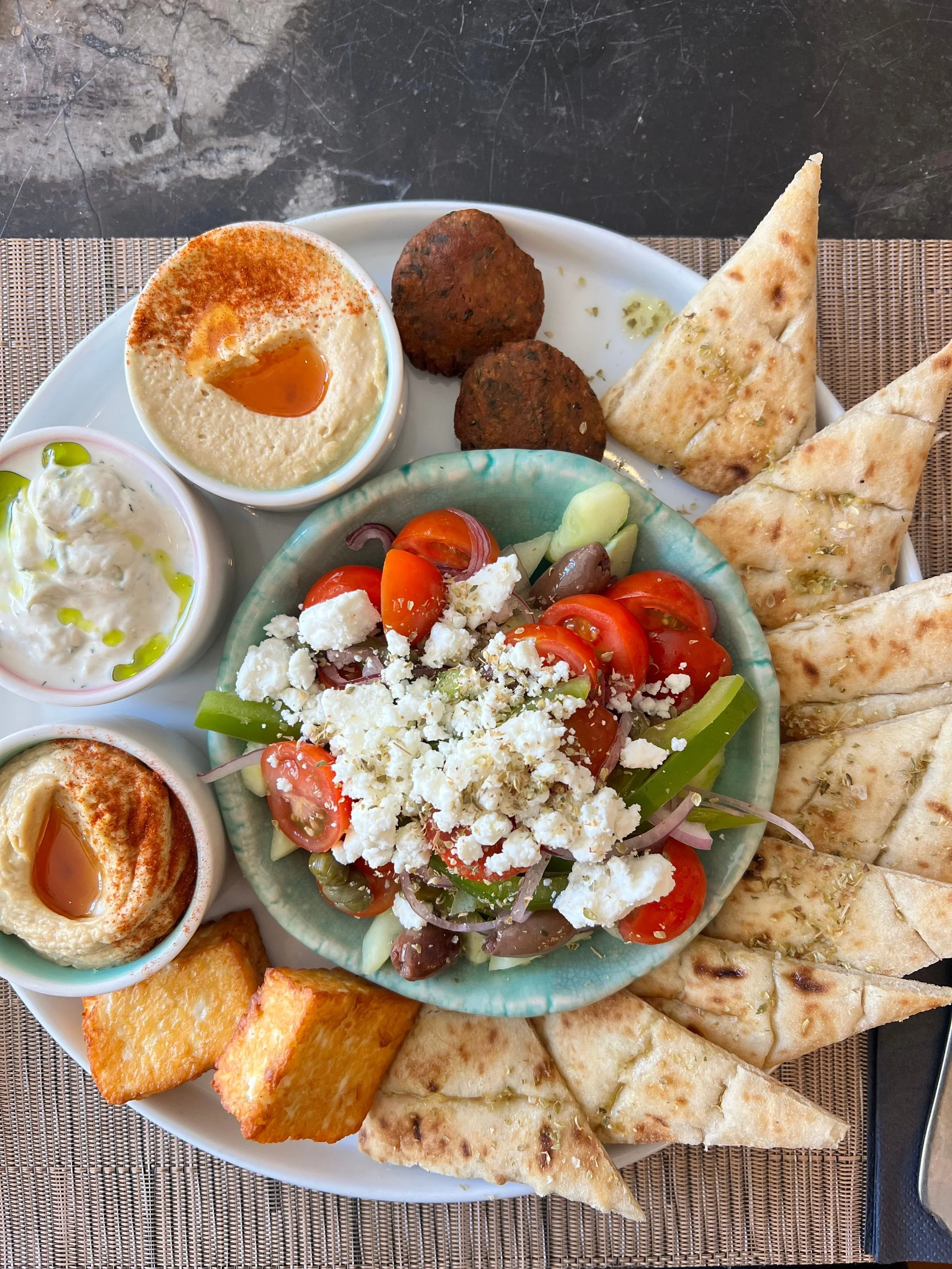
What to Eat in Athens
Souvlaki, Kalamaki and Gyros
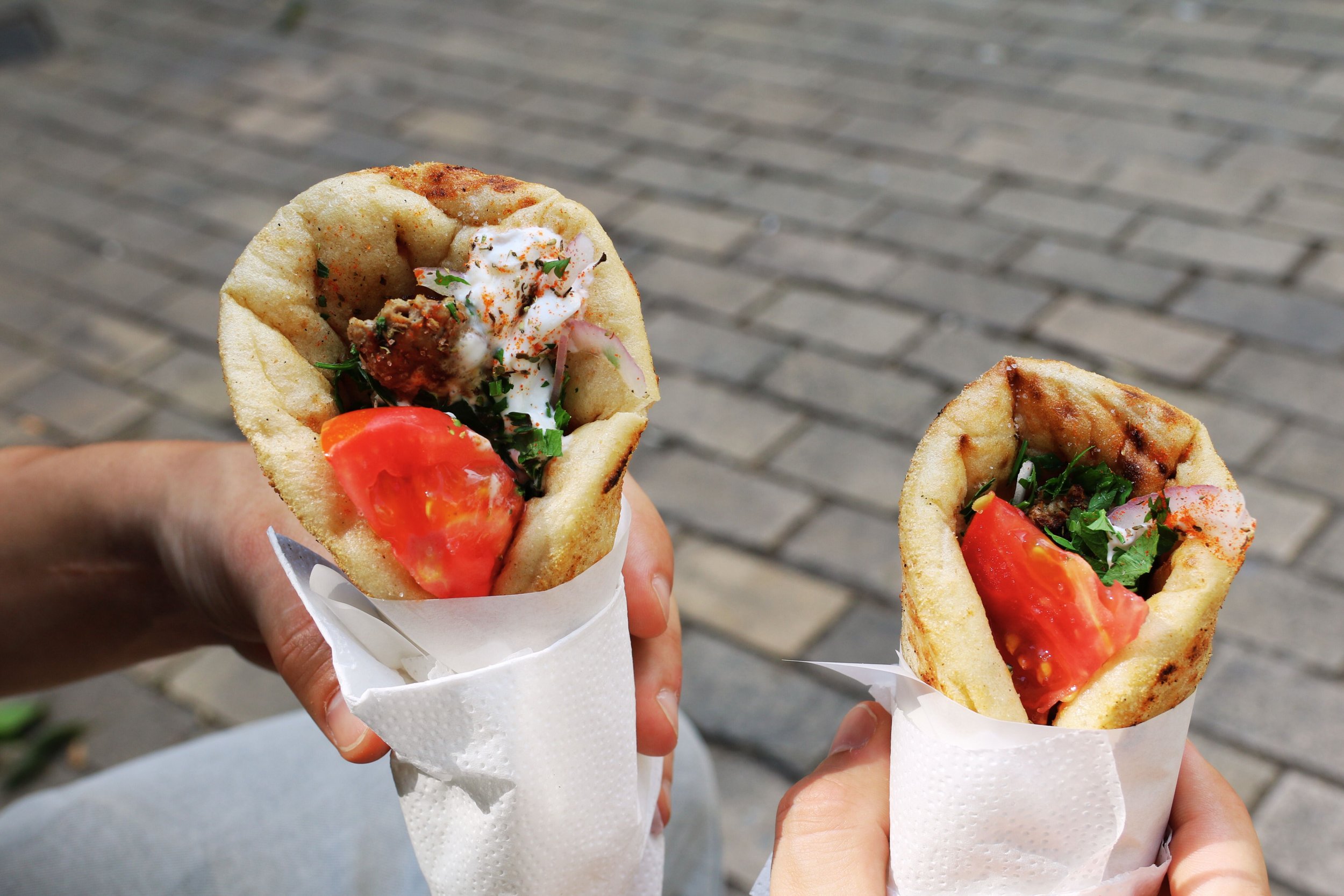
Souvlaki can refer broadly to grilled meat or to the complete pita wrap. Kalamaki usually means cubes of meat cooked on a small skewer, while gyros is meat sliced from a vertical rotisserie.
A standard pita may contain pork or chicken, tomato, onion, tzatziki and sometimes chips. Lefteris o Politis takes a narrower route with beef patties, while Elvis specialises in skewers served with bread and chips. The word souvlaki comes from souvla, meaning skewer.
Greek Pies
Pies are among the most useful foods to understand because they work for breakfast, lunch or a moving-between-museums emergency.
Look for spanakopita with spinach and cheese, tyropita with cheese, hortopita with greens and regional pies filled with leeks, meat or herbs. Ariston’s kourou cheese pie is the most distinctive central stop, while Feyrouz expands the format through Levantine and Anatolian baking.
Magirefta and Home-Cooked Dishes
Magirefta are prepared dishes cooked in pots, ovens or trays rather than made to order on a grill. This is where you find much of Greece’s strongest everyday cooking.
Look for gemista, tomatoes or peppers filled with rice and sometimes minced meat; pastitsio, layered pasta, meat sauce and béchamel; moussaka; stuffed cabbage leaves; stewed rabbit; beans; okra; or beef cooked with aubergine.
These dishes are usually best at restaurants that specialise in daily cooking rather than at sightseeing-area terraces displaying twenty laminated photographs.
Vegetable Meze
Greek food is unusually good at making vegetables feel complete rather than dutiful.
Order fava, a smooth yellow split-pea purée; horta, boiled wild or cultivated greens dressed with lemon and olive oil; dolmades, vine leaves usually filled with rice and herbs; gigantes, baked giant beans; and kolokithokeftedes, courgette fritters.
Many are naturally vegetarian or vegan, but recipes vary. Dolmades and gemista can contain meat, while vegetable dishes may occasionally be cooked in meat stock.
Grilled Meat, Lamb and Goat
Pork dominates casual grilling, but tavernas may also serve lamb chops, slow-cooked lamb, goat, beef patties and handmade sausages.
Rather than ordering several large meat dishes immediately, ask what the restaurant is particularly known for. A taverna built around cooked dishes will often be less convincing at grilling than a shop that does almost nothing else.
Fish and Seafood
Central Athens offers casual seafood, but the city’s more traditional fish culture extends towards Piraeus and the coast.
In tavernas, smaller fish such as sardines, anchovies and whitebait are often the easiest orders. Whole fresh fish may be priced by weight, so ask for the price per kilo and the fish’s approximate weight before confirming. Official Athens guidance notes that speciality fish is commonly priced by the kilo.
Cheese, Saganaki and Cured Meat
Feta is only the beginning. Look for graviera, kasseri, manouri and mizithra, with origin and ageing affecting flavour considerably.
Saganaki describes food cooked in a small frying pan, though restaurant menus often use it to mean fried cheese. Karamanlidika is particularly useful for exploring Greek cured meats and cheeses, including pastirma and soutzouki.
Yoghurt, Loukoumades and Syrup Desserts
Stani serves sheep’s-milk yoghurt with honey and walnuts in the setting of an old Athenian dairy bar. It is sharper, richer and less dessert-like than many supermarket versions.
For something sweeter, loukoumades are freshly fried dough balls traditionally finished with honey and cinnamon. Modern versions add chocolate, nuts and filled centres, but trying the simple version first remains the better move.
Greek Wine and Spirits
Ask wine-bar staff about Assyrtiko, a mineral-driven white associated with Santorini; Moschofilero, an aromatic white grape; Agiorgitiko, a flexible red from Nemea; and Xinomavro, a structured northern red.
Ouzo is an aniseed spirit commonly served with meze or seafood. Tsipouro is a grape spirit that may be served with or without anise, while mastiha carries the resinous flavour of mastic from Chios.
Best Traditional Tavernas in Athens
Oikonomou: Best for Greek Home Cooking
Best for: Slow-cooked dishes and a traditional neighbourhood lunch
Neighbourhood: Ano Petralona
Price: ££
Booking: Recommended for dinner
What It Is
Oikonomou is a long-running Petralona taverna specialising in tis katsarolas, dishes cooked in pots and trays rather than built around a charcoal grill.
Why It’s Worth Considering
This is the restaurant to choose when you want to understand Greek domestic cooking. Rabbit casserole, stuffed cabbage leaves, beans, okra and baked meat dishes are more important here than souvlaki.
The Trade-Off
The exact selection changes, and not every famous Greek dish will be available. Go with the daily cooking rather than arriving committed to one order.
Ama Lachei: Best for a Long Meze Dinner
Best for: Shared plates in a leafy Exarchia courtyard
Neighbourhood: Exarchia
Price: ££
Booking: Recommended
What It Is
Ama Lachei is a mezedopoleio set in a former school, with tables spread through a large courtyard.
Why It’s Worth Considering
The meal develops through shared dishes rather than rigid courses. Seasonal vegetables, dips, seafood and meat dishes make it useful for mixed groups, while the garden gives summer dinners more room than many central restaurants.
What to Order
Start with vegetable meze and ask what has changed on the current menu. Oven-roasted chickpeas with smoked Kalamata pork are among the dishes associated with the restaurant.
The Trade-Off
The courtyard becomes busy and energetic. It is not the right choice for a quick, quiet dinner before an early start.
Klimataria: Best for Food with Live Greek Music
Best for: A traditional evening with music and generous cooked dishes
Neighbourhood: Historic centre, near Theatrou Square
Price: ££
Booking: Essential for live-music evenings
What It Is
Klimataria has operated in central Athens since 1927 and serves home-style Greek food inside a room lined with large wine barrels.
Why It’s Worth Considering
Choose Klimataria when the music and communal atmosphere are part of the point. The kitchen serves house-baked bread, stuffed vegetables, lamb and seasonal cooked dishes. Live music runs on selected evenings, and the restaurant currently opens daily from midday.
The Trade-Off
Music nights are loud, busy and more structured than a spontaneous taverna visit. Confirm the programme and any minimum-spend conditions when booking.
Ta Karamanlidika tou Fani: Best for Cured Meats and Asia Minor Flavours
Best for: A central lunch built around charcuterie, cheese and meze
Neighbourhood: Historic centre, near the Central Market
Price: ££
Booking: Recommended at dinner
What It Is
Part delicatessen and part restaurant, Karamanlidika focuses on the food traditions of the Karamanli Greeks of Cappadocia.
Why It’s Worth Considering
It gives first-time visitors a broader view of Greek food through pastirma, soutzouki, aged cheeses, smoked fish and distilled drinks.
What to Order
Build the meal around a cured-meat and cheese selection, then add Aivali-style meatballs, soutzouki or a hot dish from the current menu.
The Trade-Off
The central location makes it heavily visited. Book or arrive outside peak hours rather than assuming the delicatessen format means immediate seating.
Atlantikos: Best for Casual Central Seafood
Best for: Affordable seafood without travelling to Piraeus
Neighbourhood: Psyrri
Price: ££
Booking: Usually walk-in
What It Is
Atlantikos is a compact seafood restaurant on a narrow Psyrri side street, serving fried and grilled fish in a straightforward setting.
Why It’s Worth Considering
It solves a useful problem: a casual seafood meal in central Athens that doesn’t require a coastal excursion or special-occasion budget.
What to Order
Ask about the day’s fish, then build the table around sardines, fried small fish, squid or a mixed seafood plate. It currently operates daily from lunchtime until late evening.
The Trade-Off
Space is limited and queues form at popular times. This is a lively meal, not a leisurely waterfront lunch.
Taverna ton Filon: Best for a New-Generation Taverna
Best for: Seasonal Greek comfort food with a sharper wine list
Neighbourhood: Kolonos, west of the centre
Price: £££
Booking: Strongly recommended
What It Is
Taverna ton Filon takes the emotional familiarity of a taverna and applies a more contemporary, ingredient-led approach.
Why It’s Worth Considering
The changing menu is built around seasonality rather than a permanent roll-call of classics. Recent recommendations highlight its lemon potatoes, handmade sausage and thoughtful Greek wine selection.
The Trade-Off
It requires a taxi or purposeful journey from the historic centre. Unlike an old-school taverna, it is worth reserving and planning the evening around.
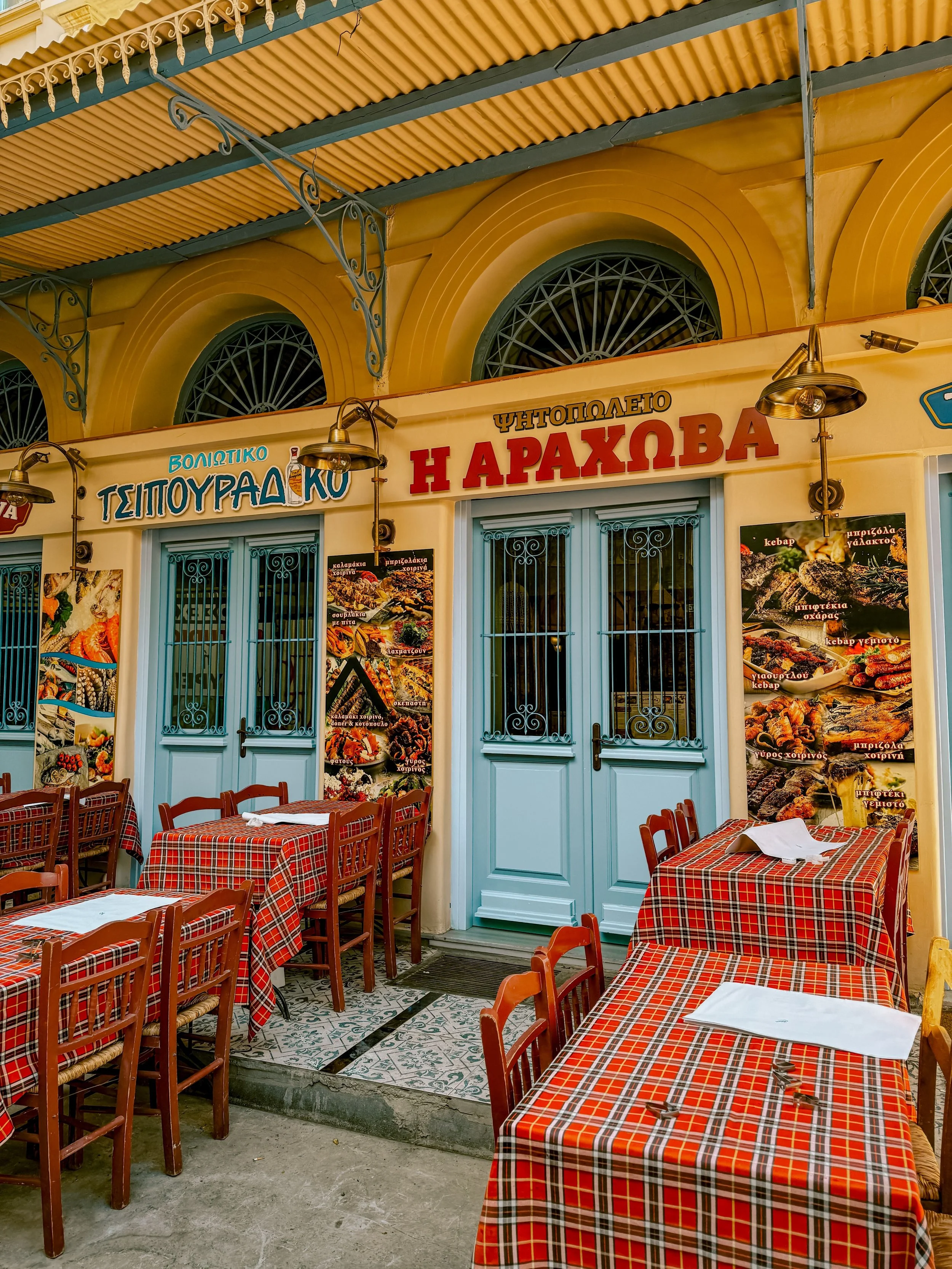
Best Modern Restaurants in Athens
Pharaoh: Best Overall Modern Greek Dinner
Best for: Wood-fired Greek cooking and natural wine
Neighbourhood: Exarchia
Price: £££
Booking: Strongly recommended
What It Is
Pharaoh cooks exclusively through wood-fired stoves, ovens and charcoal grills, with a menu shaped by seasonal produce and small Greek suppliers.
Why It’s Worth Considering
The food feels recognisably Greek without relying on nostalgia or formal tasting-menu choreography. Vegetables receive as much attention as meat and fish, and the natural-wine list is central to the restaurant rather than decorative.
What to Order
Because the menu changes frequently, choose across the current vegetable, fish and meat dishes rather than searching for a fixed signature.
The Trade-Off
Prices and portions can feel ambitious compared with a taverna. Treat it as a planned dinner rather than an informal neighbourhood meal.
Akra: Best for Wood-Fired Lunch or Dinner
Best for: Contemporary cooking without fine-dining formality
Neighbourhood: Pangrati
Price: £££
Booking: Recommended
What It Is
Akra is an all-day Pangrati restaurant where bread, savoury dishes and desserts are shaped around a wood-fired oven.
Why It’s Worth Considering
The menu is refreshed daily, allowing the kitchen to work closely with seasonal ingredients while maintaining a relaxed neighbourhood atmosphere. Michelin currently lists Akra for contemporary Greek cooking and places its wood-fired dishes at the centre of the experience.
What to Order
Begin with the house bread, then choose from the daily vegetables, pasta, fish or meat before leaving room for dessert.
The Trade-Off
Daily changes make exact advance planning difficult. That is a strength once seated, but less useful for diners who need a predictable menu.
Linou Soumpasis k Sia: Best for Precise, Ingredient-Led Greek Cooking
Best for: A design-conscious dinner in the historic centre
Neighbourhood: Psyrri
Price: £££
Booking: Essential
What It Is
Linou Soumpasis describes itself as a “simple restaurant”, though the cooking and sourcing are notably more considered than the phrase suggests.
Why It’s Worth Considering
The restaurant strips Greek dishes back to strong ingredients, direct seasoning and an all-Greek wine list. Current recommendations include sourdough pitta with whipped tarama and tuna gyros, while the wider menu changes with supply and season.
The Trade-Off
Tables are difficult to secure and prices sit above the visual simplicity of the room. This is a restaurant to book before travelling.
Soil: Best for a Produce-Led Tasting Menu
Best for: A serious tasting menu rooted in Greek ingredients
Neighbourhood: Pangrati
Price: ££££
Booking: Essential
What It Is
Soil occupies a neoclassical house and serves one tasting menu shaped by produce from the restaurant’s garden and Greek suppliers.
Why It’s Worth Considering
Chef Tasos Mantis uses Greek pulses, herbs, seafood and meat through contemporary fermentation and fine-dining techniques. Soil holds a Michelin star and currently opens for dinner from Monday to Saturday.
The Trade-Off
The meal is long and highly structured. Choose it because you want the full experience, not because it happens to be near your hotel.
Makris Athens: Best for a Special-Occasion Dinner
Best for: Theatrical fine dining and Acropolis atmosphere
Neighbourhood: Thissio
Price: ££££
Booking: Essential
What It Is
Makris serves tasting menus and a limited à la carte option in a historic building close to the Ancient Agora, with farm produce informing much of the menu.
Why It’s Worth Considering
The restaurant uses Greek ingredients and childhood references through playful modern presentation. Current options include shorter and longer tasting menus, along with a dedicated vegan menu.
The Trade-Off
This is a substantial financial and time commitment. The theatrical style will suit travellers who want dinner to be an event, not those seeking restrained simplicity.
Best Casual Food, Souvlaki and Bakeries
Lefteris o Politis: Best No-Nonsense Souvlaki
Lefteris serves a beef patty in pita with tomato, onion, parsley and red pepper. There are no chips and no sauces masking the grill. The original Omonia location operates during the day and early evening rather than as a late-night stop. Expect a queue and a very short menu.
Price: £
Vegetarian options: No meaningful main option
Elvis: Best for Kalamaki After a Late Evening
Elvis specialises in pork and chicken skewers, usually served with bread, chips and a small amount of salad. Multiple locations operate across Athens, including Monastiraki, and current opening information indicates service until late. It is reliable when the objective is grilled meat rather than a full restaurant meal.
Price: £
Vegetarian options: Limited
Feyrouz: Best Alternative Street Food
Feyrouz draws on the food of Antioch and the wider Levant through lahmatzun, peinirli, soups, rice dishes and savoury pies. Several strong vegetarian choices make it especially useful for mixed groups. Go for lunch and order whatever has recently come from the bakery.
Price: £
Vegetarian options: Strong
Ariston: Best Cheese Pie
Ariston has operated in central Athens since 1910 and is best known for its kourou cheese pie. It is a takeaway bakery rather than a destination café, making it ideal before a museum or during a walk between Syntagma and the historic centre.
Price: £
Vegetarian options: Strong
Stani: Best Greek Yoghurt and Dairy Desserts
Stani is one of Athens’ remaining traditional dairy bars. Order sheep’s-milk yoghurt with honey and walnuts, or add rice pudding if the day has somehow not involved enough dairy.
Price: £
Vegetarian options: Strong, but limited vegan choice
Lukumades: Best Modern Loukoumades
Lukumades fries its dough balls to order and serves the traditional honey-and-cinnamon version alongside filled and heavily topped alternatives. The plain version remains the useful benchmark, while vegan toppings are also available.
Price: £
Vegetarian options: Strong, with vegan combinations available
Best Wine Bars and Evening Drinks
Heteroclito: Best Introduction to Greek Wine
Heteroclito is a small, informal wine bar near the Metropolitan Cathedral with a changing list focused on Greek producers. It works best before dinner or as an early-evening stop where the staff can help you compare Assyrtiko, Agiorgitiko and Xinomavro by the glass.
Food: Small plates and snacks
Booking: Usually unnecessary
Price: ££
Oinoscent: Best When Wine Is the Main Evening Plan
Oinoscent combines a serious cellar with a full food menu, allowing it to function as dinner rather than simply an aperitif. Its current menu includes bread, olives, hummus, croquettes, terrines and more developed small plates. Reservations are sensible when eating.
Food: Full small-plate menu
Booking: Recommended for dinner
Price: £££
Wine Is Fine: Best for Natural Wine and Walk-In Energy
Wine Is Fine operates on a first-come, first-served basis, with no reservations. The room and pavement tables have the directness of a French neighbourhood wine bar, while the list leans towards natural and low-intervention bottles. Arrive early or accept that waiting is part of the evening.
Food: Sharing plates and simple dishes
Booking: Not accepted
Price: £££
The Best Food Areas in Athens
Athinas Street and the Central Market
What the Area Is Best For
Markets, specialist food shops, cooked lunches, cured meat and straightforward central dining.
What It Feels Like
This is working, commercial Athens rather than a polished restaurant quarter. Butchers, fishmongers, spice shops, cheese counters and restaurants overlap around Varvakios Market and Evripidou Street.
Who Should Eat Here
First-time visitors who want to understand the ingredients behind Greek cooking, ideally during a morning or lunchtime walk.
The Trade-Off
The surrounding streets are functional and busy. Come for food culture rather than a relaxed evening atmosphere.
Strong Places to Know
Karamanlidika, Klimataria and the market’s traditional cooked-food restaurants.
Psyrri and Monastiraki
What the Area Is Best For
Casual seafood, late-night eating, tavernas and restaurant density.
What It Feels Like
The streets shift quickly between visitor-heavy terraces, bars, workshops and worthwhile small restaurants.
Who Should Eat Here
Short-stay visitors who need several options close to the historic centre.
The Trade-Off
Quality varies considerably. Avoid choosing solely by Acropolis view or the enthusiasm of someone holding a laminated menu.
Strong Places to Know
Atlantikos, Linou Soumpasis and Elvis.
Pangrati
What the Area Is Best For
Contemporary restaurants, neighbourhood cafés and wine-led evenings.
What It Feels Like
Dining is spread around residential streets and squares rather than concentrated into one tourism strip.
Who Should Eat Here
Couples, returning visitors and travellers willing to leave the historic centre for a stronger modern dinner.
The Trade-Off
Pangrati requires more planning because the restaurant you want may not be close to a metro station.
Strong Places to Know
Akra, Soil and Materia Prima on Mesolongiou Square.
Koukaki
What the Area Is Best For
Accessible neighbourhood restaurants, bakeries and wine bars close to the Acropolis.
What It Feels Like
Koukaki moves from visitor-oriented streets around the museum into more residential roads towards Fix and Philopappou Hill.
Who Should Eat Here
First-time visitors staying south of the Acropolis who want strong options without crossing the city.
The Trade-Off
The neighbourhood’s popularity has raised prices, and weaker restaurants increasingly trade on location.
Strong Places to Know
Materia Prima and the wider restaurant streets around Drakou and Olympiou.
[Internal link: Athens Neighbourhood Guide: Where to Stay for Every Kind of Trip]
Exarchia
What the Area Is Best For
Meze, plant-based food, natural wine and restaurants with a more independent character.
What It Feels Like
Bookshops, bars, street art and political history shape the neighbourhood as much as its restaurants.
Who Should Eat Here
Travellers who value contemporary Athens more than polished visitor infrastructure.
The Trade-Off
The area can feel visually intense, and some streets are less comfortable for uncertain first-time visitors late at night.
Strong Places to Know
Pharaoh, Ama Lachei and Cookoomela Grill.
Petralona and Keramikos
What the Area Is Best For
Traditional cooking, newer tavernas and slower evenings beyond the central crowds.
What It Feels Like
Petralona is residential and food-led, while Keramikos adds bars, converted industrial buildings and late-night energy.
Who Should Eat Here
Returning visitors or anyone willing to plan one dinner away from the historic centre.
The Trade-Off
Restaurants are more dispersed, so spontaneous wandering is less efficient than in Psyrri.
Strong Places to Know
Oikonomou, Taverna ton Filon and the original Keramikos branches of Athens’ better-known grill shops.
Vegetarian and Vegan Food in Athens
Traditional Greek cooking offers far more plant-based food than its grill-shop reputation suggests.
Look for fava, horta, gigantes, briam, lentil soup, beans cooked in tomato and olive oil, stuffed vegetables and rice-filled vine leaves. During Orthodox fasting periods, dishes labelled nistisima exclude meat and dairy, though seafood rules may differ from a strict vegan diet.
Always confirm recipes. Gemista and dolmades may contain minced meat, pies usually contain cheese, courgette fritters may contain egg, and seemingly vegetable-based dishes can use meat stock.
Cookoomela Grill
Cookoomela serves mushroom-based vegan souvlaki, burgers and plant-based versions of Greek grill-shop dishes from its Exarchia location. Current published hours show service seven days a week, with later closing on Friday and Saturday.
Rhino Vegan Beat
Rhino Vegan Beat offers vegan gyros, bowls, burgers and desserts from a central location on Perikleous Street. It is better suited to a full casual meal than to traditional taverna dining.
What to Know Before Eating Out in Athens
Book Only the Meals That Need It
Reserve Pharaoh, Linou Soumpasis, Soil, Makris and Taverna ton Filon before travelling, particularly for Thursday to Saturday.
Keep casual lunches, bakeries, souvlaki and at least one taverna meal flexible. Athens is more enjoyable when every hunger pang does not trigger a calendar alert.
Dinner Starts Later
A 7pm reservation is possible at many modern restaurants, but 8.30pm onwards feels closer to the city’s natural evening rhythm.
For a quieter meal, book early. For atmosphere, choose a later sitting.
Shared Ordering Works Better
At tavernas and mezedopoleia, order gradually. Begin with salad, dips and vegetables, then add fish or meat once you understand the portion sizes.
Ask About Bread and Water
Bread and bottled water may appear as small charges. Ask before accepting them if you don’t want them, and review the bill rather than assuming they are complimentary.
Check Fish Prices by Weight
Whole fresh fish may be listed by the kilo. Ask the waiter to confirm both the weight and total estimated cost before it reaches the grill.
Cards and Receipts
Restaurants and cafés are required to issue valid receipts, and card acceptance is widespread. Greece’s tax authority states that consumers are not obliged to pay without a valid receipt.
Tipping
Service is not automatically added in the way UK diners may expect. Rounding up or leaving a modest tip is appropriate when the service has been good. Official Athens guidance encourages tipping when pleased with the service.
Confirm Opening Days
Monday and Sunday closures are common among independent restaurants, while summer hours can change. Recheck the official website or social page shortly before travelling.
Be Wary of Aggressive Solicitation
Restaurants that rely heavily on staff stopping pedestrians are rarely the city’s strongest choices. A view of the Acropolis can improve a drink. It cannot perform miracles on refrigerated moussaka.
A Three-Meal Athens Shortlist
One Traditional Meal: Oikonomou
Travel to Ano Petralona for cooked dishes that show how Greek food works beyond grilled meat. Order from the day’s casseroles and vegetables rather than arriving with a fixed checklist.
One Modern Dinner: Pharaoh
Pharaoh gives the clearest balance of contemporary cooking, Greek ingredients, wood fire and relaxed atmosphere. Book ahead and let the seasonal menu shape the meal.
One Casual Food Stop: Lefteris o Politis
The short menu, distinctive beef-patty pita and central location make Lefteris a useful lunch rather than merely another souvlaki recommendation.
Optional Wine Bar: Heteroclito
Use Heteroclito before dinner to try two contrasting Greek wines by the glass.
Vegetarian Alternative: Cookoomela Grill
Choose Cookoomela for a vegan version of the Athens grill-shop experience rather than another generic salad-and-bowl restaurant.
Special-Occasion Upgrade: Makris Athens
Book Makris when you want one evening to operate as a full event, with tasting menus, farm produce and Acropolis context.
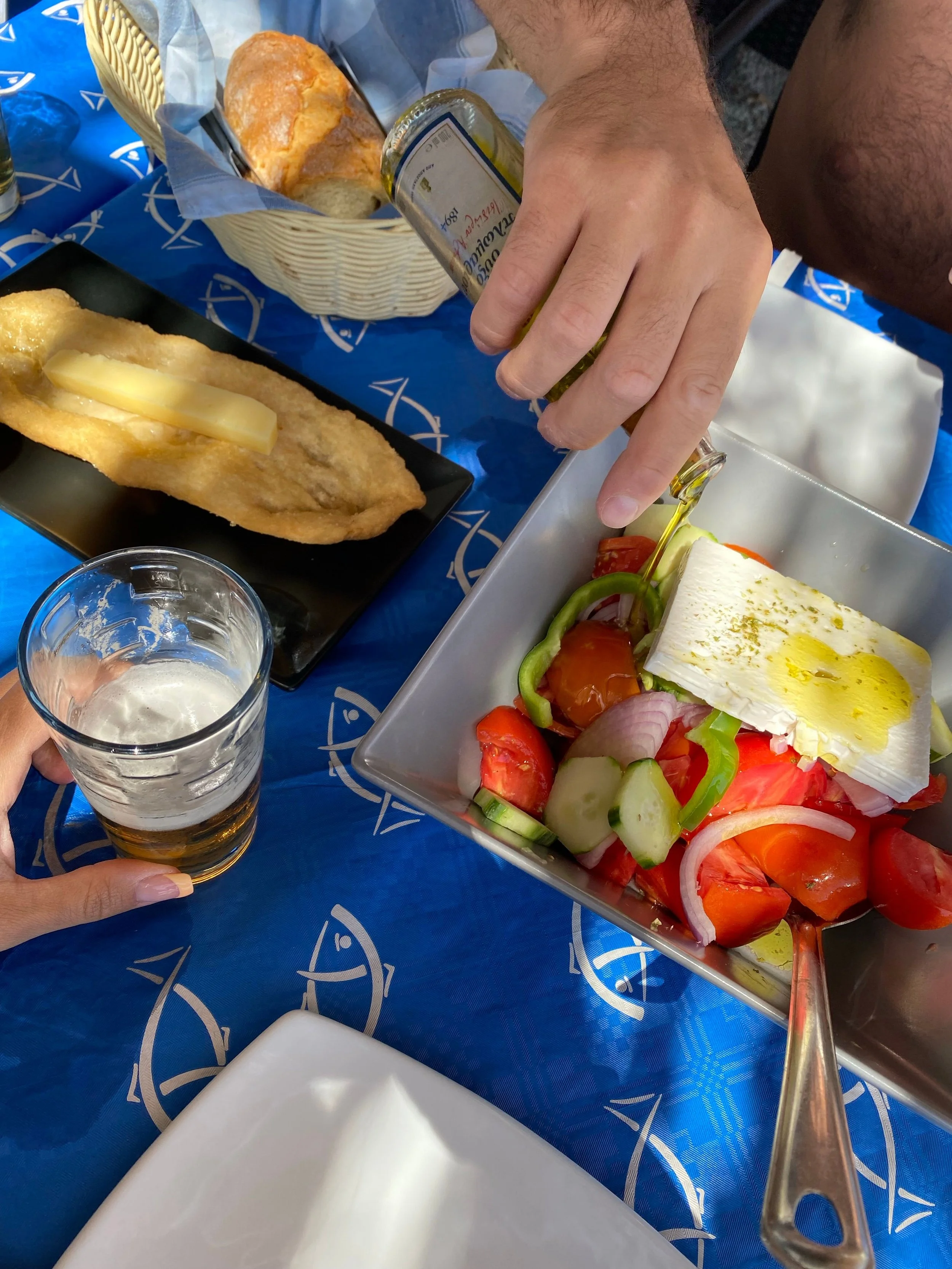
“The strongest Athens food itinerary balances three versions of the city: one traditional taverna, one modern restaurant and one casual meal eaten without ceremony.
For most first-time visitors, the area around Athinas Street, Psyrri and Monastiraki provides the easiest introduction. You can explore the Central Market, try cured meats at Karamanlidika, eat seafood at Atlantikos and reach several casual stops without reorganising the sightseeing plan.
The more distinctive modern dinners are increasingly found beyond that immediate centre. Pangrati and Exarchia deserve at least one purposeful journey, whether for Akra, Soil or Pharaoh.
Reserve one or two dinners before travelling, especially over a weekend. More than that risks turning the trip into a sequence of deadlines. Leave breakfast, casual lunches and at least one evening partly open. Athens is full of bakeries, grills and neighbourhood restaurants that work best when discovered at the point you are actually hungry.”
Frequently Asked Questions
What Food Is Athens Known For?
Athens is known for souvlaki, grilled meat, cooked taverna dishes, pies, meze, seafood, Greek yoghurt and desserts such as loukoumades. As the capital, it also brings together regional food traditions from across Greece.
What Is the Best Traditional Taverna in Athens?
Oikonomou is the strongest choice for traditional home cooking. Choose Klimataria when live music and central location matter more, or Ama Lachei for shared meze in a courtyard.
Where Should First-Time Visitors Eat in Athens?
Begin around Athinas Street and Psyrri, then reserve one dinner in Pangrati or Exarchia. This gives you a useful balance of markets, traditional food, casual meals and contemporary cooking.
Which Neighbourhood Has the Best Restaurants in Athens?
Pangrati has the strongest overall restaurant mix. Psyrri has greater density and convenience, while Exarchia is better for independent, contemporary venues.
Do You Need Restaurant Reservations in Athens?
Reservations are advisable for well-known modern restaurants and popular weekend dinners. Tavernas, souvlaki shops, bakeries and casual seafood restaurants are often easier to visit without booking.
What Time Do People Eat Dinner in Athens?
Dinner commonly begins later than in the UK, with restaurants becoming busier from around 8.30pm and remaining active well into the evening.
Is Athens Good for Vegetarian and Vegan Food?
Yes. Traditional cooking includes many vegetable, pulse and olive-oil dishes, while Athens also has dedicated vegan restaurants and grill shops. Confirm whether dolmades, gemista and cooked vegetables contain meat or dairy.
How Much Should You Tip in Athens?
Tipping is discretionary. Round up or leave a modest additional amount when the service has been good.
Where Can You Find the Best Souvlaki in Athens?
Lefteris o Politis is the most distinctive central choice for a beef-patty pita. Elvis is better for pork or chicken kalamaki and late-night convenience.
Is the Athens Central Market Worth Visiting?
Yes, particularly in the morning from Monday to Saturday. It is a working market rather than a curated food hall, so expect wet floors, strong smells and active meat and fish trading.
Discover GREECE