Athens makes its history difficult to ignore. Ancient columns appear beside metro lines, Byzantine churches sit below rooftop bars, and the Acropolis remains visible from streets where the modern city is getting on with its day.
That overlap is what makes 48 hours in Athens worthwhile, but it also creates the temptation to over-plan. There are enough archaeological sites, museums and neighbourhoods to fill a week. Trying to compress all of them into two days usually produces a trip that is technically impressive and practically exhausting.
This first-time Athens itinerary takes a more selective approach. Day One focuses on the Acropolis, the historic centre and the city’s most important ancient spaces. Day Two moves into markets, museums, cafés and neighbourhood life, giving you a clearer sense of Athens beyond its classical headline sights.
Is 48 Hours in Athens Enough?
Yes, two days in Athens is enough for a strong first visit, provided you accept that the trip will be selective rather than comprehensive.
In 48 hours, you can visit the Acropolis, understand its wider archaeological context, see the Acropolis Museum, walk through Plaka and Anafiotika, explore the Ancient Agora, spend time around Monastiraki and experience a more contemporary side of the city through Syntagma, the Central Market and Psyrri.
What you won’t have time for is every archaeological site, several major museums, the Athens Riviera and a long day trip. That is not a flaw in the itinerary. Athens works better when you leave space between the monuments rather than treating the city as an open-air examination.
Athens in 48 Hours: The Quick Itinerary
Day One: Ancient Athens and the historic centre
Start early at the Acropolis
Continue directly to the Acropolis Museum
Have lunch in Koukaki
Walk through Plaka and Anafiotika
Visit the Ancient Agora
Explore Monastiraki
Watch sunset from a central rooftop
Finish with modern Greek food near the historic centre
Day Two: Modern Athens, markets and neighbourhood life
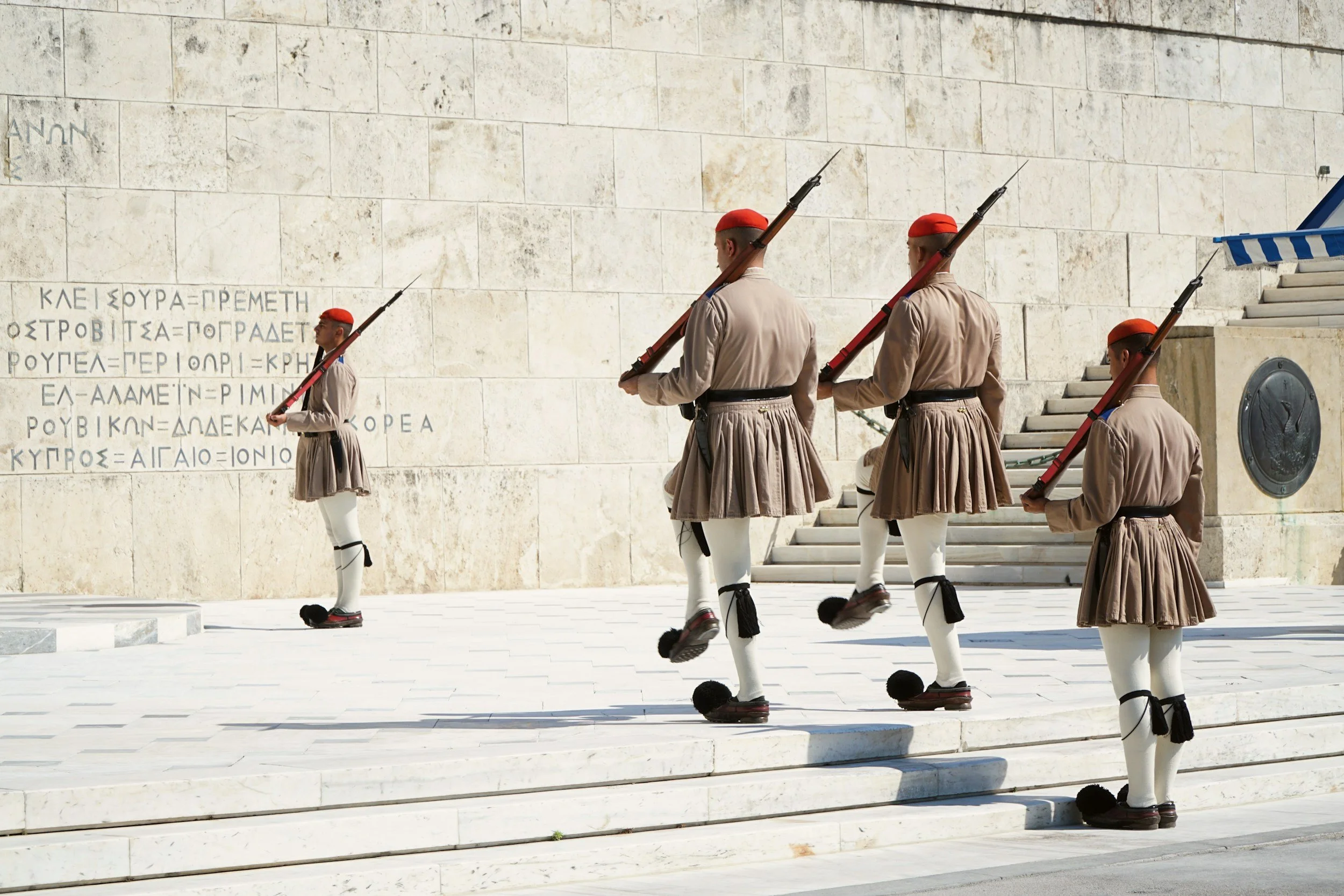
Begin at Syntagma and see the Presidential Guard
Walk through the National Garden towards Kolonaki
Visit the Museum of Cycladic Art
Explore Varvakios Central Market and the food streets around it
Spend the afternoon in Psyrri
Leave time for coffee, shops or a slower wander
End with a contemporary Athenian dinner and wine
Pacing: Allow roughly eight to ten active hours each day, including proper meal breaks.
Book first: Your timed Acropolis entry, any guided Acropolis tour, sunset rooftop seating and your preferred dinner restaurants.
Before You Start: How This Athens Itinerary Works
Much of central Athens is compact enough to explore on foot. The Acropolis, Koukaki, Plaka, the Ancient Agora, Monastiraki, Syntagma and Psyrri form a relatively connected central zone. The metro becomes more useful when travelling to the airport, reaching outer neighbourhoods or avoiding a long walk during the hottest part of the day.
The first day follows the historic centre from south to north. The second begins slightly east at Syntagma and Kolonaki before moving towards the market and Psyrri. This avoids crossing the city repeatedly for isolated recommendations.
In summer, start the Acropolis at the earliest practical time and keep the museum or lunch for the hottest part of the day. Athens’ official visitor guide similarly recommends early archaeological visits and using air-conditioned cultural spaces during peak heat.
The current official Acropolis system requires visitors to select a timed entry slot. Tickets are valid within a limited window around that time, and visitors are advised to arrive before the slot begins. The official booking system currently treats the Acropolis and other archaeological sites separately, so do not rely on older articles describing a single government multi-site pass.
Where to Stay for This Itinerary
Koukaki: Best Overall for a First-Time Weekend
Koukaki is the most balanced base for this route. You can walk to the Acropolis, the museum, Plaka and Philopappos Hill, while still staying in an area with restaurants, cafés and a more residential evening atmosphere.
Best for: First-time visitors who want convenience without sleeping directly inside the busiest tourist streets.
The trade-off: You are slightly farther from Syntagma and the market, although both remain easy to reach on foot or by metro.
The opening of the Acropolis Museum and the pedestrian routes around the ancient monuments helped turn Koukaki into one of central Athens’ most popular neighbourhood bases. (This is Athens)
Plaka: Best for Historic Atmosphere
Plaka places you directly beneath the Acropolis, surrounded by neoclassical buildings, Byzantine churches and some of the oldest streets in the city.
Best for: Travellers who want Athens to feel historic from the moment they step outside.
The trade-off: Parts of Plaka are highly commercial, and accommodation can feel less connected to everyday Athenian life.
Monastiraki: Best for Transport and Nightlife
Monastiraki is practical, central and energetic. Metro connections are excellent, and both the ancient centre and the restaurants and bars of Psyrri are close.
Best for: Short stays, late evenings and travellers who value transport convenience.
The trade-off: Noise. Choose your street and hotel carefully, particularly if you prefer early nights.
Syntagma: Best for Easy Connections
Syntagma gives you direct metro access, airport transport and a central position between the historic centre and Kolonaki.
Best for: Travellers arriving late, leaving early or prioritising simple transport.
The trade-off: It feels more like a functional city centre than a distinctive neighbourhood base.
For a fuller comparison, link here to the World Locals Athens Neighbourhood Guide.
Day One: Ancient Athens and the Historic Centre
Day One covers the Athens most first-time visitors have come to see, but it does so in a sequence that limits backtracking. The aim is to understand the ancient city rather than collect photographs of every ruin within walking distance.
Early Morning: Start at the Acropolis
Book the earliest suitable timed slot and arrive before it begins. Even with an advance ticket, you still need time to reach the entrance, pass the checks and manage the uphill approach.
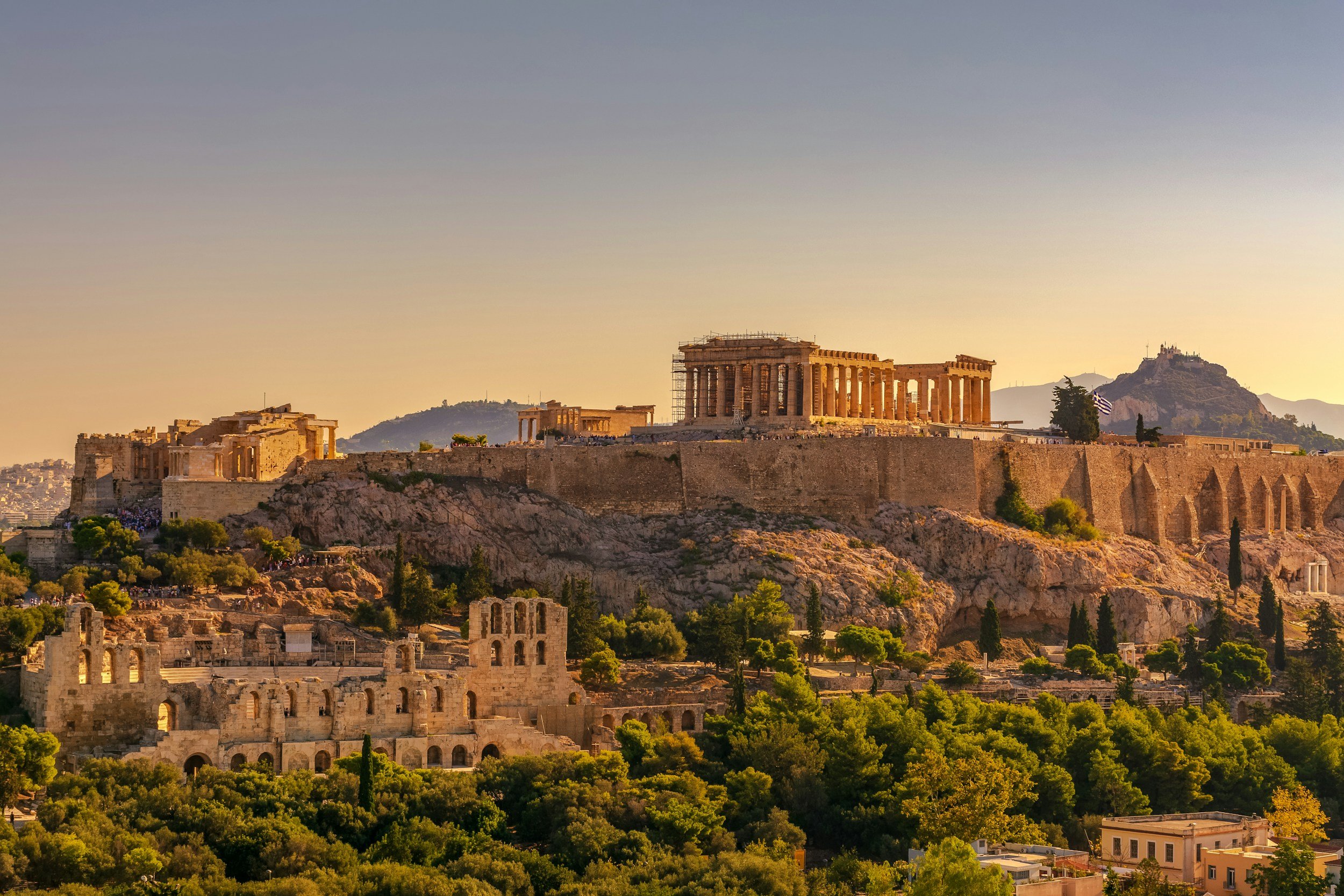
Allow approximately 90 minutes to two hours. Start by taking in the Propylaia, the monumental gateway, before moving towards the Parthenon. Look beyond the main temple towards the Erechtheion, the Temple of Athena Nike and the way the buildings were arranged across an uneven rock rather than on a conventional city square.
The surviving complex largely reflects the ambitious fifth-century BC building programme associated with Pericles, including the Parthenon, Erechtheion, Propylaia and Temple of Athena Nike. What makes the site significant is not only the age of the monuments, but how architecture, religion and civic identity were concentrated on one rocky plateau.
The stone surfaces can be uneven and polished by heavy use, so wear shoes with a dependable sole. There is limited shade on the summit. Carry water, use sun protection and avoid treating the climb as the warm-up for several more hills.
Timed entry is mandatory under the current official system. Check the official Hellenic Heritage ticket platform rather than purchasing from the first website using the words “official Acropolis tickets”.
Late Morning: The Acropolis Museum
From the Acropolis, continue directly to the Acropolis Museum. The sequence works because the museum gives context to the buildings and sculptural programme you have just seen, while the site is still fresh in your mind.
Prioritise the Archaic Gallery, the Caryatids and the top-floor Parthenon Gallery. The third floor was specifically designed around the sculptural arrangement of the Parthenon, with the gallery oriented towards the monument itself. The museum’s collection focuses on material from the Acropolis and its slopes, rather than attempting to cover the whole of ancient Greece.
Allow around 90 minutes. Archaeology enthusiasts could spend considerably longer, but this is a two-day itinerary and the afternoon still needs oxygen.
The museum currently operates separate summer and winter schedules, with later opening on several days and an extended Friday evening. Its ticket is independent from Acropolis admission and includes access to the archaeological excavation beneath the building.
Not a museum person? Spend 45 to 60 minutes on the major galleries, then use the extra time for a slower lunch in Koukaki. Skipping it entirely saves time, but you lose much of the context that makes the Acropolis more than a collection of recognisable silhouettes.
Lunch: Where to Eat Near the Acropolis
The better move is to leave the most tourist-heavy stretch immediately around the museum and walk a few minutes into Koukaki.
Mani Mani
Mani Mani serves Greek cooking inspired by the Mani region of the southern Peloponnese, interpreted in a more polished, contemporary style. It suits travellers who want a proper sit-down lunch without committing to a long fine-dining meal.
The restaurant remains active in its Koukaki location close to the Acropolis. Reserve if you are travelling at a busy time or want a specific sitting.
Best for: A more considered lunch and regional Greek cooking.
Kalamaki Bar
Kalamaki Bar is the simpler option: grilled skewers, salads and familiar Greek comfort food in a modern grill-house setting near the Acropolis metro station. It works well when you want lunch to be enjoyable but efficient.
Best for: Casual souvlaki and getting back into the itinerary promptly.
For a broader look at tavernas, modern restaurants and the city’s strongest dining areas, link here to Where to Eat in Athens: Traditional Tavernas, Modern Restaurants and the Best Food Areas.
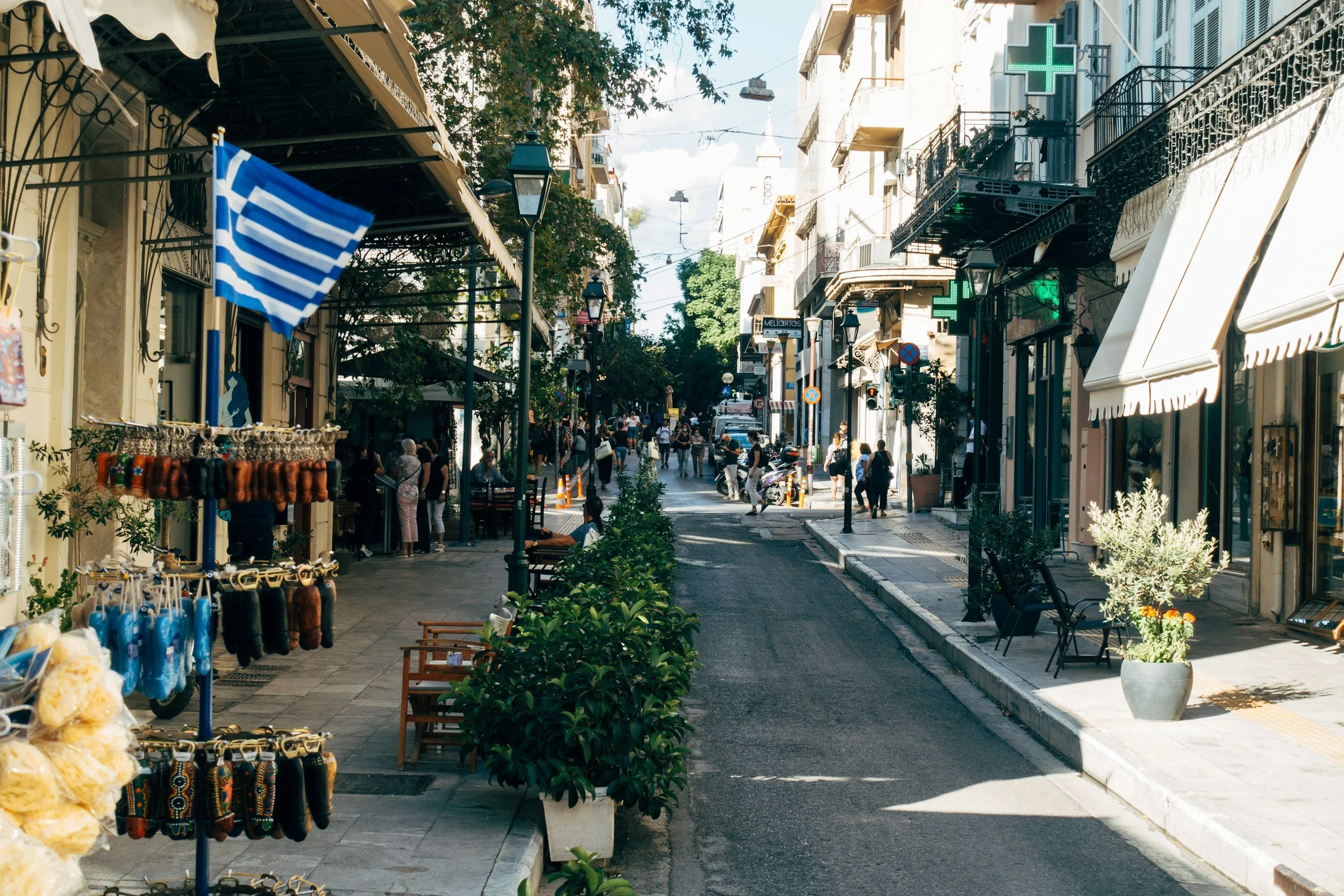
Afternoon: Walk Through Plaka and Anafiotika
From Koukaki, follow the pedestrian route back towards the eastern side of the Acropolis and enter Plaka.
Do not try to cover every lane. Use the quieter upper streets, the area around Agios Nikolaos Ragavas and the small passages leading towards Anafiotika. Lower Plaka, especially around its busiest shopping streets, becomes much more commercial. It is useful for orientation and souvenirs, but it is not where the neighbourhood feels most distinctive.
Anafiotika is the part to slow down for. Its whitewashed houses and compressed lanes were created by craftspeople from the Cycladic island of Anafi who came to help construct the new capital after Greek independence. That history explains why this small section feels visually detached from the neoclassical city below it.
Allow roughly one hour to 90 minutes. You are not trying to solve the neighbourhood. Find a few strong streets, notice the changing views towards the city and move on before the souvenir shops begin repeating themselves.
Late Afternoon: Choose the Ancient Agora
For a first visit, choose the Ancient Agora over the Roman Agora.
The Acropolis shows the city’s sacred and monumental centre. The Ancient Agora helps explain how civic, political, commercial and social life operated below it. The site also includes the Stoa of Attalos museum and the exceptionally well-preserved Temple of Hephaestus, giving it more depth than the smaller Roman Agora.
Allow around 60 to 90 minutes. The site requires a separate ticket, which currently also covers its museum.
The trade-off: It takes more time and energy than the Roman Agora.
Choose the Roman Agora instead if you are already tired, want a shorter archaeological stop or are particularly interested in the Tower of the Winds. Its smaller footprint makes it easier to combine with an extended Plaka walk.
Seasonal adjustment: During the shorter winter schedule, visit the Ancient Agora before Plaka and Anafiotika. Archaeological sites can close substantially earlier in winter, while the neighbourhood streets remain available afterwards.
Early Evening: Monastiraki and the City at Street Level
Exit towards Adrianou Street and continue into Monastiraki.
Monastiraki works because Athens’ historical layers remain visible without entering another site. From the square, your view towards the Acropolis passes the Ottoman-era Tzistarakis Mosque and the Byzantine church of the Pantanassa. Nearby, Adrianou follows one of the main commercial routes through the district, while Avissinias Square and the surrounding flea-market streets reveal the area’s more recent trading identity.
Walk through Monastiraki Square, Ifestou Street and Avissinias Square, then stop. This is the point at which another attraction adds less value than a drink, a seat and a proper view of the city.
Sunset: A Central Rooftop View
For this itinerary, a rooftop around Monastiraki is more practical than crossing Athens for Lycabettus Hill.
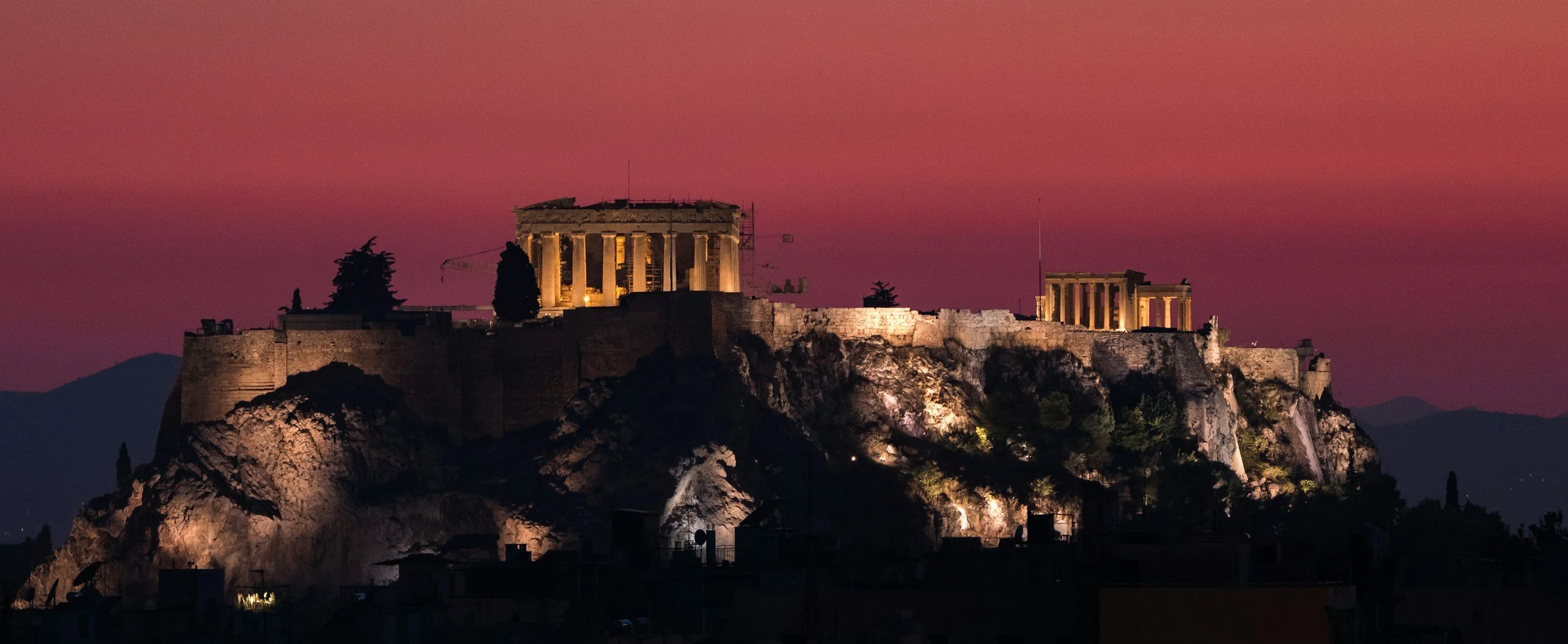
A for Athens sits beside Monastiraki station and looks directly towards the Acropolis. The view is the reason to come. It lets you see the ancient hill in relation to the dense modern city beneath it, which is a useful final perspective after spending most of the day inside the historic centre.
Reserve ahead for sunset, particularly on Fridays, Saturdays and during the main visitor season. Arrive before the sun begins to drop so the first half of the experience is not spent negotiating for a table.
The trade-off: You are paying rooftop prices and sharing the view with plenty of other visitors.
For a quieter and more active alternative, use Philopappos Hill. It requires more walking and works better when you are staying in Koukaki, but the experience feels less commercial.
Evening: Dinner and Drinks
Dopios
Dopios is the geographically easiest dinner choice. It sits on a pedestrian square in the centre and serves contemporary Greek mezze built around local ingredients and smaller producers.
This is the better option if you want to share several plates and keep the evening relaxed rather than formal. The restaurant currently operates daily and accepts reservations through its official site.
Best for: Modern Greek sharing plates close to Monastiraki.
Nolan
Nolan, near Syntagma, takes a broader contemporary approach, drawing on Greek and Asian influences. It is a stronger choice if you want the first evening to feel more restaurant-led and do not mind walking away from the old town.
The restaurant remains listed by the Michelin Guide. Book ahead rather than relying on a walk-in at peak dinner times.
Best for: A more polished final meal and travellers who want something beyond traditional Greek cooking.
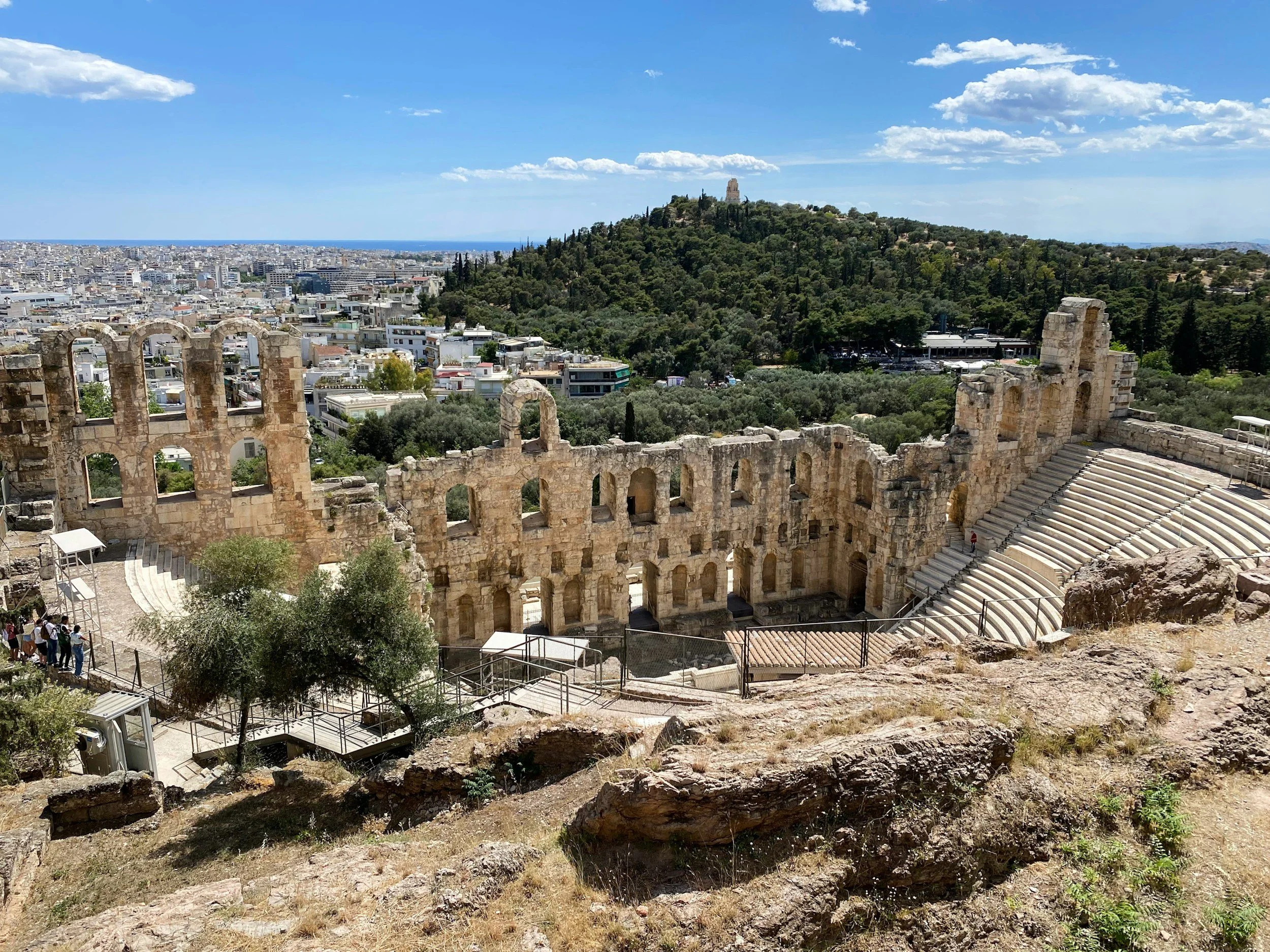
Day Two: Modern Athens, Markets and Neighbourhood Life
Day Two moves away from the concentrated archaeological circuit. The ancient city remains present, because Athens is not especially good at hiding it, but the focus shifts towards national identity, food culture, shopping and the neighbourhoods where contemporary Athens is easier to see.
Morning: Coffee and Syntagma
Start at Syntagma Square and the Tomb of the Unknown Soldier outside the Hellenic Parliament.
The Presidential Guard changes every hour on the hour. On Sundays at 11am, a larger ceremonial change takes place with a broader contingent and military band. The hourly version is enough for most itineraries, so do not sacrifice half the morning waiting unless the Sunday ceremony naturally fits your schedule.
From here, walk briefly through the National Garden. This is not intended as a major attraction. It is a greener and calmer route towards Kolonaki, providing a useful pause between Syntagma traffic and the museum district.
Continue to Queen Bee for coffee, pastries or a fuller breakfast. The café remains active in Kolonaki and works naturally before the Museum of Cycladic Art.
Late Morning: The Museum of Cycladic Art
Choose the Museum of Cycladic Art as the main cultural priority for Day Two.
It is compact enough for a short trip, geographically sensible after Syntagma and distinct from the monumental architecture of Day One. The permanent collections contain Cycladic, ancient Greek and ancient Cypriot objects, including the stripped-back marble figurines that have had a lasting influence on modern art and design.
Allow around 60 to 90 minutes. Prioritise the Cycladic collection and the galleries examining daily life in ancient Greece. The museum is a better fit here than the National Archaeological Museum because it can be understood without surrendering most of the afternoon.
The museum is currently closed on Tuesdays and opens later on Sundays than on most weekdays. Check the current calendar before fixing the sequence.
Who should choose something else?
Choose the National Archaeological Museum if ancient art is your main reason for visiting Athens and you are willing to remove most of the market or Psyrri time. It is Greece’s largest archaeological museum and requires considerably more attention than a quick cultural stop.
Lunch and the Central Market
From Kolonaki, walk or take a short taxi towards Athinas Street and Varvakios Central Market.
Varvakios is a working food market, not a curated food hall. The meat and fish sections are direct, noisy and highly sensory. Around them, the wider market district expands into Evripidou Street, where shops sell spices, dried goods, cheeses, cured meats, olives and ingredients from Greece and the eastern Mediterranean.
Visit before lunch while trading activity is still visible. Be considerate around workers and avoid blocking narrow passages for photographs.
The market is normally closed on Sundays, so use the alternative described below if Day Two falls on a Sunday.
Epirus Tavern
Epirus sits inside the market and represents the traditional mageirio, a straightforward restaurant serving cooked dishes, soups and daily specials.
Ask what is best that day rather than arriving with a rigid order. Patsas, the traditional tripe soup, is one of its best-known dishes, but casseroles and other cooked plates offer a less committed introduction. The tavern’s official site remained active in July 2026.
Best for: A traditional market lunch and travellers comfortable with a functional, no-frills setting.
Ta Karamanlidika Tou Fani
Karamanlidika is the easier alternative for many first-time visitors. Its menu draws on the cured meats, cheeses and meze traditions associated with the Karamanlidika communities of Asia Minor.
Order a spread rather than a single main dish, with pastourma, soutzouki, cheeses and vegetable plates depending on the current menu. The venue remains active near the Central Market.
Best for: A more accessible introduction to cured meats and shared Greek and Anatolian flavours.
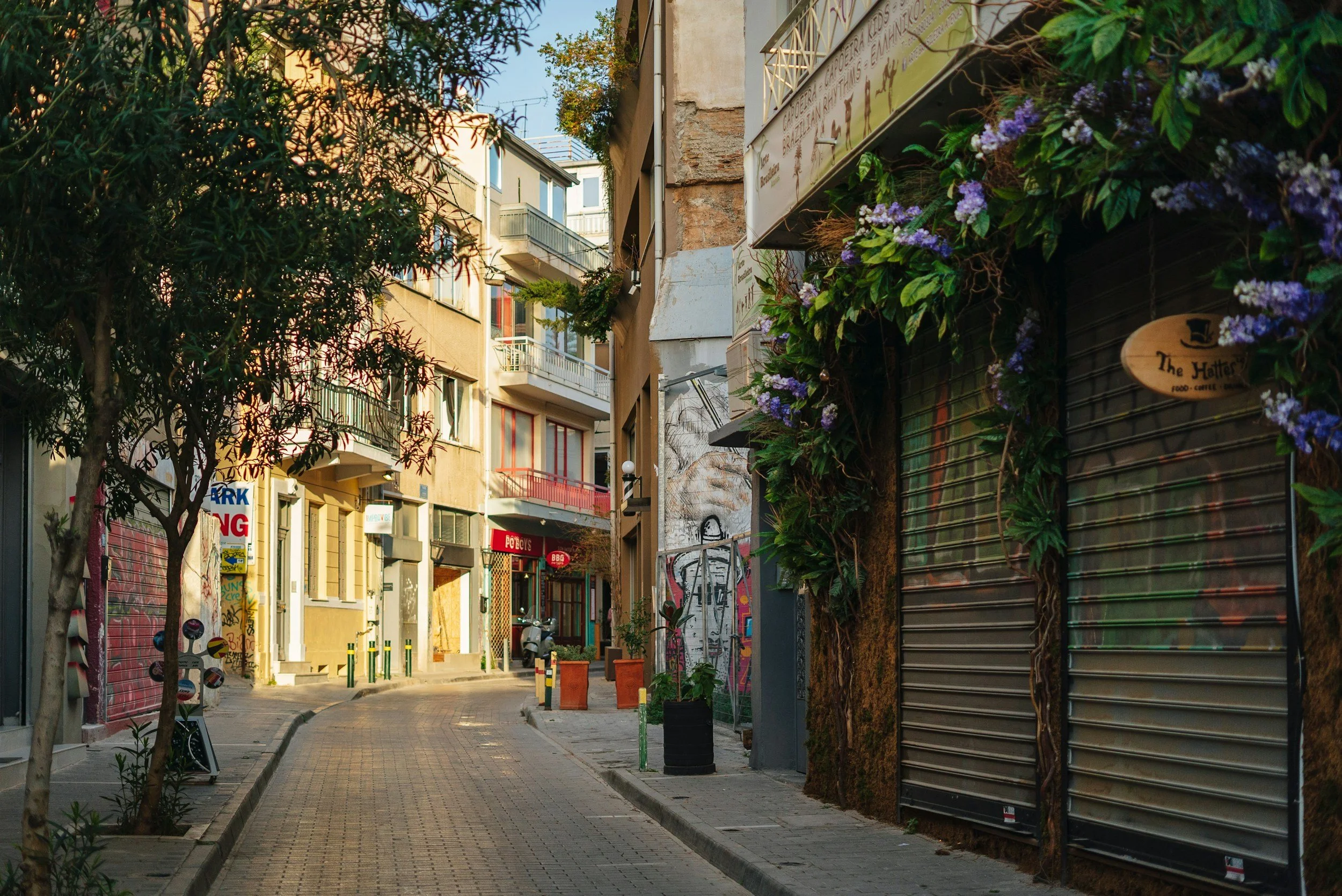
Afternoon: Experience Psyrri
Cross Athinas Street into Psyrri and give the neighbourhood a proper afternoon rather than using it only as a dinner address.
Psyrri developed around trade, workshops and working-class urban life. Craftspeople, leather merchants and small commercial businesses still sit alongside vintage stores, street art, cafés and bars. The result is not polished, but that is part of its value. It shows how older commercial Athens has been adapted rather than entirely erased.
Start around Iroon Square, then move towards Pittaki Street and Protogenous Street. Look beyond the most photographed corners for the smaller workshops, kitchenware stores and remaining craft businesses.
Protogenous has become one of the neighbourhood’s main creative streets, with vintage shops, casual bars and independent food businesses.
Useful stops include:
Remember Fashion, an independent store associated with Athens’ alternative fashion scene
Kokkion, a small artisan ice-cream shop using Greek ingredients
The antique and second-hand shops between Psyrri and Avissinias Square
The street art and surviving workshops around the district’s smaller lanes
Kokkion remains listed by the official city guide at its Protogenous Street address.
The trade-off: Psyrri is busy, inconsistent and increasingly visitor-facing around its most photographed streets. For a calmer, more residential afternoon, choose Pangrati instead, accepting that you will need a short taxi or metro journey and a less compact route.
Late Afternoon: Leave Space to Wander
Do not add another museum.
Use the late afternoon for one of three things:
Stay in Psyrri for coffee, ice cream and independent shops
Walk back towards Avissinias Square and Thissio
Return to your hotel for an hour before dinner
This space is deliberate. After two days of monuments, museums, traffic and stone streets, an unassigned hour is often more valuable than a seventh attraction.
It also gives you room to revisit somewhere you rushed on Day One. A travel itinerary should survive contact with the actual trip.
Final Evening: Dinner, Wine and a Slower Athens
Linou Soumpasis & Sia
Linou Soumpasis & Sia is the strongest full-dinner choice within Psyrri. The restaurant occupies a former candle workshop and approaches the Greek taverna through seasonal ingredients, house-made bread, seafood, vegetables and a contemporary wine list.
It is a good final meal because it feels recognisably Greek without repeating the more traditional food experiences from earlier in the itinerary. The restaurant remains open and accepts bookings through its official site.
Best for: A contemporary Athenian taverna and a more memorable final dinner.
Booking: Recommended, particularly towards the weekend.
Wine Is Fine
Wine Is Fine is the less formal choice for natural and low-intervention wine with a compact food menu. It suits travellers who would rather build the evening around several glasses, smaller plates and a lively streetside atmosphere.
Its current official channels list evening opening during the week and both lunch and dinner at weekends, with no reservations. Recheck the latest schedule before going.
Best for: Wine, small plates and an unstructured final evening.
Finish the trip here rather than adding a nightclub, another rooftop and a final archaeological site illuminated after dark. Athens will cope without one last act of administrative sightseeing.
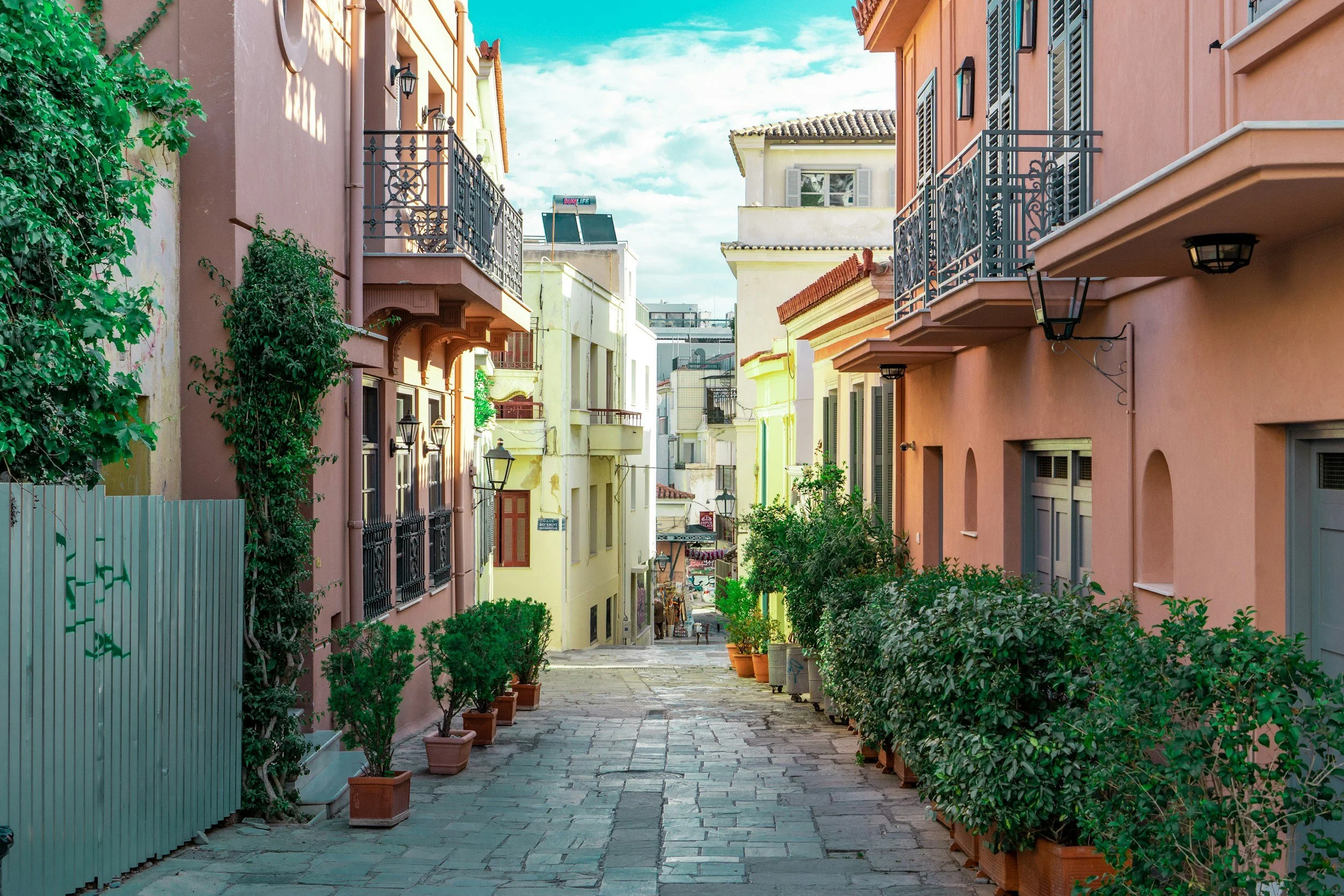
Optional Swaps for Different Travel Styles
For More Ancient History
Replace the Museum of Cycladic Art and most of the Psyrri afternoon with the National Archaeological Museum.
This gives you Greece’s broadest archaeological collection, including material from across the country rather than only Athens. Allow at least two to three hours. The museum currently uses longer summer hours and a later Tuesday opening, but schedules can change seasonally.
What to remove: Cycladic Museum and the extended Psyrri wander.
For More Food and Drink
Replace the Cycladic Museum with a guided market and food walk through Varvakios, Evripidou Street and the historic centre.
What to remove: The formal museum visit.
What you gain: More explanation of ingredients, migration, regional products and the relationship between Greek and Asia Minor food traditions.
For a Slower Weekend
On Day One, skip the Ancient Agora and spend longer in Koukaki, Plaka and Monastiraki.
On Day Two, keep the Cycladic Museum but reduce Psyrri to one or two streets before an early dinner.
What you lose: Some historical depth.
What you gain: A trip that feels more like a weekend and less like an archaeological endurance test.
For Art and Contemporary Culture
Replace the Museum of Cycladic Art with the National Gallery. Its central building focuses on the history of modern Greek art and is located east of the National Garden. The gallery is currently closed on Tuesdays and uses extended Wednesday evening hours. (Εθνική Πινακοθήκη)
What changes: Allow more time and consider taking a taxi from the gallery to the Central Market.
For Sunset and Views
Choose A for Athens for convenience, drinks and a direct view of the Acropolis above Monastiraki.
Choose Philopappos Hill for a quieter outdoor experience and a better sense of the Acropolis within the wider landscape.
Skip Lycabettus on this itinerary unless viewpoints are a major priority. It offers a wider panorama, but reaching the summit takes you away from the natural route through the historic centre. The official guide estimates one to two hours for the Lycabettus walking experience.
What to Book in Advance
Acropolis entry: Timed admission is required. Book through the official Hellenic Heritage system.
Licensed Acropolis tour: Book early if interpretation matters to you, especially in spring and summer.
Acropolis Museum: Advance booking is useful at busy periods, although general admission is also sold at the museum.
Museum of Cycladic Art: Online tickets are available. Check the day of closure before booking.
Sunset rooftop: Reserve if you want a specific time and Acropolis-facing table.
Dinner: Book Dopios, Nolan or Linou Soumpasis in advance for Friday and Saturday evenings.
Performances: If you are adding a concert or show, verify the programme and book separately rather than assuming same-day availability.
Getting Around Athens
Walking is the best transport for most of this itinerary. The historic centre is compact, and many of the strongest moments occur between formal stops.
Use the metro for:
Airport transfers
Reaching your hotel with luggage
Longer cross-city journeys
Avoiding an extended walk during severe heat
Metro Line 3 connects the airport with central stops including Syntagma and Monastiraki. Airport transport uses a separate fare structure from ordinary urban journeys. OASA currently also supports contactless bank-card and mobile-wallet payment for full-fare urban and airport products.
Airport express buses operate around the clock, including the X95 connection to Syntagma. Journey times depend heavily on traffic.
Taxis are useful late at night, with luggage or when heat makes a long walk unreasonable. They are not necessary for moving between most Day One stops.
The most common transport mistakes are assuming the airport uses a standard city fare and forgetting to validate the correct ticket or payment method.
What to Skip if You Only Have Two Days
Trying to Visit Every Archaeological Site
The Acropolis and Ancient Agora provide enough depth for most first-time visitors. Adding the Roman Agora, Hadrian’s Library, Kerameikos, the Olympieion and Aristotle’s Lyceum leaves less time to experience Athens as a city.
A Long Day Trip
Delphi, Cape Sounion and the nearby islands can all be worthwhile, but none belongs inside a first-time 48-hour city itinerary. Each takes a substantial portion of one of your two days.
The Athens Riviera
The coast deserves its own half-day or day. Adding it here turns Day Two into a transport exercise and weakens the neighbourhood route.
Stavros Niarchos Foundation Cultural Center
The Renzo Piano-designed cultural centre is a strong modern Athens experience, but it sits south of the central itinerary. Save it for a longer visit, particularly if you also want to explore the coast. (This is Athens)
Crossing the City for One Restaurant
Athens has enough excellent food in each central district that no meal needs to dismantle the itinerary around it.
Final Tips for Spending 48 Hours in Athens
Start the Acropolis early. This helps with both crowds and heat.
Check seasonal closing times. Archaeological sites close much earlier in winter.
Reverse Plaka and the Ancient Agora in winter. Visit the ticketed site first, then walk the neighbourhood.
Carry water. Shade is limited on the Acropolis and some exposed routes.
Wear shoes with grip. Marble and polished stone can be slippery.
Expect hills. Central Athens is walkable, but not consistently flat.
Do not schedule meals too tightly. A proper lunch can easily become one of the better parts of the day.
Check Sunday arrangements. Varvakios Market is normally closed on Sundays.
Check Tuesday museum closures. The Museum of Cycladic Art and several other institutions close on Tuesdays.
Leave one hour unplanned. Athens tends to use it more effectively than you would.
“Athens is worth visiting for a weekend because its essential experiences are concentrated without feeling contained.
In 48 hours in Athens, you can stand among the buildings of the Acropolis, see how public life unfolded in the Ancient Agora, walk through a neighbourhood built by island craftspeople, eat inside a working market and finish in a modern restaurant occupying an old candle workshop.
The city becomes more rewarding when those experiences are allowed to sit beside each other. Ancient Athens supplies the scale and context. Contemporary Athens supplies the movement, food and everyday detail that stop the trip feeling like a museum visit with traffic.
This itinerary works best for travellers who want the major first-time sights but are willing to leave some of the city for another visit. That is not a particularly difficult sacrifice. Athens has been here for a while.
Continue planning with the World Locals Athens Neighbourhood Guide, Where to Eat in Athens, and the World Locals guide to the best experiences and things to do in Athens.”
Frequently Asked Questions
Is 48 Hours Enough in Athens?
Yes. Two full days are enough to visit the Acropolis, Acropolis Museum, Ancient Agora, Plaka, Monastiraki, Syntagma, the Central Market and one contemporary neighbourhood. It is not enough for every museum, archaeological site and day trip.
What Should I Prioritise on My First Visit to Athens?
Prioritise the Acropolis, Acropolis Museum, one additional archaeological site, a walk through Plaka and Anafiotika, and time in a contemporary neighbourhood such as Psyrri. The Ancient Agora is the strongest additional site for most first-time visitors.
Is Athens Walkable?
Central Athens is highly walkable, particularly around the Acropolis, Plaka, Monastiraki, Syntagma and Psyrri. Expect hills, uneven paving and exposed routes. The metro is useful for the airport and longer journeys.
Where Should I Stay for Two Days in Athens?
Koukaki is the strongest all-round base for this itinerary. Plaka works best for historic atmosphere, Monastiraki for nightlife and transport, and Syntagma for airport connections.
Do I Need to Book the Acropolis in Advance?
Advance booking is strongly recommended. Entry currently operates through mandatory timed slots, and popular times can sell out. Use the official Hellenic Heritage ticketing platform.
What Is the Best Time to Visit the Acropolis?
The earliest available morning slots are usually the most practical, particularly during warmer months. They reduce exposure to peak heat and generally provide a calmer start to the day.
How Much Spending Money Do I Need for Two Days in Athens?
For this itinerary, a sensible mid-range working estimate is approximately €180 to €300 per person, excluding accommodation and flights. This allows for four principal admission tickets, local transport, two lunches, two dinners, coffee and drinks. The lower end requires more casual meals and fewer paid extras; guided tours and higher-end dinners will increase the total. This is an editorial estimate based partly on current official attraction and transport charges, not a fixed trip price.
MORE EUROPE