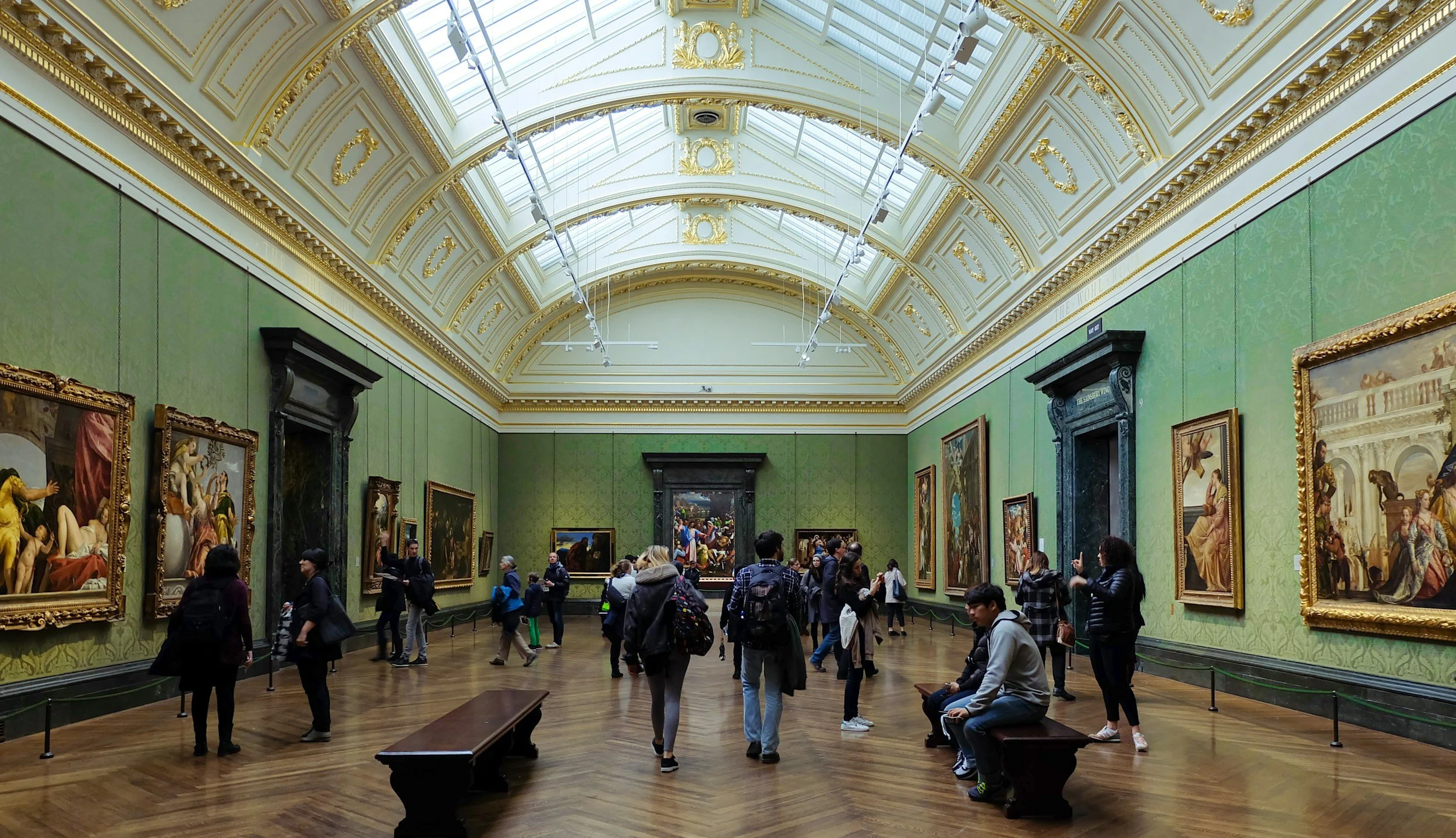
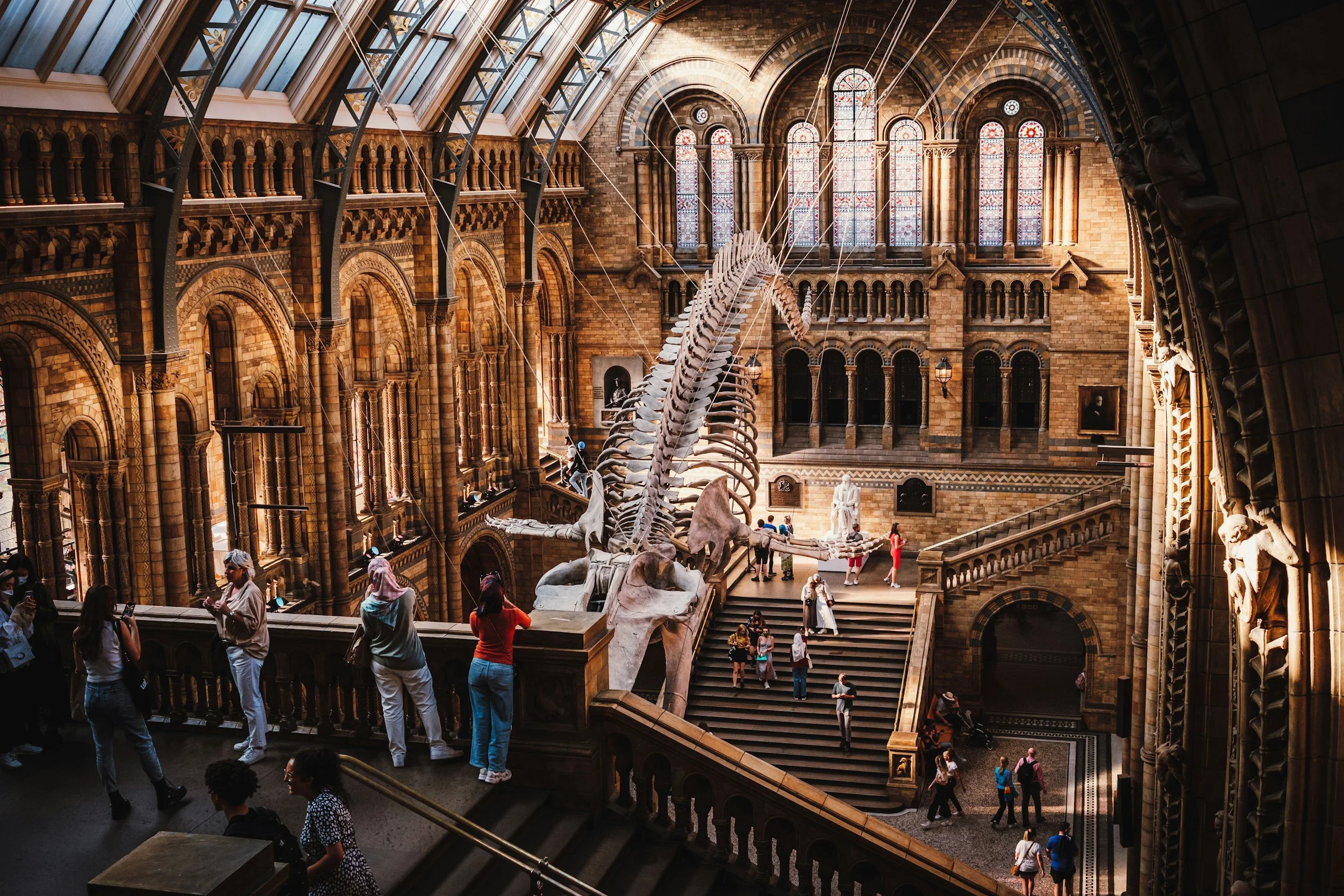
London can comfortably fill a week, but a day outside the capital gives you a different view of England: university colleges beside a river, a royal castle above the Thames, a working seaside harbour or stone villages surrounded by countryside.
As a London local, I enjoy getting out of the city when its pace starts to feel a little relentless. There's a surprising amount of beauty within reach. The important part is choosing an excursion that leaves enough time to enjoy the place once you arrive.
The best day trips from London by train depend on what you want from the day. Windsor works well for royal history and a shorter outing. Oxford and Cambridge offer two different university-city experiences. Bath deserves a full day for its Roman history and Georgian streets, while Brighton and Whitstable offer contrasting versions of the coast. Rye suits a smaller-town visit, and the Cotswolds rewards visitors prepared to organise the journey beyond the station.
Some booking links in this guide may earn The World Locals a commission, at no extra cost to you. Recommendations are selected independently.
Should You Take a Day Trip from London?
If it's your first visit and you have only three full days, I'd generally keep them for London unless somewhere outside the city is a particular priority. Our 3 Days in London itinerary gives you a realistic starting point without using one of those days travelling elsewhere.
With four or five full days, a day trip becomes a choice about what matters most to you. A castle, university city or stretch of coast may add something you particularly want, but you will be giving up time for London's museums, markets and neighbourhoods. Around a week gives you more room for both.
You can also change the pace while staying in London. An afternoon in Greenwich, a park or a quieter neighbourhood can be enough if what you need is a break from central sightseeing. Our guide to London's worthwhile experiences can help you weigh that option.
For the wider picture, start with the London Travel Guide, then choose an excursion around the experience you want rather than the number of places you could technically reach.
Choose the Right Day Trip for Your Interests
Windsor: royal history and a shorter day, with two useful rail approaches.
Oxford: colleges, libraries and museums, with direct trains to the city.
Cambridge: the River Cam, college architecture and optional punting, also reached directly.
Bath: Roman history and Georgian architecture, worth setting aside a full day for.
Brighton: the seafront, independent shops and a livelier coastal atmosphere.
Canterbury: a substantial cathedral visit and a compact historic centre.
Whitstable: seafood, harbour life and a slower coastal afternoon.
Rye: historic streets and a smaller-town visit, with a rail change at Ashford.
The Cotswolds: villages and countryside, reached by train plus carefully planned onward transport.
Journey times below are approximate guides from the named London station. They vary by service and can change during engineering work. Add the journey from your accommodation, time at the station and any walking or onward transport at the other end. Suggested time in each destination is an editorial planning estimate.

LONDON’S TRAVEL HUB
London has over 330 train stations, with routes reaching across Great Britain. Eighteen stations fall under the ticketing designation “London Terminals”, which helps explain why checking your departure station matters when planning a day outside the capital.
The Best Day Trips from London by Train
1. Windsor for Royal History and a Shorter Day
Windsor is a strong choice if you want a recognisable landmark without committing to one of the longer journeys here. The castle gives the day a clear focus, while the surrounding town and riverside leave space for lunch and an unhurried walk.
Choose it because royal history interests you. This is a working royal residence, and visiting the State Apartments and St George's Chapel is a more substantial experience than simply seeing the castle walls from the town. The Royal Collection Trust suggests allowing around one and a half to two hours inside; leave additional time for arrival, security and the rest of Windsor.
Check the castle's official visiting information before choosing your day. It is normally closed on Tuesdays and Wednesdays, and St George's Chapel is closed to sightseeing visitors on Sundays. Special closures can also affect what you see. If the castle is the reason for coming, confirm access before buying your train tickets.
From Waterloo, direct trains to Windsor & Eton Riverside normally take around an hour. From Paddington, travel to Windsor & Eton Central with a change at Slough; faster connections can take roughly 30–50 minutes. Both stations are within walking distance of the castle. Compare the complete journey from your London base, including the change, rather than choosing by the shortest advertised rail time.
You can check Waterloo to Windsor & Eton Riverside trains on Trainline or compare the Paddington to Windsor & Eton Central route.
Allow around four to six hours in Windsor if you're visiting the castle and eating locally. Admission is the main sightseeing expense. Before paying, check whether a current rail-linked offer suits your party and date; eligibility and ticket conditions matter.
Travel update, checked 29 October 2026: engineering work affects the Waterloo–Windsor route through 1 November 2026. Check South Western Railway's current travel information before relying on the normal direct service.
2. Oxford for Colleges, Libraries and Museums
Oxford suits visitors who enjoy architecture and want to understand something of university life beyond the familiar photographs. The colleges are individual institutions within the wider university, so exploring the city involves a patchwork of courtyards, streets, libraries and buildings with different visiting arrangements.
Begin around Broad Street and the Bodleian buildings, then give yourself time around Radcliffe Square. The Radcliffe Camera is still a working library: its recognisable exterior is easy to appreciate, while public access to the interior is through specified Bodleian tours. The Bodleian's visitor information helps distinguish a Divinity School visit from a library tour and other available options.
Choose one interior that interests you, then leave the rest of the day flexible. The Ashmolean offers free general admission to its collections, with separate arrangements for paid exhibitions. That makes it a useful way to add depth without paying for a succession of college visits.
A guided walk can help explain the collegiate system and the relationship between the city and university. The Oxford University and City Tour on Viator offers different morning and afternoon arrangements: college entry is listed for afternoon tours, subject to availability, while morning tours do not include it. Check the option carefully if an interior visit matters to you.
Direct trains from Paddington take around an hour on many services. Marylebone offers another route, so compare the actual journey if you're staying nearby. For this historic-centre day, select Oxford, rather than assuming Oxford Parkway is the same arrival point. Start with Paddington to Oxford trains on Trainline.
Allow around six hours in the city, longer if you want a substantial museum visit. Walking and free collections can keep sightseeing costs modest, but paid interiors and tours add up. Oxford and Cambridge are usually alternatives on a short London trip; give your chosen city a proper day.
3. Cambridge for the River and a Different University Setting
Cambridge is particularly appealing if you'd like the river to be part of the day. Around the Backs, college buildings and grounds face the River Cam, giving the city a different rhythm from Oxford's streets and squares.
Build the visit around the historic centre, one college or chapel visit and time beside the water. If King's College Chapel is a priority, check the college's visitor calendar and tickets. Chapel and grounds access can differ by date, and a river view does not include admission inside the college.
Punting is an optional way to see the setting from another angle. A chauffeured trip lets you take in the buildings while a guide handles the boat. You can check the Scudamore's shared punting tour on GetYourGuide, which departs from Mill Lane. Check the booking conditions and operating hours, particularly when daylight is limited, and leave the rest of the afternoon flexible.
For an indoor alternative, the Fitzwilliam Museum has free general admission, with some exhibitions ticketed separately. It is normally closed on Mondays apart from bank holidays, so check the calendar before making it a central part of the day.
Fast trains from King's Cross can take around 50 minutes to an hour, while other services take longer. Liverpool Street is another departure option. Compare King's Cross to Cambridge trains on Trainline, then account for the journey into the historic centre. The Fitzwilliam alone is approximately a 20-minute walk from Cambridge station, with the main college streets farther on.
Around six hours gives you room for a selective visit and lunch. Choose Cambridge over Oxford if the river and punting are a particular draw. If your main aim is a museum-heavy day, compare the collections you actually want to see before deciding.
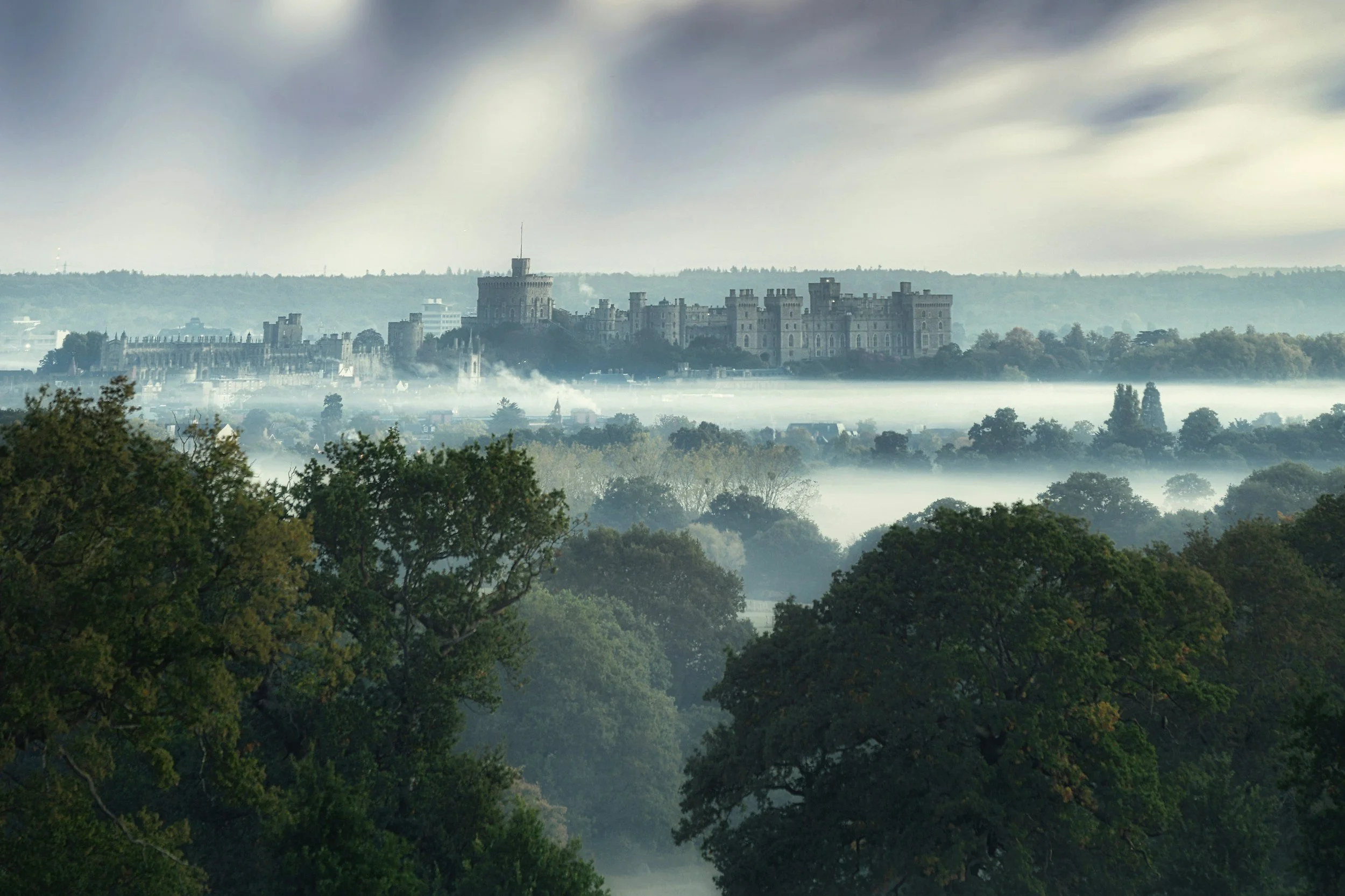
WINDSOR CASTLE
Windsor is the oldest and largest occupied castle in the world. Founded by William the Conqueror in the 11th century, it has been home to 40 monarchs, making it an extraordinary link between Norman England and the monarchy today.
4. Bath for Roman History and Georgian Architecture
Bath brings two distinct historical layers into a walkable city: the Roman bathing complex and the Georgian streets that shape much of its present-day appearance. It's a rewarding choice if you enjoy understanding how a place developed as well as seeing its best-known buildings.
Make the Roman Baths the main visit if ancient history interests you. The museum and surviving complex explain the importance of the thermal spring and the people who used it. This is a historic site to explore; swimming is not permitted. A modern spa visit is a separate experience and needs its own time and budget.
Check Roman Baths admission on GetYourGuide against the official visitor information. The linked ticket includes an audio guide. Read the ticket conditions before paying and allow a generous block for the visit rather than fitting it tightly between trains.
Afterwards, spend time around the Abbey area, then choose a walk towards the Circus and Royal Crescent if you'd like to appreciate the Georgian city. Leave room for lunch and pauses along the way. Bath works well when the buildings form part of a continuous walk, with one or two interiors selected around your interests.
Direct trains from Paddington to Bath Spa take around one hour 20 minutes on faster services, with some journeys taking longer. Bath Spa station is in the city centre, making the arrival straightforward. Compare London to Bath Spa trains on Trainline.
Give Bath a full day, with roughly six to eight hours in the city if your rail arrangements allow it. Rail travel and Roman Baths admission need a deliberate budget, although the architectural walk can remain free. Keep Stonehenge and Cotswolds village-hopping for another excursion; adding them reduces the time that makes Bath worthwhile.
5. Brighton for the Seaside, Shops and a Livelier Escape
Brighton is a good choice when you'd like a day that can develop around the weather and your appetite: time on the seafront, browsing independent shops, lunch and perhaps one substantial indoor visit.
The Lanes and North Laine are different areas worth exploring. Together, their smaller streets and shops give you reasons to wander beyond the direct route to the beach. Then head towards the water for the seafront and the familiar outline of the pier.
Brighton's royal history gives the day another dimension. George IV commissioned John Nash to transform the Royal Pavilion in the early 19th century, helping shape the fashionable resort that grew around it. The domes and elaborate interiors make a striking change from the city's seaside setting. If that interests you, check the Royal Pavilion's current visitor information, including any applicable rail-linked admission offer.
Direct trains run from Victoria, London Bridge and St Pancras. Allow roughly an hour from Victoria or London Bridge on faster services, and longer from St Pancras. Compare London to Brighton trains on Trainline, choosing the departure station that makes sense for your accommodation.
Around five to seven hours in Brighton works well for the coast, shops and lunch, with longer for a Pavilion visit. You can keep attraction spending low by staying outdoors, but the beach is pebbled and a warm, still day is never guaranteed. Brighton is also a busy city in its own right; choose Whitstable if a smaller coastal setting is more appealing.
Date to check: the Royal Pavilion has announced that it will be closed on 18 November 2026. Confirm the visitor calendar before planning around an interior visit.
6. Canterbury for Cathedral History and Medieval Streets
Canterbury is a focused choice for visitors interested in religious history, architecture and the experience of a cathedral city. Its long association with pilgrimage helps explain why the cathedral remains so central to the place.
Give the cathedral enough time for more than a quick look. The scale of the building, stained glass and surrounding spaces reward a visit shaped by your interests, followed by a slower walk through the historic centre and lunch nearby.
Use the cathedral's official planning page to check sightseeing access and tickets. Services and visitor access have different arrangements, including later interior opening on Sundays. Attending worship is a different experience from a sightseeing visit, so choose deliberately rather than treating one as a substitute for the other.
High-speed trains from St Pancras to Canterbury West take around an hour. Other London routes can take longer, so look at both journey time and fare. Check St Pancras to Canterbury West trains on Trainline, then allow time to walk from the station into the centre.
Around five to six hours gives you a comfortable starting point for the cathedral, streets and a meal. Budget for cathedral admission if it is your main reason for coming. Canterbury suits a day with a clear historical focus; if you mainly want fresh air and a seafood lunch, Whitstable may fit better. Combining both can leave too little time for either.
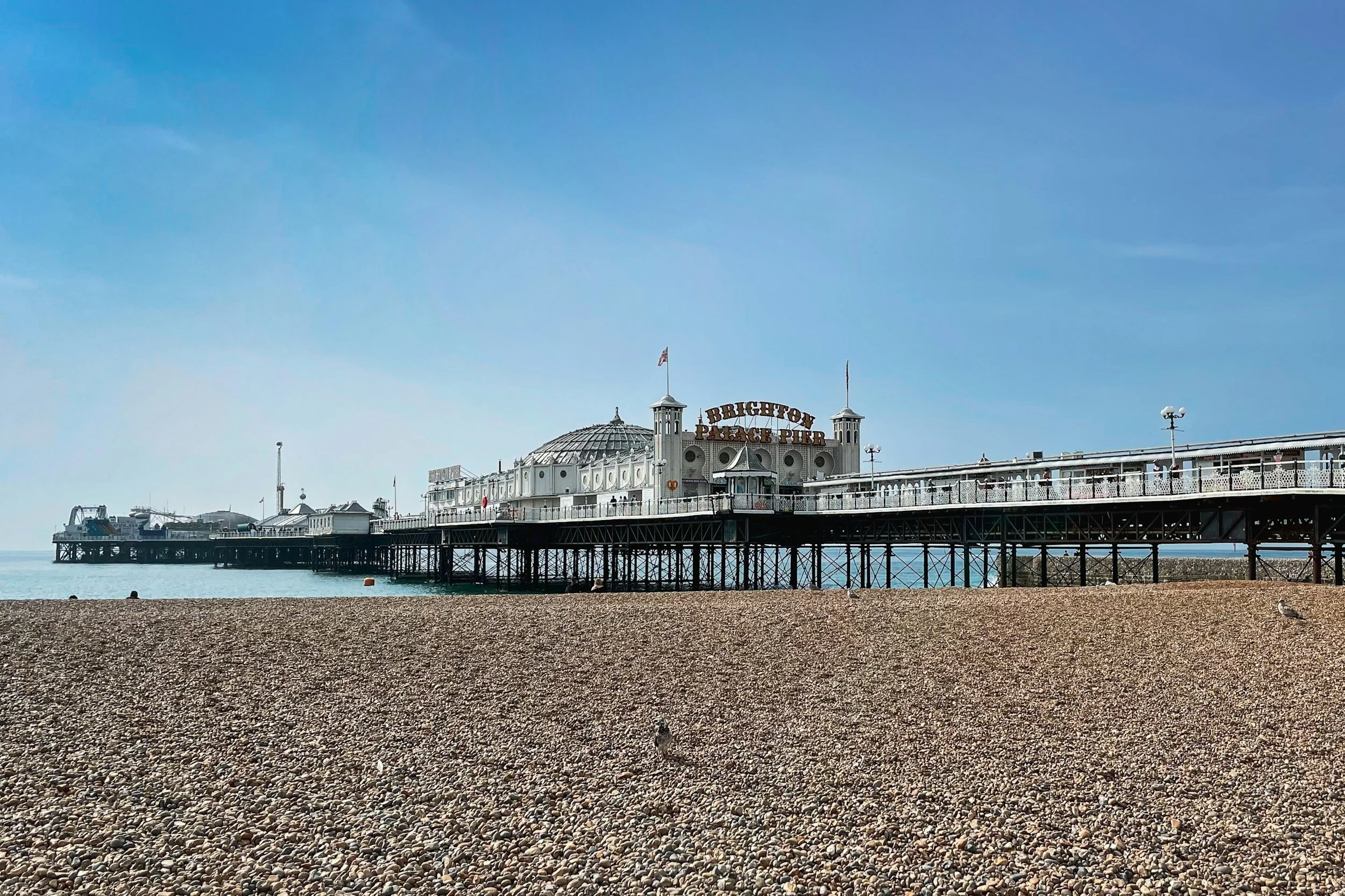
BRIGHTON
During the First World War, Brighton’s Royal Pavilion became a military hospital. From 1914 to 1916, its elaborate rooms housed wounded Indian soldiers from the Western Front. It subsequently treated British troops who had lost limbs, giving this seaside landmark a remarkable history beyond royal extravagance.
7. Whitstable for Seafood and a Slower Coastal Day
Whitstable works best when you're happy to give the day a loose shape: walk from the station into town, browse Harbour Street, spend time around the working harbour and stop for a meal beside the sea.
Oysters are part of the town's identity, but the harbour offers more than one food experience. The harbour and South Quay Shed bring together seafood, independent traders and other places to eat, making this an appealing choice if you enjoy exploring through food without booking a formal tasting or tour.
Allow space to follow the seafront towards Tankerton if the weather suits. The appeal is the smaller scale, shingle shore and opportunity to pause. You don't need to fill every hour with an attraction, and you can decide how much to spend through the meal you choose.
Direct trains from Victoria or St Pancras generally take around one hour 20 minutes to one hour 40 minutes, depending on the route and service. Compare London to Whitstable trains on Trainline. The official harbour guide puts the station-to-harbour walk at about 13 minutes; allow longer if you're browsing through town.
Give yourself around four to six hours locally. Check individual opening days if a particular restaurant or food stop is central to the trip, and leave room for a different plan in poor weather. Choose Brighton for a broader mix of urban sightseeing and indoor options, or Whitstable for a more relaxed food-and-coast day.
8. Rye for Historic Streets and a Smaller-Town Visit
Rye offers a compact day of cobbled streets, older buildings, independent shops and views across the surrounding landscape. It suits visitors who enjoy exploring on foot without needing a succession of major attractions.
Its position makes more sense when you understand the maritime history. Rye was once surrounded by the sea on three sides and became part of the Cinque Ports confederation. The present-day views across the marshes give you a useful sense of how much the setting has changed.
Spend time around Mermaid Street and the lanes of the old town, then decide whether to add a heritage visit from the official Rye visitor guide. Leave time for lunch and browsing. The cobbles and slopes are part of the experience, so consider the walking involved if you need a flatter route.
From St Pancras, take the high-speed train to Ashford International and change for Rye. Useful connections can put the journey at around one hour ten minutes to one hour thirty minutes, but some itineraries take considerably longer. Check St Pancras to Rye trains on Trainline and look closely at the connection in both directions.
Around four to six hours in town can be enough for a satisfying visit. Walking keeps the sightseeing spend flexible, while optional interiors and lunch determine the rest. Treat Camber Sands and Rye Harbour as separate additions needing their own travel time. For a first day here, a relaxed old-town visit is often the better use of the hours available.
9. The Cotswolds for Villages and Countryside, with More Planning
The Cotswolds is a particularly appealing choice if you're hoping to see stone villages and countryside during a London-based trip. For me, there's something of the English-village atmosphere of The Holiday in its appeal. It can provide a very different day from the capital, provided you organise what happens after the train arrives.
The railway reaches several useful towns and villages, but it doesn't connect all the places readers tend to picture together. Moreton-in-Marsh is a practical gateway, with direct trains from Paddington taking around an hour and a half. Check Paddington to Moreton-in-Marsh trains on Trainline.
There are two sensible ways to shape the day.
Keep an Independent Visit Focused
Start in Moreton-in-Marsh and choose one onward village connection you can comfortably manage. The Pulhams 801 links Moreton with Bourton-on-the-Water, and the official Cotswolds transport guide explains the wider connections, including Stow-on-the-Wold.
Check the operating-day timetable, the stop you need and the return connection before committing. Rural bus travel needs more planning than moving around London. Leave time for lunch and a walk, and resist turning a one-day visit into a circuit of every village you've saved.
A pre-booked taxi may help with a particular leg, but confirm the pickup and return arrangements in advance. Include that cost when comparing an independent day with a tour.
Take the Train and Join a Local Tour
A locally operated tour can make sense if you want to see several villages without managing each connection yourself. The Go Cotswolds day tour on Viator offers a Moreton-in-Marsh station pickup option.
Select that pickup deliberately, check the meeting time and confirm a suitable train before buying either part of the day. The listing also offers a Stratford-upon-Avon departure, so the tour title alone isn't enough to identify your meeting point. London rail travel needs to be arranged separately.
This option occupies most of the day before you add the trains. Compare the price of rail plus the local tour, check the current itinerary and allow a sensible margin before your journey home.
The Cotswolds deserves the extra planning if villages and countryside are a priority. Choose Oxford, Bath or Rye if you'd prefer to arrive by train and begin a largely walkable visit. The region's appeal is strongest when you have time to enjoy being there.
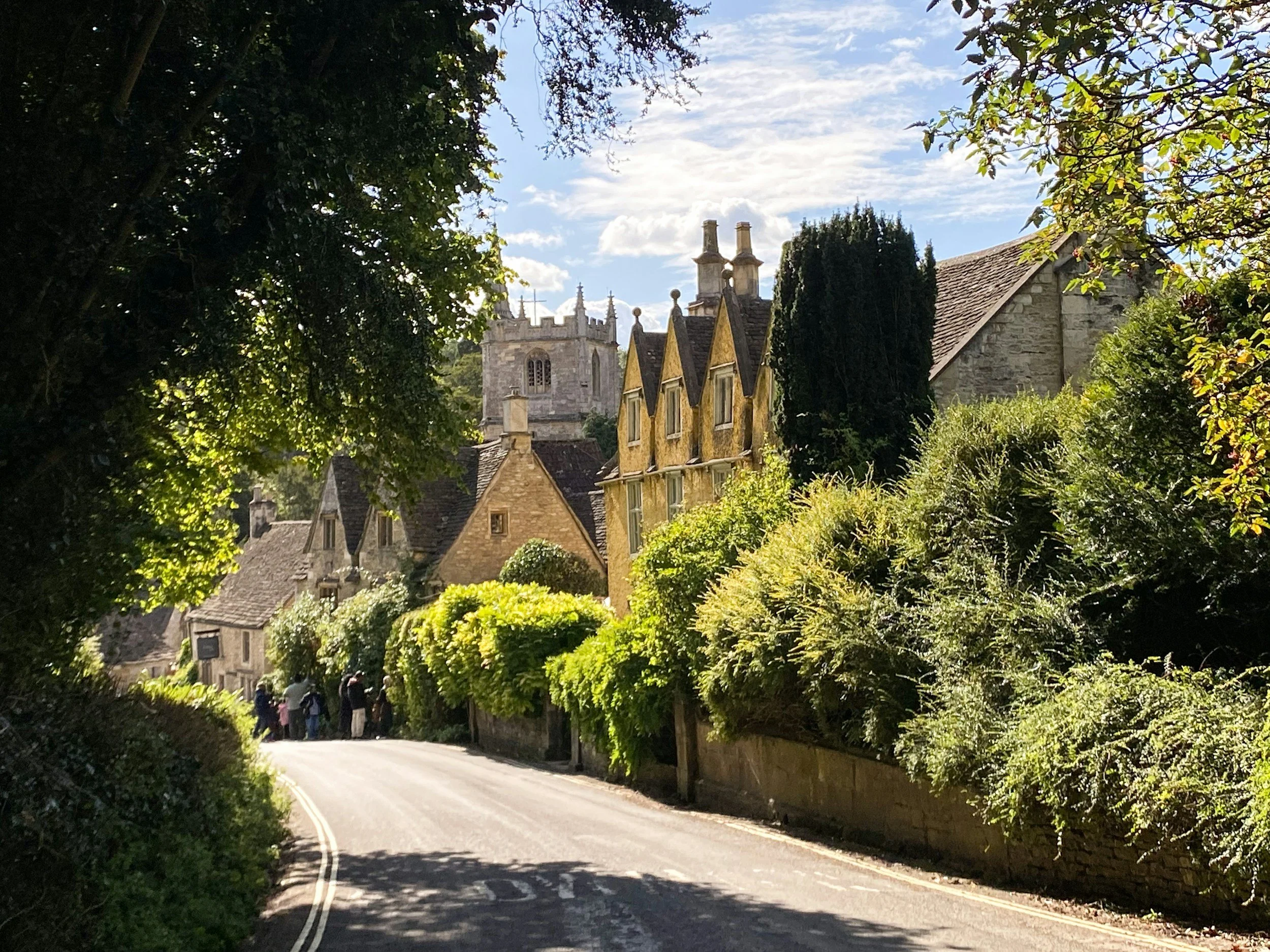
THE COTSWOLDS
The limestone used in the Cotswolds’ characteristic buildings formed in warm tropical seas during the Jurassic period. Its colour varies with its iron oxide content, producing shades from creamy white to golden ochre. The villages’ familiar appearance begins with the geology beneath them.
How to Plan and Book Your Train Day Trip
Start with the Complete Journey
Your London departure station matters. A slightly longer train ride can still produce an easier day if it saves a cross-city journey from your accommodation. Check the outward and return journeys together, including any change and the final bus or walk.
For a trip built around a timed attraction or local tour, check both rail and admission availability before committing. Leave room for station arrival, queues, lunch and small delays. The last possible return train is a poor starting point for an unhurried day out.
Understand the Ticket You're Buying
Advance tickets are normally tied to the specified train and date. They can offer good value when your plans are firm, but a different departure may require changing the ticket. Buying an Advance ticket is also different from simply buying a flexible ticket ahead of time.
Off-Peak and Super Off-Peak tickets have conditions that depend on the route and fare. Check the trains your ticket permits, including the return journey, rather than assuming one universal morning start time. National Rail explains Advance tickets and Off-Peak restrictions in more detail.
Compare the final checkout total, including any fees, with the operator's own price and conditions. A small saving may be poor value if it leaves you rushing a tour or unable to change the day when the weather turns. Check whether an eligible Railcard or group fare helps, including the relevant restrictions.
Budget for the Day Beyond the Train
Add together rail travel, onward transport, admissions and food. A headline “from” fare may be a limited single ticket, while your day needs a journey home too.
Windsor and Canterbury have clear paid attractions if you're choosing them for the castle or cathedral. Oxford and Cambridge offer ways to mix free collections with selected paid visits. Brighton, Whitstable and Rye can leave more of the local spend to your choice of meals and optional interiors. The Cotswolds needs particular care because buses, taxis or a local tour are additional to the rail journey.
Look for relevant rail-linked attraction offers and compare them with ordinary admission. Check eligibility before buying, especially if the offer requires particular train-ticket evidence. Use the destination links above to compare your actual travel date rather than treating an advertised fare as a fixed budget.
Check the Day Before You Travel
Review engineering work, service changes and attraction closures. For rural routes, check the last useful onward connection as well as the train home. Shorter winter daylight can also change how much walking, punting or countryside exploring fits comfortably into the day.
Payment coverage varies by destination and route. Confirm whether you need a separate rail ticket; a payment method that works on the Tube does not automatically cover the excursion. Our London Travel Tips explains the wider city-transport arrangements.
One well-chosen trip is usually enough to add a different perspective to a London visit. Pick the place that offers something you particularly want, check the full return journey and leave enough time to enjoy the reason you went.
Continue Planning London
- London Travel Guide: understand how long to stay and where a day trip fits.
- London Travel Tips: plan transport, costs and the practical side of your visit.
- 3 Days in London: build a realistic first visit before deciding whether to travel farther.