For a first visit to London, I'd start with the West End, spend some time along the Thames and leave room for a neighbourhood that reflects your interests. That might mean Spitalfields for its markets and migration history, Brixton for music and Black British culture, or Hampstead for village streets and a substantial stretch of green space. You don't need to cross the whole city to understand how much it changes from one area to the next.
I've lived in Bethnal Green and around Liverpool Street, as well as Putney, Fulham and Wandsworth, and worked across the City, Camden, Shoreditch, Farringdon and Soho. My advice is to give the places between London's landmarks some proper time. A neighbourhood afternoon can tell you as much about the city as another admission ticket.
This guide explains what makes London's areas different and how to explore them. For the wider trip, begin with our London Travel Guide. If you're choosing an accommodation base, use Where to Stay in London.
Some booking links in this guide may earn The World Locals a commission, at no extra cost to you. Recommendations are selected independently.
Which London Neighbourhoods Should You Explore?
Choose according to what you'd like to spend your time doing:
For a first West End afternoon: Covent Garden, Seven Dials and Soho combine shops, food and theatre within a manageable area.
For historic streets: Explore the City of London, or give Clerkenwell and Farringdon an afternoon of their own.
For East End history and markets: Begin with Spitalfields and Brick Lane, then continue into Shoreditch. Add Columbia Road if the Sunday flower market is a priority.
For music and Black British culture: Head to Brixton, with time for its markets, Windrush Square and a planned cultural visit or performance.
For canal-side exploring: Combine King's Cross with Camden, stopping along the way rather than treating the towpath as a shortcut.
For a greener half-day: Choose Hampstead and the Heath, or Greenwich for maritime history, the river and parkland.
For a short first trip, pick one or two neighbourhood outings alongside your main sights. The rest can become reasons to return.
How London's Neighbourhoods Fit Together
London's neighbourhood names describe different things. Soho is a compact district; Hackney can mean a much wider borough. The City of London is the historic Square Mile, with its own local authority, while central London extends well beyond it. You can walk from one neighbourhood into another without passing an obvious boundary.
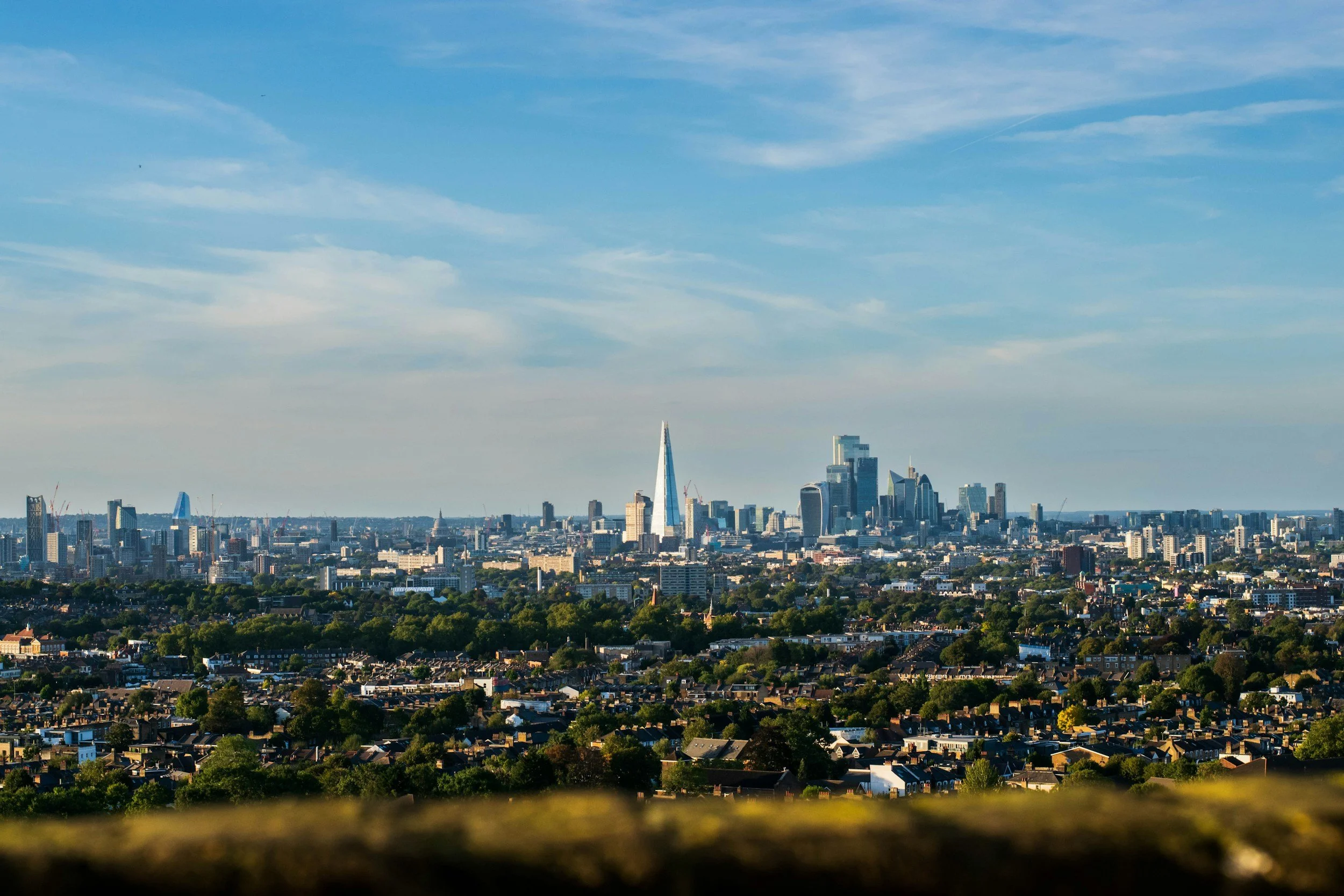
The Thames provides a useful reference point. Westminster and the West End sit north of the river, with the City farther east. South Bank and Bankside run along the southern side, while Greenwich is a separate outing farther downstream. North London's canal districts and the greener streets of Hampstead offer another change of pace.
The regional sections below are practical groupings rather than official boundaries. Plan around places that sit well together, then check the journey between them. A Tube map gives you connections, not an accurate picture of walking distances. Our London Travel Tips cover navigation, transport and the other practical decisions.
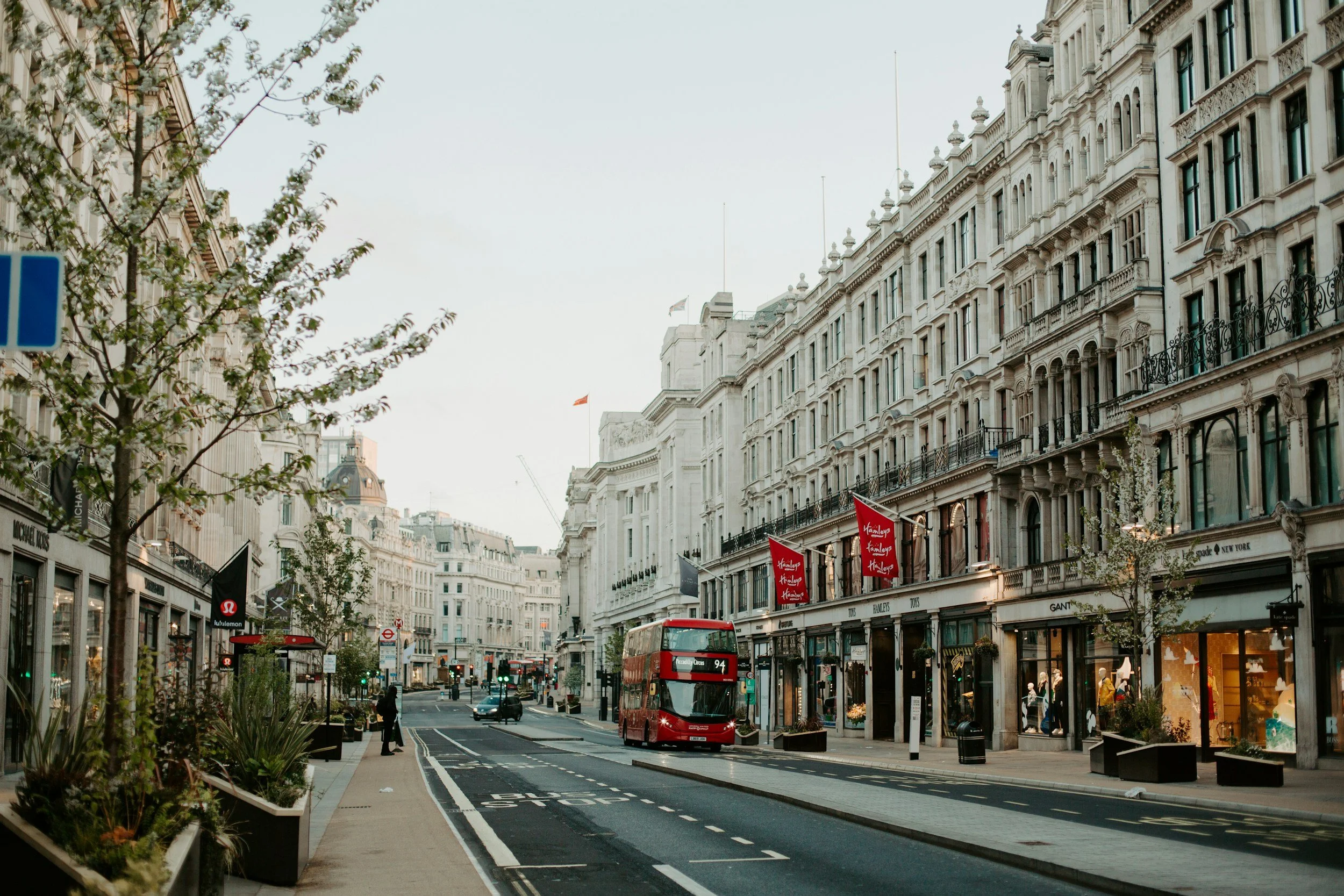
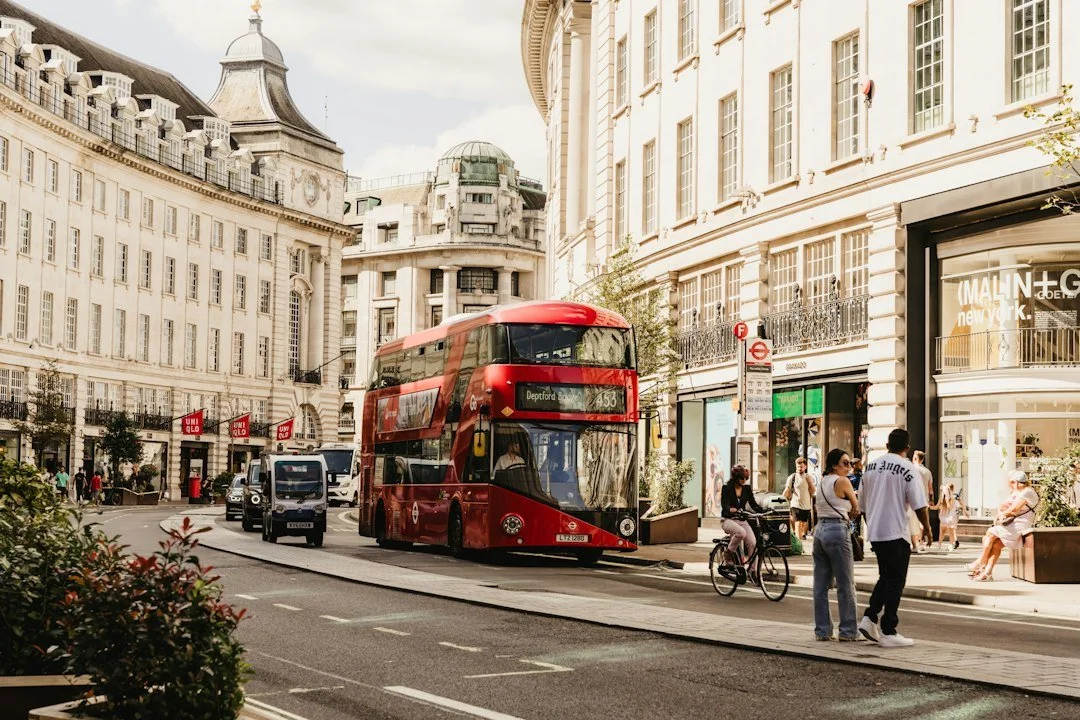
REGENT STREET
Step onto Heddon Street and you’ll find the setting for Bowie’s 1972 Ziggy Stardust album cover. A plaque outside number 23 marks the spot, just moments from Regent Street’s shopfronts.
Central London: The West End, Historic Streets and Quieter Squares
Covent Garden and Seven Dials
Covent Garden is an easy introduction to London at street level. The piazza brings together the former market buildings, shops and street performance, with theatres and restaurants close by. It puts several pleasures of the West End within walking distance and works particularly well for an afternoon that leads into dinner and a show. Expect company around the piazza, especially at weekends.
Make the piazza your starting point, then continue towards Seven Dials and Monmouth Street. Seven Dials was laid out in the 1690s, with streets radiating from its central monument. That compact arrangement gives you plenty of small turns to explore without covering a large distance. Neal's Yard adds a colourful courtyard stop, though it can become crowded very quickly.
Leave time for browsing the surrounding streets, where the smaller shops and courtyards give the afternoon more variety. If the main square feels congested, continue towards Seven Dials and return to the piazza later.
Soho and Chinatown
Soho is the stronger choice when food, music and an evening out matter more than a sequence of landmarks. Its narrow streets bring restaurants, cafés, shops and performance venues close together. Old Compton Street is an important part of London's LGBTQ+ geography, while Carnaby and the streets around it give the area another shopping-focused dimension.
Chinatown, immediately to the south, deserves to be understood as a cultural district in its own right. London's earlier Chinese community was centred in Limehouse, while the present West End Chinatown developed after the Second World War. Around Gerrard Street and Newport Place, restaurants sit alongside supermarkets, bakeries and specialist shops.
A late-afternoon visit lets you browse before choosing where to eat. Expect crowded pavements and queues at popular restaurants. For somewhere specific to book, our London food guide will help you narrow the choice.
Bloomsbury and Fitzrovia
Bloomsbury suits a slower central London outing built around garden squares, books and cultural institutions. Its literary associations include the Bloomsbury Group, whose writers, artists and thinkers lived and socialised around streets such as Gordon Square. The universities and museums make this a working, studying part of London as well as a place to visit.
Use Russell Square and the surrounding streets to orient yourself. If the British Museum is part of your day, leave some time outside it rather than emerging straight onto another train. The neighbourhood makes more sense when you notice the squares, institutional buildings and residential streets around the major attraction.
Fitzrovia lies across Tottenham Court Road to the west. Around Charlotte Street, the emphasis shifts towards restaurants, offices and smaller streets beneath the BT Tower. The two areas combine well, but neither needs a landmark checklist. They reward an unhurried walk and a well-chosen lunch, particularly if you've already spent several days in London's busiest sightseeing areas.
The City of London
The City is one of the best areas for understanding London's layers. Roman origins, medieval street patterns, churches, Victorian market architecture and contemporary towers occupy a remarkably compact district. Look beyond the skyline and you find lanes and small spaces that are easy to overlook while moving between stations.
Begin around St Paul's, then choose a route towards the Royal Exchange and Leadenhall Market. The contrast between the market's covered passages and the surrounding office buildings is part of the interest. You don't need to enter every attraction to appreciate the area, although a particular church, museum or viewpoint can give the walk a useful focus.
Weekdays bring the working City's crowds and activity. Weekends can be quieter, but some businesses have reduced hours or close, so check anything you're relying on for lunch or an indoor stop. If you'd value more explanation, this small-group history walk on Viator combines the City with riverside stops. Check the current route and meeting details before booking.
To add a no-cost cultural stop or rooftop visit, see our free things to do in London.
Clerkenwell and Farringdon
Clerkenwell and Farringdon offer a less obvious central London afternoon, especially if you enjoy finding historical detail among working streets. Restaurants, design businesses and offices sit close to reminders of a much older district. Farringdon station is a useful arrival point, but the appeal is in exploring beyond the station exits.
Make your way towards St John's Gate and St John's Square. The gate belonged to the former priory of the Order of St John, whose English headquarters were established here in the twelfth century. The Museum of the Order of St John gives that history a clearer shape; consult its visitor information if you want to go inside or join a tour of the historic spaces.
Continue along St John Street or towards Exmouth Market for a meal. Clerkenwell's contemporary design businesses give the district another identity alongside its religious history, with showrooms and studios woven into the streets. This is a rewarding afternoon for readers who enjoy architecture, smaller discoveries and room to change direction.
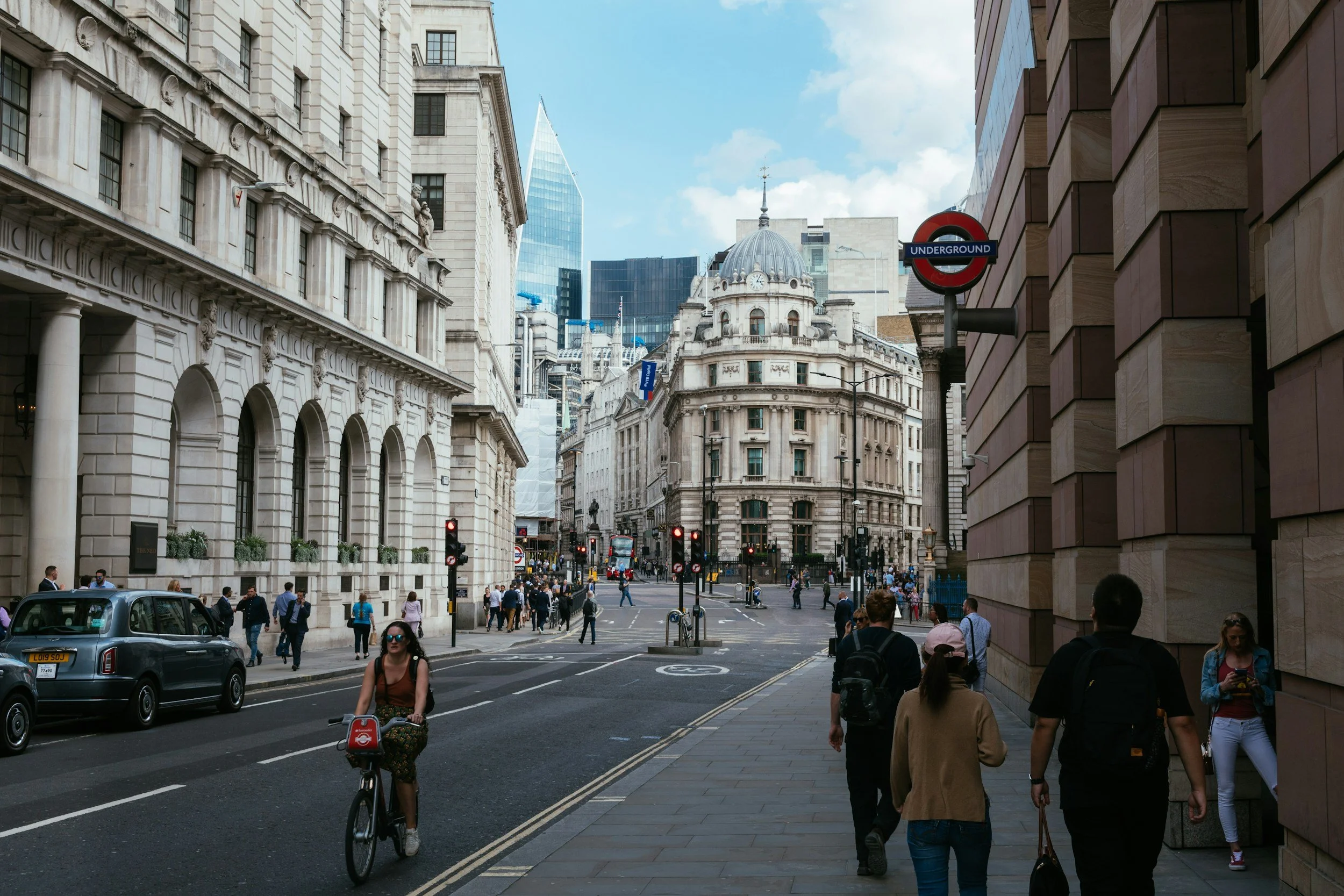
BANK
The Bank of England keeps them in nine underground vaults, although it owns only two bars itself. Most belong to governments and financial institutions. Inside its museum, visitors can even try lifting a real gold bar.
East London: Migration, Markets and Creative Change
Spitalfields and Brick Lane
Spitalfields is where some of East London's most important histories become visible within a short walk. Around Fournier Street, Georgian houses recall the area's textile trades and Huguenot connections. Brick Lane adds Jewish and Bangladeshi histories, contemporary businesses and an ever-changing visitor economy.
The building that houses Brick Lane Jamme Masjid began as a French Protestant chapel in the eighteenth century, became a synagogue in 1897 and a mosque in 1976. Its changing uses reflect the communities that made this part of London home. Look at the neighbourhood through those histories and the religious buildings, food businesses and textile connections begin to tell a connected story.
Old Spitalfields Market is an easy starting point near Liverpool Street, with food and shopping before you move towards the surrounding streets. Its daily market means you don't have to save the whole area for Sunday. Brick Lane's appeal changes along its length, so explore beyond the busiest vintage and food stalls. Spitalfields, Brick Lane and Shoreditch connect naturally, but they aren't interchangeable names for the same place.
Shoreditch and Hoxton
Shoreditch's reputation rests on street art, fashion, creative industries and busy evenings, with Hoxton continuing the area's mix of residential streets, cultural spaces and places to eat. Around Redchurch Street, Shoreditch High Street and Rivington Street, you can see how differently that reputation plays out within a few turns.
It is also a heavily commercialised part of London. Independent businesses sit alongside established brands, and the neighbourhood's popularity brings crowds and higher prices. Come because you're interested in its shops, food, art or music, rather than expecting an undiscovered alternative district.
Street art gives the walk a useful focus, but individual works change. A guide can help you recognise artists and techniques, and explain the stories behind work you might otherwise pass. Alternative London's street-art walk on GetYourGuide covers Spitalfields, Brick Lane and Shoreditch. Check the current meeting point and departure times when booking.
Bethnal Green and Columbia Road
Bethnal Green offers a more residential view of the East End, with local shopping streets, housing, cafés and cultural institutions beyond the busiest Shoreditch routes. It's worth choosing a starting point here, as the area's rewards are spread out rather than arranged around one visitor square.
Young V&A, on Cambridge Heath Road, is a clear reason to visit with children, with its emphasis on play, creativity and design. Columbia Road, farther towards Hackney Road, offers a different outing: its flower market takes place on Sundays, filling the street with plants, flowers and shoppers. The shops and the market aren't the same thing, so a weekday visit won't reproduce the Sunday experience.
If the market is your main reason for coming, go with time to move slowly through the crowds. Allow for the walk between Columbia Road and other Bethnal Green stops, and keep an eye on residential doorways when taking photographs. You can continue towards Brick Lane or Shoreditch, but there's little benefit in adding every nearby market to the same morning.
London Fields and Broadway Market
Broadway Market makes a good choice when you'd like a neighbourhood visit built around browsing, food and a park rather than a major attraction. The street connects the Regent's Canal with London Fields, giving you a natural route through the area.
The market currently runs on both Saturdays and Sundays, while the street's permanent shops and cafés have their own opening days. Weekends are the obvious choice for stalls and activity; a weekday can work if you're more interested in the street, canal and surrounding neighbourhood. Check the market's current information if a particular day matters to your plans.
London Fields gives the outing some breathing space, while the canal offers a different view of the neighbourhood from the roads. Choose this area when you'd enjoy a few hours moving between stalls, independent businesses and green space, with a meal or café stop along the way.
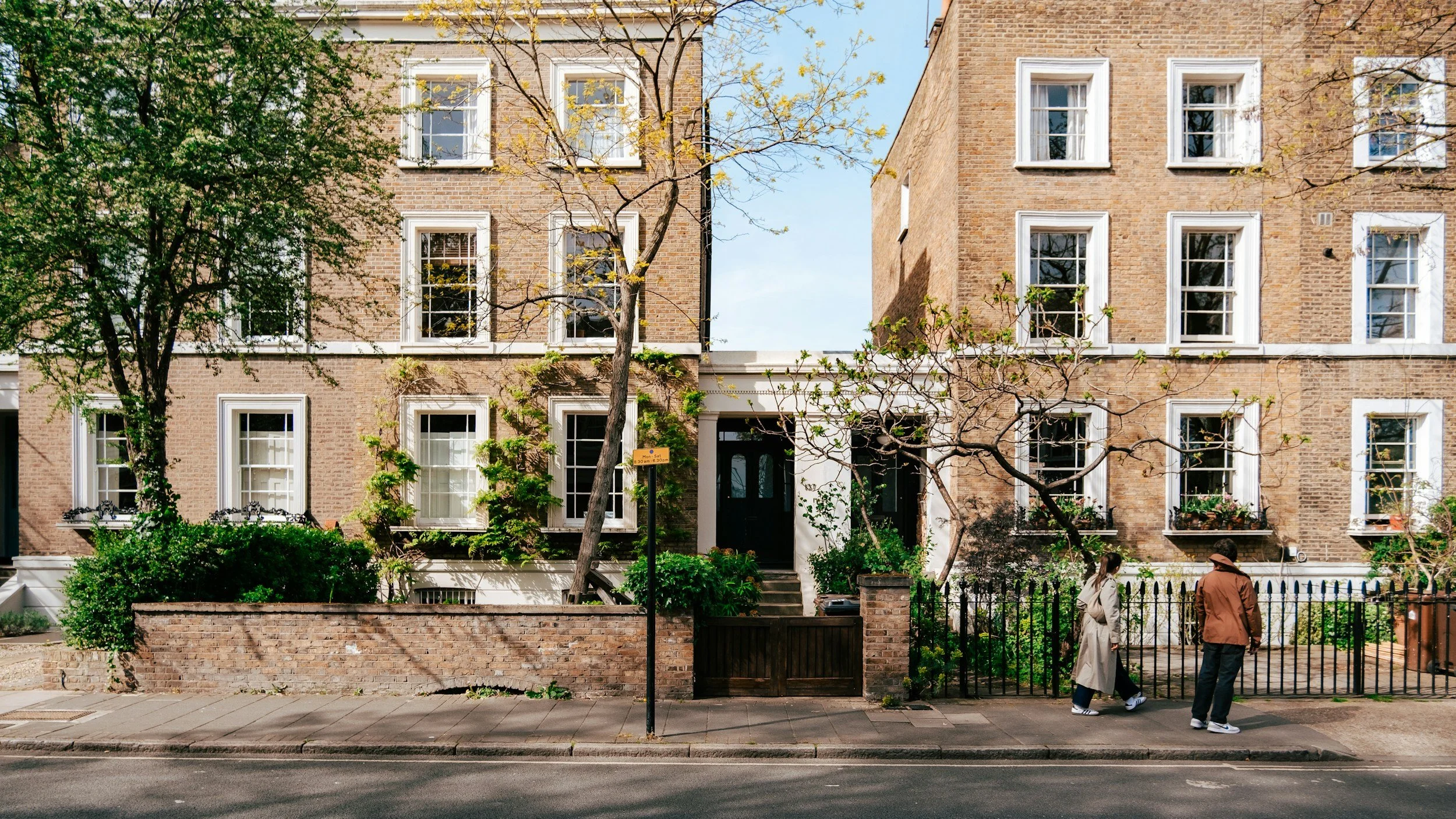
COLOMBIA ROAD
This East London street began as a route for driving sheep towards Smithfield’s slaughterhouses. Its flower market came later, with plants once arriving by handcart from market gardens in neighbouring Hackney and Islington.
North London: Canals, Music and Greener Streets
King's Cross
King's Cross is worth exploring beyond its stations. Around Granary Square and Coal Drops Yard, former industrial buildings have been adapted into places to shop, eat, study and work. The coal-handling warehouses and canal explain why this part of London developed as it did, even as the spaces around them have changed substantially.
Walk north from the stations towards Granary Square, then explore Coal Drops Yard and the canal-side paths. The combination of old brickwork, contemporary architecture and open public space makes the area especially interesting if you enjoy urban design.
It feels planned and managed, with a different atmosphere from the older shopping streets of Soho or Brixton. That can be part of its convenience, particularly when you want an easy place to meet or pause. You can spend a couple of hours here or use it as the beginning of a longer walk towards Camden. Don't add the whole canal route if you're only filling a short gap before a train.
Camden and Primrose Hill
Camden is a strong choice for markets, music and London's alternative cultural history, although its busiest streets are also firmly on the visitor circuit. The markets around the Lock and former stables offer food, clothing and browsing, with the canal giving the area a useful geographical thread.
Around Camden Lock, bridges, market passages and the water bring variety to the walk. The former stables and market buildings are as much a reason to explore as the stalls themselves. Weekends are lively and often crowded, so a weekday is worth considering if browsing at an easier pace matters more than the busiest atmosphere.
Primrose Hill provides a different second act. Head towards the residential streets around Regent's Park Road, then climb the hill for the view if the weather suits. The ascent takes effort, and the park has changing access arrangements, so check The Royal Parks' current information before planning a very early or late visit. Daytime is the straightforward choice for this combination.
Hampstead
Hampstead is one of the better choices when you want London to feel greener and less densely packed. Its High Street and smaller lanes give you shops, cafés and older houses before you reach the much larger landscape of Hampstead Heath. Literary associations and historic houses add interest, but the main pleasure can simply be the combination of streets and open space.
Begin around the village and Flask Walk, then decide how much of the Heath you want to cover. Parliament Hill offers a well-known skyline view, but it isn't directly beside Hampstead station. Choose your entrance and walking route according to the part of the Heath you actually want to reach.
Allow a half-day if you want both the village and a worthwhile walk. Paths can be muddy and slopes are part of the experience, so this isn't the easiest choice when the weather is poor or you want a completely level outing. For a short first trip, choose between a substantial Hampstead visit and another outer neighbourhood rather than rushing through both.
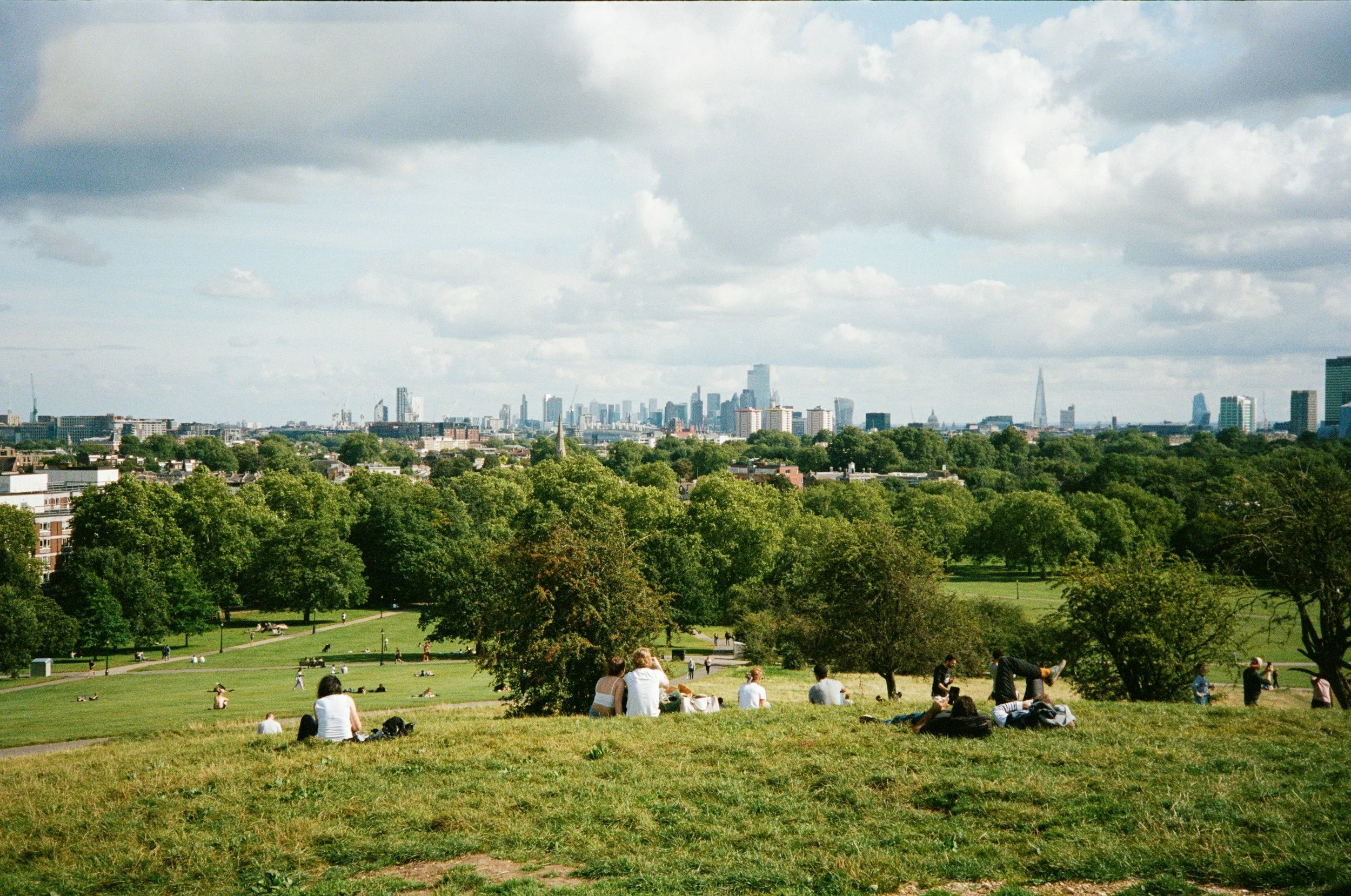
PRIMROSE HILL
The panorama from the summit is a protected London viewpoint. Trees are deliberately kept low so they won’t obscure the skyline, helping explain why this relatively modest hill offers such an impressive outlook.
South London: Riverside Culture and Distinct Local Identities
South Bank, Waterloo and Bankside
These connected areas make one of London's most rewarding stretches to explore on foot, but the names describe different places. South Bank centres on the riverside cultural district around the Southbank Centre, National Theatre and BFI. Waterloo extends inland around the station and streets such as The Cut. Farther east, Bankside brings you towards Tate Modern, Shakespeare's Globe and the streets around Borough Market.
The river makes navigation relatively simple, and you can combine architecture, views and a cultural stop without repeatedly returning to public transport. Leaving the river briefly is worthwhile too: the streets behind the major buildings help break up what can otherwise become a long procession along the embankment.
Choose how far you want to walk before setting off. A visit to a major gallery or a performance can absorb much of the day, and the riverside becomes busy. The main appeal is having several possible ways to spend your time, rather than trying to complete all of them.
Bermondsey
Bermondsey is a useful choice when you want to move beyond the busiest riverside sights without giving up food, art and interesting streets. Around Bermondsey Street, older buildings and reminders of trade sit alongside restaurants, shops and contemporary cultural spaces. The railway arches add another layer to the district's working landscape.
Begin near London Bridge and explore Bermondsey Street, with White Cube Bermondsey as a possible cultural stop. Check the gallery's current exhibition and opening information before planning around it, particularly between shows.
Bermondsey Street, the riverside around Shad Thames and the arches farther south aren't one compact courtyard of attractions. Pick the part that interests you, then add another if time allows. The area works particularly well as an afternoon with a gallery and a meal, rather than a quick detour through every market and railway arch.
Brixton
Brixton deserves time for its role in Black British and Caribbean history as well as its food and music. Windrush Square honours the Caribbean communities and Windrush generation who helped shape the area, with Black Cultural Archives giving that history a home beside the square. The wider streets and markets remain places where people shop, work and meet, alongside the businesses drawing visitors from across London.
Brixton Village and Market Row are useful places to begin exploring the area's food and independent trade. Give yourself enough time to look around before choosing where to eat, rather than arriving with a plan to sample everything in one visit.
Black Cultural Archives, on Windrush Square, provides a route into deeper understanding, but check its programme before coming. Visits are currently by appointment, with events and Open Days listed separately; it should not be treated as an automatic walk-in museum stop. A planned exhibition, event or music performance can give a Brixton visit a stronger focus. If food is your priority, arrive around a meal rather than treating the area as a photograph stop between other districts.
Greenwich
Greenwich offers a particularly coherent combination of maritime history, riverside streets and parkland. The ship, naval buildings, museums and observatory belong to a larger story about navigation, timekeeping and Britain's relationship with the sea. That connection gives the area more depth than a collection of separate attractions.
Start around the Cutty Sark and the riverside, explore the town centre, then decide whether to spend longer in a museum or continue uphill through Greenwich Park. The walk towards the observatory gives you a different view across the area, but the gradient is worth allowing for.
Greenwich works best as a half-day or longer. An interior visit can easily turn it into the day's main outing, and reaching it takes more commitment than walking between West End neighbourhoods. Choose it when its maritime character, architecture or green space appeals, and resist adding several distant districts afterwards. Detailed attraction and booking choices sit in our Things to Do in London guide.
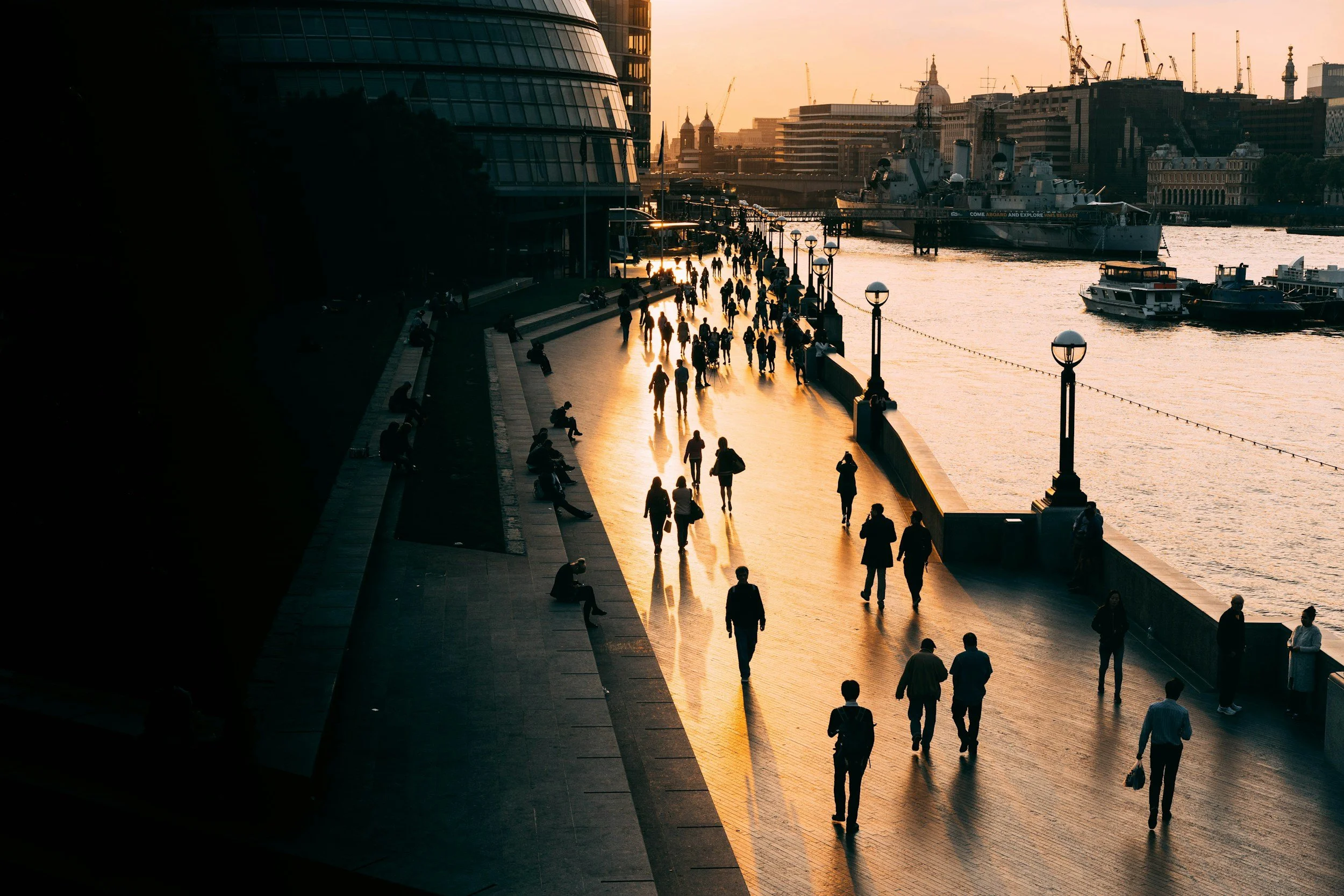
SOUTH BANK
The Undercroft beneath Queen Elizabeth Hall was never designed as a skatepark. Skateboarders adopted its concrete slopes, ledges and stairs as early as 1973, turning an open architectural space into a landmark of London skate culture.
West London: Markets, Cultural Institutions and Residential Streets
Notting Hill
Notting Hill is worth understanding beyond its familiar photographs. Portobello Road's market culture, the businesses around Golborne Road and the area's Caribbean heritage sit alongside the coloured terraces that draw so many visitors. Carnival grew from Caribbean cultural celebrations and community activism, with Claudia Jones's indoor Caribbean Carnival in 1959 and Rhaune Laslett's outdoor festival in 1966 among its important roots.
Use Portobello Road as your main thread, then explore according to your interests. The main antiques-market activity is associated with Saturday, which also brings crowds; quieter residential wandering is a different outing from a full market visit. Check the market's current arrangements if shopping is the reason for coming.
It's tempting to treat the houses as a backdrop, but these are people's homes. Stay on public pavements, leave steps and doorways clear and avoid turning a short photo stop into an obstruction. Notting Hill suits an unhurried morning or afternoon, with a meal or some shopping built in. It doesn't need to become a tour of every film location.
Kensington and South Kensington
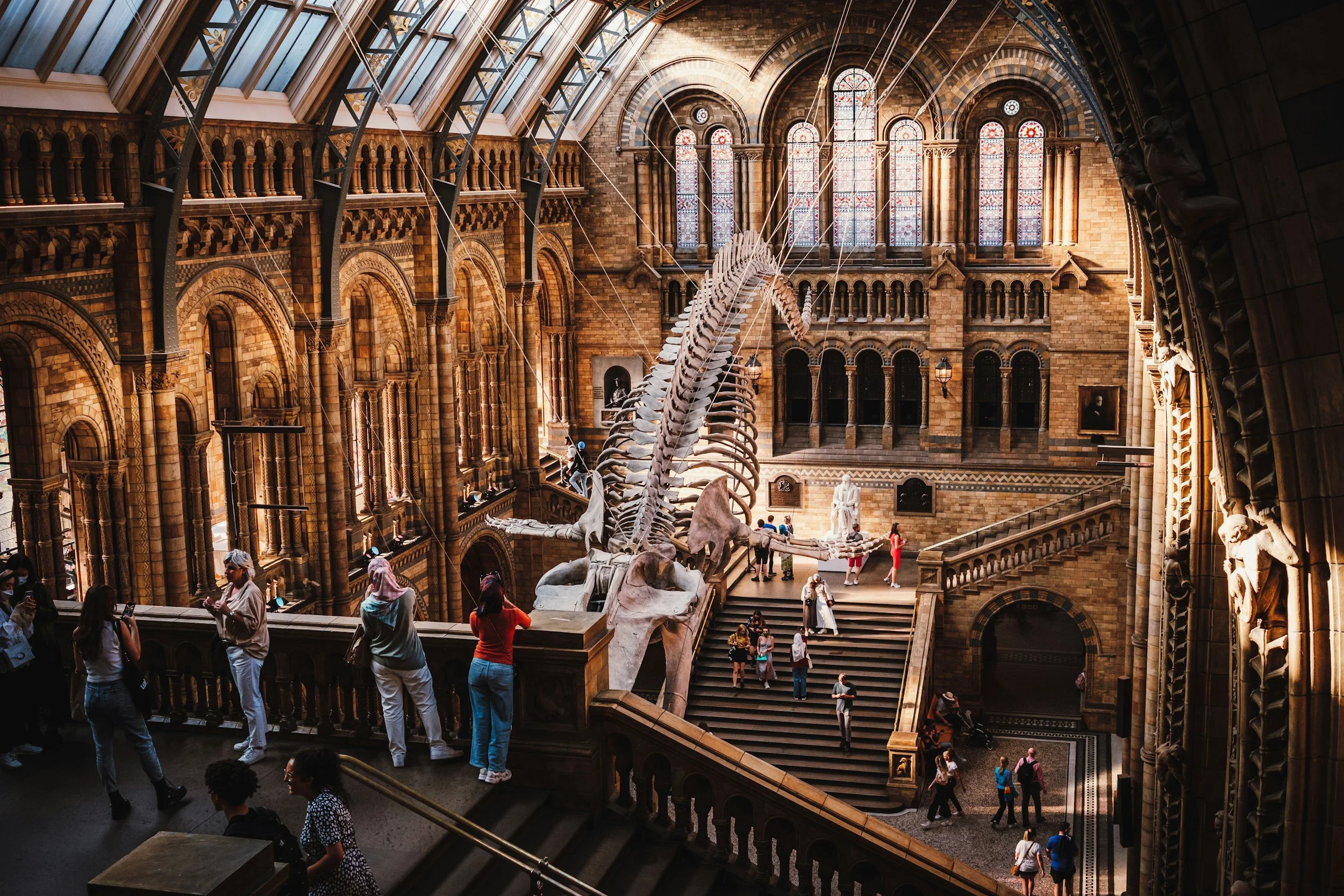
South Kensington is the obvious choice when museums are central to your London plans. The V&A, Natural History Museum and Science Museum form a substantial cultural district around Exhibition Road. Each can justify a long visit, so choosing one properly usually works better than passing quickly through all three.
The V&A's collections focus on art, design and performance, while the Natural History Museum offers a different starting point through the natural world. Their scale matters when planning the rest of the day: a museum morning and a walk can be a complete and satisfying combination.
Kensington Gardens and the streets towards Kensington provide a change of pace from the museum entrances. Choose the part of the area that suits your remaining time rather than assuming the park, palace and museum quarter sit immediately together. School holidays and weekends can bring considerable crowds; check your chosen museum's entry arrangements before travelling. This area is strongest when you want culture and green space, with time to appreciate both.
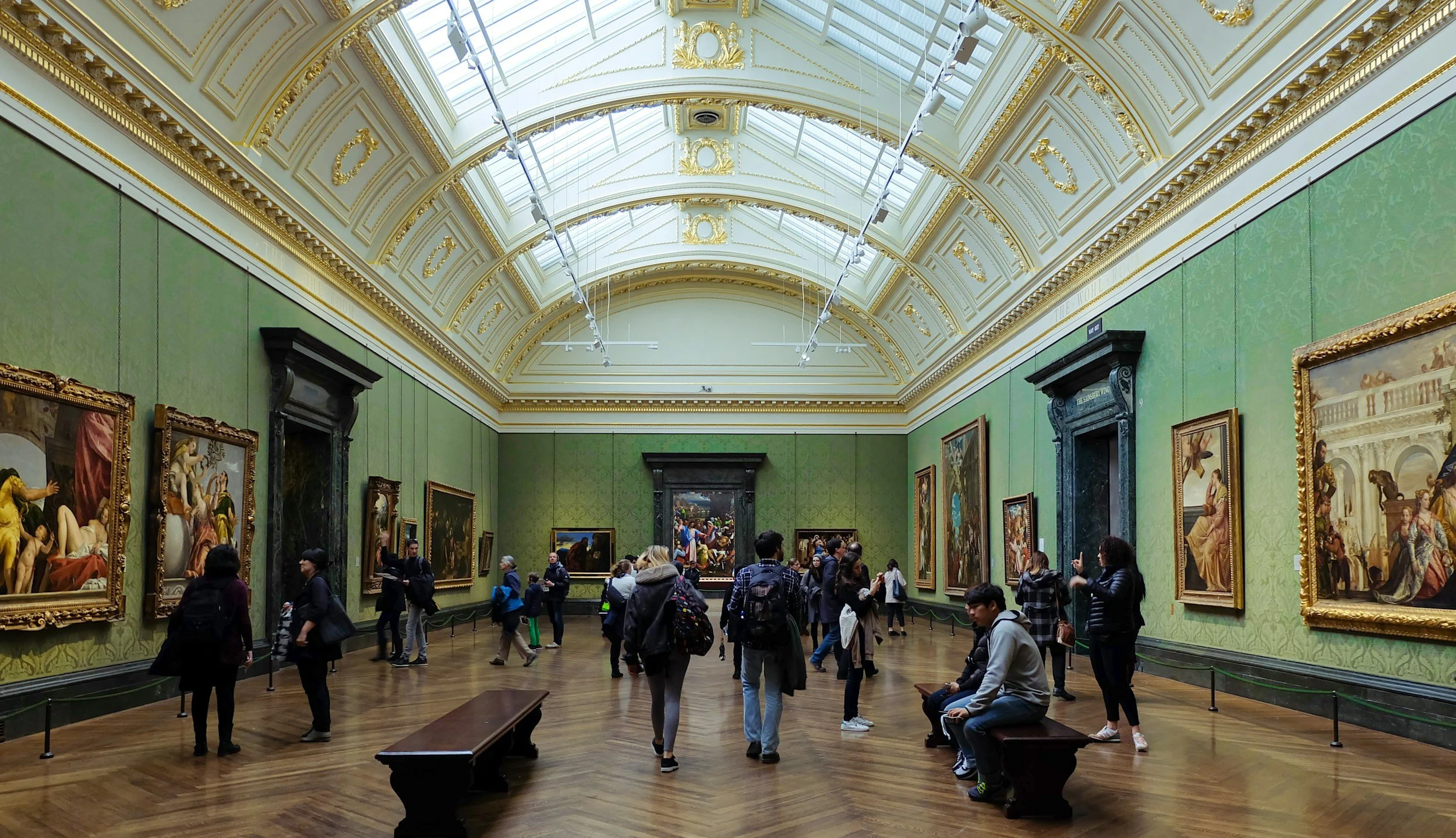
Our London museums and galleries guide helps you choose between the collections before building the rest of your neighbourhood day around one.
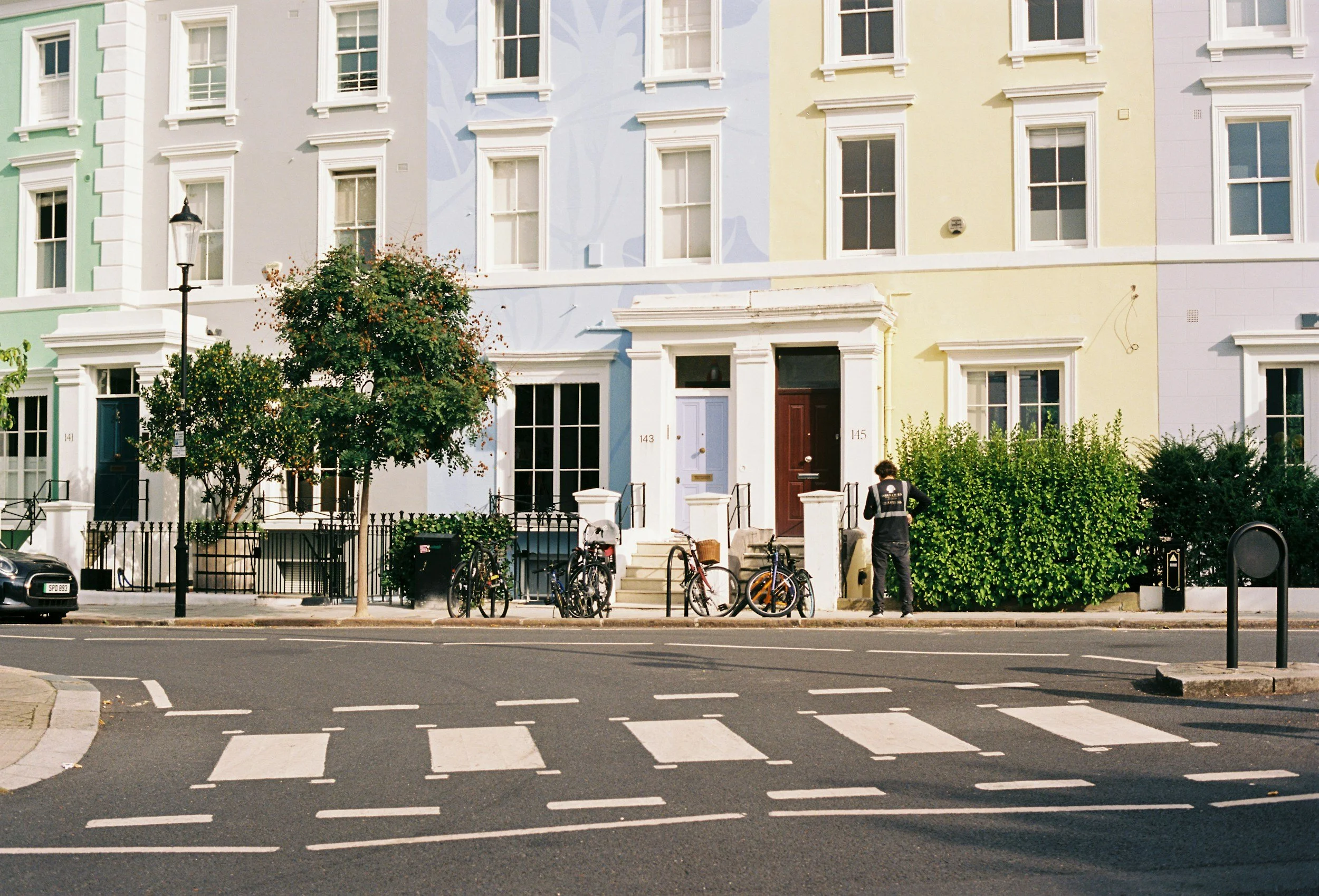
PORTOBELLO ROAD
The famous market street takes its name from Britain’s capture of Porto Bello, in present-day Panama, in 1739. Behind one of London’s best-known street names is a naval battle thousands of miles away.
More Neighbourhoods for a Longer Visit
Angel and Islington
Angel works well for an afternoon of independent shopping and food, especially around Camden Passage and Upper Street. Despite its name, Camden Passage is in Islington, not Camden Town. The surrounding residential streets give you somewhere to wander between stops, while a planned performance can turn the visit into an evening. Choose it when the activity of a neighbourhood high street appeals more than another major landmark.
Chelsea
Chelsea suits readers interested in shopping, design and residential streets, with King's Road and the area around Sloane Square as useful starting points. You can explore towards the river, but give yourself time rather than trying to attach the whole district to an already full South Kensington museum day. It is a considered addition for a particular interest, especially when you want a slower afternoon among shops and architecture.
Peckham
Peckham offers a different south London outing, with the busy shopping streets around Rye Lane, independent businesses and cultural spaces. Make food, a particular event or time around Peckham Rye the reason for travelling here. Its different pockets take time to explore, and it works better as a deliberate neighbourhood visit than an extra stop after Brixton. For a short first trip, choose the area whose food, culture or programme interests you most.
Putney and Fulham
Having lived in both areas, I'd include Putney and Fulham when you want a quieter riverside outing. Begin around Putney Bridge, explore the riverfront and cross towards Bishop's Park and Fulham Palace. The palace's history as a home of the Bishops of London gives the walk a cultural focus beyond the scenery.
House entry currently requires a free ticket booked in advance. Construction also affects the route from Putney Bridge station, so follow the signed diversion and check the palace's current arrival information. The gardens have their own opening arrangements. This outing suits a longer stay or a change of pace; on a brief first visit, Hampstead or Greenwich may offer a stronger combination of distinctive setting and sightseeing.
Neighbourhood Combinations That Work Well Together
The time allowances below are estimates for a relaxed outing with stops, rather than promises about walking speed or time inside attractions. Use Google Maps or Citymapper to check the current route. Canal paths, hills, cobbles, steps and crowded pavements can affect which version works for you.
Covent Garden, Seven Dials and Soho
Allow around three hours for browsing and a meal, adding separate time for a show. Begin at the Covent Garden piazza, continue towards Monmouth Street and Seven Dials, then make your way west into Soho. Chinatown is a useful final stop if food is the focus. This is an easy combination to shorten: finish after Seven Dials or choose one part of Soho instead of covering every street.
Spitalfields, Brick Lane and Shoreditch
Allow a half-day with a meal and time for shops or a guided walk. Start near Liverpool Street, explore Old Spitalfields Market and the streets around Fournier Street, then continue along Brick Lane towards Shoreditch. If Columbia Road's flower market is the priority on a Sunday, consider starting there and working back instead. Adding Columbia Road, Broadway Market and London Fields turns this into a much longer East End day, so choose deliberately.
King's Cross and Camden
Allow three to four hours for the squares, canal walk, market browsing and a food stop. Begin around Granary Square and Coal Drops Yard, then follow the Regent's Canal west towards Camden. Check the Canal & River Trust's King's Cross information and local map before setting out, including any current access notices. Towpaths have narrow sections and mixed users. If they don't suit your access needs, plan a street or public-transport alternative. Primrose Hill is an optional extension, rather than part of the basic time allowance.
South Bank, Bankside and Bermondsey
Allow a half-day for the walk, lunch and a brief cultural stop, with longer needed for a substantial gallery visit. Start near Waterloo, join the river around the Southbank Centre and continue east towards Tate Modern and Bankside. Explore around London Bridge, then leave the river for Bermondsey Street if you still have time and energy. Finish at London Bridge for a shorter version. Adding Westminster at the beginning or continuing all the way through Shad Thames makes it a longer outing.
Choose one of these combinations, then use our three-day London itinerary to fit it around your main sights. Leaving some space between plans gives you time to understand the neighbourhood you've chosen.
Continue Planning London
- 3 Days in London: A Realistic First-Time Itinerary helps you fit neighbourhood time into a manageable first visit.
- Best Things to Do in London compares the landmarks, cultural stops and experiences worth prioritising.
- Where to Eat in London helps you turn a neighbourhood outing into a well-chosen meal.