A visit to the British Museum, an afternoon with European painting and an evening of science talks offer quite different ways to experience London. The useful question is which collection interests you enough to give it a proper part of your trip.
As a London local, the Natural History Museum and British Museum are among my personal favourites. They are strong starting points, but someone drawn to design, portraiture or contemporary art might enjoy a different choice more.
This guide helps you compare the collections, understand what makes them significant and decide how to visit. It also covers museum events, from yoga beneath the Natural History Museum's blue whale to evenings of art, talks and performance. For the wider trip, start with our London Travel Guide.
Admission, closure and event information checked on 28 October 2026. The Royal Observatory's whole site is scheduled to close from 2 November 2026 for redevelopment; see the Greenwich section before planning a visit.
Which London museum or gallery should you choose?
Start with the subject you would happily spend a couple of hours exploring:
- Archaeology and world cultures: the British Museum.
- Fossils and the natural world: the Natural History Museum.
- Space, technology and scientific invention: the Science Museum.
- Design, craftsmanship and the objects people make: V&A South Kensington.
- European painting: the National Gallery.
- International modern and contemporary art: Tate Modern.
- British art: Tate Britain; for people and portraiture, the National Portrait Gallery.
- Modern conflict and its human consequences: Imperial War Museum London.
- A smaller historic collection: Sir John Soane's Museum or the Wallace Collection.
- A focused paid art visit: the Courtauld Gallery.
- Astronomy and the history of time: the Royal Observatory, subject to its major closure programme.
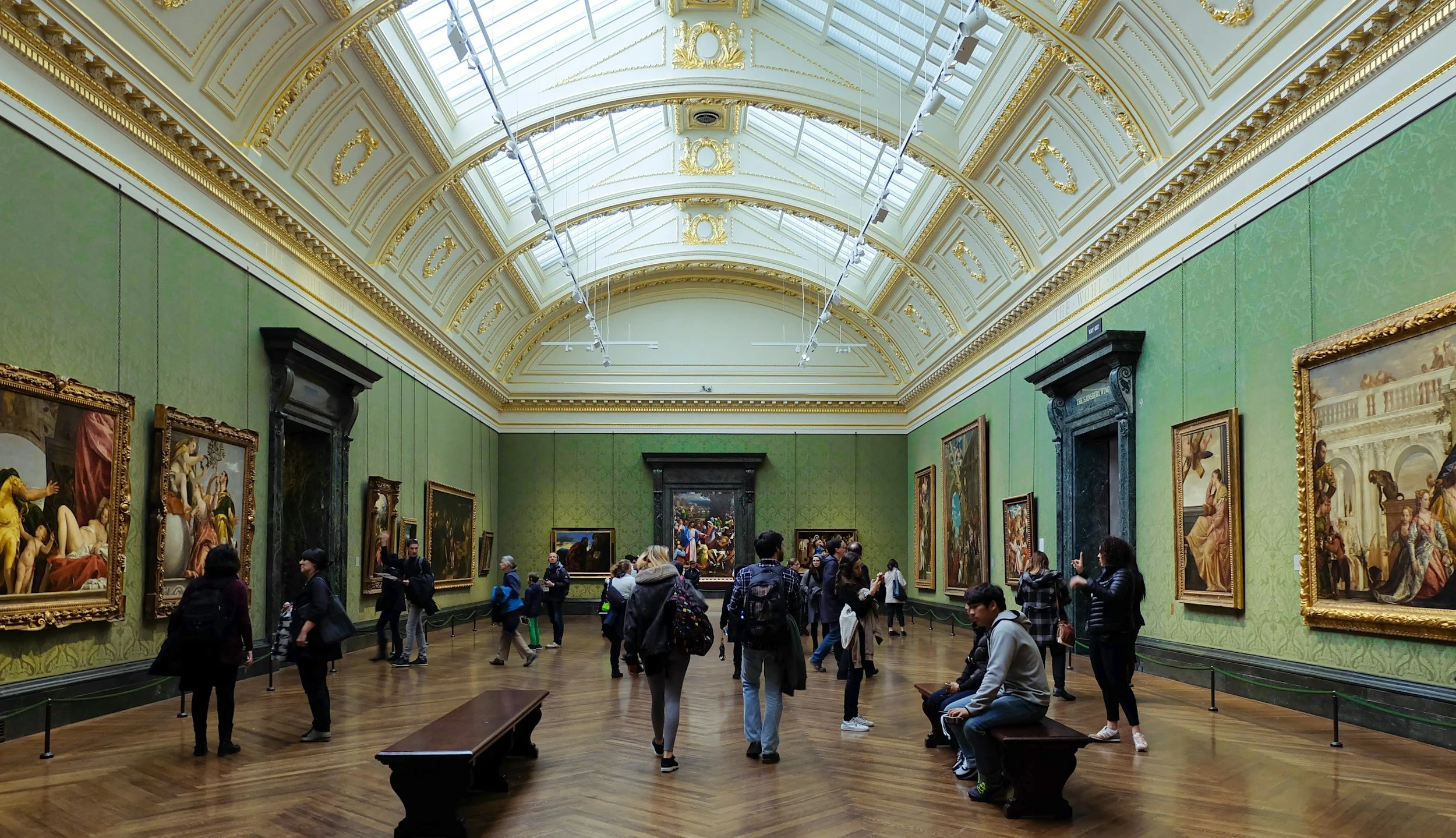
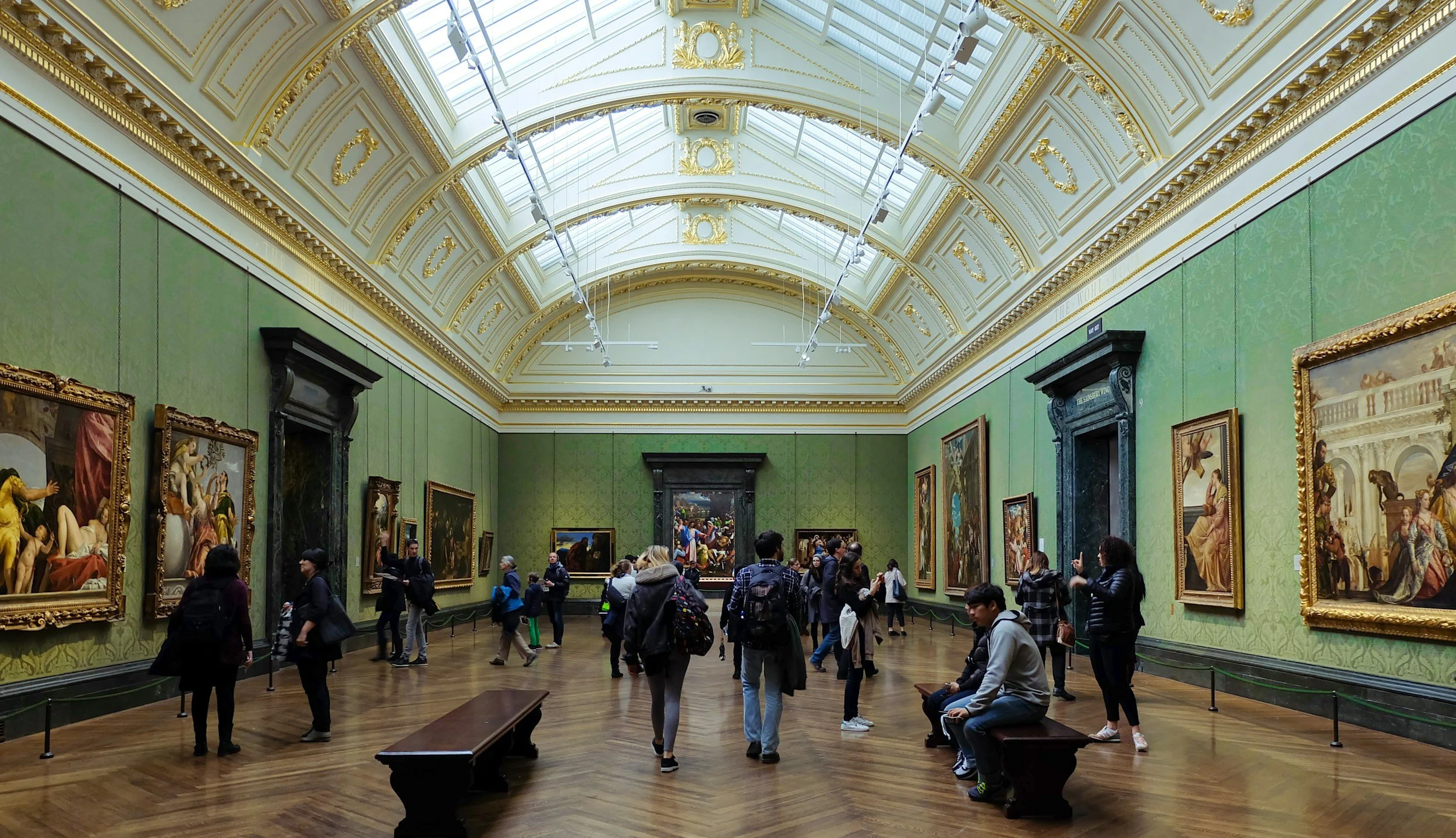
NATIONAL GALLERY
When the gallery opened in 1824, its collection was displayed in art collector John Julius Angerstein’s former home at 100 Pall Mall. It moved to its purpose-built Trafalgar Square home in 1838.
London's major museums: history, science and design
British Museum: archaeology and connections between cultures
The British Museum in Bloomsbury is a strong choice if objects help you understand history. Egyptian sculpture, the Rosetta Stone and collections from many other parts of the world give you different ways into the lives, beliefs and skills of earlier societies.
The Rosetta Stone is useful to understand before joining the crowd around it: versions of a decree recorded in different scripts helped scholars decipher Egyptian hieroglyphs. It represents a way of recovering knowledge, as well as a famous object to recognise.
Choose a subject or a few galleries and allow around two to three hours. Read the interpretation about where objects came from and how they entered the collection. Their movement into a London museum is part of the history to consider alongside the cultures that made them.
Permanent galleries are free, with separate charges for some exhibitions. Reserve a timed entry slot if the visit is important to your plans; walk-up access depends on capacity. Visit London's British Museum information explains the arrangements. Bloomsbury's squares give you somewhere nearby to pause afterwards.
Natural History Museum: fossils, life on Earth and a remarkable building
The Natural History Museum in South Kensington is the choice for visitors interested in the natural world. It works well for adults visiting without children, as well as families: the collections open questions about deep time, evolution and how scientists learn from physical evidence.
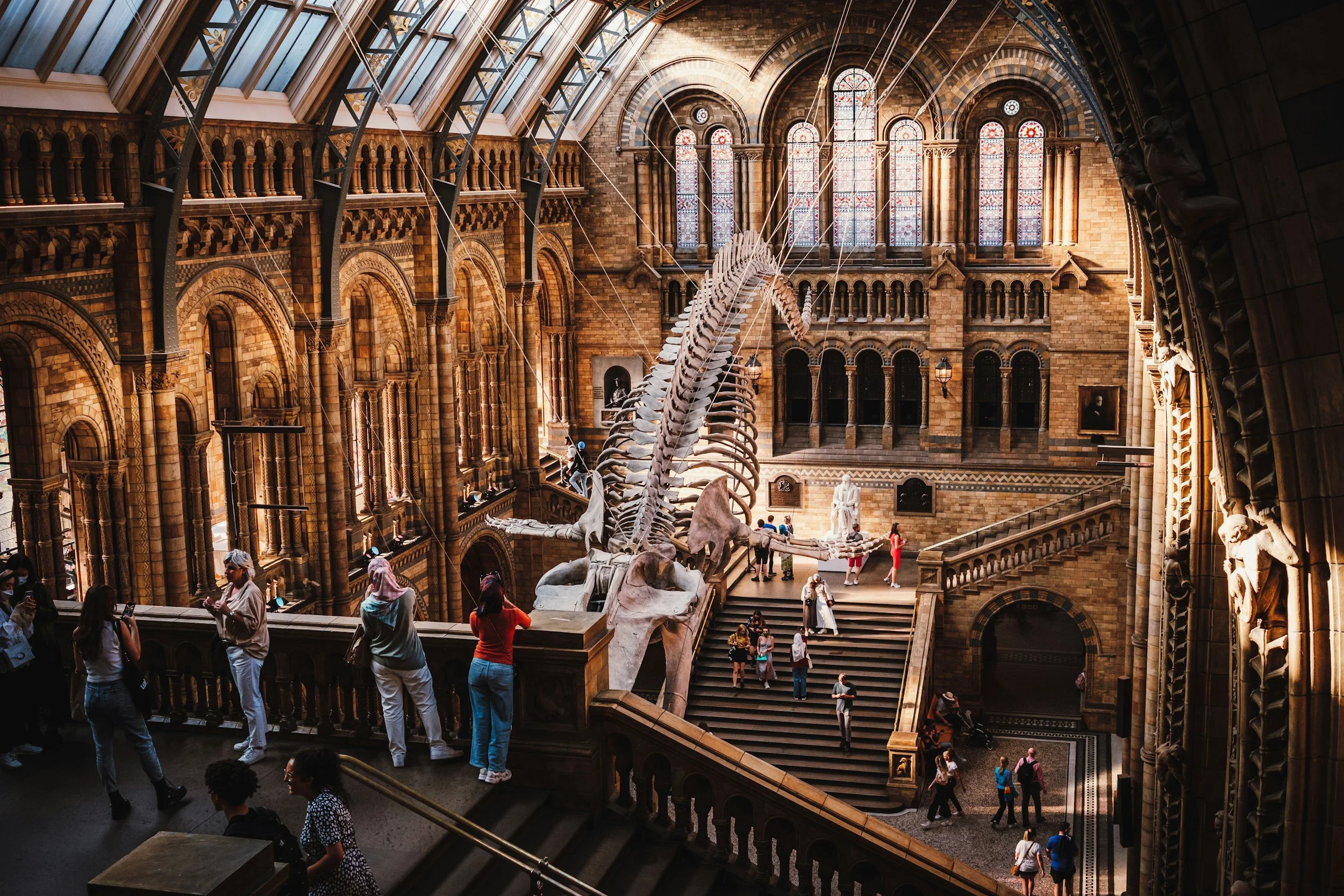
Begin in Hintze Hall, where Hope, the blue whale skeleton, hangs above the central space. The hall's exhibits also include a mastodon and a dinosaur fossil, giving you an introduction to the range beyond the building's most familiar image. From there, follow your interests into a few galleries.
This is one of my personal favourites in London. Give it a substantial part of a morning or afternoon, with roughly two to three hours as a starting allowance. Popular galleries can be busy, so leave space for queues and avoid promising yourself a second complete museum visit straight afterwards.
General galleries are free; book a free entry ticket to guarantee admission. Some exhibitions and events are charged separately. The museum's yoga and other out-of-hours programmes offer another reason to check the calendar before your trip.
Science Museum: spacecraft, technology and human ingenuity
The Science Museum, also in South Kensington, is particularly rewarding if your curiosity turns towards how things work. Its subjects give you room to follow an interest in technology or space without needing to approach the visit as a science lesson.
Space is a clear starting point. The free Space gallery displays Apollo 10 and Soyuz spacecraft together, giving physical form to very different journeys and periods of space exploration. Helen Sharman's spacesuit and a piece of lunar rock add other perspectives on what it takes to leave Earth and what comes back.
Allow around two to three hours for selected galleries. Check whether an experience you want is part of general admission or a separate ticketed attraction: a film, gaming session or special event can change both the budget and the shape of the visit.
You need to pre-book a free general admission ticket. Science Museum Lates, covered below, are a separate adults-only evening option on selected dates.
V&A South Kensington: design, materials and making
The V&A is a good choice for people who find themselves noticing furniture, clothes, ceramics, jewellery or the way a building has been made. Its collections encourage you to move between materials and ideas, looking at the skill, purpose and taste embodied in objects.
The Cast Courts make a memorable starting point. Their reproductions include Michelangelo's David and Trajan's Column, the latter displayed in two sections. These casts also raise an interesting question about museums: copies can give people access to the scale and detail of works they might otherwise never encounter.
Pick a few collections rather than attempting the whole building, and allow around two to three hours. Check access to anything that is central to your visit. At the time of checking, the permanent Fashion Gallery was closed for redevelopment; an interest in fashion does not mean every fashion display will be available.
General admission is free and does not require booking, while some exhibitions and events charge. Its Friday Late programme offers a different way to engage with contemporary design and culture.
Imperial War Museum London: the human consequences of conflict
Imperial War Museum London, on Lambeth Road, approaches modern war through the experiences of people who lived through it. Its collections cover conflict from the First World War onwards, with galleries addressing wartime life, the Holocaust, and art, film and photography.
Choose it because you want to engage with that subject. The appeal lies in spending time with the stories and evidence, and some material is emotionally demanding. Around three hours is a sensible starting allowance; leave space afterwards to reflect rather than immediately rushing into another major visit.
This is the free IWM London museum in Lambeth. Churchill War Rooms and HMS Belfast are separate sites with their own admission arrangements. IWM London's visitor listing confirms free museum entry and explains the collections. Check current guidance for particular galleries, events and family visits before setting out.
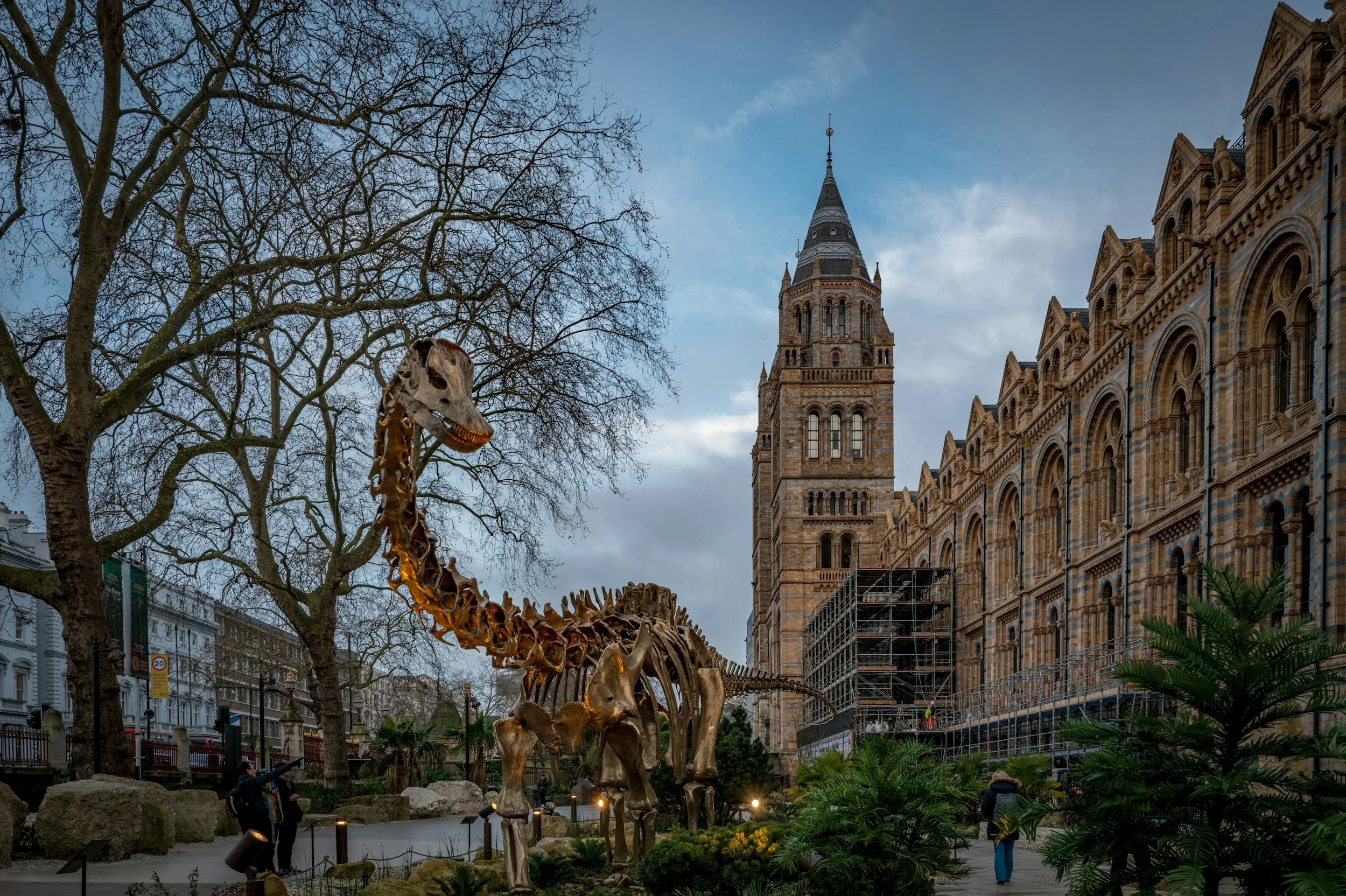
NATURAL HISTORY MUSEUM
The museum bought the blue whale’s skeleton in 1891 after she became stranded near Wexford, Ireland. She only became Hintze Hall’s centrepiece in 2017.
Which London art gallery is right for you?
National Gallery: a focused introduction to European painting
The National Gallery on Trafalgar Square is a straightforward starting point if you want to spend time with painting. Its collection lets you compare artists, subjects and ways of seeing across different periods of European art.
Choose a few works to anchor the visit. Van Gogh's Sunflowers, Holbein's The Ambassadors and Van Eyck's The Arnolfini Portrait offer very different encounters with colour, portraiture and detail. Look at the paintings before reading everything around them, then use the interpretation to deepen what you have noticed.
A focused hour can work, while an interest in several periods calls for longer. Allow roughly one and a half to two and a half hours as a starting point, and check the current display information if one particular painting is the reason for coming.
General admission is free. Free advance tickets and walk-up entry are available, and some exhibitions charge. The main entrance is through the Sainsbury Wing. Its location also makes it an easy cultural choice within a West End day.
Tate Modern: international art and the scale of Bankside
Tate Modern is the stronger choice if you want international modern and contemporary art, including painting, sculpture and moving images. The former Bankside Power Station gives the visit an architectural dimension, particularly around the Turbine Hall.
You do not need a detailed knowledge of art history to begin. Choose a display that catches your attention, spend time with a few works and read enough to understand what the artist is exploring. Checking the current programme helps you decide whether a paid exhibition matters more to you than the free collection.
Allow around two hours for a selective visit. The general collection is free, with separate charges for some exhibitions and events. Avoid building the whole visit around an artwork you have seen online without checking that it is on display.
Bankside adds an easy next step: take a riverside walk or cross Millennium Bridge for the view towards St Paul's. Add that time separately from the gallery visit.
Tate Britain: British art with a different focus
Tate Britain, at Millbank, is worth choosing when British painting and sculpture are your main interests. Its collection ranges across centuries, with Turner a particular reason to investigate what is on display.
It offers a different focus from Tate Modern's international modern and contemporary collections. On a short trip, choose between them according to the work you want to see and the rest of your day. Visiting both is worthwhile when art is a central purpose of the trip and you can give each proper time.
Allow around two hours. General admission is free, with charges for major exhibitions. Check the current displays before planning around a particular artist or work.
National Portrait Gallery: Britain through people and representation
The National Portrait Gallery, near Trafalgar Square, offers another way into art: begin with people. Portrait paintings, sculpture and photography invite you to think about who has been represented, how they wanted to appear and whose stories enter a national collection.
That can make it an appealing choice if biographies, cultural figures or British history interest you more than following a sequence of painting styles. You can move between the person depicted, the artist's choices and the circumstances in which the image was made.
Allow one to two hours for a focused visit. The gallery is free, with some paid exhibitions; advance free booking is recommended to guarantee entry. It is close to the National Gallery, but choose both only if you have the time and appetite for two different collections.
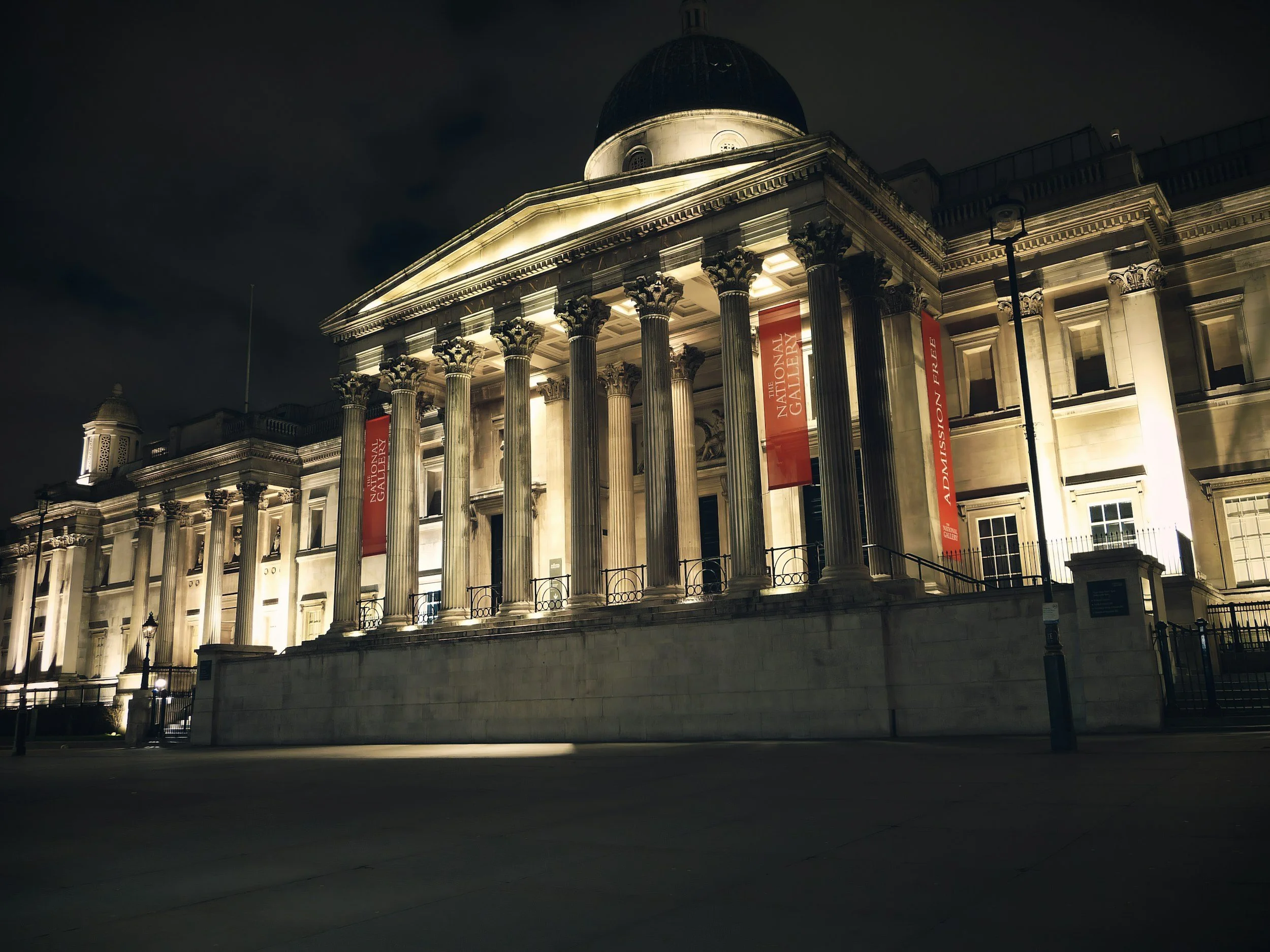
NATIONAL GALLERY
During the Second World War, the collection was protected in Manod slate quarry in North Wales. Explosives were used to enlarge the entrance so the largest paintings could fit inside.
Smaller collections worth making time for
Sir John Soane's Museum: an architect's home and world of objects
Sir John Soane's Museum at Lincoln's Inn Fields brings architecture, art and collecting into the rooms of a historic house. The setting matters as much as the individual objects: you are moving through spaces shaped by the interests of the architect who lived and worked here.
The Picture Room and the arrangement of sculpture and architectural fragments give the visit a different scale from London's major institutions. It suits someone who enjoys looking closely at how objects and interiors relate, and who would prefer a shorter, concentrated visit.
Allow around an hour, plus any wait. General entry is free and walk-in, normally Wednesday to Sunday. Capacity is limited, and the museum asks visitors not to bring luggage or large bags. Check its access guidance for your needs. Ticketed Soane Lates offer a separate evening experience.
Wallace Collection: paintings, decorative arts and armour
The Wallace Collection in Marylebone is a useful choice if you want painting alongside the furnishings and objects that surrounded collectors. Displayed at Hertford House, the collection includes European paintings, eighteenth-century French decorative arts, and arms and armour.
Its house setting gives these objects a relationship to one another. Someone interested in interiors might find that combination more engaging than a visit focused entirely on pictures; an interest in armour gives you another route through the collection.
Allow one to two hours and choose the parts that appeal to you. The permanent collection is free. Its position on Manchester Square makes it a natural possibility within a Marylebone outing, without needing to turn the visit into a full day of museums.
Courtauld Gallery: a paid choice for Impressionist painting
The Courtauld Gallery at Somerset House earns consideration even when so much art in London is free. Its particular strength is Impressionist and Post-Impressionist painting, with works including Manet's A Bar at the Folies-Bergère and Van Gogh's Self-Portrait with Bandaged Ear among the collection's best-known holdings.
Choose it because those artists and that focused collection interest you. If you are simply curious about painting and keeping costs down, begin by looking at the National Gallery's free collection. If the Courtauld's works are a priority, paying for a visit can be a considered use of your budget.
Allow one to two hours. Check the current ticket choices: permanent collection admission and major temporary exhibitions can involve different tickets. Displays change, so confirm the availability of any work you particularly want to see.
Royal Observatory Greenwich: astronomy, time and a major closure
The Royal Observatory belongs in a museum guide because its scientific instruments, timekeepers and historic buildings help explain how people understood their position in the world. The Prime Meridian and John Harrison's marine timekeepers connect astronomy with the practical challenge of navigation: knowing the time accurately helped sailors determine longitude.
There is an important limitation for upcoming visits. The whole Royal Observatory site is scheduled to close from 2 November 2026 for the First Light redevelopment. The Peter Harrison Planetarium and Astronomy Centre are already closed. Check the official closure information before making plans.
Royal Museums Greenwich currently expects the wider project to finish in spring 2028, with the Meridian Courtyard planned to reopen in summer 2027. Treat these as announced plans and follow the project updates for confirmed access.
Greenwich still offers a worthwhile cultural outing. The National Maritime Museum has free general entry, with some experiences ticketed separately. Its Astronomers Take Over programme offers paid interactive astronomy experiences and a separately selectable planetarium option at the museum. This is a different location from the closed Peter Harrison Planetarium.
Give Greenwich a half-day including the journey, your chosen visit and time around the park or riverside. Our London Neighbourhood Guide helps you place it within the wider trip.
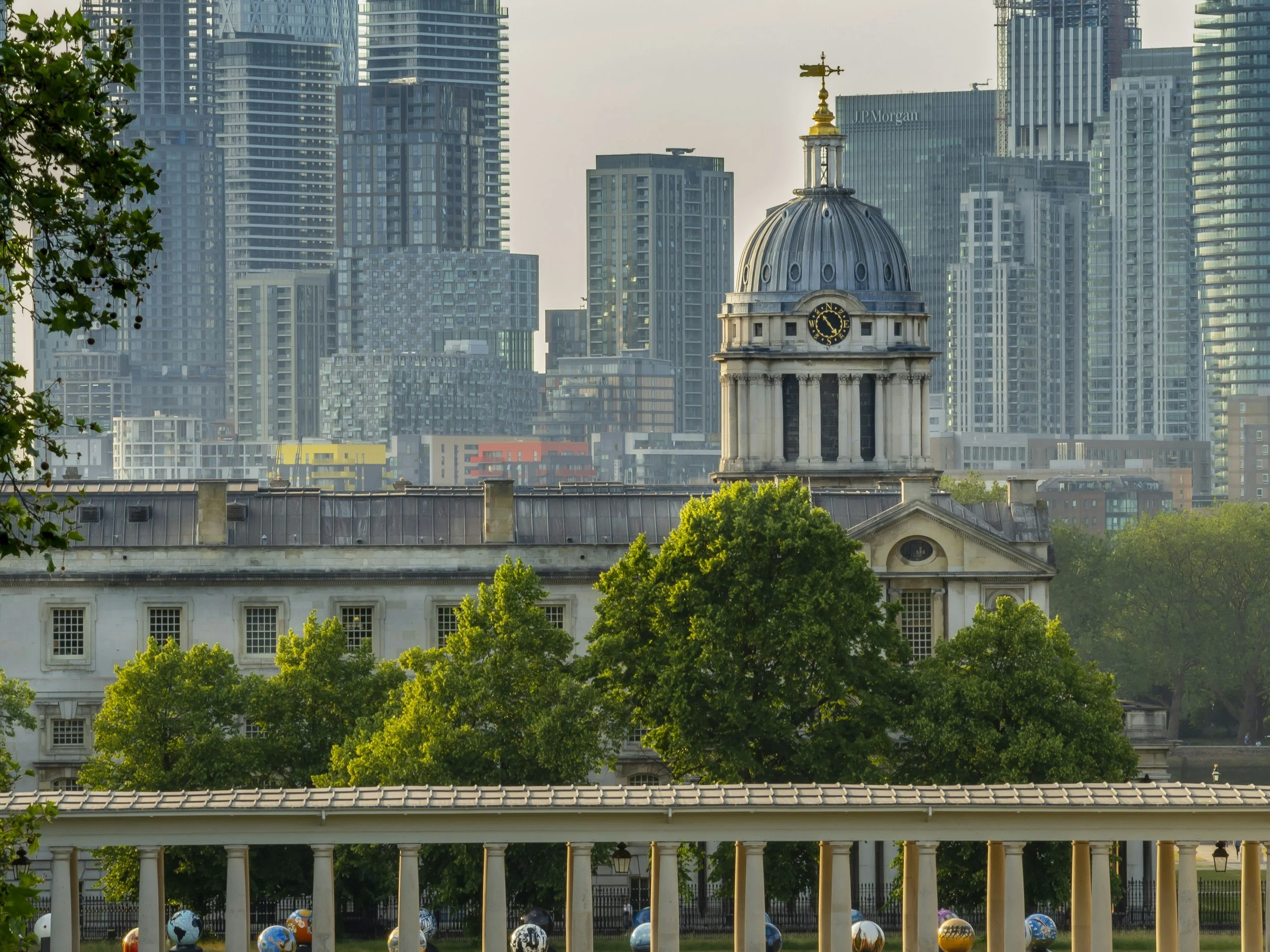
ROYAL OBSERVATORY GREENWICH
First used in 1833, the Greenwich Time Ball dropped at precisely 1pm, giving sailors on the Thames a visible signal for checking their clocks. Accurate time was essential for navigation.
Museum events, yoga and after-hours visits
Museum calendars can change the reason you visit. A workshop may help you engage with a collection, a talk can give a subject more depth, and an evening event can become a night out in its own right. There are three different things to look for: ordinary extended opening hours, a programmed Late, and a separately ticketed special event.
Yoga and other events at the Natural History Museum
The Natural History Museum lists a morning yoga programme beneath Hope in Hintze Hall, with a gong bath and gallery access described as part of the event. It is for ages 16 and over, requires advance booking and asks participants to bring their own mat.
At the time of checking, the yoga page displayed no available dates. Keep an eye on new releases and confirm a session before making it part of your trip.
The museum also lists Out of Hours Dino Tours and silent discos. The tours focus on interpretation of the Dinosaurs Gallery; the disco is an adults-only music event in Hintze Hall. These are paid programmes with separate conditions, and a party ticket should not be treated as an ordinary visit to all the galleries. Check the current calendar and ticket availability.
Science Museum Lates
Science Museum Lates offer themed activities and an opportunity to explore after hours, for visitors aged 18 and over. General Lates admission is listed as free, with paid VIP options; follow the booking arrangements for the particular event.
Choose a theme that interests you and check which activities or galleries it includes. It is a sociable evening programme, so do not assume it will offer the same experience as a quiet daytime collection visit.
V&A Friday Late
V&A Friday Late brings together contemporary visual culture and design through a changing mix of performance, film, installations, debate and music. The programme is free and drop-in, normally on the last Friday of the month except January, May and December.
Check the current theme and programme before setting out. The special Friday Late event is distinct from the museum's ordinary Friday evening opening, and access to individual galleries or activities can vary.
Evening art at the National Gallery and National Portrait Gallery
The National Gallery normally opens until 9pm on Fridays. Its Friday Lates programme adds activities such as talks, workshops and performances on listed dates. Some activities are free, while others require booking or a paid ticket.
The National Portrait Gallery normally opens until 9pm on Fridays and Saturdays. An evening collection visit can fit well before or after a West End meal, but check exhibition last-entry times and allow enough time to look properly. Extended opening alone does not mean a special event is running that evening.
Soane Lates
Soane Lates offer ticketed evenings with changing themes, including selected candlelit events. They can suit visitors interested in the house and its atmosphere as much as the collection.
Choose a dated event and read what is included before booking. These evenings have limited capacity and can sell out. Free daytime admission does not include a ticketed Late.
How to choose when your time is limited
British Museum or Natural History Museum?
Choose the British Museum if you want to understand societies through archaeology and objects. Choose the Natural History Museum if fossils, animals and the history of life interest you more. Both deserve a substantial block of time; let the subject decide which goes into a short trip.
Natural History Museum or Science Museum?
The Natural History Museum centres on the natural world and evidence about life on Earth. The Science Museum is the more direct choice for spacecraft, technology and invention. They are close enough to make a second visit possible, but proximity does not give you the energy to absorb two complete collections. Start with one and decide afterwards whether you want a short second stop.
National Gallery, Tate Modern or Tate Britain?
Begin with the National Gallery for European painting, Tate Modern for international modern and contemporary work, or Tate Britain for British art. Geography can help break a tie: the National Gallery fits the West End, Tate Modern fits Bankside, and Tate Britain calls for a deliberate visit to Millbank.
If you would rather spend an hour in a smaller collection, investigate the Wallace Collection or Soane. Their appeal comes from their particular objects and settings, so choose the one that interests you.
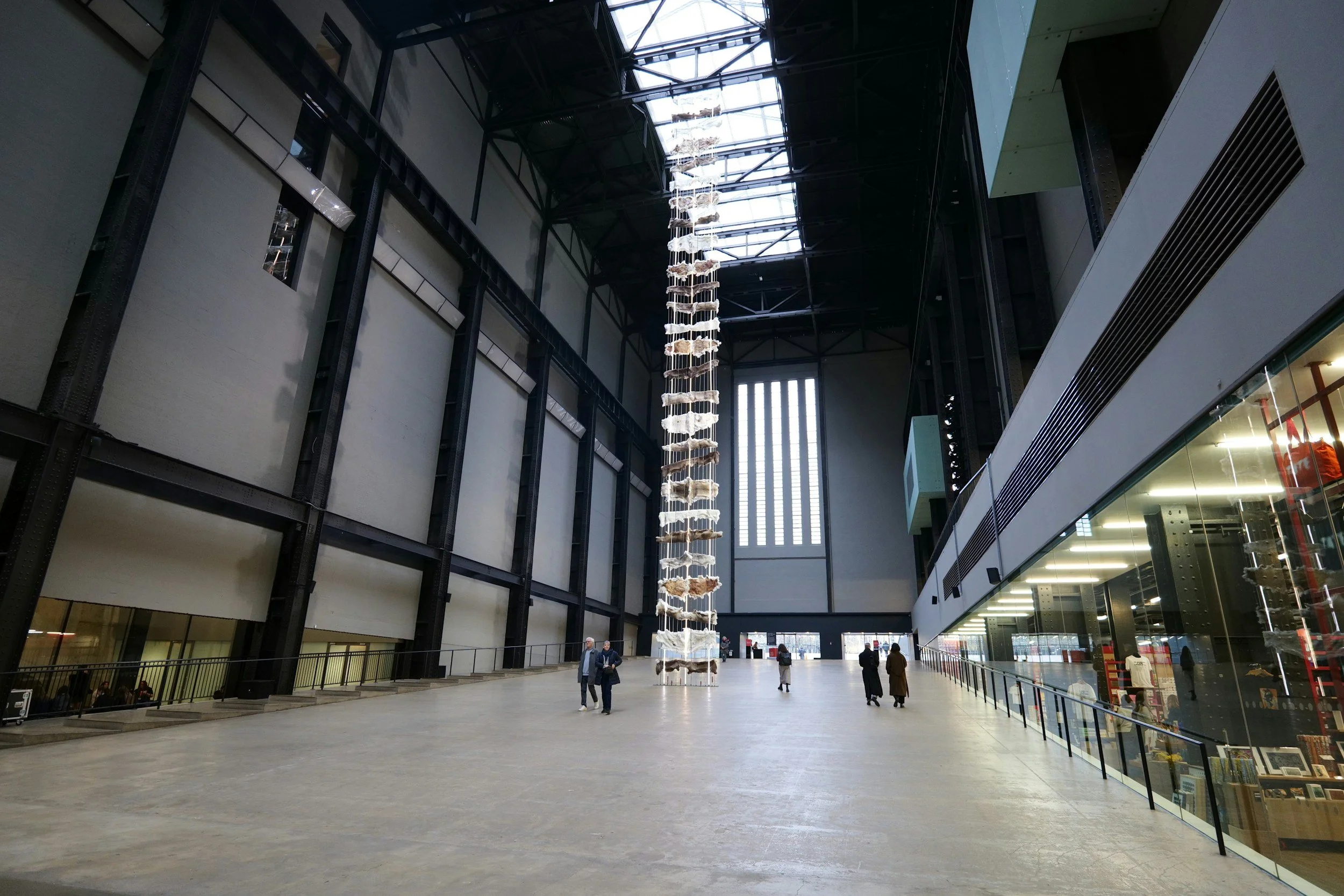
TATE MODERN
The underground spaces known as the Tanks originally stored oil for Bankside Power Station. Architects Herzog & de Meuron preserved and repurposed these industrial chambers as spaces for art, making the building’s working past part of the gallery experience.
Planning your museum visit
Check what free entry includes
Free general admission can sit alongside paid exhibitions, tours and special events. Use the institution's visitor information to find the right ticket and check whether a reservation is required or recommended. You do not need to buy a guided tour simply to enter a free permanent collection.
Allow time for the visit you actually want
The time suggestions here are planning allowances for selective visits, not promises that you can cover an entire museum. Add security queues, travel, meals and any exhibition or event separately. Take a break while you still have the energy to enjoy the next part of London.
Check the details that could change your day
Look up gallery closures and the current location of a particular work. Read the access information for the museum and any booked event, including entrances, lifts, seating and sensory conditions where relevant. Historic interiors and evening events can have different arrangements from a general museum visit.
Travel light and check bag policies. If your plan includes a Late, look at the journey home as well as the start time. Our London Travel Tips cover the wider transport and practical decisions.
Once you have chosen a collection, put it into a realistic day using our three-day London itinerary. Give that visit enough time, then add the walk, neighbourhood or meal you most want around it.
Continue Planning London
- 3 Days in London: A Realistic First-Time Itinerary helps you fit your chosen museum into a manageable first visit.
- London Neighbourhood Guide helps you decide where to explore around the collection.
- Best Free Things to Do in London adds walks, parks, views and other cultural stops to the trip.