Three days in London gives you time for the major landmarks, a proper museum visit and a few neighbourhoods beyond the postcard views. The useful decision is how much to attempt in each part of the city. A morning at the Tower, a market lunch and a riverside walk can make a satisfying day without another three admission tickets attached to it.
As a London local, I’d always leave time to walk. The parks, side streets, food stops and changes between neighbourhoods are part of understanding the city, and they’re often what make a trip feel your own.
This itinerary groups nearby places together, protects time for meals and offers clear alternatives when you’d prefer a slower pace. It assumes three full sightseeing days, with arrival and departure travel handled separately.
Your three days in London at a glance
Day 1: Westminster, St James’s Park, Buckingham Palace, Trafalgar Square and the West End.
Day 2: Tower of London, Tower Bridge, Borough Market and Bankside, finishing around Millennium Bridge and St Paul’s.
Day 3: British Museum and Bloomsbury, followed by Spitalfields, Brick Lane and Shoreditch.
The first day introduces royal and political London. The second follows the river through fortifications, markets and cultural landmarks. The third gives you a focused museum visit before an afternoon shaped by East London’s food, shops and community histories.
If you’re still choosing your base, our guide to where to stay in London will help you compare areas. This route is easier when your accommodation has straightforward connections to central London, even if you can’t walk to every starting point.
Before you start: bookings, walking and day order
Treat the days as movable blocks. Westminster Abbey doesn’t open for sightseeing on Sundays, while Borough Market is normally closed on Mondays. If your trip runs Saturday to Monday, for example, use the Westminster route on Saturday, the Tower and Borough route on Sunday, and the museum and East London route on Monday. Check special closures and holiday arrangements for your actual dates.
The Tower’s opening times also vary. Book a suitable morning entry and let the afternoon move with it, rather than treating 9am as a year-round guarantee.
Walking times below are approximate planning estimates for ordinary routes. They exclude photographs, browsing, queues and visits inside buildings. Give yourself additional time at busy crossings and stations. Check TfL before travelling, particularly for weekend works, and adapt the route if you need step-free travel or shorter walking sections.
These are active sightseeing days. Build in a seated lunch, use transport when it helps, and leave large luggage at your accommodation rather than taking it between attractions.
A PART IN HOLLYWOOD
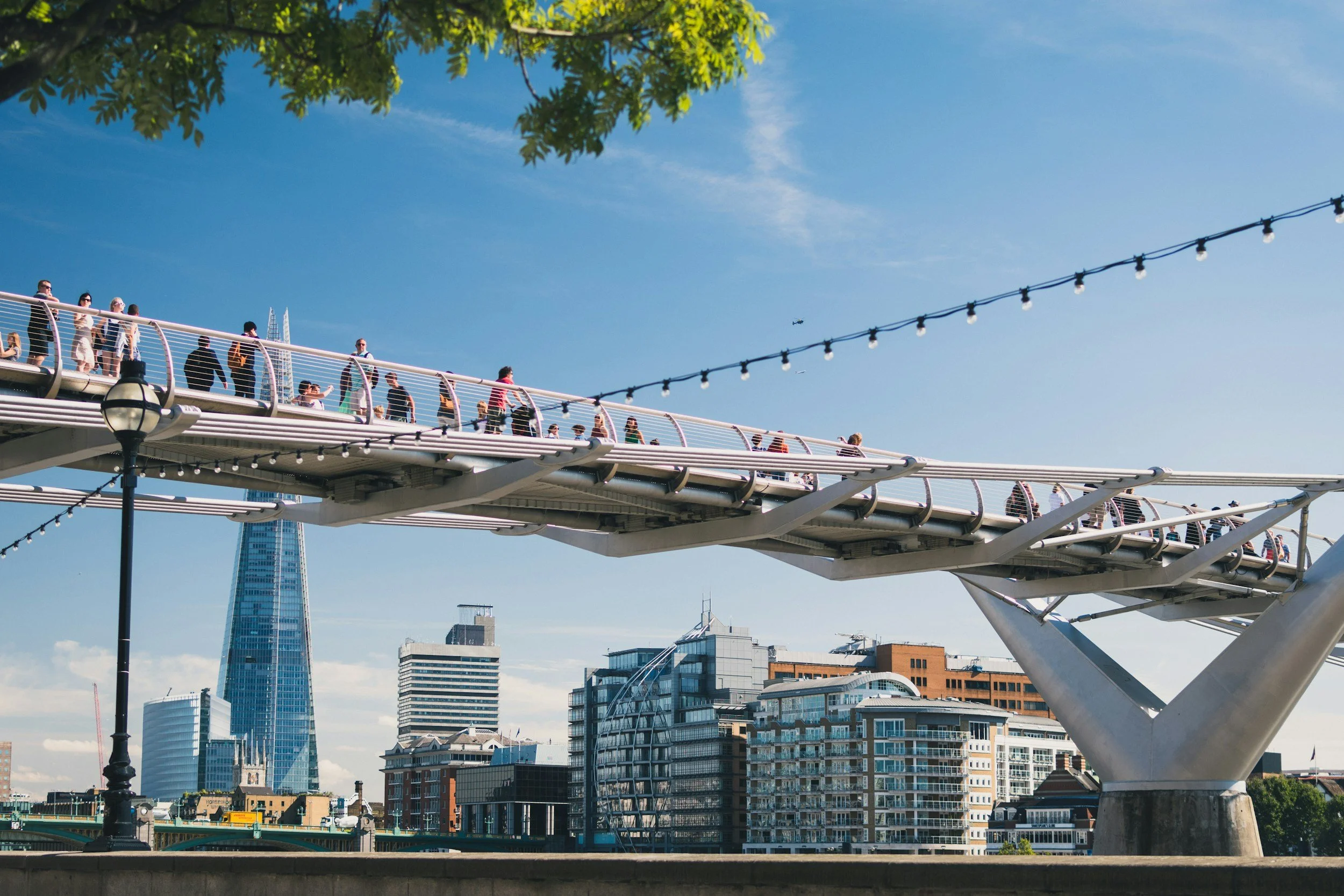
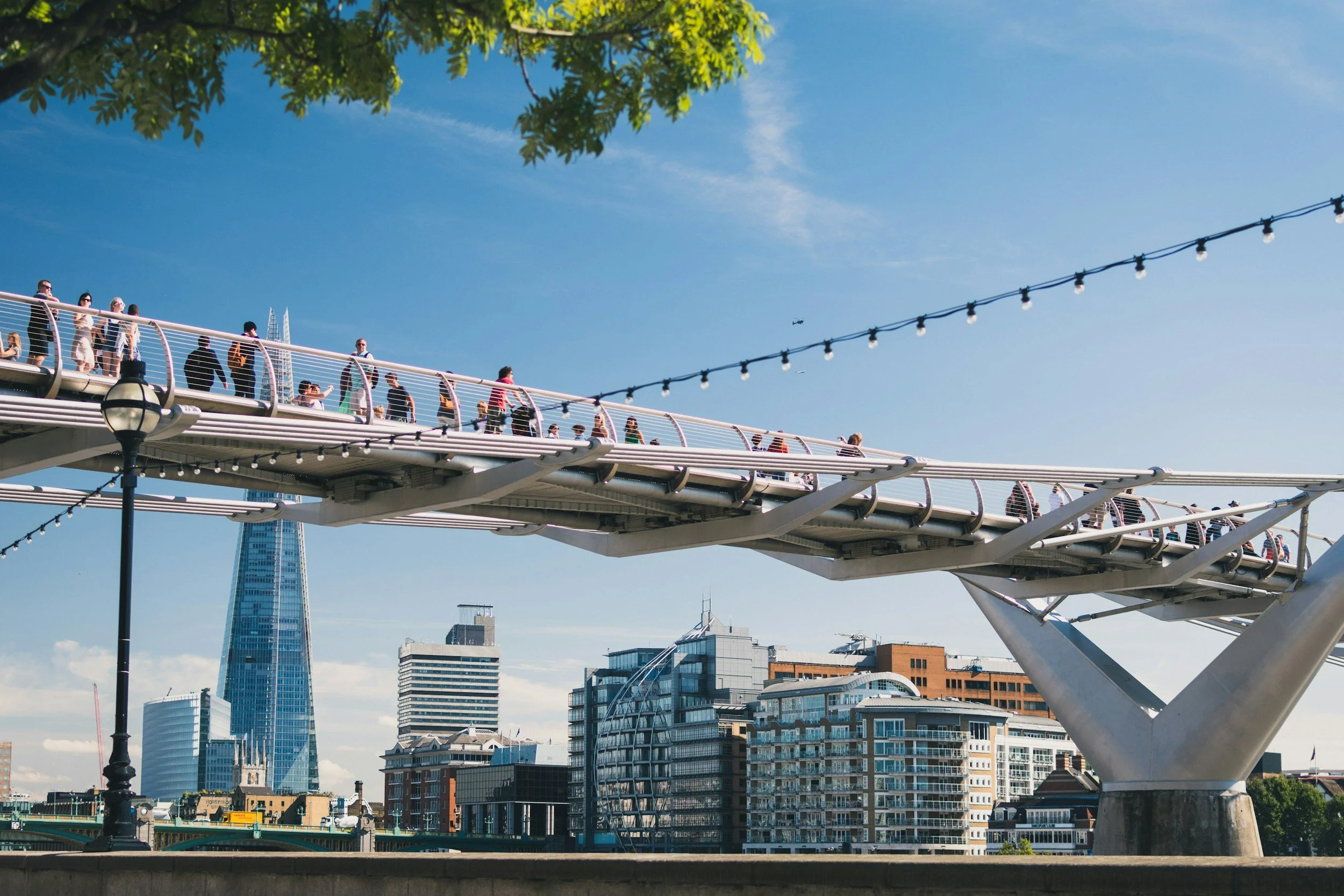
In Harry Potter and the Half-Blood Prince, Death Eaters attack Millennium Bridge, twisting it apart above the Thames. The real bridge’s early troubles were considerably less supernatural.
Day 1: Westminster, royal London and the West End
Morning: Parliament Square and Westminster Abbey
Start around Westminster at about 9am, or in time for your booked Abbey entry. From Parliament Square you can see the Houses of Parliament and Big Ben, then walk onto Westminster Bridge for a different view of the riverside buildings. A short out-and-back is enough; you don’t need to cross to the South Bank to continue this route.
Westminster Abbey is the morning’s optional interior visit. Coronations have taken place here since 1066, which gives the building a different significance from simply being another impressive church. Allow roughly 1½–2 hours inside, with extra time for admission and security.
You can check Westminster Abbey admission with an audio guide on Viator. This is a self-guided admission option, rather than a private guided tour. Check the selected ticket’s inclusions and the Abbey’s opening calendar before booking.
If church interiors aren’t a priority, appreciate the exterior and continue towards the park. You’ll have a more flexible morning and a smaller admission bill.
Late morning: St James’s Park and Buckingham Palace
Walk towards St James’s Park and follow its paths west to Buckingham Palace. Allow around 25–35 minutes from the Abbey through the park to the palace, excluding stops.
The park creates a useful break between Westminster’s traffic and the ceremonial setting around the palace. Spend some time by the lake, then continue to the gates and Victoria Memorial. This itinerary includes the palace exterior; it doesn’t assume an interior tour is available.
Changing the Guard can be worked into the day if it matters to you, but check the official schedule and make room for waiting and crowds. Trying to combine it with an overlapping Abbey booking is an avoidable way to spend the morning watching the clock.
From the palace, follow The Mall towards Admiralty Arch and Trafalgar Square. Allow approximately 20–25 minutes on foot, plus whatever time you spend looking around.
Lunch and afternoon: Trafalgar Square, Covent Garden and Seven Dials
Aim for lunch around 1pm, adjusting for your morning booking. Bancone Covent Garden, at 39 William IV Street, is a convenient option between Trafalgar Square and Covent Garden. Its focus is handmade pasta, and booking a table gives you a dependable seated break. Check Bancone’s Covent Garden page for menus and reservations.
Keep the afternoon flexible. Covent Garden’s market buildings, surrounding streets and performers make it an easy area to explore without a detailed checklist. Continue towards Seven Dials, then work your way into Soho when you’re ready. Trafalgar Square to Covent Garden takes around 10–15 minutes, with another 5–10 minutes to Seven Dials.
If you’d prefer paintings to shops, substitute a focused National Gallery visit for part of this afternoon. General admission is free, with some exhibitions charged separately. Choose a few rooms and leave time to sit down afterwards.
Evening: Dinner in Soho or a West End show
Soho and nearby Chinatown give you plenty of scope for dinner, whether you want a booked restaurant or a more casual meal. Use our London food guide to choose somewhere that suits your appetite and budget.
If you’re seeing a show, plan backwards from its advertised start time. Choose dinner near the actual theatre, tell the restaurant you have a performance to catch, and avoid a popular walk-in queue beforehand. Theatreland covers a wider area than a single square, so check the address rather than assuming every venue is beside Leicester Square.
For a quieter evening, keep dinner as the main event and enjoy the walk back towards your nearest station.
THE NATIONAL GALLERY BECAME A CONCERT HALL
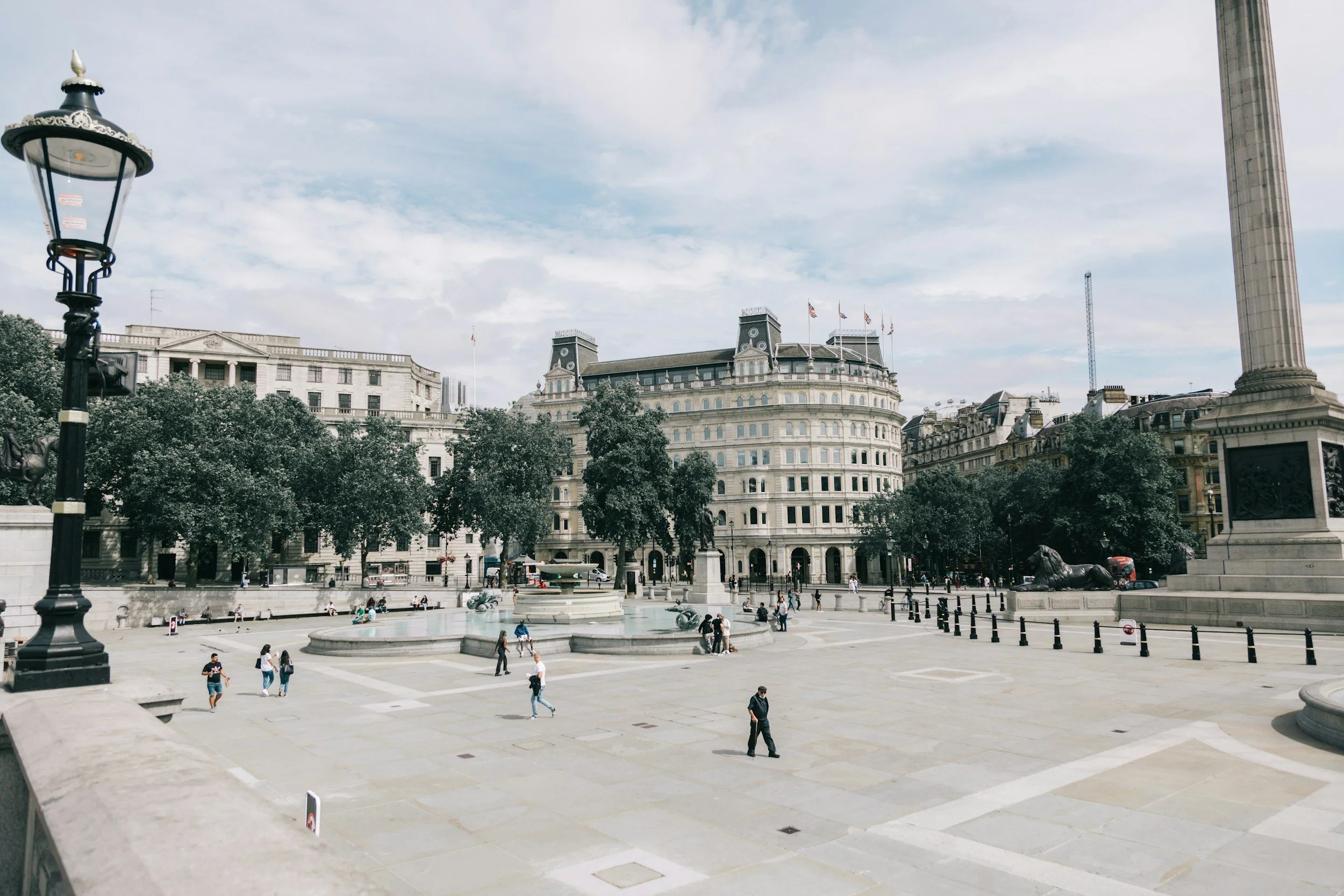
After the collection was evacuated in 1939, pianist Myra Hess helped bring the empty building back to life with lunchtime concerts. The first took place that October, offering Londoners music during the wartime closure of many cultural venues.
Day 2: The Tower of London and a walk through Bankside
Morning: Give the Tower of London enough time
Make the Tower of London your main paid attraction today. Begin with a booked morning visit and allow at least three hours, with extra room if queues are long. This is a substantial historic site, and rushing through it to protect an ambitious afternoon tends to defeat the point of paying to enter.
The Crown Jewels are an obvious priority, but the fortress, royal buildings and stories of imprisonment give the visit its wider meaning. Look at the day's Yeoman Warder tour arrangements and decide how to fit one around your other interests.
You can check Tower of London and Crown Jewels admission on GetYourGuide. The standard admission listing includes access to the Crown Jewels and public Yeoman Warder tours, subject to their operation. It does not promise to remove the queue for the Crown Jewels.
If this is your one major paid interior, give it the time it deserves and keep the rest of the day lighter.
Lunch: Cross Tower Bridge and continue to Borough Market
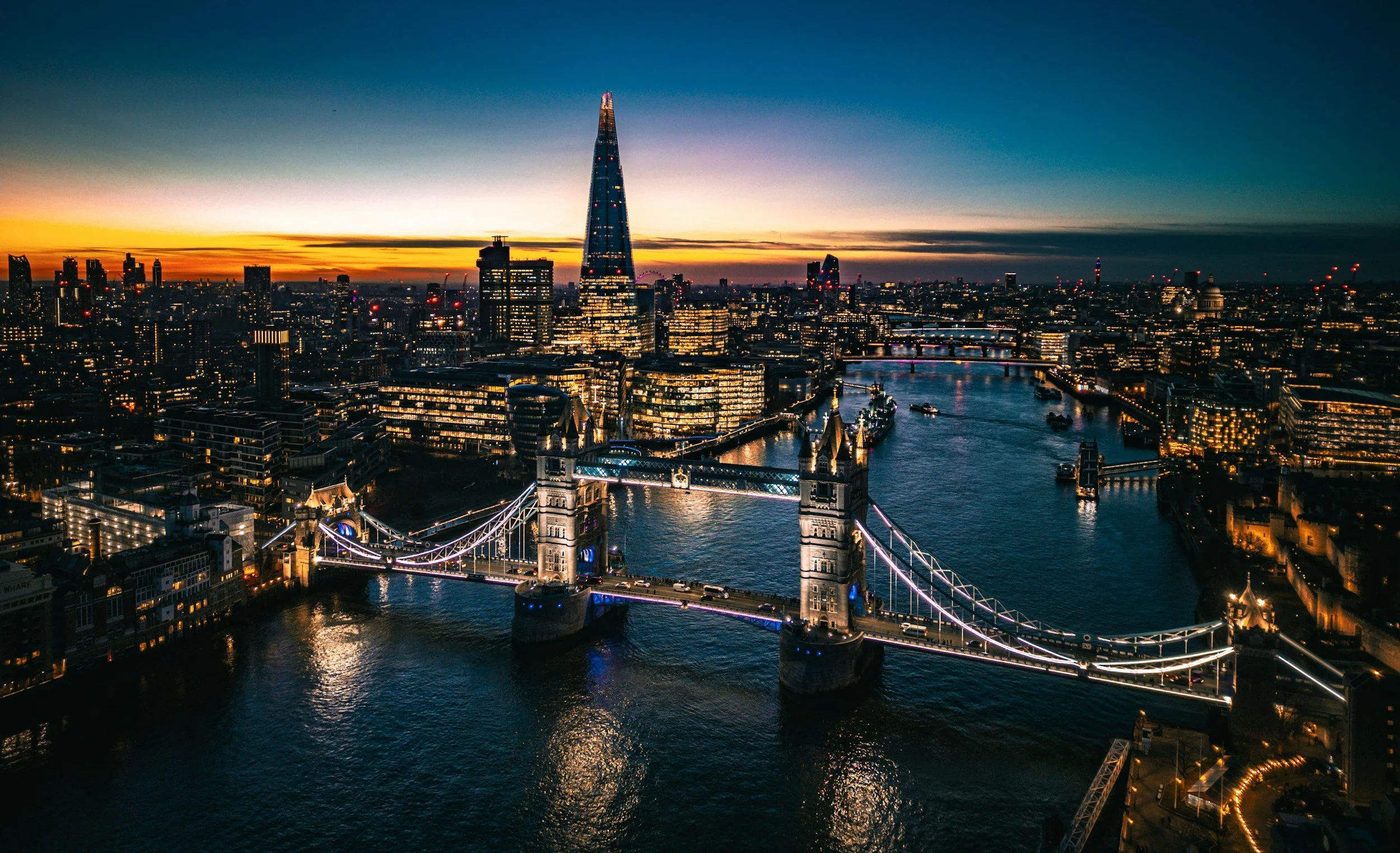
After leaving the Tower, walk towards Tower Bridge, cross at street level and turn west along the south side of the Thames. Allow about 15–20 minutes to reach the southern end of the bridge from the Tower entrance area, before photo stops.
The high-level walkways and engine rooms are a separate ticketed attraction. If you want to visit them, allow additional time and shorten the Bankside afternoon.
Continue along the river towards London Bridge, then inland to Borough Market. Allow roughly 25–35 minutes from the south end of Tower Bridge, depending on the path you take and how often you stop.
Give lunch 60–90 minutes. Borough is a produce market as well as somewhere to buy a ready-to-eat meal, so take a short look around before committing to a queue. The street-food kitchens, specialist traders and surrounding restaurants offer different ways to eat here. If you need a proper sit-down break, choose that deliberately rather than relying on finding an empty perch at the busiest moment.
The market is normally open Tuesday–Sunday. If you have to do this route on a Monday, keep the riverside walk and arrange lunch at a nearby restaurant instead. You won’t get the same market experience.
Afternoon: Bankside, the Globe and Millennium Bridge
Walk west from Borough towards Bankside, passing Shakespeare’s Globe and continuing to Tate Modern. Allow around 20–30 minutes from the market to Tate, excluding stops.
This stretch helps explain why walking is so rewarding in London: the river connects places that might otherwise look like unrelated entries on a sightseeing list. At Tate Modern, the former power station’s scale is part of the experience, even before you look at any art.
If you want to go inside Tate, make that your main afternoon activity and reduce the remaining walk. Otherwise, continue across Millennium Bridge towards St Paul’s Cathedral, approximately 10–15 minutes from Tate to the cathedral exterior.
The default route finishes with the view and the streets around St Paul’s. A full cathedral visit would need its own time allowance and a suitable entry slot. It’s better treated as a conscious replacement for another interior.
Evening: Keep dinner close and leave the rest open
After a Tower visit and a riverside afternoon, there’s no need for another essential booking. Eat around Bankside or the City, depending on where you finish and what is open, or return towards your accommodation for dinner.
If you’re tired after Borough Market, you can also finish early at London Bridge. Seeing fewer places with some energy left is a perfectly respectable result.
For more possible substitutions, our guide to things to do in London explains which experiences deserve a longer visit.
A LONDON BUS ONCE JUMPED OVER TOWER BRIDGE
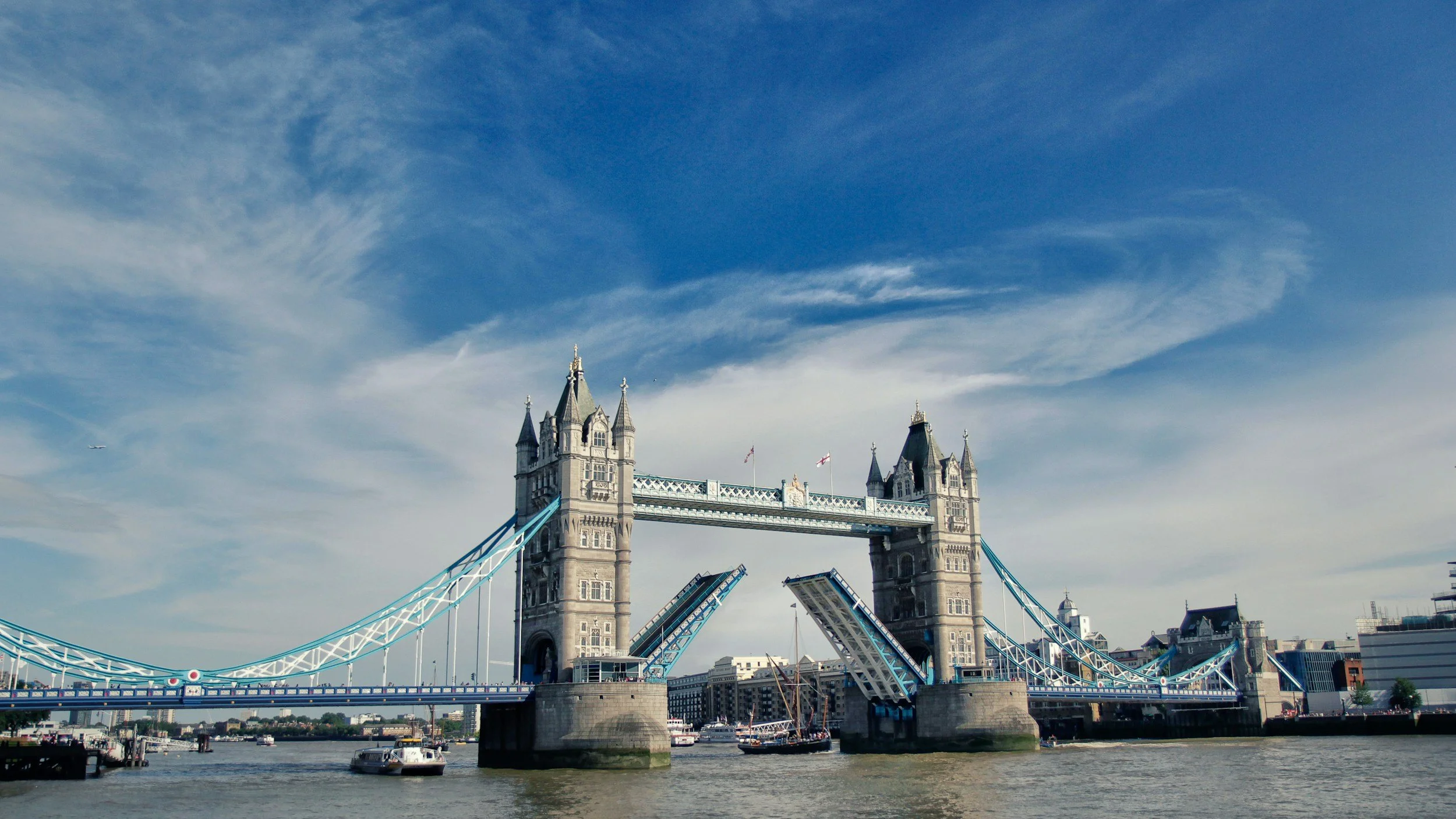
In December 1952, Tower Bridge began opening while Albert Gunter’s number 78 bus was crossing. He accelerated across the gap onto the other half. His reward for the quick thinking was £10 and a day off work.
Day 3: A museum morning and an East London afternoon
Morning: Choose a focused visit to the British Museum
Start with the British Museum, aiming for a morning entry from around its usual 10am opening. Reserve a free museum entry ticket and allow approximately 2–2½ hours inside, plus entry time.
Choose a few galleries that interest you rather than trying to complete the building. Ancient Egypt, Greek sculpture or another collection you’re curious about will give the visit a focus. The Great Court can help you orient yourself before moving into the galleries.
Make time to read about where objects came from and how they entered the collection. Their journeys into a London museum are part of the history you’re looking at, alongside the cultures that made them.
General admission is free; special exhibitions may require a separate paid ticket. You don’t need to buy a guided tour simply to enter the permanent collection.
Lunch: Pause in Bloomsbury
Leave time for lunch and a short walk through Bloomsbury before heading east. A café or restaurant near the museum keeps this straightforward. Russell Square is a nearby option for an outdoor pause when the weather suits.
Protect roughly an hour for this break. Three sightseeing days feel quite different when lunch involves sitting down.
Afternoon: Spitalfields, Brick Lane and Shoreditch
From the museum area, walk to Tottenham Court Road and take an eastbound Central line train to Liverpool Street. Allow around 35–45 minutes from the museum area to Old Spitalfields Market, including walking, station access and waiting. The train ride is only part of that journey. Check TfL for your actual travel day.
Begin at Old Spitalfields Market, which operates throughout the week, although individual stalls, shops and food traders keep different hours. Arriving during the afternoon leaves time to browse before the market winds down.
Then walk towards Fournier Street and Brick Lane. One building makes the area’s changing history especially tangible: Brick Lane Jamme Masjid began as a French Protestant chapel in the 1740s, later became a synagogue and became a mosque in 1976. That sequence reflects successive communities making a home in this part of London.
Continue north along Brick Lane before turning towards Shoreditch. Allow 15–25 minutes of actual walking between the market area and Shoreditch, with substantially more time for shops, food and looking around. Street art changes, so enjoy what you find rather than building the afternoon around one supposedly permanent mural.
For more neighbourhood context, see our London neighbourhood guide.
Prefer to explore with a guide? An East End food tour on Viator combines food tastings with neighbourhood history. The listing allows around 3½ hours, with tastings intended to make a meal. Use it to replace lunch and the self-guided afternoon. Choose your departure first and fit the museum around it; if only a morning departure suits, you’ll need to move or omit the museum. Check the meeting point, dietary arrangements and current inclusions when booking.
Evening: An early dinner in Shoreditch
For the self-guided version of the day, Dishoom Shoreditch, at 7 Boundary Street, is a practical dinner option. Its Bombay café influence adds another perspective on the food cultures that shape contemporary London.
Consider an early table before 6pm. Dishoom currently accepts reservations for groups of any size before that time; later bookings are for groups of six or more, with smaller parties relying on walk-ins. Check the Shoreditch restaurant’s current policy and book accordingly.
If you’ve taken a substantial food tour, leave dinner flexible. A second full meal may be less appealing than a quiet final evening.
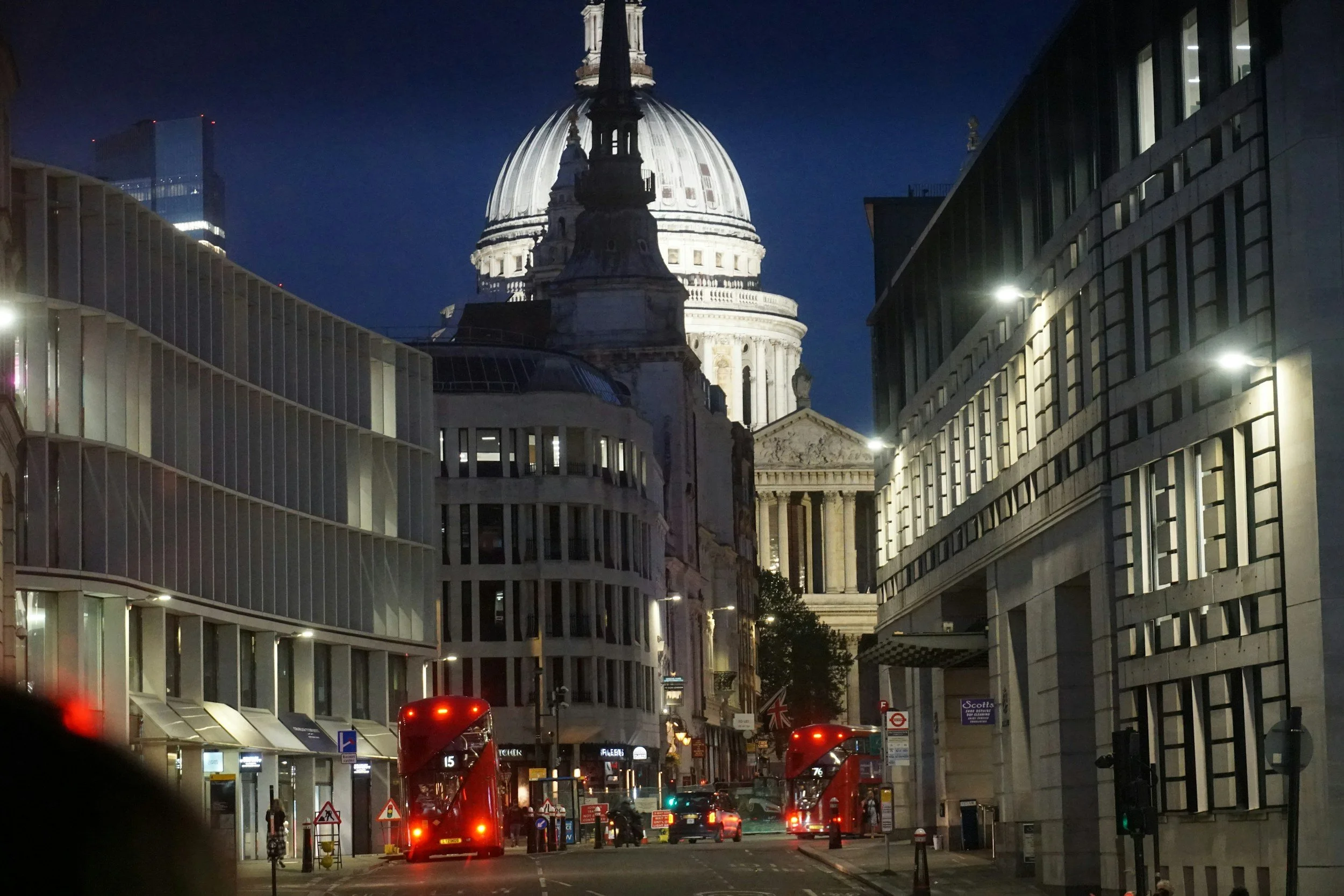
ST PAULS CONCEALS AN INGENIOUS STRUCTURAL TRICK
The dome you admire from outside and the dome you see inside are different structures. Between them sits a concealed brick cone supporting the heavy stone lantern above, allowing Christopher Wren to achieve both the imposing skyline and the interior proportions he wanted.
How to adapt this itinerary
If you want a slower pace
Keep the three geographical blocks, but remove an interior or shorten a walk. On Day 1, see the Abbey from outside and take longer in St James’s Park. On Day 2, finish after Borough Market. On Day 3, linger in Bloomsbury or choose a smaller East London loop.
If you’d rather have museums and parks on Day 3
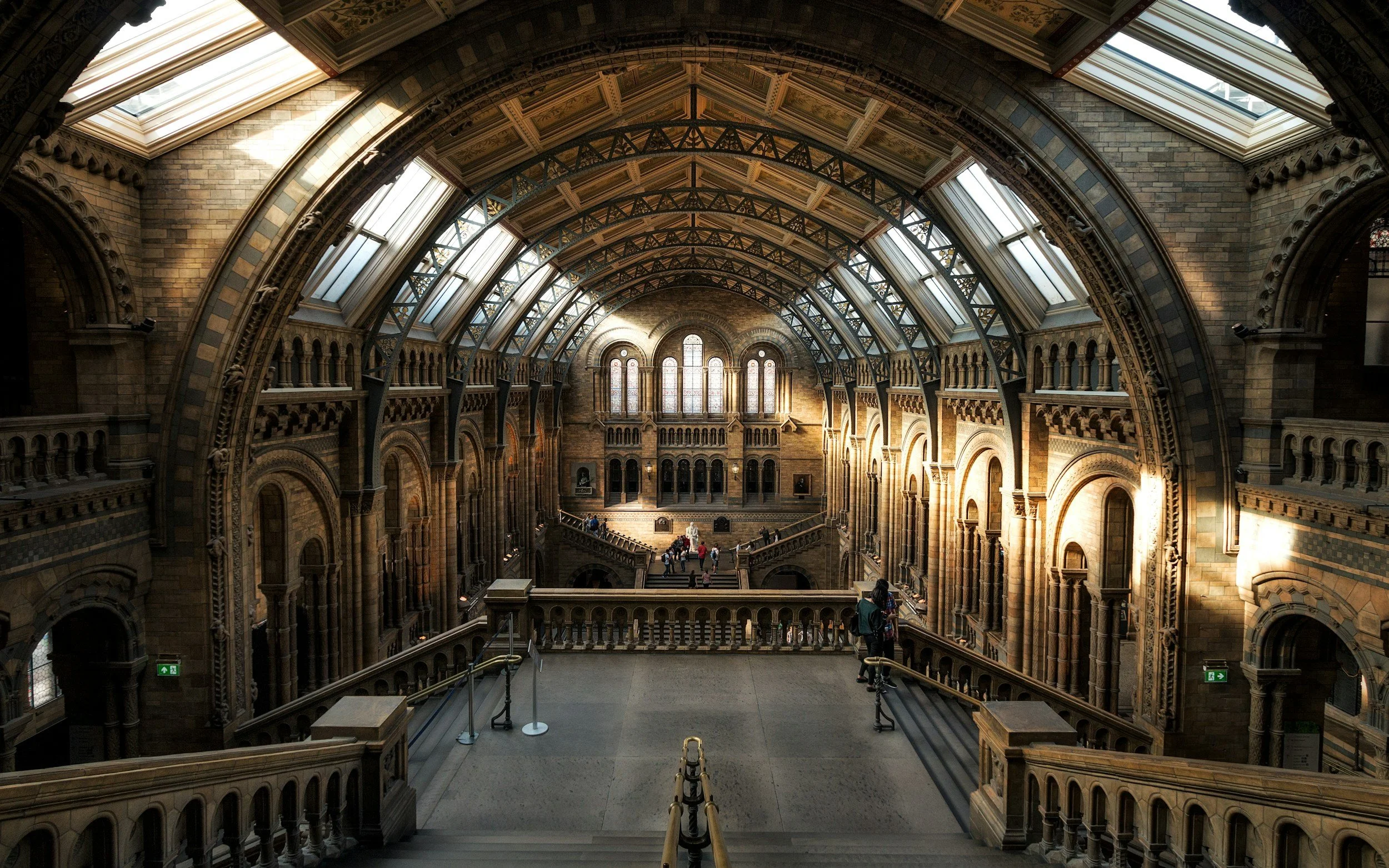
Replace the whole day with South Kensington and Kensington Gardens. The Natural History Museum makes a clear alternative if nature, dinosaurs and the building itself appeal more than the British Museum’s collections. Its main galleries are free; book a free entry ticket through the museum’s own website.
Choose one museum, have lunch nearby, then walk towards the park if conditions suit. Avoid attaching the full East London afternoon to this alternative.
If the weather turns
Substitute indoor time for outdoor sections: the National Gallery can replace some West End browsing, Tate can become the focus of the Bankside afternoon, or you can spend longer in your chosen museum. Keep nearby meals and reduce exposed riverside walking.
In winter, move any park time earlier and use the evening for dinner, theatre or another booked indoor experience.
If you only have two full days
Use Days 1 and 2 as your starting point. If the British Museum matters more to you than the Tower, exchange those morning priorities and simplify the rest of that day accordingly.
For arrival or departure days, choose one manageable neighbourhood near your accommodation. Airport travel, luggage and a timed attraction across the city are an unnecessarily fragile combination.
What to book before your trip
Once your dates are fixed, secure your preferred Tower visit first, then arrange any Abbey admission and must-see theatre performance around it.
- Tower of London: Choose a suitable morning entry and protect at least three hours for the visit.
- Westminster Abbey, if included: Check sightseeing dates and book a morning slot that leaves room for the park and palace walk.
- Free museum entry: Reserve the British Museum, or the Natural History Museum for the alternative route, through the museum itself.
- Theatre and important meals: Book the experiences you would be disappointed to miss. Leave other meals and evenings flexible.
- Optional food tour: Choose the departure before finalising Day 3, since it changes both the meal plan and the afternoon.
Compare the actual price and inclusions of any attraction pass against the visits you intend to make. This route includes plenty of walking and free experiences, so a pass shouldn’t be an automatic purchase.
Continue Planning London
- London Travel Guide: Get oriented before deciding which parts of the city matter most to your trip.
- Where to Stay in London: Choose a base with the atmosphere and connections you want.
- Where to Eat in London: Plan meals around your route and explore more of the city through food.
“3 days isn’t much time to see a city as big as London, but with the right planning and a neighbourhood-by-neighbourhood approach, you’ll cover a lot. London’s neighbourhoods are so diverse, and the more you see, the better you’ll know it!”