For a short first visit to London, I'd usually begin the search in Covent Garden. The combination of theatres, restaurants and central sightseeing makes it an easy place to organise a trip around. Bloomsbury and the South Bank are strong alternatives, while other areas become more appealing once you know what you want to spend your days doing.
As a London local living in Bethnal Green and Liverpool Street to Putney, Fulham, Wandsworth and Battersea, I’ve spent the past decade working in and around central London. For a first visit, my advice is to give your accommodation location proper weight. Being able to walk back after dinner, take a break between activities or reach your main sightseeing areas easily can make a noticeable difference to the trip.
This guide compares eight useful bases, with the atmosphere, transport connections and trade-offs that help you choose between them. The hotel suggestions are based on current research. For an introduction to the city as a whole, start with our London Travel Guide.
Where to Stay in London at a Glance
For an easy first visit: Start with Covent Garden, particularly if theatre, restaurants and exploring the West End are priorities.
For a more measured central setting: Consider Bloomsbury, with its squares, cultural institutions and access to the West End.
For riverside sightseeing: Look around Waterloo and the South Bank, or farther east towards Bankside if Tate Modern and Borough Market appeal.
For museums and west London: South Kensington makes sense, including for families planning substantial time around the museums and parks.
For transport convenience: Compare Paddington for Heathrow connections, King's Cross and St Pancras for onward trains, or Victoria if its rail links suit your arrival.
For food and evenings out: Soho puts you in the West End; Spitalfields and Shoreditch give the trip a stronger east London focus.
Use these as starting points, then compare accommodation for your actual dates. A district's reputation for value tells you less than the price and location of the particular hotel you're considering.
How to Choose Your London Base
London's main sights sit across several areas. Westminster brings together Parliament, the Abbey and the royal parks; the West End is a natural centre for theatre and restaurants; South Kensington has the major museum cluster; and the Tower of London lies farther east. You should expect to use public transport wherever you stay.
Begin with your three main priorities. If you want a West End show on several evenings, staying nearby has value beyond the daytime sightseeing. If your plans revolve around museums and parks, South Kensington becomes more persuasive. If markets and east London's food scene are a major reason for coming, a base near Spitalfields may improve the trip more than a famous West End address.
Then consider how you want the evenings to work. Some travellers enjoy stepping straight into busy streets and a wide choice of bars. Others would rather travel for dinner and return to somewhere less active. Both approaches work, provided you choose deliberately.
Check the actual address and the station you'll use. A hotel near a useful connection can be more practical than one with a broadly central description. The TfL journey planner helps you compare journeys to your priorities, including the walk at either end. Allow for your arrival route, but balance that one journey against the days you'll spend exploring.
For a short visit, central convenience often deserves a larger share of the accommodation budget. A well-connected hotel farther out can still be a sensible choice when the saving is meaningful and its location fits your plans.
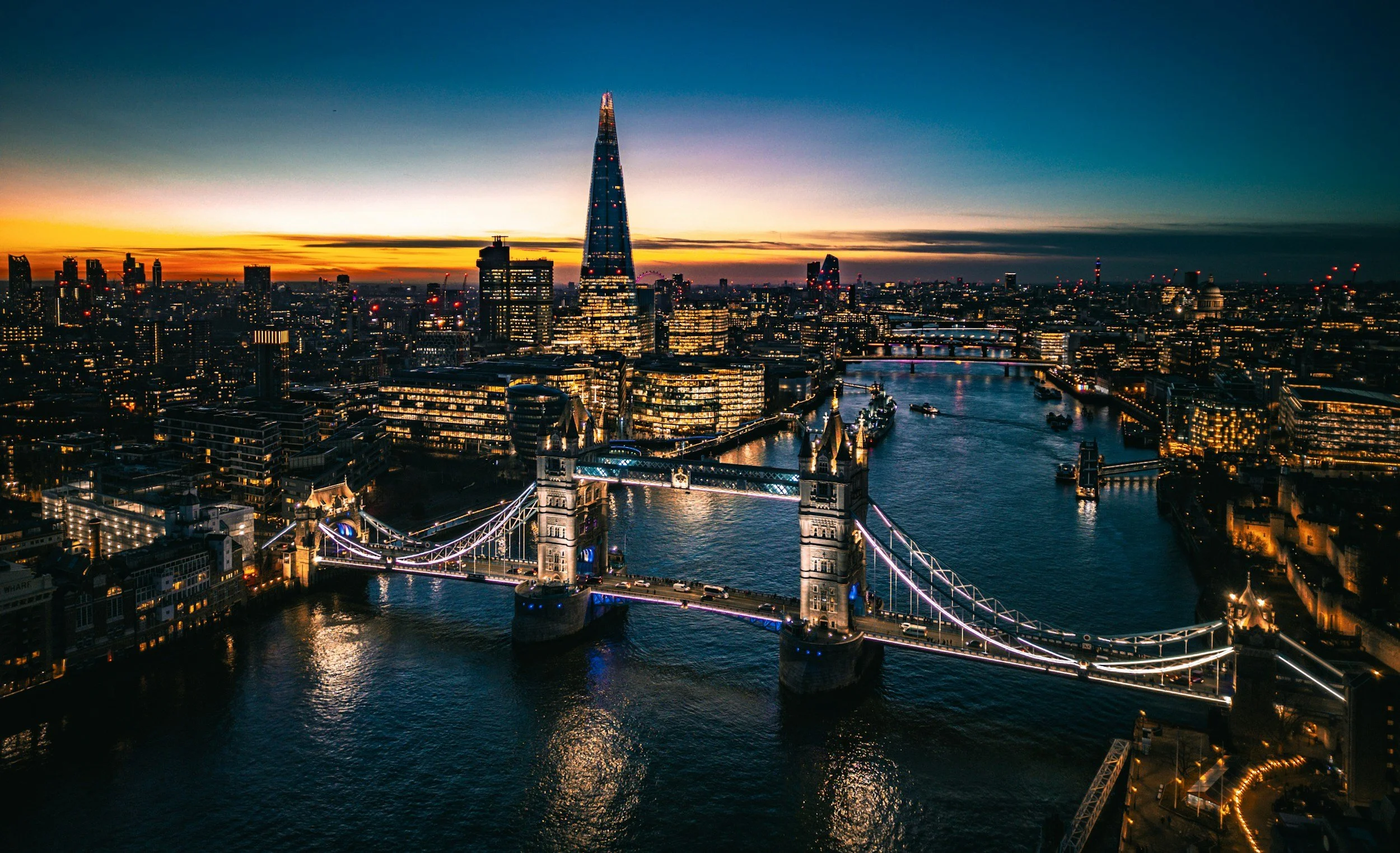
THE INTERNATIONAL CITY
More than 300 languages are spoken across London, reflecting the many communities and cultures that shape the capital and give its neighbourhoods their distinctive character.
The Best Areas to Stay in London for a First Visit
Covent Garden and Soho: West End Convenience and Evenings Out
Covent Garden is a useful starting point because so much of a first visit can happen around it. The piazza, Seven Dials and surrounding streets give you places to browse between activities, while theatres, restaurants and Trafalgar Square are within reach on foot. You can spend an afternoon exploring, pause at your hotel and head out again without organising another cross-city journey.
Soho, immediately to the west, puts more emphasis on the evening. Restaurants, music venues, bars and the area's long-established LGBTQ+ life give it a different energy from Covent Garden's market and theatre setting. It suits visitors who want dinner and nightlife to be a substantial part of the trip.
Transport and walkability: Covent Garden, Leicester Square, Charing Cross and Tottenham Court Road are useful stations for different parts of this area. Much of the West End is walkable from either neighbourhood, but check which station makes sense for your hotel and arrival route.
The trade-off: You pay for convenience, and some streets remain busy late. Covent Garden and Soho also have different pockets: a small side street and an address beside a major entertainment venue can offer quite different settings.
Hotels to consider:
The Resident Covent Garden: A polished option near the Strand, well placed for visitors who want Covent Garden, theatre and central sightseeing to fit together easily.
Z Hotel Covent Garden: A budget-focused option to compare when the priority is staying close to the piazza and spending most of the trip out exploring.
The Resident Soho: Consider this Carlisle Street hotel if Soho's restaurants and evening life are the stronger draw.
For most first-timers choosing between the two, I'd start with Covent Garden. Choose Soho when you actively want its evenings as part of the experience.
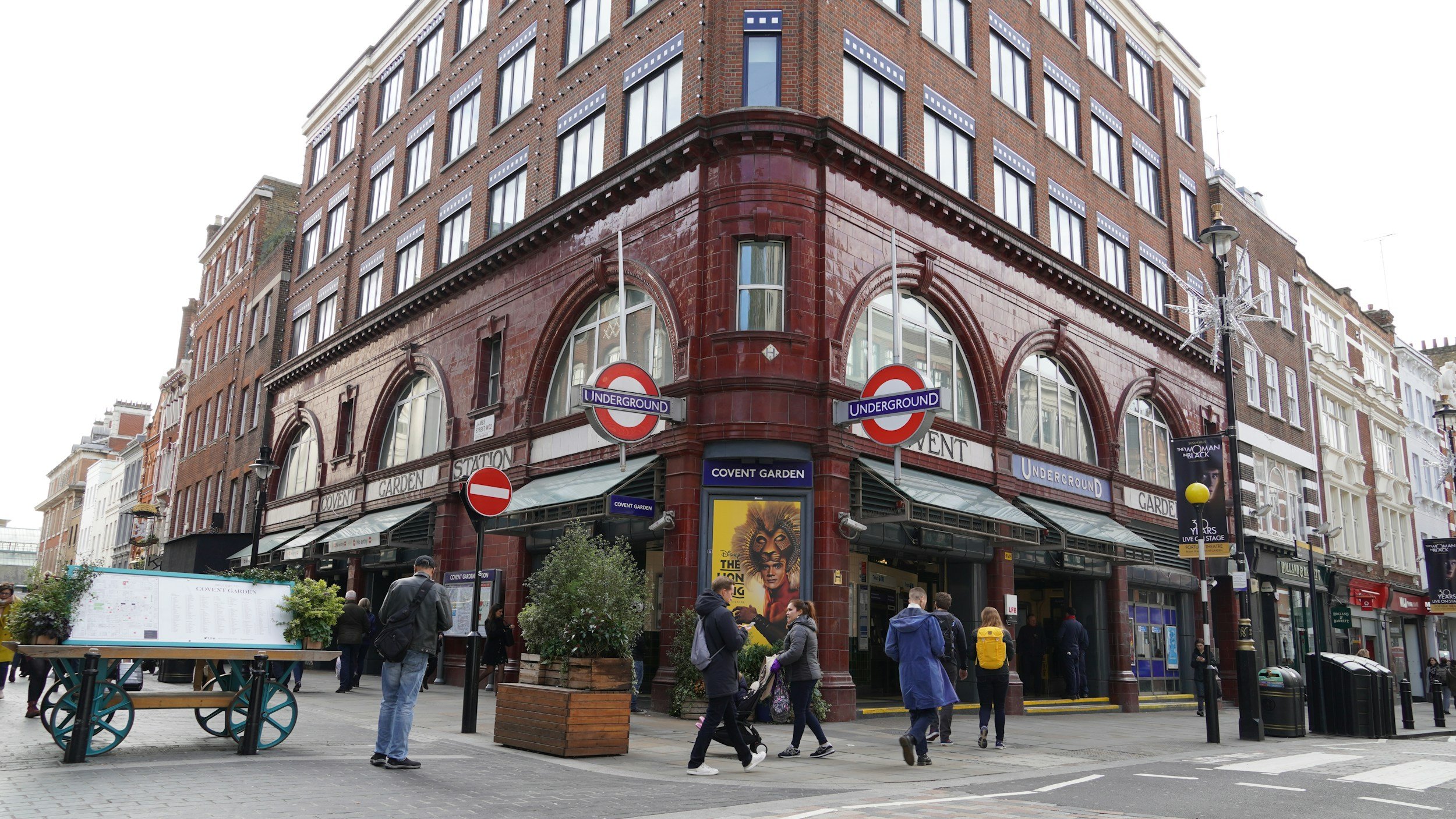
COVENT GARDEN
Covent Garden’s piazza was laid out in the 1630s as London’s first square, inspired by the Italian piazzas architect Inigo Jones encountered on his travels.
Bloomsbury: A Central Cultural Base
Bloomsbury brings a different rhythm to a central stay. Garden squares, university buildings and the British Museum shape the area, with a cultural and academic character that feels distinct from the West End's busiest entertainment streets.
It works particularly well if you want museum time and central access without making nightlife the focus of every evening. Nearby Fitzrovia is also worth comparing if restaurants and time around the western side of Tottenham Court Road feature in your plans.
Transport and walkability: Russell Square, Holborn and Tottenham Court Road serve different parts of the wider area. The West End is accessible on foot from many addresses, although Bloomsbury extends far enough that you should check the particular walk rather than assume every hotel is equally close.
The trade-off: A square-facing setting and a hotel near a busy through-road are different propositions. Bloomsbury can offer a more measured atmosphere, but the name alone doesn't guarantee a quiet street or a lower price.
Hotels to consider:
Tavistock Hotel: An Art Deco hotel overlooking Tavistock Square, worth comparing if you want a practical Bloomsbury base with some period character.
The Montague on the Gardens: A more traditional townhouse-style choice near the British Museum, suited to visitors who want the hotel to contribute some classic London character.
Start here if cultural sights, a central position and a less entertainment-led setting matter more than having Soho immediately outside your door.
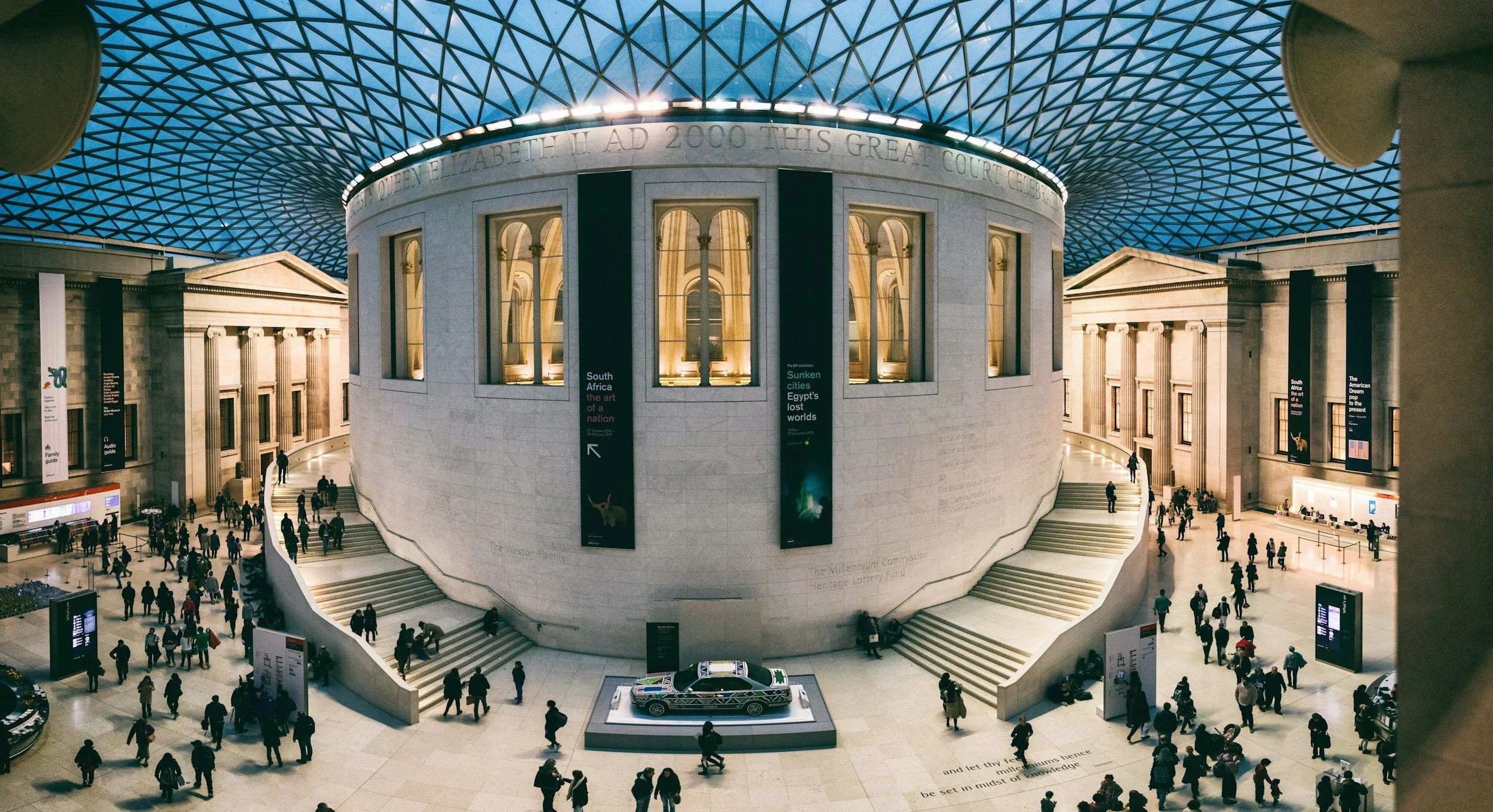
THE BRITISH MUSEUM
Bloomsbury’s British Museum opened its doors in 1759 as the world’s first national public museum, adding another chapter to the neighbourhood’s long cultural history.
South Bank and Bankside: Riverside Sightseeing and Culture
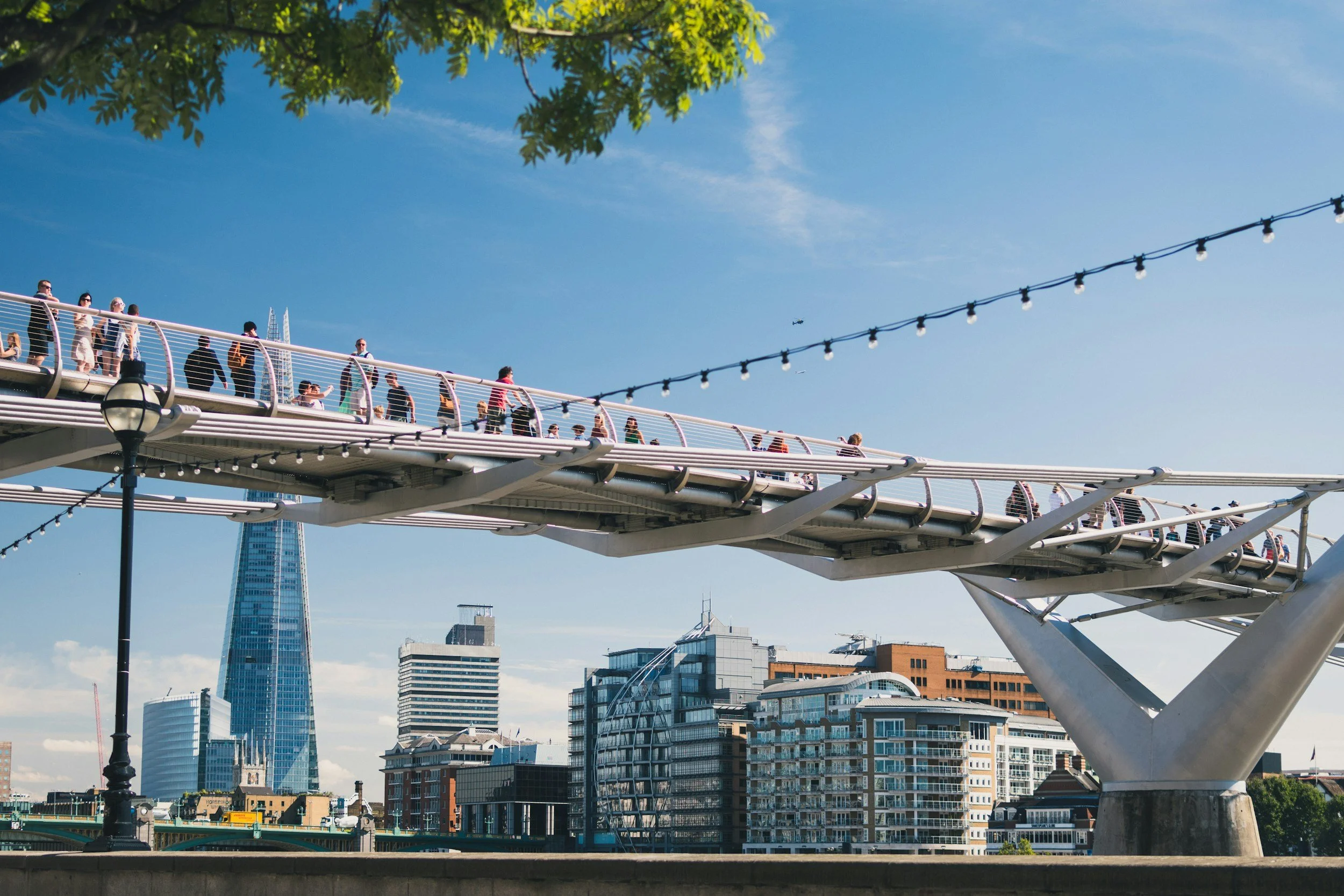
Staying south of the Thames can make the river a natural part of the day. Around Waterloo and County Hall, you're well placed for the London Eye, the Southbank Centre and the walk across Westminster Bridge towards Parliament and the Abbey.
Farther east, Bankside shifts the balance towards Tate Modern, Shakespeare's Globe and Borough Market. Its galleries and cultural venues sit within a former industrial riverside setting, with bridges connecting you to the City of London. If these are priorities, Bankside can be the more useful part of the river to stay beside.
Transport and walkability: Waterloo is the main starting point around the western South Bank. Southwark and London Bridge become useful for addresses farther east. Riverside walks connect much of this area, but the distance between its ends matters when you're returning after a long day.
The trade-off: "South Bank" is sometimes used loosely. A hotel near Westminster Bridge and one around Bankside can suit different itineraries, and an address behind the station won't necessarily give you a riverside setting. Compare the location before choosing on the area name.
Hotels to consider:
Premier Inn London County Hall: A familiar, straightforward choice in County Hall, particularly useful when Westminster and the London Eye are central to the visit.
citizenM London Bankside: A contemporary, design-led option for a stay oriented towards Tate Modern, Bankside and Borough Market.
Choose the Waterloo end for Westminster and the western South Bank; favour Bankside when its cultural and food stops are where you want to spend more time.
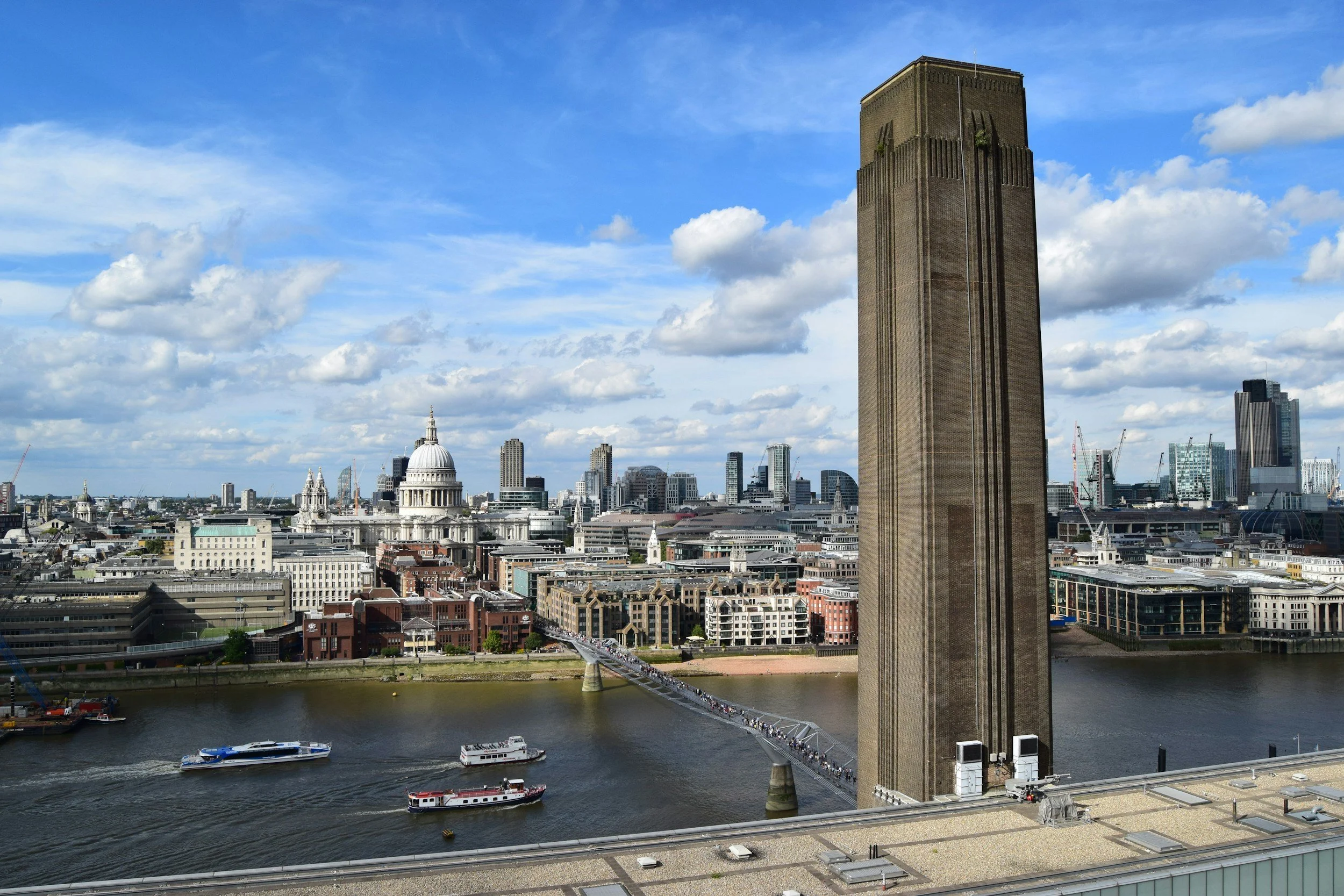
BANKSIDE
Before it housed contemporary art, Tate Modern was Bankside Power Station. The former industrial building began its second life as a gallery in 2000.
Westminster and Victoria: Royal Sights and Practical Arrivals
Westminster puts some of London's most recognisable landmarks within an easy sightseeing area. Parliament, Westminster Abbey, St James's Park and Buckingham Palace make this a natural choice if royal and political London are high on your list.
Victoria, farther west, adds a major railway station and its surrounding hotels, theatres and places to eat. It can be particularly practical for visitors arriving from Gatwick, which has rail services to Victoria. The two areas overlap as accommodation choices, but the station setting feels different from the streets closer to Westminster's landmarks.
Transport and walkability: Westminster, St James's Park and Victoria stations serve different parts of the area. You can connect several major sights on foot, then use public transport for South Kensington, the City or east London.
The trade-off: Government buildings, offices and busy roads shape parts of Westminster and Victoria. Some streets have less evening activity than the West End; others carry substantial traffic. Choose the setting that suits you rather than expecting the same atmosphere throughout.
Hotels to consider:
hub by Premier Inn London Westminster, St James's Park: A contemporary, location-led option for visitors prioritising Westminster's landmarks and St James's Park.
The Clermont London, Victoria: A historic railway hotel beside Victoria station, worth considering for its arrival convenience and more traditional setting.
Westminster is the stronger choice when the landmarks determine your base. Victoria becomes more compelling when its railway connections fit the trip as well.
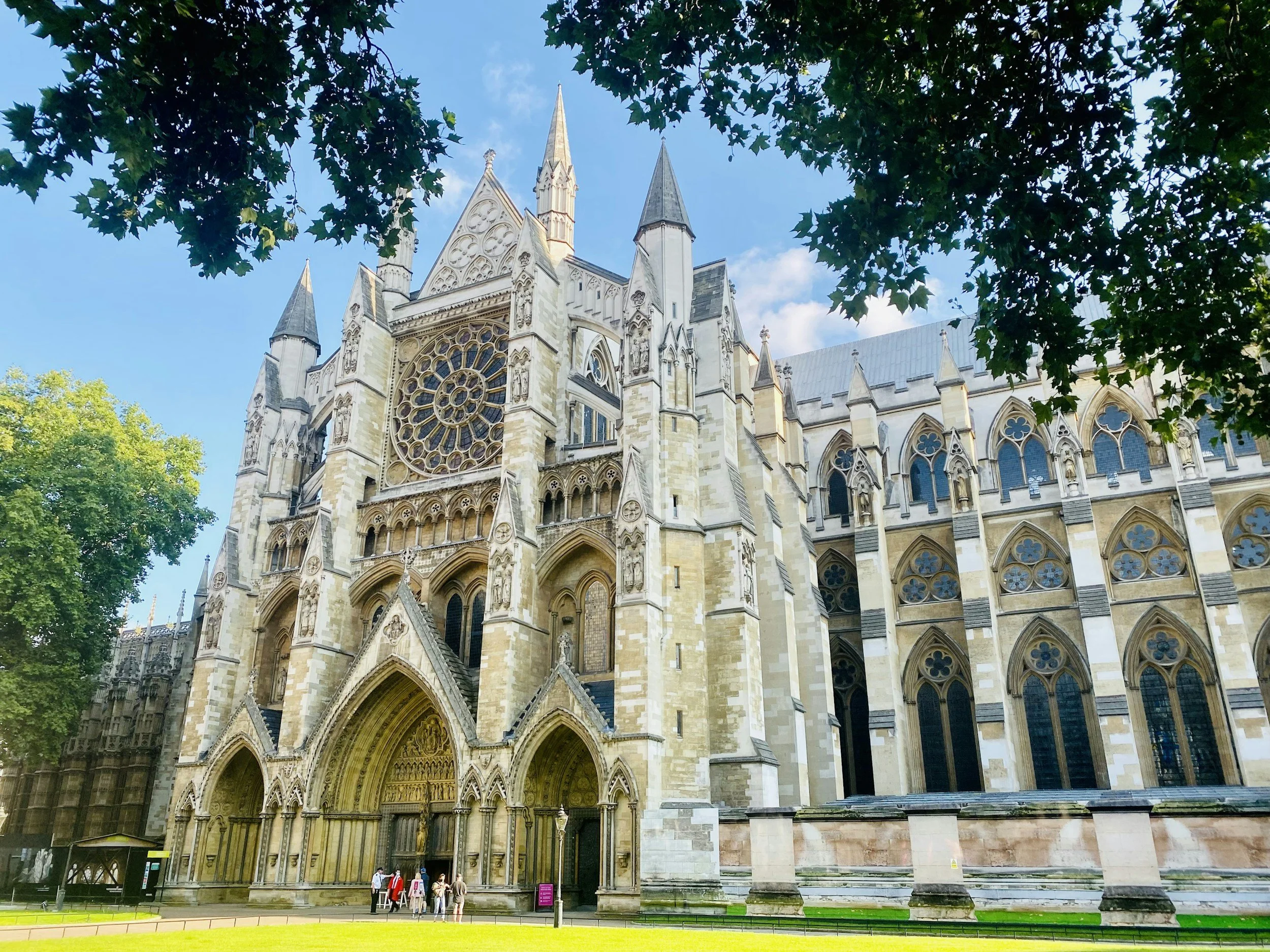
WESTMINSTER ABBEY
Westminster Abbey has hosted coronations since 1066, when William the Conqueror was crowned here on Christmas Day.
South Kensington: Museums and West London
South Kensington makes sense when the V&A, Natural History Museum and Science Museum are substantial parts of your visit. The museum district, surrounding residential streets and access towards Kensington Gardens give you enough reasons to spend time in this part of London beyond a single sightseeing stop.
It can work well for families planning around those museums and parks, and for anyone who prefers west London's setting to the late-evening activity of Soho or Shoreditch. The practical advantage is having the places you'll use repeatedly nearby.
Transport and walkability: South Kensington and Gloucester Road are the useful stations to compare against your address. Both are served by the Circle, District and Piccadilly lines. The museums form a manageable local cluster, with public transport useful for trips farther across London.
The trade-off: The Tower of London, Spitalfields and much of east London sit some distance away. South Kensington is less persuasive if your itinerary repeatedly pulls you east or ends with late evenings in another part of the city.
Hotels to consider:
The Bailey's Hotel London Kensington: A traditional hotel on Gloucester Road, useful for visitors who want a museum-led stay with a convenient transport position.
Citadines South Kensington London: An aparthotel alternative for travellers who prefer a more independent style of stay in the museum district.
This is a good fit when west London's museums and green spaces are part of your daily plans, rather than simply one afternoon's excursion.
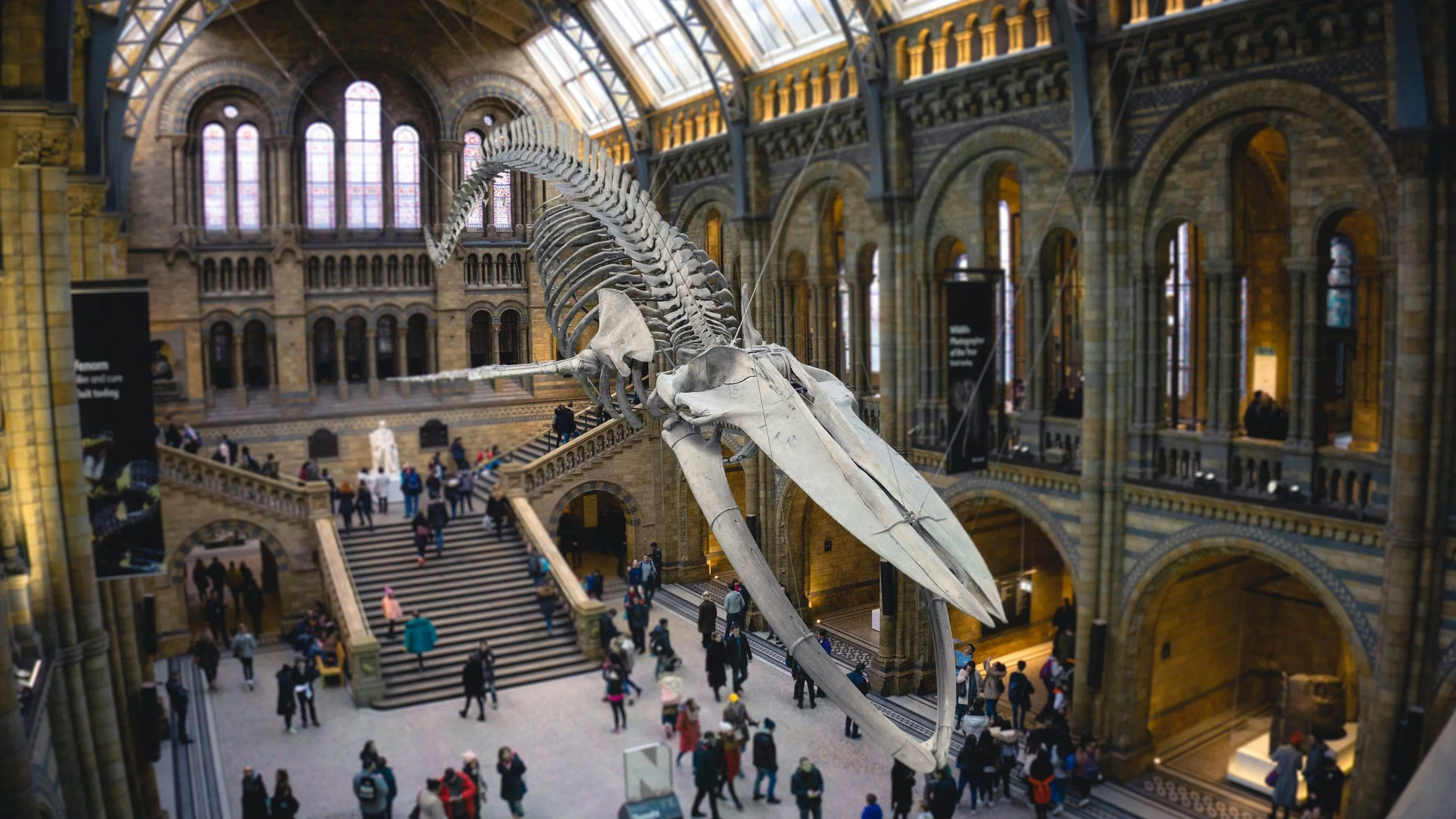
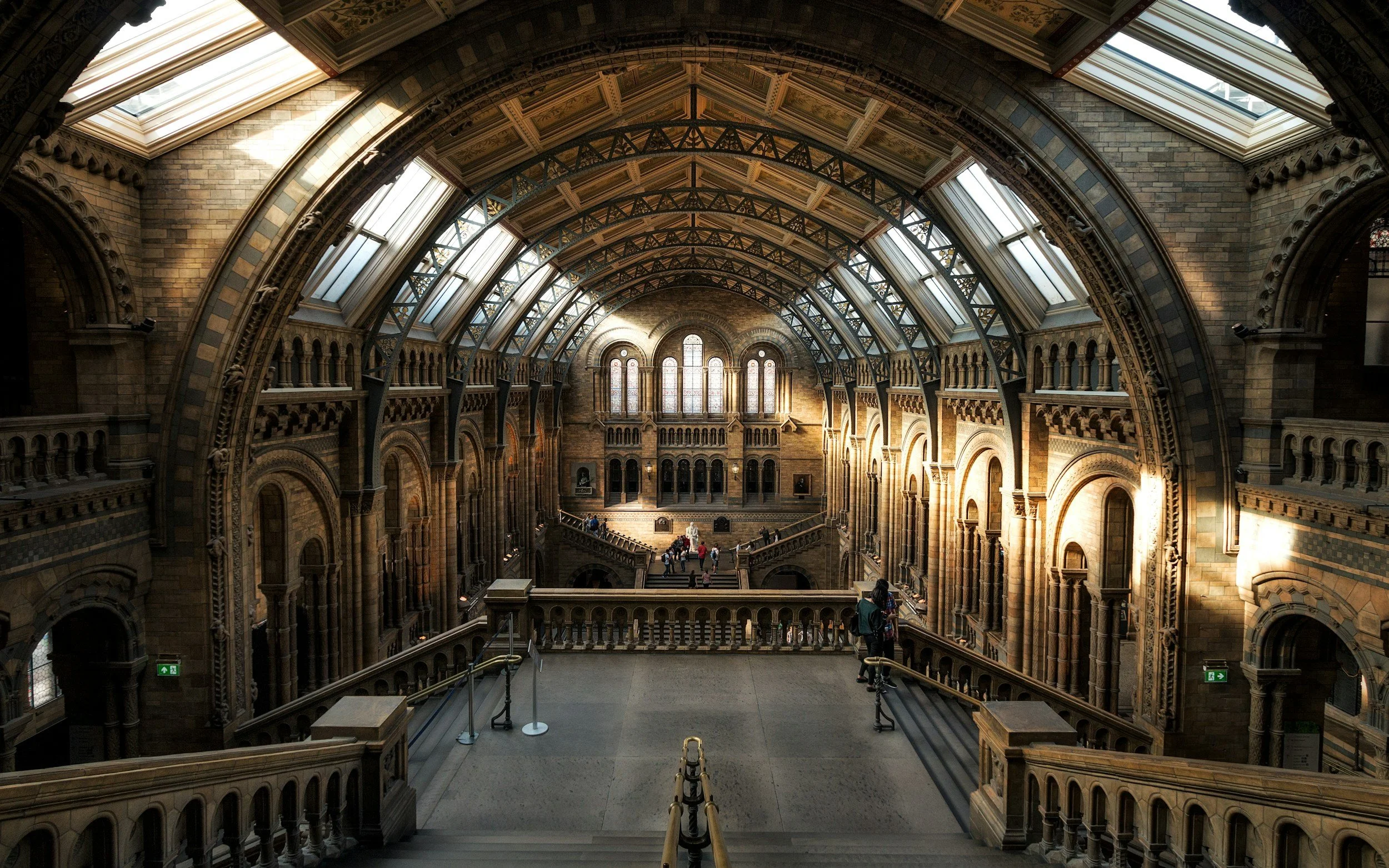
NATURAL HISTORY MUSEUM, V&A, AND SCIENCE MUSEUM
South Kensington’s museum district grew from the success of the 1851 Great Exhibition, whose profits helped fund land for museums and educational institutions.
Paddington: Heathrow Connections and a Practical West London Base
Paddington deserves consideration when an easy Heathrow connection and a useful transport base matter. The area also has distinct settings: streets around the station, the canal basin and routes south towards Hyde Park give you different surroundings to compare.
It suits visitors who are comfortable using public transport to reach their sightseeing areas and want a practical place to organise the trip from. The canal and nearby Little Venice can add a welcome local walk, although your hotel's position will determine how naturally those fit into the day.
Transport and walkability: Paddington has Elizabeth line, Underground and national rail connections. The Elizabeth line links it with Heathrow and central stops including Bond Street and Tottenham Court Road. Check which part of the station you'll use and the walk from your hotel.
The trade-off: This is principally a transport-led choice. If most of your evenings will be in the West End or east London, compare the return journey with the saving or arrival convenience you're getting. A simple airport transfer is useful, but it happens less often than the journeys you'll make during the stay.
Hotels to consider:
Point A London Paddington: A budget-focused option for a straightforward stay with access to Paddington's connections.
Wilde London Paddington: A contemporary aparthotel on North Wharf Road, worth comparing if you prefer that style of accommodation and the canal-basin setting.
Paddington earns its place when the transport position improves the whole trip and the hotel is competitive for your dates.
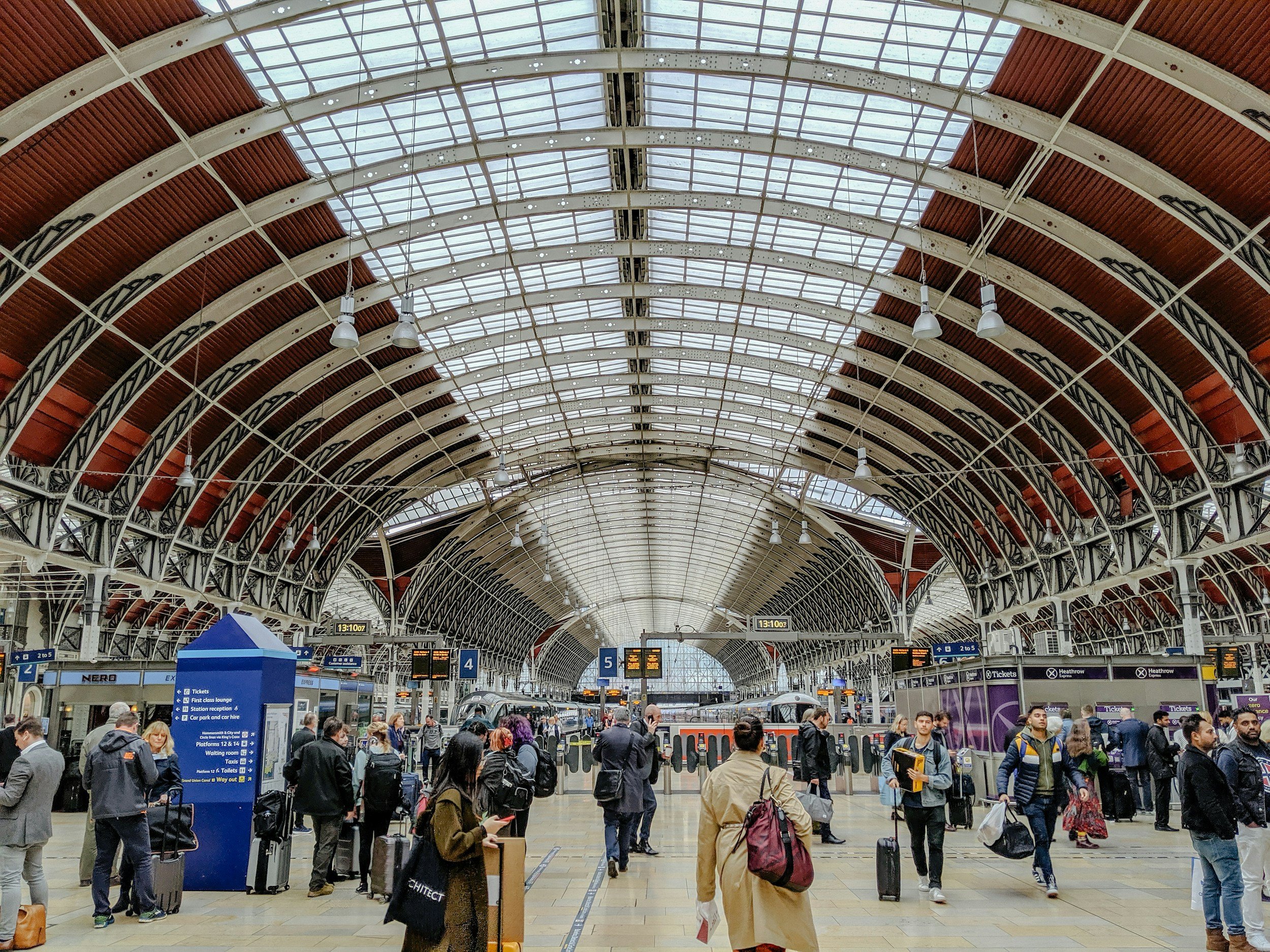
PADDINGTON BEAR ORIGINS
Paddington station gave its name to Michael Bond’s famous bear, inspired by a lonely teddy he bought at Selfridges on Christmas Eve in 1956.
King's Cross and St Pancras: Onward Trains and City Connections
King's Cross and St Pancras are particularly useful when London is one stop in a wider rail journey. St Pancras International is the Eurostar departure point, and the area's national rail and Underground connections make it practical for arrivals, departures and exploring the city.
There is also a difference between the busy station frontage and the neighbourhood farther north around Granary Square, Coal Drops Yard and the canal. The latter gives you places to eat and spend an evening, so this can be more than an overnight stop before a train.
Transport and walkability: King's Cross St Pancras Underground station serves six lines. Bloomsbury is nearby, while public transport is useful for many of the headline sightseeing areas. Check your hotel's position relative to both the railway station and the places you want to use locally.
The trade-off: This remains a busy transport district. An address near Euston Road has a different setting from one towards the canal, and staying here for convenience involves some travel to central sightseeing clusters.
Hotels to consider:
Point A London King's Cross St Pancras: A budget-focused base for visitors who want the stations to be a useful part of their location choice.
The Standard, London: A distinctive hotel in a former Brutalist building opposite St Pancras, suited to travellers who want restaurants and a social setting alongside rail convenience.
Give this area priority when the onward journey matters, or when its own food, canal and cultural setting appeals enough to spend time here.
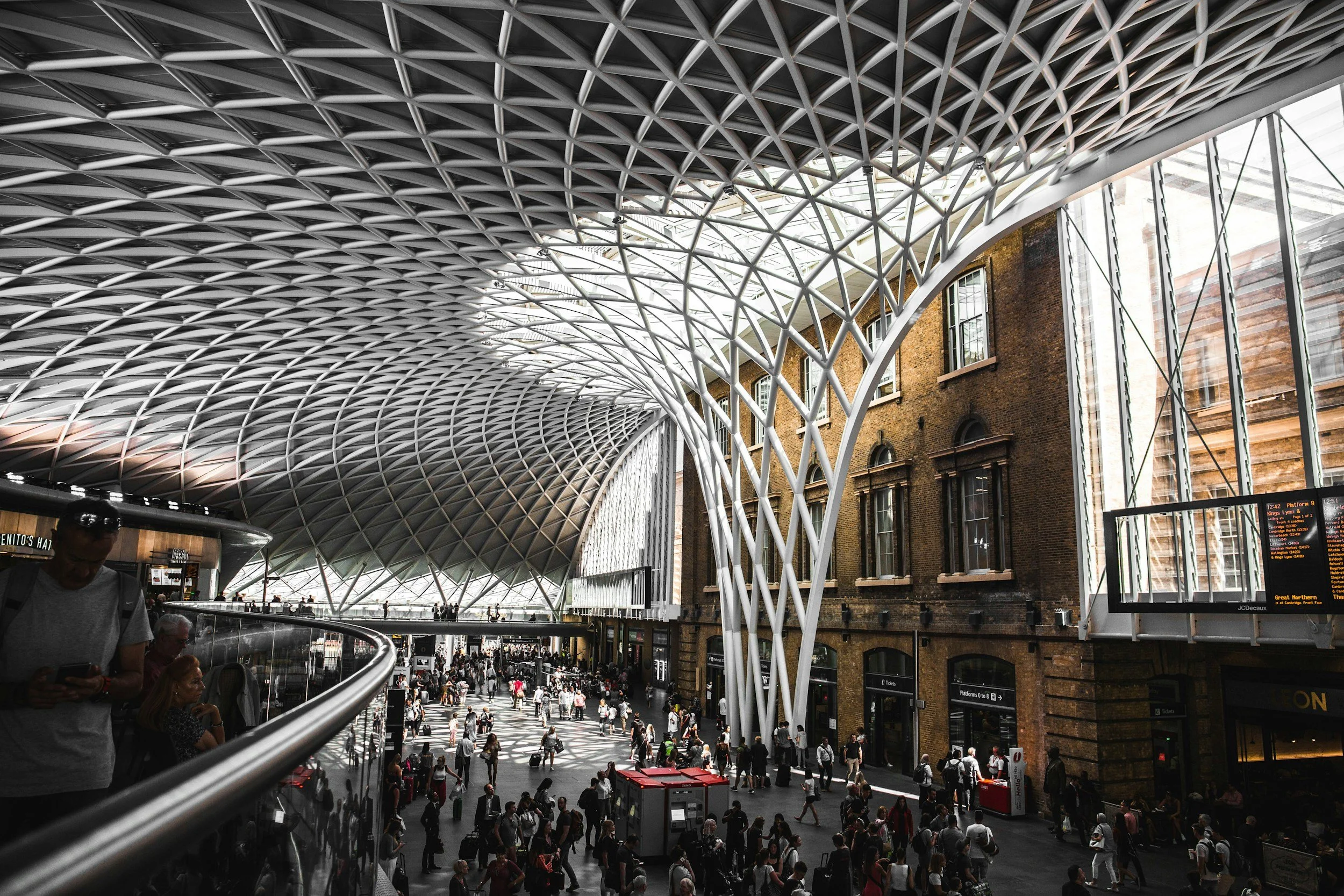
HOGWARTS-BOUND
King’s Cross is home to Harry Potter’s fictional Platform 9¾. In past years, the station has marked 1 September with an 11am departure announcement for the Hogwarts Express.
Spitalfields and Shoreditch: Markets, Food and East London Evenings
Spitalfields and Shoreditch suit visitors who want east London to shape the trip. Around Spitalfields, the market, Brick Lane and surrounding streets give you a strong base for food, independent shopping and exploring on foot. Shoreditch High Street and the streets beyond bring more nightlife into the picture.
The two names often appear together, but they cover different positions. Staying near Spitalfields can make Liverpool Street your main transport connection; farther into Shoreditch, the immediate surroundings and most useful station change. If dining and markets influence your choice, our London food and drink guide offers a broader introduction.
Transport and walkability: Liverpool Street has the Elizabeth line, Underground and national rail services. Shoreditch High Street is an Overground station on the Windrush line; Old Street is another useful Underground option for parts of Shoreditch. Check the route from the particular hotel to your repeated destinations.
The trade-off: You'll travel west for Westminster, the West End and South Kensington. Some streets also have substantial evening activity. This area works best when you want to spend a meaningful part of the trip in east London.
Hotels to consider:
Point A London Liverpool Street: A budget-focused hotel on Folgate Street, useful for a Spitalfields base with access towards Liverpool Street.
One Hundred Shoreditch: A contemporary hotel on Shoreditch High Street, a stronger match when Shoreditch's restaurants, bars and evening life are part of the reason for coming.
Base yourself here if east London is a priority in its own right and you're happy to travel for the classic sights farther west.
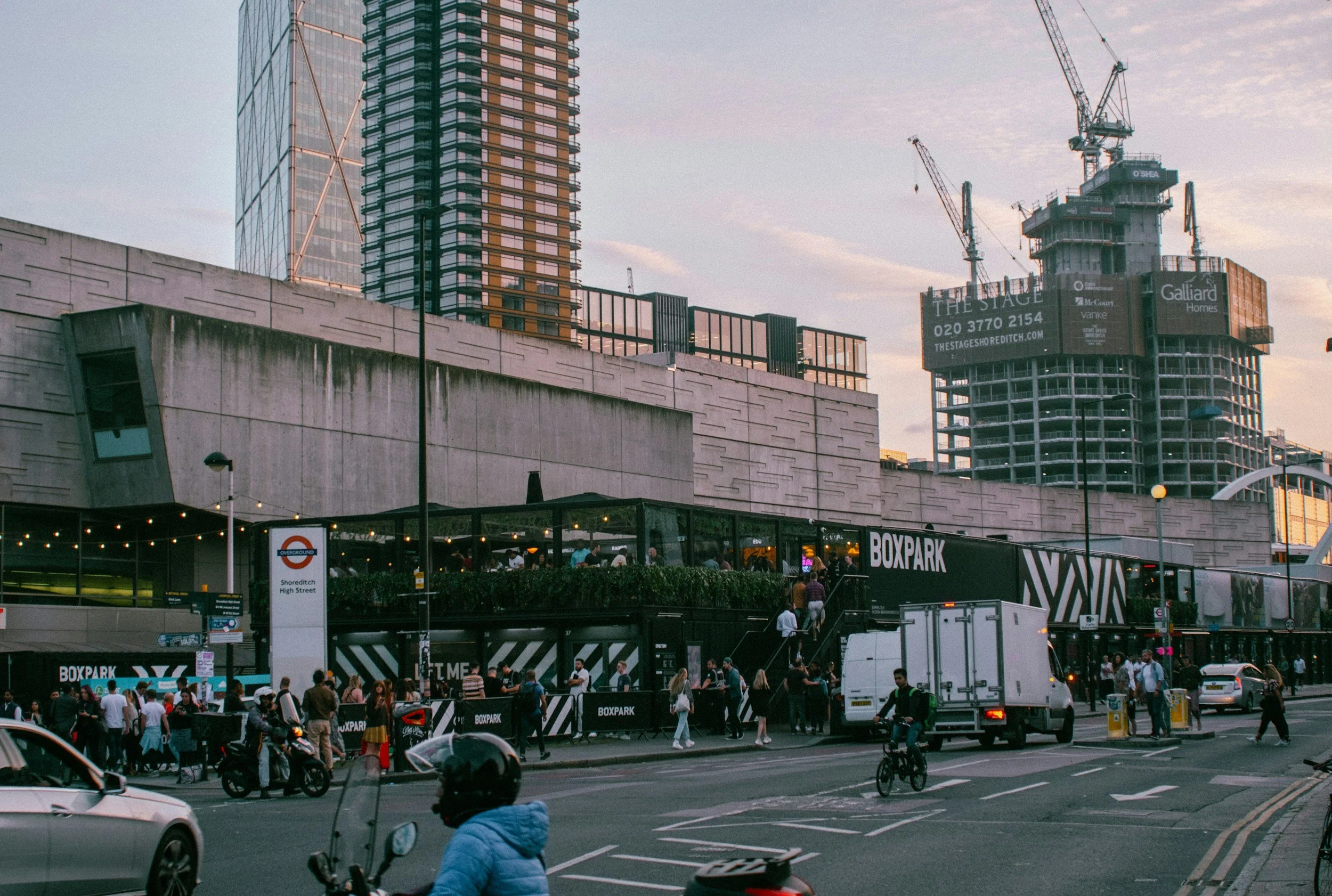
LONDON NIGHTLIFE
Shoreditch’s street art, vintage shops and late-night bars give it an edgier feel, appealing to younger travellers looking for London’s creative and alternative side.
Other London Areas Worth Considering
The eight areas above are a useful shortlist, but a particular hotel or itinerary may give you a good reason to look elsewhere.
- The City and Tower Hill: Consider this side of central London if the Tower of London, St Paul's and the eastern riverfront are priorities. Check the immediate surroundings if evening atmosphere matters to you.
- Marylebone and Mayfair: Worth comparing when you want a central stay with shopping, restaurants or a more premium hotel setting. They have different characters, so look beyond the shared west-central position.
- Notting Hill: An appealing choice if you actively want time around its neighbourhood streets, Portobello Road and west London. Balance that preference against the journeys to your main sights.
- Bayswater and Earl's Court: Useful alternatives to compare when a particular hotel offers the right location and price for your trip. Assess each address and its connections rather than assuming the whole area will be cheaper.
On a longer visit, residential neighbourhoods farther out can also be rewarding places to stay. For a short first trip, I'd want a clear reason to accept the extra travel. Our London neighbourhood guide will help you choose areas to explore beyond your accommodation base.
Continue Planning London
Start with the two areas that fit your trip best, then compare hotels for the dates you're travelling. Once the base is settled, build your sightseeing around a few priorities each day.
“London’s a big city and although public transport makes getting around easy, where you stay can have a massive impact on your experience. Think about why you’re going, and what you want to be close to so you can avoid spending your whole trip on the tube!”